In a world where technology is advancing at an unprecedented pace, the role of artificial intelligence (AI) in scientific discovery is becoming more intriguing than ever. The question on many minds is whether AI could unveil new laws of physics that have eluded human understanding. Imagine a machine capable of digesting vast amounts of data and identifying patterns that humans might miss. This notion is not only fascinating but also holds the potential to revolutionize our understanding of the universe.
The Intersection of AI and Physics
AI has already made significant strides in physics, assisting scientists in everything from data analysis to the simulation of complex systems. Traditionally, physics has relied on human intuition and experimentation to uncover the laws governing the natural world. However, AI offers a new paradigm. It can sift through enormous datasets, revealing correlations and insights that might take humans years to decipher. This ability to process and learn from data at a rapid pace is where AI could potentially find new laws of physics.
AI’s Pattern Recognition Capabilities
One of the core strengths of AI is its ability to recognize patterns. In physics, this could mean detecting regularities in experimental data that are not immediately obvious to human researchers. For instance, AI could analyze the motion of particles in a collider experiment and discern a pattern that suggests a new fundamental interaction. This would be akin to finding a needle in a haystack, where the haystack is composed of complex, multidimensional data.
Machine Learning and Theoretical Physics

Machine learning, a subset of AI, is particularly promising in theoretical physics. It can be used to test hypotheses and simulate scenarios that would be impossible to recreate in a laboratory. By feeding a machine learning model with theoretical data, scientists can explore the implications of new theories and even predict outcomes of experiments. This method is already being used in quantum physics, where the behavior of subatomic particles is notoriously difficult to predict.
The Role of Algorithms in Discovery
Algorithms are the backbone of AI, and they can be designed to solve specific problems in physics. For example, evolutionary algorithms mimic natural selection to find optimal solutions to complex problems. In the context of physics, these algorithms could be used to optimize the parameters of a theory, making it more consistent with observed phenomena. This iterative process could lead to the discovery of new laws that are more accurate and comprehensive.
AI’s Limitations in Understanding Physics

Despite its potential, AI is not without limitations. One significant challenge is that AI lacks the intuitive understanding that human physicists possess. While it can identify patterns, it may not understand the underlying principles that govern these patterns. Additionally, AI’s findings must be interpreted and validated by human experts to ensure they are meaningful and accurate. This symbiotic relationship between AI and human intelligence is crucial for making genuine breakthroughs.
Real-World Applications of AI in Physics
AI has already been applied in various physics-related fields with remarkable success. In astrophysics, AI algorithms have been used to classify galaxies and predict cosmic events. Similarly, in particle physics, AI helps process data from experiments at the Large Hadron Collider. These applications demonstrate AI’s potential to enhance our understanding of the universe, possibly leading to the discovery of new physical laws.
AI-Driven Simulations and Predictions
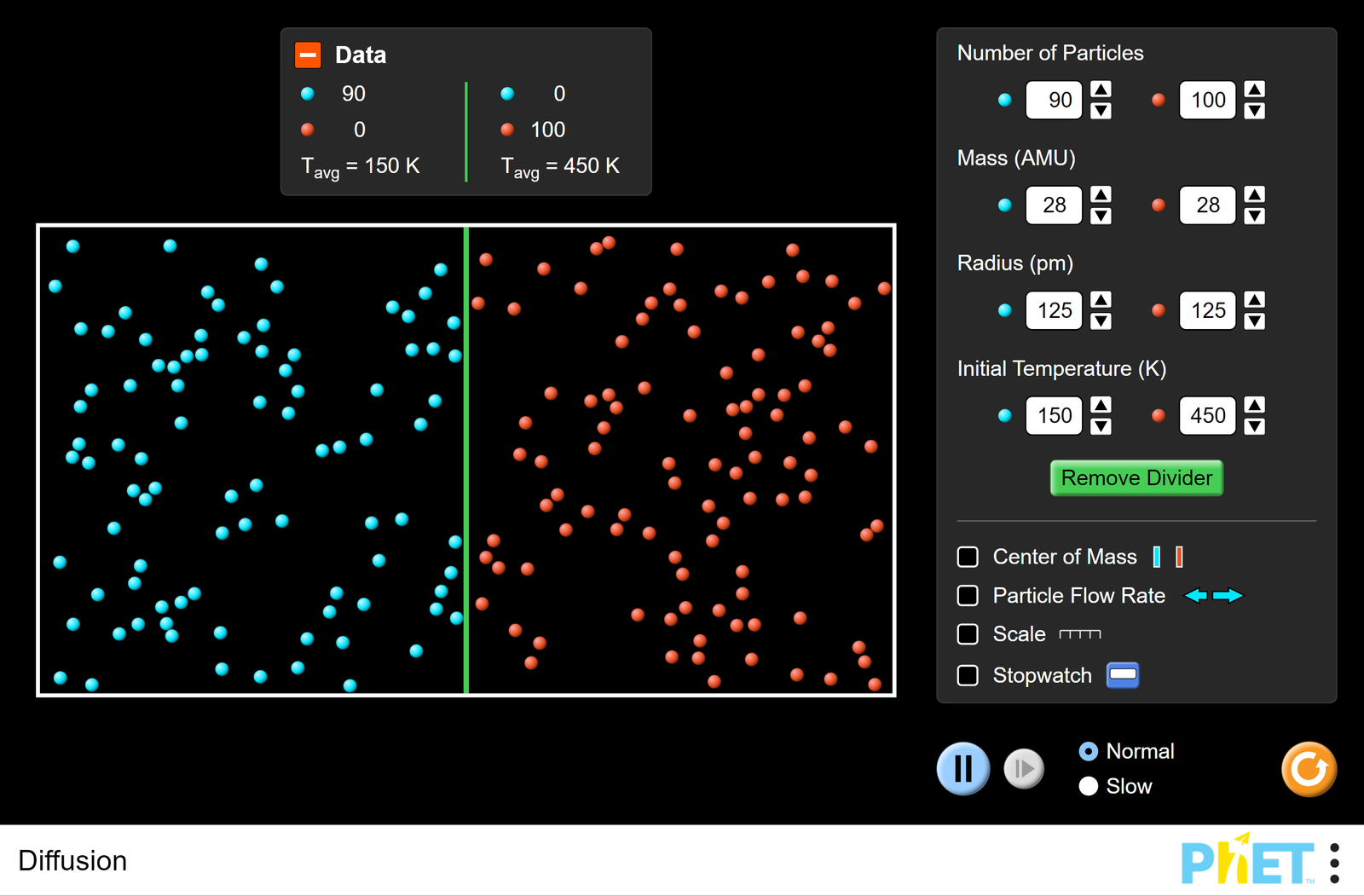
Simulations are an essential tool in physics, allowing scientists to test theories and predict outcomes. AI-driven simulations can perform these tasks faster and more accurately than traditional methods. By simulating complex systems, AI can provide insights into phenomena such as black holes or the behavior of dark matter. These simulations could uncover new laws that explain these mysterious aspects of the universe.
The Future of AI and Physics Collaboration

Looking to the future, the collaboration between AI and physics seems poised for exciting developments. As AI technologies continue to evolve, they will become even more integral to the field of physics. This collaboration could lead to a deeper understanding of the universe and our place within it. The potential for AI to discover new laws of physics is a tantalizing prospect that could reshape our scientific landscape.
Challenges and Ethical Considerations

While the potential benefits of AI in physics are immense, there are also challenges and ethical considerations to address. Ensuring that AI is used responsibly and ethically is paramount. There is also the challenge of data privacy and the need to protect sensitive information. Addressing these issues is crucial to harnessing AI’s potential without compromising ethical standards.
AI: A New Frontier for Physics

In conclusion, the possibility that AI could discover new laws of physics is both exciting and daunting. As we stand on the brink of this new frontier, the potential for groundbreaking discoveries is immense. AI’s ability to process and analyze data at unprecedented speeds could lead to insights that have eluded human researchers for centuries. The journey to uncover these hidden laws of the universe is just beginning, and AI is set to be a pivotal player in this quest. The implications of such discoveries could be profound, reshaping our understanding of the universe and opening up new realms of possibility.