
Most of us talk to animals as if they secretly get every word. Maybe you chat to your dog about your day, or you swear your cat understands “vet” a little too well. For a long time, scientists brushed this off as wishful thinking: cute, but not serious. Yet over the past few years, new research has started to make that simple question feel a lot less silly.
We now know that some animals can recognize hundreds of spoken words, follow surprisingly complex instructions, and even seem to link human sounds to specific meanings. Other species appear to grasp tone, rhythm, and intention more than exact vocabulary. The result is both thrilling and humbling: animals may not “speak” our languages, but many are not as far outside of them as we once believed.
The Big Question: What Does It Mean To “Understand” Language?
Here’s the tricky part: when we ask whether animals understand human language, we first have to define “understand.” Do we mean they can react to a trained command like “sit”? Or do we mean they can mentally combine ideas, understand grammar, and talk back? Those are very different levels. A dog that runs to the kitchen when it hears “treat” clearly links a word to an outcome, but that’s not the same as forming a sentence in its head.
Scientists often separate three layers: recognizing sounds, attaching meaning to those sounds, and combining them in flexible ways. Many animals can handle the first two to some degree, especially with rewards and repetition. But the third level – the abstract, creative part of language – is where humans still sit in a category of their own. When people ask if animals “speak human,” they’re really poking at this deepest level, and so far, the evidence says that gap is still huge.
Dogs: The Surprising Champions Of Human-Word Recognition

Among all the animals living alongside us, dogs are the clear stars of human-word recognition. Some individual dogs have been shown to learn the names of dozens, even hundreds, of objects and toys just through play and repetition. In carefully controlled tests, these dogs could pick the correct toy from a pile simply after hearing its name, even when the word was spoken by unfamiliar people. That’s a long way from just responding to tone or routine.
More recently, researchers used brain scans to see how dogs react to spoken words. They found distinct responses when dogs heard familiar words versus nonsense words, suggesting that dogs aren’t only reacting to sound patterns but tracking meaning as well. At the same time, dogs still lean heavily on intonation, body language, and context. So your dog might “know” the word “walk,” but it’s probably blending the sound, your excitement, the time of day, and the sight of the leash into one big chunk of meaning.
Cats, Horses, And Other Pets: Do They Know More Than They Let On?

Cats have a reputation for ignoring humans, but that doesn’t mean they’re clueless. Studies have shown that cats can recognize their own name and distinguish it from other words, even when spoken by strangers. Many owners notice their cats reacting differently to words like “food,” “out,” or “treat,” especially when those words are used consistently. The catch is that cats are less motivated to respond on command, so their understanding often stays hidden behind that classic feline “I heard you, I’m just not doing it” attitude.
Horses, parrots, and other common companion animals also show some level of word recognition. Horses can link simple spoken cues to actions, and some birds in captivity can associate specific human words or phrases with objects or situations. The big difference from dogs is motivation and history: dogs have been bred for thousands of years to pay attention to humans, while many other pets haven’t. So they may understand more than they show, but they don’t necessarily care about “performing” that understanding for us.
Apes, Dolphins, And Parrots: The Animal Communication Elite
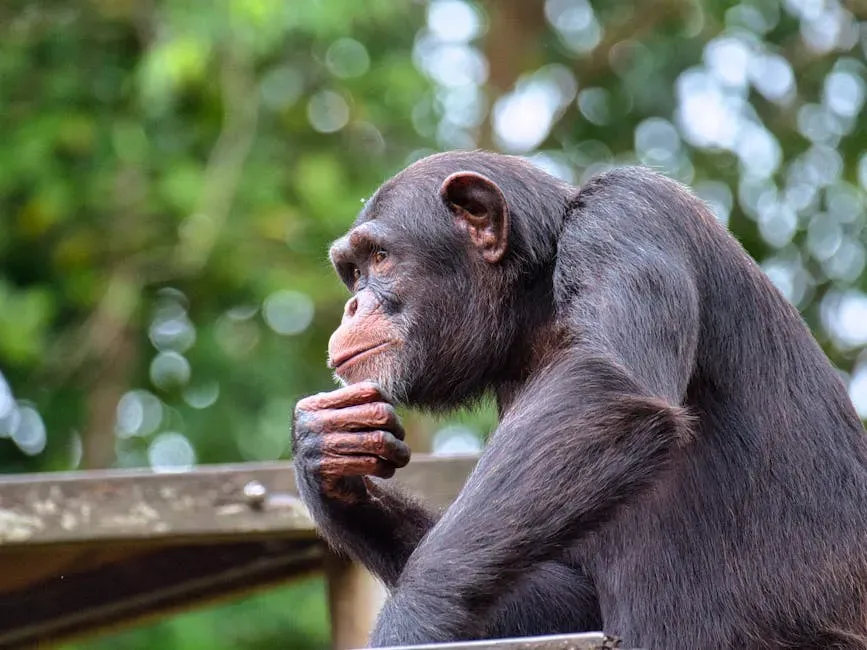
When it comes to sophisticated communication, a few species regularly steal the spotlight: great apes, dolphins, and parrots. For decades, researchers have taught chimpanzees, bonobos, and gorillas to use symbols, gestures, or visual keyboards to ask for objects, describe simple actions, and respond to human-made “word” systems. They can combine symbols in flexible ways and sometimes seem to create their own shortcuts, hinting at a deeper grasp of meaning than simple memorization.
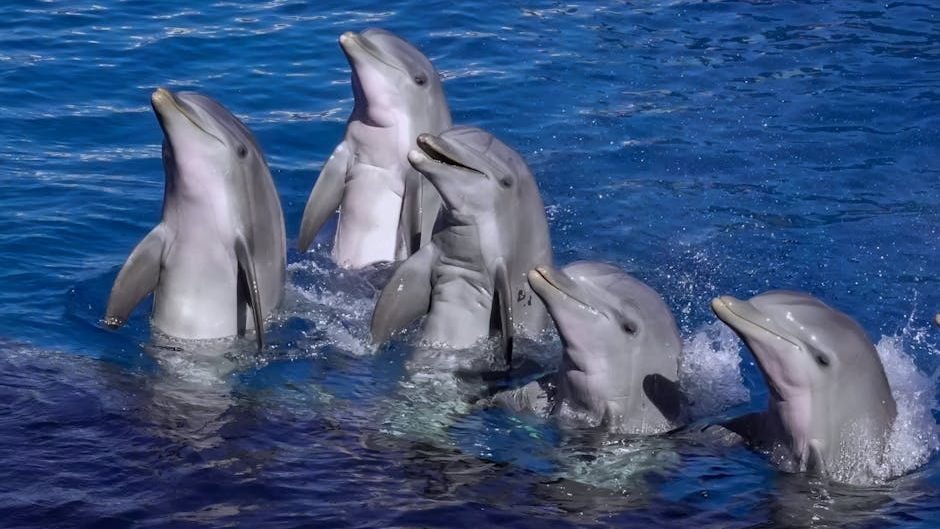
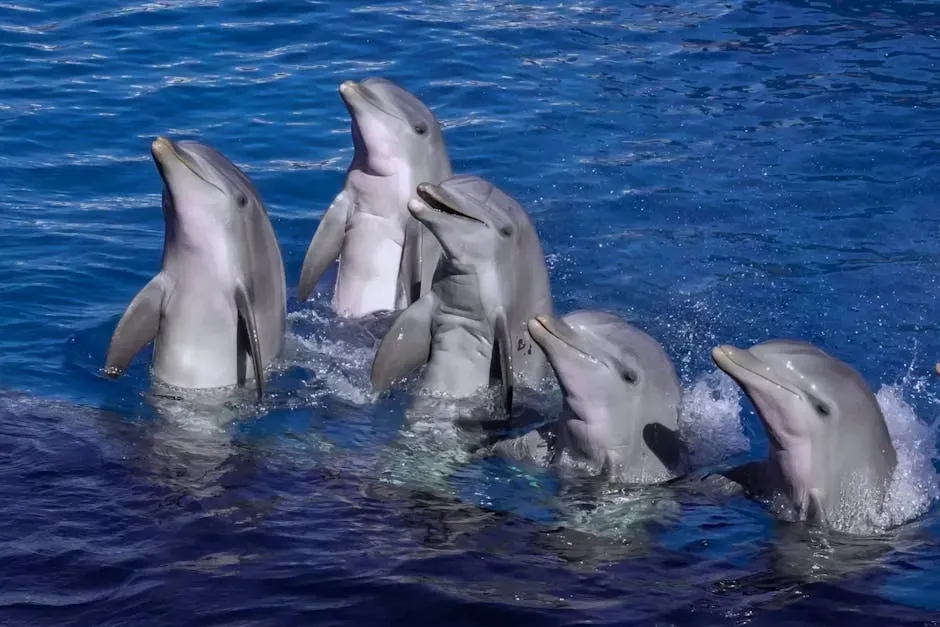
Dolphins and some parrots have also learned to respond to structured sequences of human-made signals, where the order of “words” changes the meaning. That suggests they can process a simple kind of grammar, not just individual commands. Still, even these standout learners do not use language the way humans do: they do not spontaneously start telling stories, gossiping, or asking complex questions. Their abilities are impressive, but they sit somewhere between advanced signaling and the rich, open-ended language that we use every day.
Beyond Words: Tone, Emotion, And Body Language
A lot of animal understanding happens outside of words themselves. Many species are experts at reading our tone of voice, facial expressions, and posture. Dogs, for example, can distinguish between happy and angry human faces and respond differently to gentle versus harsh tones, even in languages they have never heard before. That suggests they’re tuning into emotional signals, not just familiar sounds.
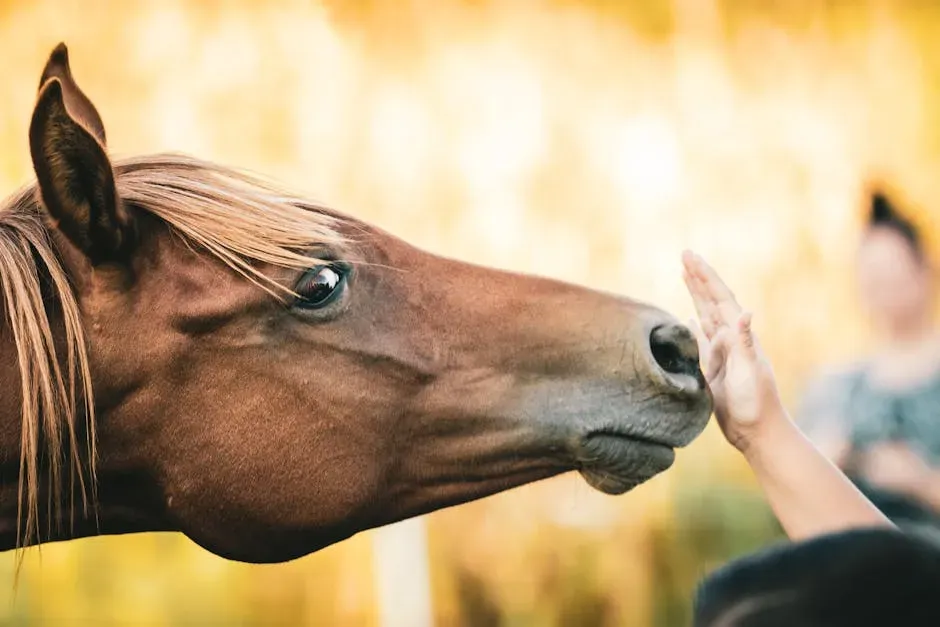
Other animals show similar sensitivity. Horses react to the emotional tone of human voices and faces; some birds seem to pick up on stress or calmness. In daily life, this means animals might pay more attention to how we speak than to the exact words. When you think your pet “understands everything,” part of what you’re feeling is probably this deep, cross-species reading of mood and intention – something closer to emotional translation than vocabulary translation.
The Tech Twist: Buttons, AI, And “Talking” Pets
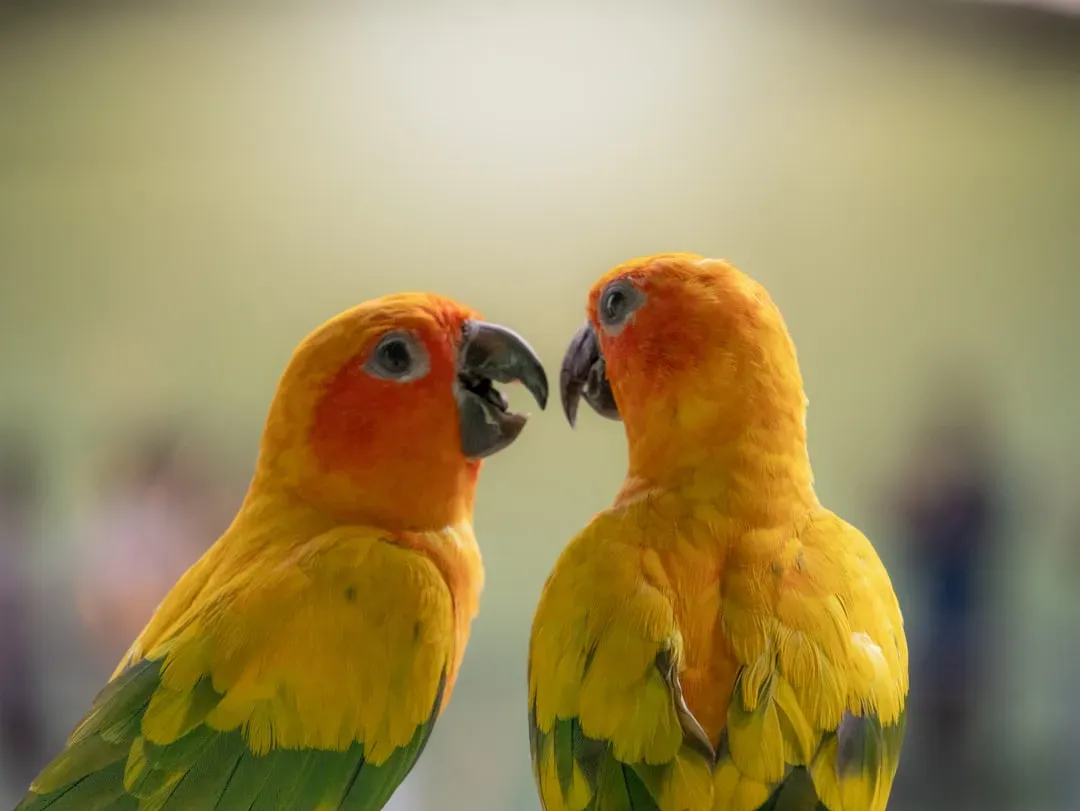
In the last few years, videos of dogs and cats “talking” with sound buttons have exploded online. These animals press buttons labeled with words like “outside,” “play,” or “love you,” and sometimes combine several in a row. It looks like a pet is building sentences out of human language. Researchers are now trying to test these setups more rigorously to figure out what’s actually going on. Are the animals truly combining words with intention, or just learning sequences that trigger human reactions?
At the same time, artificial intelligence is being used to analyze animal sounds – like whale songs, bird calls, and even pig grunts – to see whether there are patterns that might work like a language. Some early projects have suggested that certain calls carry more complex information than we realized, but the field is still in its early days. If we ever manage to map animal signals more precisely, we might end up meeting them halfway: not only asking whether they understand our language, but finally starting to decode theirs.
Why Human Language Still Stands Apart
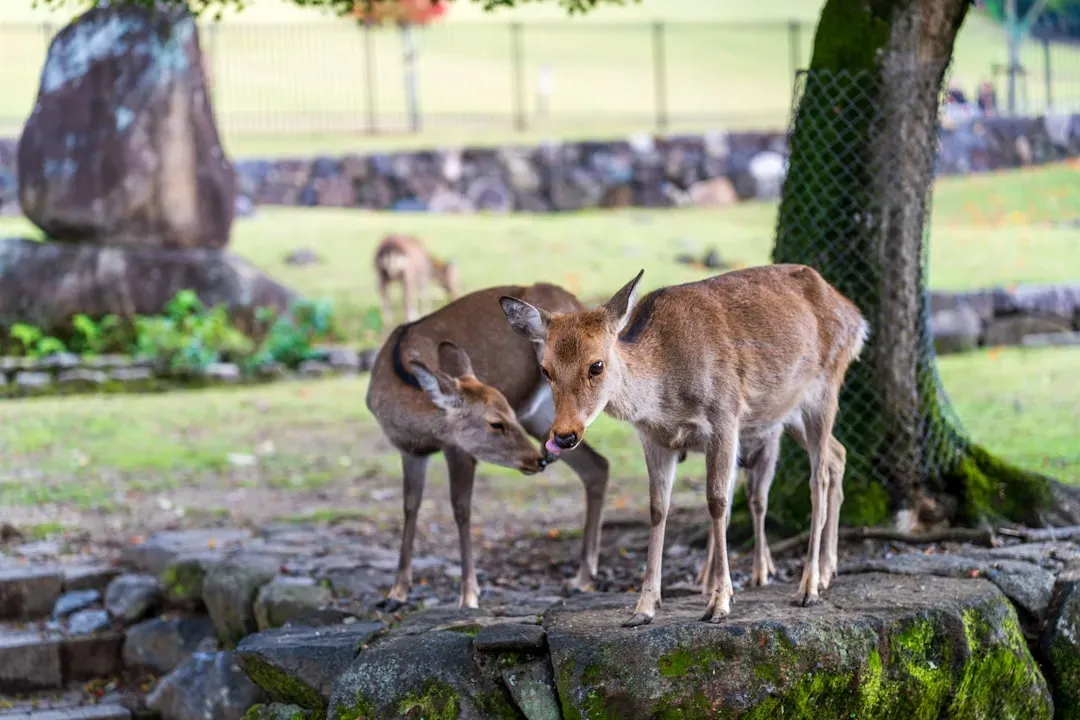
Even with all these breakthroughs, there’s a hard line researchers keep coming back to. Human language is incredibly flexible: we can talk about the past and future, invent imaginary worlds, explain how to build a rocket, or argue over abstract ideas that don’t physically exist. No animal has been shown to use a communication system this open-ended, even in the most supportive, long-term experiments. That doesn’t make other species “lesser,” but it does highlight how unusual our kind of language really is.
What animals seem to do best is connect sounds – whether their own or ours – to immediate contexts: food, danger, play, comfort, social status. They may understand dozens of human words and pick up on subtle emotional cues, but they don’t go on to develop full-blown spoken languages of their own in response. So far, the evidence suggests we are unique in our depth of language, but not alone in the basic tools of understanding that language rests on.
What This Changes About How We See Animals
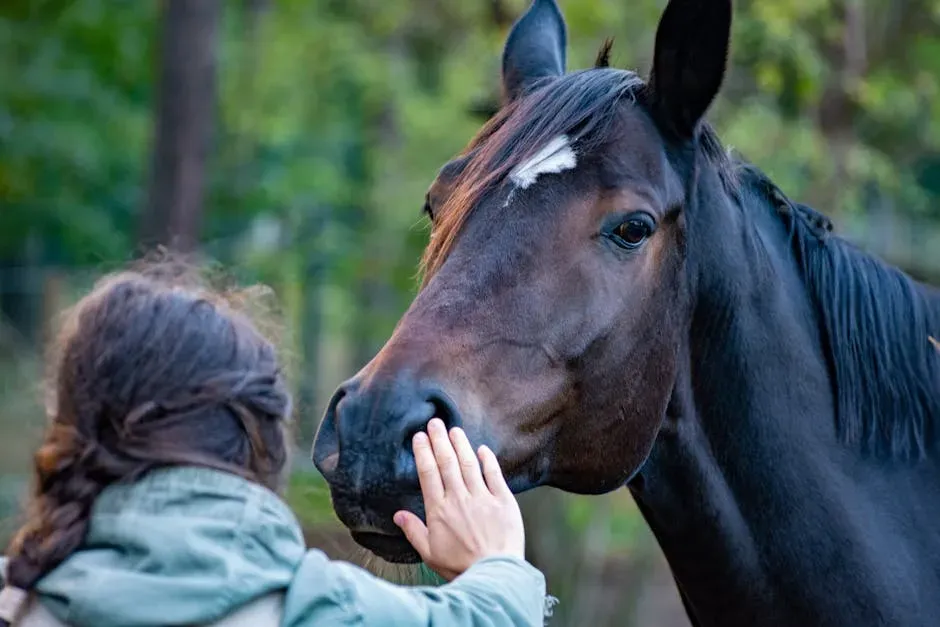
Learning that animals can grasp pieces of our language – and that we’ve long underestimated their abilities – forces an uncomfortable but important shift. It becomes harder to see them as simple, automatic creatures just reacting to stimuli. Instead, they start to look more like thinking partners with their own ways of processing the world, capable of bits of shared meaning with us. That shared space, even if small, carries ethical weight.
If a dog can understand dozens of words, a parrot can link sounds to concepts, and a horse can read our emotions, then our responsibility toward them becomes more personal. We are not just caretakers of mute beings; we are living with minds that can partially meet ours. That realization might change how we train, house, and include animals in our lives – because once you admit someone understands you, even a little, it’s much harder to ignore what that implies.