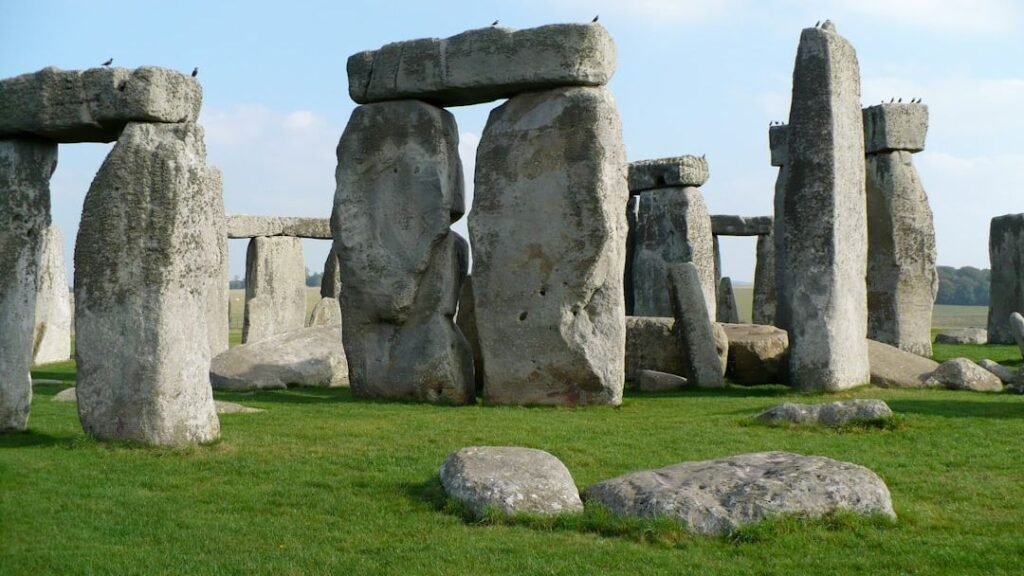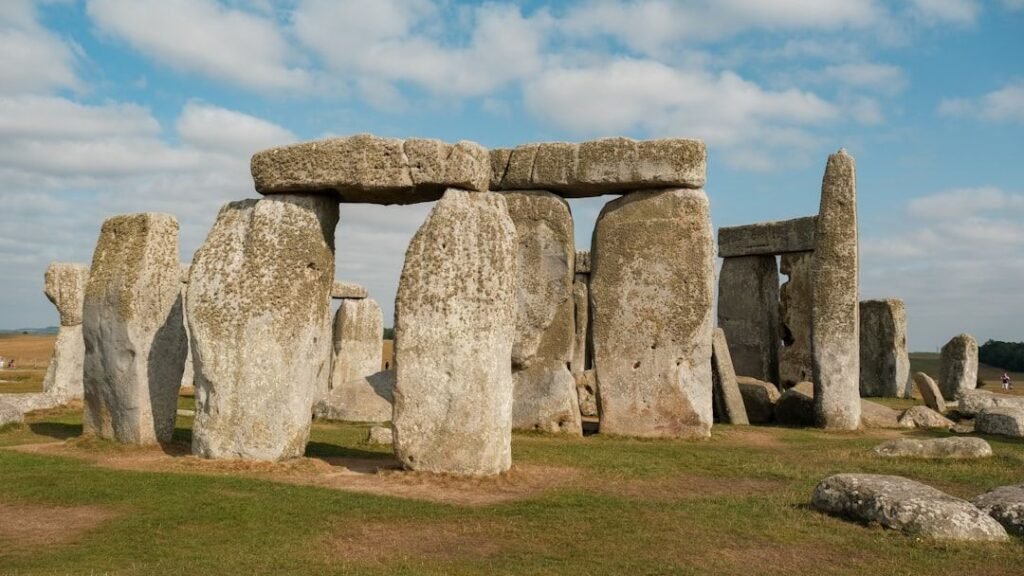

Walk into a stone circle at dawn, when the light is thin and the air feels strangely heavier, and you almost instinctively know something powerful was happening there. For a long time, the safe answer has been that these places were ancient calendars or observatories, clever ways to watch the sky. That explanation is tidy, logical, and comforting. But what if it’s also incomplete? What if we’ve been reducing deeply complex, living places to the ancient equivalent of a spreadsheet?
In the last few decades, new discoveries and better dating methods have shaken up old assumptions about megalithic sites. We’re realizing that many of these places were built, used, rebuilt, and reimagined for thousands of years, often long before the neat alignments we like to talk about. I remember standing at Newgrange in Ireland, expecting a simple “winter solstice observatory,” and instead feeling like I was in a layered time machine of ritual, burial, art, and sky all at once. The more we look, the more it seems that calling these sites “just observatories” is like saying a cathedral is “just a clock tower.”
Stone Monuments as Social and Political Power Centers
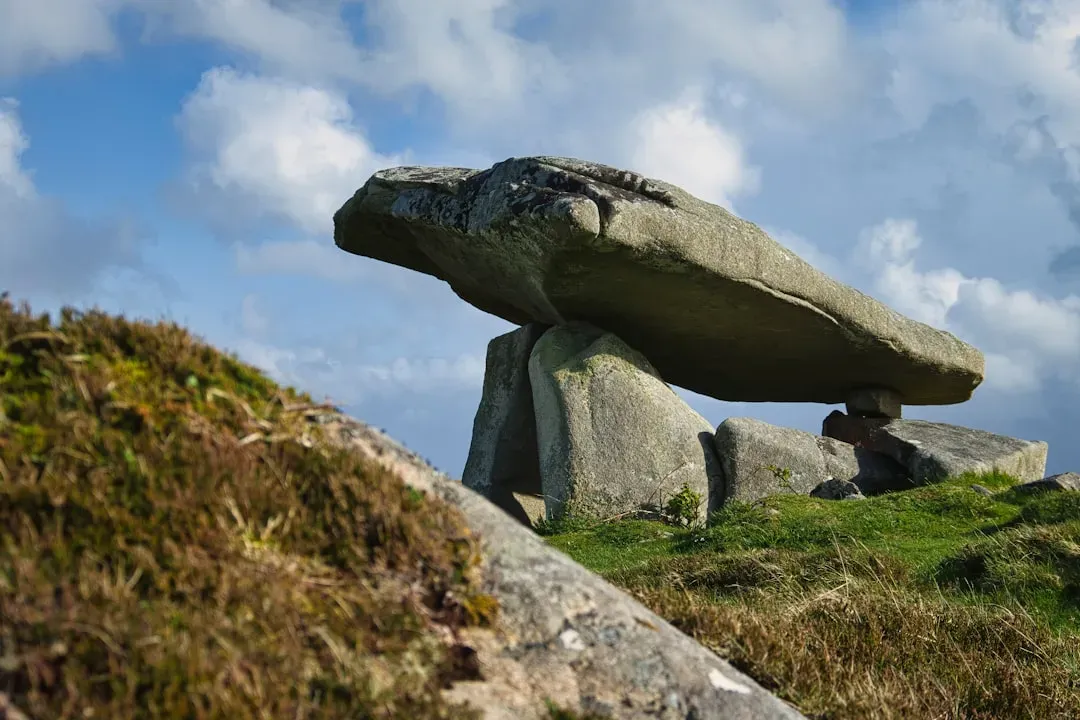
Ask yourself this: who gets to decide where a massive stone monument goes, and who orders hundreds of people to drag multi-ton blocks across the landscape? Megalithic sites may have tracked the movements of the sun and stars, but they also signaled power in a way everyone could see. Building something that defies time is a bold way of saying, “We’re here, we’re organized, and we matter.” That’s not just astronomy; that’s politics in stone.
Many archaeologists now see these sites as tools of social cohesion and control. Leaders could have used the shared labor of construction to bond communities, test loyalties, and reinforce hierarchies. Imagine the prestige of being the person who “knows” when the solstice comes, who reads the stones and interprets the sky. That knowledge, wrapped in ritual, would be a kind of soft power that’s hard to challenge. The sky may have been the excuse; the real game might have been people.
Megaliths as Portals Between Worlds
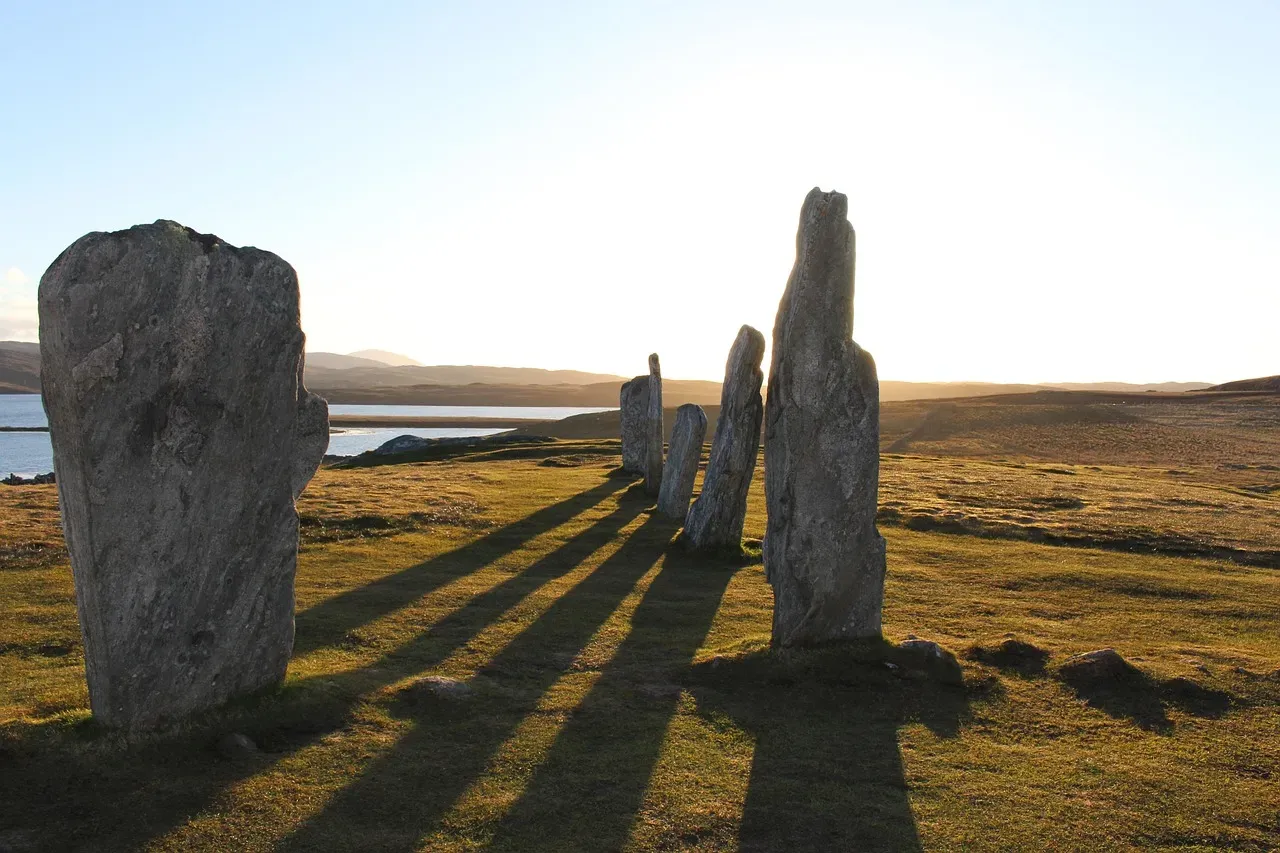
There’s something eerily consistent across continents: stone circles, passage tombs, and standing stones are often tied to ideas of death, rebirth, and the afterlife. Many of these structures contain burials or lie close to cemeteries, yet they’re also aligned to particular sunrises or sunsets. That mix of bones and light, stone and shadow, strongly hints that these were not just stargazing platforms but places where people tried to bridge the gap between the living and the dead.
Think of the way a narrow passage channels light deep into a dark chamber only once or twice a year. To modern eyes, it’s clever engineering. To ancient communities, it might have felt like the sun itself was visiting the ancestors, flooding their resting place with living light. These alignments could have been moments when time felt thin, when people believed the worlds could briefly touch. In that sense, the sky wasn’t just being observed; it was being invited in.
Ritual Theaters for Sound, Movement, and Emotion
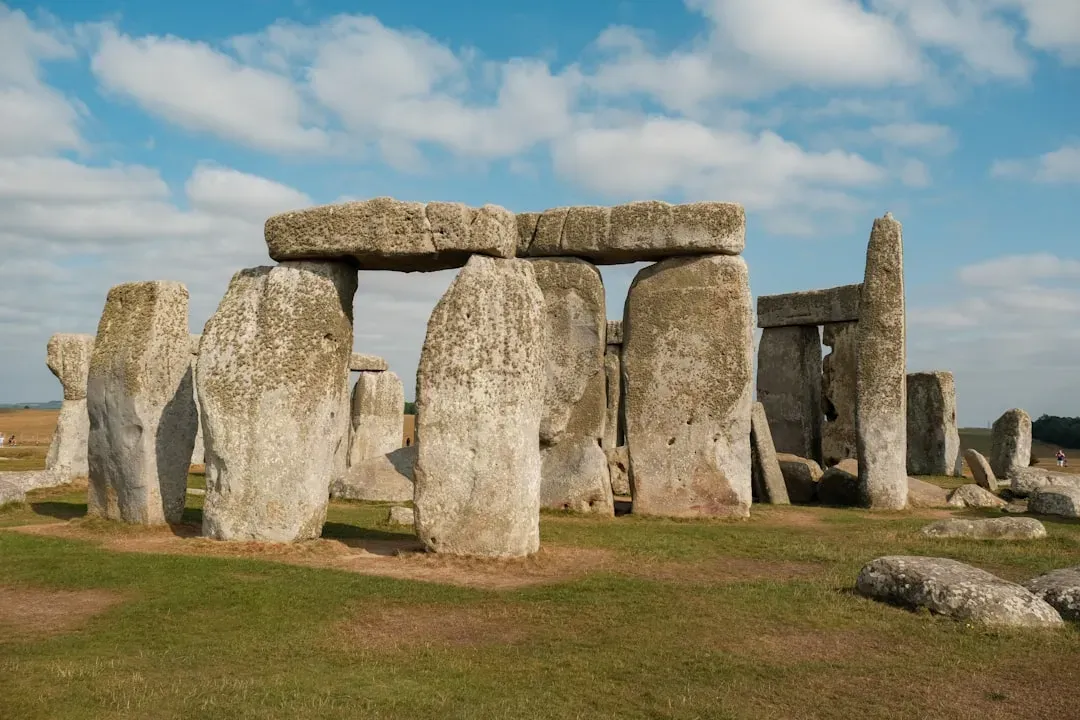
When you stand in the center of a stone circle and speak, the sound often behaves in weird ways – your voice can bounce, deepen, or carry farther than you expect. Recent acoustic studies suggest that some megalithic layouts may enhance sound, turning them into natural amphitheaters. If that’s true, then these sites weren’t only about where the sun rose but also about how chants, drums, and voices moved through space and into the bodies of everyone present.
Imagine a night ceremony, torches flickering on stone, drums echoing against rock, and a crowd moving in patterns that only make sense from above. The experience would have been immersive: sound, firelight, cold stone underfoot, the sky arching overhead. These aren’t the conditions of detached scientific observation; they’re the ingredients of ritual, performance, and deep emotional impact. In that light, astronomical alignments become part of the stage design rather than the whole purpose of the theater.
Ancient Health, Healing, and the Subtle Power of Place
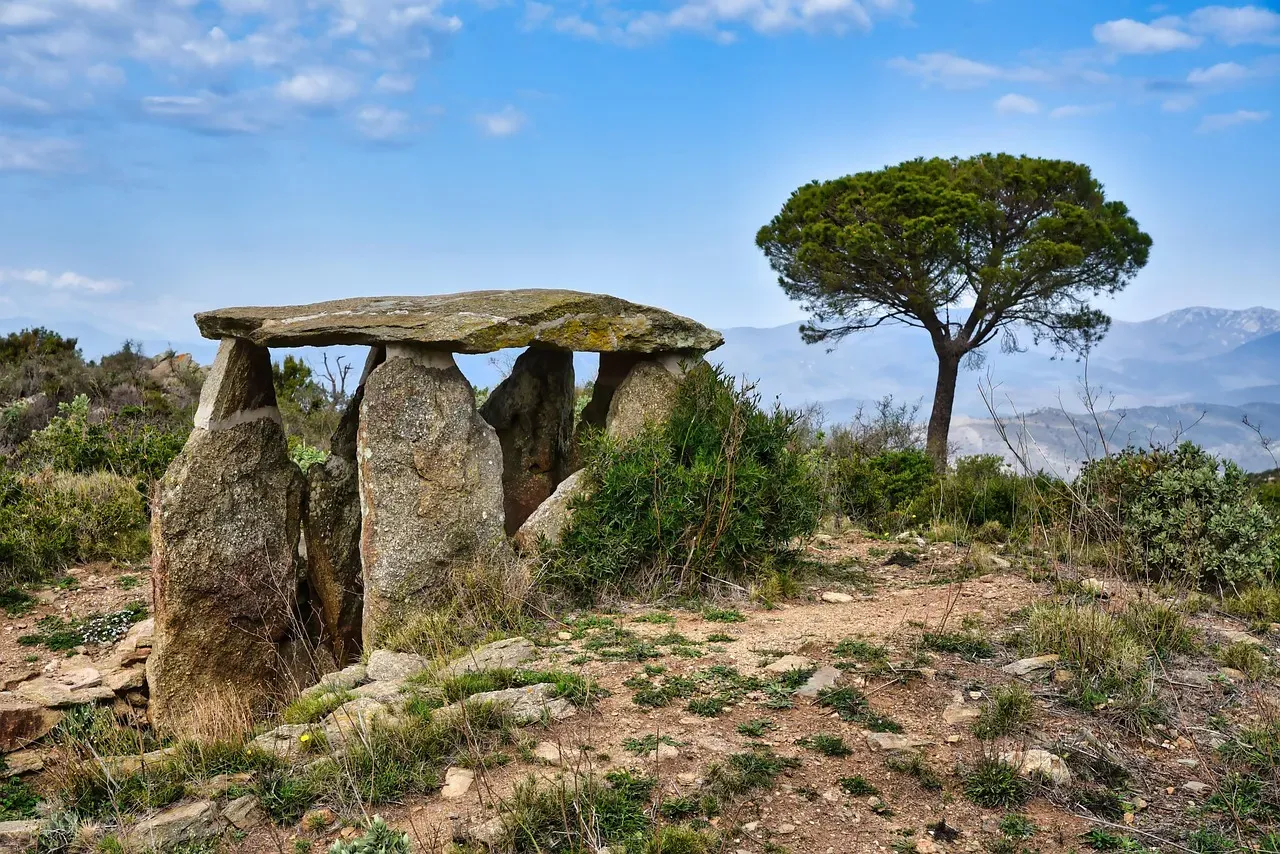
We tend to think of “healing centers” as modern inventions, but ancient people were just as obsessed with health, fertility, and balance. Some researchers point out that certain megalithic sites cluster near springs, unusual rock formations, or landscapes later tied to healing traditions. It’s not wild to imagine these places as proto-sanctuaries, where people came to seek help, whether from spirits, ancestors, or the natural forces they felt around them.
Even today, specific places feel “good” or “charged” – a certain hilltop, a quiet grove, a stretch of coastline that just calms you down. Ancient builders may have been incredibly sensitive to these subtle qualities and amplified them with stone. Add in carefully timed ceremonies at key celestial moments, and you get a kind of early holistic practice: body, mind, sky, and earth woven together. The alignments, in that view, are less about data collection and more about choosing the most potent moment to act.
Memory Palaces in Stone: Encoding Stories and Knowledge
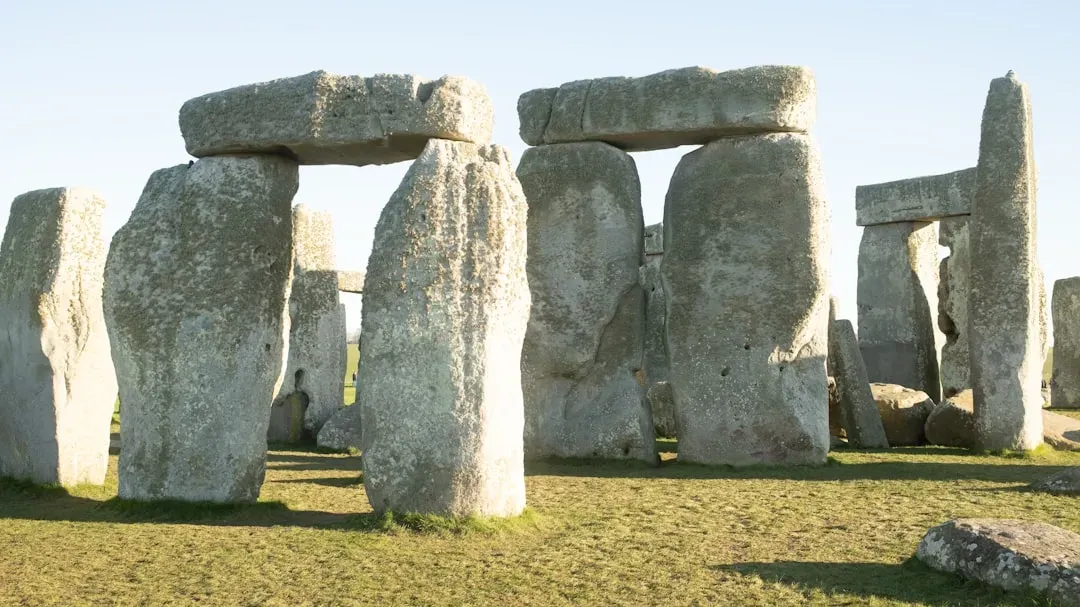
Before writing, how do you store complex knowledge – seasons, myths, laws, genealogies? One clever theory is that megalithic sites acted like giant memory palaces, a physical framework for preserving and recalling stories. Each stone, orientation, or carved symbol could cue a specific part of a narrative or teaching. Walk the circle, walk the story. In that sense, the entire monument becomes a living library made of rock.
Astronomical events are also incredibly useful as markers in stories: the return of a star, the shortest day, the rising of a constellation at dawn. They give rhythm and structure. But that doesn’t mean the site exists only to mark those things. Instead, the sky cycles might be the chapter headings, while the rituals, myths, and laws are the text itself. If you’ve ever used a mental route – like imagining your home – to remember a list, you already get the basic idea of what some of these builders might have been doing, on a grander scale.
Landscape Engineering and the Hidden Geometry of Place
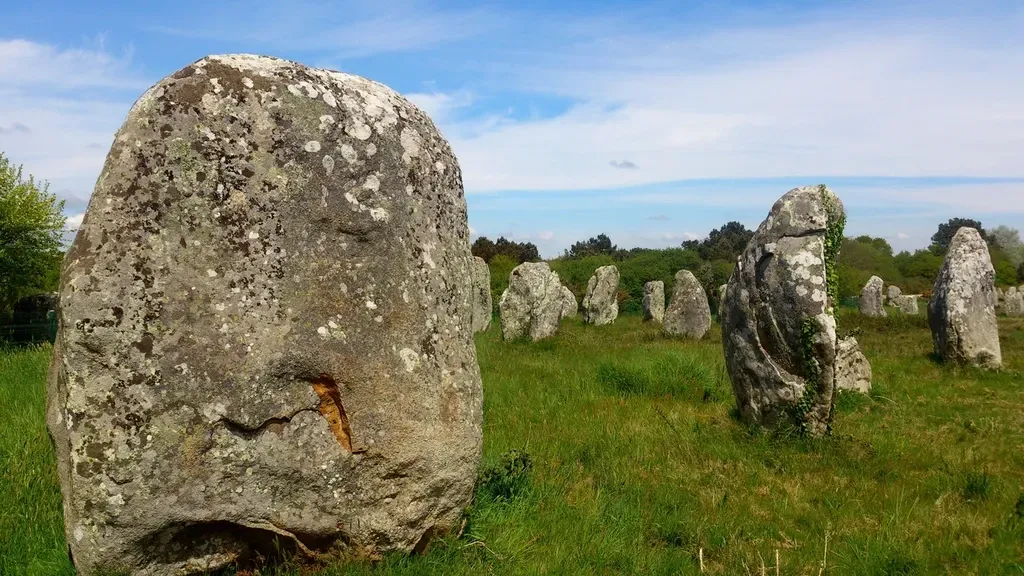
One of the most surprising shifts in recent research is the move from seeing megaliths as isolated monuments to seeing them as parts of larger, carefully shaped landscapes. When we map them more fully, patterns emerge: alignments not just to the sun, but to distant hills, rivers, and other sites. It starts to look less like a single observatory and more like a web of meaning laid across an entire region. That kind of large-scale planning speaks to a worldview where land, sky, and community are tightly interwoven.
Some alignments do seem tied to key celestial moments, but others match natural features: a notch in a mountain, the bend of a river, a point where land and water meet. This suggests the builders weren’t just “pointing at the sky” but choreographing how people moved, gathered, and saw their world. Walk a particular route at a particular time and the stones, hills, and sun all line up in a way that feels intentional. That’s more like landscape engineering driven by cosmology than a simple sky-watching device.
Why “Just Observatories” Misses the Bigger Human Story
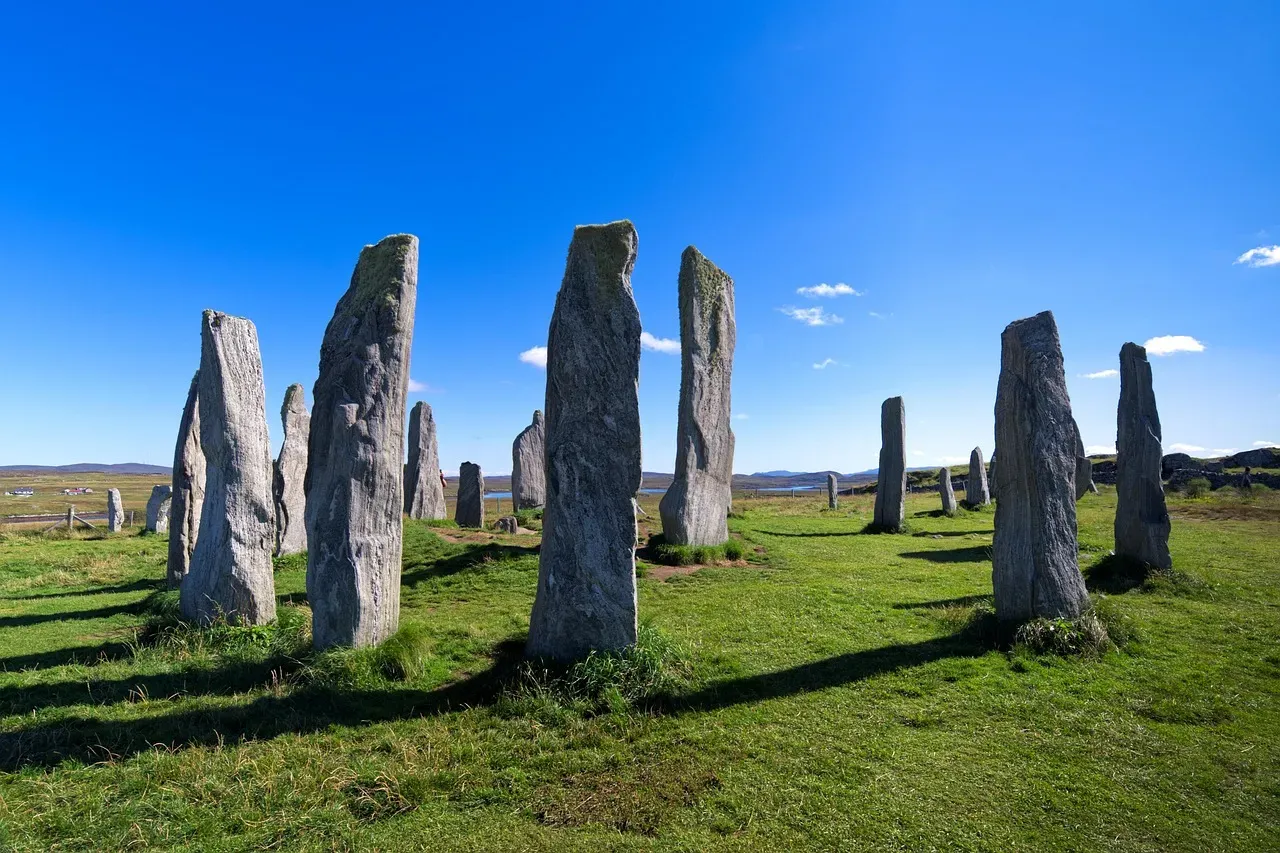
Astronomy is definitely part of the story of megalithic sites, but treating it as the whole story flattens something gloriously messy and human. These places look more and more like Swiss Army knives of meaning: part calendar, part tomb, part temple, part stage, part memorial, part political statement. They changed over time, absorbing new uses, new beliefs, new layers of stone and story. Trying to pin them down to one neat function is comforting, but it’s probably wrong.
What’s more honest – and far more interesting – is to see them as living centers where sky, earth, community, power, memory, and emotion collided. When you stand among the stones with that in mind, the place feels less like a machine and more like a conversation that never really ended, only paused. Maybe the better question isn’t whether these sites were more than observatories, but why we ever thought something so vast and stubbornly alive could be reduced to a single purpose in the first place.