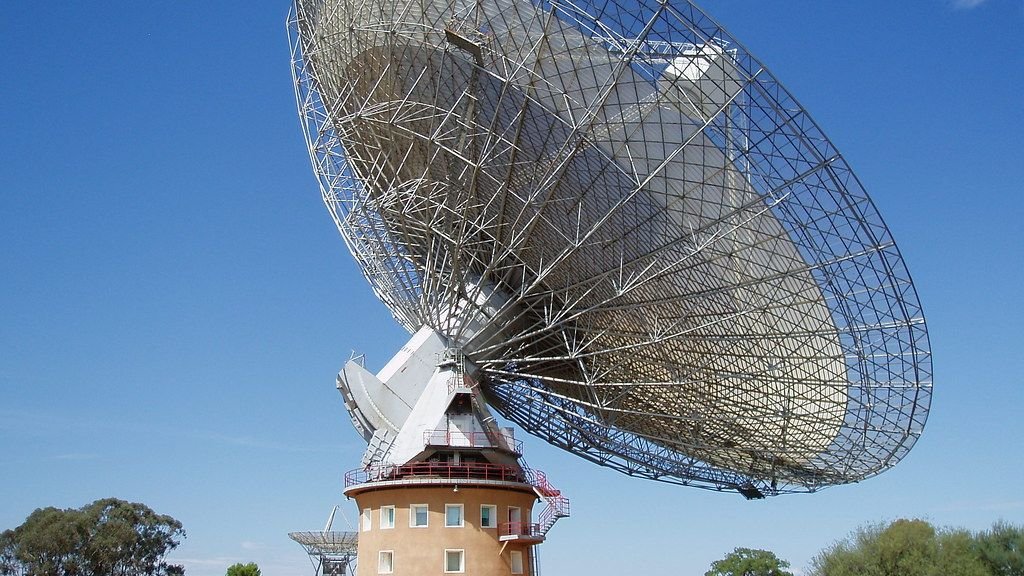

Imagine standing at the base of the Great Pyramid with your smartphone in your pocket and realizing, uncomfortably, that you can’t fully explain how people with copper tools pulled this off. That tension between what we think we know and what we can’t yet account for is driving a quiet shift in how scientists look at ancient technology. Around the world, a new generation of archaeologists, engineers, and physicists is revisiting old sites with new tools, asking a provocative question: did ancient civilizations develop forms of technology we still do not fully understand? The answer is not secret laser beams or buried microchips, but the emerging picture is more unsettling and inspiring than the usual myths. It suggests humans have been clever, experimental, and sometimes surprisingly sophisticated for far longer than our standard story admits.
The Hidden Clues
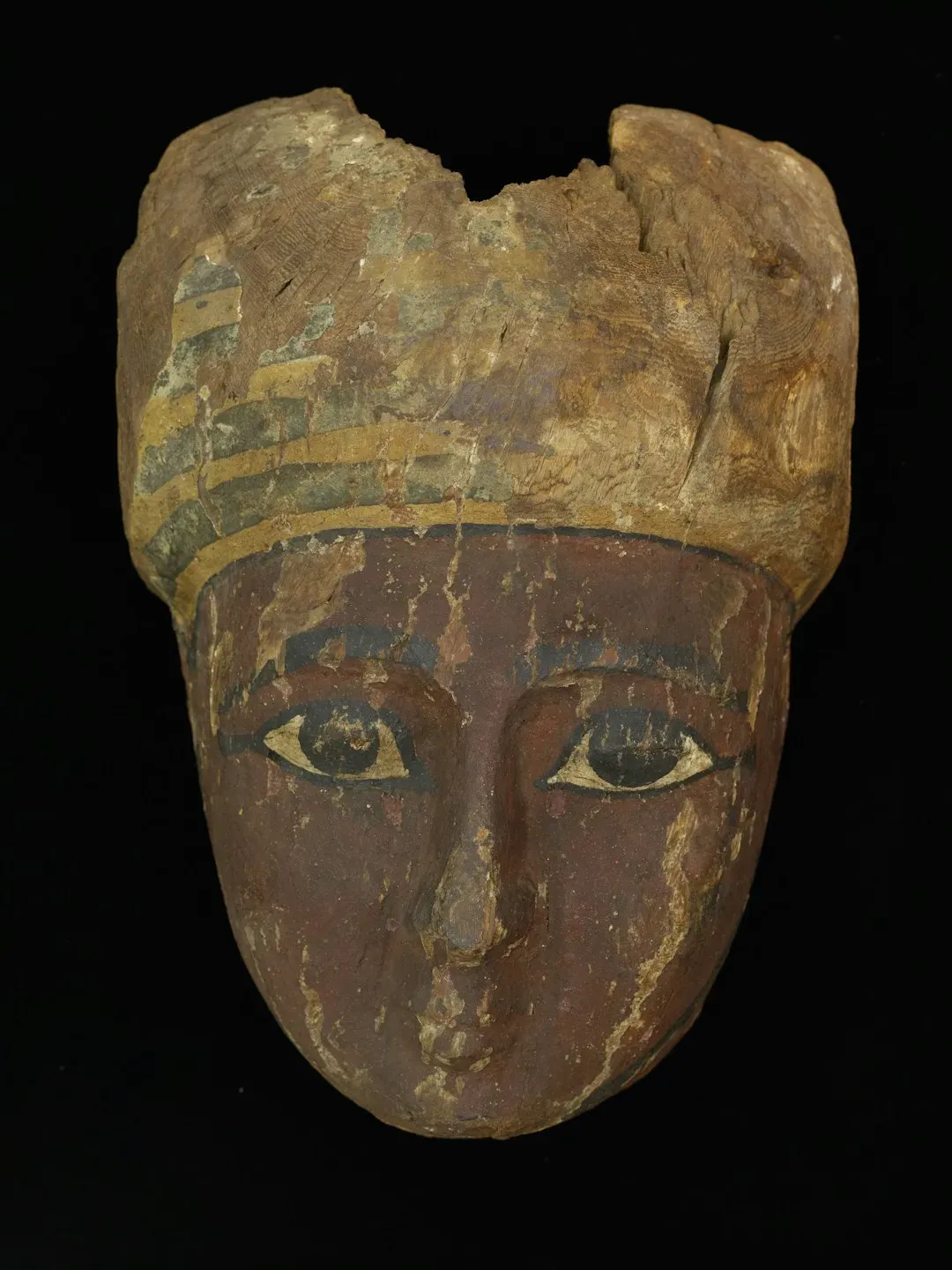
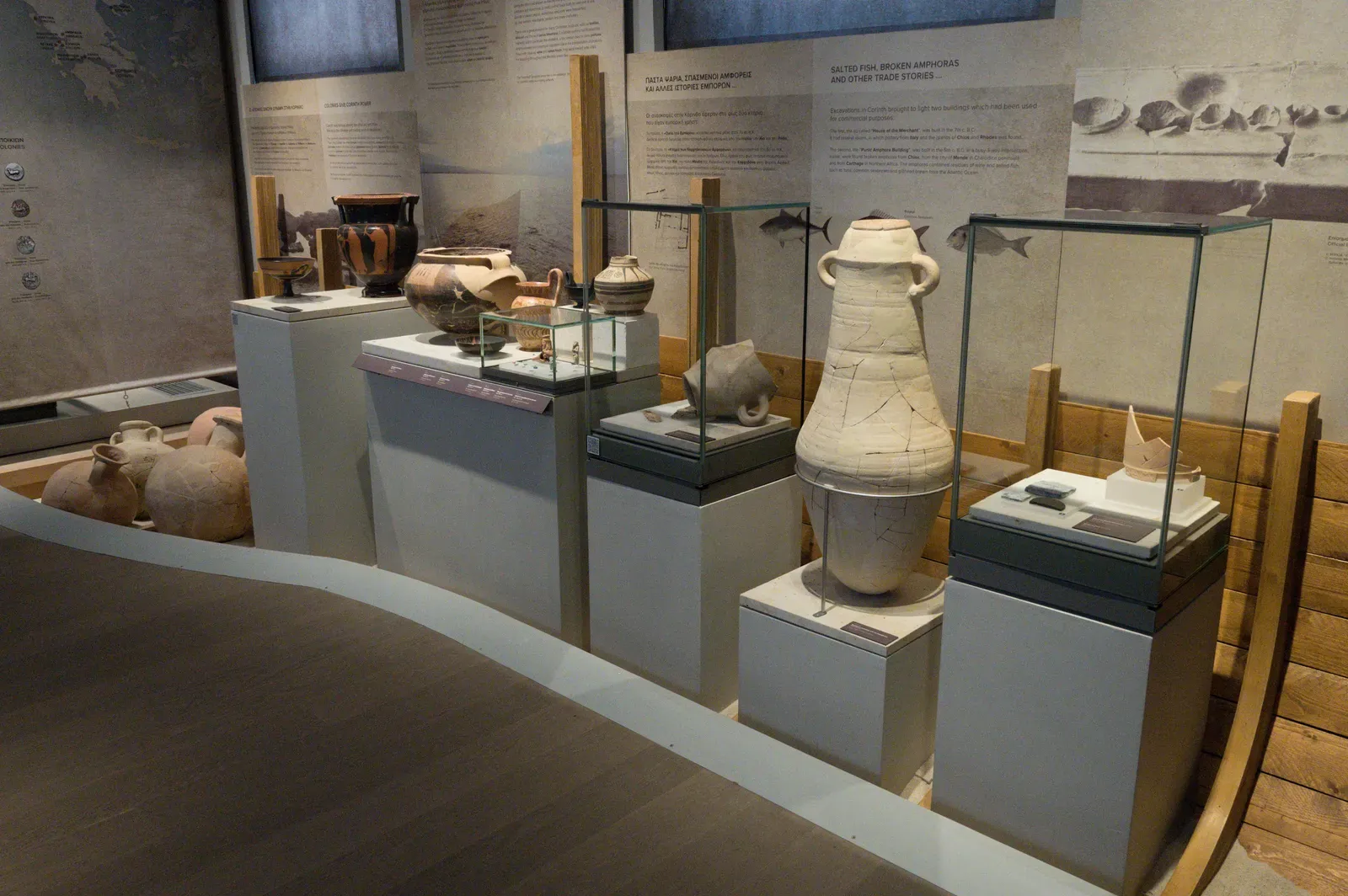
Walk through a museum of antiquities and, if you look closely, the objects almost talk back. You see Roman concrete harbor walls that have survived pounding waves for nearly two thousand years while some modern piers crumble within decades, hinting at chemical knowledge we only recently began to decode. You find delicate, gear‑like fragments pulled from the seabed near the Greek island of Antikythera, now widely recognized as parts of an ancient analog computer for tracking celestial motions. In Peru, polygonal stone walls hug earthquake‑prone hillsides so tightly that even a razor blade can’t slip between the blocks, suggesting a practical mastery of stone engineering that still puzzles structural engineers. These are not the calling cards of a species fumbling in the dark; they’re fingerprints of minds probing the limits of their world.
Other clues are quieter, almost mundane, and that makes them even more striking. Residues on pottery show that people in what is now China were brewing complex fermented drinks millennia ago, tailoring yeasts and grains in ways that look suspiciously like experimental biochemistry. Egyptian pigments and Maya dyes have proved so stable that their colors stay vivid under harsh tropical sunlight, revealing recipes that chemists today study as models for durable, non‑toxic materials. Even simple items like needles, looms, and fishing nets encode generations of refinement in design, strength, and ergonomics. None of these things are evidence of lost alien empires, but they do hint that our ancestors routinely built highly specialized, sometimes advanced technologies in the domains that mattered most to them.
From Megaliths to Micro‑Clues: What We Actually Know
If the internet loves anything, it’s a dramatic theory about ancient laser cutters building pyramids or forgotten worldwide empires leaving cryptic stone signatures. The reality is less cinematic but arguably more impressive. Large projects like the pyramids, Stonehenge, or the Nasca lines can be explained using well‑understood combinations of human labor, clever logistics, astronomy, and an almost obsessive willingness to plan over generations. Experimental archaeologists have repeatedly shown that with sledges, rollers, wooden cranes, and coordinated work crews, hauling enormous stones is exhausting but absolutely possible. The true surprise is not that it can be done, but that cultures were willing and organized enough to do it at that scale.
The micro‑evidence is where the story gets really interesting. Under microscopes and spectrometers, shards of pottery reveal controlled firing temperatures and tailored mineral blends that amount to early materials science. Metal artifacts show complex alloy recipes, like high‑phosphorus iron or bronze precisely tuned for flexibility or hardness, implying trial‑and‑error traditions handed down like family secrets. Even the layout of ancient cities, from the gridded streets of Mohenjo‑Daro to the engineered causeways of Teotihuacan, signals advanced urban planning and water management. When you piece these micro‑clues together, a pattern emerges: ancient societies often pushed their available tools, knowledge, and natural resources to surprisingly sophisticated limits.
When “Technology” Doesn’t Look Like Ours
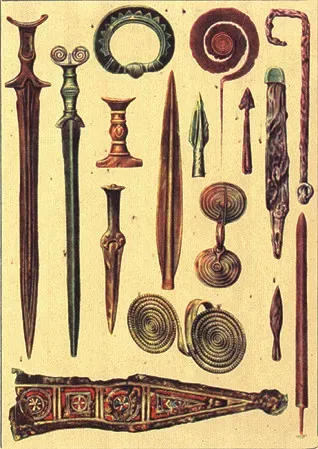
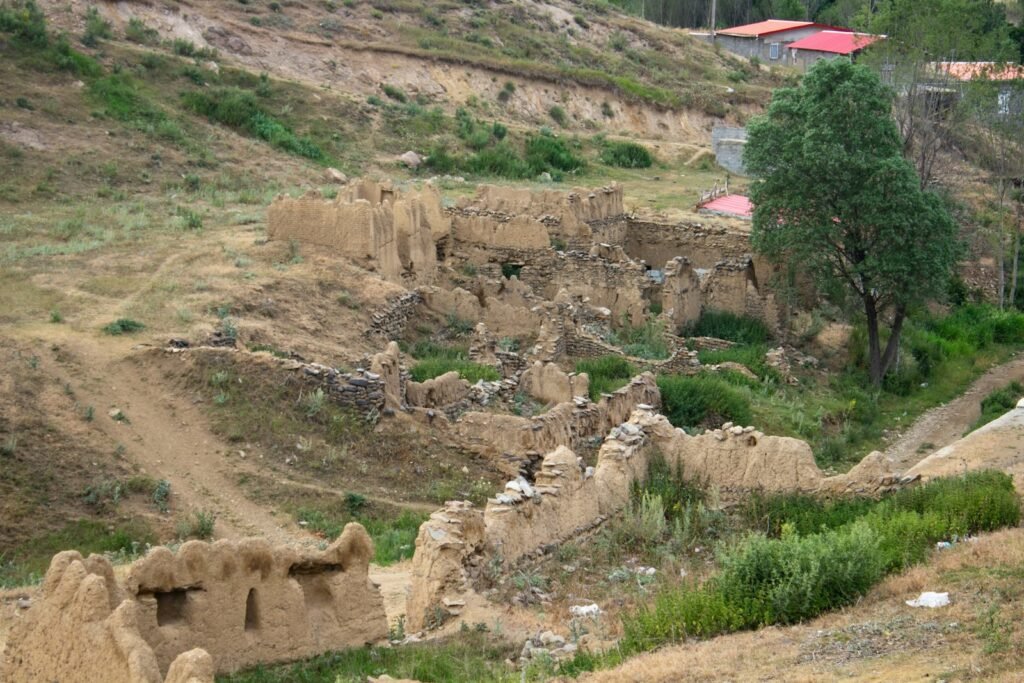
One of the biggest traps in this conversation is assuming that “advanced technology” has to mean gadgets, wires, and glowing screens. For a Bronze Age farmer, the most advanced device in the world might have been a well‑balanced plow that could turn heavy soil without snapping, or an irrigation canal that turned a floodplain into a predictable food machine. In that sense, many ancient cultures turned landscapes into tools, transforming hills, rivers, and coastlines into living infrastructure. Terraced fields in the Andes, qanat tunnels in ancient Persia, and rice paddies in East Asia are all examples of environmental engineering that rival contemporary projects in ambition and long‑term impact. They were not flashy, but they were transformative.
Knowledge‑based technologies were just as powerful, even if they left fewer physical traces. Astronomical observation systems, encoded in temple alignments and ritual calendars, allowed societies to track seasons, predict eclipses, and schedule planting and taxation with startling precision. Traditional navigation techniques in the Pacific, relying on subtle wave patterns, stars, and bird behavior, functioned as a human‑centric guidance system that needed no metal or fuel. These systems blur the line between culture, science, and technology, and they remind us that a civilization can be extremely advanced in information and systems thinking without producing anything that looks like a smartphone or rocket engine.
Debunking the Wild Myths – Without Killing the Wonder

Whenever the topic of hidden ancient technology comes up, fringe theories tend to rush in. Claims about lost global super‑civilizations or non‑human builders flourish because they offer a kind of mythic shortcut: if we can’t immediately explain something, then it must be evidence of something impossible. Scientists are usually firm on this point: so far, no credible archaeological evidence supports the idea of a vanished high‑tech civilization with electronics, jet engines, or anything comparable. When people have checked the facts carefully, supposed mysteries like “impossible” drill marks or perfectly smooth surfaces have been shown to be within reach of stone tools, abrasives, and patience. The real world rarely needs supernatural explanations when you factor in human ingenuity and time.
Yet debunking the wilder claims does not make the real story dull; it makes it deeper. It invites a more grounded kind of awe, where ordinary tools and materials achieve extraordinary results. Think of Roman road networks spanning continents without GPS, or Inca runners relaying messages along mountain routes faster than a lone traveler could ride. Consider that in some regions, people were performing complex surgeries like trepanation and occasionally seeing patients survive, long before antibiotics or anesthesia. When we strip away the mythology, we are left with a far more intimate marvel: people like us, with our same brains and fears and flashes of insight, refusing to accept the limits of their time.
The Hidden Clues Science Is Still Unearthing
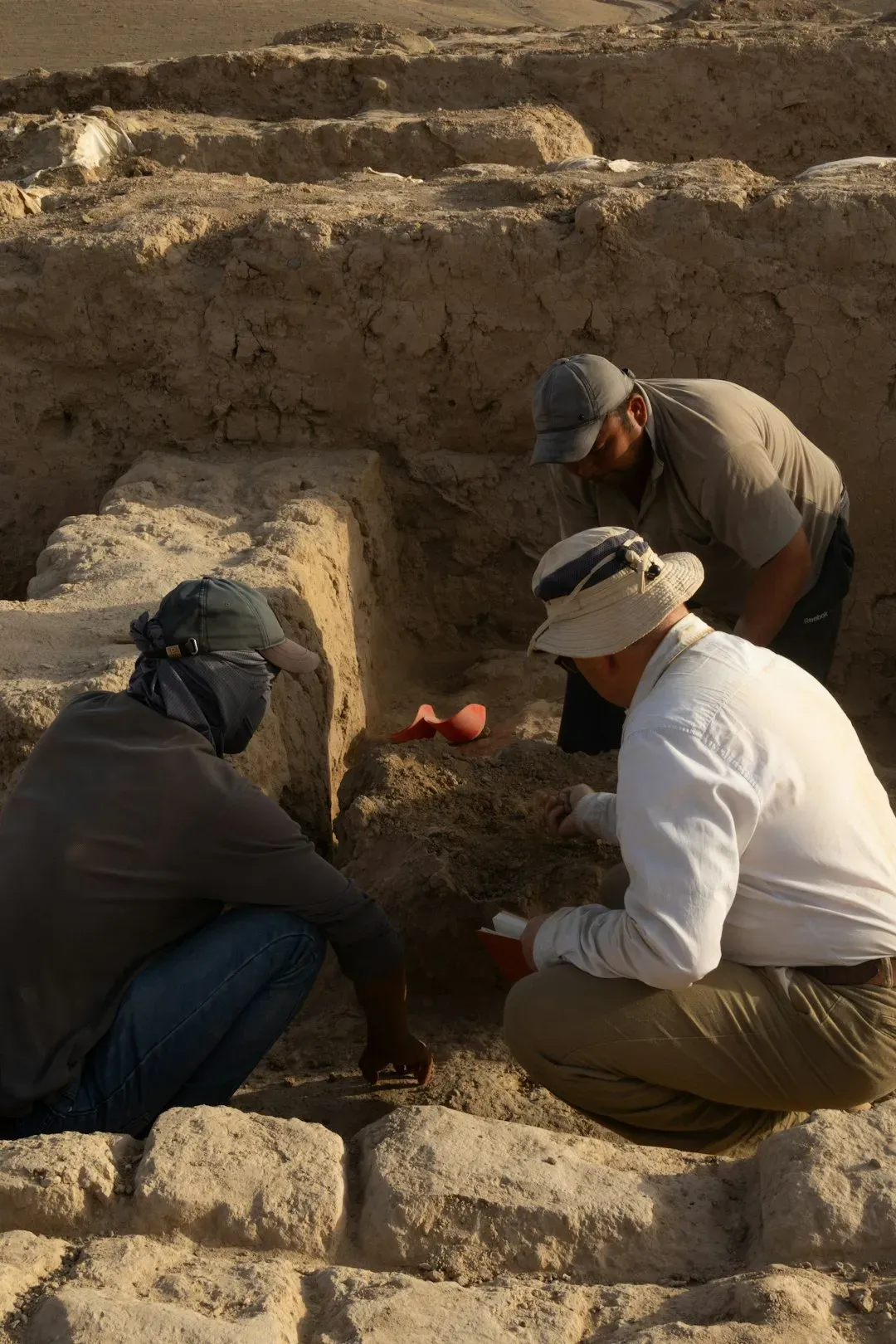
What has changed dramatically in the last few decades is not the past, but how we look at it. Archaeologists now use tools like lidar, ground‑penetrating radar, and high‑resolution satellite imagery to peel back forest canopies and desert sands without lifting a shovel. These methods have revealed sprawling urban networks under the Amazon rainforest and dense temple complexes hidden beneath the jungles of Southeast Asia. What once looked like isolated ruins now appear as fragments of complex, region‑wide systems of roads, reservoirs, and neighborhoods. Each discovery forces us to revise earlier, simpler assumptions about how these societies worked. It is like discovering that a few scattered light bulbs you thought were random are actually part of a vast, dimly lit city.
At the microscopic level, the revolution is just as dramatic. Chemical analysis of residues on tools and vessels is uncovering evidence of ancient pharmaceuticals, metal‑working techniques, and food preservation methods. Isotope studies of bones and teeth reveal migration patterns and trade networks stretching farther than anyone guessed, suggesting sophisticated economic planning. Even wear patterns on tools and teeth become data sets, telling stories about repetitive tasks, diets, and daily work rhythms. Each of these lines of evidence is a kind of forensic science applied to deep time. When you add them up, you start to see ancient technology as a living, evolving system – much like today’s, only slower and less digitized.
Why This Question Matters
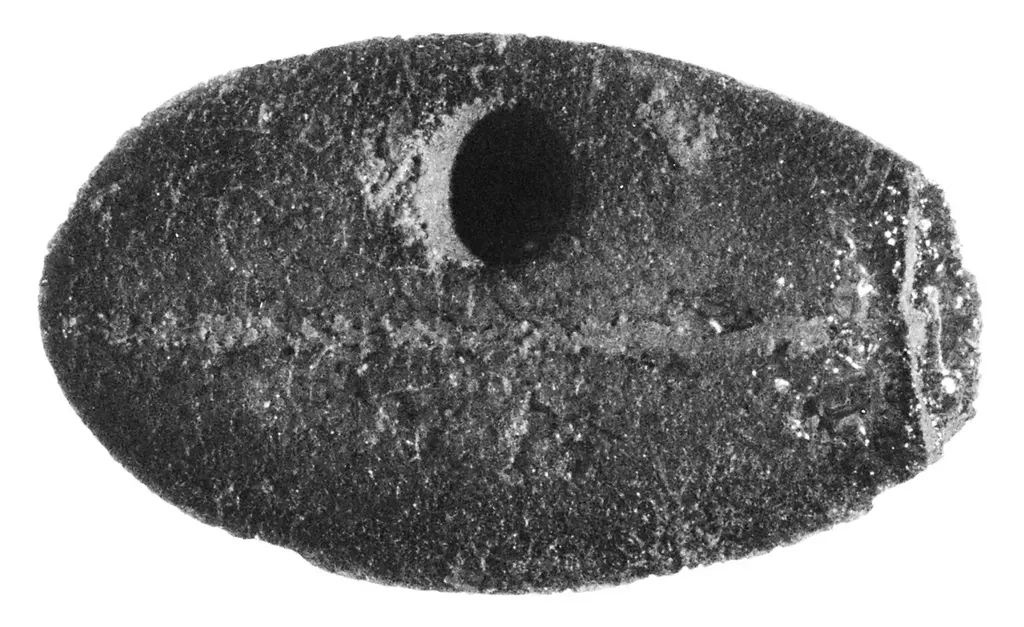
This is more than a curiosity about pyramids and puzzles; it cuts into how we think about ourselves right now. If we see ancient people as dim or primitive, it becomes easier to believe that progress is a straight, inevitable climb toward us at the top. But when we recognize that past cultures reached high levels of sophistication within their own constraints, it challenges the idea that our particular version of technology is the only meaningful endpoint. It suggests instead that human intelligence keeps flowering under very different conditions, solving problems with whatever tools and ideas happen to be available. That realization can be both uncomfortable and liberating.
It also has practical implications. Many ancient technologies – especially in agriculture, water management, and architecture – were inherently adapted to local climates and resources, often with a low energy footprint. In an age of climate change and resource strain, learning from these systems is not nostalgia; it is strategy. Comparing them to modern high‑energy approaches highlights trade‑offs we usually ignore, like resilience versus efficiency, or longevity versus short‑term speed. Seeing the past clearly helps strip away some of our technological vanity and opens space for a more humble, flexible view of innovation. In that sense, this question is really about how we define progress and whose solutions we are willing to take seriously.
Future Discoveries: How New Tech May Rewrite Old Stories
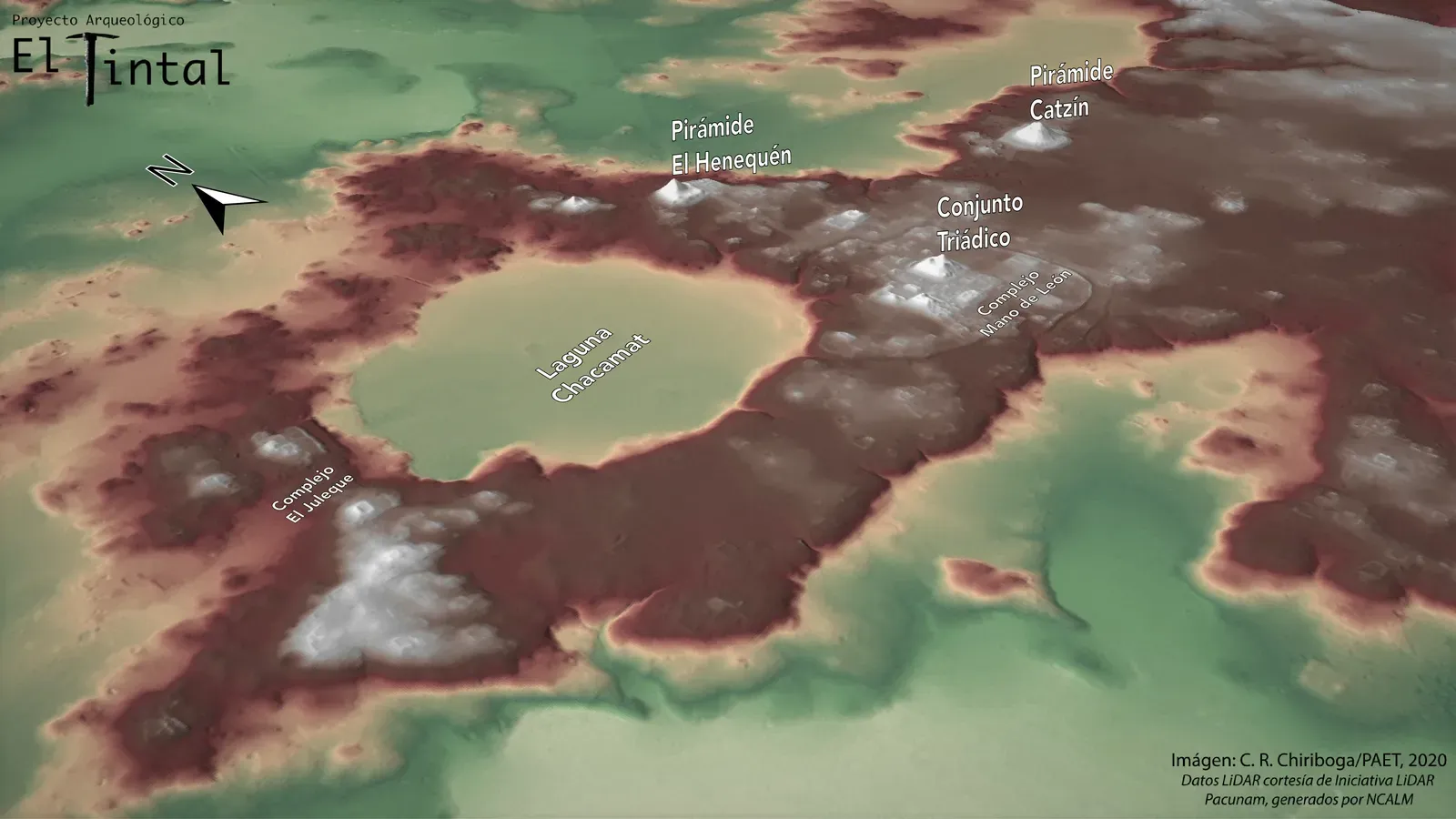
Ironically, it is cutting‑edge technology that is making ancient technology look more advanced than we used to think. As imaging tools become cheaper and more portable, researchers can scan more landscapes, more artifacts, more often, creating enormous digital archives of the past. Machine‑learning algorithms can sift these data sets for patterns that might hint at previously overlooked roads, irrigation lines, or building foundations. Tiny, non‑destructive sampling methods let scientists study pigments, metals, and DNA without grinding artifacts into dust, encouraging more frequent and more detailed examinations. Put together, these tools are turning the past into a searchable, analyzable system.
There are challenges and ethical questions woven through this optimistic picture. Who controls the data about ancient sites, especially those that are sacred to living communities? How do we balance the thrill of discovery with the risk of looting, tourism pressure, or political misuse of historical narratives? As global crises accelerate, funding for slow, meticulous fieldwork competes with flashier, short‑term projects. Still, the trajectory is clear: over the coming decades, we are likely to uncover more evidence that ancient technology was intricate, context‑smart, and sometimes startlingly effective. The more we see, the more that early image of clumsy, fumbling ancestors crumbles.
How You Can Engage with the Deep Past
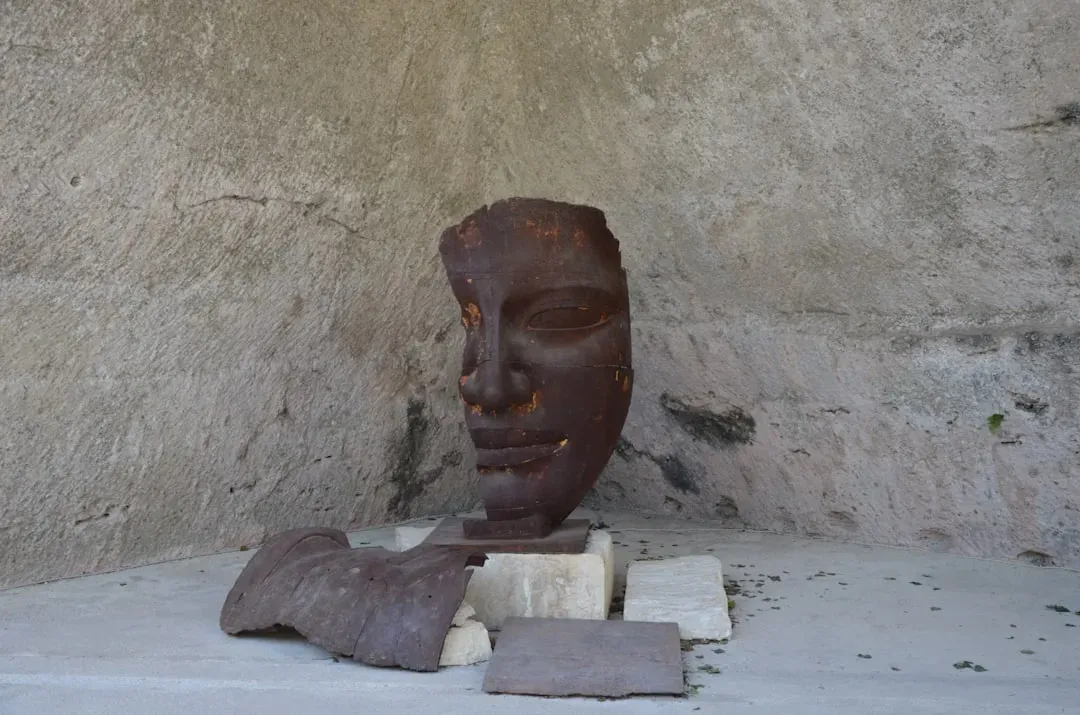
For most of us, the past can feel like something controlled by specialists in remote digs and archives, but there are simple, tangible ways to connect with this unfolding story. Visiting museums, local archaeological sites, or historic landscapes with a critical, curious eye turns you into an active participant rather than a passive spectator. Instead of just asking what something is, you can start asking what problem it solved, what trade‑offs it reflects, and what knowledge it encodes. Supporting organizations that protect cultural heritage – through donations, memberships, or even just attentive tourism – helps ensure that fragile sites are studied carefully rather than rushed into destruction. Paying attention to indigenous knowledge and community voices adds layers that outsiders often miss.
You can also engage from your own desk or phone. Many research projects now open their data to the public, inviting volunteers to help classify lidar images, transcribe old field notes, or tag photographs of artifacts. Reading books and articles by working archaeologists, engineers, and historians expands the conversation beyond viral memes about mystery builders. Even something as simple as questioning an overly dramatic headline about “impossible ancient technology” and looking for the scientific explanation contributes to a healthier public understanding. Curiosity, skepticism, and a willingness to be surprised are the real tools that matter here. In the end, the question of how advanced ancient civilizations really were becomes a mirror: it reflects how willing we are to see intelligence, creativity, and possibility across all of human time.
Suhail Ahmed is a passionate digital professional and nature enthusiast with over 8 years of experience in content strategy, SEO, web development, and digital operations. Alongside his freelance journey, Suhail actively contributes to nature and wildlife platforms like Discover Wildlife, where he channels his curiosity for the planet into engaging, educational storytelling.
With a strong background in managing digital ecosystems — from ecommerce stores and WordPress websites to social media and automation — Suhail merges technical precision with creative insight. His content reflects a rare balance: SEO-friendly yet deeply human, data-informed yet emotionally resonant.
Driven by a love for discovery and storytelling, Suhail believes in using digital platforms to amplify causes that matter — especially those protecting Earth’s biodiversity and inspiring sustainable living. Whether he’s managing online projects or crafting wildlife content, his goal remains the same: to inform, inspire, and leave a positive digital footprint.