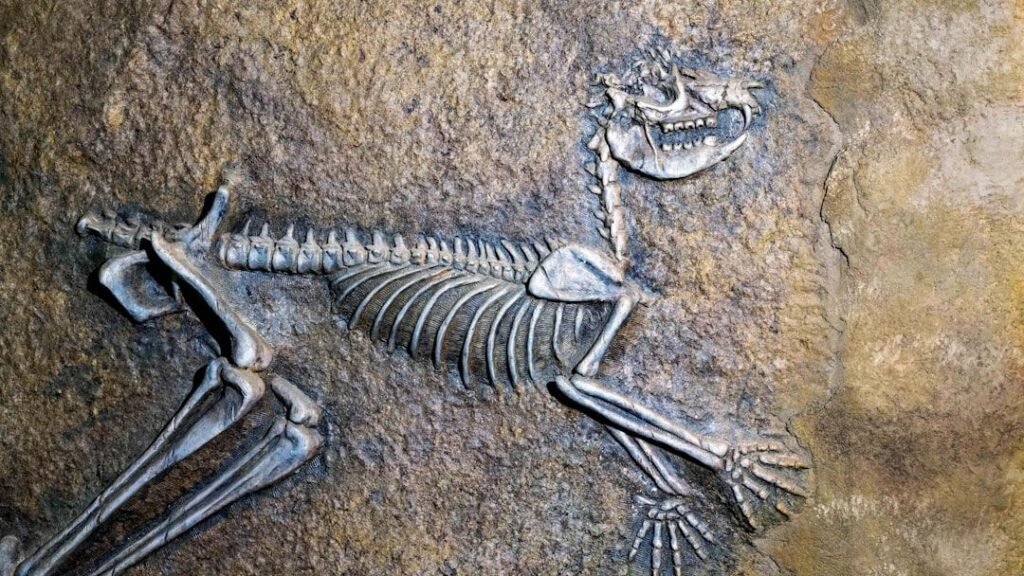

Think about it for a second. Every species that ever walked, swam, or flew on Earth is part of an intricate web of life, each strand connected to countless others. Pull one thread, and you risk unraveling the whole thing. We’re living through what some scientists call the sixth mass extinction, with species vanishing at rates not seen since the dinosaurs went extinct.
Here’s the thing though. What if we could actually see it coming? What if artificial intelligence could help us predict which species might vanish next and, more importantly, give us time to do something about it? It sounds like science fiction, yet researchers around the globe are turning this idea into reality. They’re teaching machines to read the warning signs hidden in mountains of data that would take human scientists decades to analyze.
Let’s dive into how AI might just become our most powerful ally in the fight to save life on Earth.
When Machines Learn to Read Nature’s Warning Signs
Artificial Intelligence is emerging as a tool that could be leveraged to identify effective conservation solutions demanded by the urgent biodiversity crisis, with international panels identifying key applications. The way this works is actually pretty fascinating. Scientists feed AI systems enormous datasets about species, their habitats, climate patterns, and how they all interact.
The machines then start recognizing patterns that humans might miss entirely. AI-driven predictive modeling techniques enable conservationists to anticipate habitat loss, degradation and fragmentation by analyzing environmental data such as climate variables, land use patterns, and ecological characteristics. Think of it like teaching a computer to be the world’s best detective, except instead of solving crimes, it’s predicting ecological disasters before they happen.
The Digital Crystal Ball: Species Distribution Models Get Smarter
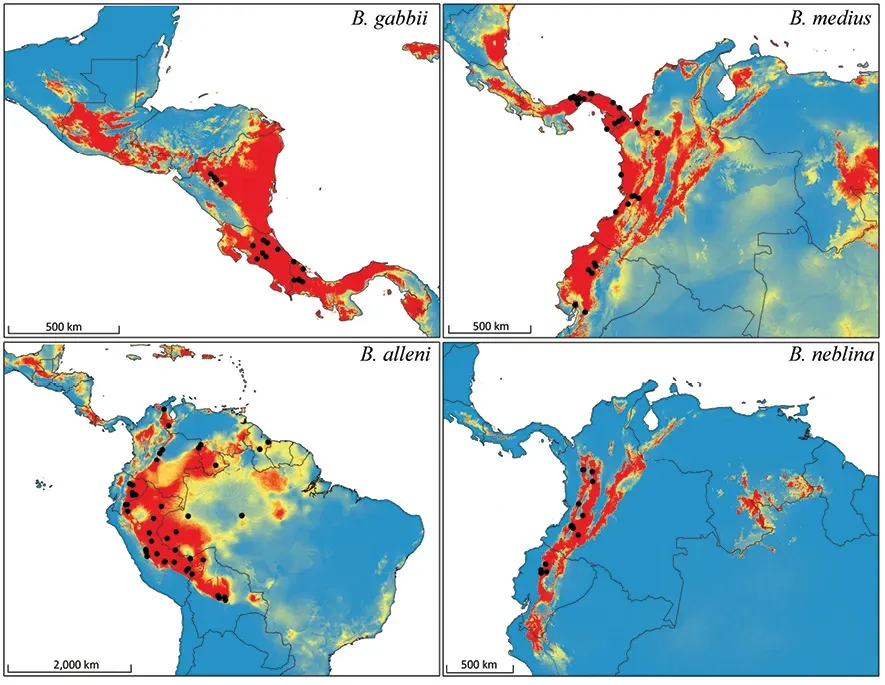
You’ve probably heard about species distribution models, or SDMs for short. These are basically maps that show where species can survive based on environmental conditions. These models relate geographic occurrences of organisms to prevailing environmental conditions within a statistical or machine-learning framework, describing the species–environment relationship.
The game-changer here is deep learning. Prediction of species extinction risk from SDM-based features achieves state-of-the-art performance while being flexible enough to allow testing climate change scenarios, with valuable information successfully encoded by the SDM based on deep learning. It’s like upgrading from a flip phone to a smartphone – same basic function, but exponentially more powerful. These AI-enhanced models can now factor in climate change projections, predict how species might migrate, and even estimate extinction risks decades into the future.
CAPTAIN: The AI That Chooses Where to Save Nature
I know it sounds crazy, but there’s literally an AI program called CAPTAIN that’s designed to figure out which areas of land we should protect to save the most species. The framework for spatial conservation prioritization based on reinforcement learning, called CAPTAIN (Conservation Area Prioritization Through Artificial INtelligence), quantifies the trade-off between costs and benefits of area and biodiversity protection, and under a limited budget, protects substantially more species from extinction than areas selected randomly.
The program essentially plays a game in an artificial world where the reward is how many species were spared from extinction at the end of the game, and after several goes, the program learns how to best place protected areas. It’s reinforcement learning in action – the AI basically learns through trial and error, getting better each time. The results? Pretty impressive stuff that outperforms traditional conservation planning software.
Reading the Fossil Record: What History Tells Us About Tomorrow
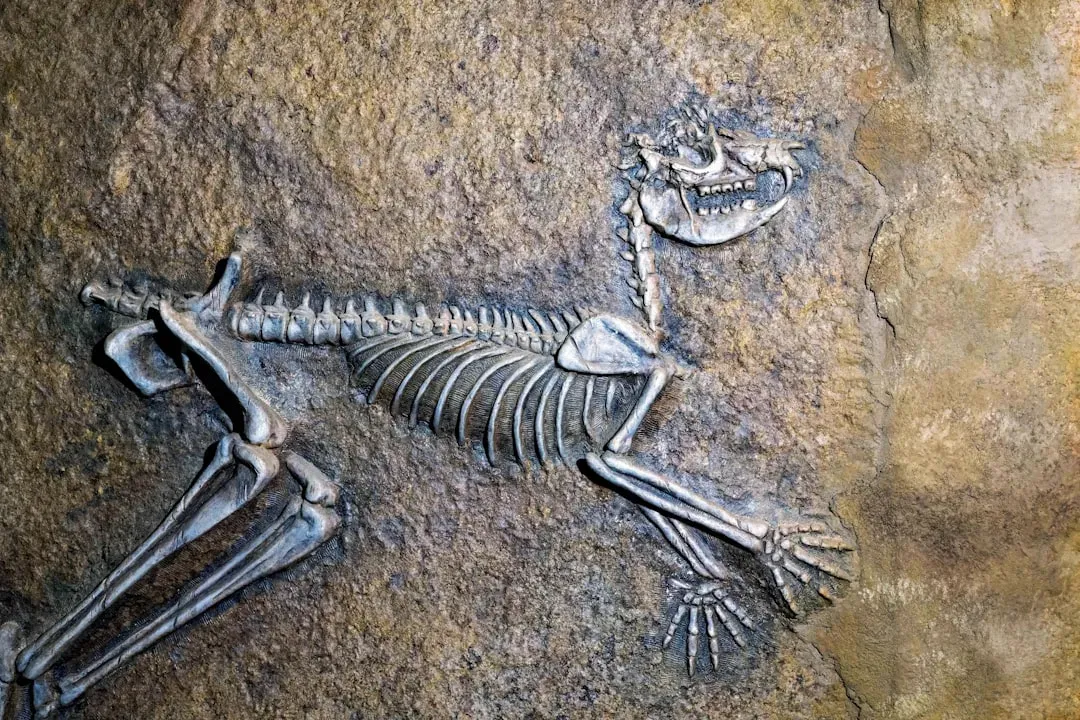
Here’s where things get a bit humbling though. Scientists tried using machine learning to predict extinction patterns by studying past mass extinctions. Evidence from past extinctions cannot be used as a definitive way of predicting future biodiversity loss, scientists have found by using AI. Despite some similarities in extinction selectivity patterns between ancient crises, the selectivity of mass extinction events is inconsistent, which leads to poor predictive performance, attributed to evolution in marine ecosystems.
Each mass extinction was unique because ecosystems constantly evolve. What killed species during the dinosaur extinction might not be what threatens species today. Still, the research wasn’t for nothing – it taught scientists a lot about how to design better AI models for current biodiversity monitoring.
Preventing Extinction Cascades Before They Start
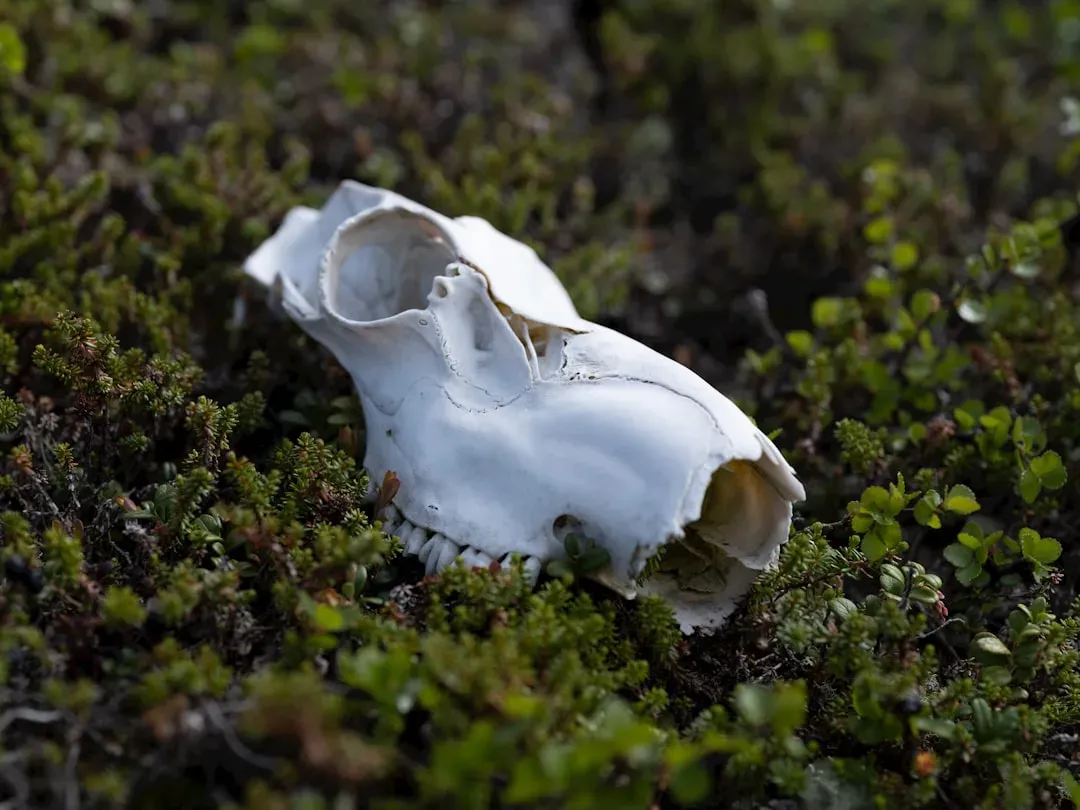
You know what’s really scary? When one species goes extinct, it can trigger a domino effect. Researchers at Flinders University’s Global Ecology Laboratory have been using machine learning to identify species interactions and can predict which species are most likely to go extinct, so that intervention can be planned before this happens. Machine learning can predict who eats whom in a world of connected species, while co-extinctions are extinctions caused by declines or extinctions in other interacting species, such as a predator going extinct following the loss of its prey.
The algorithm learns which species depend on each other by analyzing their traits and known interactions. Then it can fill in the gaps about relationships we’ve never documented. It’s like having a map of an invisible network that keeps nature running.
Climate Change Meets Artificial Intelligence
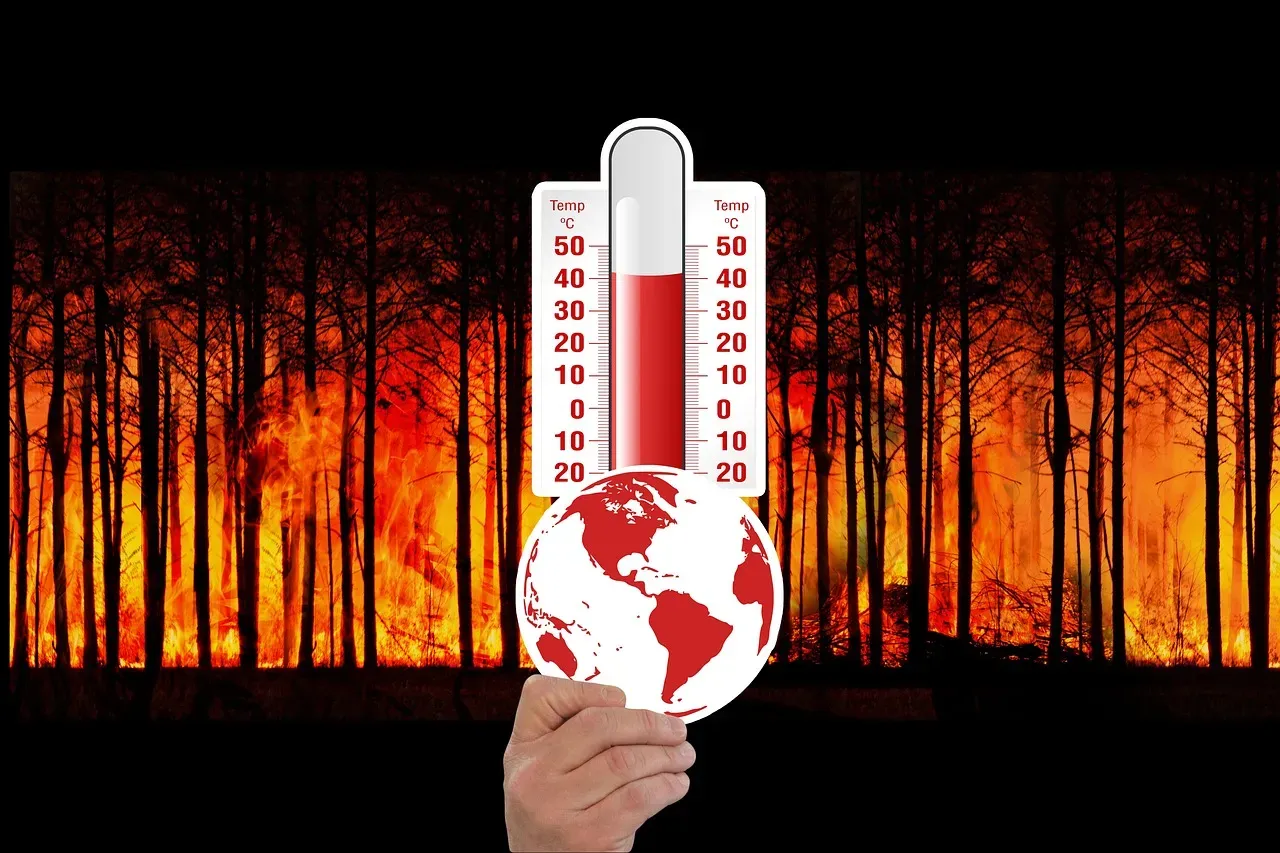
AI-driven predictive models for biodiversity trends and habitat mapping are gaining attention, with AI’s role in conservation growing through applications in habitat monitoring, wildlife protection, data analysis and pattern recognition. The power here lies in the sheer volume of data AI can process – satellite images, temperature readings, rainfall patterns, soil composition, you name it.
AI algorithms use existing data to develop predictive models that estimate species distribution and habitat suitability, which is valuable for identifying areas of high conservation priority and planning conservation interventions, while also helping forecast the impacts of climate change on species and ecosystems. Scientists can now run multiple scenarios to see what might happen if temperatures rise by different amounts or if habitats continue shrinking at current rates. It’s not perfect prediction, but it’s better than flying blind.
The Reality Check: What AI Can and Can’t Do
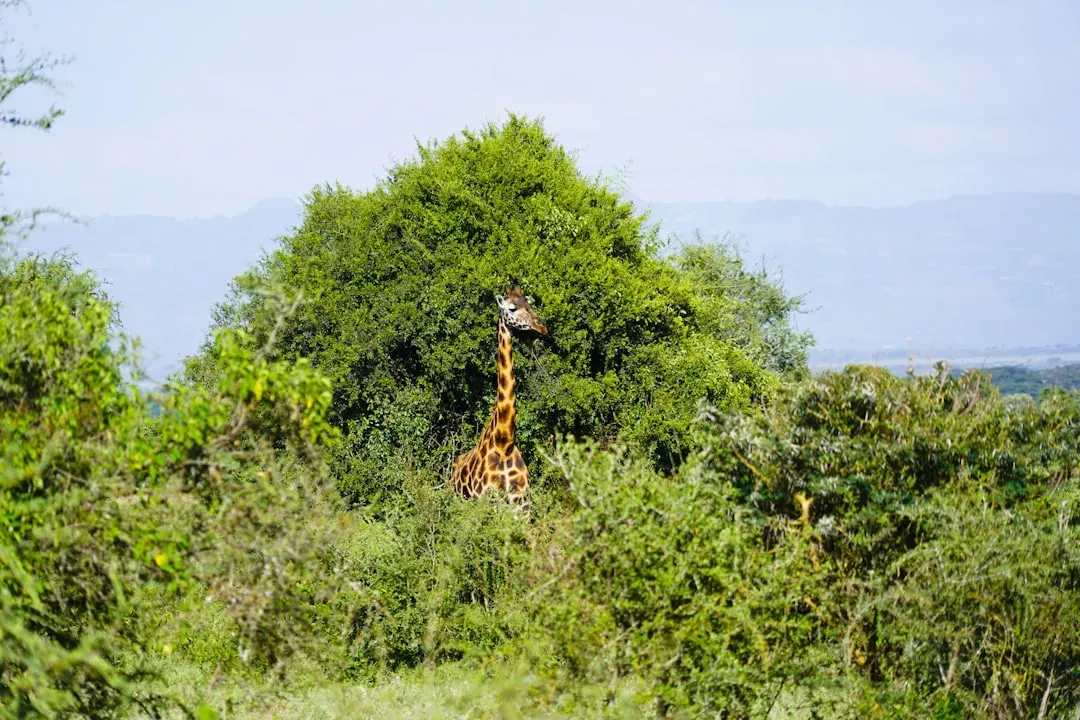
Let’s be real for a moment. AI is powerful, but it’s not magic. AI can be a powerful help, but it will require humanity to make the tough choices and to execute, as the integration of artificial intelligence into nature conservation represents a potentially pivotal shift for the biodiversity crisis. The machines can crunch numbers and spot patterns all day long, but they can’t make us care about saving species or force governments to protect habitats.
Current good practice shows SDMs can serve to classify species into IUCN extinction risk categories and predict whether a species is likely to become threatened under future climate, however, uncertainties associated with translating predicted range declines into quantitative extinction risk need to be adequately communicated. There are uncertainties, limitations, and plenty of room for improvement. The data we feed these systems is only as good as what we’ve collected, and there are huge gaps in our knowledge about countless species and ecosystems.
A Fighting Chance for the Future
So where does this leave us? We’re standing at a unique moment in history. For the first time ever, we have tools that might actually let us see environmental catastrophes coming before they arrive. A European Commission study using a supercomputer showed mass extinction of animals and plants isn’t slowing down but growing, with modeling predicting roughly one tenth of all plant and animal species will disappear by mid-century, and over a quarter of vertebrate diversity will vanish within about 75 years.
The clock is ticking, that’s for sure. Yet AI gives conservationists, policymakers, and communities around the world better information to make smarter decisions about where to focus limited resources. It’s like having a really good weather forecast for the biodiversity crisis – it won’t stop the storm, but at least you know it’s coming and can prepare.
What matters now is what we do with this knowledge. Will we use these predictive tools to actually change course, or will we just watch the predictions come true? That’s the question we all need to answer. What do you think – can technology help us avoid the next mass extinction, or are we already too late? Tell us in the comments.