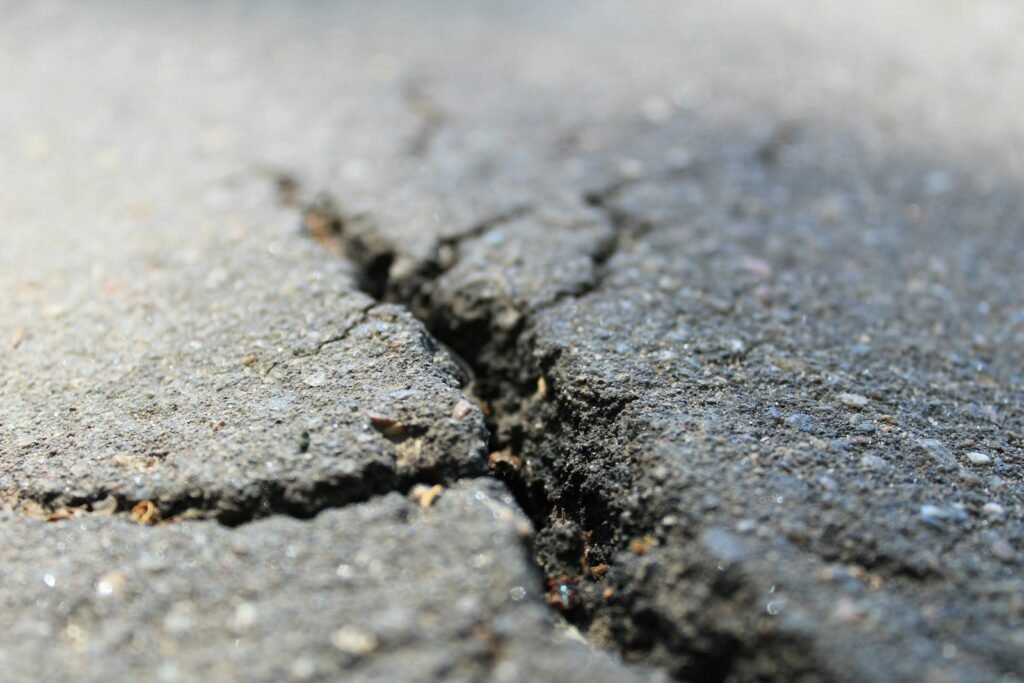

The ground almost always moves before it breaks, but for more than a century seismologists have struggled to decode those early whispers. Entire cities still live with a kind of geological roulette, knowing a devastating quake will come but not when, and not how bad. Now, a new set of tools is joining the fight: artificial intelligence systems trained to listen for patterns that human experts and traditional models may have missed. The promise is both thrilling and unnerving, hinting at a future where an algorithm might flag a looming catastrophe hours, days, or even weeks before the first crack. The question is no longer whether AI can help us read Earth’s signals, but how far we can safely trust it when lives and cities are on the line.
The Hidden Clues Beneath Our Feet
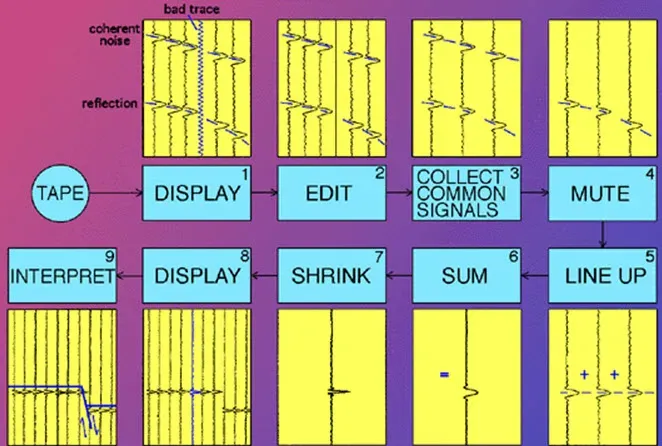
Every major earthquake is preceded by a storm of subtle signals, but most are so faint and chaotic that they vanish into background noise. Before a big rupture, rocks deep underground may groan, fracture, and grind in ways that generate tiny tremors, shifts in stress, and changes in groundwater or gases. Traditional seismology has cataloged many of these phenomena, yet tying them together into a reliable “this is about to happen” message has proven painfully elusive. AI is changing that equation by digesting vast streams of data from seismic networks, GPS stations, and even satellite measurements of how the ground is deforming over time. Instead of relying on a few well-known patterns, machine learning systems search for combinations of signals that consistently appear in the run‑up to major quakes.
In some experimental studies, AI models have already spotted patterns in seismic noise that correlate with the build‑up and release of stress along faults, in ways human analysts never formalized. These systems do not “understand” geology in the way a seismologist does, but they excel at sifting through millions of tiny events that would otherwise be discarded. The result is a growing suspicion that Earth may be more talkative than we thought; we just lacked the ears to hear it. Detecting those hidden clues early does not yet mean we can send an exact calendar alert for the next big quake, but it pushes the field away from fatalism and toward measurable progress. That alone marks a quiet revolution in how scientists talk about earthquake prediction.
From Ancient Omens to Algorithmic Insight
Humans have tried to anticipate earthquakes for as long as we have recorded history, often relying on patterns, myths, or animal behavior. In some ancient cultures, unusual movements of snakes, dogs, or birds were taken as ominous warnings, and people still share similar anecdotes after big modern disasters. As science matured, the field shifted to measurable precursors: foreshocks, ground deformation, and slow “silent” slips along faults that do not immediately produce shaking. By the late twentieth century, many seismologists had grown skeptical that precise prediction – down to days or hours – would ever be possible, focusing instead on long‑term hazard maps and building codes. That skepticism was shaped by failed prediction claims and the sobering complexity of fault systems that do not behave like simple machines.
AI enters this story not as a magical shortcut, but as a new kind of instrument perched on top of decades of hard‑won geophysical knowledge. Instead of throwing out traditional seismology, researchers are feeding its best theories and data into neural networks, pattern‑recognition algorithms, and hybrid physics‑informed models. It is a bit like handing an ultra‑sensitive stethoscope to someone who already knows the anatomy by heart. The algorithms may pick up murmurs and rhythms the human ear never noticed, but the interpretation still relies on experience. This pairing of ancient curiosity, modern sensors, and cutting‑edge computation is what makes today’s work feel different from the optimistic, and sometimes naïve, prediction attempts of the past.
What AI Is Already Doing in Earthquake Science
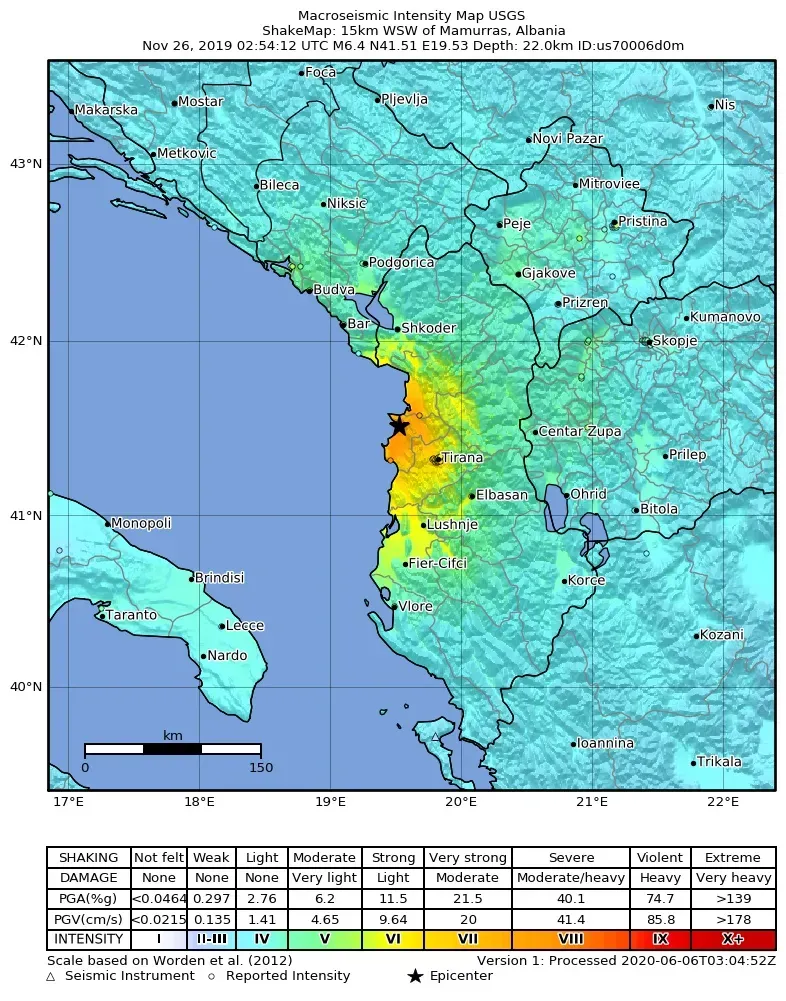
Even though true short‑term prediction remains out of reach, AI is already reshaping how we monitor and respond to earthquakes. One of the most mature uses is rapid detection: systems can now recognize the first faint seismic waves and estimate a quake’s location and magnitude faster than traditional algorithms, shaving off precious seconds for early‑warning alerts. Machine learning has dramatically improved automatic picking of P‑waves and S‑waves in seismic records, turning messy data into cleaner, more precise event catalogs. That might sound technical, but it feeds directly into better hazard models and aftershock forecasts. In some regions, AI has also been used to classify building damage from satellite and drone imagery within hours, helping emergency teams prioritize where to go first.
Researchers are also deploying AI on problems that used to be dismissed as intractable. Deep learning methods have been used to detect previously unnoticed “microquakes” in continuous data streams, revealing that faults are far busier than earlier catalogs suggested. Those tiny events help map where stress is accumulating and how it is released, offering a more detailed portrait of fault behavior over time. In laboratory experiments, where rocks are squeezed until they break, AI models have successfully predicted failure times based on subtle acoustic signals from the material – a tantalizing, if simplified, analog for Earth’s crust. None of this yet adds up to a global earthquake prediction engine, but it is steadily pushing the boundary of what we can infer from the planet’s background rumble.
The Hard Limits – and Why Prediction Is So Difficult
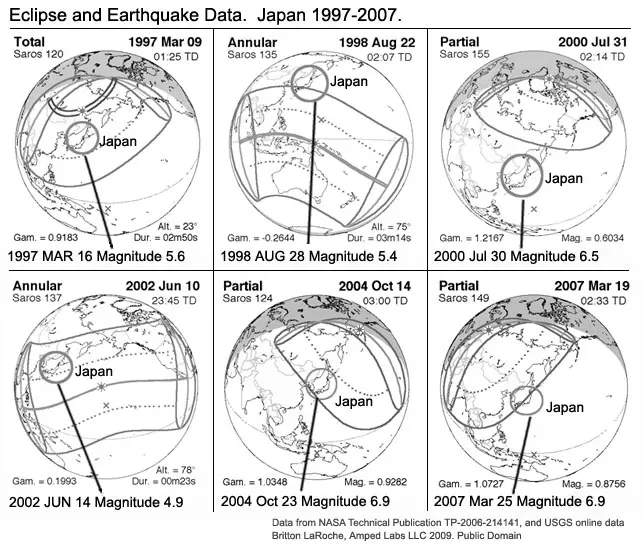
It is tempting to imagine that if you just throw enough data and computing power at the problem, AI will inevitably crack the earthquake code. Unfortunately, nature is not cooperating with that fantasy. Fault systems are nonlinear, interconnected, and influenced by conditions we can neither measure perfectly nor simulate fully, from mineral chemistry to deep‑Earth temperature gradients. Two sections of the same fault can behave differently even under similar stress, and the same fault can surprise us in different ways over centuries. This means that AI is trying to infer rules in a system where the rules themselves may shift over time and space.
There are also practical challenges that limit how far pattern recognition can go. Big, damaging quakes are rare compared to the countless small ones, so training data for the events we care most about is painfully sparse. Many densely populated regions lack long, high‑quality seismic records, and political or economic instability can interrupt the data flow. On top of that, AI systems are prone to overfitting – finding patterns that look convincing in historical data but fail completely on new events. When the cost of a false alarm is public panic and economic disruption, and the cost of a missed event is catastrophic loss of life, that trade‑off becomes ethically charged. The bottom line is that prediction is not just a technical problem; it is a problem of uncertainty, risk, and trust.
Why It Matters: Lives, Cities, and Trust in Science
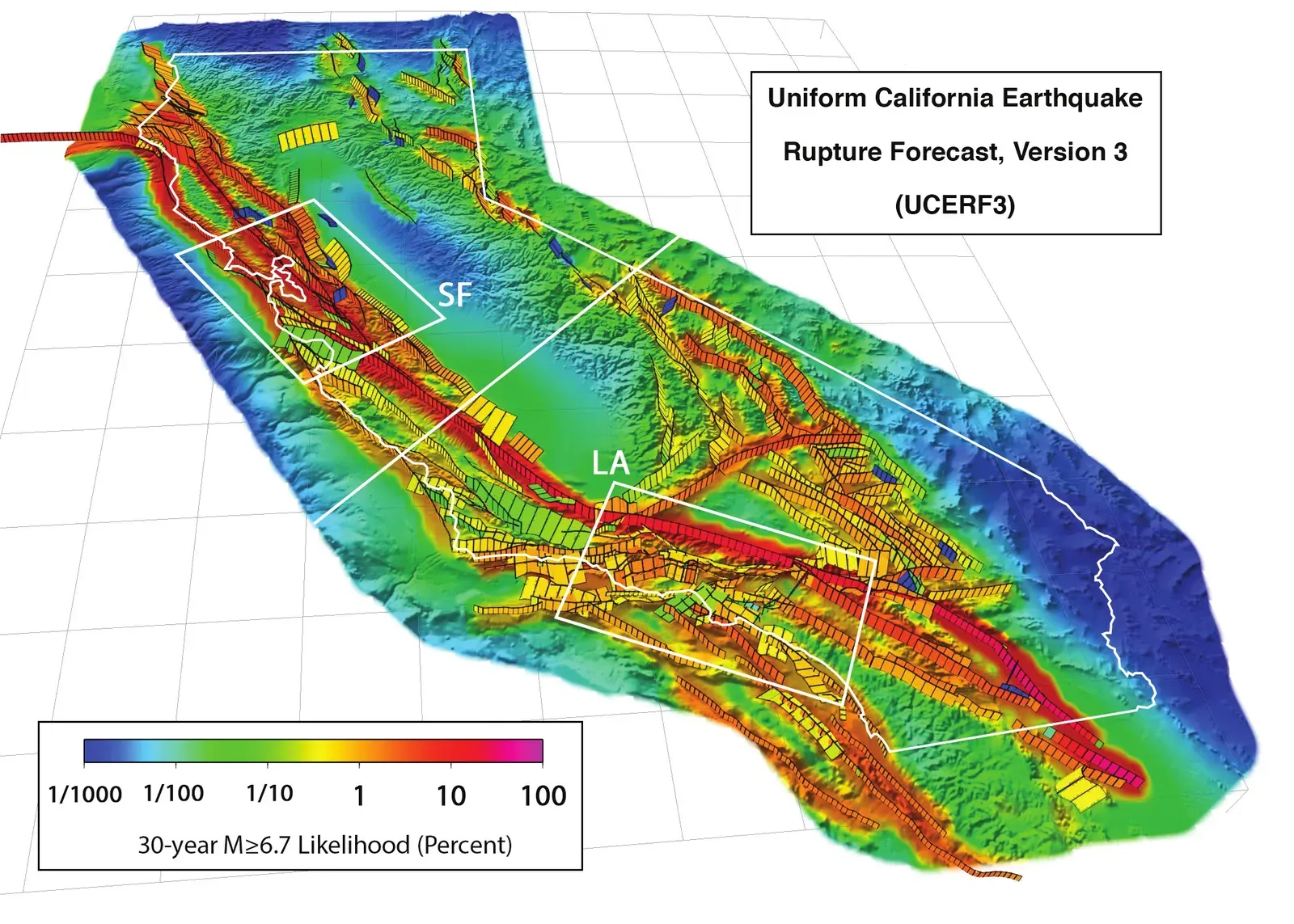
For people living near major faults, the stakes could not be more concrete: better forecasts mean better odds of surviving the next big jolt. Most of the world still relies on a combination of long‑term hazard maps, building codes, drills, and a few seconds of early warning based on real‑time detection once a quake has already begun. That is helpful but inherently reactive, like slamming the brakes after a car has started to skid. If AI can extend our predictive window even slightly – from seconds to minutes, or from vague decades‑long probabilities to useful seasonal risk shifts – the human impact could be enormous. Evacuation routes, hospital staffing, power‑grid management, and even when to schedule risky maintenance work could all be adjusted in smarter ways.
There is also a deeper psychological and political dimension to this effort. Communities hit by major earthquakes often feel blindsided, asking why no one told them sooner or more clearly what was coming. Scientists, wary of overpromising, sometimes default to cautious language that can sound detached in the aftermath of tragedy. AI‑enhanced forecasting has the potential to reshape that relationship, offering more nuanced risk information while also forcing hard conversations about uncertainty. If the public learns to see predictions as probabilities and ranges, not guarantees, the technology could foster a more mature culture of shared responsibility. But if AI is hyped as an infallible oracle and then fails spectacularly, it could erode trust not just in algorithms, but in science itself.
Global Perspectives: Unequal Risks, Unequal Tools
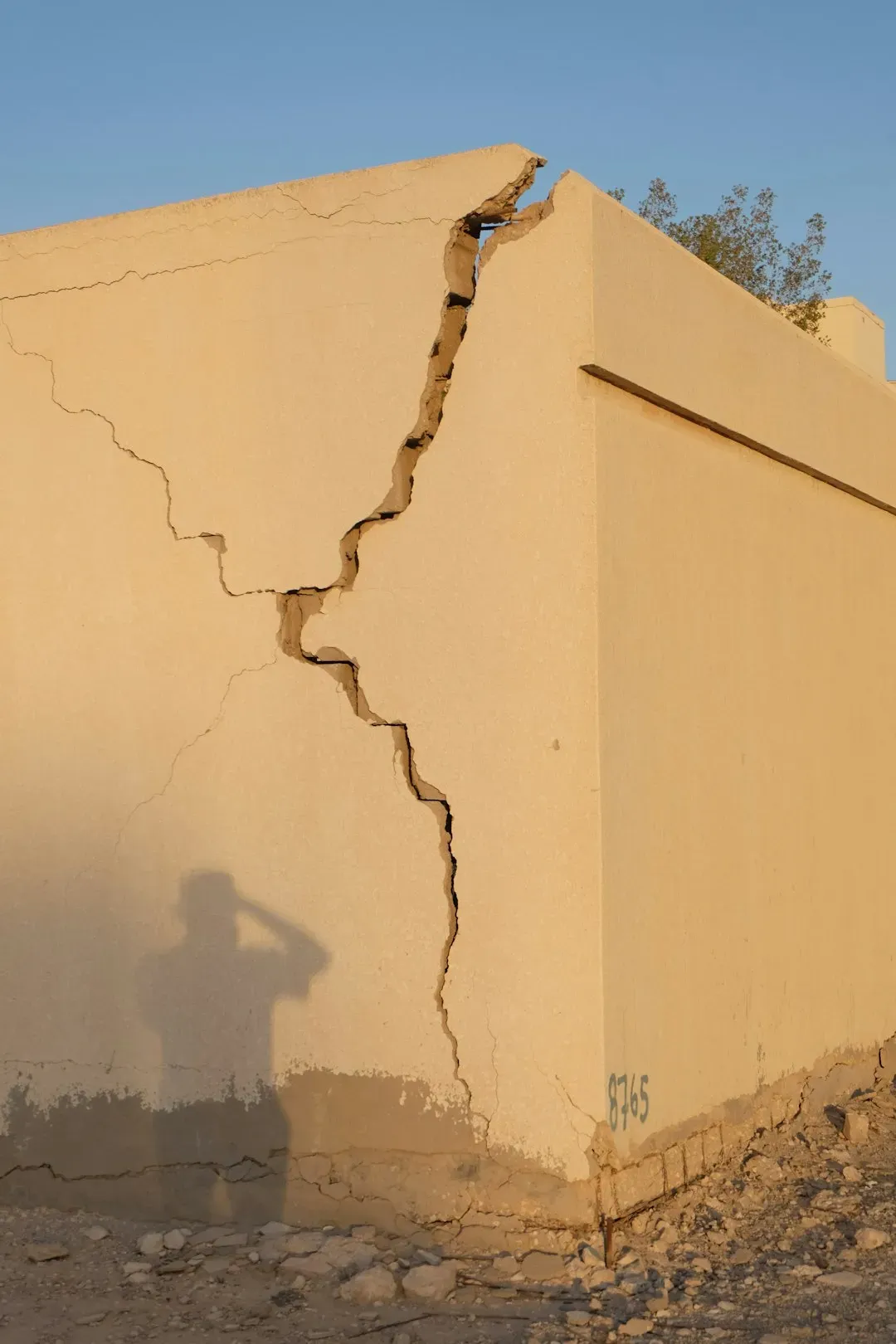
Earthquakes do not distribute their damage evenly across the planet, and neither does technology. Wealthy countries often have dense seismic networks, robust internet infrastructure, and funds to experiment with cutting‑edge AI systems. They can afford cloud computing, specialized teams, and long‑term monitoring projects that steadily refine their models. In contrast, many of the most vulnerable regions – where rapid urban growth meets weak building standards – lack even basic sensor coverage. For them, the idea of AI‑driven prediction can feel as distant as a mission to another planet.
This imbalance raises a hard question: who benefits first from the next breakthrough in quake forecasting? In a best‑case scenario, open‑source software, low‑cost sensors, and shared training data could help level the playing field. Regional collaborations can pool seismic data across borders, giving AI models a richer picture of large fault systems that do not respect political lines. There are encouraging examples of pilot projects where simple smartphones double as seismic sensors, feeding into cloud‑based detection networks. Still, without deliberate investment and policy support, AI risks becoming yet another technology that widens the gap between those who can prepare for disaster and those who must simply endure it.
The Future Landscape of AI Quake Forecasting
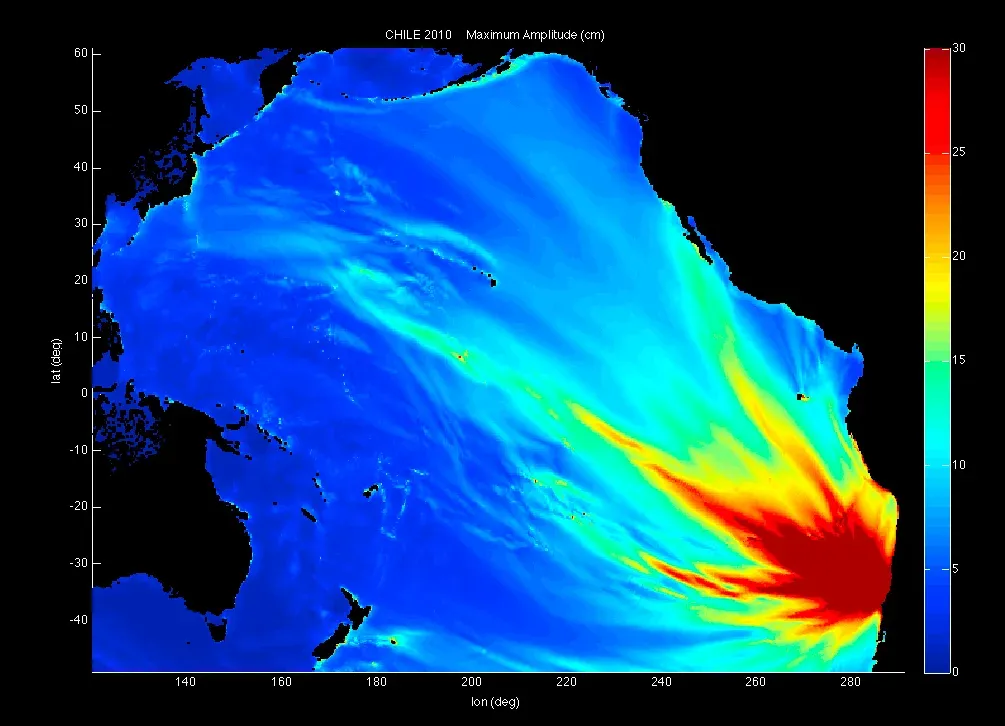
Looking ahead, the most promising path does not involve a single all‑seeing algorithm, but a layered ecosystem of tools working together. Researchers are experimenting with physics‑informed neural networks that bake the laws of rock mechanics into AI architectures, so models are less likely to latch onto spurious correlations. Multimodal systems combine seismic data with GPS deformation, satellite radar, and even changes in groundwater levels, hunting for cross‑validated signatures of stress build‑up. There is also growing interest in continuous forecasting, where models constantly update probabilities of different scenarios rather than issuing dramatic, one‑off “predictions.” That approach fits better with the messy reality of fault systems and the need for flexible decision‑making.
At the same time, thorny ethical and policy questions loom on the horizon. Who decides when a probabilistic AI forecast is strong enough to trigger public alerts, school closures, or evacuations? How do we audit and regulate systems that may be too complex for any single expert to interpret fully? Computer scientists, seismologists, emergency planners, and social scientists are starting to work together on guidelines, but there is no global standard yet. In my view, the most responsible future is one where AI acts as a powerful advisor, not a dictator, feeding into transparent, human‑led decision processes. That vision is less cinematic than a machine that “predicts the big one,” but it is far more likely to save lives without creating new forms of risk.
How You Can Engage With the Science
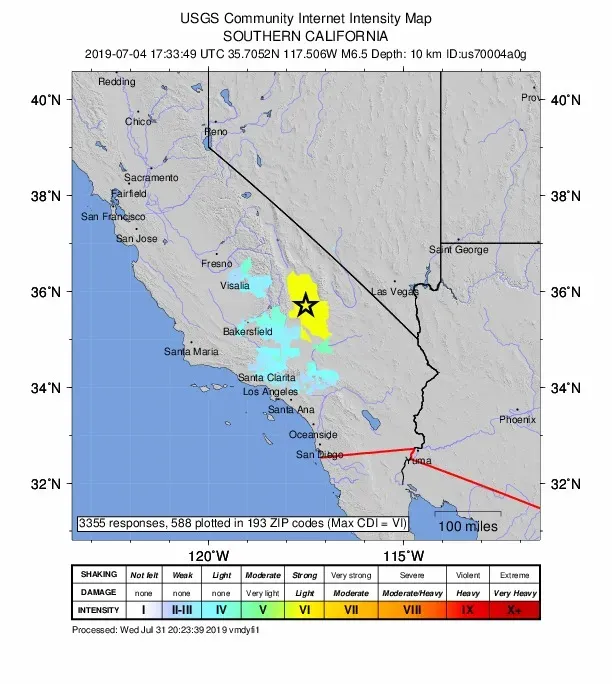
It is easy to think of earthquake prediction as something that happens only in high‑tech labs and government agencies, far from daily life. In reality, public awareness and participation can shape how quickly and fairly these tools develop. You can start locally by learning whether your region participates in any earthquake early‑warning or citizen‑science monitoring programs, and by signing up if they do. Some projects invite volunteers to host low‑cost sensors or share smartphone data that feeds into AI‑driven detection networks. Others simply need residents to respond to rapid surveys after shaking, providing ground‑truth information that helps refine impact models.
Beyond data, there is a quieter but equally important form of engagement: insisting that your community treats seismic risk as a planning priority. That can mean supporting building‑code updates, retrofits for older structures, and funding for local hazard mapping and emergency drills. When you see headlines about AI and earthquake prediction, it also helps to maintain a balanced skepticism – curious but not credulous, hopeful but aware of limitations. The more the public understands about probabilities, uncertainty, and how these systems really work, the harder it will be for hype or fear to dominate the conversation. In a world where the ground will always move again, staying informed and involved is one of the few certainties we can actually control.
Suhail Ahmed is a passionate digital professional and nature enthusiast with over 8 years of experience in content strategy, SEO, web development, and digital operations. Alongside his freelance journey, Suhail actively contributes to nature and wildlife platforms like Discover Wildlife, where he channels his curiosity for the planet into engaging, educational storytelling.
With a strong background in managing digital ecosystems — from ecommerce stores and WordPress websites to social media and automation — Suhail merges technical precision with creative insight. His content reflects a rare balance: SEO-friendly yet deeply human, data-informed yet emotionally resonant.
Driven by a love for discovery and storytelling, Suhail believes in using digital platforms to amplify causes that matter — especially those protecting Earth’s biodiversity and inspiring sustainable living. Whether he’s managing online projects or crafting wildlife content, his goal remains the same: to inform, inspire, and leave a positive digital footprint.