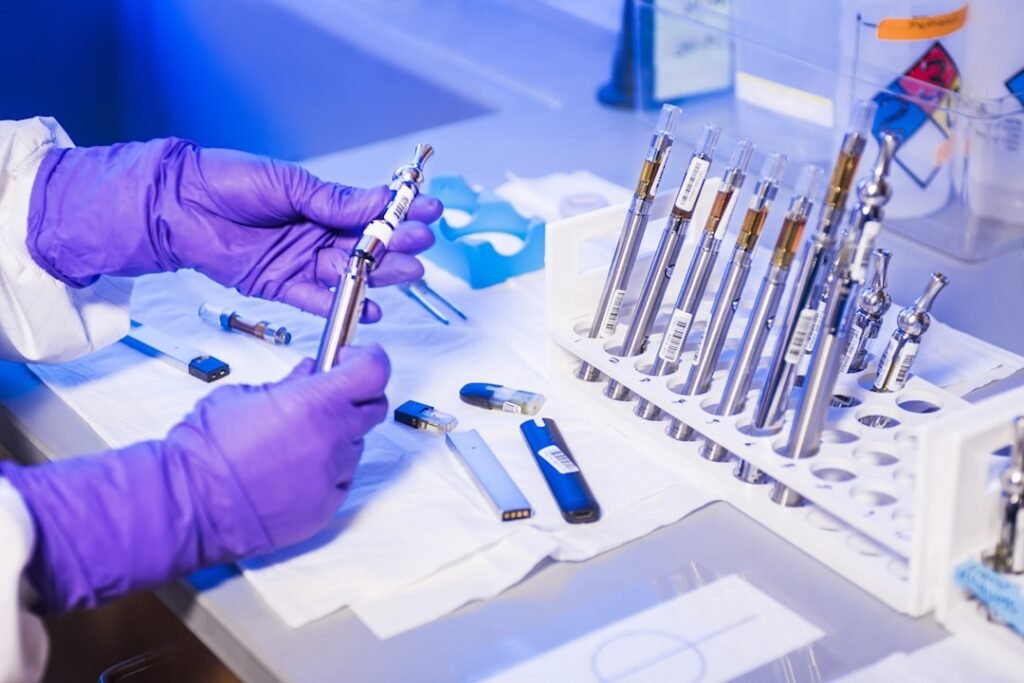

Science has long viewed aging as an inevitable biological process, but that perspective is rapidly changing. Today’s researchers aren’t just looking to slow down aging anymore – they’re exploring ways to actually reverse it. From lab mice that regain their youthful vigor to human clinical trials showing promising results, the quest to turn back time on our cells has moved from science fiction into serious scientific reality.
The implications are staggering. Imagine a world where your 70-year-old body could function like it did at 30, or where age-related diseases like Alzheimer’s and heart disease become distant memories. While we’re not there yet, the scientific breakthroughs happening right now suggest we might be closer than ever before. So let’s dive into the fascinating world of aging reversal and discover what’s actually possible.
The Science Behind Cellular Aging
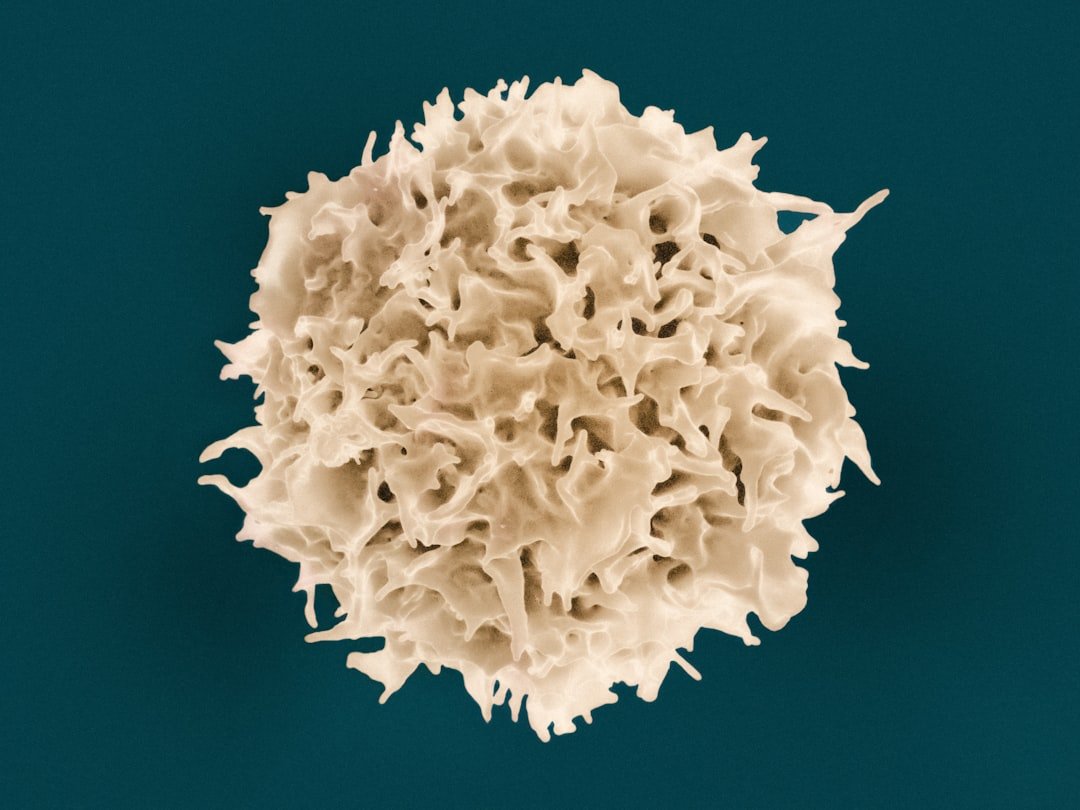
Aging is broadly characterized by a cellular decline with increased susceptibility to age-related diseases, being intimately associated with epigenetic modifications. Think of aging like a car that’s been driven for hundreds of thousands of miles – the parts start wearing out, rust accumulates, and the engine doesn’t run as smoothly as it once did.
At the cellular level, aging results from accumulated cellular damage. Key factors include: DNA Damage: Mutations and breaks in DNA lead to cellular dysfunction. Studies show that human cells accumulate varying rates of mutations, with some tissues accumulating 13-47 mutations per genome per year. Our cells also suffer from telomere shortening – these protective caps on our chromosomes get shorter each time a cell divides, eventually leading to cellular death.
“I think the general concept that age is malleable is something that has only recently sort of become acknowledged by most scientists,” says Tony Wyss-Coray, a leading aging researcher. This shift in thinking has opened entirely new avenues for research that were previously considered impossible.
Yamanaka Factors: The Cellular Time Machine
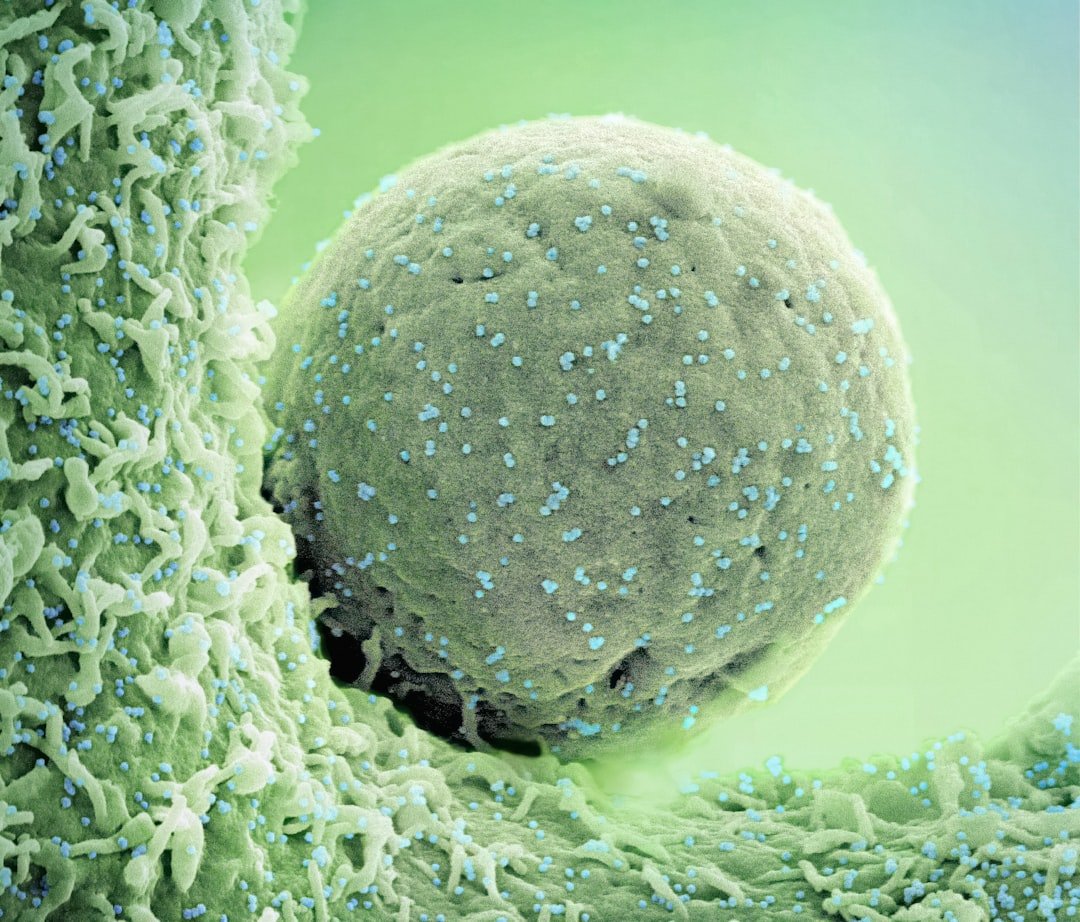
In 2006, a study by Drs. Kazutoshi and Shinya Yamanaka showed that it is possible to reprogram cells using just four master genes: Oct4, Sox2, Klf4, and c-Myc (OSKM). These four proteins, known as Yamanaka factors, have become the cornerstone of cellular reprogramming research.
A decade after Kyoto University biologist Shinya Yamanaka won a share of a Nobel Prize for discovering a cocktail of proteins that reprogram adult cells into versatile stem cells, two teams argue the proteins can turn back the clock for entire organisms – perhaps one day humans. One group at a biotech used gene therapy to deliver some of the so-called Yamanaka factors into old mice, and modestly extended their life span.
The results have been remarkable. In this study, we show that systemically delivered adeno-associated viruses, encoding an inducible OSK system, in 124-week-old male mice extend the median remaining lifespan by 109% over WT controls and enhance several health parameters. That’s essentially doubling the remaining lifespan of these elderly mice – equivalent to helping an 80-year-old human live to 160.
In both cases, the Yamanaka factors appear to have restored part of the animals’ epigenome, chemical modifications on DNA and proteins that help regulate gene activity, to a more youthful state.
Chemical Cocktails for Cellular Rejuvenation
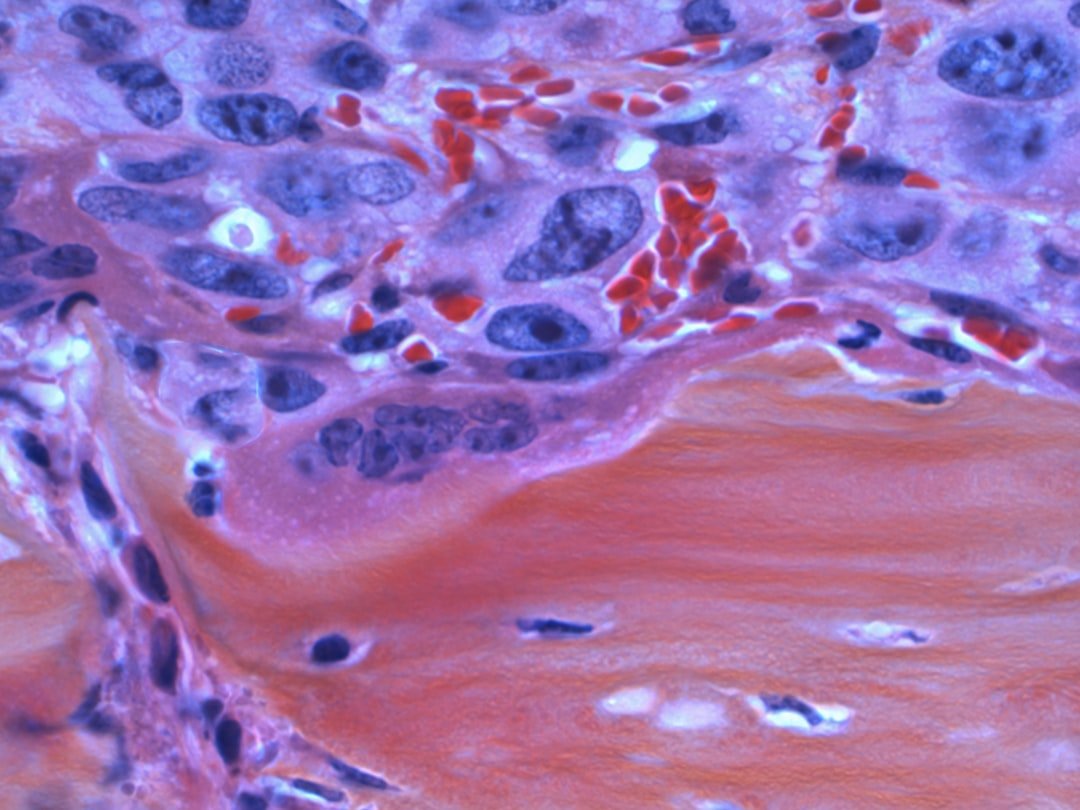
While gene therapy with Yamanaka factors showed promise, researchers have been working on safer alternatives. The study, conducted by a team of scientists at Harvard Medical School, has published the first chemical approach to reprogram cells to a younger state. Previously, this was only achievable using a powerful gene therapy.
We identify six chemical cocktails, which, in less than a week and without compromising cellular identity, restore a youthful genome-wide transcript profile and reverse transcriptomic age. These chemical combinations work by targeting the same pathways as Yamanaka factors but without the risk of genetic modification.
The breakthrough is significant because it offers a potentially safer route to cellular rejuvenation. “This new discovery offers the potential to reverse aging with a single pill, with applications ranging from improving eyesight to effectively treating numerous age-related diseases,” Sinclair said. The Harvard team’s approach represents what they call “cEPOCH” – chemically-induced epigenetic age reversal.
Blood Factors and Age Reversal
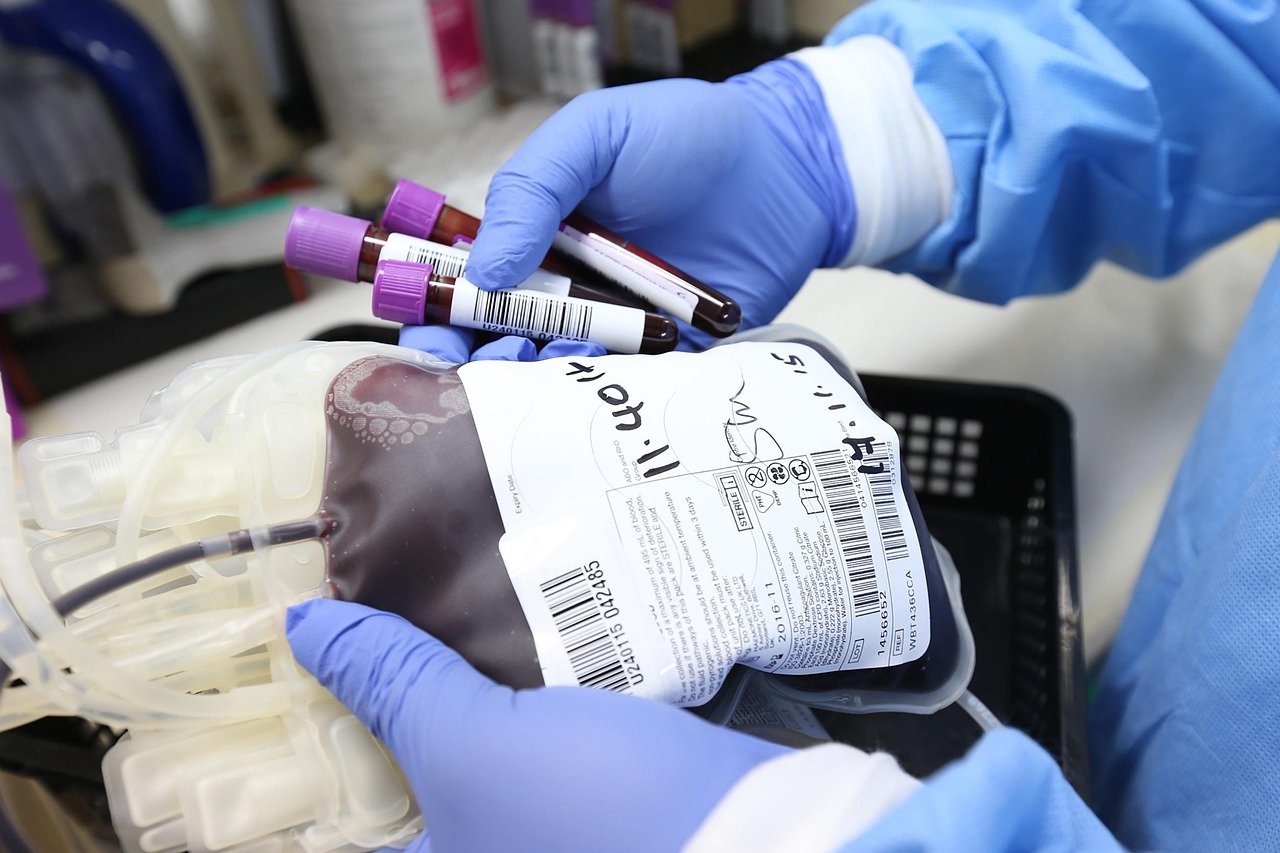
One of the most fascinating areas of aging research involves the blood itself. A 2023 study found that when the blood supply of an old mouse was connected to a young mouse, the organs of the young mouse aged dramatically. When they were disconnected, the aging reversed.
In 2014, Wyss-Coray and his colleagues showed that blood from young mice could have beneficial effects on the brains of aged mice. When the blood of a young mouse was introduced into an old mouse, it altered how genes related to synaptic plasticity were activated, or expressed, in the aged mouse. It also increased measures of plasticity in the hippocampus of the aged mouse.
Researchers have identified specific proteins in young blood that drive these anti-aging effects. They zeroed in on a protein called tissue inhibitor of metalloproteinases 2 (TIMP2). Injecting aged mice with TIMP2 increased its level in the brain, promoted plasticity in the hippocampus, and improved learning and memory. More generally, Wyss-Coray’s findings support the notion that at least some of the consequences of aging are reversible.
Senescent Cells: The Aging Culprits
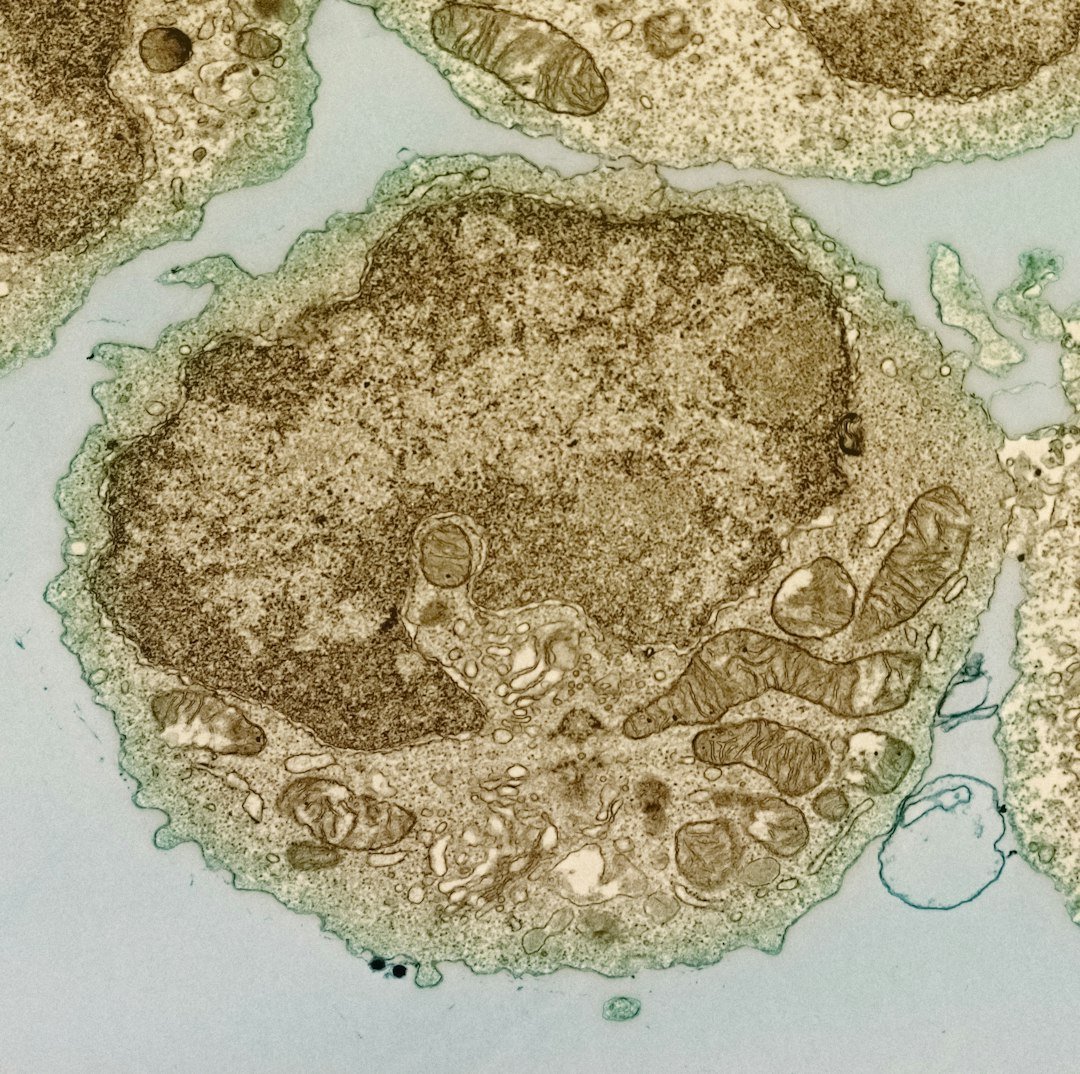
As we age, our bodies accumulate what scientists call “senescent cells” – cells that have stopped dividing but refuse to die. The development of senolytics to eliminate senescent cells (SnCs) is one of the strategies used to treat age-related diseases. The involvement of cellular senescence in the initiation and propagation of diseases is clearly characterized, making the elimination of senescent cells essential to treat age-related diseases. The development of senolytic drugs demonstrated that targeting these cells limits the deterioration of patients’ condition, by inducing apoptosis.
Senescent cells contribute to inflammation and disease. Senolytics are drugs that target and eliminate these cells. Dasatinib and Quercetin: Shown to improve lifespan in mice by 36%. These zombie-like cells pump out inflammatory chemicals that damage surrounding healthy tissue, essentially poisoning their neighbors.
The good news is that removing these troublemakers can have dramatic effects. Here, in an open-label Phase 1 pilot study, we show for the first time that senolytic drugs decrease senescent cell abundance in humans. A 3-day oral course of D + Q in subjects with diabetic kidney disease (DKD) reduced adipose tissue senescent cell burden 11 days later, as indicated by decreases in cells with markers of senescence: p16INK4A-and p21CIP1-expressing cells, cells with senescence-associated β-galactosidase (SAβgal) activity, and adipocyte progenitors with limited replicative potential.
Clinical Trials: From Lab to Human
The transition from laboratory discoveries to human applications is already underway. To date, there have been over one dozen FDA-approved clinical trials with the senolytics D+Q, fisetin, and UBX0101. D+Q and fisetin are being tested for the systemic treatment of multiple age-related conditions and diseases, including AD.
Northwestern Medicine has launched the Human Longevity Laboratory, a longitudinal, cross-sectional study that will investigate the relationship between chronological age and biological age and validate interventions that may reverse or slow down the processes of aging. These comprehensive studies are measuring everything from cardiovascular function to brain activity to determine how well anti-aging interventions actually work.
The clinical results so far have been encouraging but modest. In the first clinical trial of senolytics, D + Q improved physical function in patients with idiopathic pulmonary fibrosis (IPF), a fatal senescence-associated disease, but to date, no peer-reviewed study has directly demonstrated that senolytics decrease senescent cells in humans. However, newer studies are now providing that direct evidence of cellular improvement.
AI and Drug Discovery Revolution
Artificial intelligence is accelerating the pace of anti-aging research dramatically. AI is accelerating the identification of anti-aging compounds. DeepMind’s AlphaFold predicts protein structures to develop precision drugs. Insilico Medicine: Uses AI to design molecules that extend lifespan (source). Calico Labs (Google-backed): Applying machine learning to slow aging at the cellular level.
These AI systems can analyze millions of potential drug combinations in days rather than years. They’re identifying compounds that might have anti-aging properties, predicting how they’ll interact with human biology, and even designing entirely new molecules from scratch. It’s like having thousands of researchers working around the clock, but at digital speed.
The technology is also helping researchers understand the complex networks of genes and proteins involved in aging. By mapping these intricate relationships, AI is revealing new targets for intervention that human researchers might never have discovered on their own.
Epigenetic Reprogramming: Rewriting the Code of Age
Notably, partial reprogramming enables the resetting of the ageing clock without erasing cellular identity. Think of epigenetic changes as bookmarks in the book of your genetic code – they don’t change the text, but they determine which chapters get read.
A hallmark of eukaryotic aging is a loss of epigenetic information, a process that can be reversed. We have previously shown that the ectopic induction of the Yamanaka factors OCT4, SOX2, and KLF4 (OSK) in mammals can restore youthful DNA methylation patterns, transcript profiles, and tissue function, without erasing cellular identity, a process that requires active DNA demethylation.
The beauty of epigenetic reprogramming is that it doesn’t require changing the fundamental genetic code – it just changes how that code is read. Another remarkable example is ocular gene therapy with partial reprogramming factors: introducing just three Yamanaka factors (Oct4, Sox2, Klf4 – omitting c-Myc) into old mice’s retinal ganglion cells led to restored vision and nerve regeneration. The aged neurons regained axon growth ability and visual function by regaining a more “youthful” epigenetic state.
Metabolic Interventions and Longevity
Beyond cellular reprogramming, researchers are exploring metabolic pathways that influence aging. Take rapamycin, a drug first discovered in 1972 from a bacterium on Easter Island found to have antifungal, immunosuppressant, and anticancer properties. Rapamycin targets the TOR pathway, a large molecular signaling cascade within cells that regulates many functions fundamental to life. Rapamycin has garnered renewed attention for its potential to reverse the aging process by targeting cellular signaling associated with physiological changes and diseases in older adults.
Declining NAD+ (Nicotinamide Adenine Dinucleotide) levels are linked to aging. NMN and NR Supplements restore NAD+ levels, improving mitochondrial function. These compounds help restore the cellular powerhouses – our mitochondria – to more youthful function levels.
The metabolic approach to aging reversal focuses on the fundamental energy processes that keep our cells running. By optimizing these pathways, researchers hope to maintain cellular function at youthful levels throughout our lives.
Stem Cell Therapy and Regenerative Medicine
Stem cells regenerate tissues and repair damage. Mesenchymal Stem Cells (MSCs): Used for regenerating joints, skin, and organs. Clinical Trials: Indicate improved heart and lung function in elderly patients. The idea is beautifully simple: replace worn-out cells with fresh, young ones.
Despite these problems and challenges, stem cell-based therapies could show a particularly promising potential for the aforementioned progeroid syndromes, since the exhaustion of stem cell populations is a hallmark shared by both most progeroid syndromes and physiological aging. In this context, the use of iPSCs could be an option to replenish these populations and potentially ameliorate the symptoms characteristic of progeroid syndromes.
The challenge lies in getting these therapeutic cells to the right places in the body and ensuring they behave properly once they’re there. Recent advances in stem cell engineering are making these therapies more targeted and effective, with clinical trials showing improvements in everything from heart function to joint mobility.
Safety Concerns and Ethical Considerations
Senolytics may enhance health span and delay, prevent, or treat multiple chronic diseases, geriatric syndromes, and age-related declines in physical resilience, but this is not a certainty. More information about safety, tolerability, side effects, and target engagement (effectiveness in reducing Snc burden) is needed. Unfortunately, there has been premature excitement about senolytics along with efforts to sell them to the public while safety and efficacy measures are still being evaluated. At this juncture, we believe the use of senolytic drugs should be confined to carefully monitored placebo-controlled clinical trials.
Although the potential of these and other combinations of chemicals to achieve cEPOCH is great, from treating blindness to liver failure and skin damage, in light of the toxic effects of expressing all four Yamanaka factors in mice, it is critical that the safety of chemical rejuvenation cocktails is tested rigorously in mammalian animal models before human trials are initiated.
The excitement around anti-aging therapies has led to a concerning trend of people self-experimenting with unproven treatments. The scientific community emphasizes that much more research is needed to understand both the benefits and potential risks of these powerful interventions.
Future Timeline: When Will Age Reversal Become Reality?
In a recent Joe Rogan podcast, Ray Kurzweil, computer scientist, inventor, futurist, and author of recent titles like “The Singularity is Nearer,” talks about human beings achieving what he calls “longevity escape velocity” in the next 5 years. He then goes on to explain that in the present day, you age about a year but thanks to science, technology, and medicine, you get back about 4 months, so you effectively age only 8 months. In 5 years, however, he predicts we will get back the full 12 months and even more, effectively reversing the aging process.
Researchers predict that by 2030, anti-aging interventions could significantly increase the average human lifespan beyond 100 years. While these predictions might seem optimistic, the rapid pace of current research suggests that meaningful anti-aging therapies could become available within the next decade.
Sinclair says his team is already testing AAV-delivered OSK in the eyes of monkeys. “If those studies in monkeys go well and everything looks safe enough for humans, the plan is to immediately apply to the FDA [Food and Drug Administration] to do a study in one or more [age-related] diseases of blindness.” The progression from mouse to monkey to human trials is happening faster than ever before.
Conclusion: The New Frontier of Human Health

The question isn’t really whether aging can be reversed through science anymore – it’s how quickly we can make it safe and accessible. “The biological processes that drive aging may be malleable. We think we can slow that process down, delay it, even theoretically reverse it.” From cellular reprogramming to senolytic drugs, from AI-discovered compounds to stem cell therapies, multiple pathways are converging toward the same remarkable goal.
We’re witnessing the early stages of what could be the most significant medical revolution in human history. The same way antibiotics transformed medicine in the 20th century, aging reversal therapies could redefine what it means to grow old in the 21st century. While challenges remain around safety, efficacy, and accessibility, the scientific momentum is undeniable.
The fountain of youth that humanity has dreamed about for millennia might finally be within our grasp – not as a magical spring, but as a sophisticated understanding of cellular biology. The real question now isn’t whether we’ll be able to reverse aging, but how we’ll handle the profound implications when we do.
Jan loves Wildlife and Animals and is one of the founders of Animals Around The Globe. He holds an MSc in Finance & Economics and is a passionate PADI Open Water Diver. His favorite animals are Mountain Gorillas, Tigers, and Great White Sharks. He lived in South Africa, Germany, the USA, Ireland, Italy, China, and Australia. Before AATG, Jan worked for Google, Axel Springer, BMW and others.