The concept of a fungus transforming people into zombie mind slaves, as seen in The Last of Us, is currently firmly in the world of fantasy. But the premise of the show is not entirely unrealistic. In the real world, fungal infections are becoming increasingly dangerous, with climate change increasing their reach and drug-resistant strains developing more quickly than medicine can adapt. Although we won’t be battling cordyceps-infected masses anytime in the near future, researchers say fungal pathogens have the potential to become a much more deadly issue than most folks understand.
Fungi Are Already Controlling Other Organisms Just Not Humans
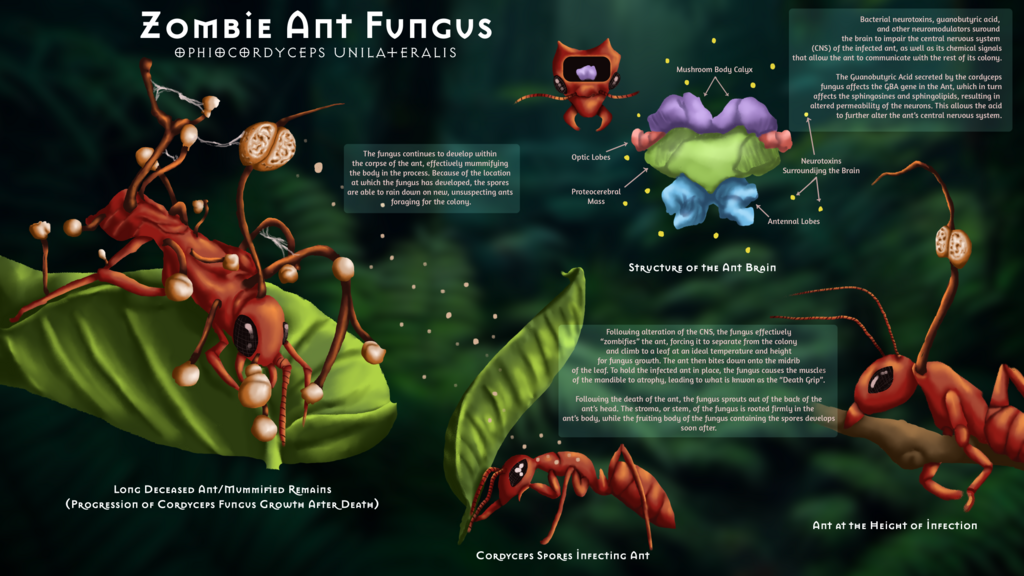
The Ophiocordyceps fungus that inspired The Last of Us is indeed real but infects only insects, making them “zombies” that disperse its spores. Researchers claim a jump to humans is extremely unlikely because of our complicated biology and high body temperature, which most fungi cannot tolerate. However, fungi are changing in disturbing ways. Candida auris, an antifungal-resistant yeast, has spread globally since its discovery in 2009, rapidly infecting hospitals and defying conventional antifungals. Meanwhile, Coccidioides, the fungal agent of Valley Fever, is spreading beyond its ancient desert ranges due to rising temperatures.
Immunity to Fungi Exists But It’s Complicated
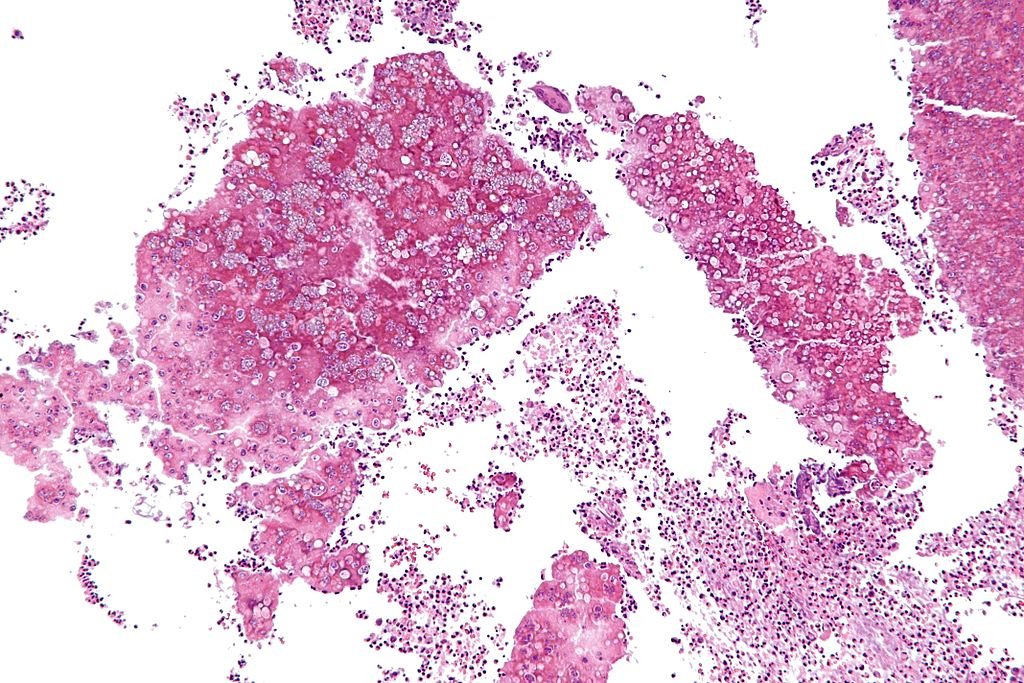
Some people do develop lasting immunity to certain fungal infections. Those who grow up in areas where Valley Fever is common, for instance, often build resistance. But other fungi, like Candida (which causes yeast infections) or dermatophytes (responsible for athlete’s foot), can reinfect the same person repeatedly.
“Precisely what it would take to become immune to a fanciful fungus like in The Last of Us, I haven’t got a clue,” says Dr. John Rex, Chief Medical Officer of F2G Ltd., a company developing antifungal drugs. “But in reality, immunity depends on exposure and immune strength.” People with weakened immune systems such as those on immunosuppressants or the elderly are at far higher risk.
Why Your Brain Is the Worst Place for a Fungal Infection

In The Last of Us, Ellie’s immunity is linked to her brain but in reality, fungal brain infections are among the deadliest and hardest to treat. “Once fungi reach the brain, it’s incurable. You can slow it down with drugs, but you can’t eliminate it,” Rex explains. Most fungal defenses rely on T cells, a type of white blood cell, rather than antibodies. These cells attack invaders in the bloodstream, lymph nodes, and bone marrow not the brain, which is shielded by the blood-brain barrier.
The Race for a Fungal Vaccine
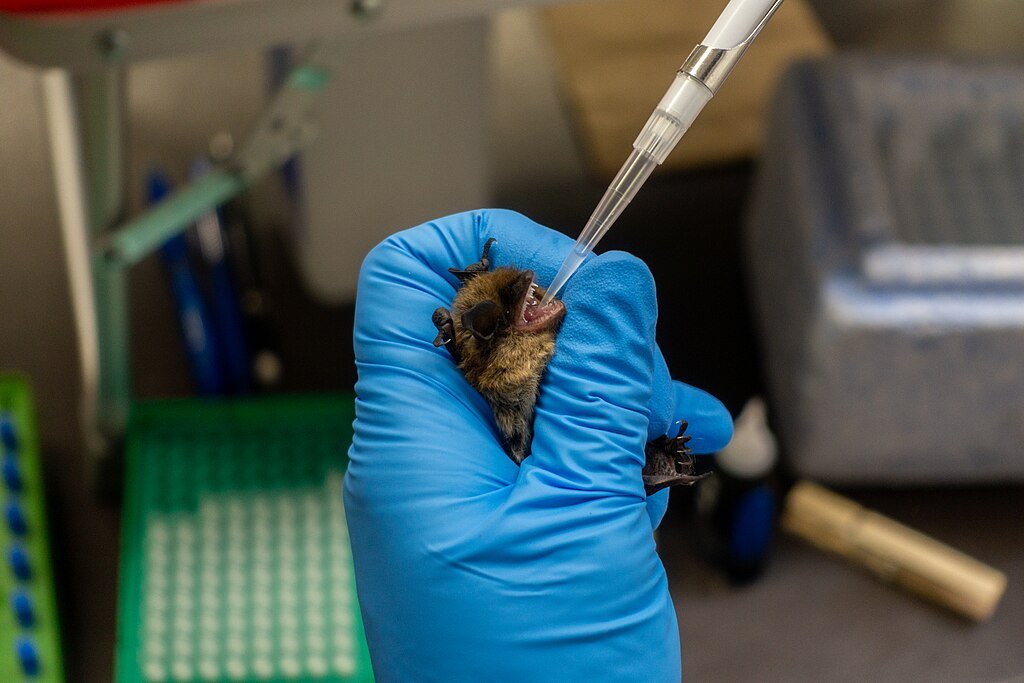
No human antifungal vaccines yet exist, though there are hopes from scientists and scientists. A vaccine developed by veterinarian Dr. Edward Robb and Anivive’s Chief of Strategy shows potential in its applicability not just for pets, but perhaps humans too. A live yet weakened gene in the fungus by means of its infection-making traits delivers immunity-inducing responses instead, thereby infecting no one while vaccinating everybody.
Valley Fever cases are rising: Arizona reported 14,770 infections in 2024, up from 11,000 in 2023. California saw a similar spike. If successful, this vaccine could be a game-changer but it’s still years away from human use.
Antifungal Drugs Are Scarce And Resistance Is Growing

The World Health Organization (WHO) issued its first-ever report on fungal threats in April 2024, warning of a critical lack of treatments. Only four new antifungal drugs have been approved in the past decade, and just nine more are in development.
“Our arsenal against fungi has never been as strong as it is for bacteria,” says Rex. His company is testing a drug that starves fungi by blocking DNA replication. If approved, it could treat deadly Aspergillus infections but the process has taken 25 years.
Could Climate Change Trigger a Fungal Pandemic?
Fungi thrive in warm, humid environments, and as global temperatures rise, previously contained species are spreading. Candida auris was first detected in 2009 now it’s on six continents. Valley Fever, once limited to the Southwest U.S., is creeping northward.
While a Last of Us-style apocalypse remains unlikely, experts agree: fungal infections are an underestimated threat. “We’re playing catch-up,” says Rex. “By the time we realize how bad it is, it might be too late.”
Final Thought
We may not face a zombie fungus outbreak, but real-world fungal infections are becoming more widespread, drug-resistant, and deadly. Without better vaccines and treatments, humanity could find itself in a silent battle, one with far fewer weapons than we’d like.
Sources:
Jan loves Wildlife and Animals and is one of the founders of Animals Around The Globe. He holds an MSc in Finance & Economics and is a passionate PADI Open Water Diver. His favorite animals are Mountain Gorillas, Tigers, and Great White Sharks. He lived in South Africa, Germany, the USA, Ireland, Italy, China, and Australia. Before AATG, Jan worked for Google, Axel Springer, BMW and others.