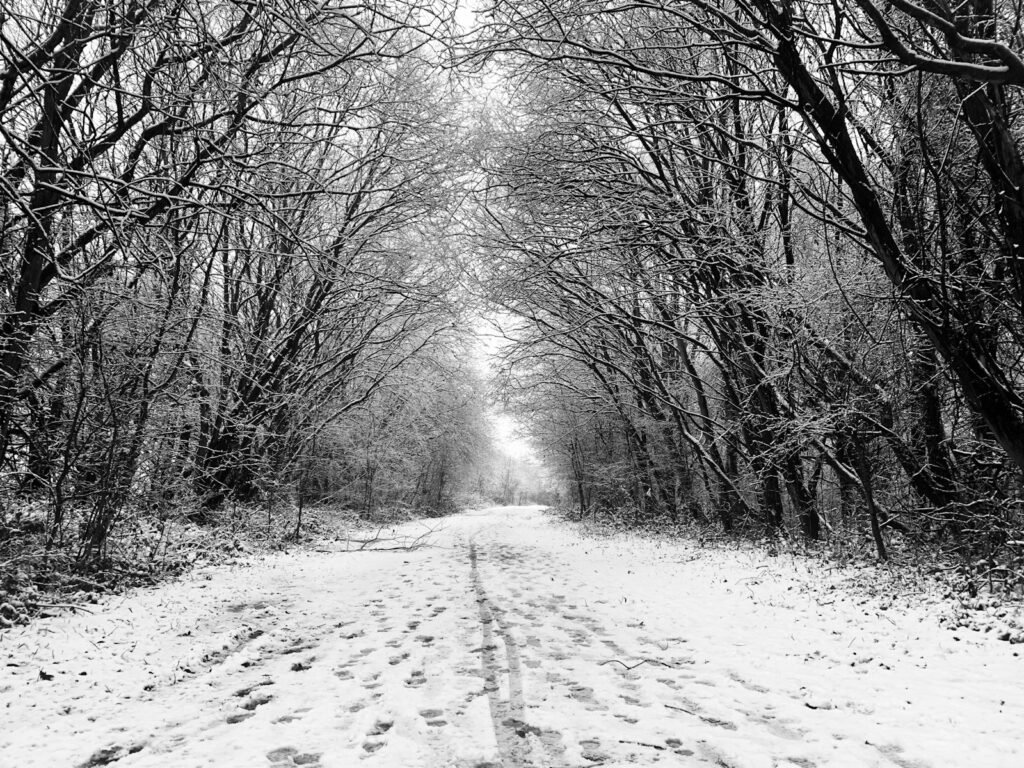

The apocalypse of the Viking world was not a quiet affair. Ragnarok, with its freezing winds, blackened skies, and a sun that fails to rise, reads less like pure fantasy and more like an eye-witness report from the edge of a climate catastrophe. For decades, archaeologists, climatologists, and historians have been quietly piecing together evidence of real disasters that may lurk behind this legendary end-of-days. Now, new data from ice cores, tree rings, and even volcanic ash layers are giving this old story a surprisingly modern twist. The mystery many researchers are now asking is not whether myths like Ragnarok were inspired by real events, but rather which events – and how close they came to ending whole civilizations.
The Hidden Clues: A Dark Summer in a World of Ice
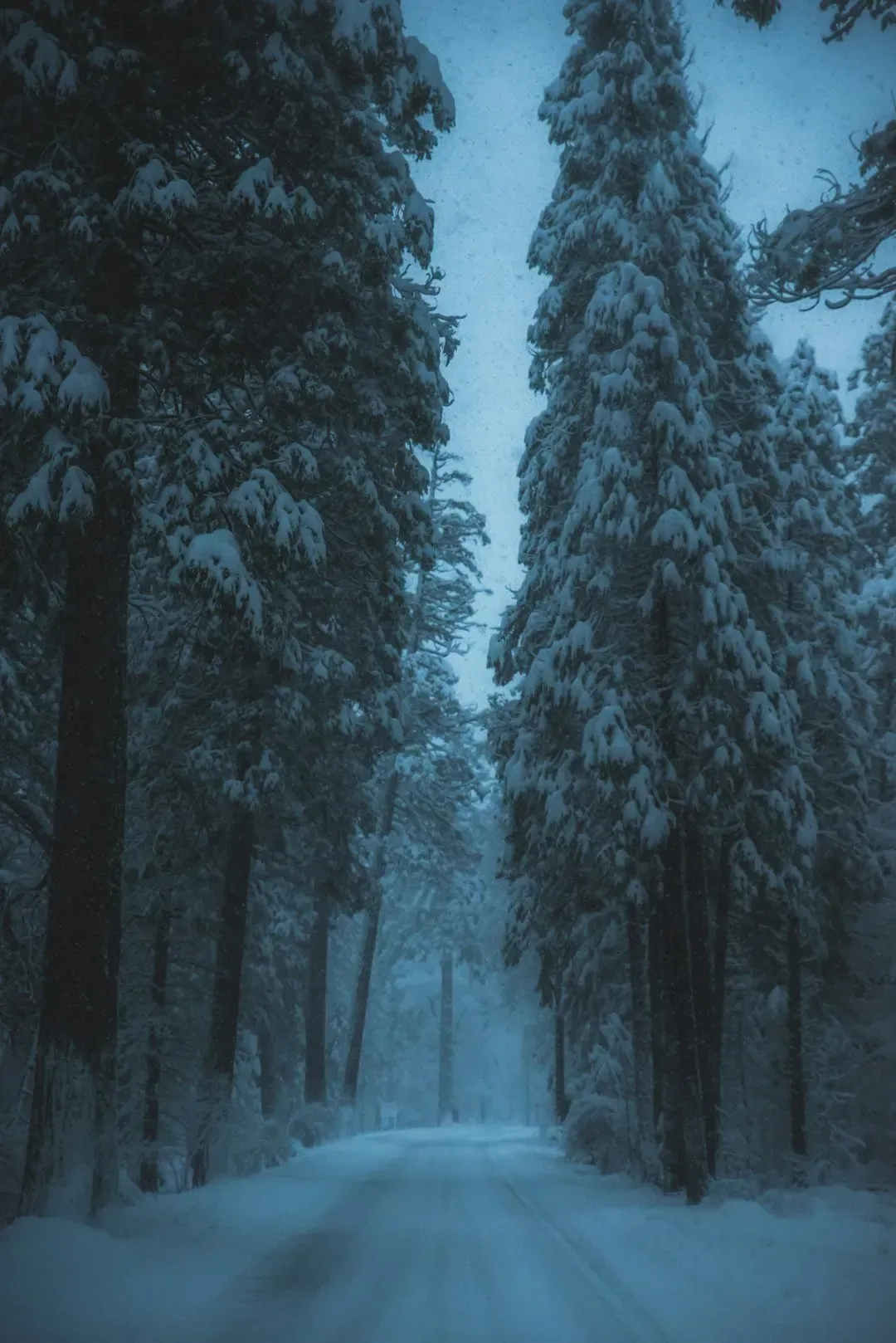
Imagine a summer where the sun rises weak and sickly, wrapped in a pale haze that never lifts. Medieval texts from across Europe, the Middle East, and Asia describe exactly that kind of eerie dimming in the years around the mid-sixth century, just a few centuries before the Viking Age. Tree-ring records from Scandinavia and beyond show that this period was marked by brutally cold summers, with growth stunted for several years in a row. Such evidence points strongly toward a massive volcanic eruption, or even a series of eruptions, blasting dust and sulfur into the upper atmosphere and blocking sunlight. For communities already living near the climatic limits of survival, like those in the far north, this would not just feel strange – it would feel like the world was literally breaking.
In that context, Ragnarok’s frozen winds and failed harvests stop sounding like random fantasy and start resembling cultural memory. When crops fail and animals starve, people do what humans have always done: they tell stories to make sense of it. These stories condense raw terror – darkened skies, dying forests, frozen seas – into symbols and gods, something you can name and argue with. The idea of Fimbulwinter, the great winter that precedes Ragnarok, may reflect lingering, interwoven memories of several bad years rather than one single event. The myth becomes a way for later generations to remember what it felt like to stand beneath a sun that refused to shine properly.
From Ancient Sagas to Modern Science: Reading the Sky in Ice
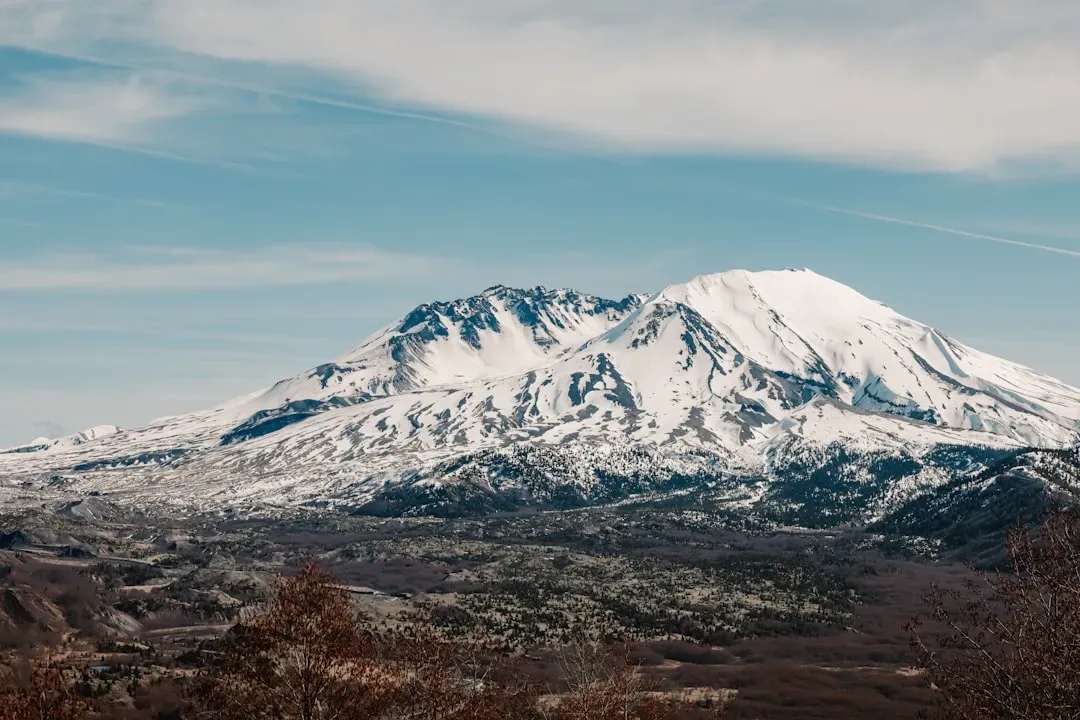
For a long time, myths like Ragnarok were treated as pure storytelling, interesting for culture but useless for climate science. That attitude has shifted as researchers realized that pre-modern people were often obsessive observers of the sky, the seasons, and the behavior of animals. Today, climate scientists drill deep into Greenland and Antarctic ice, pulling up long cylinders of frozen time that trap ancient air and volcanic ash. Some of those layers show clear spikes in sulfate and ash that line up with the mid-sixth-century cooling, along with hints of earlier and later large eruptions. In a way, the ice is a library of natural disasters, and we’re just now learning how to read the catalog properly.
What makes this compelling is how the physical and the mythical sometimes line up in unsettling ways. You have independent signals from tree rings, glacial ice, written chronicles, and oral traditions all pointing to episodes of sudden climate stress. It is not that scientists can say one volcano eruption equals one myth, because human memory just does not work that cleanly. Instead, repeated shocks – failed harvests, strange skies, unseasonal frosts – build up a shared emotional landscape. From that landscape, stories emerge about gods falling, worlds burning or freezing, and seas swallowing the land. Modern science, far from debunking the myths, is beginning to show just how closely they may track real planetary upheavals.
A Planet of Fire and Frost: Cosmic and Geological Triggers
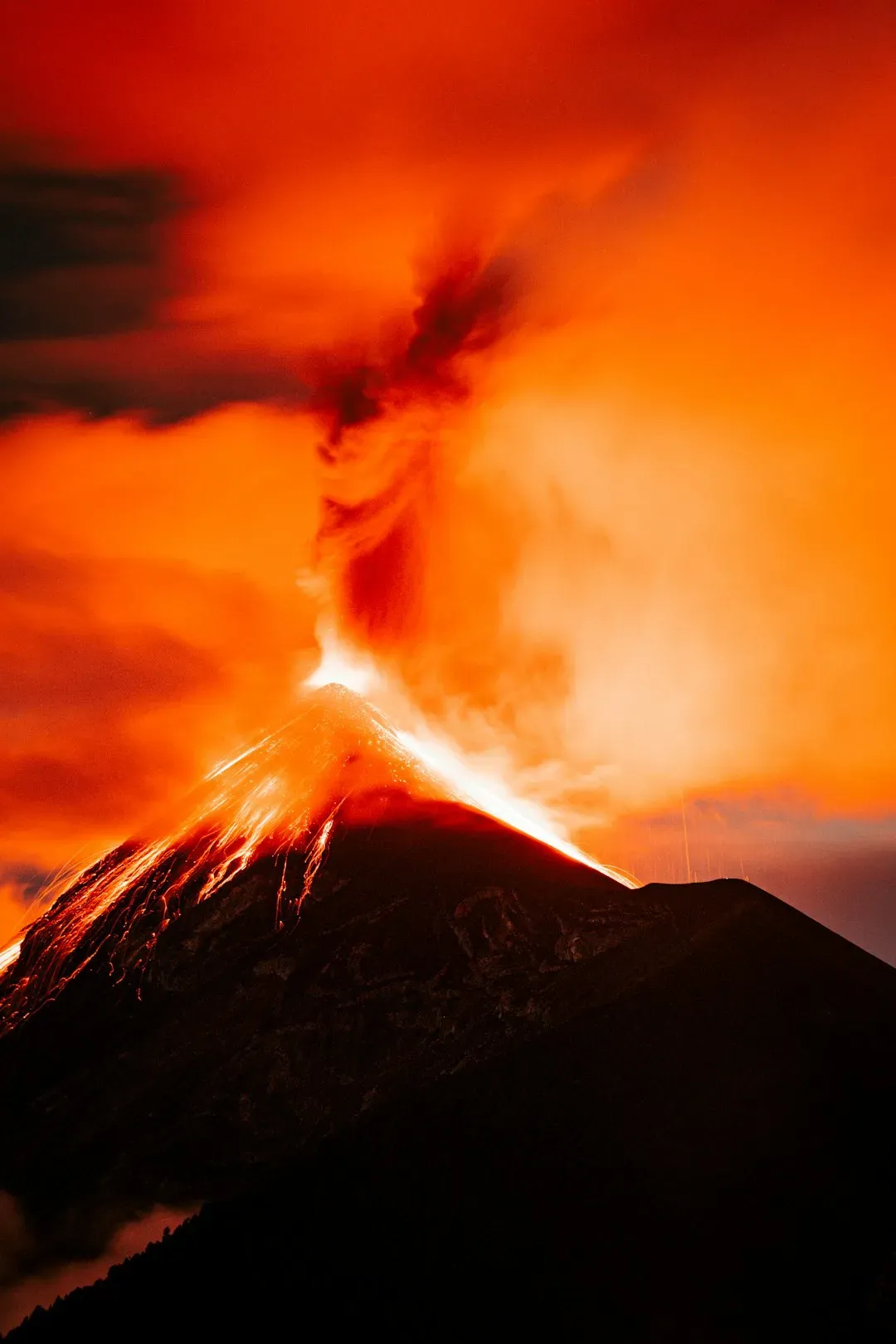
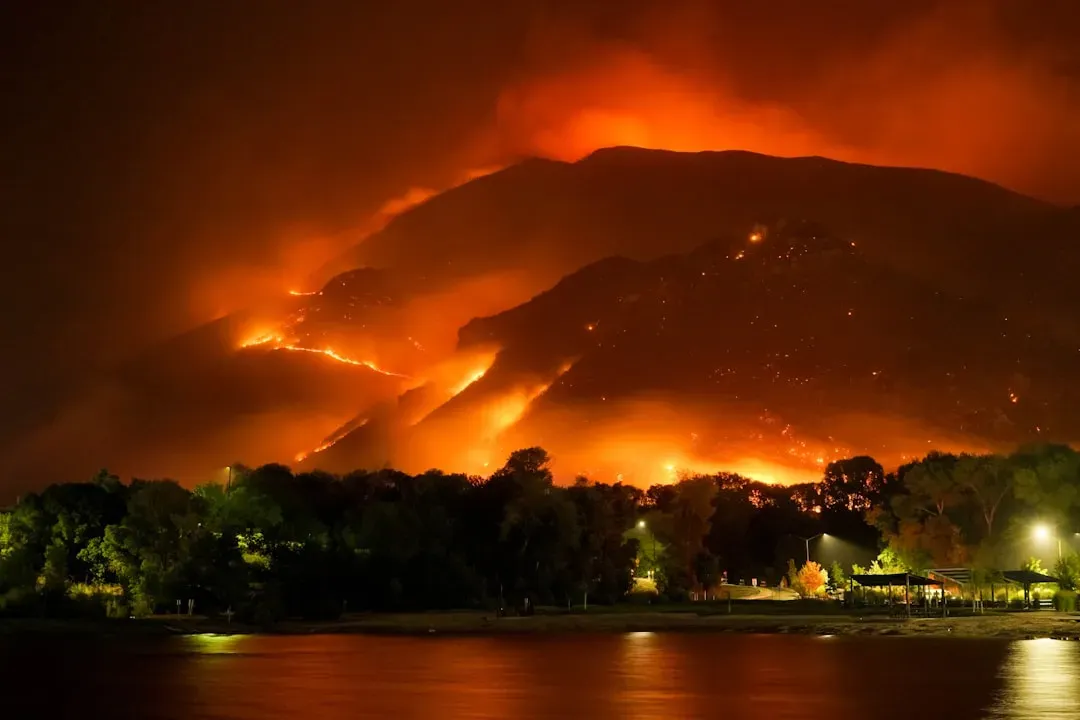
Ragnarok is often remembered for its gods and monsters, but its mechanics are surprisingly physical: earthquakes, fires, rising seas, and a sky gone wrong. On a planet like Earth, that is not overdramatic – it is Tuesday on geological timescales. Massive volcanic eruptions can inject particles into the stratosphere, dimming sunlight and cooling surface temperatures for years. Shifts in ocean circulation can lock regions into long winters or droughts. Even relatively modest changes in the jet stream can bring repeated storms or cold snaps to already vulnerable areas. All of this adds up to a world that can, every so often, behave as if the old rules have been tossed out.
There is also the broader cosmic backdrop: our planet constantly moves through a shooting gallery of space debris. Although truly large asteroid impacts are rare, smaller events still have the potential to start fires, throw dust into the atmosphere, or trigger tsunamis on regional scales. Some researchers have explored whether unusual meteor sightings or impact events could have fed into myths about stars falling or worlds catching fire. While the evidence here is more tentative than for volcanic winters, the basic idea stands: from above and below, Earth has many ways to briefly transform into a world that feels apocalyptic. When such shocks whiplash a fragile society, what emerges is not just ruin, but story.
Echos in the North: How the Norse Might Have Remembered Disaster
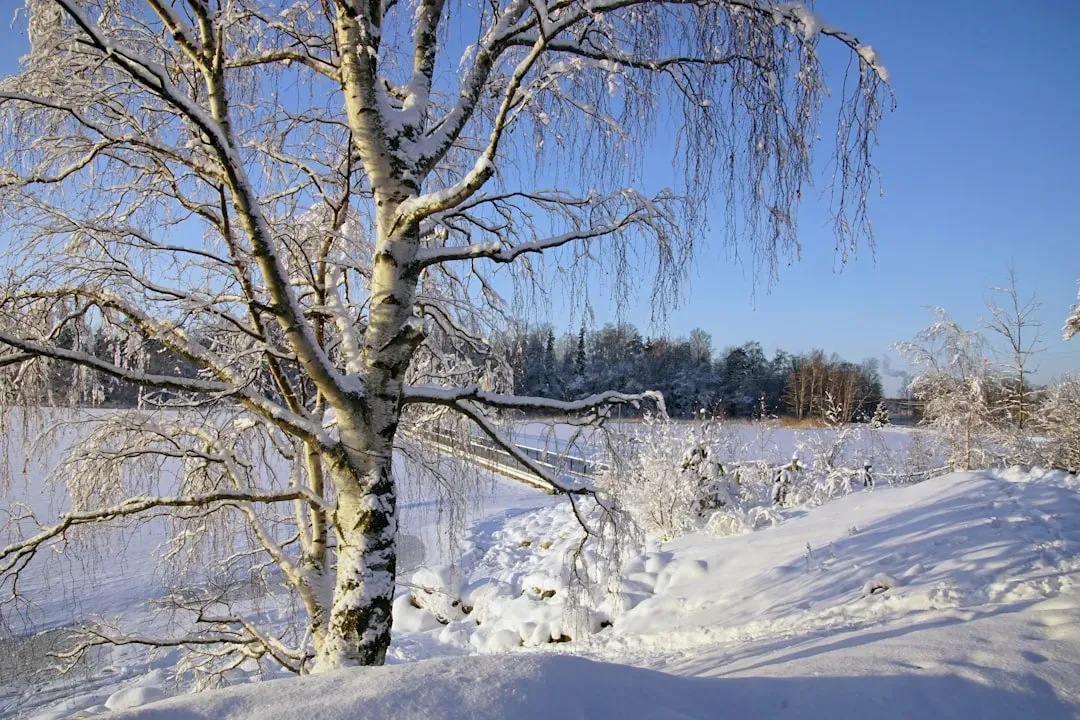
The people who later became the Norse and Vikings did not live in a gentle climate. Their homelands in Scandinavia were shaped by glaciers, short growing seasons, and long, dark winters that already tested the limits of endurance. Oral tradition in such environments is not just entertainment; it is a survival tool, carrying warnings about bad years and weird seasons. The idea of Fimbulwinter – several winters with no summer in between – is terrifying but also oddly practical. It says: do not assume the good times will last, because the sky has failed before and may fail again. Ragnarök, in that sense, is both cosmic myth and hard-earned local wisdom wrapped into one.
As seafaring expanded and contact with other cultures increased, older stories likely picked up new details. Tales of dust-dimmed suns or strange red skies from more southern regions could have mingled with northern memories of deadly cold. By the time the sagas were written down in medieval Iceland, these layers of memory had hardened into a grand narrative of the end of the world. Yet, at the core, you can still feel the climate anxiety pulsing through it: the dread of the sea rising, the fear of failing harvests, the sense that even the gods cannot hold back the chaos forever. In a landscape one bad summer away from hunger, that anxiety would have been as real as the snow underfoot.
Why It Matters: Myths as Early-Warning Systems
It might be tempting to dismiss all of this as an interesting historical puzzle with no real bearing on today, but that misses the deeper point. Myths like Ragnarok may be humanity’s earliest attempts at building a multi-generational memory of catastrophe. Before satellite data and global climate models, cultures encoded lessons in story form: climates can shift suddenly, the sky can change, and societies that are not prepared can collapse. When we treat such myths as irrelevant, we lose out on a kind of long-term risk awareness that modern societies often lack. We prefer to imagine stability, but our stories insist on reminding us that the world does not always cooperate.
Comparing this ancient memory to today’s situation is uncomfortable. Now, we are not waiting on a volcano or a random impact; we are actively driving rapid climate change through greenhouse gas emissions. The difference is that this time, the disaster is slow and global rather than sudden and localized. Yet the emotional logic of Ragnarok – a long buildup of warning signs, followed by cascading failures – feels eerily familiar. Looking at myths through a scientific lens does not just enrich our past; it sharpens our understanding of the present. It shows that believing in endless stability may be the most dangerous myth of all.
Reading Past Catastrophes with Modern Tools
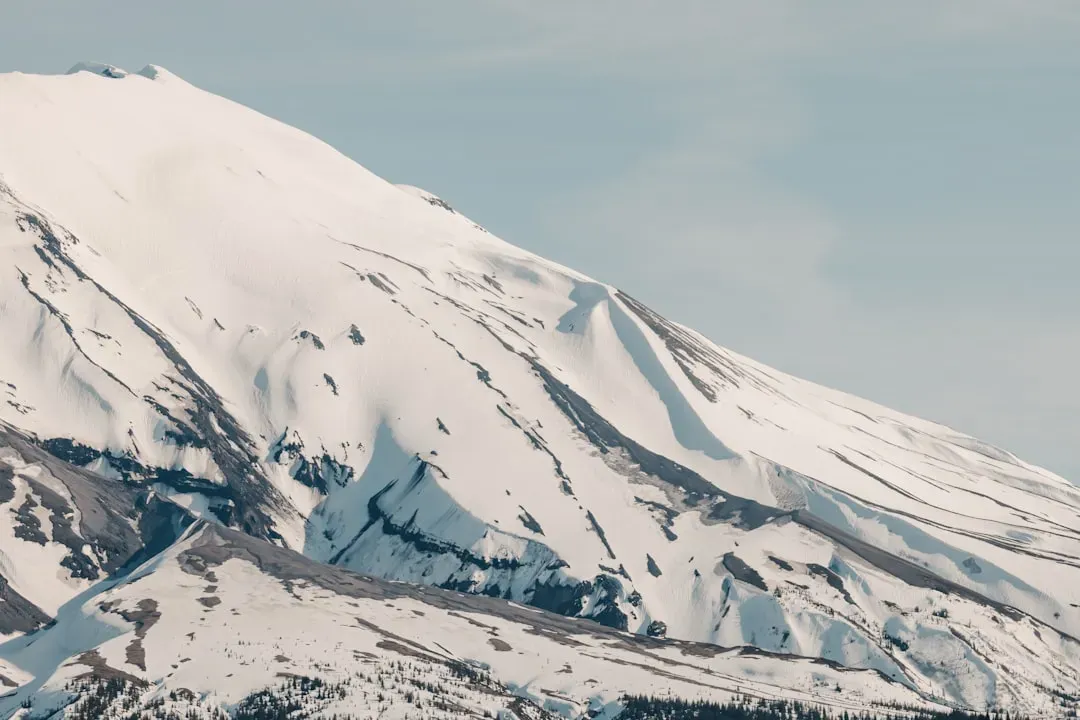
One of the most powerful shifts in recent science is the way different fields now collaborate to decode ancient crises. Climate scientists bring ice cores, sediment samples, and sophisticated models. Archaeologists contribute evidence of abandoned settlements, sudden dietary changes, or disrupted trade networks. Historians survey written chronicles for reports of dim suns, failed harvests, or strange weather. When you layer these together, patterns start to appear: a volcanic signal in the ice, tree rings showing cold summers, and historical texts describing famine all around the same decade. These convergences give weight to the idea that stories like Ragnarok are rooted in lived experience.
There are still major uncertainties, of course. Ice cores can point to a big eruption, but not always tell you exactly where it happened or how people on the ground experienced it. Myths were reshaped over centuries; they are not field notes from a single bad year. Yet the trend is clear: we are moving from treating myths as wild imagination to considering them as distorted but valuable records of real events. This does not mean every monster has a direct physical counterpart, but it does mean the emotional backbone of those stories deserves attention. In an era when our own records may be lost, corrupted, or selectively preserved, future scientists may rely on our cultural narratives in much the same way.
The Future Landscape: Modern Tech Versus Ancient Fears
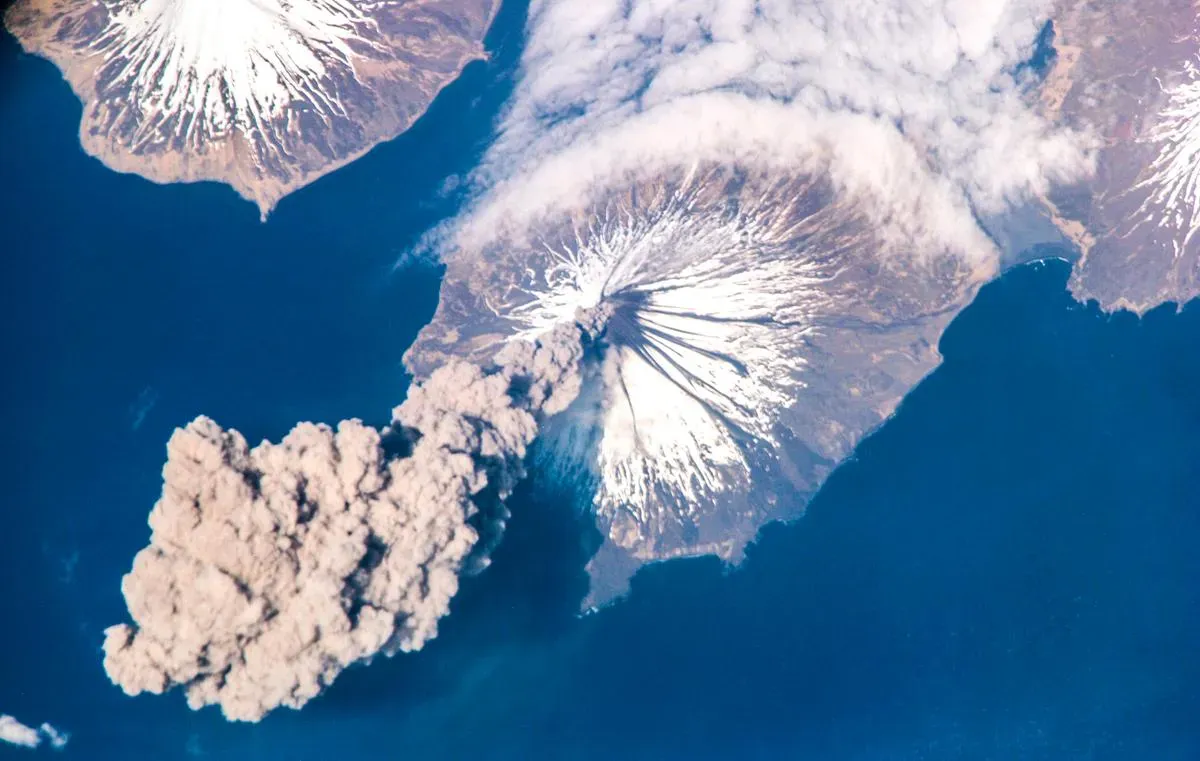
Today, if a giant volcano erupted or an asteroid threatened Earth, we would not be limited to campfire stories and anxious speculation. Satellites continuously scan for thermal anomalies, ash plumes, and near-Earth objects. Global monitoring networks can detect pressure waves from explosions and track even faint changes in atmospheric composition. This technological net gives humanity early warning for some of the very disasters that once felt like the wrath of gods. It does not remove the danger entirely, but it changes the rules: now, we can sometimes see the punch coming before it lands, and coordinate a response rather than simply endure.
Even so, there is a sobering twist. The slow-burning threat of human-driven climate change is harder to see as a single dramatic event and easier for people to ignore. No god falls, no single battle is fought, and yet glaciers shrink, seas rise, and weather grows more chaotic. In a strange way, our situation is the mirror image of Ragnarok: we have clear data and models, but the story we tell ourselves is often one of delay and denial. Future tools – better climate models, carbon removal technologies, smarter infrastructure – will help, but only if combined with a willingness to act before the sky metaphorically falls. Tech can buy us time, but it cannot rewrite the basic physics of a warming world.
What You Can Do: Keeping Our Own Ragnarok at Bay
Engaging with a myth like Ragnarok is more than a thought exercise; it is a reminder that societies survive by paying attention to warning signs. On an individual level, that can start with staying informed about climate science from trustworthy sources and resisting the urge to tune out. Supporting policies that reduce greenhouse gas emissions and protect vulnerable communities is another concrete step. So is backing scientific institutions and observatories that monitor volcanoes, track near-Earth objects, and study extreme weather. These are our early-warning systems, the modern equivalent of the elders who watched the sky and remembered the old stories.
Small actions also matter because they shift culture, not just carbon. Talking about climate risks with friends and family, voting with the long term in mind, and being open to changes in lifestyle all help build a shared narrative of responsibility rather than fatalism. The people who first told the story of Ragnarok were not predicting an inevitable doom; they were grappling with what it means to live in a dangerous, unpredictable universe. In that sense, we are not so different. The question now is whether we use our knowledge to bend the story, or wait passively for the final act.
Suhail Ahmed is a passionate digital professional and nature enthusiast with over 8 years of experience in content strategy, SEO, web development, and digital operations. Alongside his freelance journey, Suhail actively contributes to nature and wildlife platforms like Discover Wildlife, where he channels his curiosity for the planet into engaging, educational storytelling.
With a strong background in managing digital ecosystems — from ecommerce stores and WordPress websites to social media and automation — Suhail merges technical precision with creative insight. His content reflects a rare balance: SEO-friendly yet deeply human, data-informed yet emotionally resonant.
Driven by a love for discovery and storytelling, Suhail believes in using digital platforms to amplify causes that matter — especially those protecting Earth’s biodiversity and inspiring sustainable living. Whether he’s managing online projects or crafting wildlife content, his goal remains the same: to inform, inspire, and leave a positive digital footprint.