
Most of the universe is made of things we never see, never touch, and never even think about. Cosmic dust is one of those quiet, invisible players that sounds insignificant, but it shapes everything from the glow of distant galaxies to the chemistry of the air you’re breathing right now. It’s easy to imagine the universe as grand fireworks and giant galaxies, but between those showpieces lies a fine mist of dust that quietly runs the show.
This dust drifts through space like a ghostly fog: tiny, fragile grains born in dying stars, shattered in collisions, and recycled over billions of years. We wipe dust off our shelves every week without realizing that some of those particles are literally older than the Sun itself. Once you see how deeply dust is woven into the story of planets, life, and light, it becomes hard to shake the feeling that we’re living inside a very dusty miracle.
The surprising power of tiny grains
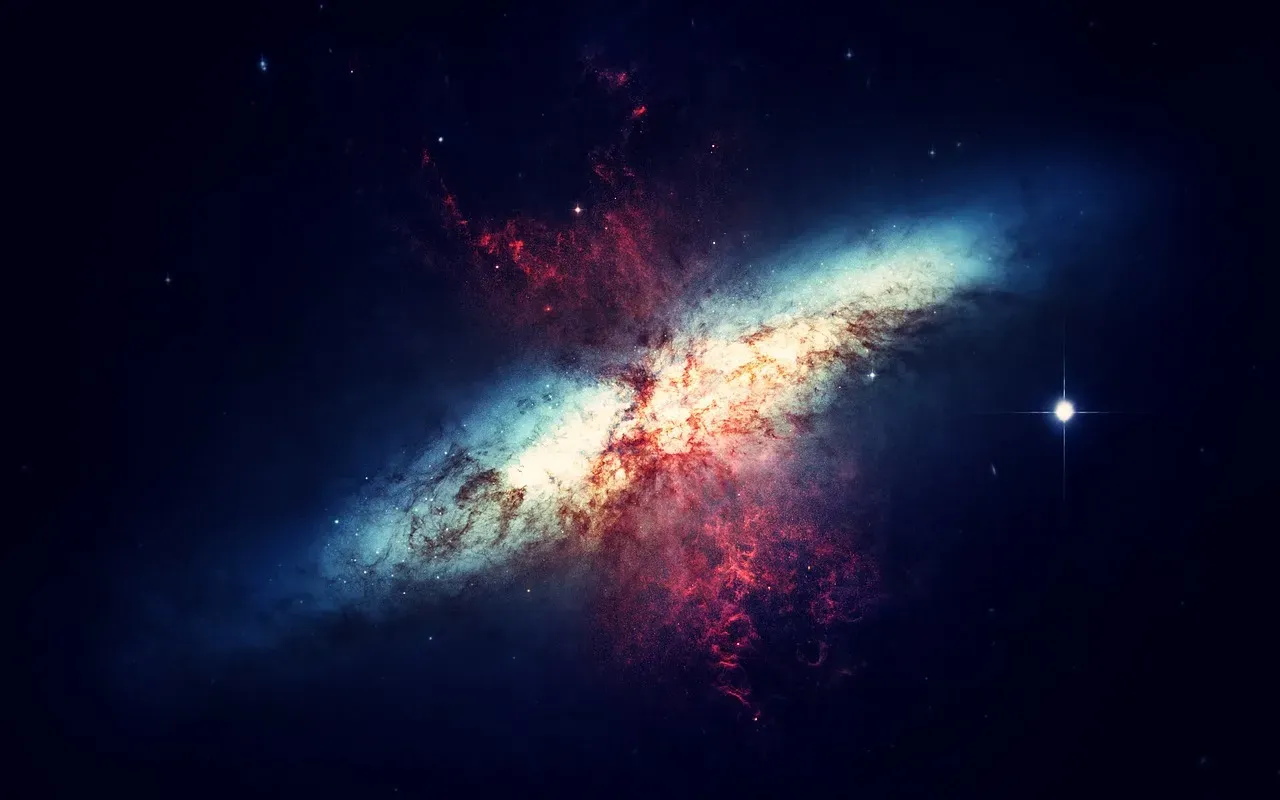
It sounds almost ridiculous that something as small as dust can matter on a cosmic scale, yet that’s exactly what happens. Most cosmic dust grains are smaller than a smoke particle, and a single teaspoon of beach sand contains more solid matter than some entire regions of interstellar space. Still, these grains add up: spread out across galaxies, they quietly influence the paths of light, gas, and even the way stars are born.
Think of dust as the universe’s seasoning: you can’t make the recipe work with just salt alone, but without it, everything feels strangely off. Dust absorbs and scatters starlight, changes how clouds cool, and acts as a meeting place for atoms to stick together and form molecules. Over enough time and space, that “insignificant” dust helps decide what forms, what collapses, and what stays dark and hidden. The big structures in the cosmos are written in giant strokes, but the details are etched in dust.
Where cosmic dust comes from
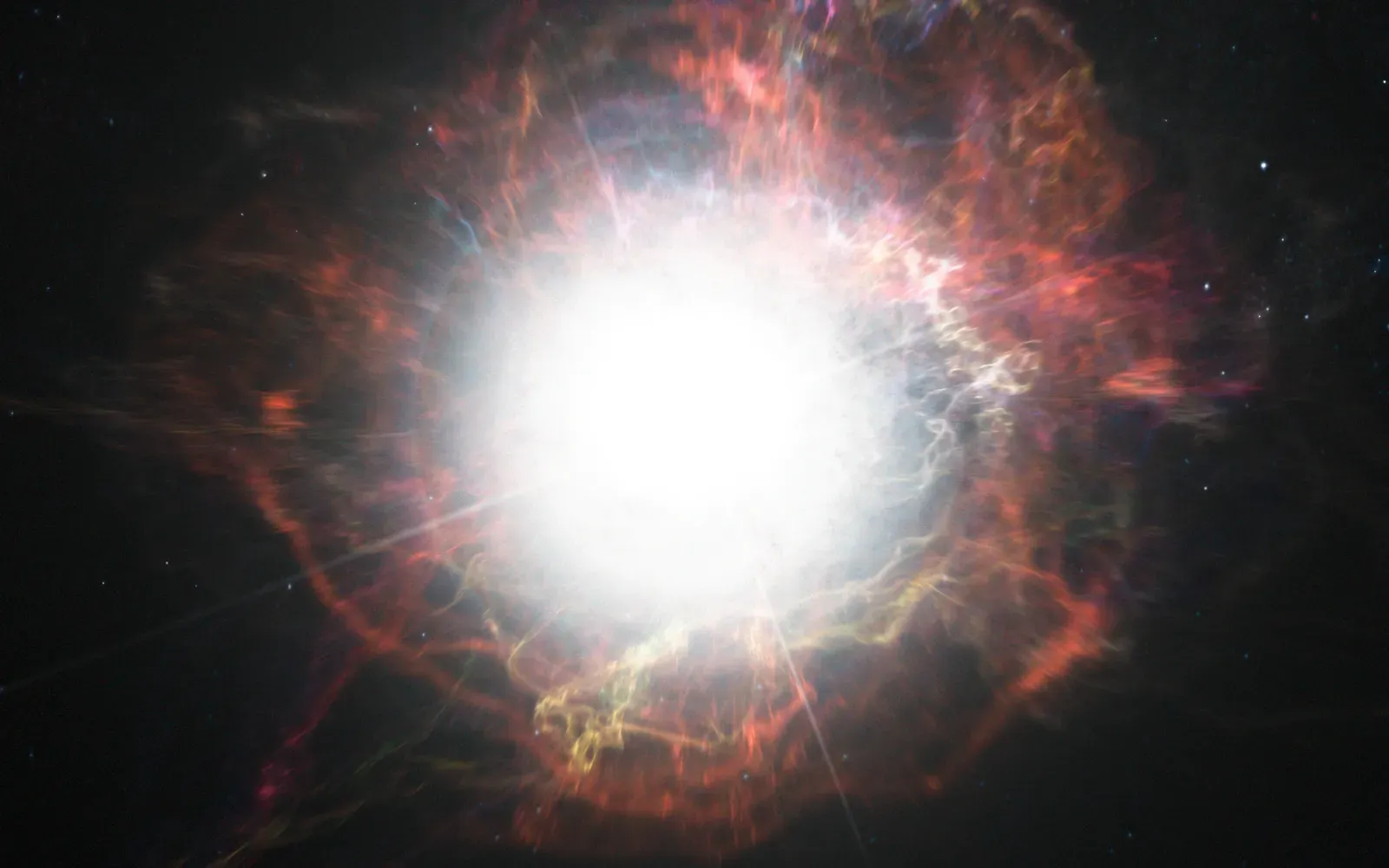
Cosmic dust is born in violent places. When massive stars explode as supernovae, their outer layers are torn apart and cooled, forming tiny solid grains from elements like carbon, silicon, oxygen, and iron. Older, swollen stars called red giants also shed their outer layers gently, releasing gas that condenses into dust as it drifts away and cools. Space is full of these quiet factories slowly sprinkling material out into the galaxy.
Those newborn grains don’t stay where they’re made. They get blasted by shock waves, broken in collisions, or coated over time as they float through interstellar gas. Some survive for hundreds of millions of years, cycling over and over between clouds, stars, and back into space again. Each grain carries a sort of chemical memory of its origins, a tiny time capsule that tells us about long-ago explosions, stellar winds, and even earlier generations of stars.
How cosmic dust sculpts starlight and color
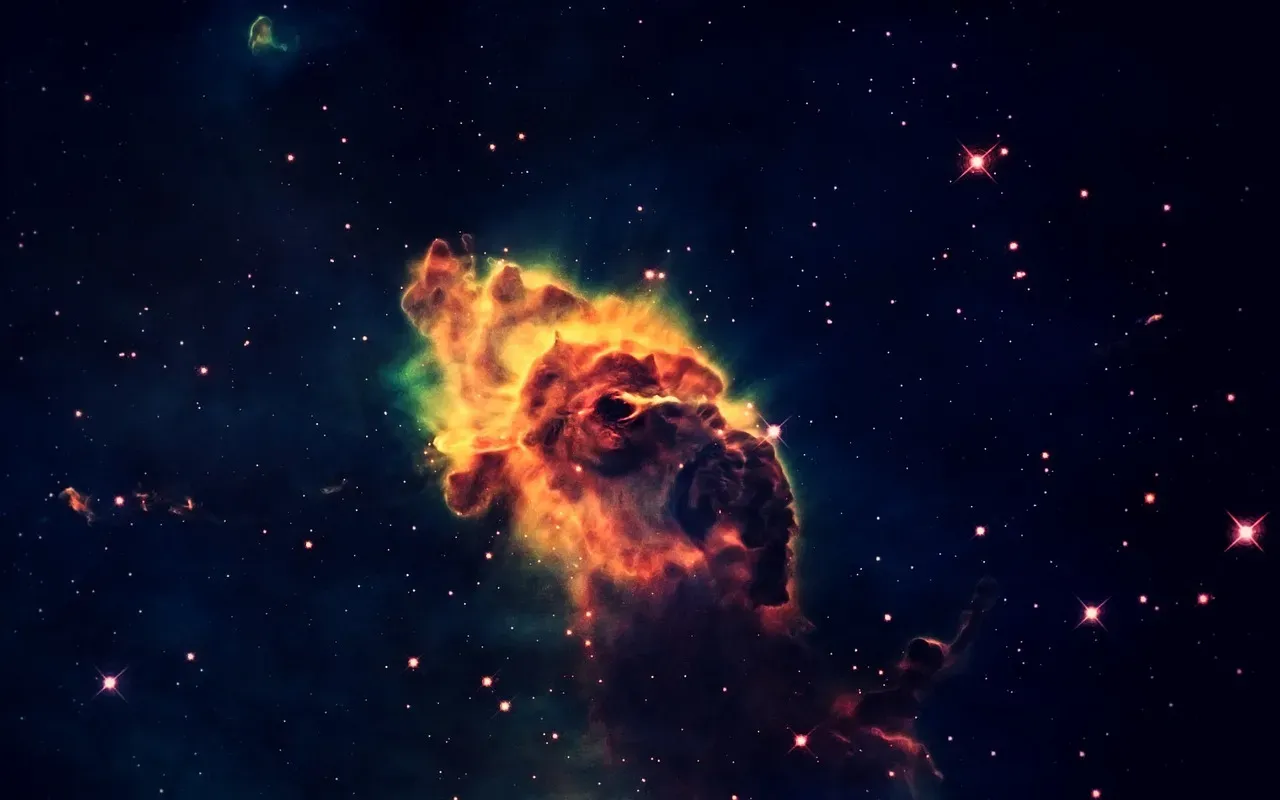
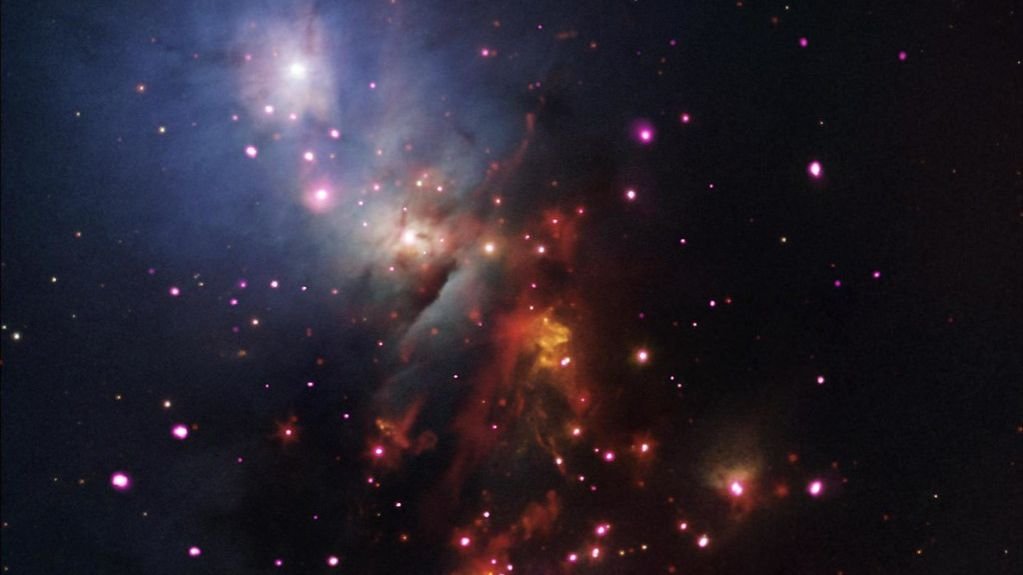
When you look up at the night sky and see dark lanes cutting through the Milky Way, you’re seeing cosmic dust blocking starlight. These dust clouds don’t just sit there like a curtain; they filter and tint the light that passes through them, making distant stars look redder and dimmer than they truly are. Astronomers have to carefully “undo” this effect to figure out how bright and how far away things really are.
Dust also glows on its own, just not in colors our eyes can see. When these grains absorb ultraviolet or visible light, they warm up and re-emit that energy as infrared light, turning dust clouds into ghostly, glowing shapes in infrared telescopes. Entire galaxies can look completely different when seen in infrared, with dusty regions lighting up where our eyes would see only darkness. Without understanding dust, we’d misread the universe’s colors and misjudge its distances.
The hidden role of dust in building planets
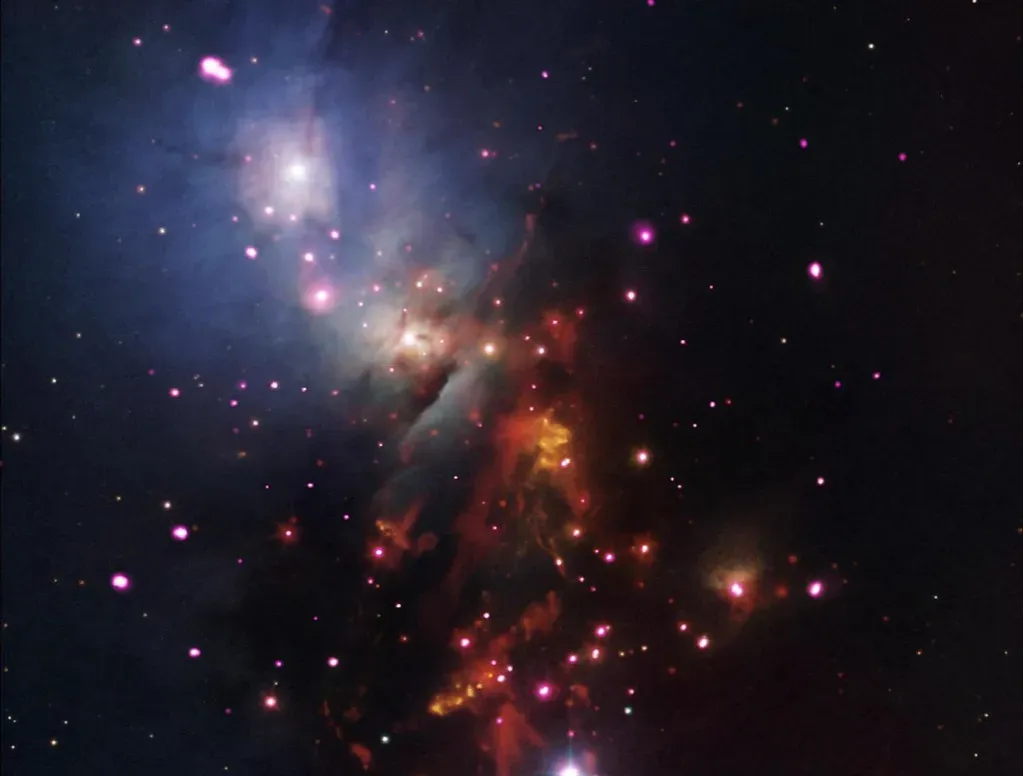
Every planet, moon, asteroid, and rock you’ve ever stood on started out as dust. Around young stars, disks of gas and dust swirl like cosmic construction sites, filled with tiny grains constantly bumping into each other. Some of those grains stick together, snowballing over time into pebbles, boulders, and eventually entire worlds. That first step – from isolated dust grains to something that can grow – is one of the most crucial transitions in planet formation.
This process is messier than most illustrations suggest. Dust clumps collide and shatter, drift inward toward the star, and sometimes get dragged outward again by gas flows. It’s like trying to build a city out of sand in the middle of a storm, yet somehow it works. By studying how dust behaves in these disks, astronomers can guess where rocky planets might form, where giant planets might grow, and why some systems end up with architectures wildly different from our own solar system.
Dust as the chemistry lab for life’s building blocks
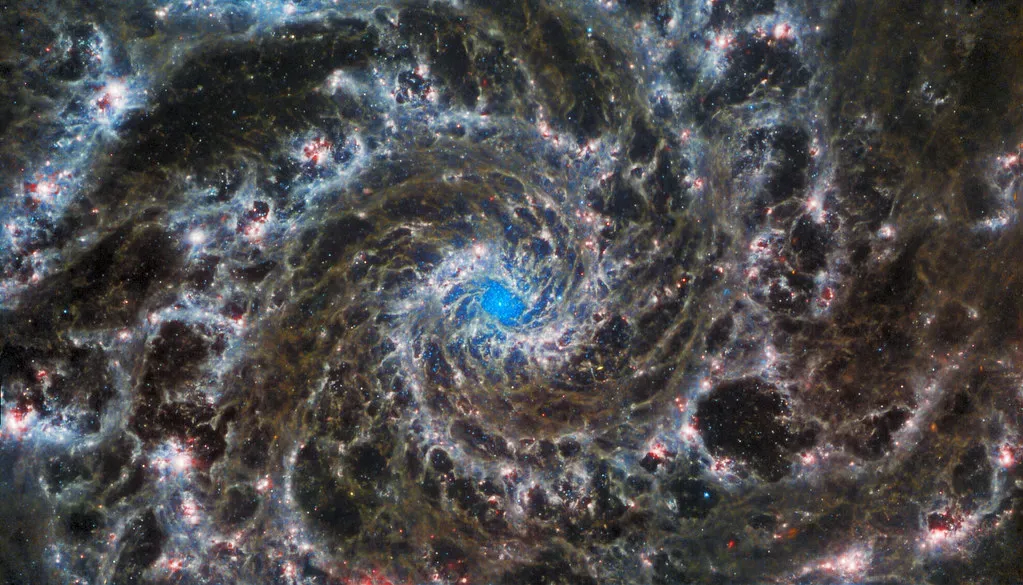
On their own, single atoms drifting through space don’t do much. But when they land on the surfaces of cold dust grains, something changes. Those grains act like tiny workbenches where atoms can stick, move around, and combine into more complex molecules. In some of the coldest, darkest clouds in the galaxy, dust grains help assemble water, simple organics, and other ingredients that are essential for life as we know it.
When those grains are later warmed by newborn stars or stirred up in turbulent clouds, the molecules they carry can be released back into space or incorporated into forming planetary systems. Meteorites that land on Earth still contain some of those ancient grains and organic compounds, delivering a snapshot of that cosmic chemistry. It’s not hard to imagine that some of the molecules that ended up in our oceans, or even in our cells, once formed on the surface of a dust grain in a distant, frigid cloud.
Cosmic dust is falling on you right now
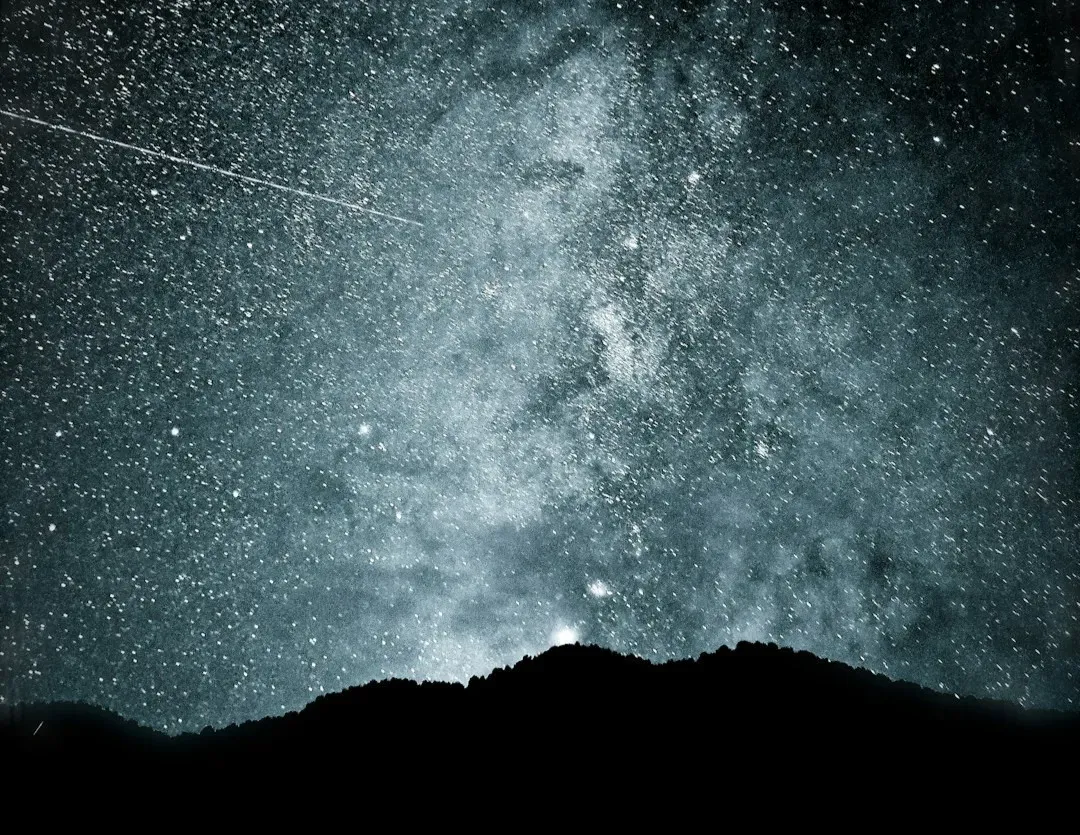
Cosmic dust isn’t just “out there” in deep space; some of it ends up right here on Earth. Tiny particles from comets, asteroids, and even interstellar space drift down through our atmosphere day and night. Collectors have literally swept dust from the roofs of buildings or melted ice from Antarctica to find microscopic cosmic grains hiding among everyday dirt. A small fraction of the dust you clean from your home may have spent millions of years between the stars before settling on your bookshelf.
Most of this incoming dust burns up in the atmosphere or arrives as harmless, invisible specks. Yet in laboratories, those grains become treasures. Under electron microscopes, they reveal exotic crystal structures, rare isotopes, and traces of processes that happened long before Earth even existed. There’s something humbling about realizing that in the mundane act of dusting your desk, you might be brushing away material older than your entire planet.
Dusty galaxies, dark regions, and what we still don’t know
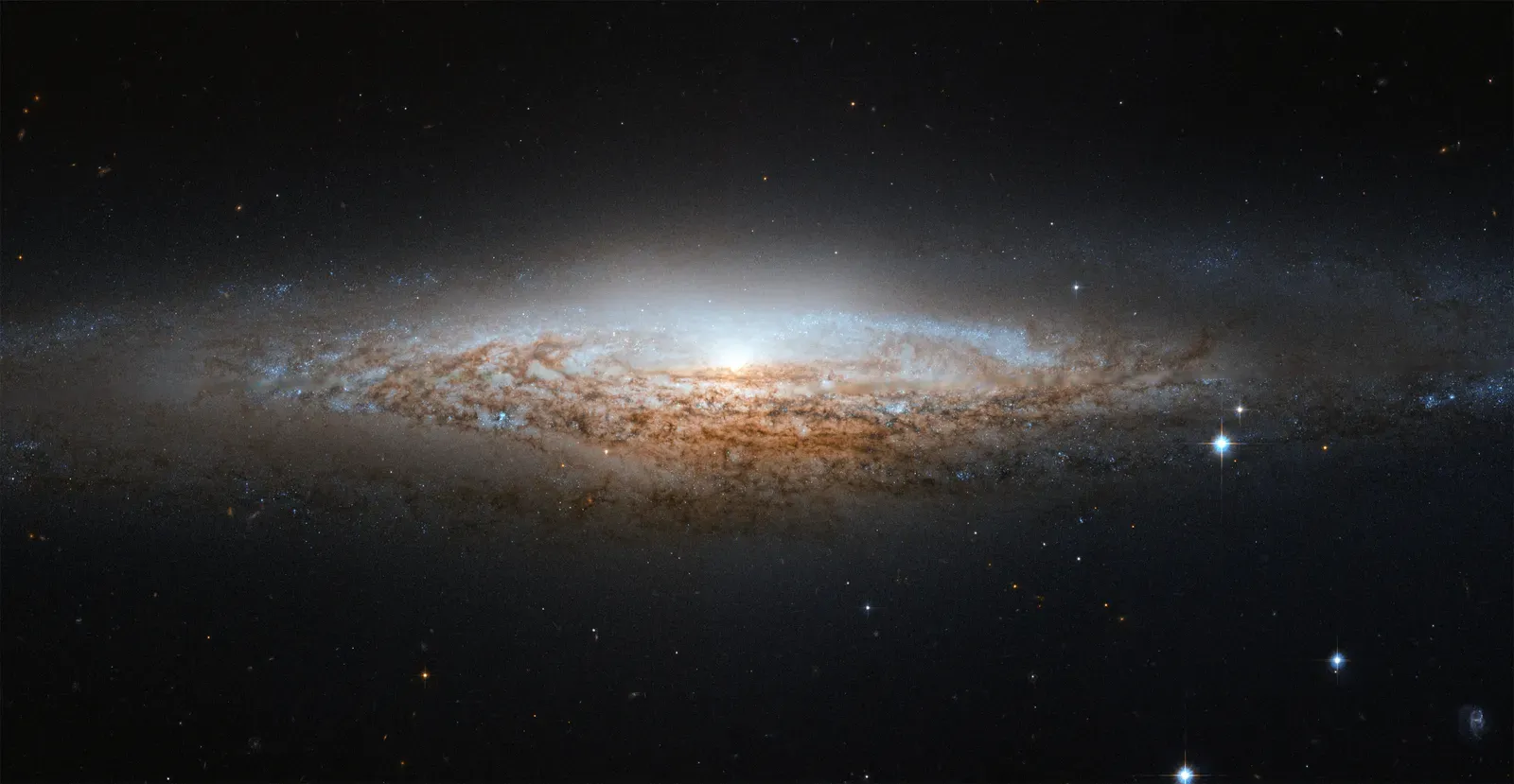
On the largest scales, dust influences how we see entire galaxies. Some galaxies are so dusty that much of their starlight is hidden in visible light, only to reappear in infrared as a warm glow. This can trick us into underestimating how many stars are forming or how active a galaxy really is. Only by combining observations across many wavelengths can astronomers piece together a full picture that includes both bright stars and the dust that shrouds them.
Even today, there’s a lot about dust we don’t fully understand: exactly how it forms under different conditions, how long it survives in harsh environments, and how its properties vary from one galaxy to another. The James Webb Space Telescope and other observatories are currently revealing intricate dusty structures around stars and in distant galaxies with unprecedented detail. Each new image suggests that dust is even more complex, varied, and influential than we previously thought, reminding us that the universe’s smallest building blocks often hold the biggest mysteries.
Seeing the universe through its dust
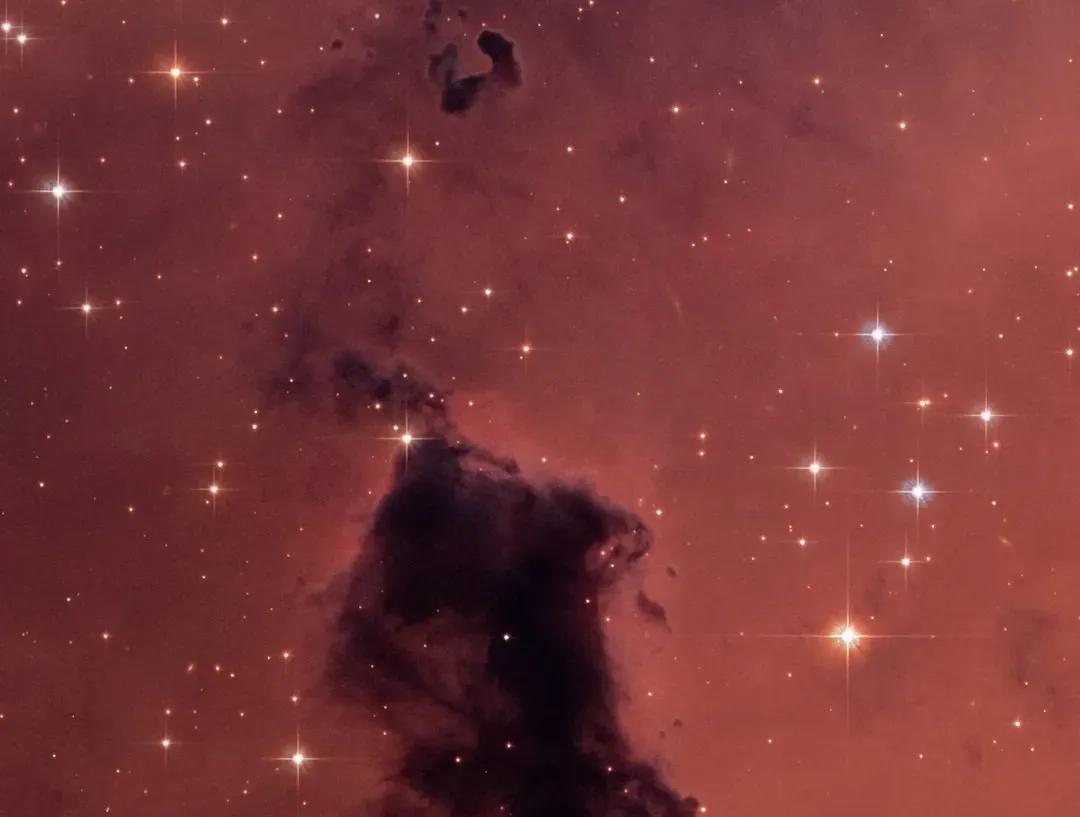
Cosmic dust turns out to be far more than just debris floating in space. It shapes starlight, drives chemistry, seeds planets, and even sprinkles tiny fragments of the cosmos onto our own world. Once you realize how central dust is to almost every stage of cosmic evolution, it becomes impossible to think of it as mere background noise.
The next time you see sunlight streaming through a window and lighting up tiny dust motes in the air, it’s worth pausing for a second. Some of those grains are local and ordinary, but others may trace their history back through comets, meteorites, or ancient stars. In a universe built from vast emptiness and violent events, it’s these fragile specks that quietly connect the story of galaxies to the story of us. Who would’ve guessed that the smallest things we barely notice could be shaping almost everything we see?