Have you ever pictured a fluffy, short-legged Corgi squaring off against a sleek and cunning coyote in the wild? The image seems almost comical, but it tells a deeper story about survival, partnership, and centuries-old instincts. Herding dogs like Corgis were not bred just for their adorable looks or internet fame—they were designed for courage, grit, and cleverness in landscapes filled with danger. Their journey from royal lapdogs to fearless pasture protectors is a wild saga of adaptation, heart, and the constant dance with predators that still echoes in their genes today.
The Birth of Herding Dogs: Guardians of the Flock
Long before city apartments and Instagram fame, herding dogs were born out of necessity. Early farmers needed animals with sharp intelligence, boundless energy, and unwavering loyalty to help manage livestock. These dogs, whether big or small, became essential partners, guiding sheep, cattle, and goats across open fields. Their main job wasn’t just to move animals—it was to keep them safe from predators lurking in the shadows, like wolves and, later, coyotes. This partnership between human and dog was forged in trust and shared danger, shaping the very nature of herding breeds.
Corgis: The Unlikely Heroes of the Herd
Corgis, with their stubby legs and fox-like faces, might look more suited for cuddling than confronting danger. But these little dogs are all heart. In the rolling hills of Wales, Cardigan and Pembroke Corgis were bred to herd cattle, nip at heels, and face down threats many times their size. Their low stature wasn’t a disadvantage—it let them duck under kicking hooves and stay out of harm’s way. Farmers depended on their boldness and quick thinking, and Corgis became legends for outsmarting both wayward cows and prowling predators.
Coyotes: The Wily Adversaries
Coyotes are the ultimate survivors, thriving in deserts, forests, and even suburban sprawl. With sharp senses and a knack for teamwork, they quickly learned that livestock could be easy prey. For centuries, coyotes have tested the defenses of herds and the courage of herding dogs. Unlike wolves, coyotes often strike alone or in pairs, using stealth and speed to snatch an unsuspecting lamb or calf. Their presence forced herding dogs to hone their skills, becoming not just managers but vigilant defenders.
The Evolution of Herding Behavior
Herding isn’t just a learned trick—it’s a finely tuned instinct passed down through generations. Scientists have discovered that herding dogs share genetic markers with their wild ancestors, blending the hunting drive of wolves with a softer, more controlled approach. Instead of chasing to kill, they channel their energy into guiding and protecting. When a Corgi circles a flock or barks at a shadow, it’s echoing ancient behaviors—reminders of a time when every day was a battle for survival against lurking predators.
The Welsh Landscape: A Natural Classroom
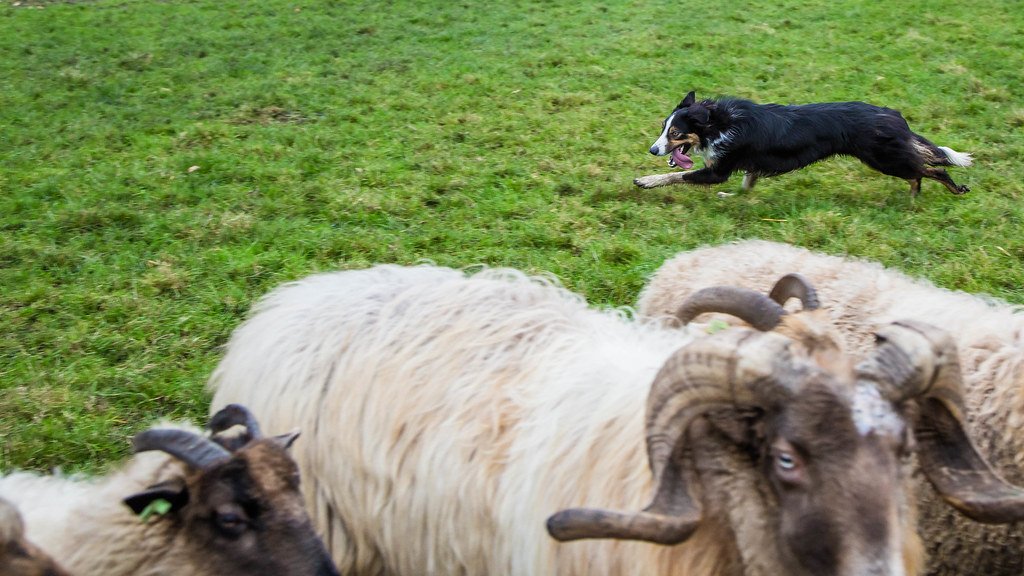
The rugged hills and moors of Wales weren’t just home—they were training grounds for Corgis and their handlers. With unpredictable weather, dense fog, and hidden predators, every day brought a new challenge. Corgis learned to read the land, anticipate danger, and work seamlessly with their humans. Their small size helped them navigate rocky slopes and thick underbrush, while their sharp barks echoed through the valleys, warning off intruders. The landscape itself shaped the breed, demanding toughness and adaptability.
Predator vs. Protector: Classic Showdowns
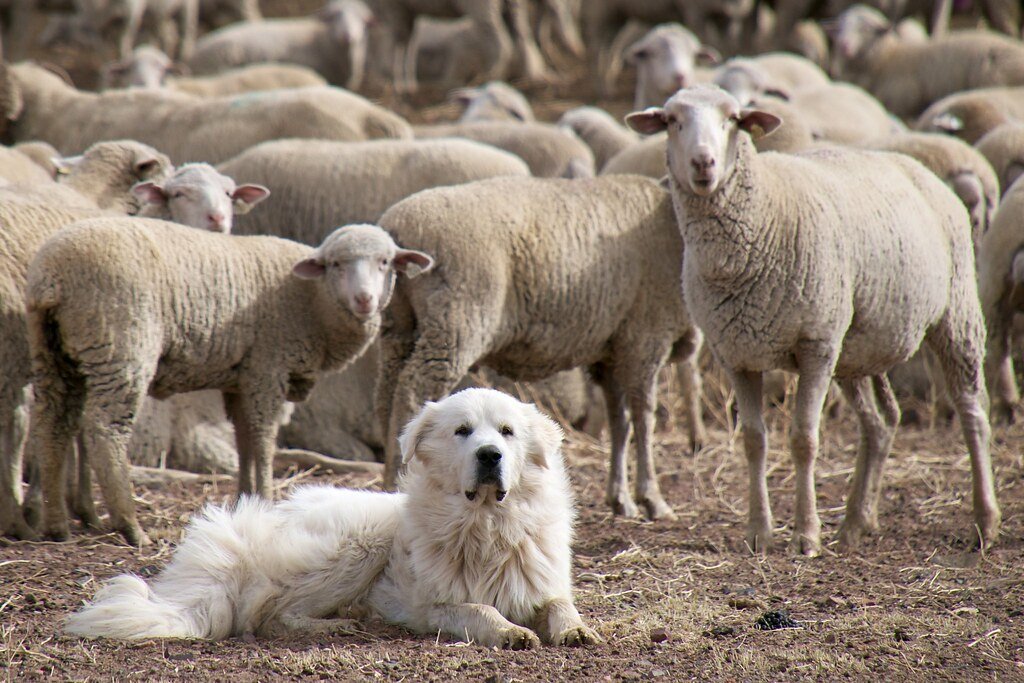
Stories of epic stand-offs between herding dogs and predators are woven into rural folklore. Tales abound of a lone Corgi chasing off a pack of coyotes with well-timed barking, clever maneuvers, and sheer tenacity. Sometimes, the dogs worked together, forming a living barrier between their charges and danger. These confrontations were never just about brute strength—they were about courage, timing, and the unbreakable bond between dog and flock. Even when outnumbered, a determined herding dog could turn the tide.
Herding Dog Intelligence: Thinking Ahead
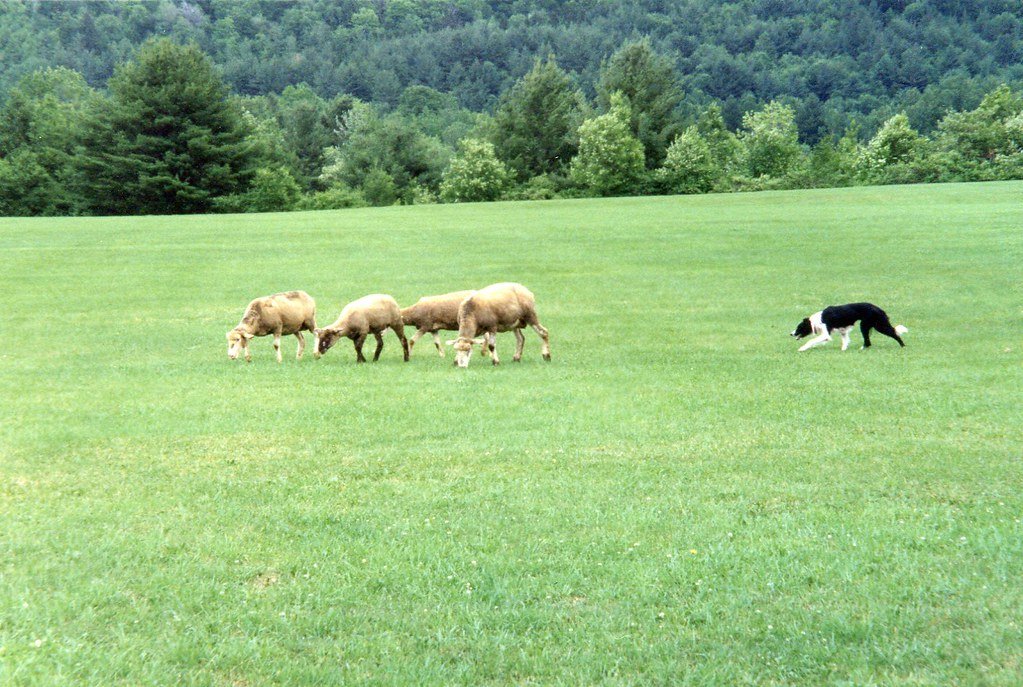
Herding breeds are among the smartest of all dogs, and their quick thinking is a matter of survival. Unlike other working dogs that rely on brute force, herding dogs use strategy and anticipation. They can read a predator’s intent, predict movements, and coordinate with other dogs or their human partners. A good herding dog knows when to push, when to hold back, and when to sound the alarm. This intelligence isn’t just for show—it’s an evolutionary advantage that keeps herds safe.
The Role of Barking: More Than Just Noise
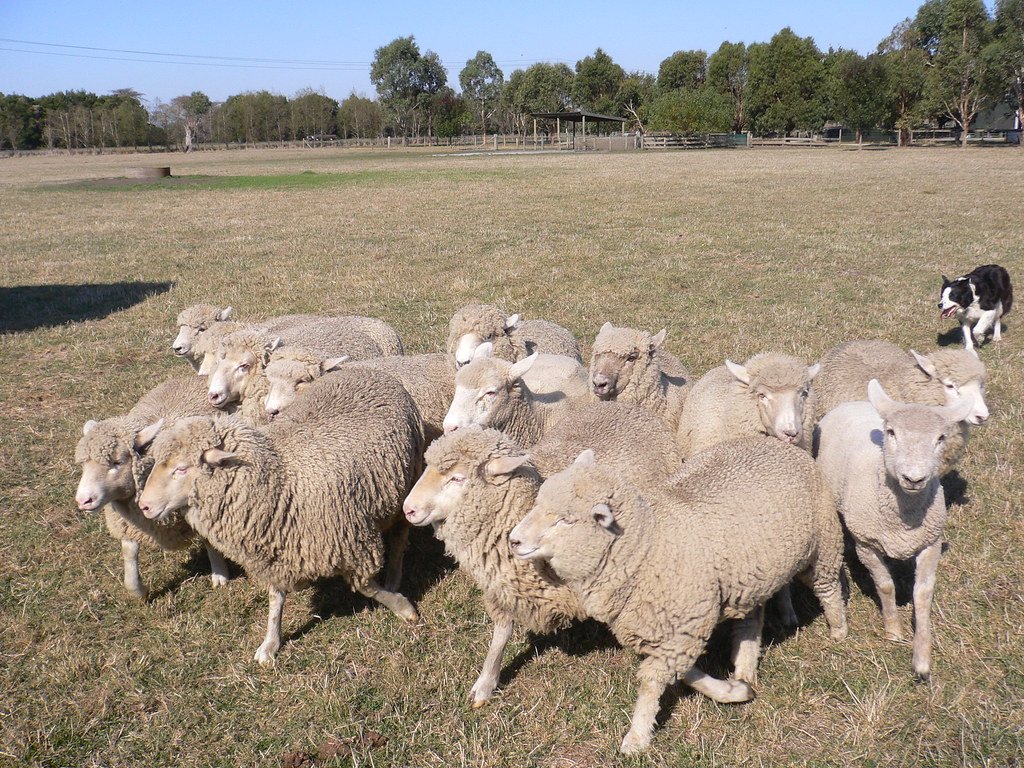
To the untrained ear, a herding dog’s bark might sound like chaos. But there’s real purpose behind the noise. Barking acts as both warning and deterrent. Coyotes and other predators learn quickly that a persistent, sharp bark means trouble. It disrupts their hunt, confuses their senses, and can even signal to humans that danger is near. In the wild, sound is a weapon, and herding dogs wield it with expert precision, turning every bark into a line of defense.
Size Isn’t Everything: The Power of Small Dogs
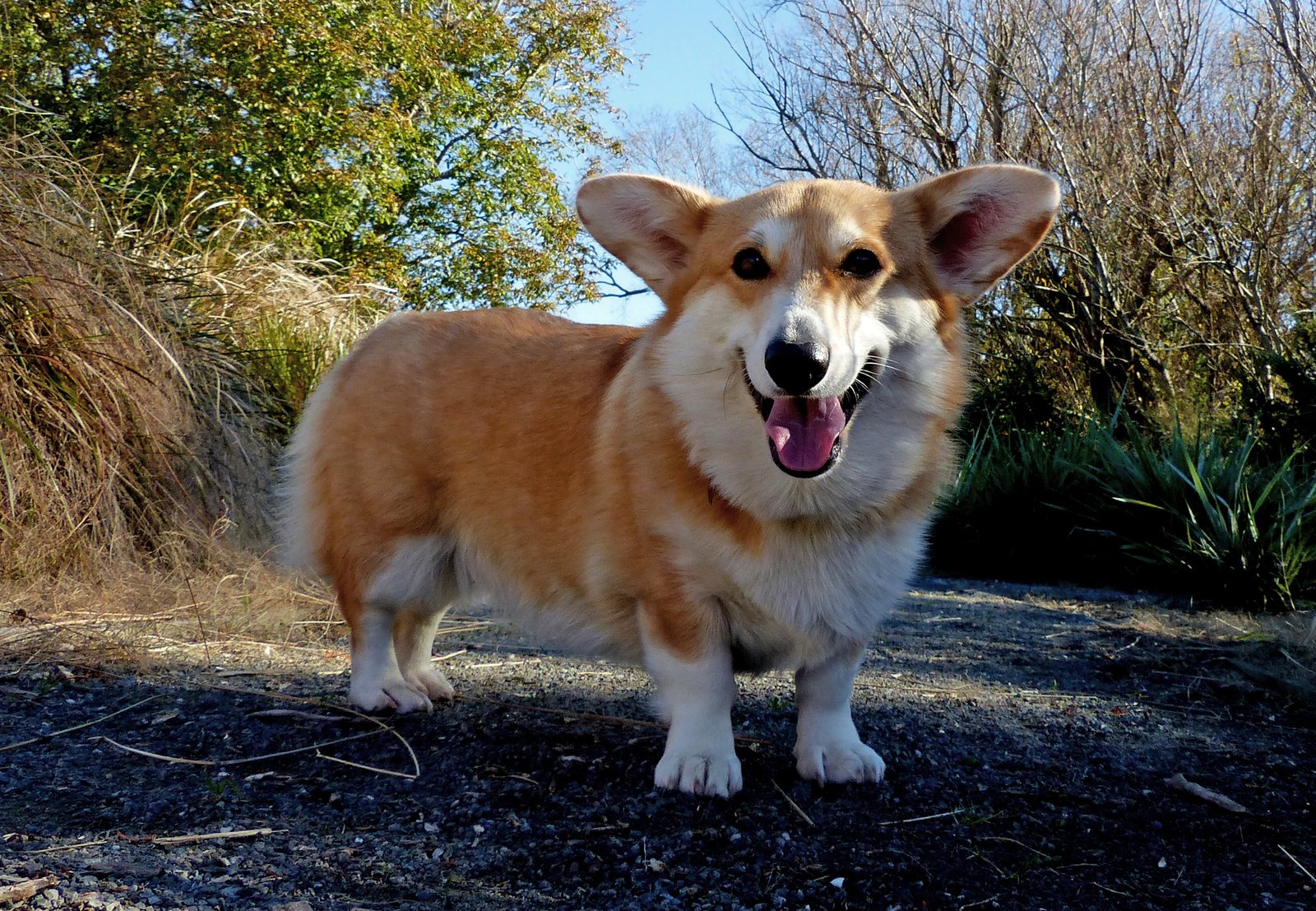
It’s easy to underestimate a small dog like a Corgi—until you see one in action. Their compact bodies are packed with muscle and determination. Unlike larger breeds, they can dart and weave, making them harder targets for predators. Their agility allows them to herd animals twice their size and confront threats head-on. This “small but mighty” attitude is more than just bravado—it’s a survival strategy honed over centuries of working in predator country.
Pack Mentality: Working Together for Survival
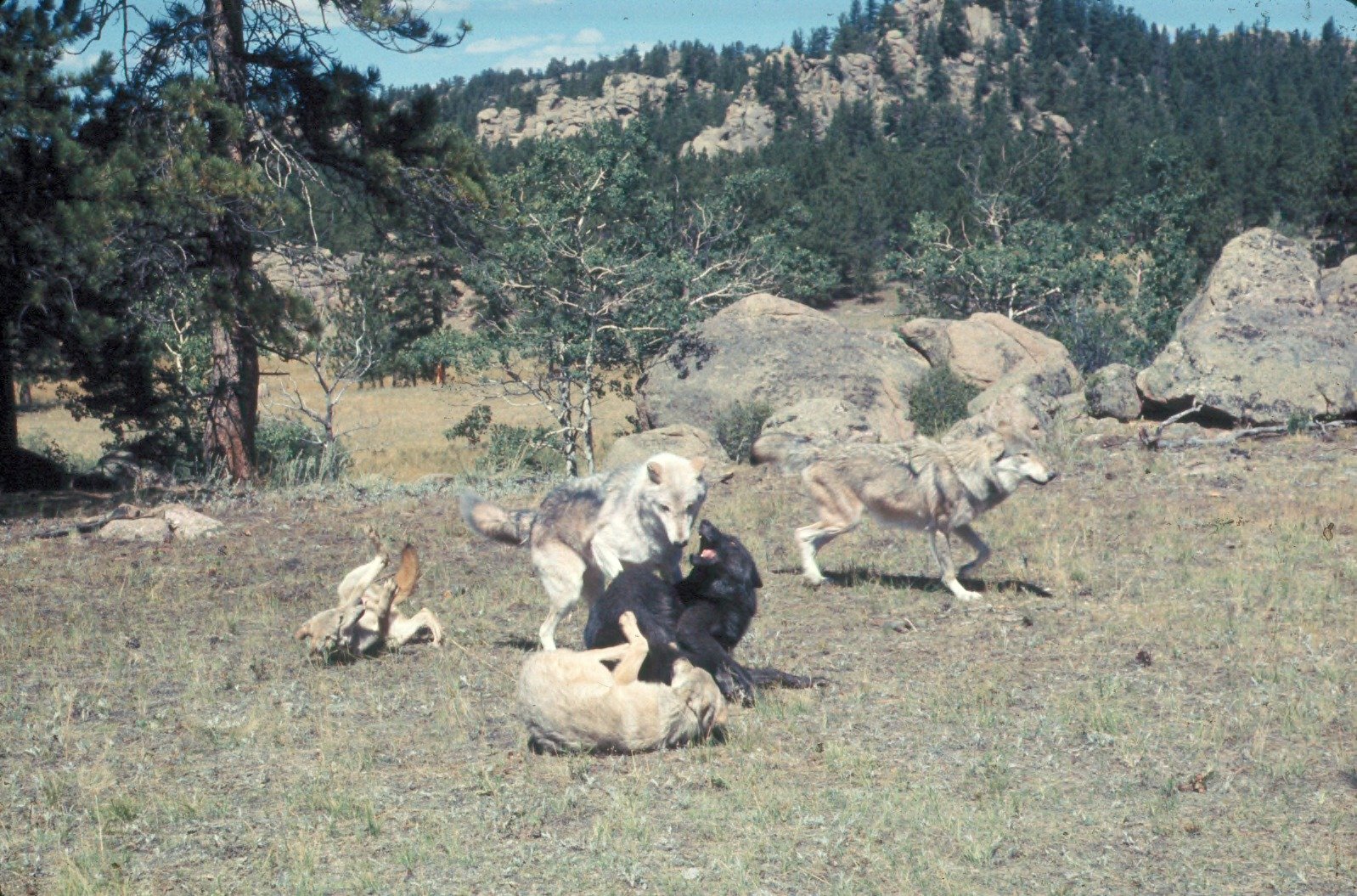
Herding dogs rarely work alone. Whether teaming up with other dogs or coordinating with their human partners, they rely on a deep sense of teamwork. This pack mentality is crucial when facing a cunning predator like a coyote. Together, they can outmaneuver, outsmart, and outlast almost any threat. The trust between dogs and humans is built on shared experience, mutual respect, and the knowledge that every member plays a vital role in the herd’s safety.
Modern Challenges: Coyotes on New Turf
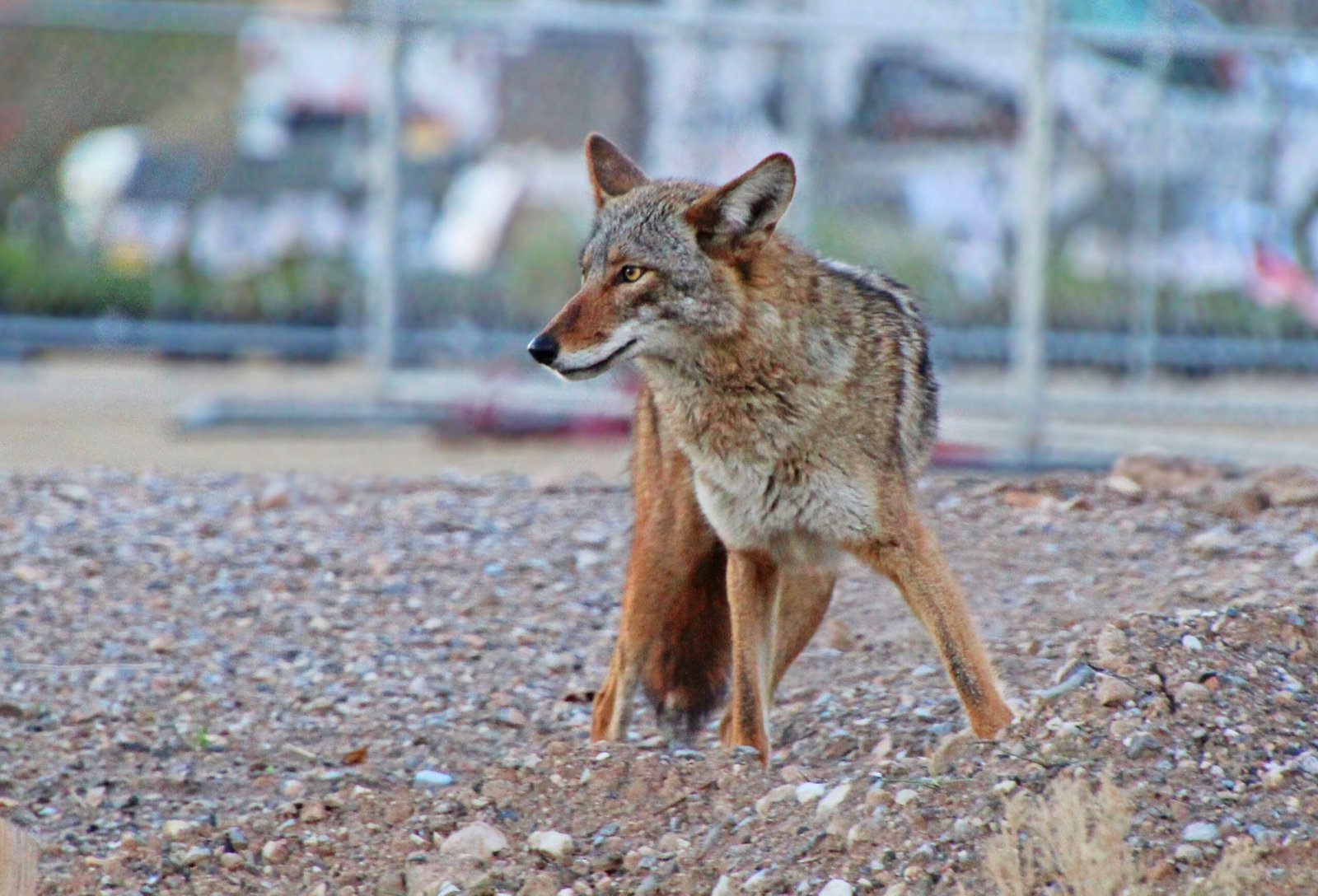
In recent decades, coyotes have expanded their range, venturing into new territories, including suburbs and city edges. This shift brings fresh challenges for herding dogs and their handlers. Livestock is now at risk in places once considered safe, forcing farmers to adapt and rely more heavily on their canine partners. Herding dogs must navigate unfamiliar landscapes, contend with traffic and new hazards, and stay ever-vigilant as coyotes become bolder and more adaptable themselves.
Innovative Training: Preparing Dogs for Danger
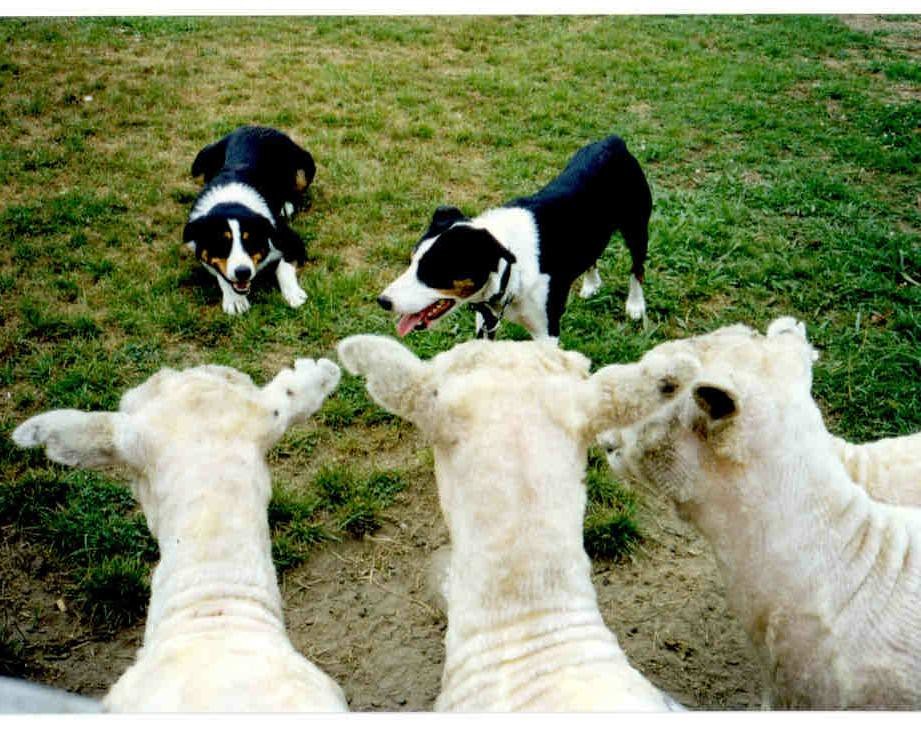
Training a herding dog to handle predators takes patience, creativity, and a deep understanding of canine psychology. Modern handlers use real-world scenarios, mock predator encounters, and advanced command techniques to hone their dogs’ instincts. The process is both art and science, blending traditional wisdom with the latest research in animal behavior. Handlers learn to read their dogs’ signals, while dogs learn to trust their instincts and work independently when needed.
The Science of Scent: How Dogs Detect Predators
A herding dog’s nose is a marvel of nature, capable of detecting scents from miles away. When a coyote is nearby, dogs can pick up on subtle changes in the air, even before humans notice anything amiss. Scientists have studied how herding dogs use scent to track, identify, and even predict predator movements. This heightened sense gives them an edge, allowing them to stay one step ahead and alert their humans to danger before it strikes.
Living With Fear: The Daily Risks of Herding
Life for a herding dog in predator country is never easy. Every day brings a new test of nerves and skill. Dogs face the constant risk of injury or worse, but their loyalty to their flock never wavers. Handlers must balance the need for protection with the safety of their canine companions, sometimes making tough decisions in the face of danger. The emotional toll is real, but so is the sense of pride and accomplishment when a herd returns safely at the end of the day.
Legends and Lore: Corgis in Folklore
Corgis have inspired countless legends, from tales of fairy steeds to stories of heroic deeds on the farm. In Welsh folklore, it’s said that fairies used to ride Corgis into battle, leaving magical markings on their coats. These stories capture the spirit of the breed—brave, loyal, and a little bit magical. The myths may be fanciful, but they reflect real qualities that have made Corgis beloved by generations of shepherds and farmers.
Conservation and Coexistence: Finding Balance
As human populations expand and predator habitats shrink, the question of coexistence becomes more urgent. Some communities have turned to non-lethal methods, such as using herding dogs, to protect livestock while preserving wildlife. This approach requires a shift in mindset—from viewing predators as enemies to seeing them as part of a balanced ecosystem. Herding dogs play a critical role in this new paradigm, serving as both protectors and ambassadors for peaceful coexistence.
From Pasture to Parlor: The Changing Role of Herding Dogs
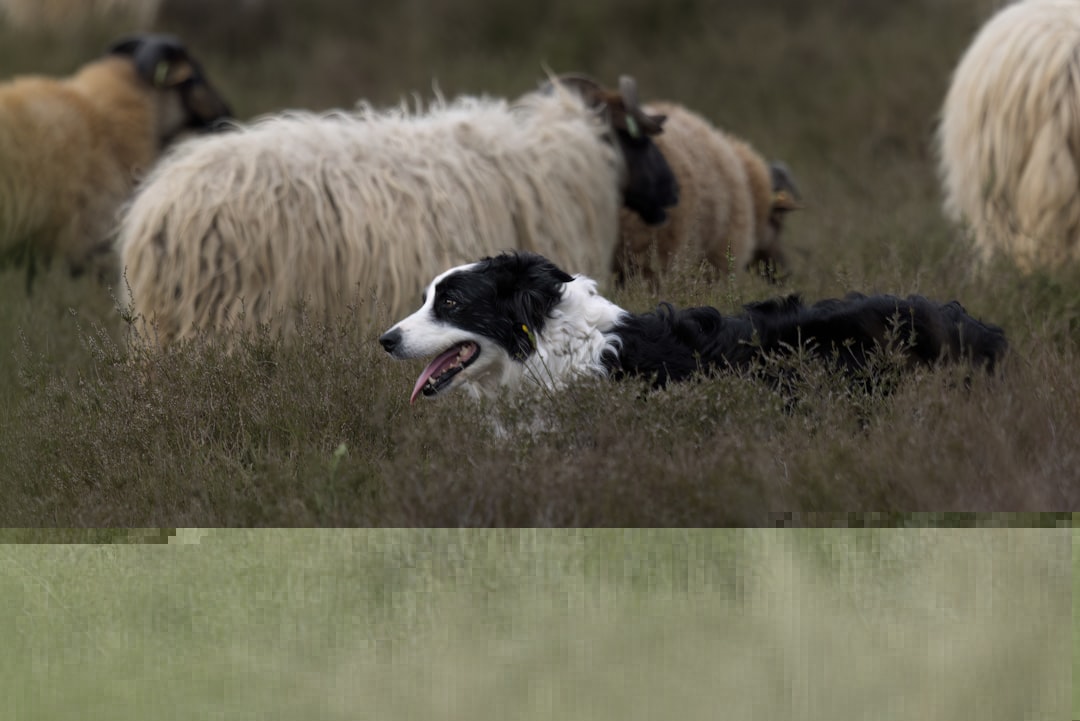
Today, many herding breeds, Corgis included, have traded pastures for couches. Yet, their instincts remain strong. Even as family pets, they herd children, chase shadows, and bark at suspicious noises. The shift from working dog to companion animal brings new challenges and opportunities. Owners must find ways to channel their dogs’ energy and intelligence, often through sports, games, or specialized training that honors their heritage.
Human-Canine Bond: The Heart of the Herd
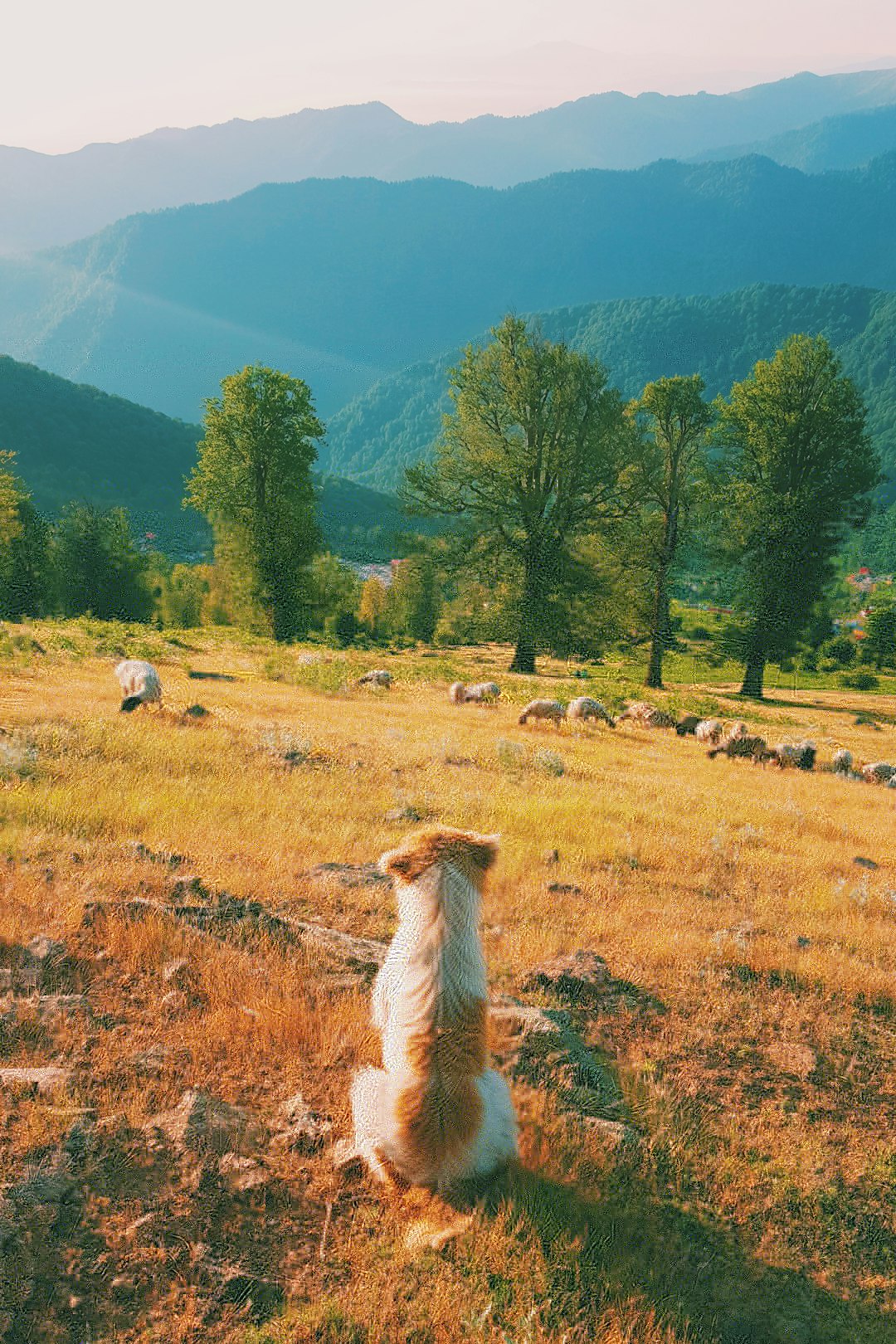
At the core of every herding story is a powerful bond between dog and human. This relationship is built on trust, respect, and shared purpose. Herding dogs sense their handler’s emotions, respond to subtle cues, and work tirelessly for little more than a kind word or gentle pat. The connection is so deep that many handlers speak of it as almost telepathic—two minds working as one to protect and guide the herd.
Looking Forward: Herding Dogs in a Changing World
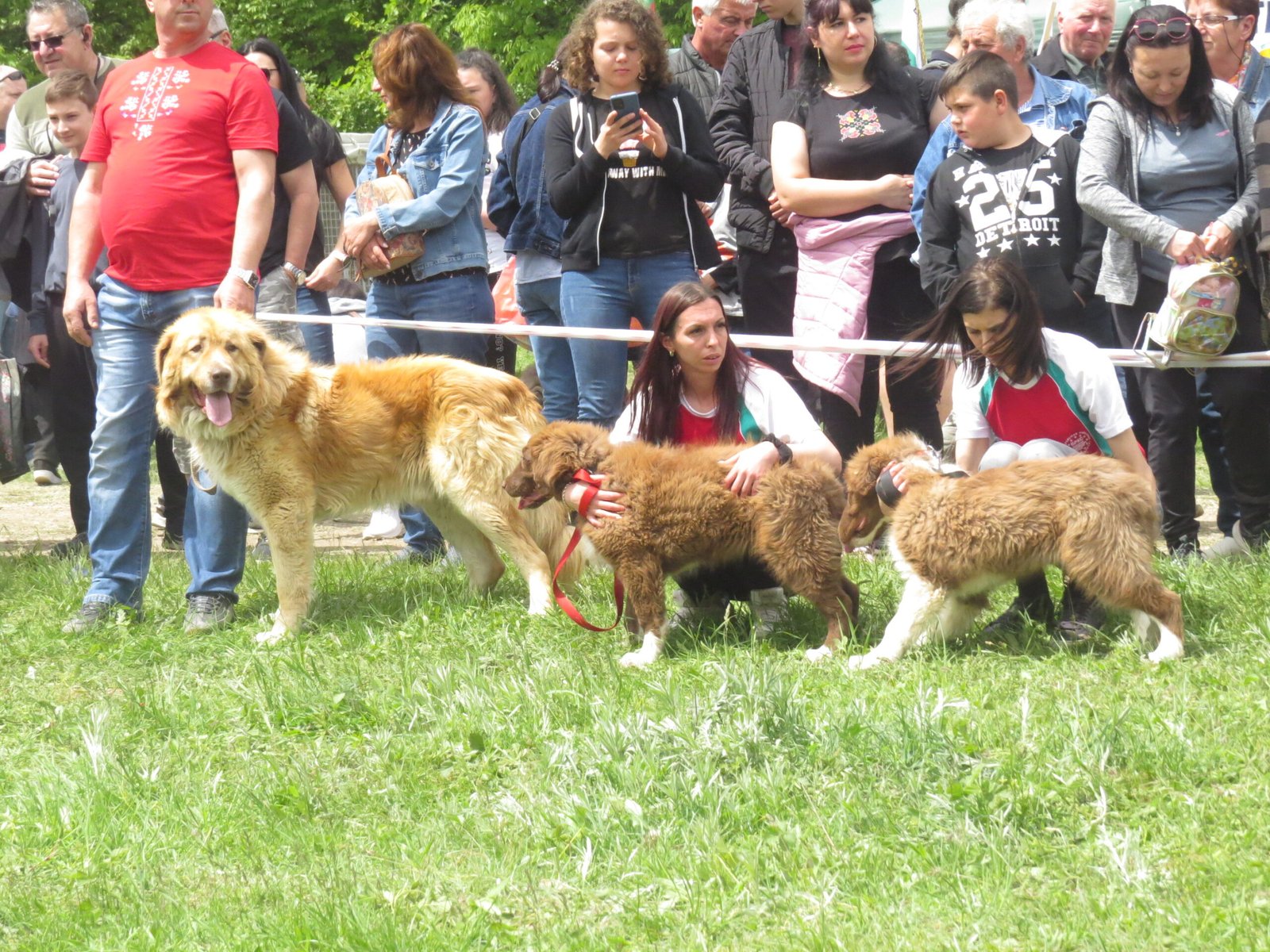
The challenges facing herding dogs and their handlers are evolving, but the need for skilled, courageous canines remains as strong as ever. New technologies, changing landscapes, and shifting attitudes toward predators all shape the future of herding. Yet, the spirit of the herding dog endures—a blend of ancient instincts, unwavering loyalty, and fearless determination that continues to inspire awe and admiration.
Summary
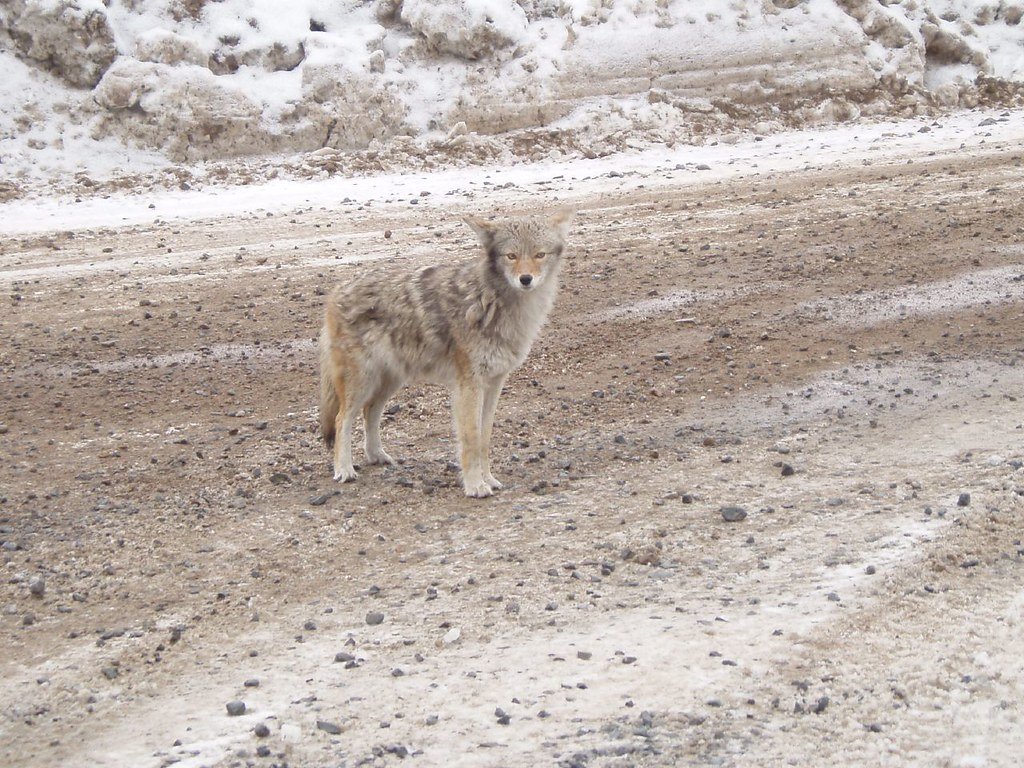
The story of Corgis and coyotes is a tale of survival, courage, and the enduring partnership between humans and dogs. From the wild hills of Wales to modern ranches on the edge of suburbia, herding dogs have faced down predators, adapted to new challenges, and secured their place in both legend and daily life. Their intelligence, bravery, and unbreakable bond with humans stand as a testament to what’s possible when instinct meets heart. Have you ever wondered what stories your own dog might tell if they could speak?