Imagine diving into a crystal-clear ocean and suddenly coming face-to-face with a bustling metropolis built not by humans, but by millions of tiny, soft-bodied animals. These creatures, often mistaken for mere plants or colorful rocks, are the master architects behind some of the world’s most spectacular underwater cities: coral reefs. Their incredible teamwork, resilience, and biological wizardry have shaped entire marine landscapes, supporting an astonishing array of life. But how do these small, delicate beings manage such grand feats of engineering beneath the waves? The answer is both surprising and awe-inspiring.
The Marvels Behind Coral Reefs
Coral reefs can seem almost magical in their beauty, but their origins are grounded in biology and science. These vibrant structures are made by countless tiny animals known as coral polyps. Each polyp is like a miniature builder, secreting limestone to form a hard skeleton that provides the framework for the reef. Over generations, these skeletons accumulate, creating massive formations that can stretch for miles. The Great Barrier Reef, for example, is visible even from space, a testament to the collective power of these unassuming creatures. Without coral polyps, the dazzling underwater cities we admire simply would not exist.
What Are Coral Polyps?
Coral polyps are truly fascinating organisms. They belong to the same family as jellyfish and sea anemones, and though tiny—often no bigger than a grain of rice—they live in vast colonies. Each polyp has a soft, tube-like body topped with tentacles, which it uses to capture food drifting by in the water. Despite their size, polyps work together to create massive coral structures. Living inside a protective limestone cup, the polyp extends its tentacles at night to feed, then retreats during the day for safety. Their teamwork is so seamless that, from a distance, a coral colony appears as a single, colorful entity rather than a collection of individuals.
The Secret to Coral Construction: Calcium Carbonate
The secret material behind coral cities is calcium carbonate, the same substance found in seashells and chalk. Coral polyps extract calcium and carbonate ions from seawater, combining them to form a hard, rock-like skeleton beneath their bodies. Over decades and centuries, this slow but steady process creates striking reef structures. As new generations of polyps grow on top of the old, the reef expands upward and outward, forming ridges, towers, and intricate patterns. This ongoing construction never truly stops as long as the colony thrives, turning a patch of ocean floor into a vibrant, living structure.
The Symbiotic Partners: Zooxanthellae Algae
Coral polyps would never achieve such engineering marvels alone. They rely on a microscopic partner: zooxanthellae algae. These tiny algae live inside the polyps’ tissues and use sunlight to photosynthesize, producing nutrients that help the coral grow. In exchange, the polyps provide the algae with shelter and carbon dioxide. This partnership powers the incredible productivity and color of coral reefs. When stressed by changes in temperature or pollution, corals may expel their algal partners, leading to coral bleaching—a phenomenon that threatens reefs worldwide.
How Coral Reefs Become Underwater Cities
Coral reefs are often called “rainforests of the sea,” and for good reason. Their complex architecture—full of nooks, crannies, and towers—provides shelter and homes for thousands of marine species. Fish, crabs, sea stars, and even sharks rely on coral reefs for protection, food, and breeding grounds. The three-dimensional maze created by corals offers endless hiding spots, breeding sites, and hunting grounds. With up to a quarter of all ocean species depending on reefs at some point in their lives, these structures truly function as bustling underwater cities.
Coral Reproduction: Building for the Future
To keep their cities growing, corals have developed extraordinary ways to reproduce. Many species release eggs and sperm into the water simultaneously in massive spawning events, often timed with the full moon. These synchronized efforts increase the chances of fertilization, allowing new polyps to settle and start building new parts of the reef. Some corals also reproduce by budding, creating clones of themselves that expand the colony. This combination of sexual and asexual reproduction ensures that coral reefs can recover from damage and adapt to changing conditions—though their ability to do so is being tested more than ever before.
The Importance of Coral Diversity
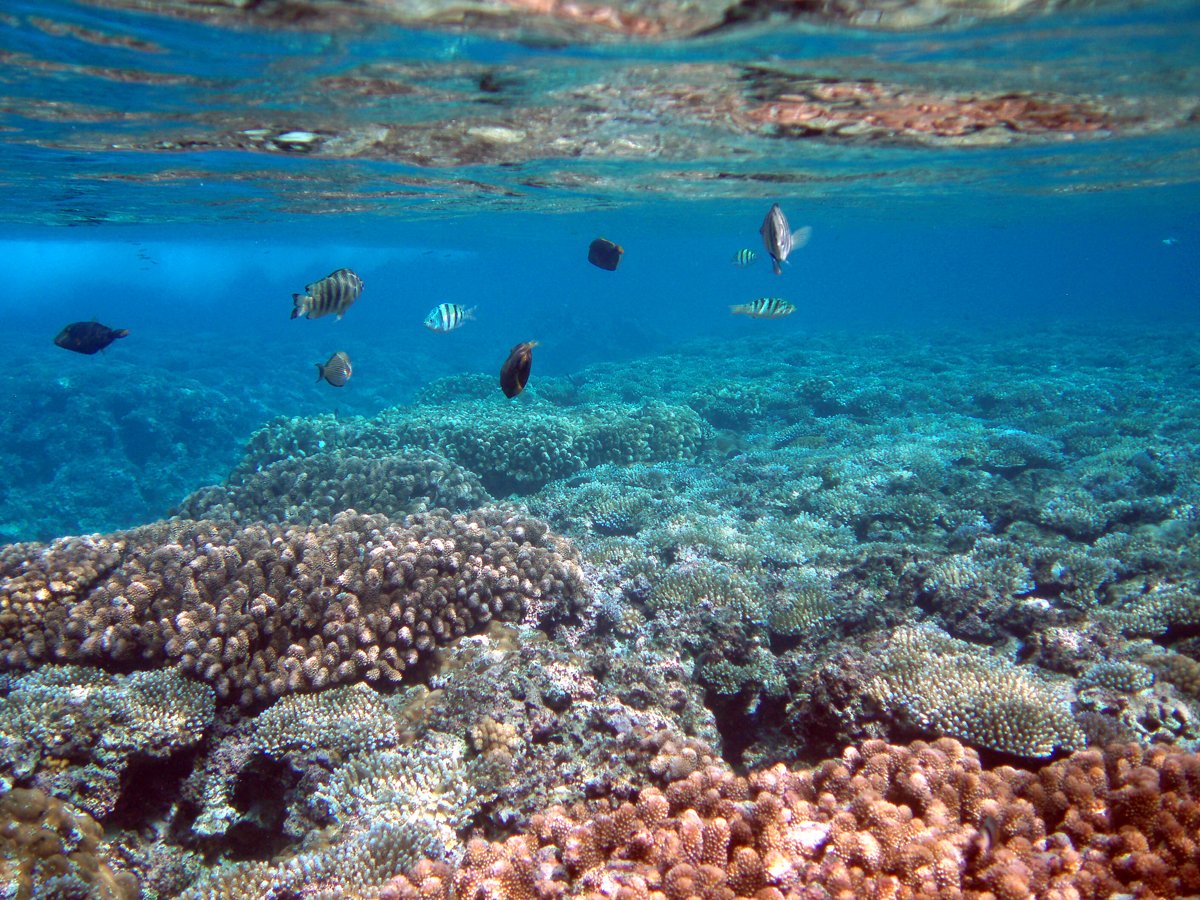
Not all corals are alike. Over 800 known species of reef-building corals exist, each adding unique shapes, colors, and strengths to the reef. Some form massive, boulder-like structures, while others branch out in delicate fans or intricate lattices. This diversity allows reefs to support a wide range of creatures, from tiny shrimp to majestic sea turtles. A healthy reef is a tapestry of life, woven together by many different coral architects working side by side. When coral diversity declines, so too does the resilience and richness of the entire ecosystem.
The Threats Facing Coral Architects
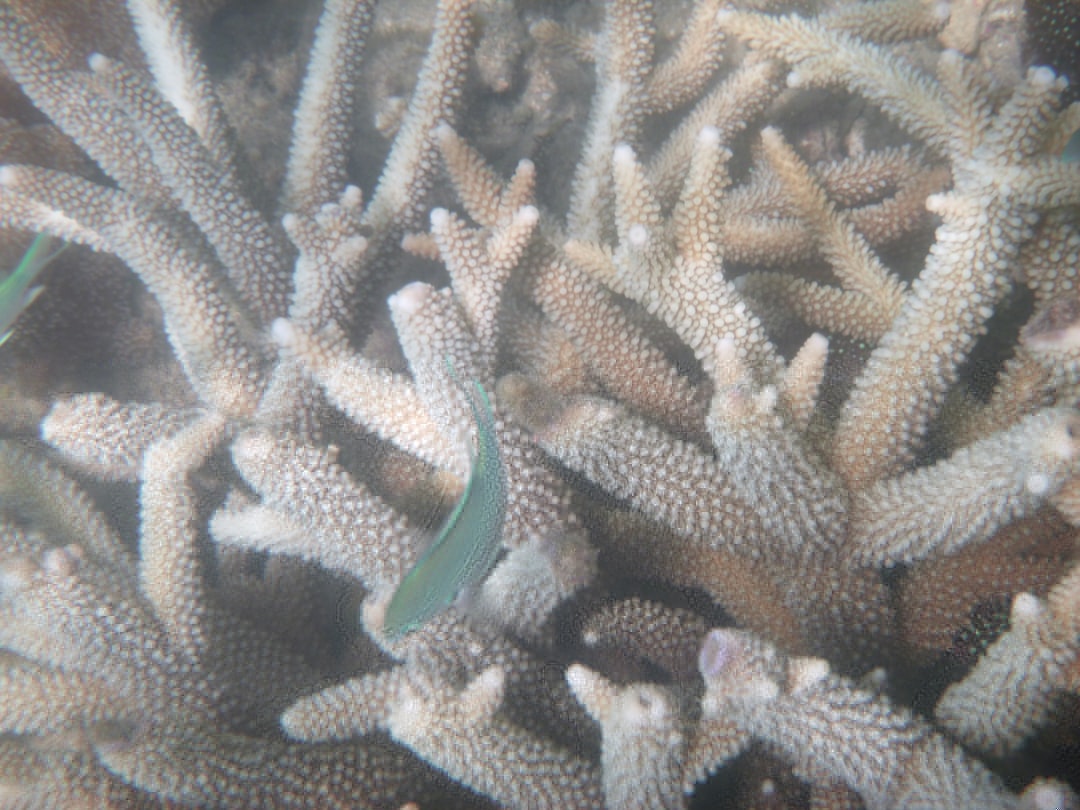
Despite their resilience, coral reefs face more threats today than ever before. Rising ocean temperatures, pollution, overfishing, and destructive fishing practices all take a toll on coral health. When stressed, corals can bleach—losing their vibrant colors and vital algae partners. Without urgent action, many reefs risk disappearing within our lifetimes. The loss would be catastrophic, not just for marine life, but for millions of people who depend on reefs for food, coastal protection, and tourism.
Human Connections to Coral Reefs
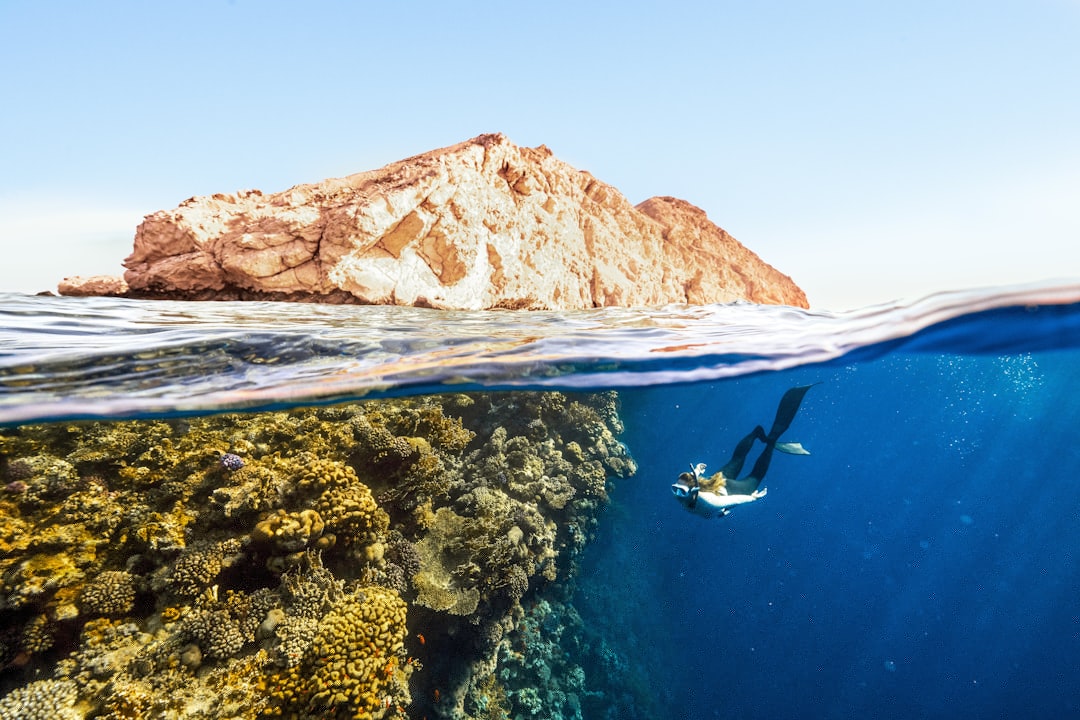
Coral reefs don’t just benefit sea creatures—they also protect and enrich human communities. Reefs act as natural breakwaters, reducing the impact of storms and preventing coastal erosion. They support fisheries that feed millions and attract tourists from around the world, boosting local economies. In some cultures, reefs hold deep spiritual or traditional significance. By safeguarding coral reefs, we also protect ourselves and future generations.
Hope for the Future: Restoring Coral Cities
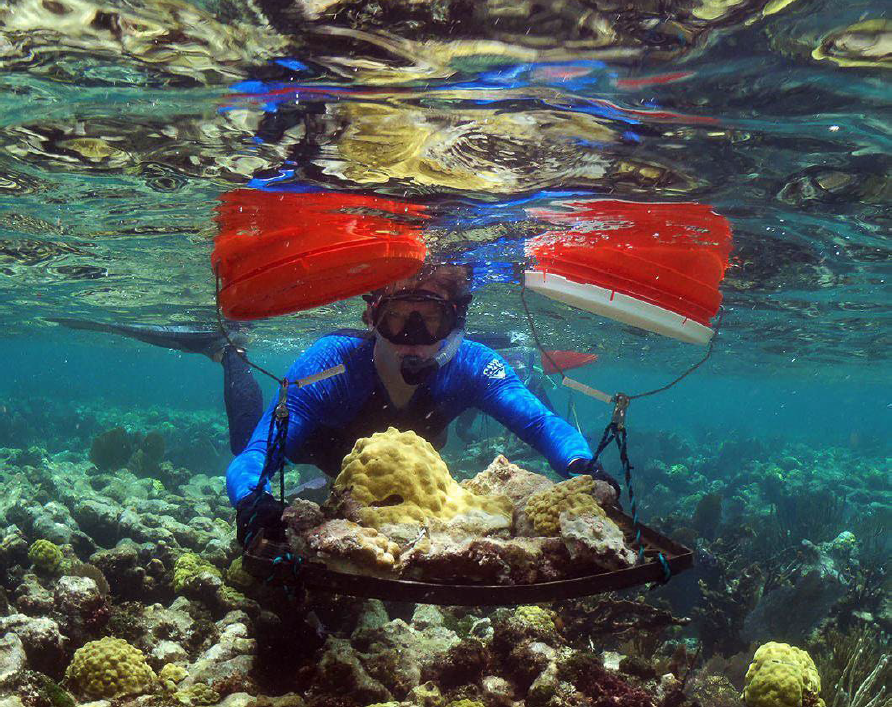
All is not lost for coral architects. Around the world, scientists, conservationists, and local communities are working to restore and protect coral reefs. Efforts include breeding heat-resistant corals, transplanting healthy fragments to damaged areas, and reducing pollution entering the ocean. Education and sustainable tourism also play a role, inspiring people to care about these vibrant underwater cities. The story of coral reefs is one of both fragility and hope, a reminder that even the smallest creatures can build wonders beyond imagination.
What might our world look like if we all acted as guardians of these extraordinary underwater cities?