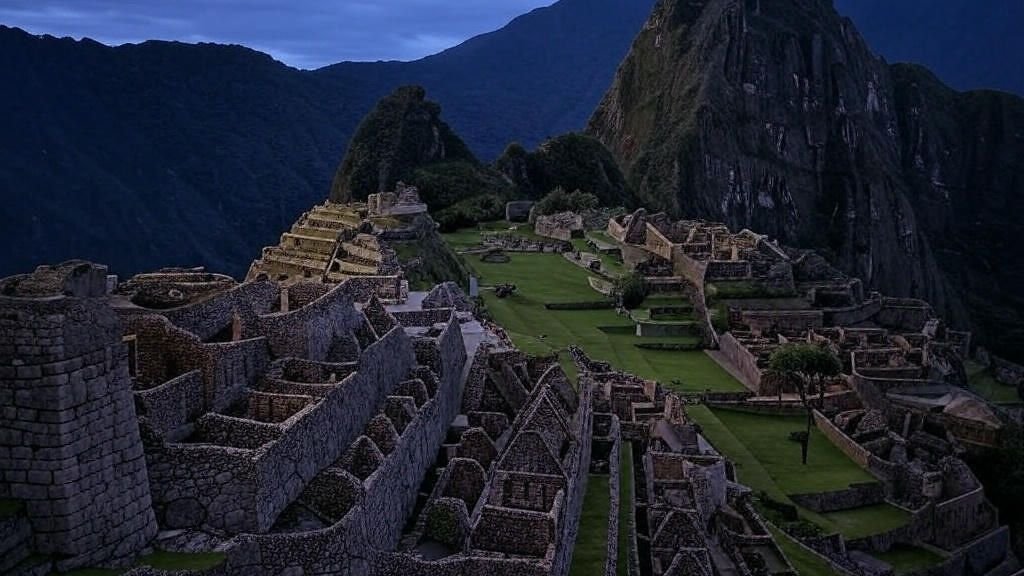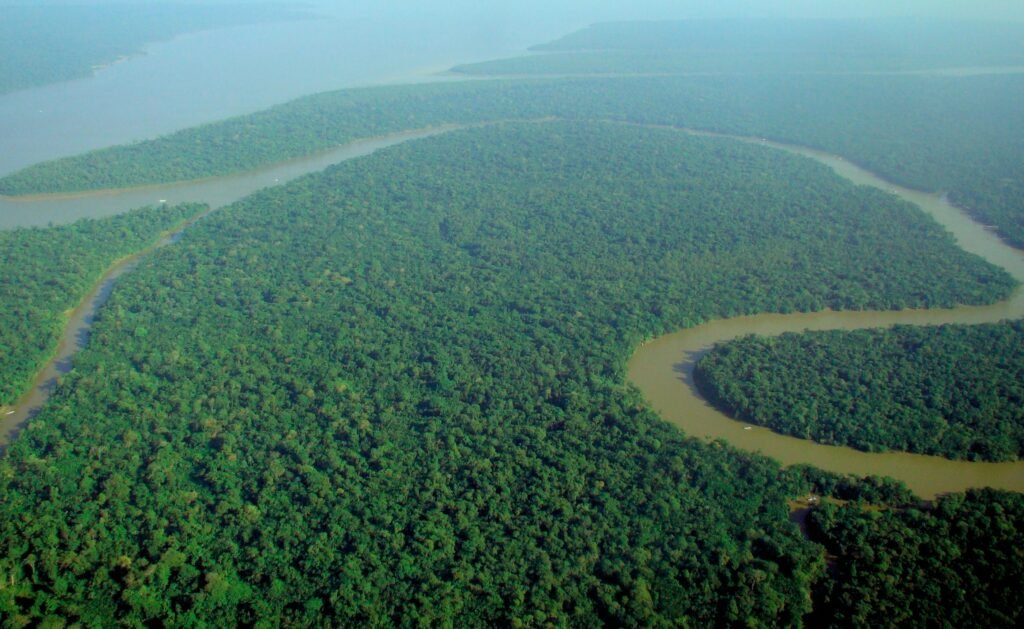

The world is in a race against time to combat the catastrophic effects of biodiversity loss. Held in the historic city of Rome, the 16th Conference of the Parties (COP16) shines a beacon of hope for global conservation efforts. Leading experts and government representatives convened to discuss an ambitious initiative: Protecting 30% of Earth’s biodiversity by 2030 with a $200 billion investment. This groundbreaking plan seeks to address the pressing challenges that our planet faces, with a focus on sustainable solutions and international collaboration.
The Urgency of Biodiversity Conservation

Global biodiversity is under unprecedented threat. According to the United Nations, approximately one million species are at risk of extinction, many within the coming decades. The causes are multifaceted—habitat destruction, climate change, pollution, and overexploitation are just a few. Biodiversity is not just about the species themselves; it underpins human lives, playing essential roles in ecosystem services such as pollination, climate regulation, and food security.
A Brief Overview of COP and Its Role
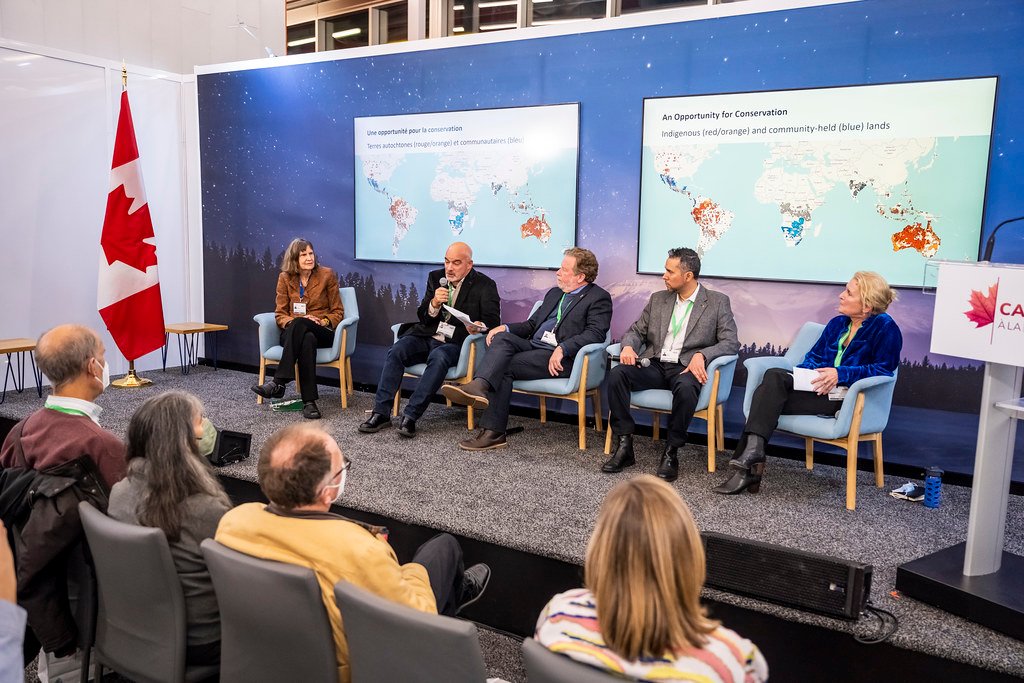
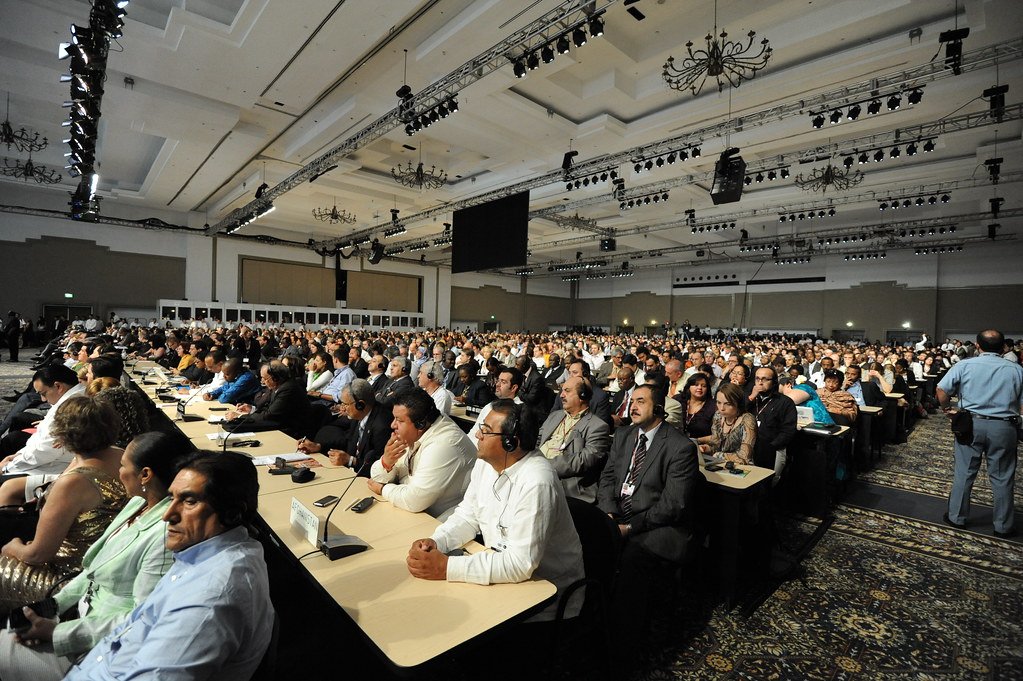
The Conference of the Parties, commonly known as COP, is a key forum under the United Nations Framework Convention on Climate Change (UNFCCC), where member states negotiate international agreements to tackle environmental challenges. Since its inception in 1995, COP meetings have been pivotal in formulating policies that address climate change impacts and biodiversity conservation.
Why Rome? The Significance of the Location

Rome, with its rich history and classical heritage, serves as a poignant backdrop for COP16. Known as the “Eternal City,” it embodies both the challenges and resilience of human civilizations over centuries. It is an apt location to discuss the eternal importance of conserving our planet’s biodiversity for future generations.
The Strategic $200 Billion Investment Plan
The headline of COP16 is its ambitious $200 billion plan. This investment aims to protect 30% of Earth’s land and oceans by 2030. The proposal sets forth key strategies, including enhancing protected areas, restoring degraded ecosystems, and improving biodiversity management practices. Funding will be sourced from international coalitions, public sector commitments, and private investments.
The 30×30 Target: What Does It Encompass?

The “30×30” target is a bold initiative to safeguard at least 30% of Earth’s terrestrial and marine habitats. The focus is on creating resilient landscapes that can withstand the impacts of climate change and support diverse ecosystems. This initiative also emphasizes the importance of indigenous and local community engagement in conservation efforts.
Global Collaboration: A Pivotal Element

One of the key pillars of achieving the COP16 goals is fostering international cooperation. The plan demands collaboration among nations, leveraging shared knowledge, and aligning resources and strategies to achieve the common vision of preserving biodiversity.
Innovative Approaches to Conservation

At COP16, the emphasis is on innovation in conservation methods. Emerging technologies such as drone-based monitoring, satellite imaging, and artificial intelligence can enhance data collection and analysis, leading to more effective biodiversity management.
Sociopolitical Challenges and Opportunities

Implementing the COP16 objectives requires navigating complex sociopolitical landscapes. Policymakers must address issues such as land ownership, resource allocation, and the rights of indigenous people. These challenges also present opportunities to forge new partnerships and strengthen governance frameworks for biodiversity stewardship.
Economic Implications of Biodiversity Conservation

While the investment is substantial, the economic benefits of biodiversity conservation are far-reaching. Healthy ecosystems contribute to tourism, agriculture, and fisheries, supporting economies and creating jobs. The COP16 agenda also highlights the economic costs of inaction, which far outweigh the proposed investment.
Education and Public Awareness

Central to the success of the COP16 plan is educating the public and raising awareness about biodiversity’s intrinsic value. Outreach programs, educational campaigns, and the use of social media are crucial in mobilizing global communities around conservation efforts.
The Role of Youth in Biodiversity Conservation

Young people are the stewards of the future, and their involvement is critical. COP16 recognizes the energy and innovation that youth bring to the table, advocating for educational initiatives and volunteer programs that empower the younger generation to take action in biodiversity conservation.
Indigenous Communities as Nature’s Guardians

Indigenous peoples are often the frontline protectors of biodiversity. Their centuries-old knowledge systems and sustainable practices are invaluable in conservation efforts. COP16 commits to integrating indigenous wisdom and ensuring their voices are heard in policymaking.
Relevance to the Climate Change Debate
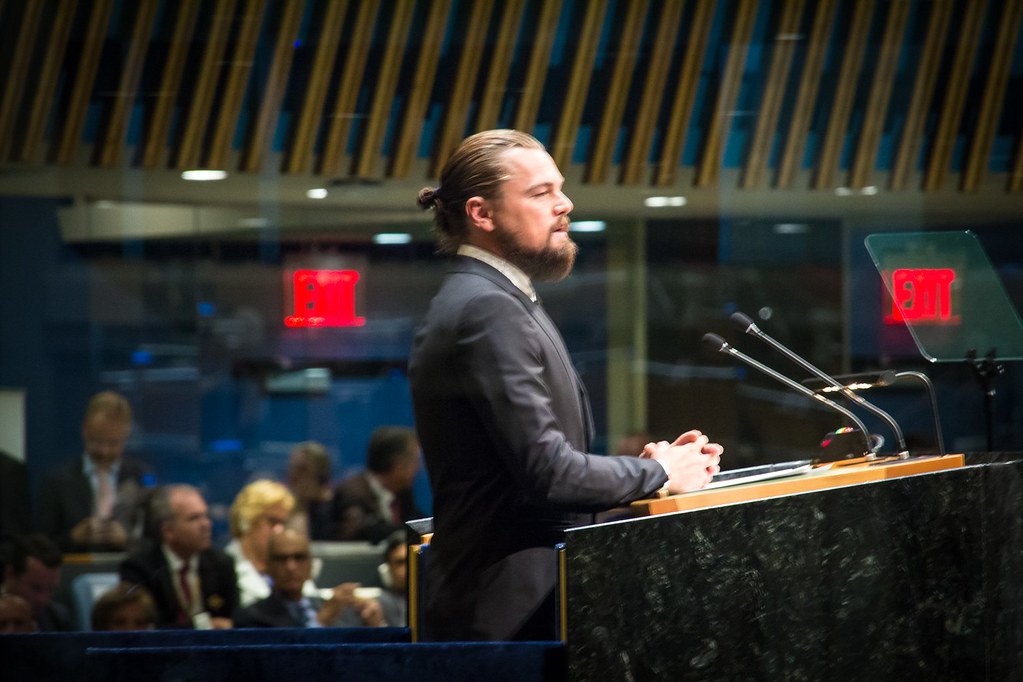
Biodiversity loss and climate change are intrinsically linked. Healthy ecosystems sequester carbon and mitigate climate impacts. By achieving the targets set at COP16, the global community also advances in addressing climate change, highlighting the intersectional nature of these environmental issues.
Technological Innovations Paving the Way

The digital revolution presents new tools for biodiversity conservation. Technologies such as remote sensing, gene editing for resilient species, and bioacoustics for monitoring animal populations are at the forefront of innovative conservation solutions discussed at COP16.
Private Sector Engagement: An Essential Component

The involvement of the private sector is crucial for success. From funding initiatives to incorporating sustainable practices into business models, private enterprises are key partners in the global biodiversity conservation agenda set forth at COP16.
Community-Led Conservation Models

Local communities play a vital role in conservation. COP16 emphasizes empowering these communities through capacity-building, resource allocation, and policy support, recognizing that sustainable local actions collectively contribute to global biodiversity goals.
Barriers to Implementation and Potential Solutions
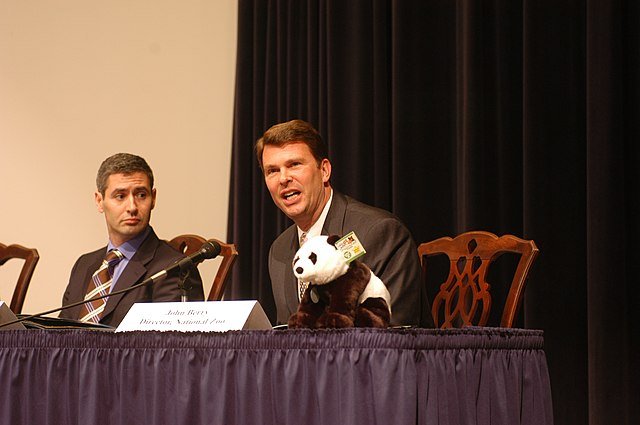
Although the roadmap is clear, barriers such as inadequate funding, lack of political will, and conflicting interests must be addressed. Potential solutions involve policy reforms, expanding finance mechanisms, and fostering partnerships across sectors to ensure the successful implementation of COP16’s objectives.
Measuring Success: Monitoring and Evaluation

Set quantifiable targets provide a framework for measuring the success of the COP16 initiatives. Regular monitoring and evaluation will ensure transparency, accountability, and adaptive management of conservation efforts, guiding policy adjustments as necessary.
Conclusion
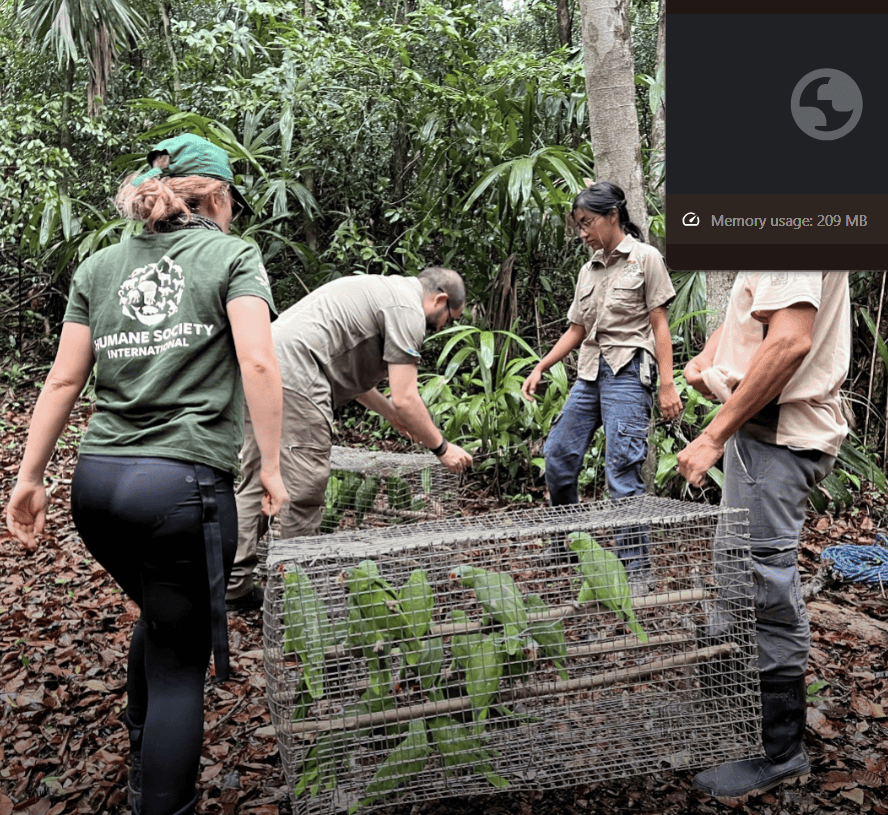
COP16 underscores the urgency and complexity of safeguarding our planet’s biodiversity. With a bold vision and a substantial financial commitment, the plan set in Rome aims to catalyze global efforts toward a sustainable future. As nations rally behind this initiative, it is imperative to maintain momentum and transform aspirations into tangible actions. Ultimately, the legacy of COP16 will hinge on our collective resolve to protect the natural world we all rely upon.