Imagine a world where the simple act of sitting around a fire and sharing a meal transformed not only our bodies but also the very way we think, dream, and solve problems. It’s astonishing to realize that human intelligence—the spark that led us to art, science, and technology—may have been fueled by nothing more than a few calories and the warmth of a cooked meal. What if your dinner, sizzling in the pan, holds the secret to what makes us, uniquely, human?
The Dawn of Cooked Food: A Turning Point for Humanity

The discovery of fire and the advent of cooking stand as one of the most profound milestones in human evolution. Before fire, early hominins spent countless hours chewing raw plants and tough meat. Cooking, however, made food softer and more digestible, slashing the time needed for eating and freeing up precious energy. This newfound efficiency opened the door to dramatic biological changes. Imagine a life where survival no longer meant endless foraging, but rather, gathering with others, sharing stories, and planning for the future—all sparked by the flames of innovation.
Calories: The Brain’s Secret Fuel
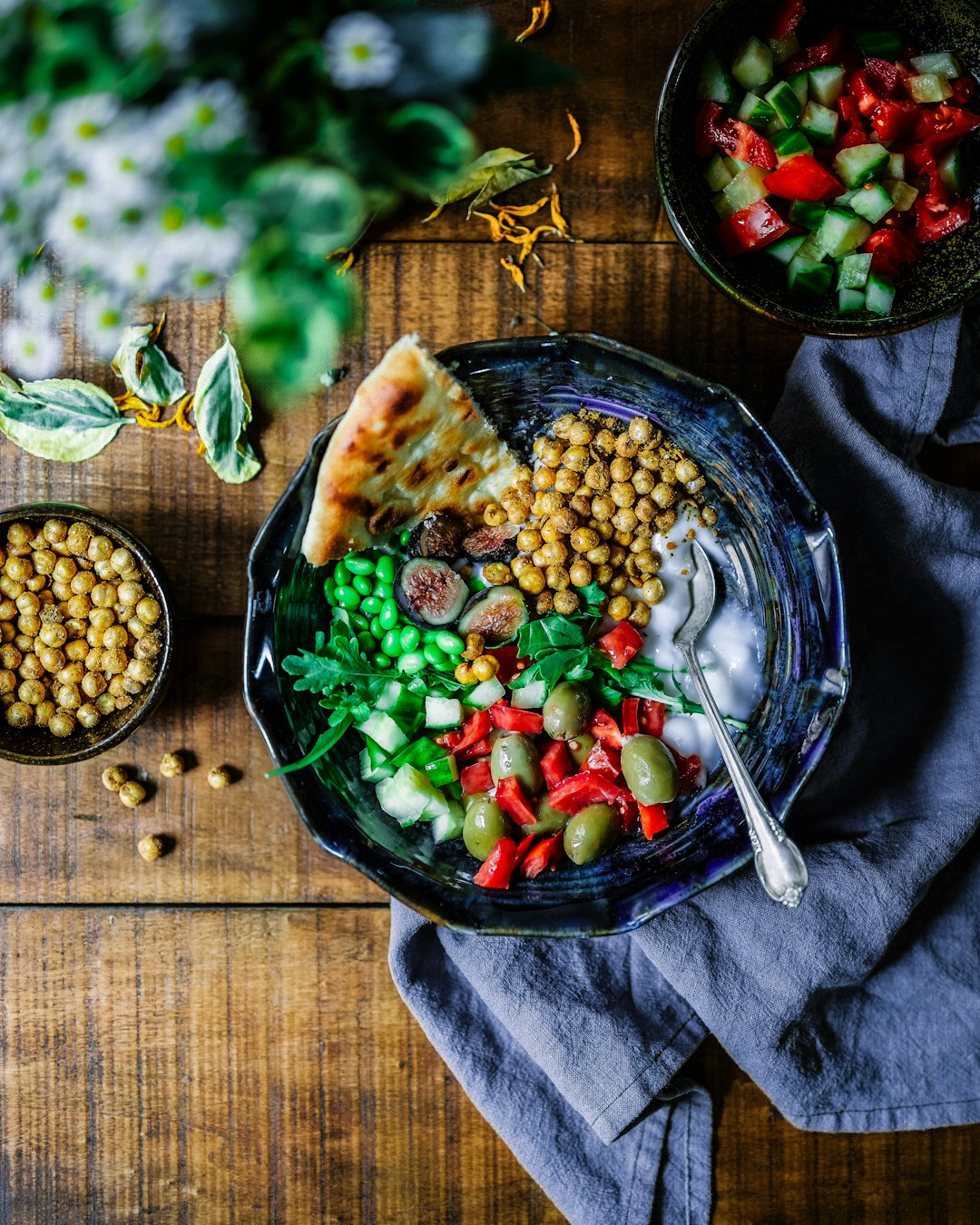
The human brain is a ravenous organ, consuming about 20% of the body’s total energy despite making up only a small fraction of our weight. This huge demand for calories means that what we eat directly powers how we think, feel, and create. Cooked foods are not just easier to eat; they deliver more usable calories than raw foods. This caloric surplus is believed to have enabled our ancestors to develop larger, more complex brains. Consider the difference between gnawing on raw root vegetables versus enjoying a hot, roasted potato—the latter delivers energy more quickly and efficiently, which may have literally fueled the fires of our intellect.
The Shrinking Gut and the Growing Brain
An incredible transformation took place as our ancestors embraced cooked food: their digestive tracts shrank while their brains expanded. This evolutionary trade-off, sometimes called the “expensive tissue hypothesis,” suggests that by making digestion easier, early humans could redirect energy from their guts to their brains. In a sense, every bite of cooked food was a tiny investment in cognitive power. Our smaller jaws and shorter intestines are silent witnesses to this ancient bargain, one that set us apart from our primate cousins.
Social Circles Around the Fire

Cooking didn’t just change diets—it transformed societies. The communal nature of preparing and sharing meals forged tighter social bonds. Sitting around a fire allowed early humans to collaborate, share knowledge, and develop language. These gatherings became a breeding ground for empathy, cooperation, and cultural traditions. The firelight illuminated not just faces, but also the beginnings of storytelling, teaching, and collective memory. The kitchen table of today echoes this legacy, reminding us that food is as much about connection as it is about nutrition.
The Role of Meat and Animal Products
The inclusion of meat and animal products in the human diet was another crucial step in our evolutionary journey. Animal foods are dense in calories and packed with essential nutrients like proteins and fatty acids, which are vital for brain growth and function. The shift from a mostly plant-based diet to one that included more meat likely provided the extra nutritional boost needed for our brains to flourish. Picture early humans tracking game across the savannah, their success not only filling their bellies but also sharpening their minds.
Plant Foods: More Than Just Survival
While meat played a pivotal role, the variety and abundance of plant foods also contributed to our cognitive development. Roots, tubers, fruits, and seeds offered important vitamins, minerals, and antioxidants that supported brain health. Cooking made these foods safer and more nourishing by breaking down harmful compounds and increasing their digestibility. Our ancestors learned to experiment with new flavors and textures, fostering curiosity and adaptability—traits that remain vital to our intelligence today.
Cooking as an Act of Innovation

The very act of cooking is an expression of creativity and problem-solving. Early humans had to learn how to control fire, choose the best foods to cook, and develop tools for preparing meals. Each new technique—roasting, boiling, fermenting—represented a leap in technological and cognitive ability. Cooking became an early laboratory where trial and error led to culinary breakthroughs. This spirit of innovation continues, driving everything from molecular gastronomy to the search for sustainable food sources.
Gut Microbes: Tiny Allies in Our Evolution

Our digestive systems are home to trillions of microbes that help break down food and extract nutrients. The shift to cooked and more diverse diets altered our microbiomes in ways that supported brain health and immune function. Recent research suggests that these tiny partners may have played a hidden role in shaping our evolution. The interplay between diet, gut microbes, and brain development is a fascinating frontier, hinting at how the foods we choose today might still be guiding our destiny.
The Price of Progress: Modern Diets and Brain Health

As diets have changed in the modern world, not all the effects have been positive. Highly processed foods, loaded with sugar and unhealthy fats, may threaten the delicate balance that once fueled our cognitive rise. Scientists warn that what we eat now can influence not just physical health but also memory, mood, and mental sharpness. Reflecting on our evolutionary past can help us make better choices—favoring whole, nutrient-rich foods that nourish both body and mind.
Food, Culture, and the Future of Intelligence

Our relationship with food goes far beyond survival; it shapes our stories, rituals, and dreams. Every culture has its culinary traditions, each one a testament to human ingenuity and adaptability. As we face new challenges—climate change, population growth, and technological advances—the lessons of our evolutionary journey remain more relevant than ever. What we eat tomorrow will continue to shape who we become, both as individuals and as a species.
The journey from raw roots to roasted feasts is not just a story of survival—it’s a celebration of how simple choices transformed us into beings capable of art, science, and compassion. The next time you sit down to a cooked meal, remember: you’re tasting history, evolution, and the very spark of what makes us human. Are you ready to imagine what your next bite might inspire?