
Imagine standing at the edge of the world’s largest rainforest, the air thick with the scent of wet earth and the symphony of unseen creatures echoing through the trees. The Amazon isn’t just a place on a map—it’s the heart that pumps life into our planet, a green cathedral that holds mysteries we’re only beginning to understand. Yet, behind its beauty lies a battleground: a clash of values, interests, and dreams. Who truly holds the power to decide the Amazon’s fate? Is it the local people who call it home, the governments who draw lines on maps, global corporations thirsty for resources, or all of humanity, whose future is tied to this wild, breathing giant? The Amazon’s destiny isn’t just an environmental issue—it’s a question that strikes at the core of justice, sovereignty, and our collective responsibility.
The Breath of the Planet: Why the Amazon Matters
The Amazon Rainforest is more than just a stunning natural wonder. It acts as the lungs of our planet, absorbing vast amounts of carbon dioxide and releasing life-giving oxygen. Scientists estimate that the Amazon produces roughly 20% of the world’s oxygen supply. But its impact goes further: the forest regulates global rainfall patterns, stabilizes the climate, and is home to more species than any other terrestrial ecosystem on Earth. Losing even a piece of this green giant would send shockwaves across continents, affecting weather, agriculture, and even the air we breathe. The Amazon isn’t just a local treasure—it’s a global asset, and its fate concerns everyone.
A Mosaic of Life: Biodiversity Beyond Imagination

Step into the Amazon, and it’s like wandering through a living encyclopedia. This forest harbors an estimated 390 billion individual trees and more than 40,000 plant species. It teems with jaguars, pink river dolphins, poison dart frogs, and countless insects yet to be named. Each tree, vine, and creature is part of a delicate web—break one strand, and the whole tapestry can unravel. The Amazon’s biodiversity is a source of awe and scientific wonder, but also a vital reservoir for future medicines, foods, and innovations. Protecting this diversity isn’t just about saving animals; it’s about safeguarding the building blocks of life itself.
The People of the Forest: Guardians or Victims?
For thousands of years, Indigenous peoples have called the Amazon home. They speak hundreds of languages and possess deep ecological knowledge passed down through generations. Their survival depends on the health of the forest, and many see themselves as its rightful guardians. Yet, these communities are often marginalized and face threats from logging, mining, and land grabs. The struggle for their land is more than a fight for territory—it’s a battle for culture, dignity, and the right to shape their own destiny. Listening to their voices could unlock new ways to coexist with nature, rooted in respect and reciprocity.
Economic Temptations: The Lure of Exploitation
The Amazon is staggeringly rich in natural resources. Beneath its leafy canopy lie vast reserves of oil, gold, timber, and fertile land for agriculture. For governments and companies, the economic incentives to exploit these riches are enormous. Logging, cattle ranching, and soybean farming have driven much of the Amazon’s deforestation in recent decades. The promise of jobs and prosperity can be irresistible in countries facing poverty and inequality. Yet, this short-term gain often comes at the cost of long-term ecological loss and social upheaval, raising the question: is the price too high?
Fire and Chainsaws: The Toll of Deforestation
Every year, millions of trees fall to chainsaws, and fires—sometimes deliberately set—turn green wilderness into charred wasteland. Deforestation rates surged again in the early 2020s, sending plumes of smoke across South America and alarming scientists worldwide. These losses are more than statistics; they mean lost habitats, vanishing species, and the release of stored carbon that accelerates climate change. The scars left behind can take centuries to heal, and some may never recover. The choice between clearing and conserving is a razor’s edge with no easy answers.
International Stakes: A Global Responsibility?
While the Amazon’s roots are firmly planted in South America, its influence reaches every corner of the globe. International governments, NGOs, and ordinary citizens have called for urgent action to protect the rainforest. Some argue that the Amazon is too important for any one nation to control, sparking heated debates about sovereignty and foreign intervention. Should wealthy countries help foot the bill for conservation? Or do they have a moral obligation to compensate local nations for leaving resources untapped? The balance between national rights and global duty is a tightrope walk, fraught with tension and opportunity.
Indigenous Wisdom: Lessons from Ancient Stewards
Indigenous communities have shown that sustainable living isn’t just a modern buzzword—it’s a way of life. Through rotational farming, selective harvesting, and sacred respect for the land, they have maintained the forest’s health for centuries. Studies reveal that areas under Indigenous management often boast higher biodiversity and lower deforestation rates than those controlled by outsiders. Their knowledge is a living library, filled with lessons about balance, resilience, and harmony. Ignoring their insights means losing not just wisdom, but hope for a more sustainable future.
Government Policy: Protector or Predator?
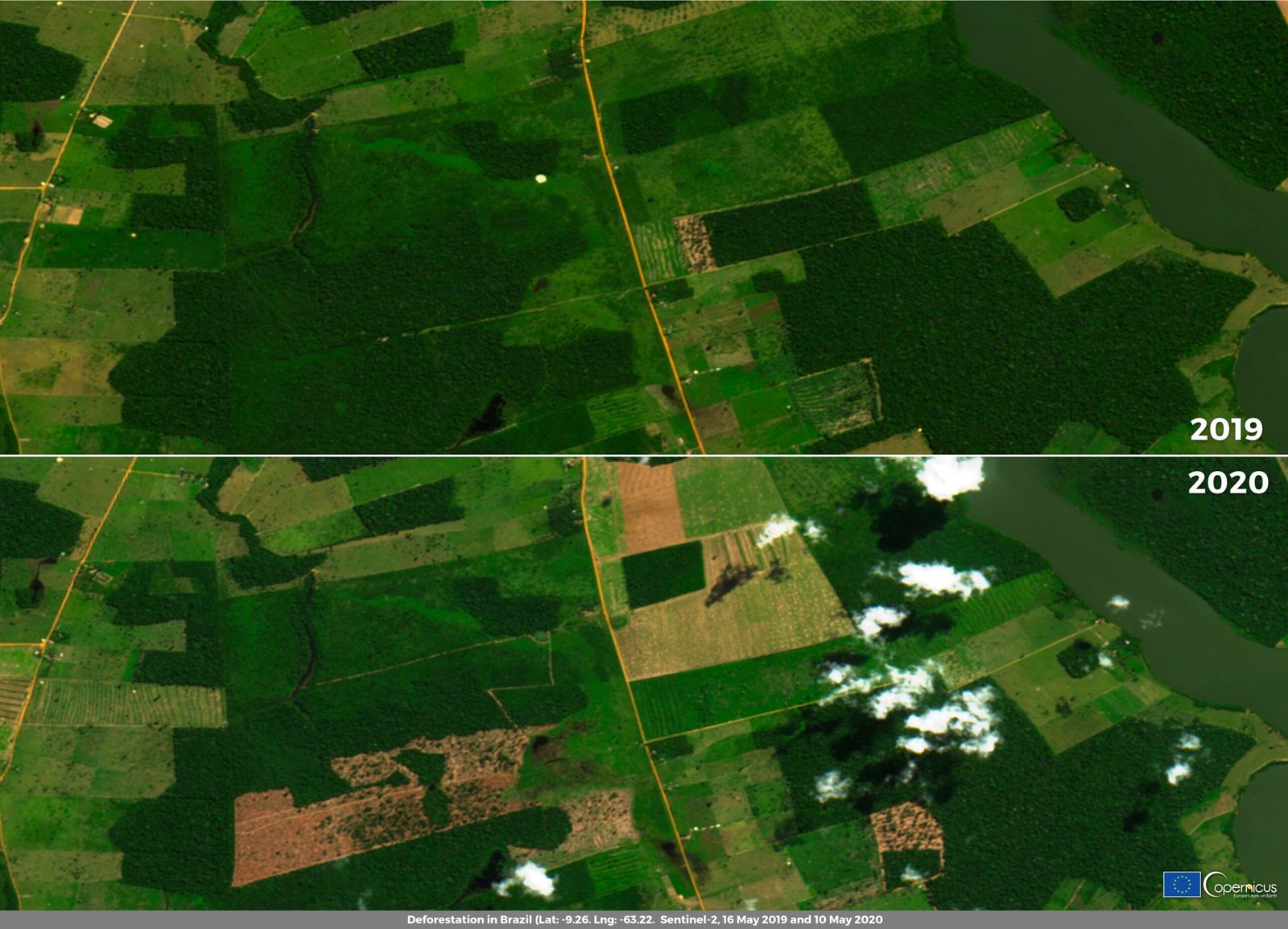
National governments hold immense power over the Amazon’s fate. Policies can swing between protection and exploitation, often shaped by politics, economics, and public pressure. In Brazil, for example, leadership changes have sparked dramatic shifts—from crackdowns on illegal logging to relaxed enforcement in favor of development. Laws meant to protect the forest are only as strong as the will to enforce them. At the heart of the issue lies a crucial question: should policy serve short-term national interests, or the long-term well-being of people and the planet?
Corporate Influence: Profit or Preservation?
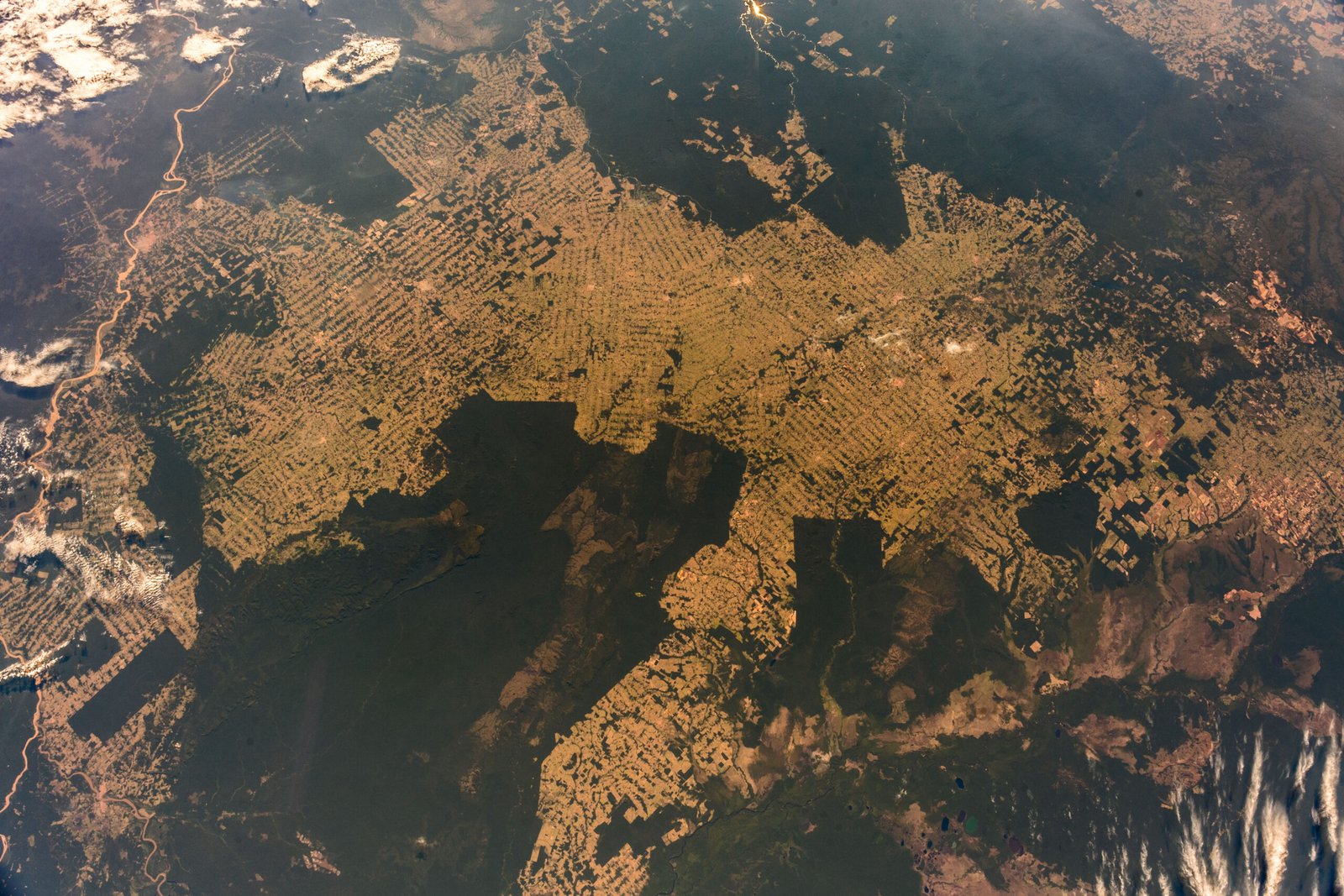
Corporations—whether logging companies, agribusiness giants, or mining conglomerates—wield enormous influence in the Amazon. Their investments can create jobs and infrastructure, but often at great environmental cost. Some companies have begun to adopt “green” practices and sustainability pledges, but critics question whether these are genuine or just clever marketing. The push for profits shapes the forest’s future as much as any law or treaty. Consumers around the world, by choosing what they buy, can either fuel destruction or support change.
Climate Change: The Feedback Loop of Destruction

The Amazon isn’t just a victim of climate change—it’s a key player in the global climate system. As trees fall and fires rage, the forest releases massive amounts of stored carbon, worsening global warming. Rising temperatures and changing rainfall threaten to turn swathes of rainforest into savannah, a point of no return scientists call the “tipping point.” The loss would be catastrophic—not just for the Amazon, but for humanity’s ability to keep the planet livable. Every decision made in the Amazon echoes far beyond its borders.
Science and Conservation: Hope in Research
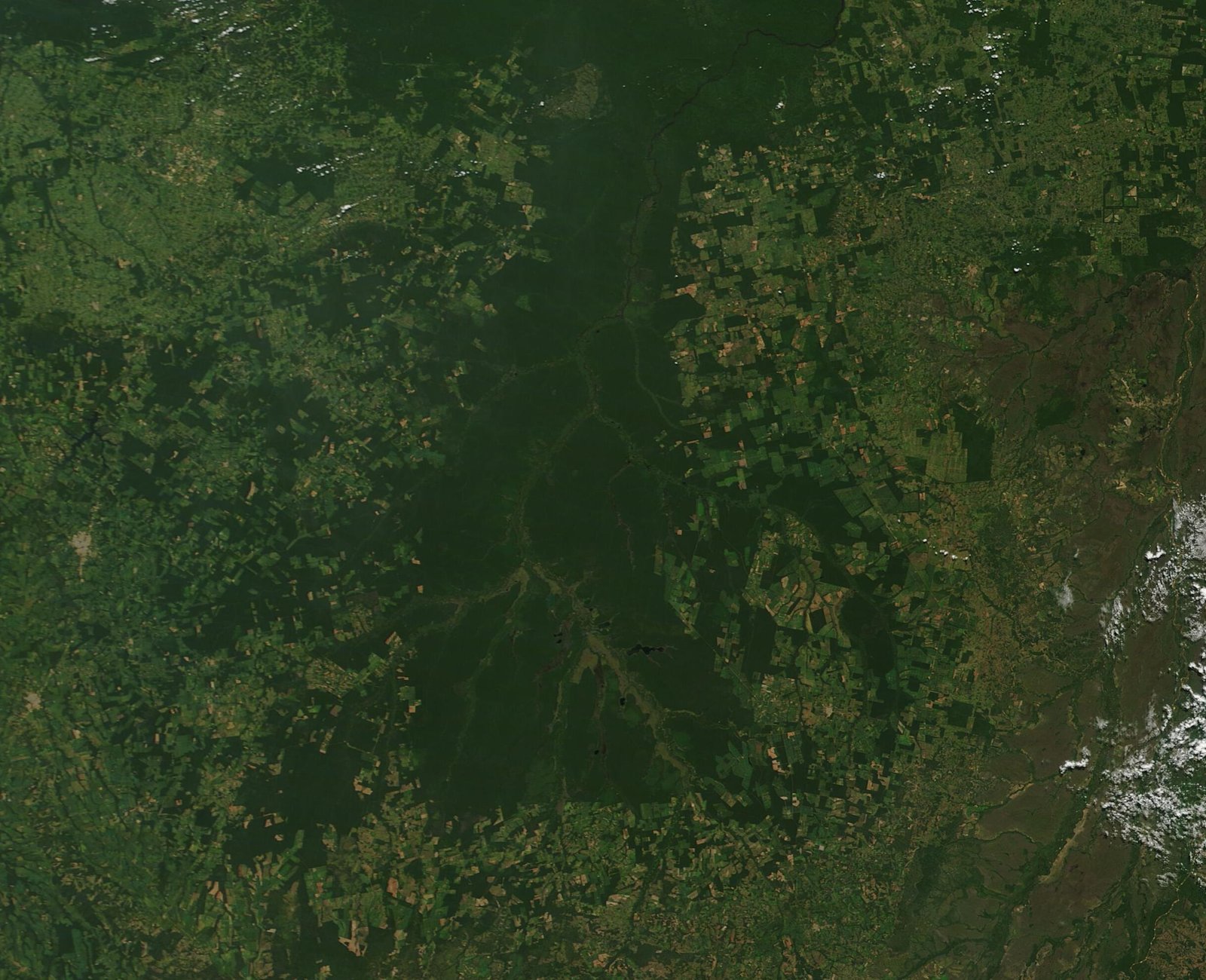
Scientific research has illuminated the Amazon’s secrets, from the migratory patterns of birds to the medicinal properties of rare plants. Conservationists use cutting-edge technology—satellite imagery, drone mapping, and genetic analysis—to monitor changes and target interventions. Success stories, like the recovery of certain animal populations and the establishment of new protected areas, prove that positive change is possible. But science can only guide us; it cannot make the hard choices about values, priorities, and justice.
Ecotourism: A Path to Preservation?
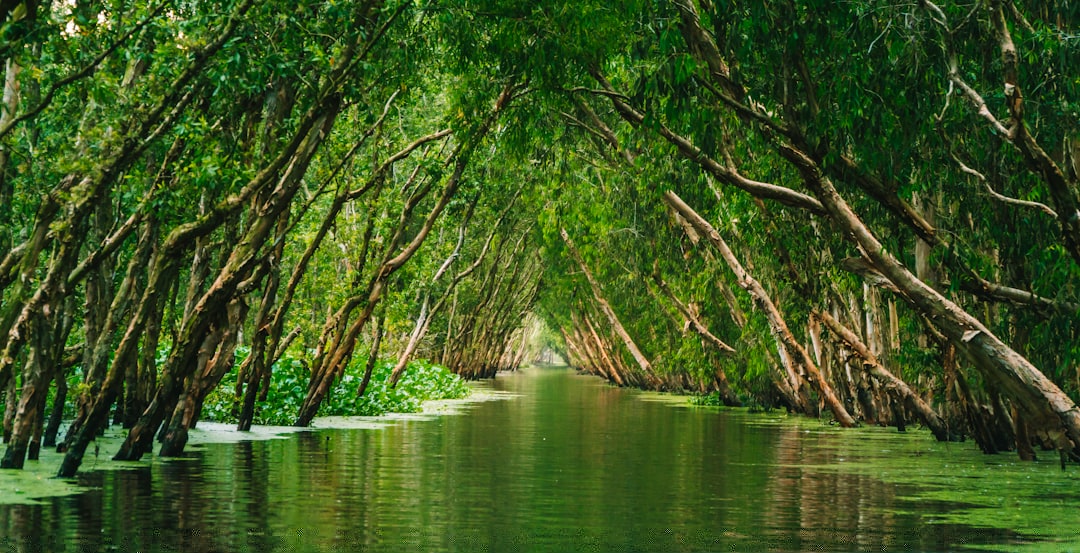
Ecotourism offers a tantalizing promise: a way to support local economies while keeping the forest intact. Visitors from around the world flock to see jaguars, cruise riverways, and immerse themselves in Indigenous culture. When done right, ecotourism can fund conservation, create jobs, and foster pride in natural heritage. But the boom in tourism also brings risks—overcrowding, pollution, and cultural commodification. The challenge is to ensure that tourism uplifts rather than undermines the very communities and ecosystems it depends on.
Legal Battles: Land Rights and Justice

In courtrooms and council halls, the struggle for the Amazon’s future often plays out as a legal drama. Indigenous groups have won landmark cases securing land rights, while environmentalists have used lawsuits to block destructive projects. Yet, powerful interests frequently exploit loopholes or ignore rulings altogether. The law can be a shield or a sword, depending on who wields it. Ensuring justice means not just passing laws, but enforcing them with fairness and integrity.
The Role of Technology: Eyes in the Sky
Technology has transformed how we see and protect the Amazon. Satellite imagery tracks deforestation in real time, while drones patrol hard-to-reach areas. Smartphone apps allow locals to report illegal activities instantly. These digital tools empower activists, scientists, and even ordinary citizens to become guardians of the rainforest from afar. But technology alone can’t replace the human connection to the land—it’s a tool, not a panacea.
Public Awareness: The Power of Global Voices
Awareness campaigns—viral videos, documentaries, and social media movements—have brought the Amazon’s plight into living rooms worldwide. Outrage over burning forests and endangered animals has sparked protests, boycotts, and calls for reform. Public opinion can sway politicians and companies, but it can also fade with the next news cycle. Keeping the Amazon in the spotlight requires constant creativity, empathy, and persistence.
Environmental Justice: Balancing Needs and Rights

At its core, the fight over the Amazon is a question of justice. Whose needs matter most: local communities seeking livelihoods, global citizens fearing climate disaster, or corporations chasing profit? The answers aren’t simple. True justice means listening to those most affected—especially Indigenous peoples—and finding ways to harmonize development with conservation. It demands humility, compassion, and a willingness to make sacrifices for the greater good.
Education: Planting Seeds for the Future

Education is a potent force for change. Teaching young people—both in the Amazon and around the world—about the rainforest’s value can inspire a new generation of stewards. Programs that blend science, culture, and storytelling help children see themselves as part of a larger web of life. When people understand the stakes, they’re more likely to take action, whether by voting, donating, or simply caring a little more.
Alternative Livelihoods: Rethinking Prosperity
For many living in the Amazon, the pressures to exploit the forest are tied to survival. But innovative projects are showing that it’s possible to earn a living without destroying the land. From harvesting wild nuts and fruits to crafting sustainable products, communities are finding new paths to prosperity. Supporting these efforts—through fair trade, microloans, and training—can tip the balance away from exploitation and toward renewal.
Visions for Tomorrow: Reconciling Progress and Protection
The Amazon’s future isn’t written in stone. New models of development—like payment for ecosystem services and community-led conservation—offer hope for reconciling human needs with environmental limits. It’s a challenge that demands creativity, courage, and cooperation across borders and generations. The stakes are nothing less than the fate of the world’s greatest forest—and perhaps, our own.
The Amazon Rainforest stands at a crossroads: a living symbol of nature’s abundance and fragility, caught between forces of conservation and exploitation. Its future depends on choices made not just by governments or corporations, but by all of us. As we look ahead, one question remains: who will speak for the forest, and will we listen before it’s too late?