
Some mysteries feel big, but consciousness cuts right to the heart of who we are. You can map every neuron, scan the whole brain in 3D, and still hit a wall when you try to answer a deceptively simple question: why does any of this feel like something from the inside? That raw sense of being you – hearing your own thoughts, feeling joy, shame, awe – is so familiar that we almost forget how bizarre it really is.
Scientists have sent robots to Mars, split the atom, and rewired genes, but nobody can fully explain how a lump of biological tissue gives rise to a living, breathing inner world. The more we learn about the brain, the stranger the problem becomes, not simpler. Consciousness sits at this unsettling crossroads where neuroscience, philosophy, psychology, and even physics all collide – and right now, nobody is driving with the headlights fully on.
The Hard Problem: Why Does Experience Exist At All?
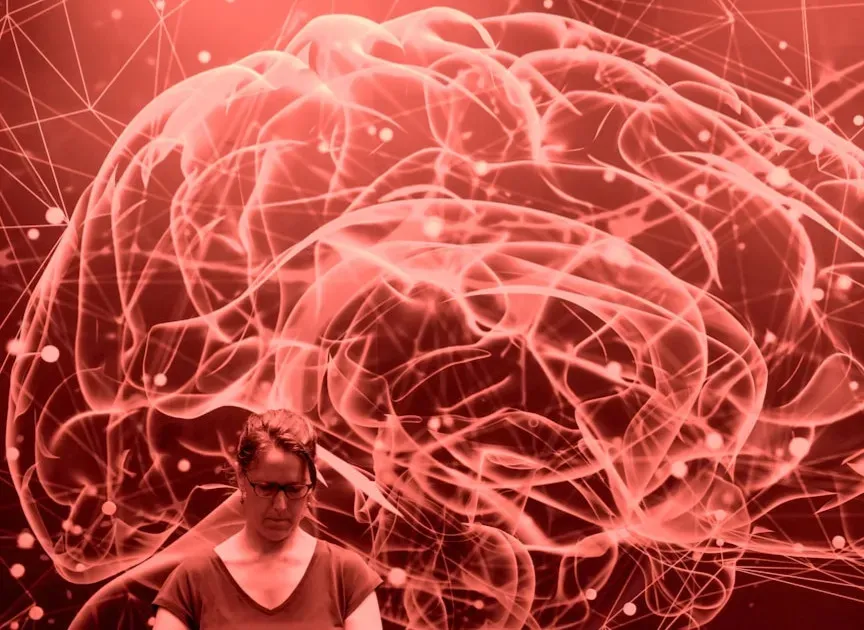
Ask most neuroscientists how the brain works and they’ll give you a solid story about signals, synapses, circuits, and chemistry. Ask them why that electrical storm is accompanied by the taste of chocolate, the color red, or the ache of heartbreak, and things suddenly get very quiet. This gap between brain activity and lived experience is often called the “hard problem” of consciousness, and in 2026 it’s still very much unsolved.
We can track which brain regions light up when you see a face or feel afraid, but knowing the wiring diagram isn’t the same as knowing why it feels like anything at all. It’s like being handed the full code of a video game and still not understanding why the story inside makes you cry. That stubborn, haunting gap is what keeps consciousness from being just another engineering problem we can eventually brute-force our way through.
Brains, Neurons, and the Search for a “Consciousness Spot”
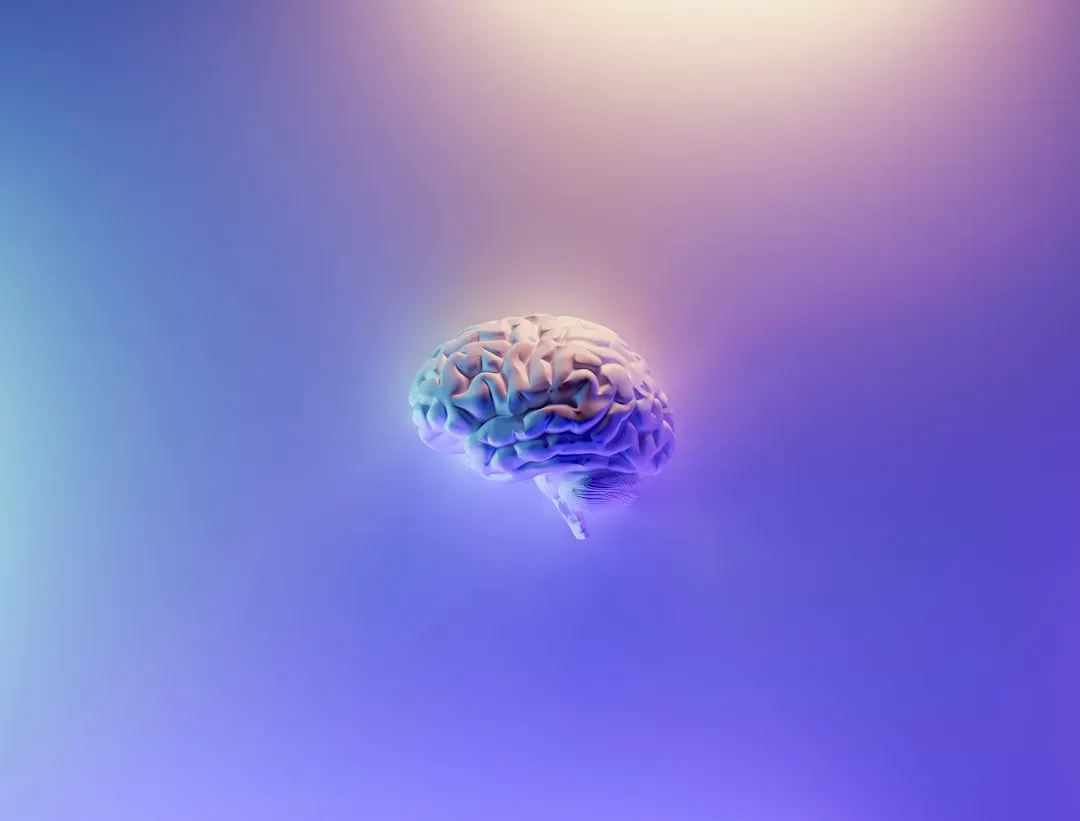
Over the last few decades, neuroscientists have gone hunting for what they call the “neural correlates of consciousness” – brain patterns that line up with specific experiences. Advanced brain imaging lets researchers see that when you recognize a face or hear a tune in your head, particular regions and networks are consistently involved. In that sense, the old idea of a mysterious, ghost-like “soul” floating outside the body has steadily lost ground to a very physical, very messy organ: your brain.
But finding correlations is not the same as cracking the code. No single brain area has turned out to be the magic spark for awareness; instead, consciousness seems to emerge from complex, constantly shifting networks of activity. It’s more like a city at night – patterns of light turning on and off across neighborhoods – than a single lightbulb being flipped. The challenge is turning that glowing map into an explanation that feels satisfying, not just descriptive.
Are You Just a Highly Sophisticated Prediction Machine?
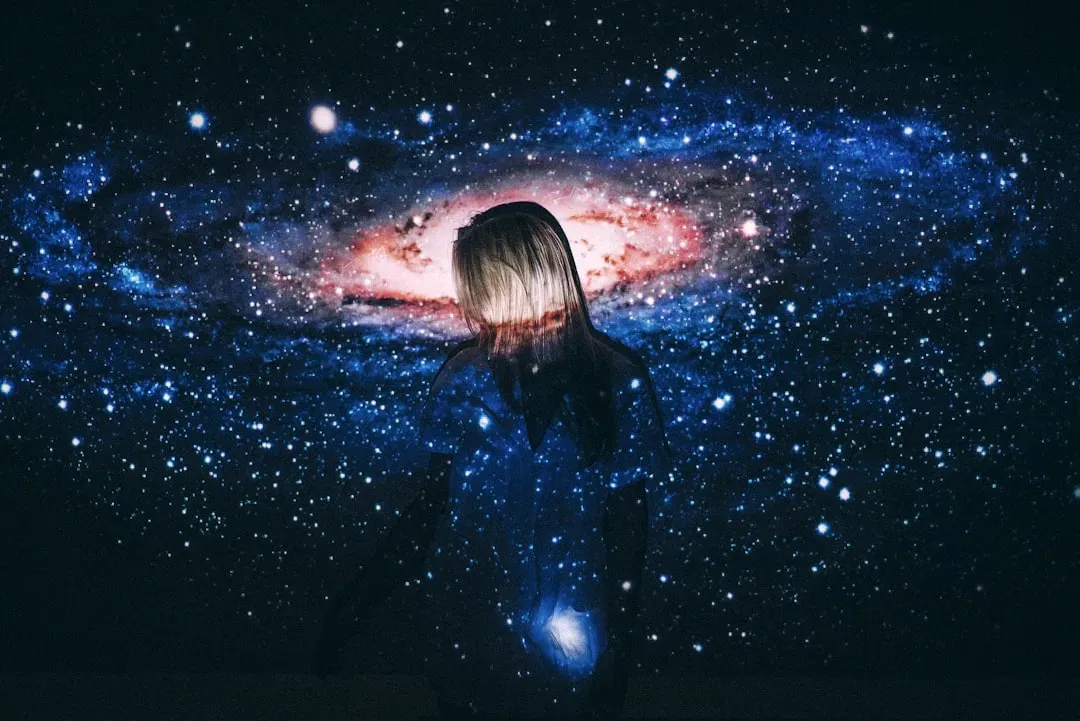
One of the most influential ideas in recent years is that the brain is basically a prediction engine, constantly guessing what will happen next and updating itself when it’s wrong. Under this view, your experience of reality is more like a controlled hallucination that your brain keeps lining up with the outside world. Pain, color, even the sense of owning your body might all be the brain’s best guesses about what’s going on inside and around you.
This predictive-processing picture can explain a lot: why optical illusions work, why people with certain psychiatric conditions experience reality so differently, and why expectations can shape what we actually feel. Still, even the best prediction models face the same stubborn question: why do predictions feel like anything from the inside? You can build a machine that predicts the weather, but as far as we know, it doesn’t experience rain as something cold on its skin.
Can Artificial Intelligence Ever Be Truly Conscious?
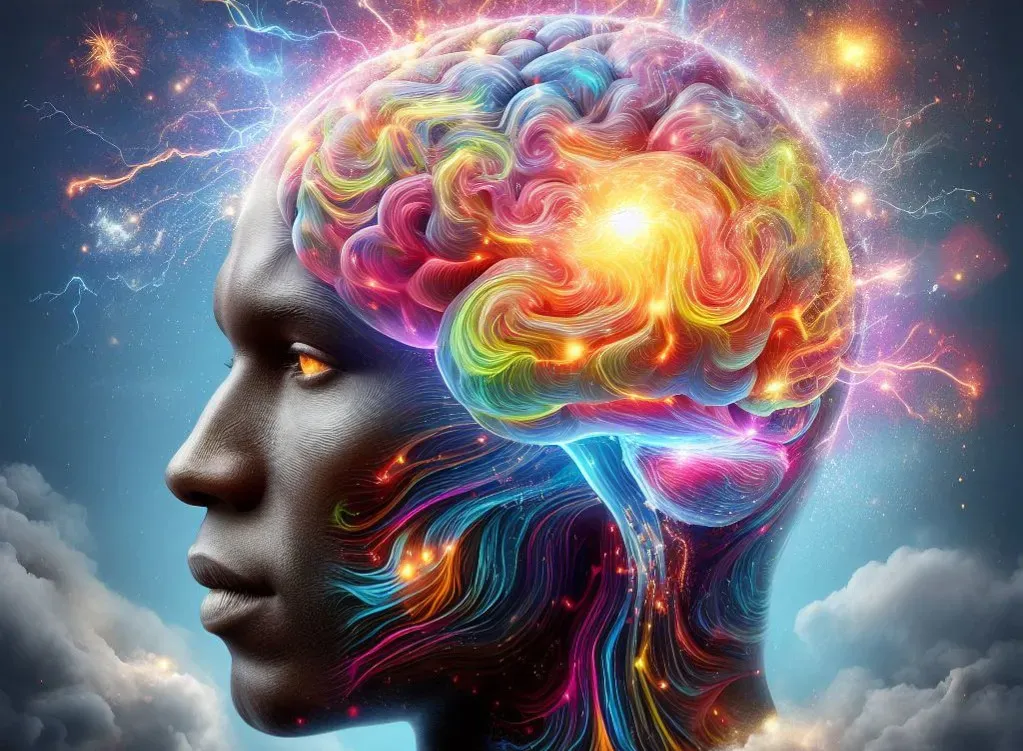
Since large language models and advanced AI systems started writing essays, coding, and holding conversations, a new anxiety has taken shape: could these systems one day become conscious? Some people look at the fluent text and apparent reasoning and feel a shiver, as if they’re already talking to a mind. Others see clever pattern-matching and nothing more, like a mirror that reflects our words back at us in a smarter way than we expected.
Right now, there is no agreed-upon test that would prove beyond doubt that a machine is conscious. Passing an exam, mimicking emotions, or saying “I feel scared” does not necessarily mean there’s anything it is like to be that machine. The uncomfortable truth is that we barely understand our own consciousness well enough to recognize it in ourselves, let alone diagnose it in silicon. Until we can say what consciousness actually is, debates about AI minds are going to remain partly philosophical guesswork.
When Consciousness Flickers: Sleep, Anesthesia, and Coma

One of the strangest things about consciousness is that it’s not constant; it switches off, fades, and sometimes returns in fragments. Under anesthesia, your brain can still show activity, but subjectively, there’s just a blank gap where time disappears. In deep sleep, most of your world vanishes, but in dreams an entire universe springs back to life, complete with fear, excitement, and impossible physics that feel momentarily real.
Cases of coma and so-called disorders of consciousness add even more tension. Some patients previously labeled as unresponsive have shown subtle but clear signs of awareness when tested with specialized brain scans. That raises uncomfortable questions about how we define being “there” or “not there” and how cautious we should be when deciding someone has no inner experience. Consciousness, it seems, doesn’t always obey the simple on–off switch we wish it did.
The Self: Solid Identity or Useful Illusion?

Most of us walk around with a strong sense of being a single, unified “me” at the center of our lives. Yet research from psychology and neuroscience keeps poking holes in just how solid that self really is. Split-brain studies, body-swapping illusions in virtual reality, and even simple memory experiments show that the self can be bent, distorted, divided, or gently hacked in ways that would have sounded like science fiction a generation ago.
Some scientists and philosophers argue that the feeling of being a stable self is more like the brain’s user interface – a neat, simplified dashboard hiding unbelievable complexity beneath. That does not make your experience fake, any more than a phone’s home screen is fake; it just means the story you tell yourself about who you are might be less fixed and more negotiable than you think. For many people, that realization is both liberating and a little unsettling.
Why Consciousness Might Stay Mysterious for a Long Time

There’s a real chance that consciousness is not a problem we simply “solve” and move on from, like inventing a vaccine or cracking a math . It might be more like understanding life itself: a long, messy, multi-generational project that keeps forcing us to refine our tools and rethink our assumptions. As brain imaging improves, as AI grows more sophisticated, and as philosophy keeps pushing on the hard questions, the picture may slowly sharpen without ever turning into a simple formula.
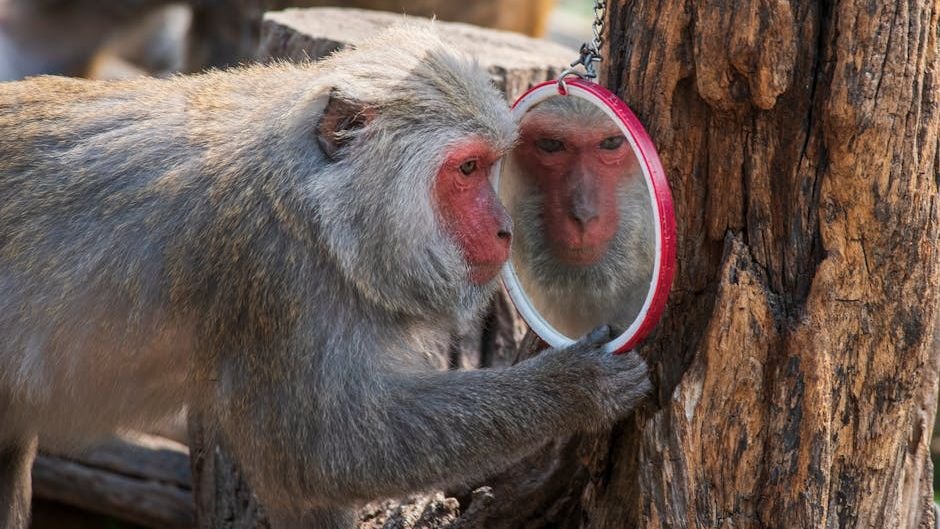
Some thinkers even suspect that a fully satisfying explanation may require us to revise how we think about matter, information, or reality at the most basic level. Others think the mystery will shrink bit by bit until it suddenly feels obvious in hindsight, the way germs or electricity do now. Either way, consciousness sits there like a mirror we can’t quite see around, reflecting our questions back at us and daring us to keep asking.
Living Inside the Greatest Phenomenon

Every day you wake up inside the very phenomenon science struggles most to explain. You drink coffee, check messages, feel frustrated or hopeful, and all the while you’re riding on top of a mystery your own brain is generating moment by moment. The fact that we don’t yet understand how this works doesn’t make it less real; if anything, it makes your ordinary day feel a little more extraordinary.
Consciousness might turn out to be a clever trick of biology, a deep feature of the universe, or something that needs a new kind of science altogether. Until we know, each of us is both the subject and the experiment, walking around as living evidence that the is real. When you pause for a second and notice yourself noticing, does it feel any less strange that nobody can fully explain what’s happening right now?