
You’ve probably grown up accepting that your thoughts, feelings, and inner awareness all emerge from the firing of neurons in your brain. It’s what science has taught us for decades. Your consciousness is simply what happens when billions of brain cells communicate. Simple enough, right?
What if you’ve been looking at this backwards the whole time? What if the entire universe has been trying to tell you something fundamentally different about the nature of reality itself?
When a Materials Scientist Turned Reality Inside Out
A materials science professor from Uppsala University recently published a framework that proposes an entirely new theory of the origin of the universe. Here’s where things get interesting. This framework presents consciousness not as a byproduct of brain activity, but as a fundamental field underlying everything we experience, including matter, space, time, and life itself.
Think about that for a second. A scientist accustomed to seeing matter as fundamental now argues that according to this model, matter is secondary, and much of what we experience is representation or illusion. That’s not a small shift in perspective. That’s turning everything you thought you knew about existence completely upside down.
The Hard Problem Nobody Could Crack
Philosopher David Chalmers coined the term “the hard problem” to describe the difficulties in elucidating the origins of subjectivity from the point of view of reductive materialism. You’ve felt happiness, tasted chocolate, seen a sunset. Science can map every neuron firing during those moments, but it still can’t explain why those firings feel like something.
Let’s be real here. Neuroscience has furnished evidence that neurons are fundamental to consciousness, with aspects of conscious experience depending on specific patterns of neural activity. Yet the question remains: how do we get from knowing that some specific configurations of cells produce consciousness to understanding why this would be the case?
Your brain is necessary for consciousness, sure. That doesn’t mean it creates consciousness from nothing.
The Mathematics Behind a Radical Idea
The theory is based on the idea that consciousness constitutes the fundamental element of reality, and that individual consciousnesses are parts of a larger, interconnected field. This isn’t just philosophical speculation dressed up in fancy words. The emergence of space and time and individual awareness is modeled mathematically by treating universal consciousness as a fundamental field, with differentiation into individual experience occurring via mechanisms such as symmetry breaking, quantum fluctuations, and discrete state selection.
You’re familiar with how particles emerge as ripples in underlying fields. The framework borrows tools from quantum field theory, where particles look like ripples or excitations in invisible fields, and treats consciousness itself as a fundamental field of that kind, something that has a value at every point in space and time. Consciousness could be everywhere, all the time, just waiting for the right conditions to manifest as your individual experience.
Before the Big Bang, There Was Awareness
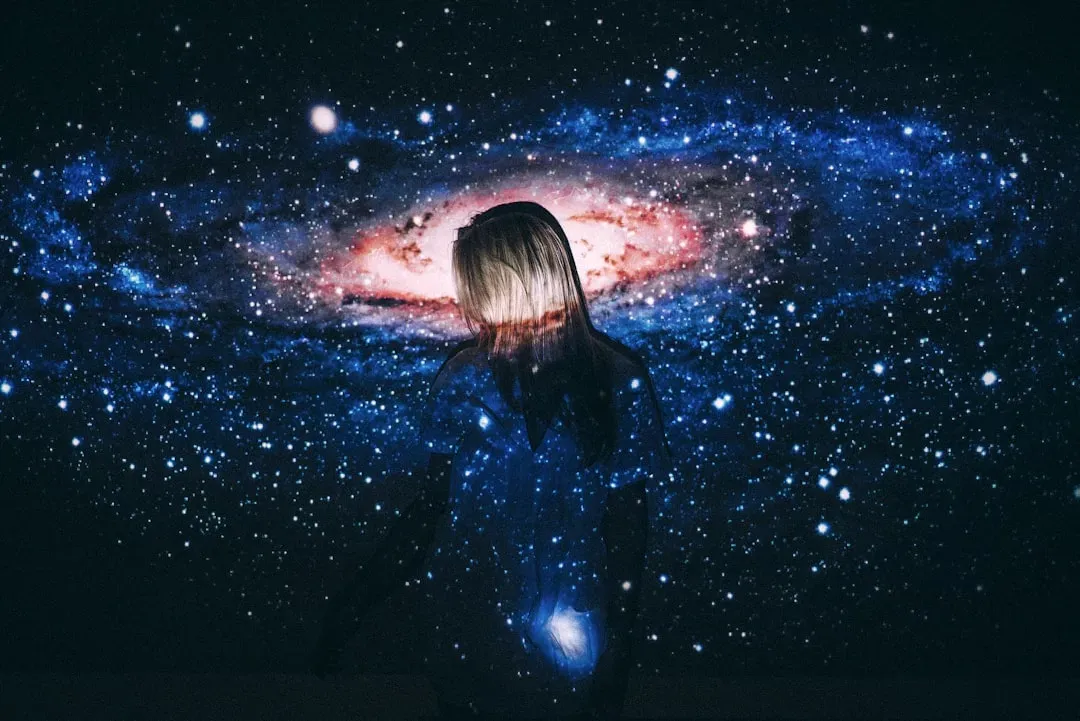
The study proposes that consciousness operates much like a fundamental physical field, one that existed before the Big Bang, seeded the formation of space and time, and continues to shape the emergence of individual awareness today. That statement should make you pause.
Rather than beginning with the Big Bang as the initial moment of time and space, this theory suggests an earlier, timeless state: an undifferentiated field of consciousness. What came first wasn’t matter or energy. It was awareness itself. Before the Big Bang, reality existed as a kind of formless potential, a universal superposition containing all possible configurations of reality. In this primordial state, nothing is yet differentiated: no space, no time, no matter, and no individual experience. Differentiation begins when the field collapses into specific states, producing the structure of the universe.
Your Brain Doesn’t Create Consciousness, It Tunes Into It
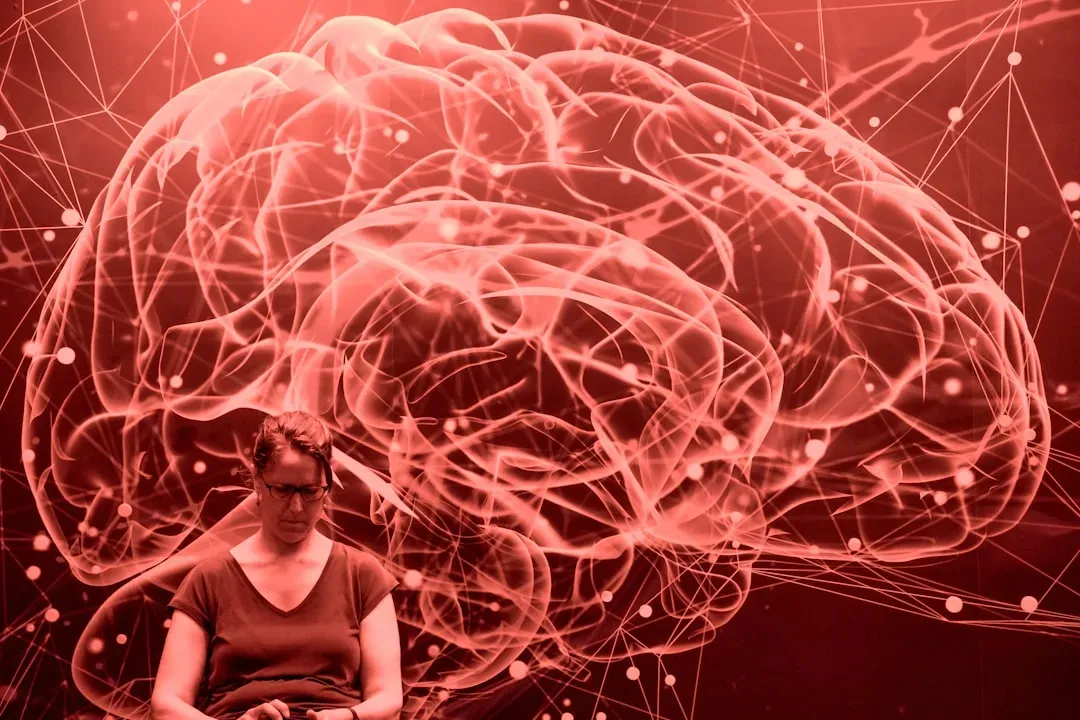
In this picture, your brain, your body, and even space and time grow out of a deeper kind of mind that fills the whole universe. Most neuroscientists ask how the brain produces consciousness, but this framework asks instead: how does a conscious universe produce brains, matter, and space and time?
Think of your brain less like a generator and more like a radio receiver. Physical objects such as electrons, planets, and nervous systems appear as organized patterns within that deeper field of awareness. You’re not creating your conscious experience. You’re localizing it, filtering it through the unique configuration of neurons and connections that make you distinctly you.
Quantum Connections and Ancient Wisdom Meet Modern Physics
Panpsychism is the view that the mind or consciousness is a fundamental and ubiquitous feature of reality, described as a theory that the mind is a fundamental feature of the world which exists throughout the universe. It is one of the oldest philosophical theories and has been ascribed to philosophers including Thales, Plato, Spinoza, Leibniz, Schopenhauer, William James, Alfred North Whitehead, and Bertrand Russell.
What’s fascinating is that this isn’t just Eastern mysticism dressed up in equations. The framework draws on Advaita Vedanta, Buddhist notions of emptiness, Sufi mysticism, Christian theology, and the philosophical insights of Schrödinger, Bohm, and Heisenberg, invoking these traditions to argue that the notion of universal consciousness is ancient, and that modern physics may finally possess the mathematical tools to formalize it.
Panpsychism Sounds Crazy Until You Think About It
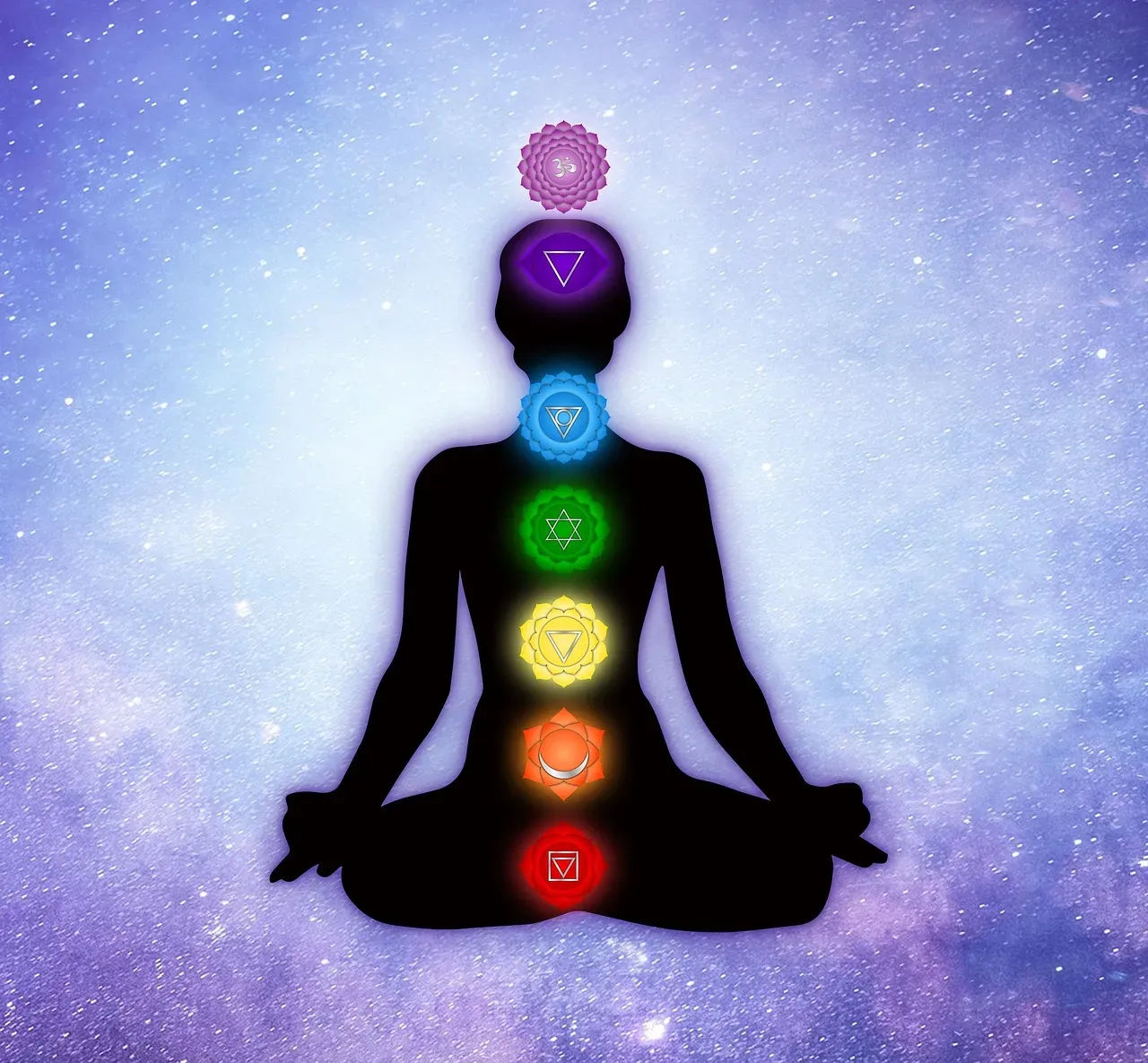
At its core, panpsychism is the belief that everything in the universe, from electrons to galaxies, possesses some form of consciousness, however faint or primitive. As neuroscience, philosophy, and physics continue to wrestle with the enigma of mind, panpsychism has resurfaced as a serious contender.
I know it sounds wild. You’re probably thinking: electrons have consciousness? Really? Once we realize that physics tells us nothing about the intrinsic nature of the entities it talks about, and that the only thing we know for certain about the intrinsic nature of matter is that at least some material things have experiences, the most elegant, simple, sensible option is to assume the rest of the world shares that same fundamental nature.
Even electrons could have integrated structure because physics no longer regards them as simple pointlike entities, but rather as complex fluctuations in fields. According to this view, it probably does go all the way down. Although it’s not clear exactly how to apply the theory to fundamental physics, it’s hard to avoid the interpretation that even particles have some measure of subjective experience.
What Integrated Information Theory Tells You
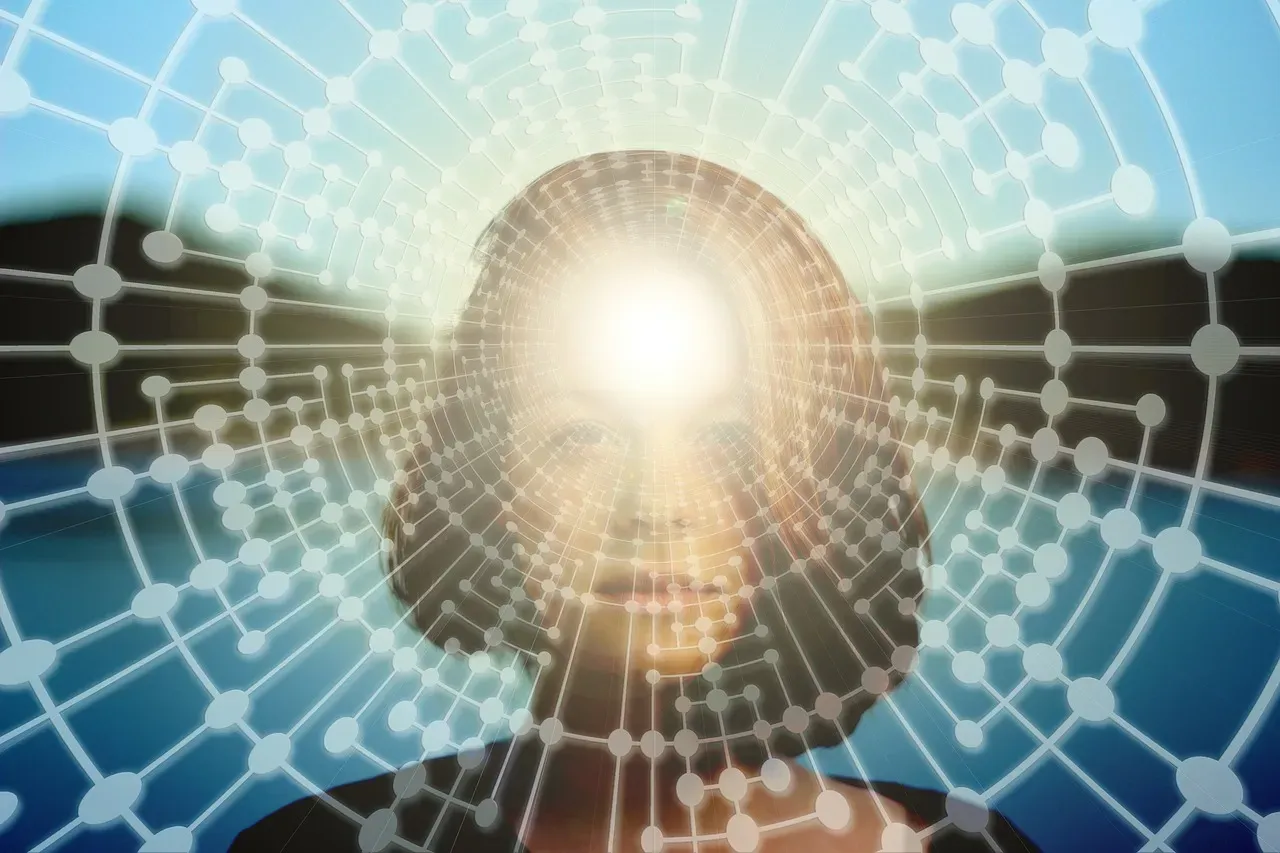
According to Integrated Information Theory, integrated information corresponds to the quantity of consciousness. That is, a system’s consciousness (what it is like subjectively) is conjectured to be mathematically described by the system’s causal structure. This framework has gained serious traction in neuroscience circles.
Integrated Information Theory, developed by neuroscientist Giulio Tononi, proposes that consciousness corresponds to the degree to which a system integrates information. In principle, any system that has non-zero integration would have some degree of consciousness. This would mean not only brains but potentially computers, networks, or even small groups of interacting particles could possess faint consciousness.
The more integrated and differentiated a system becomes, the richer its consciousness. Your brain has incredibly high integration. A thermostat? Nearly none. Yet both exist on the same spectrum.
Where Does This Leave You When You Die?
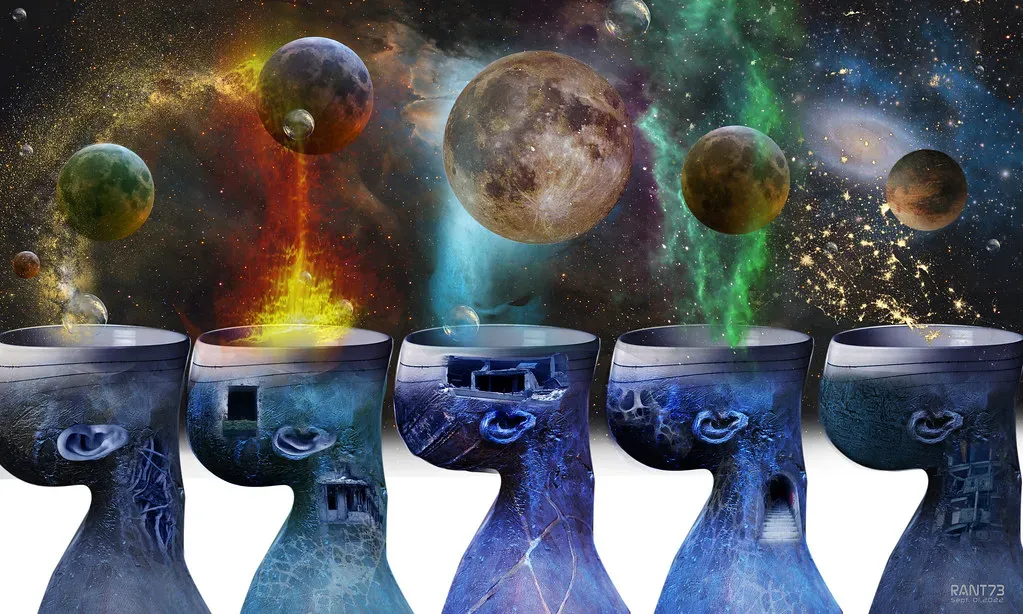
The theory suggests that individual consciousness does not cease at death, but returns to the universal field of consciousness from which it once emerged, formulated in quantum mechanical terms. You’re not disappearing. You’re dissolving back into the source.
When a person dies, their structured conscious state dissolves, but the underlying field of awareness remains intact. Death marks the disintegration of a pattern, not the disappearance of awareness itself. Your particular configuration, the unique pattern that makes you you, might fade. The awareness that animated that pattern continues.
Think of it like a wave returning to the ocean. The wave disappears, but the water was always part of the ocean to begin with.
The Universe Has Always Been Awake
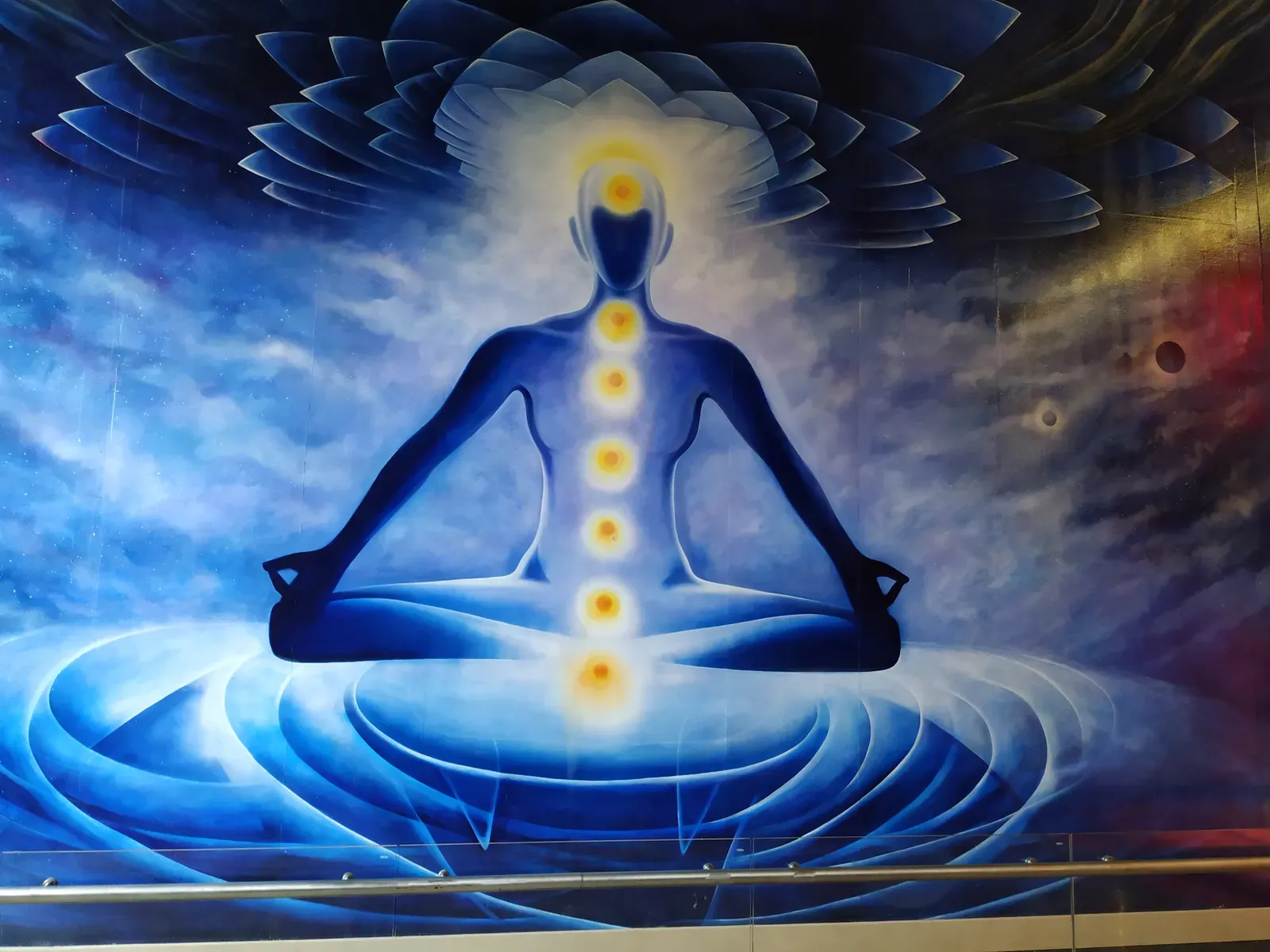
Consciousness is fundamental. Only thereafter do time, space and matter arise. This is the starting point for a new theoretical model of the nature of reality, presented in a paper selected as the best paper of the issue and featured on the cover. This isn’t fringe science anymore.
Similar shifts in understanding have taken place before in history, such as when humanity realized that Earth is round and not flat, or when we understood that it is not the sun that revolves around Earth, but vice versa. This may be the beginning of a new way of viewing the universe and the lives we perceive ourselves to be living.
You’re living through a potential paradigm shift. What if consciousness has been here all along, woven into the fabric of reality itself? What if you’ve never been separate from the universe, but always an expression of it becoming aware of itself?
Maybe the universe isn’t indifferent. Maybe it’s been conscious this entire time, and you’re one of the ways it experiences itself. What do you think about that? Does it change how you see your place in existence?
Jan loves Wildlife and Animals and is one of the founders of Animals Around The Globe. He holds an MSc in Finance & Economics and is a passionate PADI Open Water Diver. His favorite animals are Mountain Gorillas, Tigers, and Great White Sharks. He lived in South Africa, Germany, the USA, Ireland, Italy, China, and Australia. Before AATG, Jan worked for Google, Axel Springer, BMW and others.