
Walk past a dog staring out a window or watch a crow puzzle over a locked bin and it’s hard not to wonder: is anything really going on in there? Not just reflexes or instincts, but a felt experience, a point of view, a small “someone” behind those eyes. For a long time, science mostly dodged that question, treating animal minds as black boxes that produced behavior but supposedly said nothing about inner life.
That’s changing fast. Over the last few decades, research in neuroscience, cognition, and behavior has pushed us to take animal consciousness seriously, even if the picture is messy and incomplete. The result is both thrilling and unsettling: we’re discovering that the line between “us” and “them” is fuzzier than we ever imagined, and that many animals may be living in rich, sometimes painful, sometimes joyful inner worlds that we can barely begin to imagine.
What Do We Even Mean by “Consciousness” in Animals?
Before asking which animals are conscious, we need to get clear about what consciousness actually is, and that’s already a challenge. In science, people often break it into at least two pieces: basic sentience (the ability to feel, like pain, fear, pleasure) and higher-order awareness (like reflecting on your own thoughts or recognizing yourself). The debate is no longer about whether animals behave cleverly, but whether they have any kind of felt experience at all.
Most researchers today think of consciousness not as an all-or-nothing light switch but as more of a dimmer, with different levels and forms. A honeybee’s moment-to-moment experience, if it exists, is probably not remotely like a human’s, but that doesn’t mean there’s “nothing” there. When we talk about animal consciousness in 2026, we’re usually talking about a spectrum of inner lives, ranging from simple sensations to something that might, in a few species, border on what we’d call a personality with a viewpoint and preferences about the future.
From Denial to Curiosity: How Science Changed Its Mind
For much of the twentieth century, mainstream psychology avoided the topic of animal consciousness almost on principle. Behaviorists focused strictly on what was observable: stimuli and responses, rewards and punishments. Talking about subjective experience was dismissed as unscientific, partly because no one knew how to measure it in humans, never mind in a pig or a crow. The safer move was to act like it wasn’t there.
That attitude has softened dramatically. As neuroscience revealed how closely many animals’ brains resemble ours, and as behavioral experiments showed problem-solving, memory, and social complexity across species, ignoring their inner lives started to feel like willful blindness. In 2012, a group of leading neuroscientists publicly argued that many animals, including mammals and birds, likely have the neurological basis for conscious states. While not every scientist agrees on the details, the center of gravity has shifted from “probably not conscious” to “we need to seriously consider that they are.”
Inside the Animal Brain: What Neuroscience Reveals
If consciousness is tied to brain activity, then one place to look is the hardware: what kinds of brains do animals have, and how do they work? Many mammals share brain structures with us that are associated with emotion and awareness, such as the thalamus, brainstem systems that regulate wakefulness, and networks connecting sensory areas. When animals are anesthetized, their patterns of brain activity change in ways that look surprisingly similar to sedated humans, which hints that there might be a common biological “platform” for being awake and aware.
Birds complicate the story in an intriguing way. They don’t have a layered cerebral cortex like we do, but they still show highly organized brain regions that serve similar roles in integrating sensory information and supporting flexible behavior. In some corvids and parrots, these regions are densely packed with neurons, roughly comparable to primate brains in raw processing power. The big-picture lesson is that evolution seems to have found multiple anatomical routes to something like conscious processing, suggesting that similar “software” can run on different “hardware.”
Pain, Pleasure, and Feelings: Do Animals Really Suffer?
The most urgent question about animal consciousness isn’t whether a crow can plan or a dog can dream; it’s whether they can suffer and enjoy in a way that truly matters to them. Across many species, we see responses to injury and threat that go far beyond simple reflexes. Animals learn to avoid harmful situations, show signs that look like anxiety or distress, and change their social behavior after traumatic events. When given access to pain relief, many will seek it out, suggesting that something unpleasant is being reduced.
Still, scientists are cautious about drawing one-to-one parallels with human emotions, because we know how easy it is to project our feelings onto other creatures. The most responsible view today is that many vertebrates, especially mammals and birds, almost certainly have some form of felt pain and pleasure, even if we can’t map it perfectly onto our own experiences. With invertebrates like crabs and insects, the evidence is more mixed, but behavioral and neural data are nudging opinions there too. The ethical punchline is clear: if an animal can subjectively feel bad, not just react, then our choices about how we treat it carry real moral weight.
Self-Awareness and Mirrors: Who Knows They Exist?
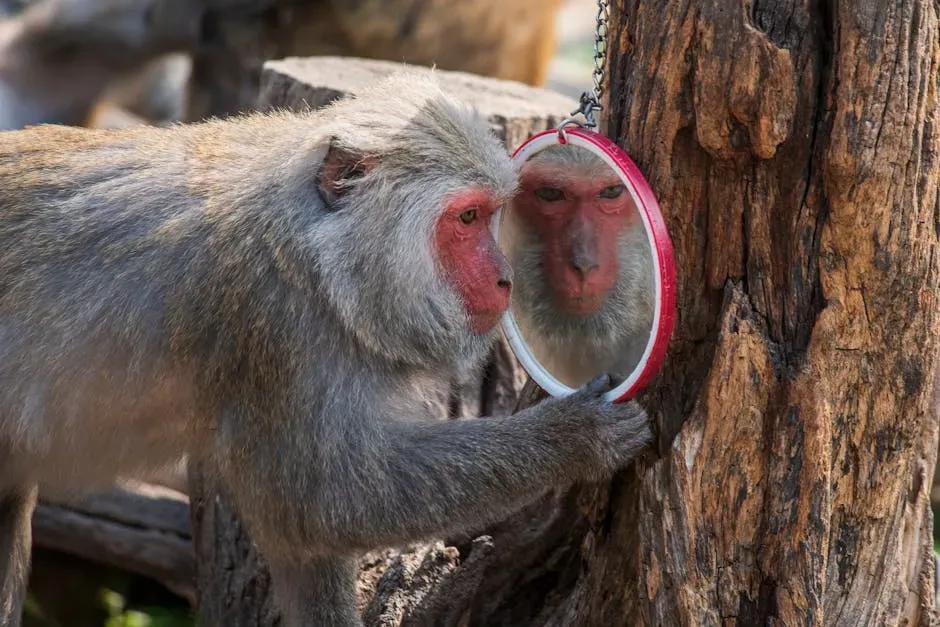
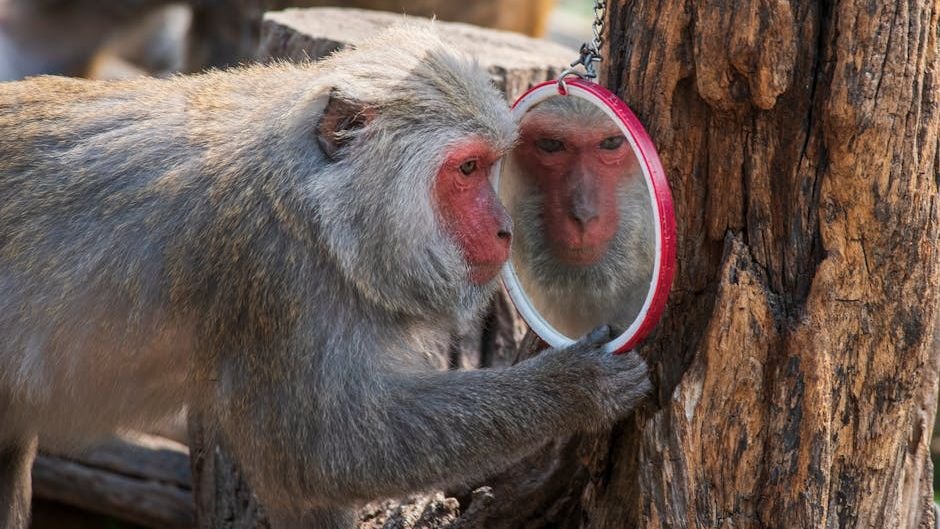
One of the most dramatic tests of animal consciousness is the mirror test, where a mark is placed on an animal in a place it can only see in a mirror. If the animal uses the reflection to investigate its own body, researchers take that as evidence of some level of self-recognition. Only a handful of species have consistently passed this test: great apes, dolphins, elephants, and some corvids like magpies. These results suggest that at least some animals have an internal sense of “me” that goes beyond a simple body map.
But the mirror test is not the last word on self-awareness. Many animals rely on smell, sound, or other senses far more than vision, so judging their inner life by how they react to a mirror can be a bit like judging a human’s intelligence by how well they interpret whale song. Dogs, for example, have shown intriguing signs of recognizing their own scent compared to that of others. The broader lesson is that self-awareness likely comes in different forms, and failing a human-designed test doesn’t automatically mean there’s no “self” there at all.
Problem-Solvers, Planners, and Tool Users: Thinking with Purpose
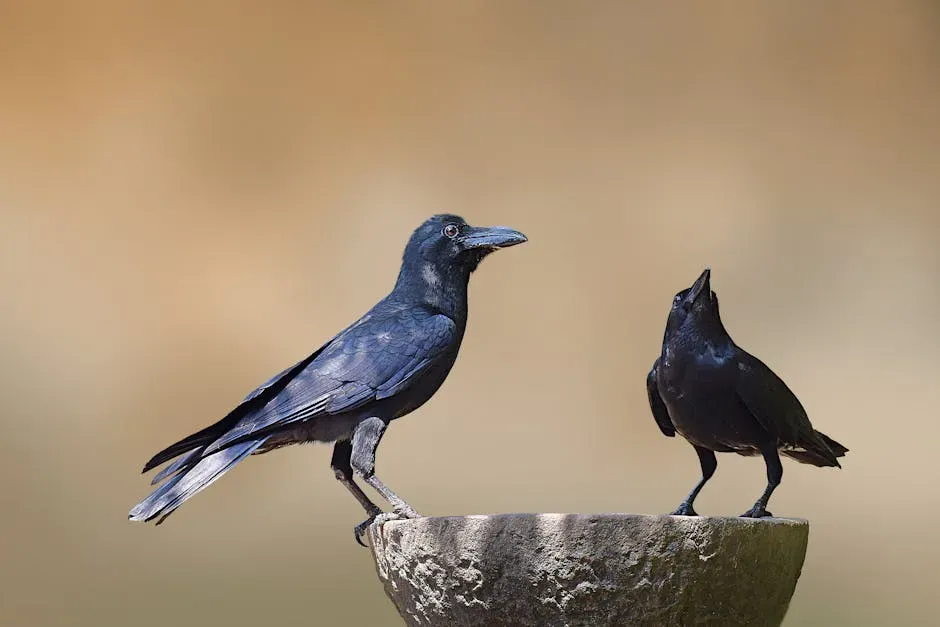
Consciousness is often linked to flexible, goal-directed behavior, and here many animals shine. Crows and ravens can bend wires into hooks to fish out food, store tools for later, and even seem to plan several steps ahead in puzzles designed by researchers. Some primates fashion and modify tools, use them differently depending on context, and even teach their young how to use them, suggesting a blend of learning, insight, and maybe a bit of culture.
Future-oriented thinking is another intriguing hint. Scrub jays, for instance, cache food in different locations depending on how perishable it is, and remember where they’ve stored it later. That sort of planning feels very different from a simple automatic habit; it suggests the animal holds some representation of a future state it cares about. While none of this proves consciousness all by itself, taken together it paints a picture of minds that are not locked into the here-and-now, but can move through time in ways that look strikingly like human mental life in miniature.
Social Minds: Empathy, Grief, and Complex Relationships
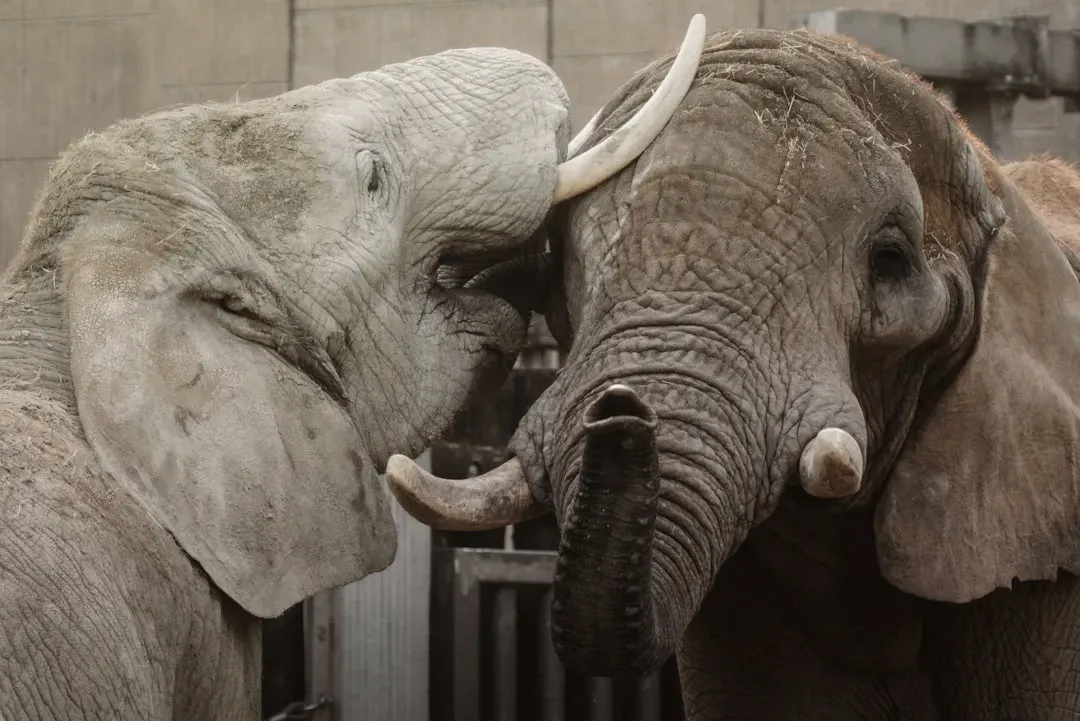
Some of the strongest clues about inner life come from social behavior. Many animals live in groups where understanding others’ intentions and emotions can make the difference between life and death. Primates, elephants, dolphins, and some birds form long-term bonds, reconcile after conflicts, and adjust their behavior based on what others seem to know or want. That suggests at least a rudimentary ability to model other minds, sometimes called a “theory of mind.”
There are also striking observations of what look like empathy and grief: animals comforting distressed companions, or apparently mourning a dead group member. It’s tempting to map those behaviors directly onto human emotions, and we should be careful not to romanticize. Still, the consistency and intensity of these reactions make it hard to dismiss them as empty reflexes. At minimum, they point to social emotions that matter deeply within those animals’ worlds, and they hint that consciousness in social species might be shaped as much by relationships as by individual survival.
Insects, Octopuses, and the Surprise of Alien Minds
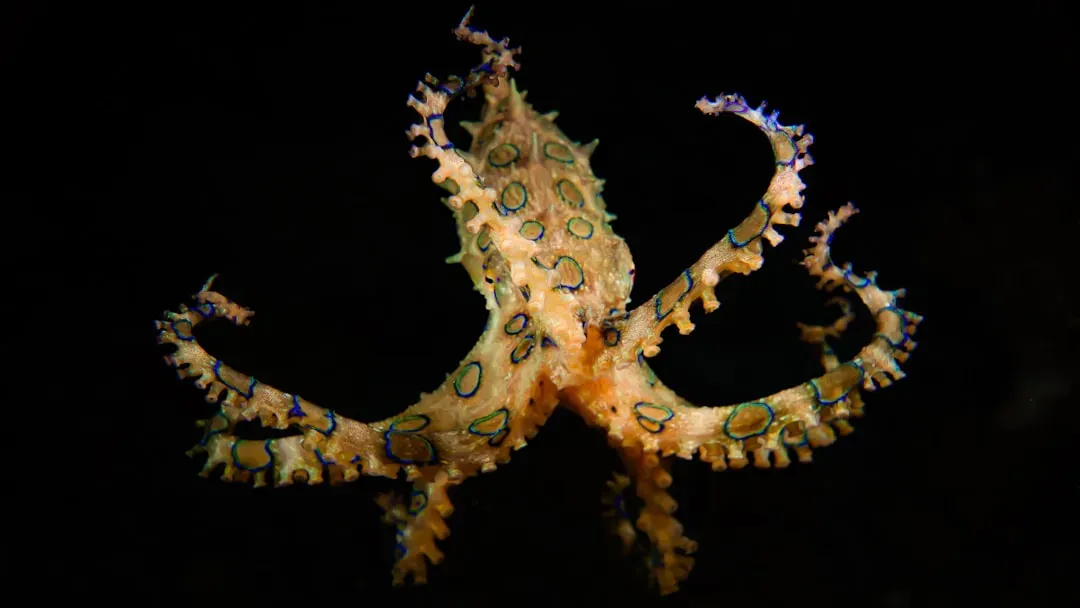
If conscious experience can emerge in brains very different from ours, then some of the most fascinating candidates are invertebrates. Octopuses, for example, have large, distributed nervous systems, with a big central brain and complex “mini-brains” in their arms. They solve puzzles, escape enclosures in ways that look like deliberate exploration, and seem to show individual quirks of behavior that look a lot like personalities. Watching an octopus investigate its environment can feel uncanny, as if you’re meeting an intelligence that evolved along a completely separate path.
Insects are even more controversial, but the debate is heating up. Bees can learn abstract concepts like “same versus different” and navigate using mental maps of their surroundings. Some research suggests they might experience primitive versions of positive and negative states, though this is far from settled. The cautious takeaway is that consciousness might not require a huge brain; it may require the right kind of integrated processing. If that’s true, our moral circle could eventually expand in directions that would have sounded like science fiction just a generation ago.
Ethical Shockwaves: How This Changes Our Choices
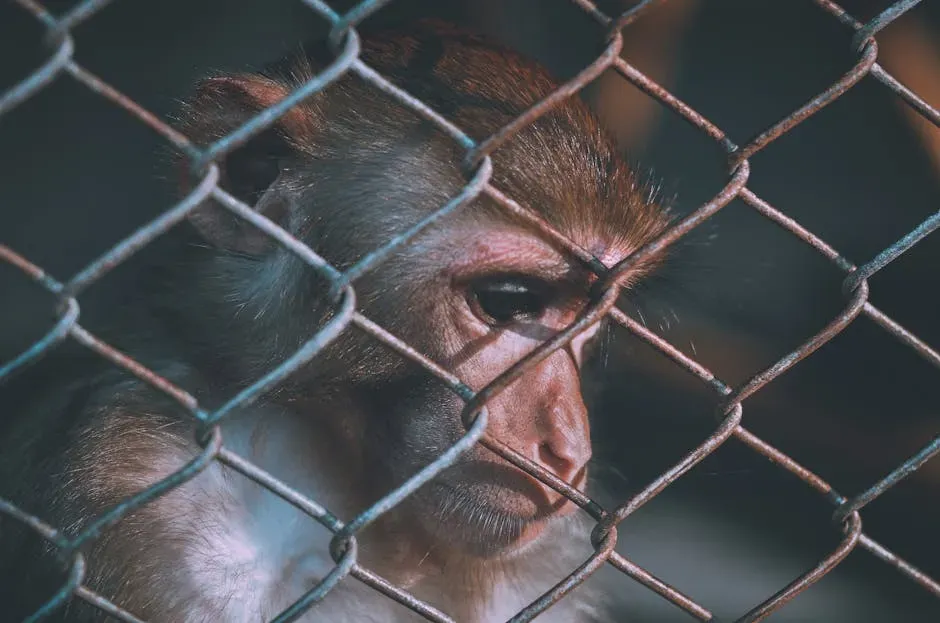
Once you admit that at least some animals have inner lives that matter to them, a lot of everyday practices start to feel less neutral. Factory farming, long-distance live transport, painful experiments, and cramped captivity are no longer just management or logistics problems; they become questions about intentionally creating lives filled with avoidable suffering. Even people who aren’t ready to stop eating animals entirely are increasingly asking whether there are lines we simply shouldn’t cross.
At the same time, the growing recognition of animal consciousness is driving positive change: better enrichment for zoo animals, serious efforts to replace or refine animal testing, and new standards around housing and slaughter. None of this is simple; we’re balancing culture, economics, and human needs against what we’re learning about nonhuman minds. But it’s hard to unsee the idea that we share this planet with other feeling, experiencing beings, and that our power over them carries a responsibility we’re only beginning to grapple with.
Why Animal Consciousness Still Feels So Mysterious
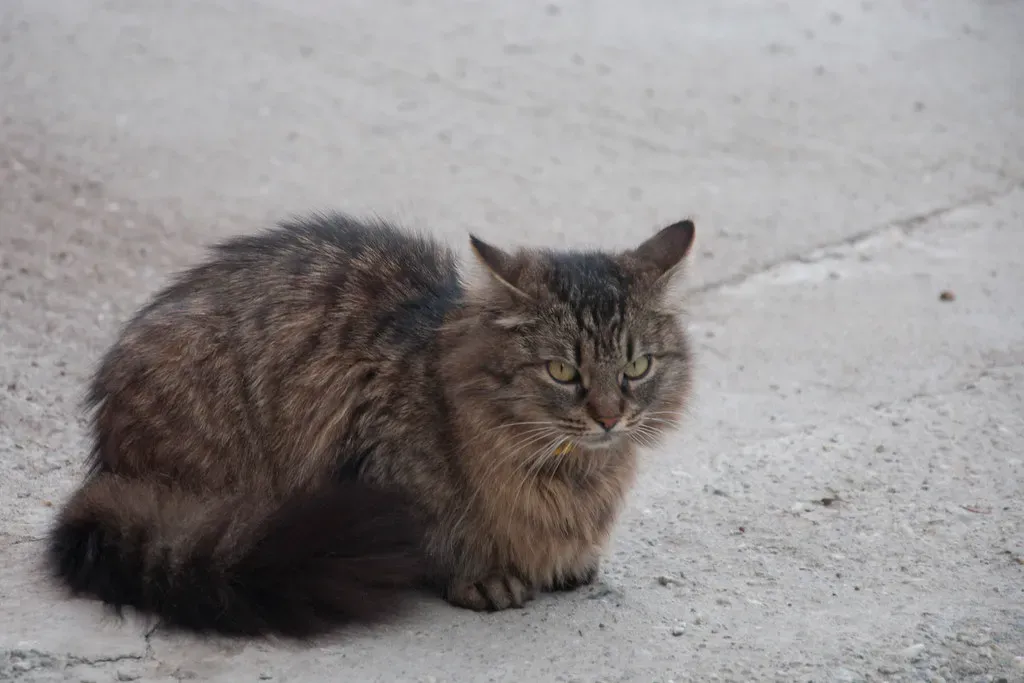
Even with all this research, animal consciousness remains deeply mysterious, and not just because we can’t ask a dog to fill out a survey. We don’t fully understand human consciousness either, which makes it tricky to detect or measure in other species. Most current theories focus on things like how integrated neural information is, or how widespread certain patterns of brain activity become when an organism is awake and aware. These frameworks are useful, but none of them have solved the puzzle of how physical processes give rise to a felt point of view.
The result is that we’re working with a mix of converging clues rather than a single decisive test: anatomy, behavior, learning, flexibility, social complexity, and neural dynamics. When all of these line up in a species, it becomes harder and harder to deny that some kind of inner experience is there, even if we can’t fully describe it. I often think of it like listening through a wall: we can’t see what’s happening in the next room, but we can hear enough movement and voices to know it’s not empty. How many rooms in the animal kingdom are quietly occupied in ways we’ve overlooked?
Conclusion: Sharing a World of Many Inner Lives
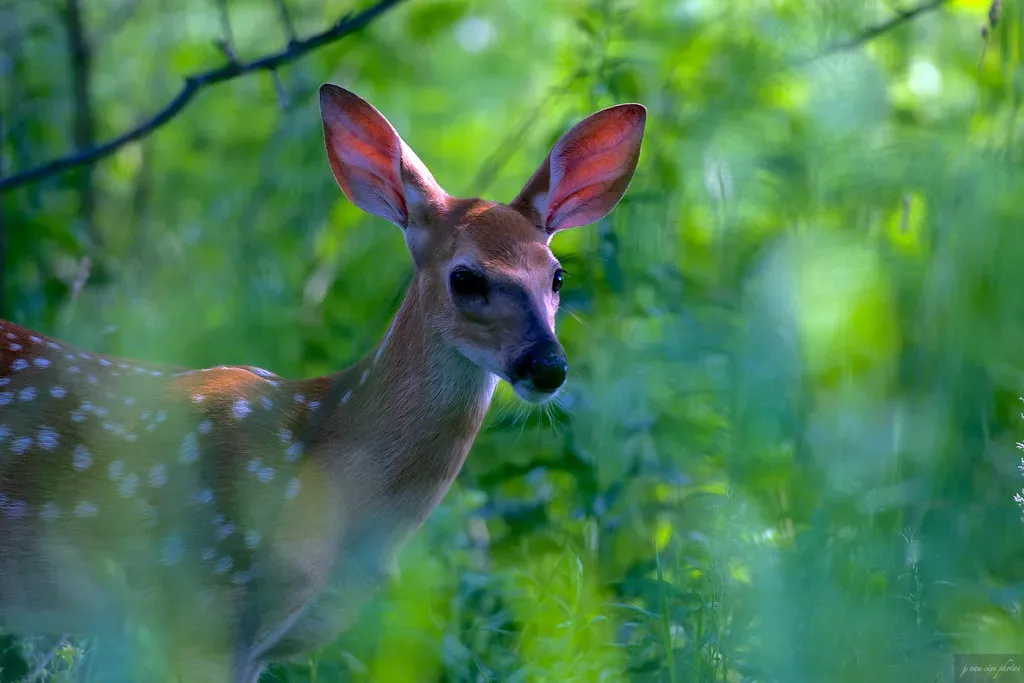
Animal consciousness is no longer a fringe topic; it sits at the intersection of neuroscience, philosophy, ethics, and everyday life. The emerging picture is both humbling and oddly comforting: humans may be unique in some ways, but we’re not alone in having experiences that matter from the inside. From elephants grieving to crows planning and octopuses exploring, the evidence points toward a planet threaded with many different streams of awareness, some shallow and simple, others surprisingly deep.
We may never know exactly what it feels like to be a bat, a salmon, or a bee, but we don’t need perfect knowledge to act with a bit more care. Every new insight into animal minds nudges us to reconsider old habits and expand our sense of kinship, not just with creatures that look like us, but with those whose inner worlds are very different. Maybe the real question isn’t whether animals are conscious, but whether we’re willing to let that knowledge change how we live alongside them. Knowing what you know now, does the world outside your window look a little more crowded with minds than it did before?