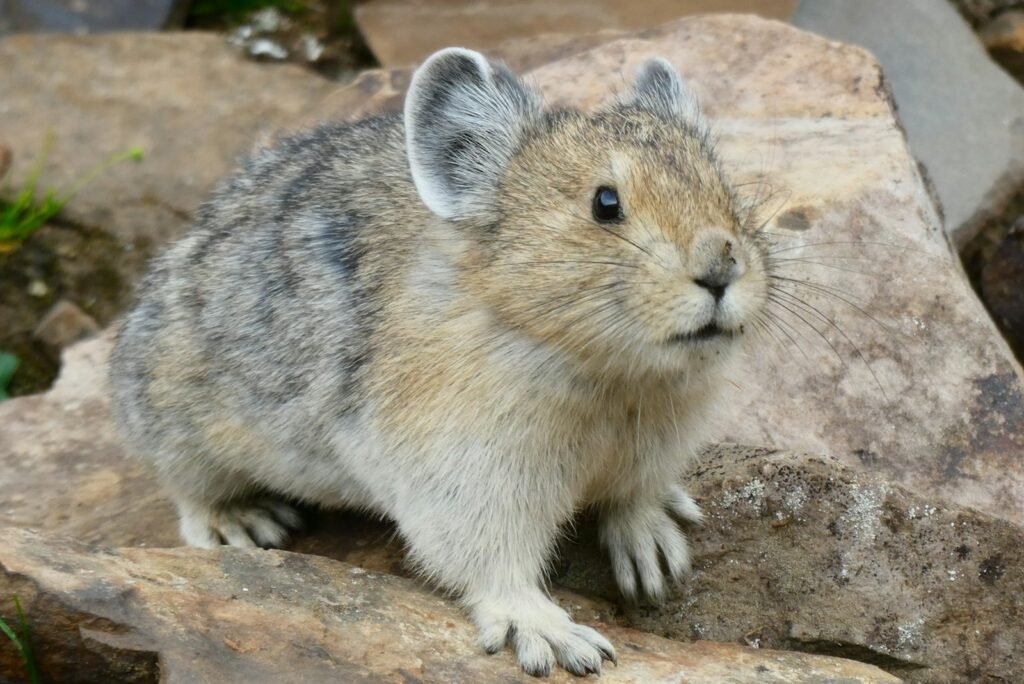

High on Colorado’s wind-battered ridgelines, a quiet drama is unfolding as snow that once lingered like a protective quilt now vanishes weeks earlier. American pikas, those fist-sized alpine specialists with sharp warning calls, are navigating winters with thinner insulation and summers that bite with dry heat. The mystery is simple to state but hard to solve: can a creature adapted to cold and consistency keep pace with a climate of whiplash? Scientists are pairing field grit with new tools to find answers, while land managers weigh how to help without upsetting delicate mountain systems. The result is a story of ingenuity at tiny scales – and a test of whether small mammals can outsmart a bigger, faster change.
The Hidden Clues
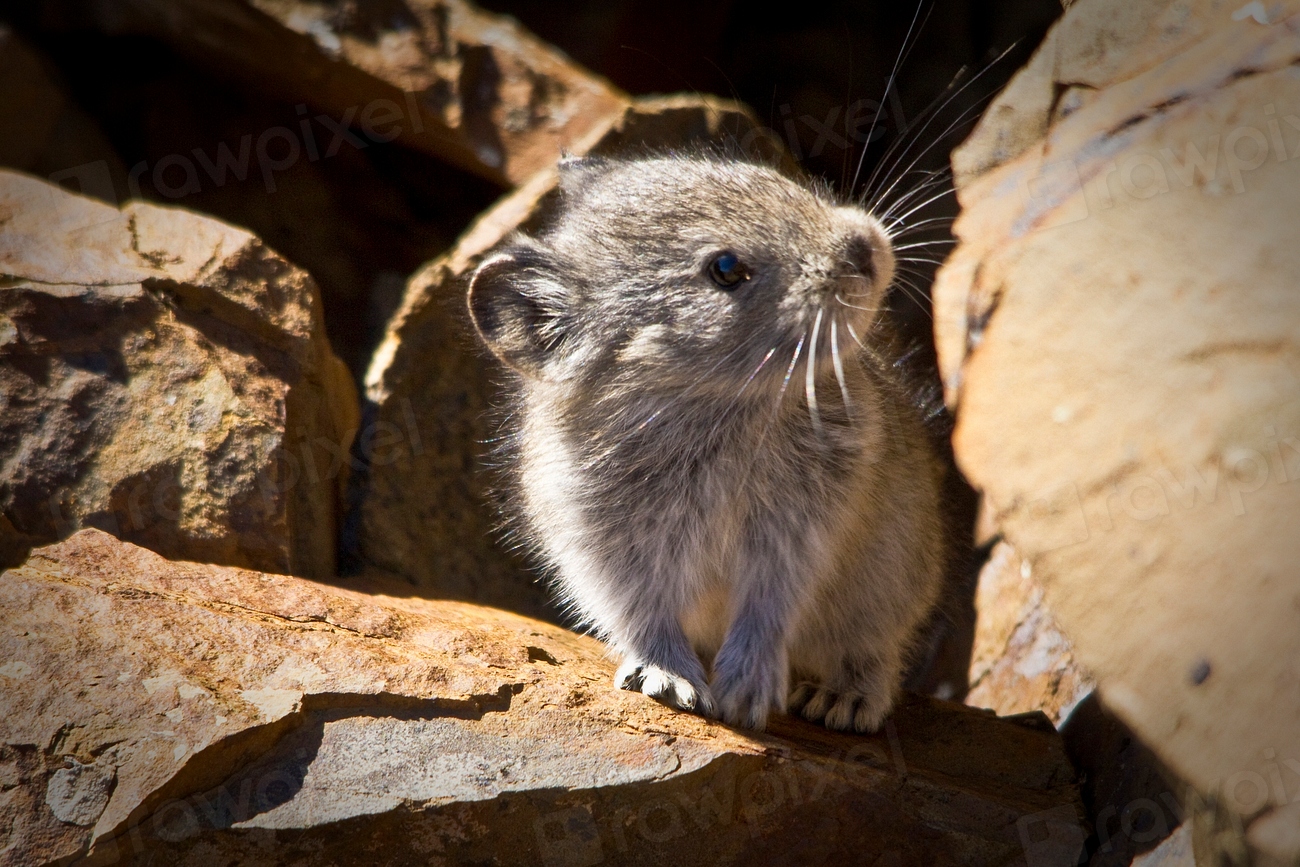
Here’s a jolt: less snow can mean colder winters underground for animals that rely on the snow itself as a blanket. Pikas don’t hibernate; they overwinter in rock heaps, and the snow that once kept their world close to freezing is thinning, slipping, and sometimes never settling at all. When that happens, the under-rock microclimate swings more wildly, and a “safe” winter can turn into a season of energy-sapping cold.
I remember crouching beside a talus field near Loveland Pass, watching vapor swirl from crevices while the surface air stung my eyes. Down below, a few inches can separate a survivable nook from a deadly draft. Those small differences – moisture, airflow, the angle of shade – are the clues pikas now read like a second language.
From Ancient Tools to Modern Science
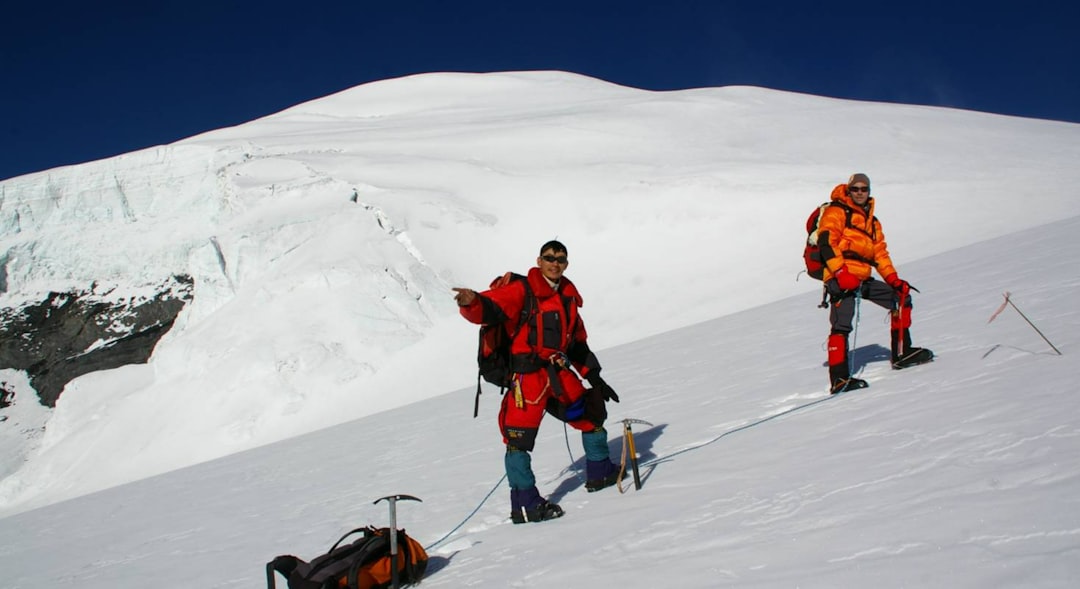
For decades, mountain hydrologists tracked snow with simple stakes and snow pillows, and that legacy still anchors today’s climate records. Now, researchers layer on networks of button-sized temperature loggers tucked under rocks, capturing minute-by-minute thermal swings that a pika would feel. Acoustic sensors pick up territorial calls to confirm occupancy in places too steep or fragile for constant visits.
The toolkit keeps expanding: thermal drones map cool fissures, and environmental DNA from pellets or haypiles helps detect animals without a glimpse. Even stress is measurable, via hormones in scat, offering a window into how a dry winter or a blistering August afternoon hits a living body. The picture that emerges is both scientific and intimate – less snow, more stress, but also pockets of resilience that defy the averages.
What Reduced Snowpack Really Does
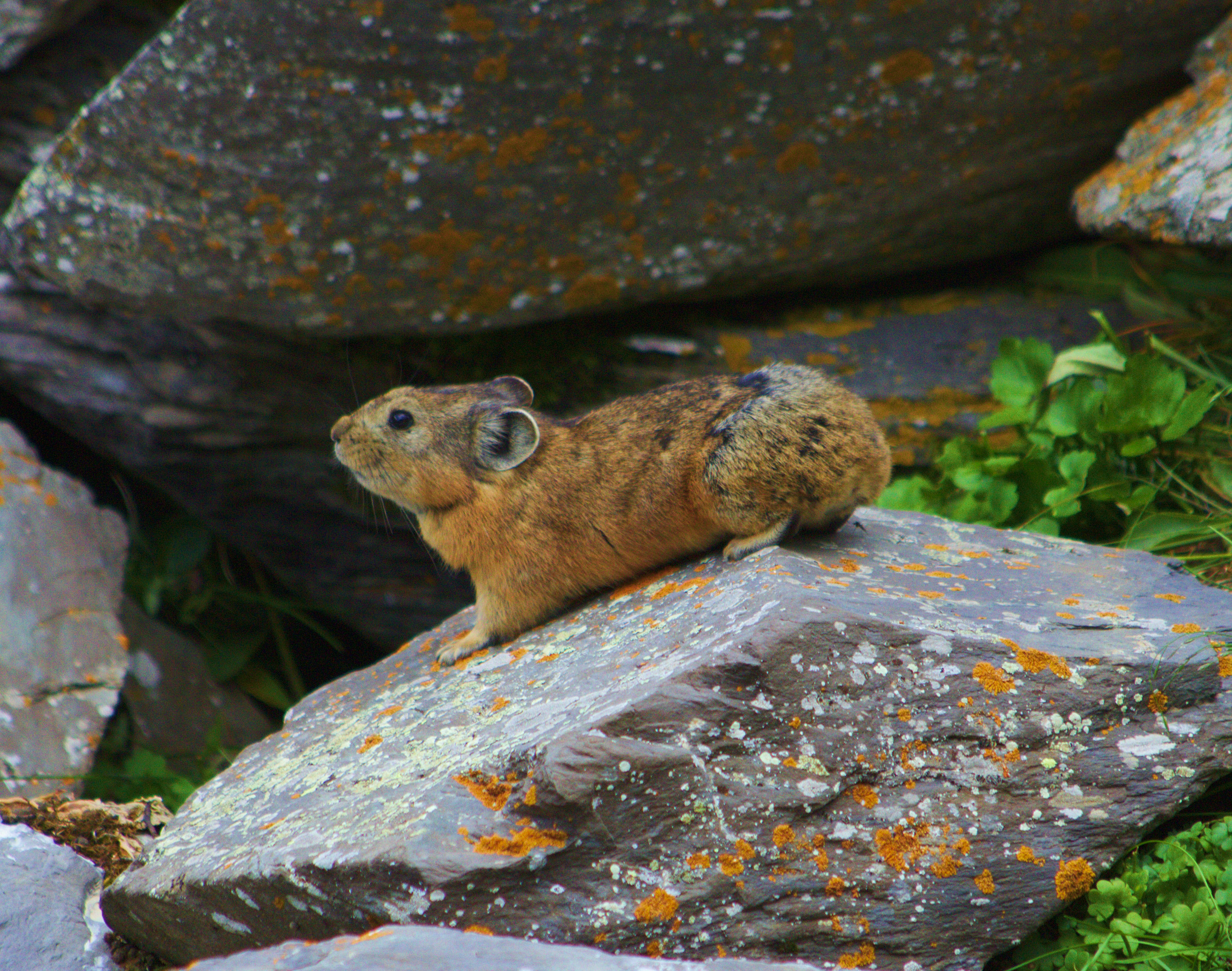
Think of snowpack as both a savings account and a soundproofing panel: it stores water for spring, and it muffles temperature shocks all winter. When the account runs low, meltwater arrives too soon and runs off too fast, and the insulating panel thins, letting cold and noise leak in. That means haypiles – the carefully curated winter pantries – can freeze and thaw repeatedly, losing nutrition and growing mold.
Early melt also pulls the rug out from spring, exposing animals to late cold snaps without their usual buffer. By summer, the script flips, and pikas hide from heat and dryness that crack leaf moisture and raise the cost of every breath. The same snow that once steadied seasons is now a disappearing metronome.
The Adaptation Playbook
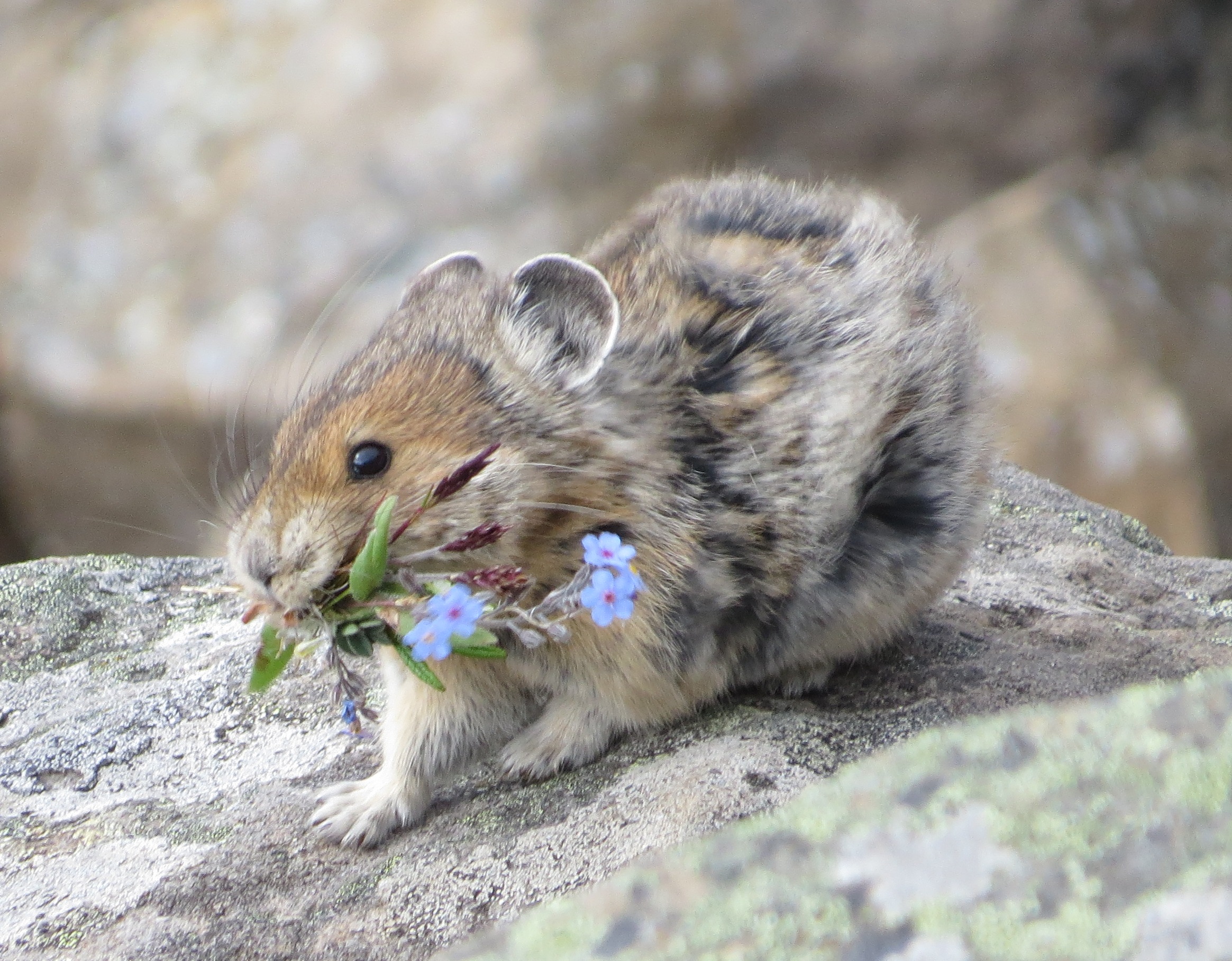
Pikas play the clock with precision, shifting foraging to the cool edges of day and cutting midday excursions to a quick dash and dive. They rebuild haypiles deeper inside talus and favor plants with higher water content, trading quantity for hydration. On the landscape scale, they tilt toward north-facing slopes and shady boulder fields that hold tiny reservoirs of cool, damp air.
Some colonies move uphill by a few dozen yards, not miles, chasing a fresher draft rather than a new zip code. Others thread their territories along snow-drift lines or the drip zones of late-lying cornices that persist even in lean years. It’s adaptation by inches – a survival strategy measured in the thickness of a shadow.
Why It Matters
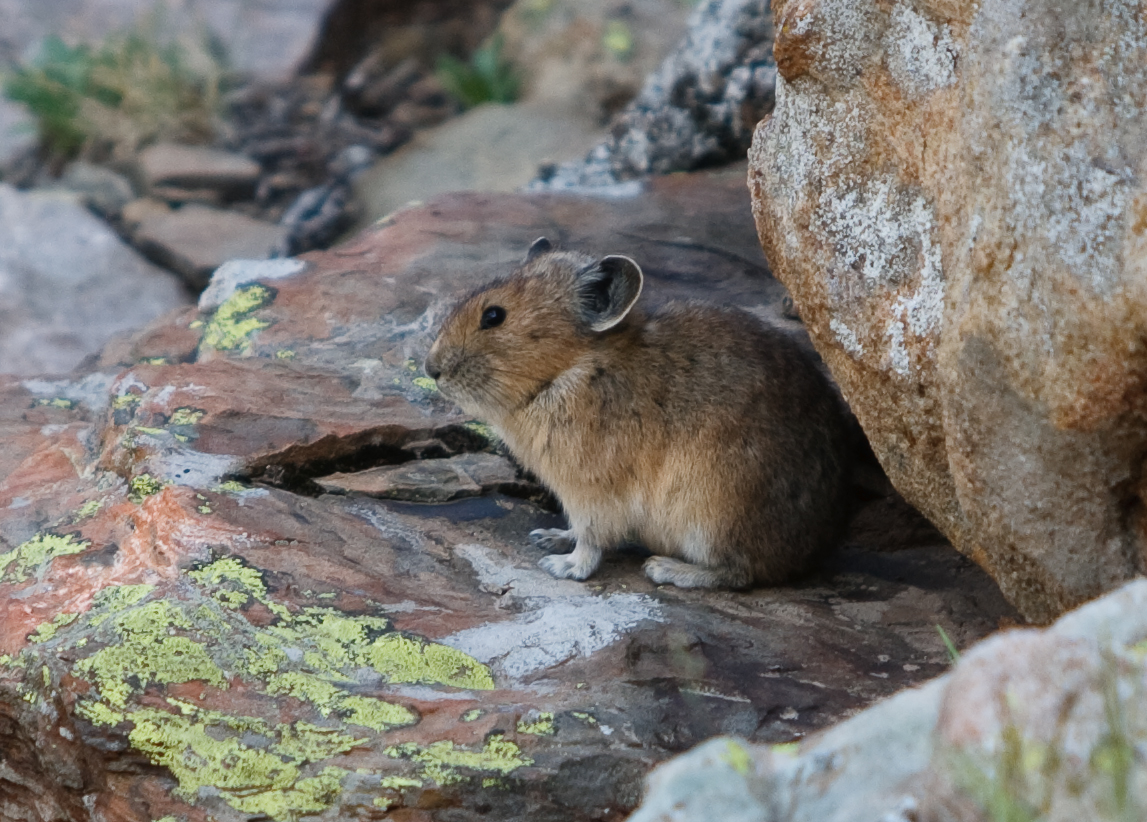
Pikas aren’t just charismatic; they are sensitive instruments for the high country, reacting to heat and moisture changes that foreshadow broader ecological shifts. Their presence, absence, or sudden silence can hint at how alpine plants, insects, and predators will fare as winters shrink. In that way, they translate the abstraction of climate models into a living readout you can hear and see.
Traditional monitoring focused on where species lived, but today the question is also how they persist in place, using microclimate loopholes when regional trends look grim. That matters far beyond the talus, because reduced snowpack also reshapes the timing of water for farms, towns, and forests downstream. When pikas wobble, they may be signaling a shift that will wash into every valley.
Global Perspectives
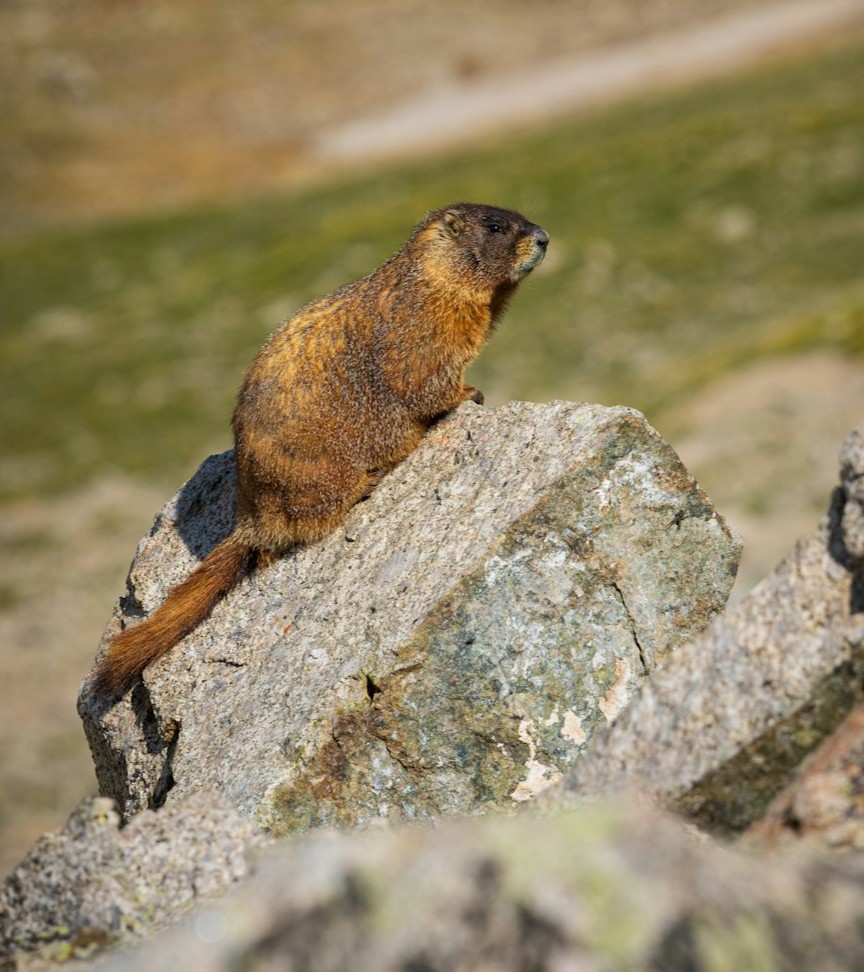
Colorado’s story resonates with small alpine mammals across the world’s rooflines, from collared pikas in Alaska to voles that work the margins of European scree. Where snow shrinks, winter turns harsher underfoot, even as summer grows hotter in the sunlit hours. Some marmots, bigger and more flexible, may briefly benefit from longer growing seasons, but many still pay a winter bill when snow goes missing.
Microrefugia – those cooler, wetter pockets – are the recurring heroes in these narratives, buying time without changing the headline trend. Regions with complex geology and deep talus often host holdouts even as nearby slopes empty. The pattern is clear: complexity is capital, and species that can cash it in survive longer.
The Future Landscape
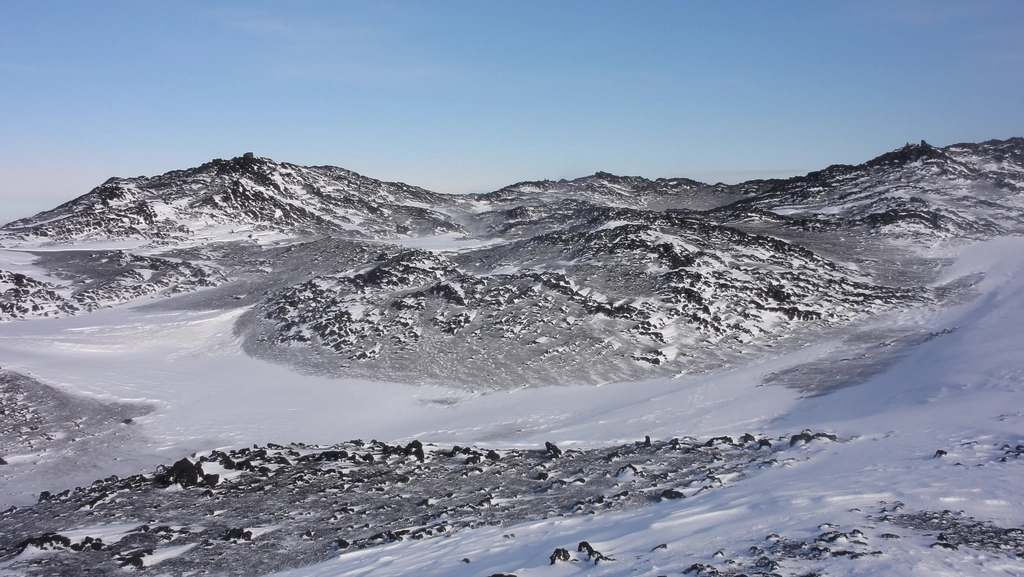
What comes next is a race between warming and precision. High-resolution climate maps now resolve temperatures at the scale of a boulder, guiding conservation that protects the shadiest, wettest stones rather than broad, blunt zones. Land managers can steer heavy recreation away from the most climate-critical talus and safeguard the connective corridors that let animals shuffle between cool pockets.
Assisted migration remains controversial for rock-bound specialists, but assisted resilience – keeping microclimates intact and undisturbed – has traction. On the tech side, machine learning blends snow records, plant chemistry, and call detections to predict which colonies are most likely to blink out in the next few years. The best outcome threads practical habitat fixes with the long arc of emissions cuts.
The Hidden Costs of Heat and Dryness
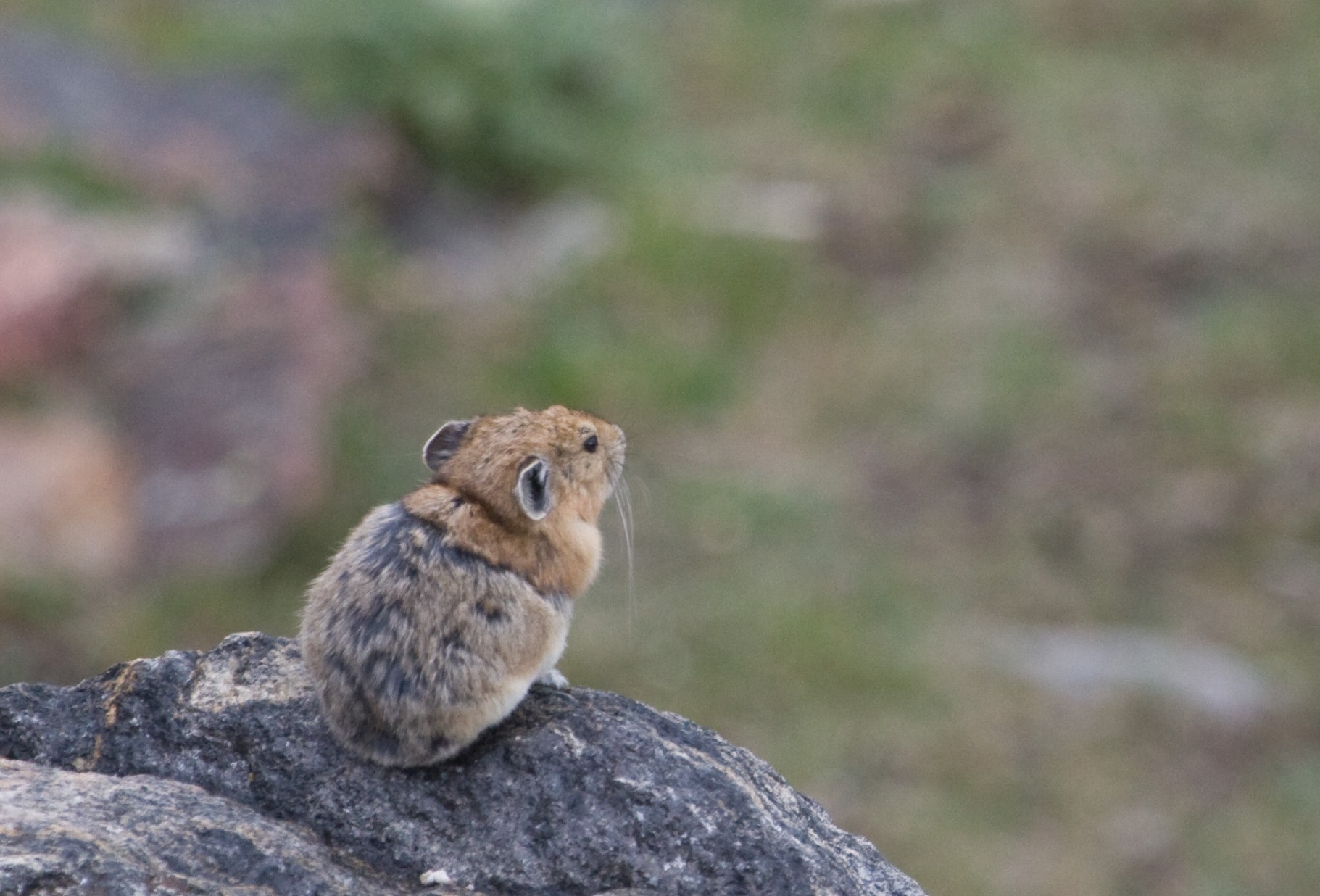
Heat doesn’t just push pikas into the shade; it dries the very forage they rely on, cutting water intake at the exact moment their tiny lungs must work harder. Low humidity and warm air boost the cost of living, from thermoregulation to the repeated sprints needed to gather plants before they wilt. In early snowmelt years, juveniles face a tighter calendar to grow and store enough food before the next cold wave hits.
Researchers see it in the data: more time spent below ground on hot days and shorter surface bouts even when food is abundant. Over months, those small behavioral taxes add up to fewer surviving young and patchier occupancy. It’s not dramatic in any single moment, but it is relentless over seasons.
Field Notes from a Changing Ridge
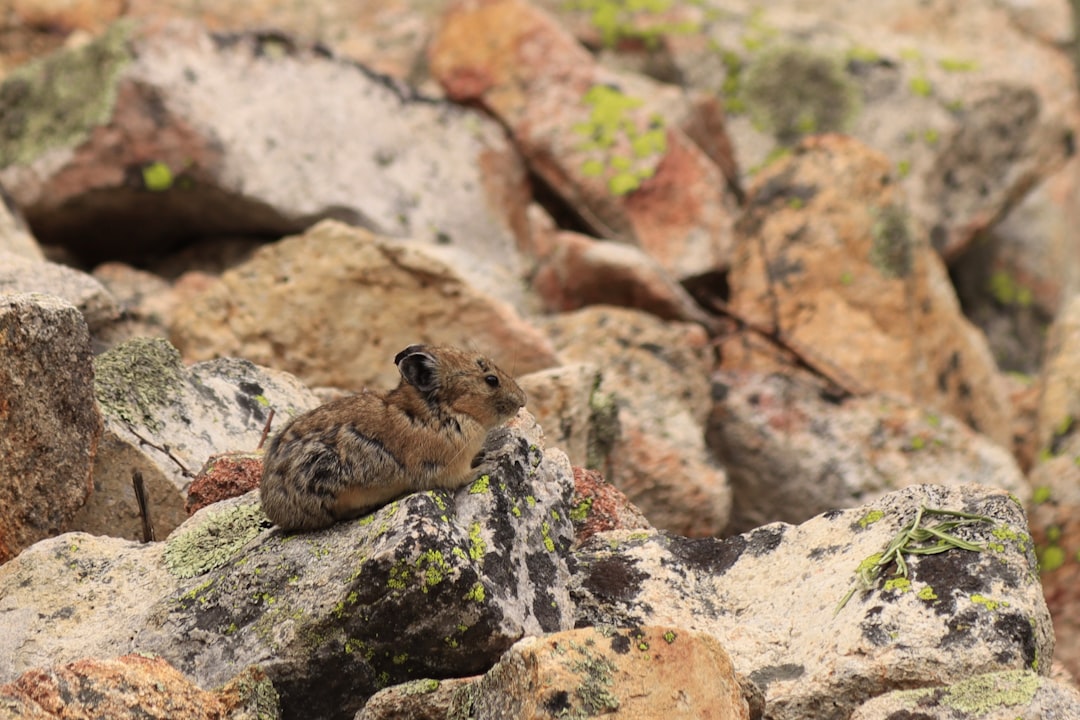
Walk any Front Range talus at dawn and you’ll feel the new tempo – longer pauses between calls, then a burst of activity while the light is still blue. On one September morning above Guanella Pass, I watched a pika risk a longer dash for a damp plant patch tucked beside a shrinking snowbed. That judgment call – moisture versus exposure – looked almost human in its tradeoffs.
Moments later, the sun cleared the ridge and the rocks exhaled warm air, pushing everything quiet. It struck me how survival hinged on minutes, not months, and how conservation might need to shrink to that same scale. Save the minute, and you might save the colony.
How You Can Help
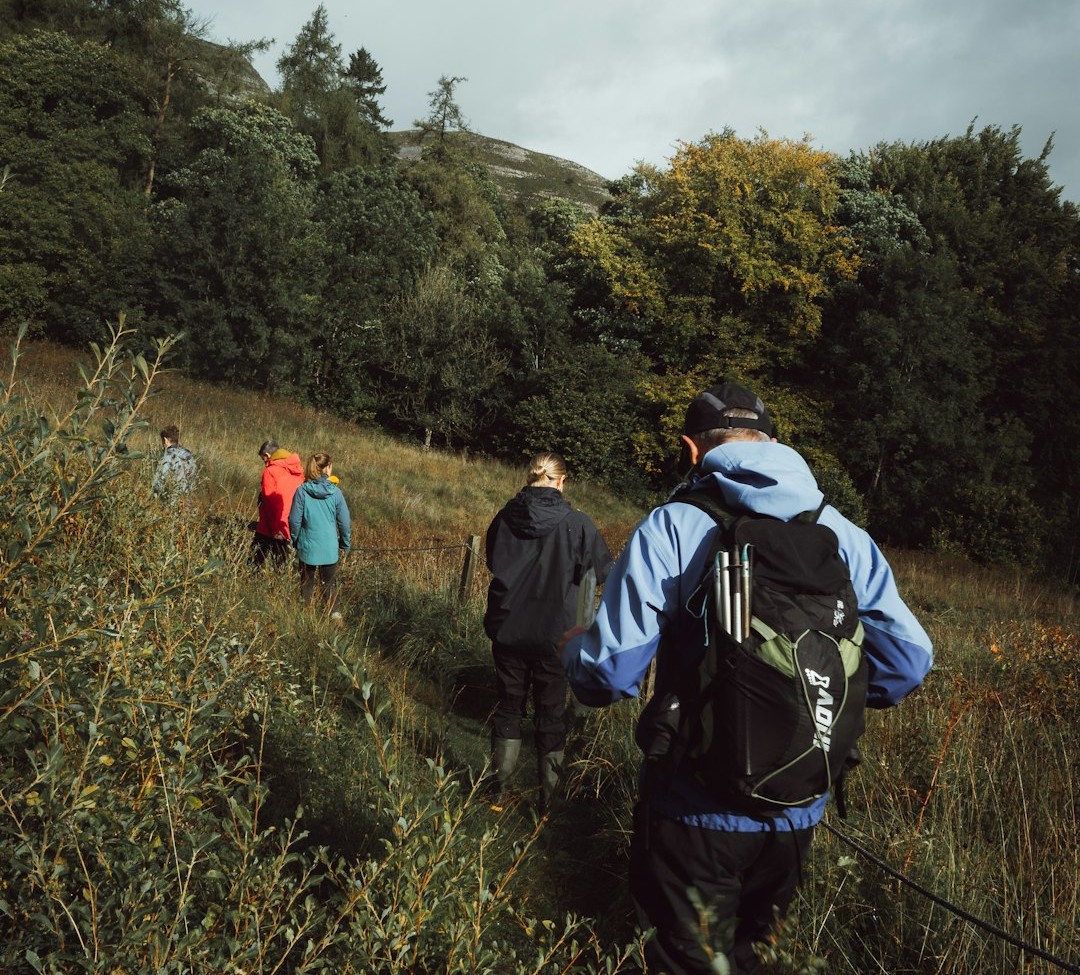
Start simple: if you hike above tree line, stay off unstable talus, leash dogs near boulder fields, and give quiet time at dawn when animals are most active. Share observations with community science projects that track alpine wildlife, especially notes on calls, fresh haypiles, or late-lying snow patches. Small, consistent data points from many boots on many trails can reveal patterns that a single researcher would miss.
Support local land trusts and park partners that protect north-facing slopes, limit high-impact use in heat waves, and maintain long-term snow and temperature monitoring. Most of all, back policies that slow warming, because even perfect microclimate stewardship won’t matter if the larger trend overwhelms the . The future of these tiny mountaineers depends on big choices – and the fine print of shade, stone, and snow.
Suhail Ahmed is a passionate digital professional and nature enthusiast with over 8 years of experience in content strategy, SEO, web development, and digital operations. Alongside his freelance journey, Suhail actively contributes to nature and wildlife platforms like Discover Wildlife, where he channels his curiosity for the planet into engaging, educational storytelling.
With a strong background in managing digital ecosystems — from ecommerce stores and WordPress websites to social media and automation — Suhail merges technical precision with creative insight. His content reflects a rare balance: SEO-friendly yet deeply human, data-informed yet emotionally resonant.
Driven by a love for discovery and storytelling, Suhail believes in using digital platforms to amplify causes that matter — especially those protecting Earth’s biodiversity and inspiring sustainable living. Whether he’s managing online projects or crafting wildlife content, his goal remains the same: to inform, inspire, and leave a positive digital footprint.