
High on the creaking ice of Antarctica and Greenland, researchers are quietly drilling into what might be the most powerful time machines on Earth. Each meter of ice they pull up is a frozen chapter of the planet’s climate history, written in microscopic bubbles and dust. At a time when climate headlines tilt toward catastrophe, these cores offer something different: a way to see what is coming, not just what we are losing. Instead of guessing blindly about our future, scientists are now cross-checking computer models against ice records that stretch back hundreds of thousands of years. The story that emerges is not simple doom, but a sharply detailed warning system – one that is getting harder to ignore.
The Hidden Clues Beneath Our Feet
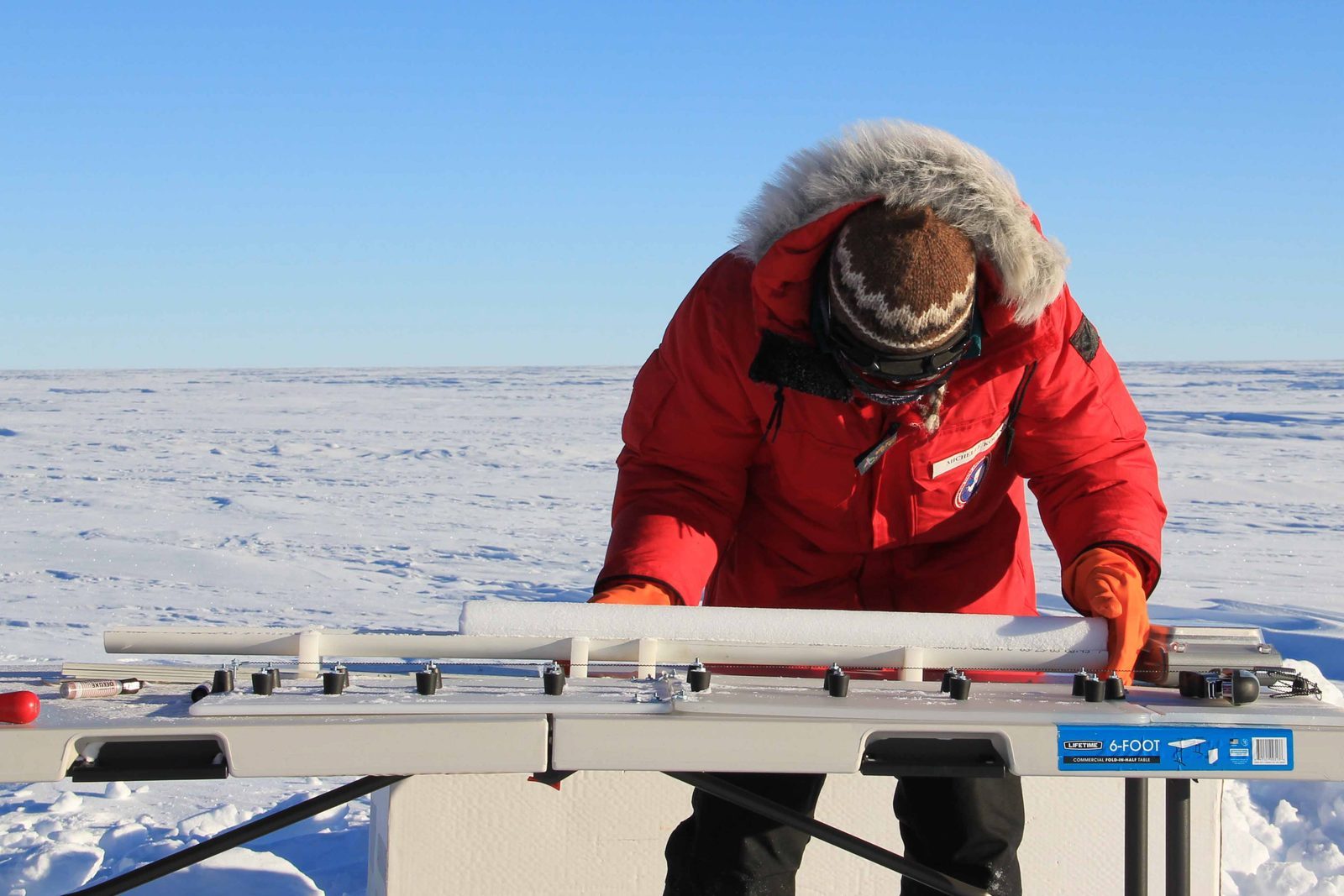
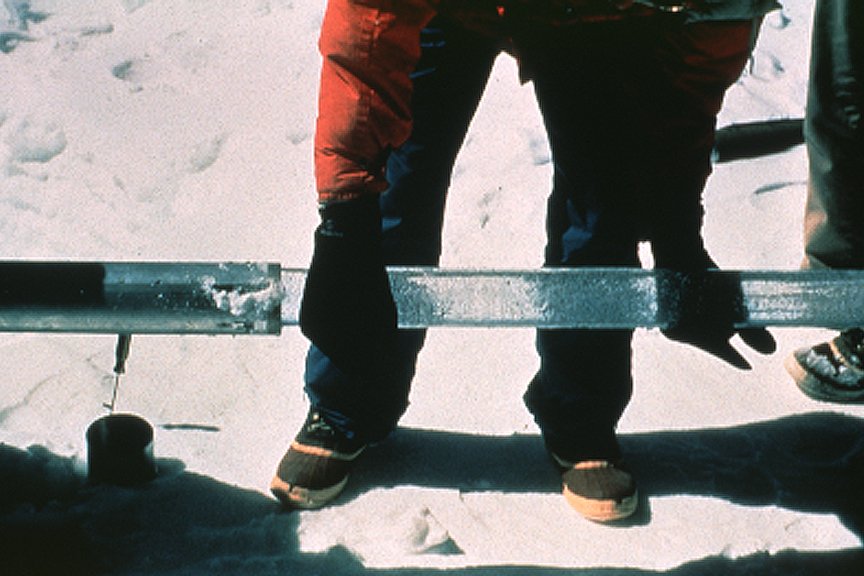
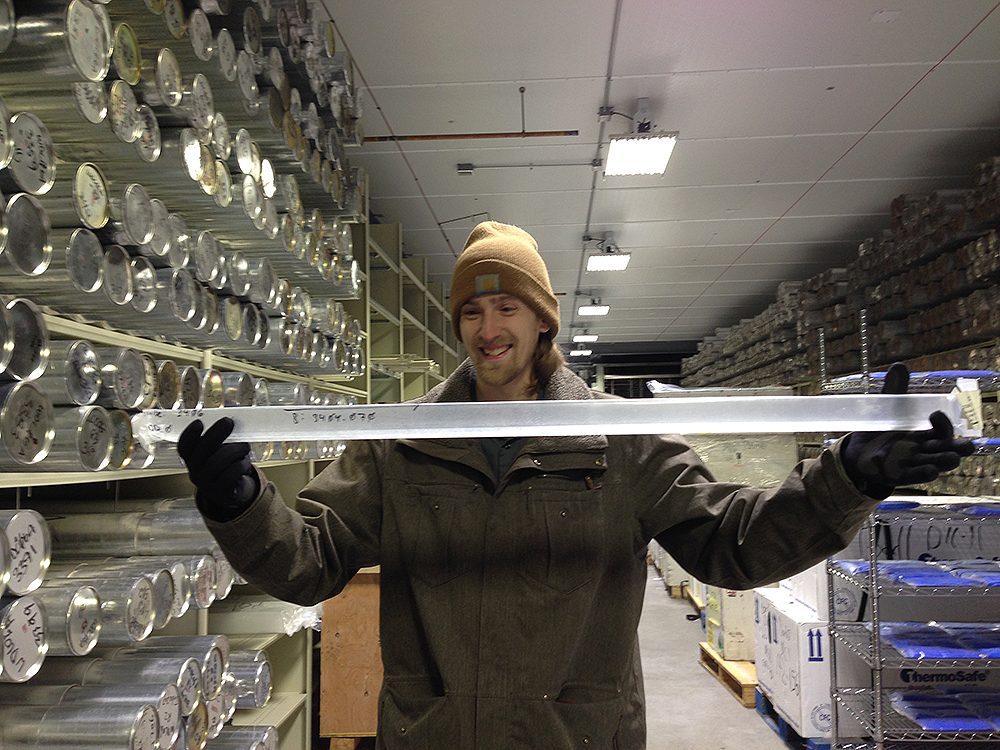
It is strange to think that the air you are breathing right now also exists, perfectly preserved, inside ancient ice beneath Antarctica. When snow falls and compresses over centuries, it traps tiny bubbles of atmosphere, locking away snapshots of greenhouse gases from long before humans burned coal or oil. Layer by layer, these bubbles build what is essentially a high‑resolution archive of Earth’s climate, reaching back more than seven hundred thousand years in some cores. Scientists slice and analyze these ice cylinders in ultra‑clean labs, reading subtle changes in gas concentrations and isotopes like detectives examining a crime scene. The clues are incredibly small – ratios of heavy to light oxygen atoms, faint traces of volcanic ash – but together they outline a climate system that is anything but random.
What makes these clues so powerful is their precision in time. Unlike many geological records that blur thousands of years together, ice cores preserve annual or even seasonal layers, like the rings of a tree you can separate with a fingernail. That means researchers can line up past temperature shifts almost year by year with changes in greenhouse gases, solar activity, or ocean circulation. Patterns begin to emerge: repeated cycles of ice ages and warm periods, sharp spikes in carbon dioxide, abrupt warming events that unfolded in just decades. When scientists compare these patterns to what we are seeing now, the contrast is jarring – the speed and magnitude of modern warming stand out like a siren on an otherwise steady graph.
From Ancient Tools to Modern Science
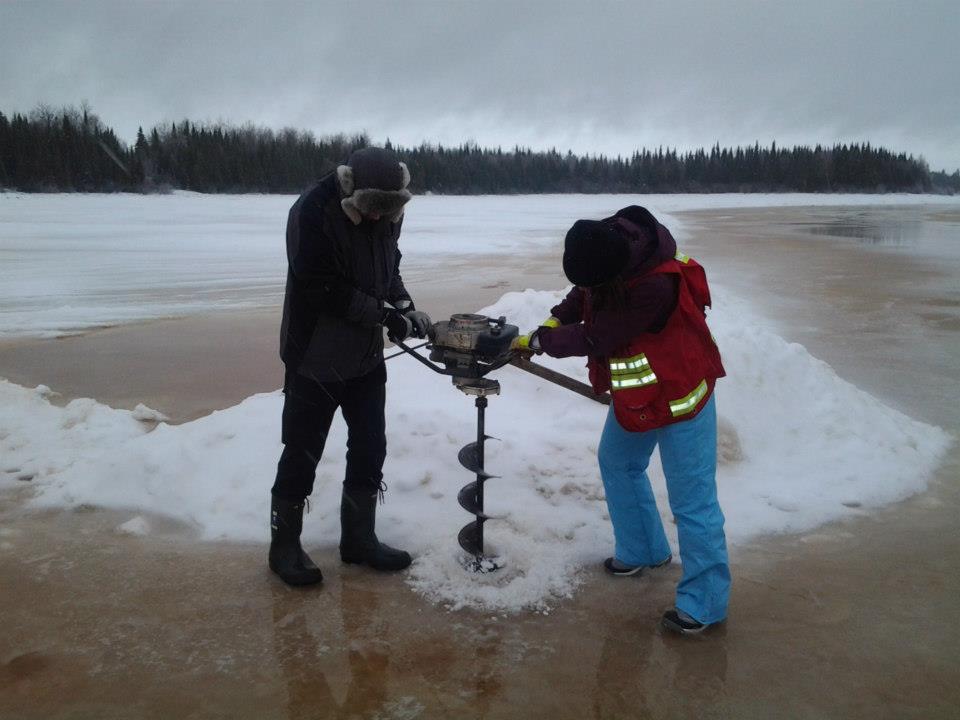
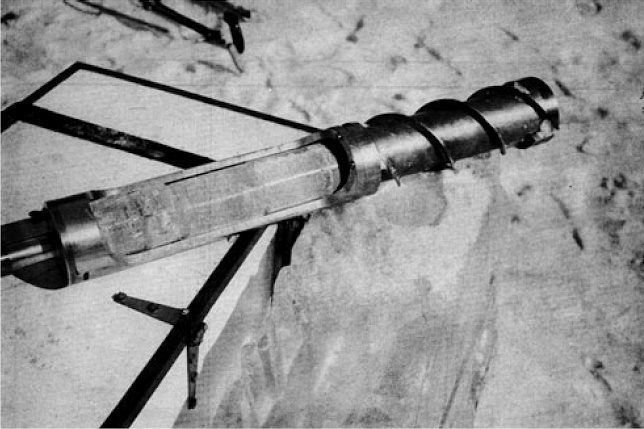
The idea of drilling deep into ice to study past climates might sound like a modern high‑tech invention, but the earliest ice cores were crude and heavy steel tubes lowered by winch in the mid‑twentieth century. Back then, scientists simply hoped to get any continuous sample that did not shatter on its way up. Over the decades, engineers developed specialized electromechanical drills that can descend more than three kilometers through ice, returning slender, crystal‑clear cylinders just ten centimeters wide but rich in data. Projects like the European EPICA core in Antarctica and the Greenland ice cores have become iconic, not just for their technical difficulty, but for what they revealed about the climate’s natural rhythm. Each new project pushes deeper into older ice, chasing a longer and cleaner record of Earth’s past.
Today, these operations resemble a blend of mountaineering expedition and space mission. Teams live for months on remote ice sheets, working in temperatures that can snap tools and freeze breath to eyelashes in seconds. The cores are logged, cut, packed, and flown out like priceless artifacts to specialized facilities where super‑sensitive instruments probe them for everything from methane to tiny traces of lead pollution. Modern techniques can extract information from ice layers a few millimeters thick, resolving details that earlier generations could only guess at. And while this work looks back in time, the questions are firmly about the future: How fast can ice sheets collapse? What happens if we cross certain warming thresholds? Where, historically, has the climate system suddenly jumped instead of shifted gradually?
Reconstructing Past Worlds to See Tomorrow
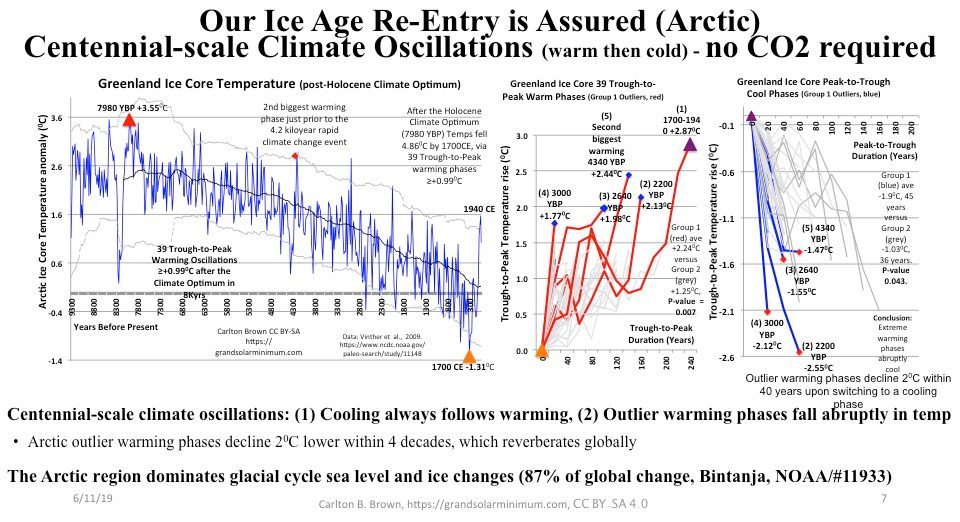
The real magic of ice cores appears when scientists overlay different strands of data to reconstruct entire worlds that no human ever saw. By combining gas bubbles, stable isotopes, and trapped dust, they can estimate ancient temperatures, storminess, wildfire activity, and even how strong the monsoon was thousands of years ago. One of the most unsettling discoveries is how tightly carbon dioxide levels and temperature have moved together through repeated glacial and interglacial cycles. Whenever greenhouse gases rose, ice retreated and global temperatures climbed; when gases fell, ice spread and the planet cooled. The relationship is not vague – it is consistent across many different cores, continents, and time periods.
What shocks many researchers is how far outside that natural range we have already stepped. In the pre‑industrial periods captured by ice cores, carbon dioxide levels wandered within a relatively narrow band; today, they sit far above the highest values seen in hundreds of thousands of years. Methane, another potent greenhouse gas, tells a similar story of steep, human‑driven escalation. When this modern picture is placed against the backdrop of past natural changes, it becomes clear that the current trend is not just another wiggle in the record; it is a vertical leap. That leap is exactly what scientists feed into climate models to test how fast ice sheets might respond and how much sea level could rise in the decades and centuries ahead.
How Ice Cores Supercharge Climate Predictions
On their own, ice cores do not spit out forecasts for the year 2100, but they do something just as important: they calibrate the models we use to make those forecasts. A climate model is only as good as its ability to reproduce changes we already know happened, and ice cores provide a brutally honest test of that skill. Researchers run simulations of past warm periods and abrupt events and then compare the output to what the ice actually records. If a model cannot capture a rapid warming episode or the scale of an ice‑age transition, it is adjusted or rejected. Over time, this trial‑by‑data has sharpened projections of how sensitive the climate system is to greenhouse gases.
Several key insights influencing modern predictions come straight from ice‑core comparisons. For example, past warm periods with only slightly higher greenhouse gas levels than today saw significantly higher sea levels, implying that ice sheets are more vulnerable than previously assumed. The speed of some historical warming jumps – over just a few human lifetimes – underscores that slow pressure on the climate can trigger fast responses. To make the implications clearer, scientists often summarize what ice cores reveal in ways that directly inform policy and planning, such as:
- Past warm intervals with modestly elevated greenhouse gases were associated with several meters of higher global sea level.
- Abrupt warming events in the North Atlantic region unfolded over periods comparable to a few human generations.
- Natural carbon dioxide changes in the ice record are dwarfed by the rapid, industrial‑era increase now underway.
These lines of evidence turn what might seem like abstract curves and charts into concrete boundaries for our future choices.
Why This Frozen Archive Matters Now
In an age of satellites and real‑time ocean sensors, it might be tempting to see ice cores as quaint relics of an older kind of science. In reality, they are the yardstick against which almost all modern climate observations are measured. Weather records, for instance, only go back a century or two at best and are heavily skewed toward regions with long‑standing infrastructure. Ice cores, by contrast, tell us how unusual today’s trends are on a scale of hundreds of thousands of years, not just a handful of decades. Without that long view, it would be easy to dismiss current warming, melting, and extreme events as natural swings in a system that has always been volatile.
The stakes of that context are not academic. Coastal cities planning new defenses, farmers adjusting planting strategies, and energy planners reshaping power grids all depend on understanding whether we are facing a mild uptick or a fundamental shift. Ice‑core evidence makes it painfully clear that we are pushing the system into territory not previously sampled in human history. That message cuts through arguments that downplay modern warming as merely cyclical. Compared to many traditional methods that rely on tree rings or sediment layers alone, ice cores bring a uniquely direct record of the atmosphere itself, and that makes their warning harder to shrug off. In that sense, they are less a scientific curiosity and more a global early‑warning siren frozen in place until we choose to listen.
Global Perspectives from the Poles to the Tropics
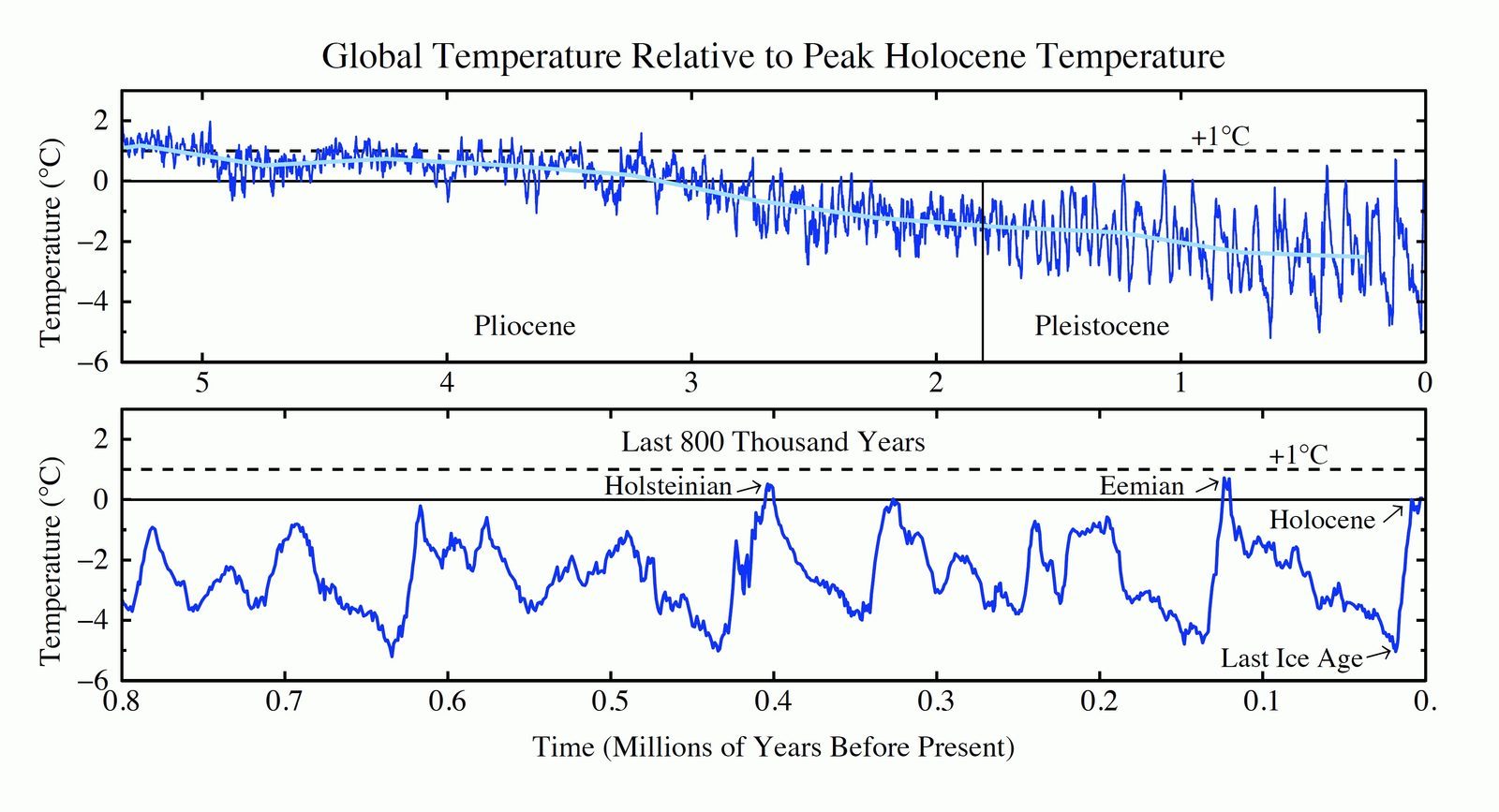
Although the most famous ice cores come from Antarctica and Greenland, the story does not end at the poles. High‑altitude glaciers in the Andes, the Himalaya, and East Africa have also been drilled, revealing regional climate histories that tie into the global picture. These cores show how monsoon patterns, regional droughts, and atmospheric circulation shifted over centuries, sometimes lining up eerily well with known societal upheavals. When scientists compare the polar and tropical records, they can see how heat and moisture were redistributed around the planet during different climate phases. That global perspective is vital for understanding why some regions may face stronger storms while others dry out under the same overall warming trend.
Ice cores also hint at hidden teleconnections, the long‑distance links that make weather in one part of the world ripple into another. For example, dust layers in an Antarctic core can reflect changes in wind and aridity in faraway continents, tying together seemingly separate systems. This kind of information helps refine seasonal forecasts and long‑term risk assessments for everything from agriculture to water resources. It also challenges any idea that climate change will be someone else’s problem, happening in some distant, icy elsewhere. The frozen record keeps repeating the same lesson: when the climate shifts, no region stands entirely alone.
The Future Landscape of Ice Core Science
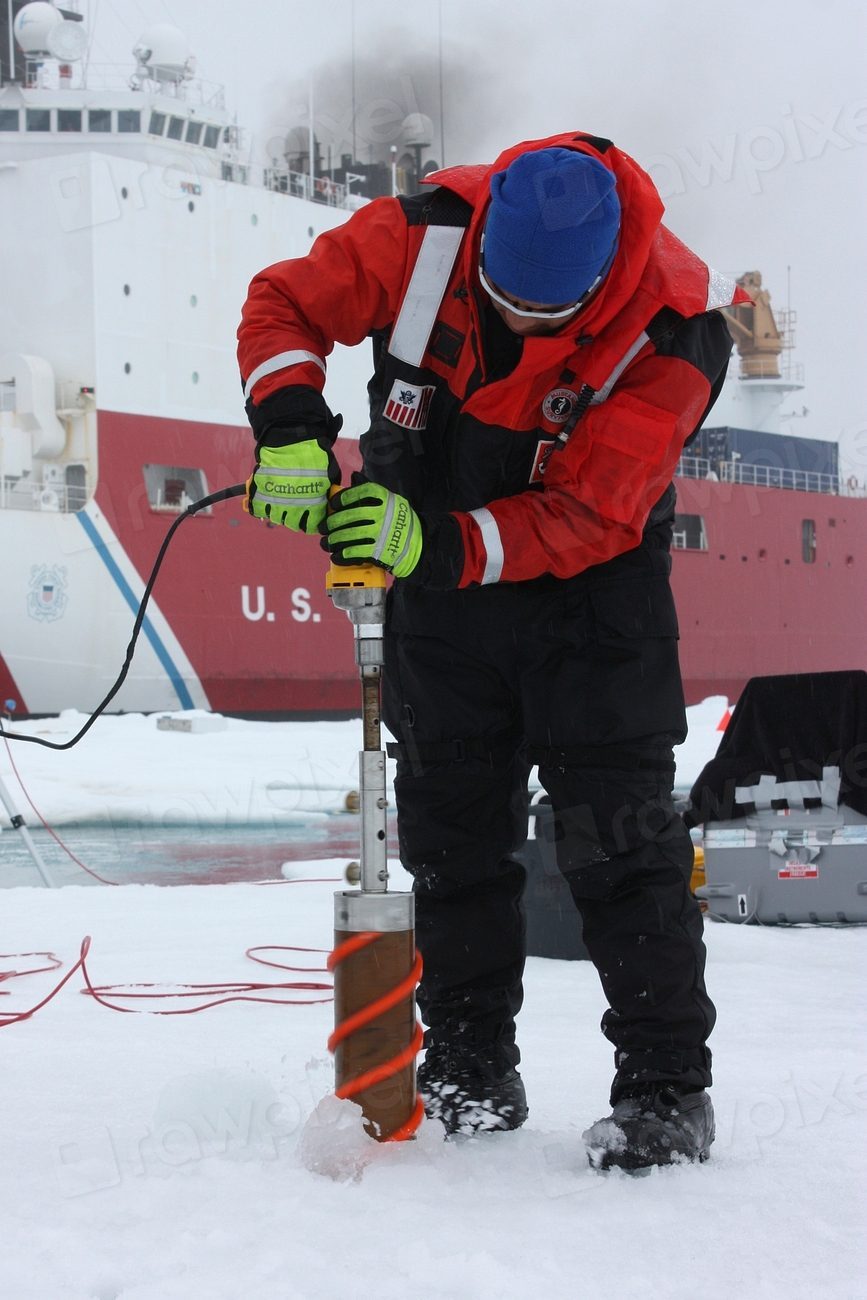
Even as the climate warms and some glaciers retreat, ice‑core science is rapidly evolving with new tools and ambitions. Researchers are now developing ultrasonic and laser‑based drilling systems that can reach deeper, older ice with less fuel and fewer people on the ground. In parallel, analytical instruments are becoming sensitive enough to measure rare isotopes and trace chemicals in ice slices thinner than a credit card. That opens the door to reconstructing not just temperature and greenhouse gases, but also fine‑scale pollution histories, wildfire smoke, and even signatures of large solar storms. Each new layer of detail adds another dial to the climate dashboard scientists use to explore future scenarios.
There are, however, daunting challenges. Some of the oldest and most informative ice is at risk of melting away at the margins of ice sheets and in mountain glaciers, turning irreplaceable records into runoff. International projects have started to create “ice libraries,” storing cores in secure underground facilities as a backup for future generations of researchers. At the same time, the sheer volume of data pouring out of ice‑core labs demands new ways of analysis, from machine learning to advanced statistical techniques. The likely result over the coming decades is a tighter loop between models, observations, and policy discussions. As that loop closes, the warning embedded in the ice could become the backbone of how societies plan for sea‑level rise, freshwater security, and shifting climate zones.
From Data to Decisions: What We Can Do
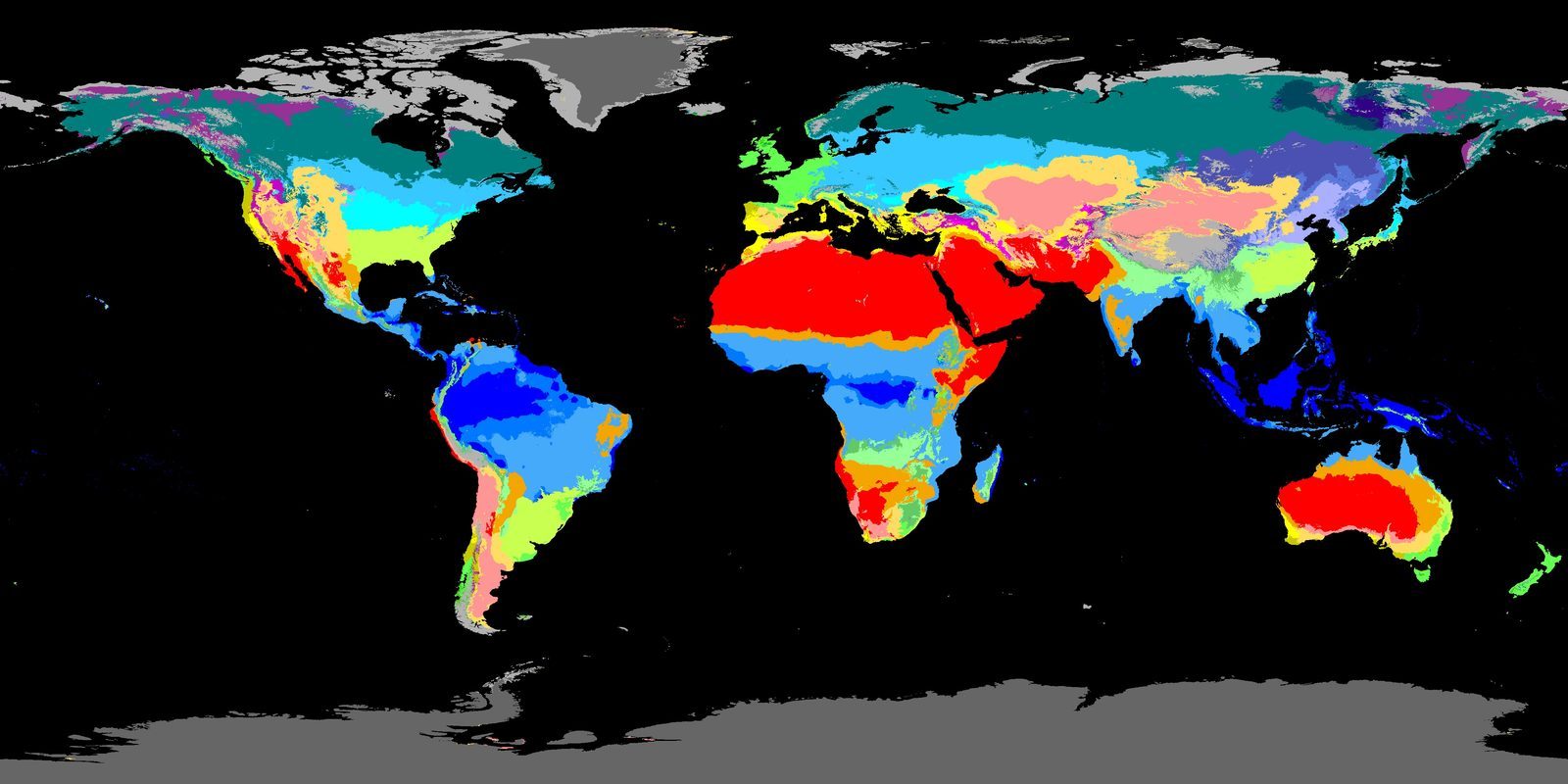
For anyone reading about distant ice camps and laboratory spectrometers, it can be hard to see where personal action fits into such a specialized field. Yet the entire reason scientists endure months of darkness and brutal cold is to give the rest of us clearer choices. Their work translates into better risk maps for flooding, more realistic timeframes for coastal adaptation, and sharper estimates of how much warming we lock in with each ton of emissions. Paying attention to that information – supporting leaders, policies, and organizations that actually use it – is one of the most direct ways individuals can honor the effort behind every meter of core.
There are also more tangible steps. Readers can back public funding for polar research and climate monitoring, whether through voting, advocacy, or supporting independent science journalism that keeps these topics in view. Educational programs and museums increasingly feature ice‑core exhibits that bring the data to life for students and families, making it easier to talk about climate in concrete terms rather than abstractions. On a personal level, cutting energy waste, choosing low‑carbon options where possible, and amplifying accurate climate information all help bend the trajectory those frozen records suggest is ahead. The ice has already told us what happens when greenhouse gases climb too far, too fast; what we do with that knowledge is now the only part of the story left unwritten.
Suhail Ahmed is a passionate digital professional and nature enthusiast with over 8 years of experience in content strategy, SEO, web development, and digital operations. Alongside his freelance journey, Suhail actively contributes to nature and wildlife platforms like Discover Wildlife, where he channels his curiosity for the planet into engaging, educational storytelling.
With a strong background in managing digital ecosystems — from ecommerce stores and WordPress websites to social media and automation — Suhail merges technical precision with creative insight. His content reflects a rare balance: SEO-friendly yet deeply human, data-informed yet emotionally resonant.
Driven by a love for discovery and storytelling, Suhail believes in using digital platforms to amplify causes that matter — especially those protecting Earth’s biodiversity and inspiring sustainable living. Whether he’s managing online projects or crafting wildlife content, his goal remains the same: to inform, inspire, and leave a positive digital footprint.