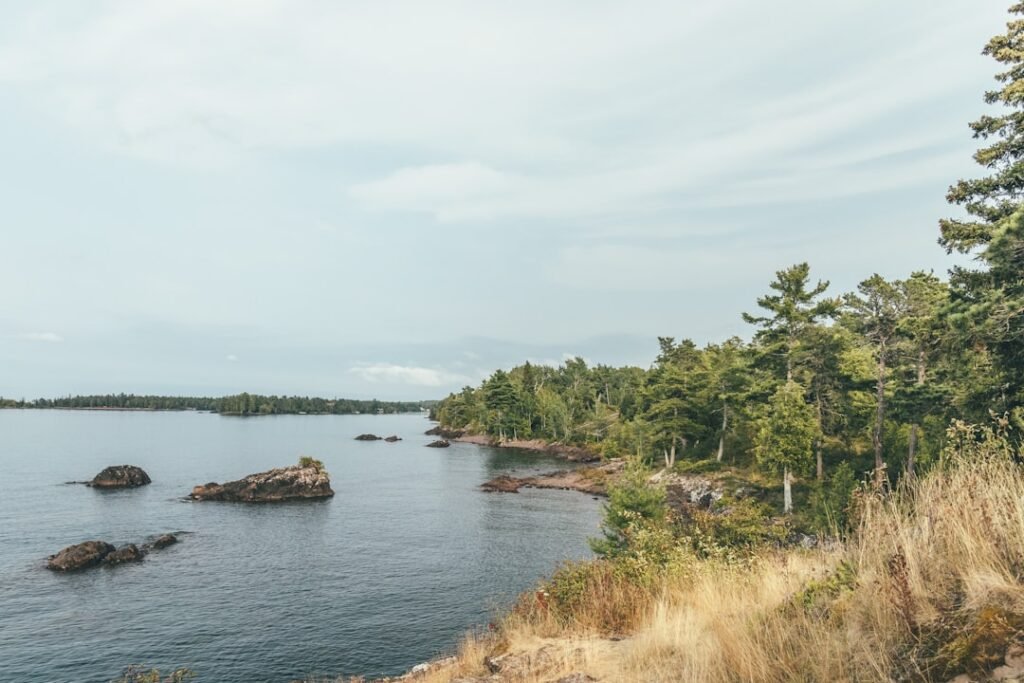

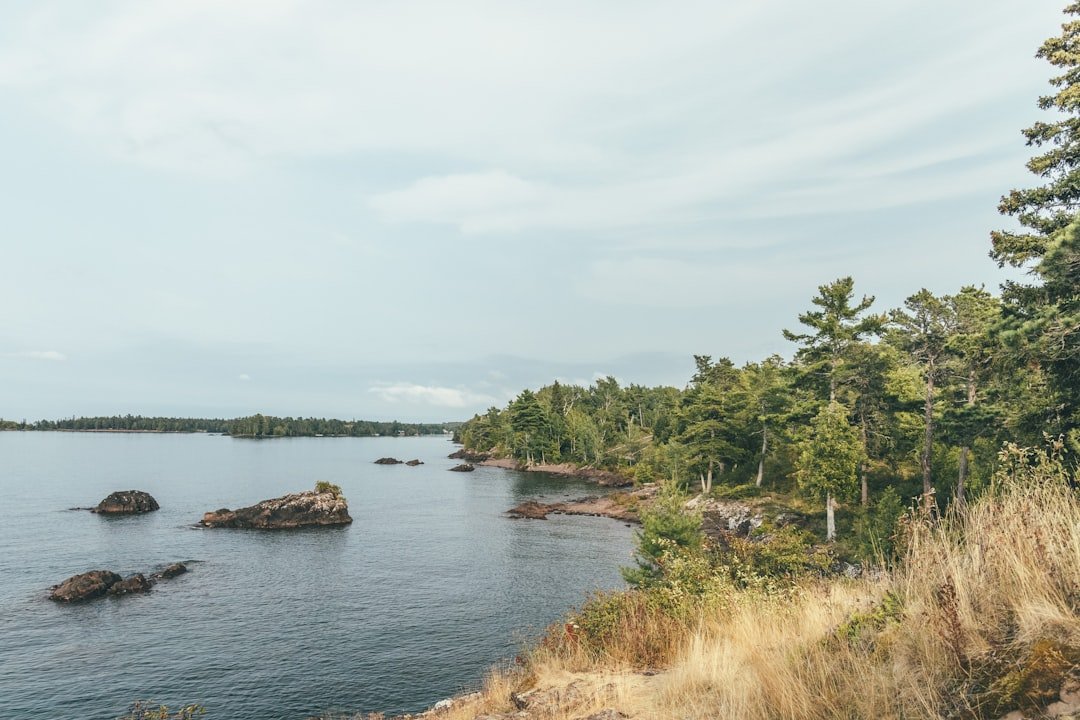
Storms Intensify, Vulnerabilities Exposed (Image Credits: Unsplash)
Great Lakes region – Powerful storms packing heavy rain and surging waves have increasingly exposed coastal homes, beaches, and roads to severe erosion.
Storms Intensify, Vulnerabilities Exposed
Recent weather events have accelerated the wear on shorelines across the Great Lakes. High winds whip up massive waves that crash against bluffs and beaches, stripping away protective sand and soil. Heavy downpours compound the damage by saturating the ground, leading to landslides and washouts.
Homes perched near the water’s edge suffer direct hits, while nearby roads crumble under the assault. Elevated lake levels during these episodes amplify the destruction, turning routine storms into major threats. Communities have witnessed repeated cycles of repair and recovery as nature reclaims unprotected edges.
Hard Barriers Fall Short
Many areas turned to concrete floodwalls and similar structures for defense. These installations aimed to block waves and hold back rising waters. However, they delivered only temporary relief.
Such barriers disrupt natural processes by eliminating sandy beaches and marshy zones that once buffered impacts. Waves rebound with greater force, eroding adjacent areas faster. Wildlife habitats vanish in the process, diminishing biodiversity along the coasts.
Living Shorelines: Nature’s Built-In Defense
A promising alternative focuses on restoring natural features through living shorelines. These designs incorporate deep-rooted marsh grasses and vegetated buffers that soak up excess water and dissipate wave energy.
Grasses anchor the soil, preventing erosion while fostering habitats for local species. This approach mimics pre-development shorelines, enhancing overall resilience. Implementation involves careful planning to blend protection with ecological benefits.
- Absorb floodwaters during heavy rains.
- Break incoming waves before they reach structures.
- Stabilize bluffs and beaches long-term.
- Support fish, birds, and other wildlife.
- Reduce maintenance costs over time.
Experts Champion Collaborative Efforts
Zoë Kuntze of the Great Lakes and Saint Lawrence Cities Initiative highlighted the shifting dynamics. Lake levels have always fluctuated, she noted, but climate change now drives greater extremes in highs and lows.
The initiative assists communities in designing and funding living shoreline projects. Kuntze emphasized their value: “Really, it’s a way to kind of naturalize the shoreline in a way that reflects what it used to be, so it’s more resilient to the challenges that we’re experiencing along the coastline.” Traditional hard barriers, she added, destroy habitats and exacerbate erosion elsewhere.
Key Takeaways
- Climate change fuels irregular lake levels and storm intensity.
- Living shorelines outperform rigid structures for sustainability.
- Collaborative initiatives provide funding and expertise.
Coastal communities stand at a crossroads, weighing short-term fixes against enduring strategies. Living shorelines promise not just protection but restoration of vital ecosystems. As storms grow more frequent, adoption of these methods could safeguard properties for generations. What steps should your area take next? Share your thoughts in the comments.