
The Limits of Temperature Targets Exposed (Image Credits: Images.nature.com)
Global temperatures surpassed the 1.5°C threshold above pre-industrial levels in 2024, signaling the need for a fundamental shift in how nations pursue climate goals.
The Limits of Temperature Targets Exposed
Earth’s average surface temperature reached 1.55°C above pre-industrial baselines in 2024, with the three-year average from 2023 to 2025 standing at 1.48°C. Forecasts indicated that the planet would likely exceed the 1.5°C mark around 2028, according to analyses from climate researchers.[1]
United Nations Secretary-General António Guterres acknowledged the setback in October 2025, stating, “The truth is that we have failed to avoid an overshooting above 1.5 °C in the next few years.” Such targets, rooted in the 2015 Paris Agreement, proved challenging to track because exceedance required confirmation over a 20-year period. This delay reduced their urgency for policymakers. Moreover, shifting to higher limits after breaching 1.5°C risked appearing arbitrary. Debates over temporary overshoots or geoengineering solutions like solar radiation modification added further complications, potentially disrupting weather patterns.
Achievable Progress in Clean Energy Deployment
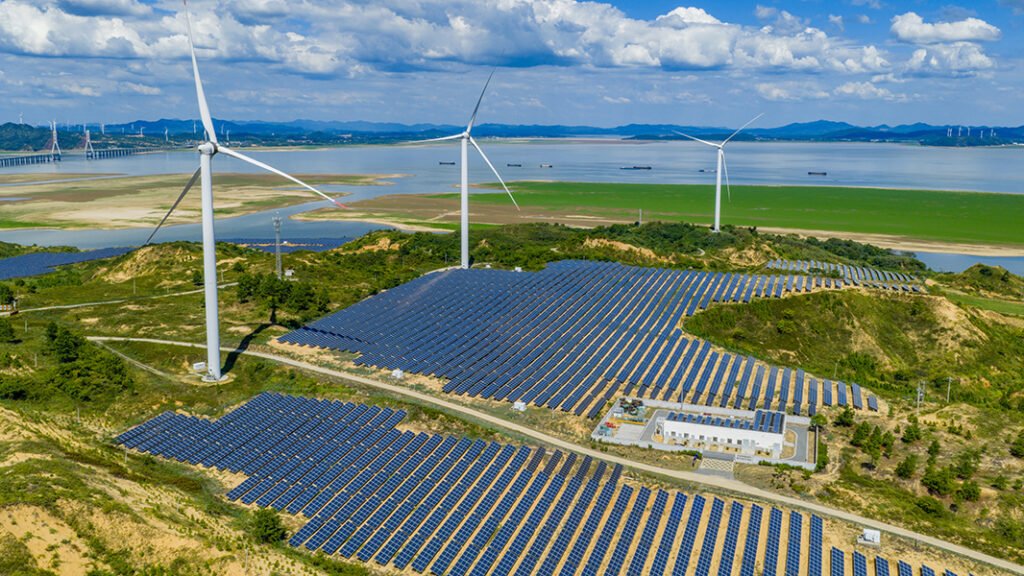
Clean energy expansion offered a bright spot amid rising temperatures. For the first time, growth in clean electricity generation outpaced total energy demand during the initial three quarters of 2025. This development displaced fossil fuels and marked a turning point in global energy trends.
Scientists proposed measuring climate success through a “clean-energy shift” metric, calculated as the annual growth rate of clean energy production minus the growth rate of overall energy demand. A positive value indicated fossil fuels losing market share. Recent data showed an average shift of 3.4% from 2014 to 2019, accelerating to about 5.7% in 2024. Over the past five years, the metric hovered around 4%.
Building Momentum with Real-World Examples
Nations demonstrated the feasibility of rapid clean energy adoption. Countries pledged at COP28 in 2023 to triple renewable capacity by 2030 and phase out fossil fuels toward net zero by 2050. Progress aligned with these commitments.
- India achieved 50% non-fossil power capacity five years ahead of its 2030 target.
- China doubled its wind and solar capacity in just three years, positioning it for an emissions peak as early as 2025.
- The European Union reached one-quarter of its energy consumption from renewables, with a mandate to increase to 42.5% within five years.
Fossil fuels accounted for 90% of carbon dioxide emissions in 2024, totaling 38 gigatonnes out of 42 gigatonnes. Accelerating the clean-energy shift could eliminate their dominance by 2050.
Setting Milestones for Decarbonization
Experts recommended establishing global clean-energy shift targets at five-year intervals, akin to ladder rungs leading to full decarbonization. These milestones would synchronize with United Nations Framework Convention on Climate Change timelines, including COP summits and stocktakes.
To sustain progress, clean energy generation must expand several percentage points faster than total demand each year. Trends in solar, wind, battery storage, geothermal, hydro, and nuclear supported this trajectory. Expanded manufacturing, upgraded grids, falling battery costs, and sustained policy support remained essential. Such an approach emphasized building clean industries rather than solely curbing emissions.
Key Takeaways
- The 1.5°C target has lost practical utility amid confirmed breaches.
- Clean-energy shift provides a direct, positive metric for tracking decarbonization.
- Five-year global targets can guide efforts toward a fossil-fuel-free economy by 2050.
This reframing turns climate action into a winnable contest focused on innovation and growth. As clean energy surges ahead, the world gains tools to limit further warming effectively. What steps should leaders prioritize next? Share your views in the comments.