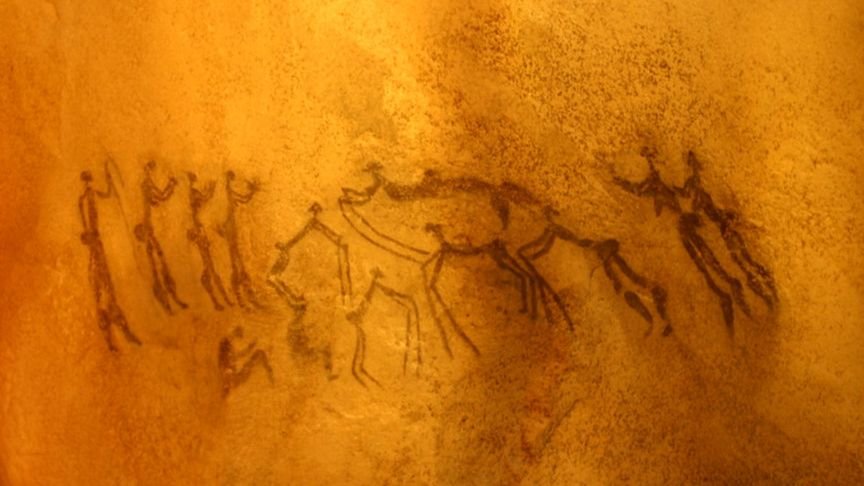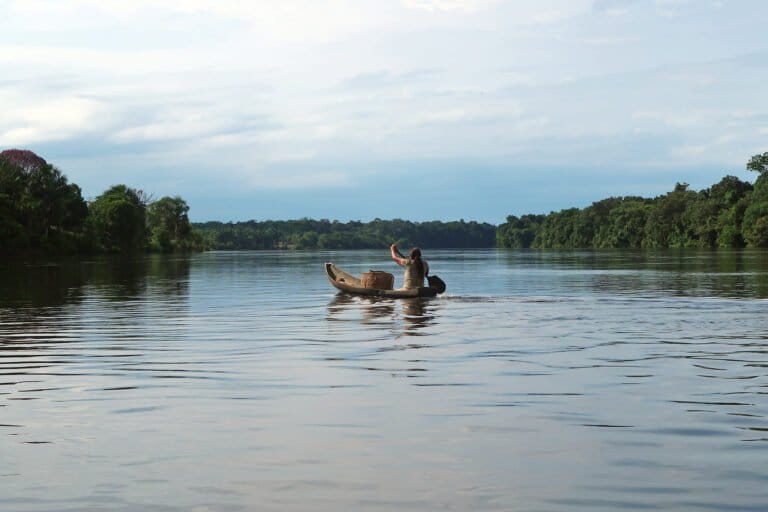
A Legacy of Forest Intimacy (Image Credits: Imgs.mongabay.com)
Vaupés, Colombia – Deep within the Amazon rainforest, an Indigenous community grapples with evolving customs that redefine its longstanding harmony with the surrounding wilderness.
A Legacy of Forest Intimacy
Generations of Indigenous families in the Vaupés region once navigated the Vaupés River daily in wooden canoes, venturing into dense foliage to tend ancestral gardens. These journeys formed the backbone of daily life, fostering a profound connection to the land. Mothers carried infants along these paths, teaching survival skills intertwined with the forest’s rhythms. The practice sustained not only food sources but also cultural identity rooted in biodiversity.
Today, such routines have faded for many. Urban influences and infrastructure growth pull younger members toward towns like Mitú, altering access to remote garden plots. This shift disrupts traditional knowledge transmission, which historically supported wildlife habitats through sustainable harvesting. Conservationists note that these gardens played a key role in preserving species diversity, as selective planting avoided overexploitation of native flora and fauna.
Modern Pressures on Ancient Practices
Rapid urbanization in the Colombian Amazon has introduced new economic opportunities, drawing residents away from forest-dependent livelihoods. In Vaupés, expanded road networks and mining activities fragment habitats, complicating communal ties to the land. Indigenous leaders report that fewer youth participate in river voyages, leading to overgrown gardens and reduced monitoring of wildlife corridors.
These changes extend beyond mobility. Dietary habits evolve with market goods, diminishing reliance on wild fruits and fish that once regulated animal populations naturally. Environmental groups highlight how this detachment weakens informal conservation mechanisms, such as seasonal taboos that protected breeding grounds for birds and mammals. Efforts to revive these practices now face resistance from a generation accustomed to external supplies.
Conservation Challenges Amid Transformation
Wildlife in the Vaupés Amazon thrives under traditional stewardship, where communities viewed the forest as kin. Historical methods, like rotational farming, allowed ecosystems to regenerate, benefiting species from jaguars to river otters. Recent cultural drifts, however, correlate with increased encroachment from illegal logging and gold mining, which surged in recent years.
Local initiatives seek to bridge old and new worlds. Programs train youth in satellite monitoring to track deforestation, echoing ancestral vigilance with modern tools. Such adaptations aim to safeguard carbon-rich forests while honoring shifting identities. Still, experts emphasize that without reintegrating forest visits into daily life, biodiversity losses could accelerate, as seen in nearby regions where similar changes halved protected areas.
Pathways to Balanced Preservation
Indigenous-led conservation in Colombia’s Amazon emphasizes community empowerment. In Vaupés, alliances with organizations promote eco-tourism that revives canoe traditions, generating income without depleting resources. These models draw from broader successes, where Indigenous territories reduced deforestation by over 50 percent through vigilant oversight.
- Revitalizing garden maintenance to sustain pollinator habitats.
- Integrating digital tools for mapping wildlife migrations.
- Educating on cultural stories that underscore forest interdependence.
- Collaborating with governments to curb mining expansions.
- Fostering intergenerational exchanges to pass down ecological wisdom.
These strategies not only protect species but also reinforce cultural resilience against external threats.
Key Takeaways
- Cultural shifts in Vaupés challenge traditional forest management, risking wildlife habitats.
- Urbanization accelerates habitat fragmentation, but community programs offer countermeasures.
- Blending ancestral knowledge with technology holds promise for sustainable conservation.
As the Amazon’s guardians navigate these transitions, their evolving relationship with the forest underscores a vital truth: true preservation demands honoring both heritage and change. What steps can global efforts take to support such adaptations? Share your thoughts in the comments.