Walk into a forest, watch the edge of a tide pool, or even stare a crow in the eye, and you may feel it: the unsettling sense that another mind is looking back. For decades, intelligence was treated as a human monopoly, with animals slotted into a tidy ladder beneath us. Yet the closer scientists look, the more that ladder crumbles into a web of unexpected, specialized brilliance spread across wildly different species. From insects that can count to fish that pass a mirror test once reserved for great apes, the animal world is quietly rewriting what a “smart” brain can look like. This article dives into some of the most striking examples and why they force science to rethink intelligence itself.
Octopus Problem-Solving: A Flexible Mind in a Soft Body
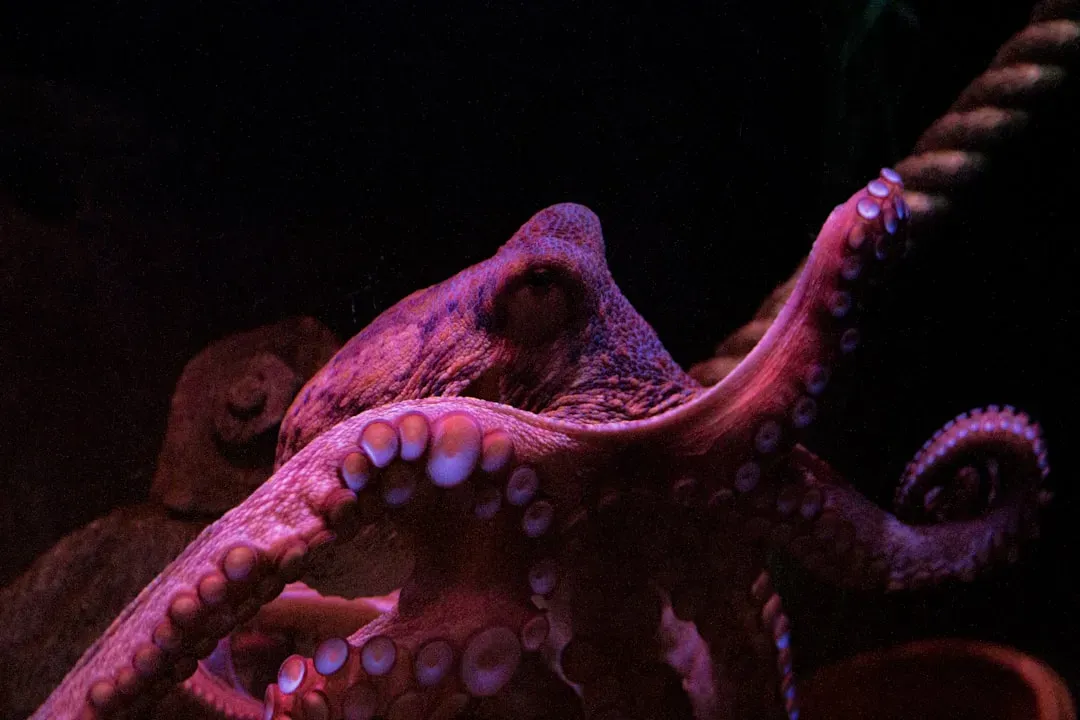
Picture a creature with no bones, three hearts, and arms that seem to think for themselves, calmly unscrewing a jar to get at a snack inside. Octopuses in labs and aquariums have repeatedly learned to open latches, manipulate child-proof containers, and navigate complex mazes after just a few tries. In some facilities, individuals have been documented escaping their tanks at night, crossing wet floors, raiding neighboring enclosures for food, and returning before dawn. These stories are not one-offs anymore; controlled experiments show octopuses can use observational learning and remember solutions for weeks.
What makes this so shocking is that octopus brains are organized completely differently from ours, with a large fraction of their neurons distributed through their arms. This decentralized nervous system lets each arm handle detailed sensory and motor work, while the central brain seems to integrate big-picture decisions, an arrangement unlike the vertebrate blueprint taught in textbooks. Their short lifespans, often just a year or two for many species, also pose an evolutionary puzzle: why invest in such sophisticated cognition for such a brief life. The best current thinking is that a solitary, shape-shifting predator in a dangerous, three-dimensional reef simply cannot survive without flexible problem-solving and rapid learning.
Crows, Rooks, and Ravens: Tools, Trickery, and Mental Time Travel
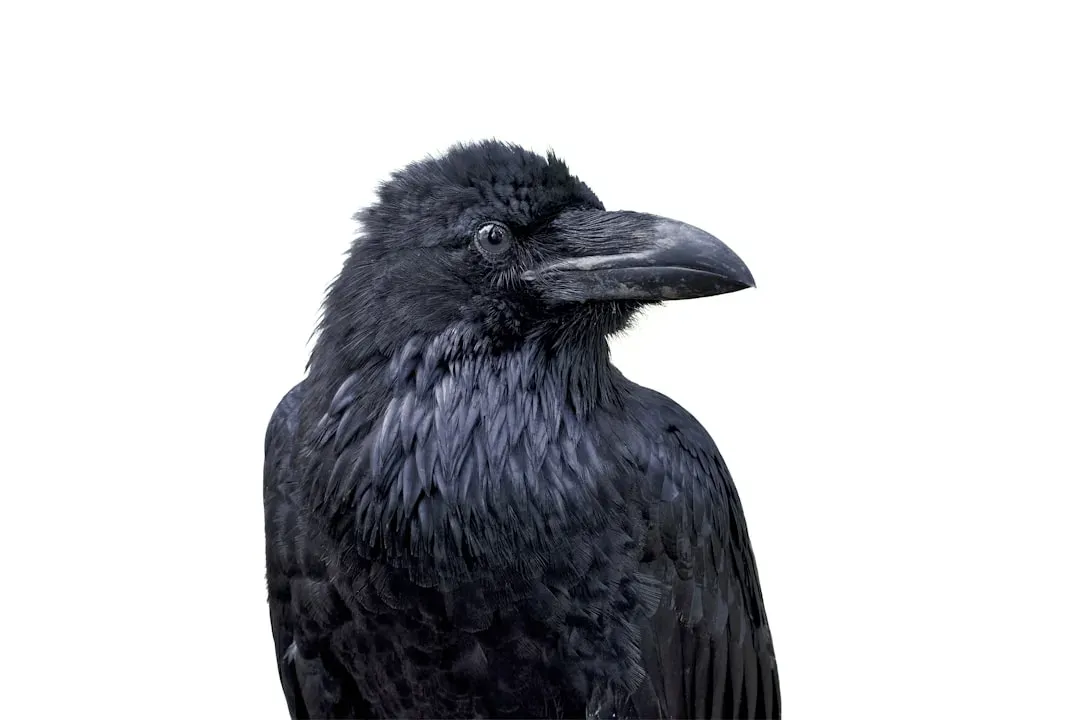
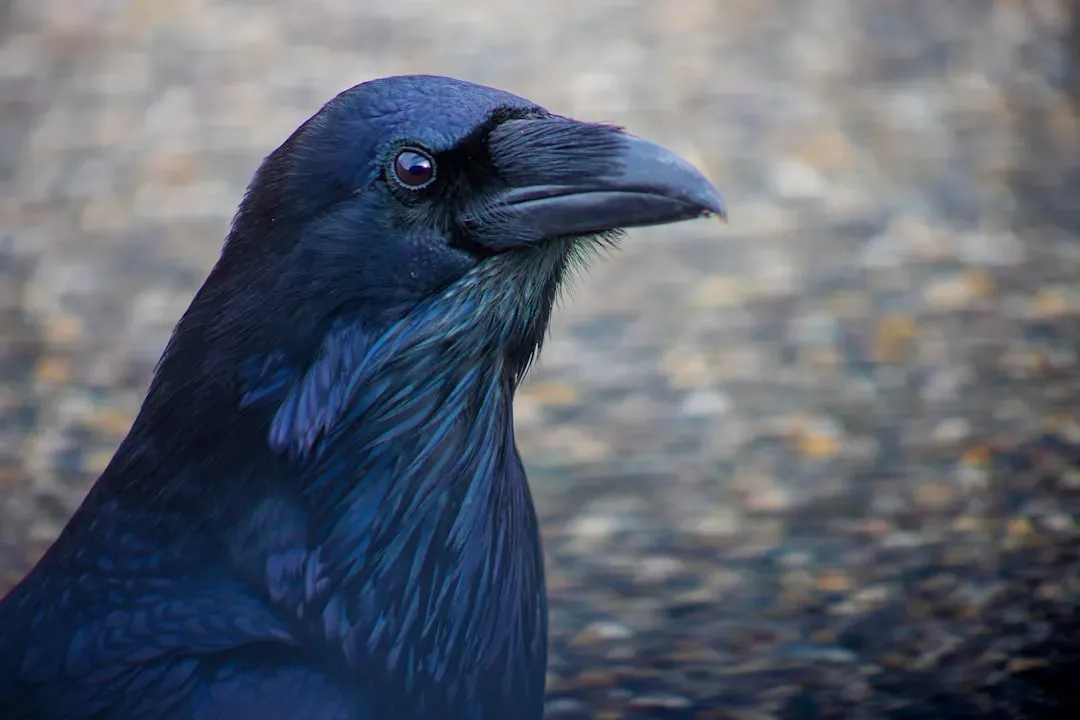
Members of the crow family, especially New Caledonian crows and common ravens, have become icons of animal intelligence for good reason. In carefully designed experiments, these birds bend wires into hooks to fish food out of tubes, combine multiple tools in sequence, and even choose the right tool hours before they need it. That last skill hints at something like mental time travel, a capacity once thought unique to humans: planning for a future scenario not dictated by immediate cues. Some ravens have also been shown to trade tokens with experimenters for rewards and to choose better deals later, suggesting a rudimentary sense of value and self-control.
In the wild, corvids hide food and later retrieve it, but they also watch who is watching them while they cache, then move their stashes if they suspect a thief. This kind of tactical deception implies that the bird is tracking what another bird might know or intend, a foundation of what psychologists call theory of mind. Anatomically, corvid brains lack the layered cortex familiar in mammals, yet they have densely packed neuron clusters in regions that function similarly to parts of our frontal cortex. It is as if evolution independently built a different physical machine to run surprisingly similar mental software.
Cleaner Wrasse and the Mirror: A Fish That Seems to Recognize Itself
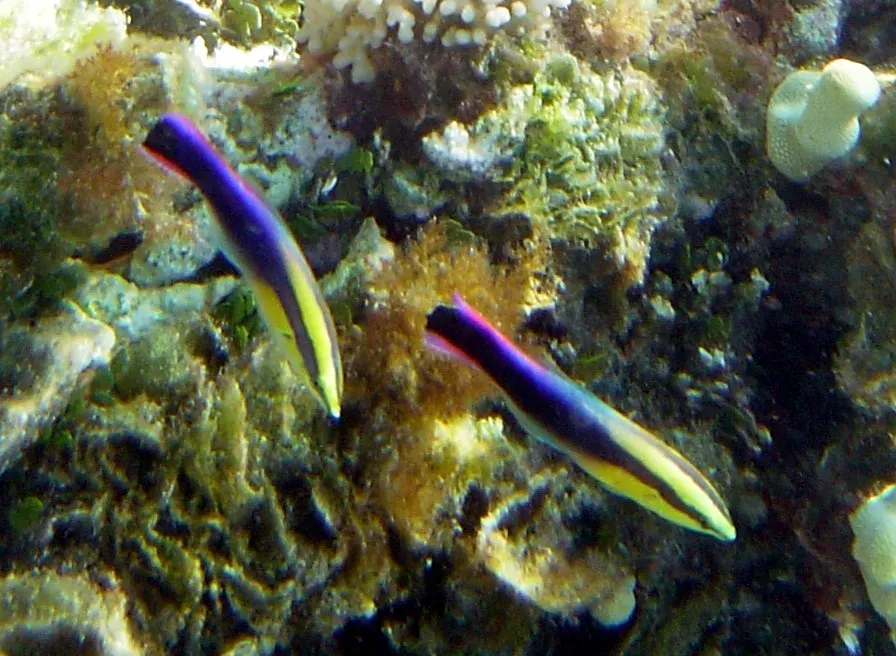
Few findings have sparked as much debate as the claim that a small reef fish passed the classic mirror self-recognition test. Cleaner wrasse are known on coral reefs for setting up “cleaning stations,” where larger fish line up to have parasites picked from their skin and gills, a complex social role that already requires careful negotiation. In laboratory tests, some wrasse behaved aggressively toward their reflection at first, then shifted to unusual, contorted postures in front of the mirror, as if inspecting body parts they normally never see. When researchers marked the fish’s throat or side with a colored spot only visible in the mirror, several tried to scrape that area on the tank substrate, but not when the mark was invisible.
This pattern resembles how great apes, dolphins, elephants, and magpies respond when they “pass” the mirror test, long taken as a rough indicator of self-awareness. Yet critics argue that cleaner wrasse might be following learned associations or using the mirror purely as a tool to inspect their bodies, without any sense of “me” in a human-like way. The controversy has exposed deep assumptions baked into our methods: was the test ever a pure measure of self-concept, or just one narrow task tuned to certain kinds of bodies and senses. Regardless, the idea that a palm-sized fish might qualify for the same category as primates forces researchers to reconsider what counts as evidence of a self.
Archerfish, Bees, and the Quiet Rise of Tiny-Brain Calculations
If intelligence scales with brain size, no one told the bees. Honeybees and bumblebees, with brains smaller than a grain of rice, can learn abstract rules like “pick the shape with fewer items” or “go to the color that follows this simple pattern.” In some studies, bees appear to handle basic arithmetic-like tasks and generalize learned rules to new contexts, which means they are not just memorizing one specific picture. They use landmarks, the sun’s position, and polarized light patterns to navigate over large distances and still return to a pinpoint hive entrance, a feat that would challenge many human hikers without a GPS.
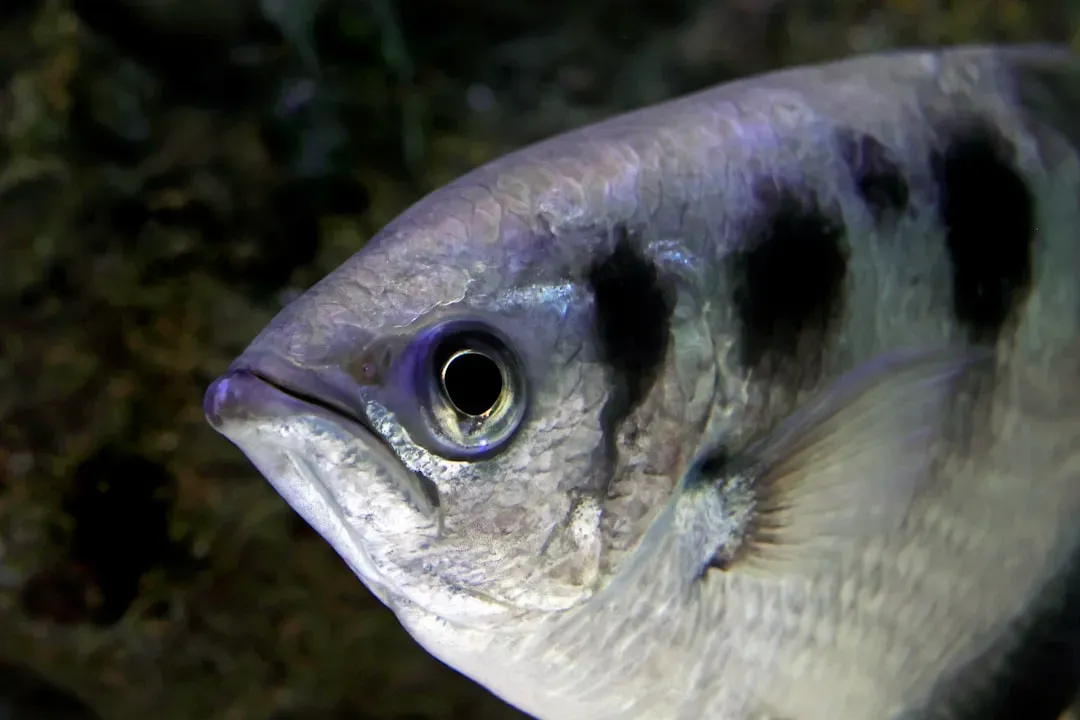
Archerfish, meanwhile, have become stars of visual cognition research. These fish shoot precisely aimed jets of water at insects perched above the surface, compensating for refraction and moving targets, a calculation that demands rapid, accurate estimation of distance and angle. In laboratory tasks, archerfish have been trained to spit at particular images on a screen, and they can distinguish between faces and even categorize shapes with surprising reliability. Together, tiny-brained creatures like bees and archerfish are undermining the lazy assumption that large neocortex volume is the only path to complex computation. Evolution appears to have found multiple ways to pack sophisticated processing into very compact hardware.
Elephants, Grief, and Social Intelligence That Feels Uncomfortably Familiar
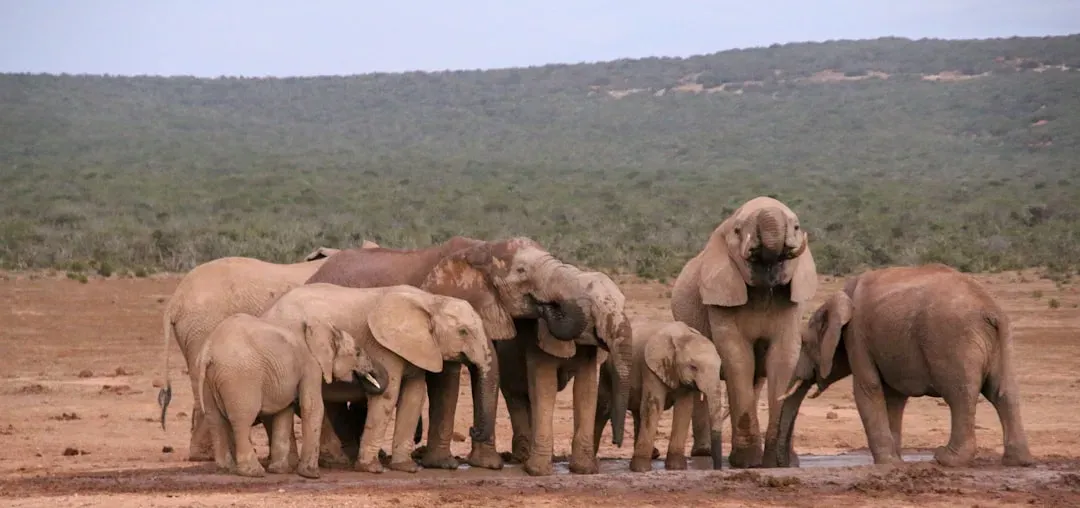
Elephants are famous for their size, but it is their emotional and social lives that leave many observers unsettled. Field researchers have documented elephants touching and revisiting the bones and tusks of dead herd members, sometimes for years after the death, in a way not seen with other species’ remains nearby. There are reports of individuals adjusting their pace for injured companions, coordinating to rescue calves from mud or rivers, and appearing visibly distressed when family members are lost to poaching or drought. In some regions, elephants have even changed their movement patterns and behaviors in response to human conflict, remembering dangerous routes or villages for long periods.
Cognitive tests show that elephants can recognize themselves in mirrors, cooperate on tasks that require two animals to work together, and understand subtle social cues from both elephants and humans. Their complex matriarchal societies rely heavily on shared knowledge of landscapes, watering holes, and threats, passed down across generations. When older females are removed, herds often become more reactive and less successful in navigating difficult conditions, suggesting that accumulated social intelligence is not easily replaced. The blend of memory, empathy-like responses, and coordinated decision-making in elephants looks less like simple instinct and more like a different style of sophisticated mind.
Termite Cathedrals and Ant Superorganisms: Architecture Without Architects
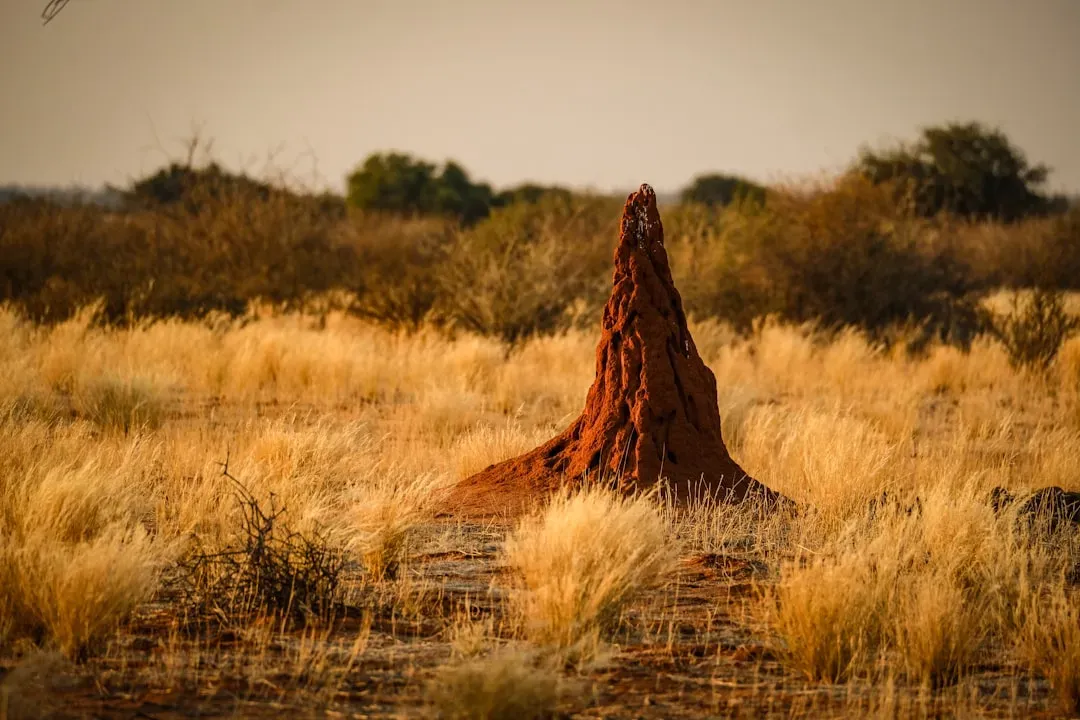
Some of the most striking intelligence in nature is not inside a single head at all, but distributed across millions of tiny bodies. In parts of Africa and Australia, termite mounds rise several meters high, with intricate internal ventilation systems that regulate temperature and humidity for the colony. No termite carries a blueprint, yet through simple local rules – drop a soil pellet here, follow a pheromone trail there – the colony shapes a structure that functions like a living lung. Studies using 3D scanning and modeling have shown that mound design can modulate airflow with shifting outdoor conditions, a kind of passive climate control achieved by insects with minimal individual brains.
Similarly, ant colonies can choose nest sites, allocate workers, respond to threats, and even farm fungi or herd aphids, all through decentralized decision-making. Individual ants follow straightforward behavioral rules, but at the colony level, the results resemble something like a collective brain. When confronted with obstacles or changes in food availability, the pattern of trails and task assignments shifts in ways that look almost strategic. This kind of swarm intelligence challenges the idea that cognition must always be organized around a single, centralized self, and it has already inspired algorithms for robotics, logistics, and network optimization.
Rethinking Intelligence: From Linear Ladder to Branching Mosaic
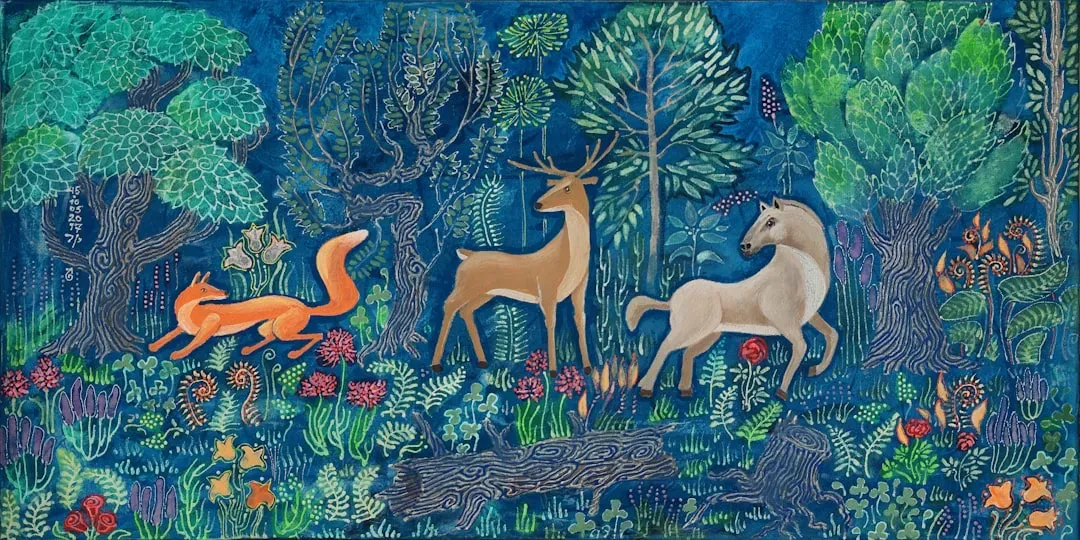
When you line up octopuses, crows, elephant herds, cleaner fish, and termite colonies, the old habit of ranking animals on a single “intelligence scale” starts to look hopelessly naive. Each species excels in niches that reflect its evolutionary history: a crow’s problem-solving shines in tool use and social manipulation, while a bee’s genius lies in navigation and efficient communication. Rather than asking who is nearest to humans on a mental ladder, many researchers now talk about a mosaic of intelligences, with different species occupying different peaks. This shift moves the focus from raw brainpower to the fit between cognitive abilities and ecological challenges.
Historically, animal intelligence studies often used tasks designed by and for primate-style cognition, which biased results toward animals that resembled us in perception and behavior. As methods become more carefully tailored – using water jets for archerfish or flight mazes for bees – the range of impressive performances keeps growing. The deeper insight is that intelligence is not a single substance poured in greater or lesser amounts into different skulls, but a toolbox of strategies shaped by survival problems. Our own human toolbox is rich and versatile, but it is no longer the only one that counts as sophisticated or worthy of attention.
Unfinished Questions: What Makes a Mind and Where Do We Draw the Line?
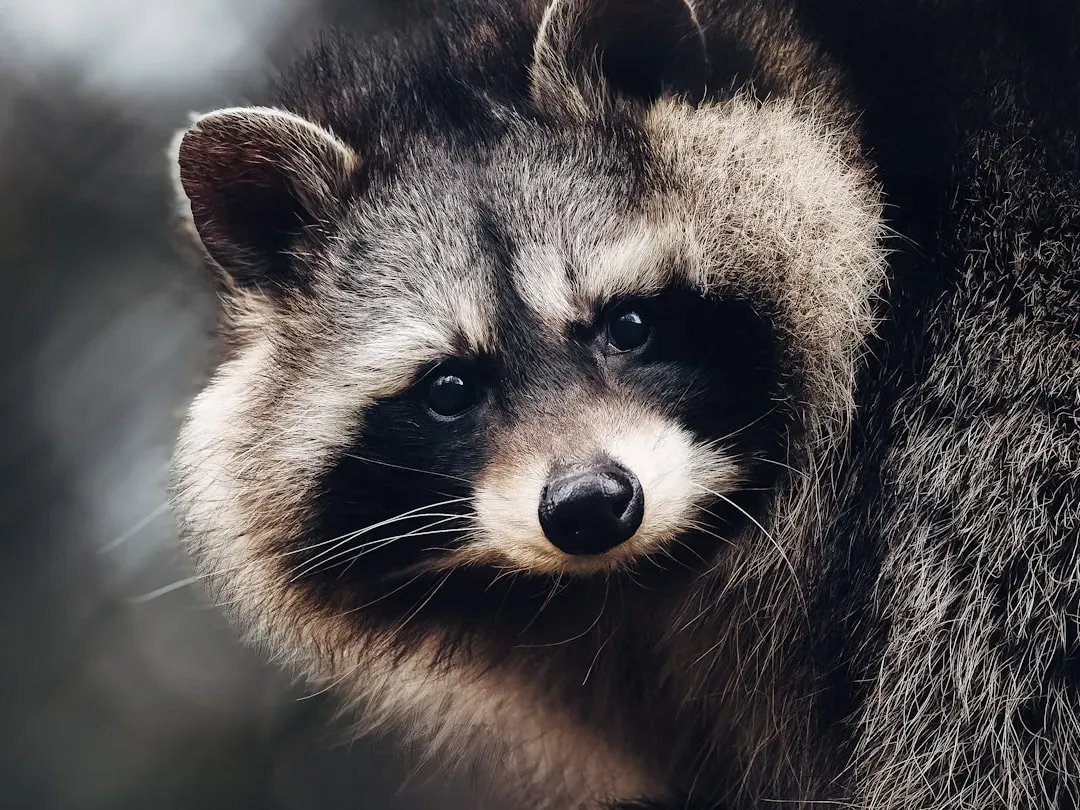
Even with decades of new research, basic questions remain surprisingly open, starting with what we really mean by intelligence. Is it the ability to solve novel problems, to plan ahead, to understand others’ minds, or to reshape your environment in complex ways. Different experiments tend to emphasize different traits, which partly explains why an octopus, a fish, and an elephant can all be called smart without sharing much day-to-day behavior. There is also growing debate over how much weight to give to lab-based tasks versus observations in the wild, where motivations and context are closer to what evolution actually tuned.
Another unresolved issue is consciousness: when a crow hides food from a rival or an elephant lingers by a corpse, what is it like, if anything, to be that animal in that moment. Many scientists now lean away from bold claims, focusing instead on measurable capacities and carefully framed inferences, but the ethical implications are impossible to ignore. As evidence of complex cognition spreads across more species, it nudges society to reconsider how we treat animals in captivity, in research, and in the wild. The frontier is less about finding a single answer and more about learning to live with a richer, messier map of minds.
How Curious Readers Can Engage With This Expanding World of Minds
For most of us, the most meaningful first step is simply to start noticing the animals around us as potential problem-solvers, not just background scenery. Watching a squirrel test different paths up a bird feeder or a crow drop nuts near traffic lights becomes more interesting when you see it as a small experiment in strategy. Visiting reputable aquariums, zoos, or nature centers that emphasize behavioral research can also be eye-opening, especially when keepers design enrichment games that show animals thinking on their feet. Supporting habitat conservation efforts, even indirectly through local groups, helps preserve the complex ecological contexts that gave rise to these varied minds in the first place.
On a more personal level, you can follow research from universities and field stations that share videos and explanations of new animal cognition findings, many of which are freely available online. Rather than seeking a single ranking of the world’s smartest species, try treating each study as a new window into how flexible life can be when faced with hard problems. The more you look, the harder it becomes to dismiss nonhuman intelligence as a pale imitation of our own, and the easier it is to feel part of a planet crowded with different ways of knowing. In the end, the biggest shift may be less about how animals think and more about how we choose to think about them.
Suhail Ahmed is a passionate digital professional and nature enthusiast with over 8 years of experience in content strategy, SEO, web development, and digital operations. Alongside his freelance journey, Suhail actively contributes to nature and wildlife platforms like Discover Wildlife, where he channels his curiosity for the planet into engaging, educational storytelling.
With a strong background in managing digital ecosystems — from ecommerce stores and WordPress websites to social media and automation — Suhail merges technical precision with creative insight. His content reflects a rare balance: SEO-friendly yet deeply human, data-informed yet emotionally resonant.
Driven by a love for discovery and storytelling, Suhail believes in using digital platforms to amplify causes that matter — especially those protecting Earth’s biodiversity and inspiring sustainable living. Whether he’s managing online projects or crafting wildlife content, his goal remains the same: to inform, inspire, and leave a positive digital footprint.