
Walk outside on a calm day before a storm and watch the birds. Sometimes they vanish from the sky long before a single dark cloud rolls in, as if they read the future in the air itself. For centuries, people called this instinct, luck, or superstition. Now, slowly, science is catching up to something wilder: many animals really do sense things we don’t, in ways we barely understand.
We like to think humans sit at the top of the sensory food chain, but that’s more ego than evidence. From sharks that can feel the faint hum of a heartbeat in murky water to birds that navigate across oceans as if following invisible roads, some creatures live in a different sensory universe. As researchers begin to map these hidden senses, our idea of reality itself starts to look a bit small.
Sharks and Rays: Masters of Invisible Electricity
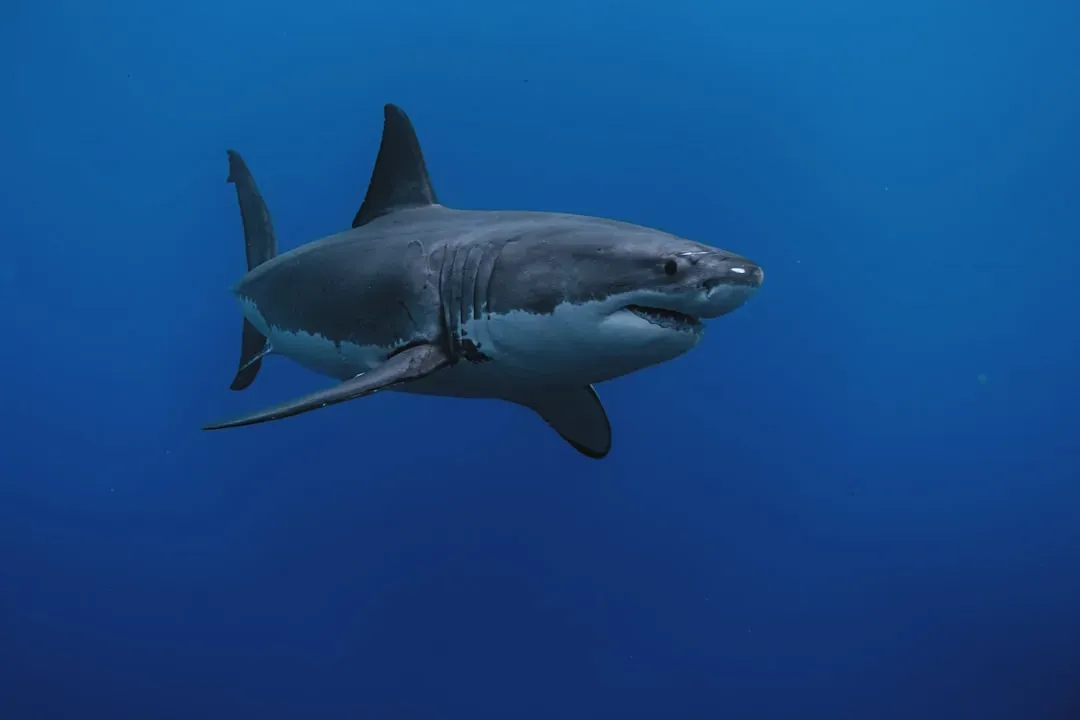
Imagine being able to close your eyes and still “see” every living thing around you, just from the faint electrical whispers of their muscles. Sharks and rays come surprisingly close to that. Along their snouts, they have tiny jelly-filled pores called ampullae of Lorenzini that detect weak electric fields in the water, down to signals far weaker than what our machines can easily pick up.
In practice, that means a shark can find a fish buried under sand, or home in on an injured animal struggling in murky water, without relying on sight or smell. Scientists have shown in lab experiments that sharks respond to simple electric currents even when there’s nothing visible in the tank. To put it bluntly, they are living biological metal detectors, wired directly into the nervous system. It’s not magic – just physics and nerves – but it feels like a kind of underwater “Spidey sense” that makes the ocean a completely different world for them than it is for us.
Birds That See Earth’s Magnetic Field
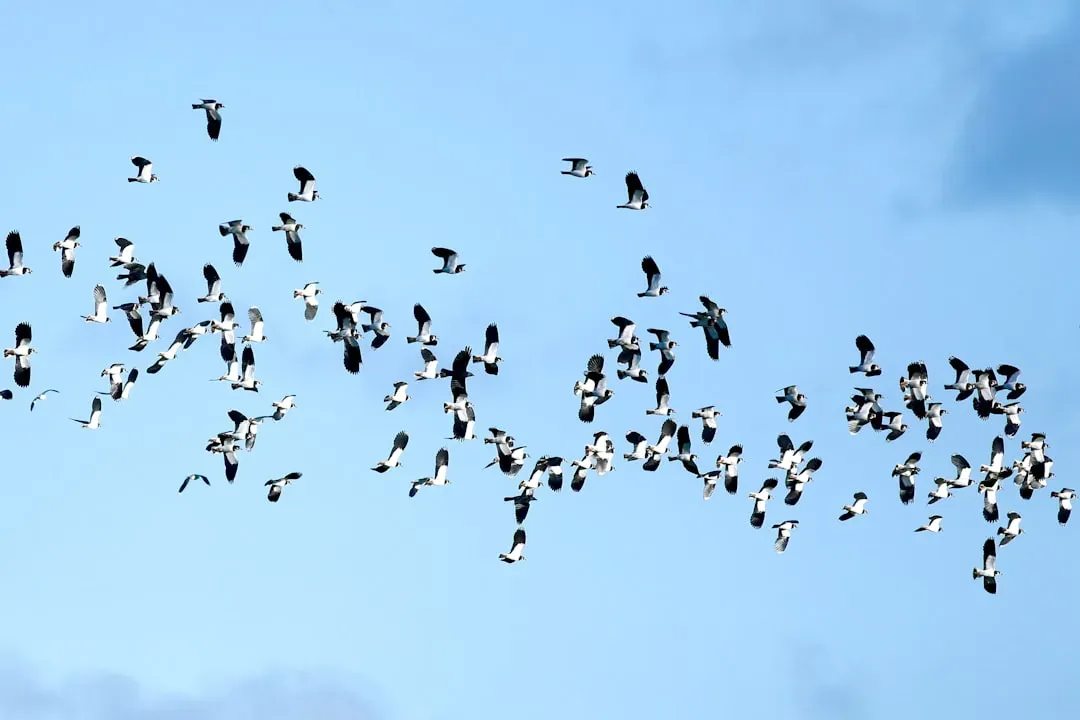
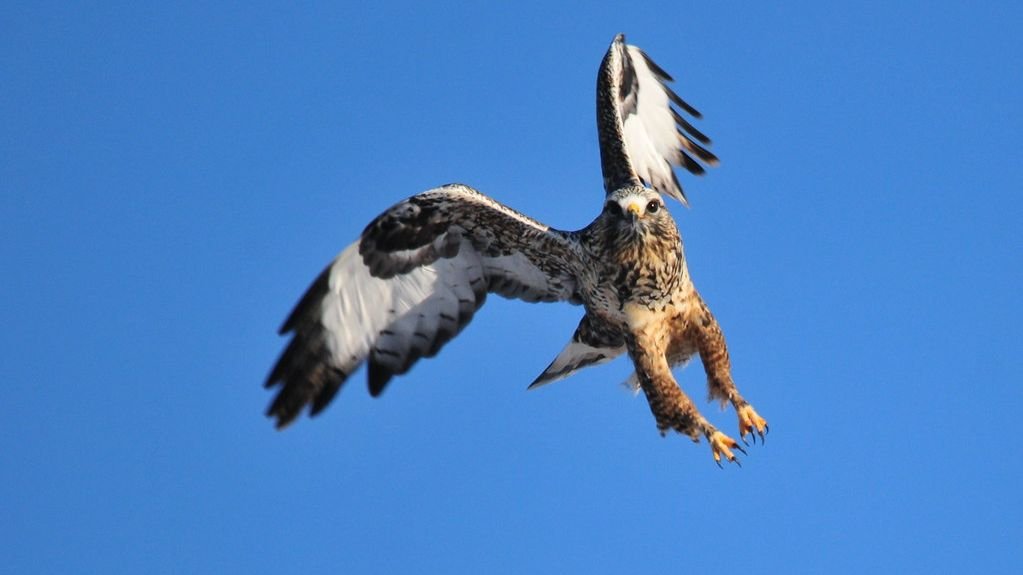
Every year, tiny migratory birds travel thousands of miles, sometimes crossing entire oceans and continents, then land almost exactly where they nested the year before. No GPS, no maps, just a brain the size of a walnut and a sense humans simply don’t have: magnetic navigation. Evidence from behavioral tests and brain imaging suggests many birds can detect Earth’s magnetic field and use it as a built-in compass.
What’s wild is that this “sixth sense” might actually be linked to vision. Some studies indicate that specialized molecules in birds’ eyes may react to magnetic fields, essentially letting them “see” faint magnetic patterns superimposed on the world. Picture looking at the sky and faintly seeing a glowing path that always points north. Scientists are still arguing over the exact mechanism, but the result is hard to deny: birds reliably orient using magnetism, navigating with a subtle sense we’re only beginning to decode.
Dogs, Seizure Alerts, and the Mystery of Pre-Symptom Sensing

Plenty of pet owners swear their dog knows something is wrong before they do. In the case of seizure-alert dogs, that’s not just a feeling. Many people with epilepsy report that their trained or even untrained dogs warn them minutes before a seizure happens, nudging, pacing, or refusing to leave their side. This early warning can be life-changing, giving the person time to sit or move to a safe space.
Researchers suspect dogs may detect subtle changes in body odor, hormones, or micro-movements before a seizure begins, but there’s still no single confirmed trigger. Dogs’ noses are on a totally different level than ours; their sense of smell is estimated to be tens of thousands of times more sensitive, and their brains devote huge real estate to processing scents. To us, a person about to have a seizure looks normal. To a dog, it might be like a sudden cloud of strange perfume filling the room. We don’t fully understand how they do it, but we’re learning to trust that they can.
Earthquake Animals: Myth, Coincidence, or Real Sixth Sense?
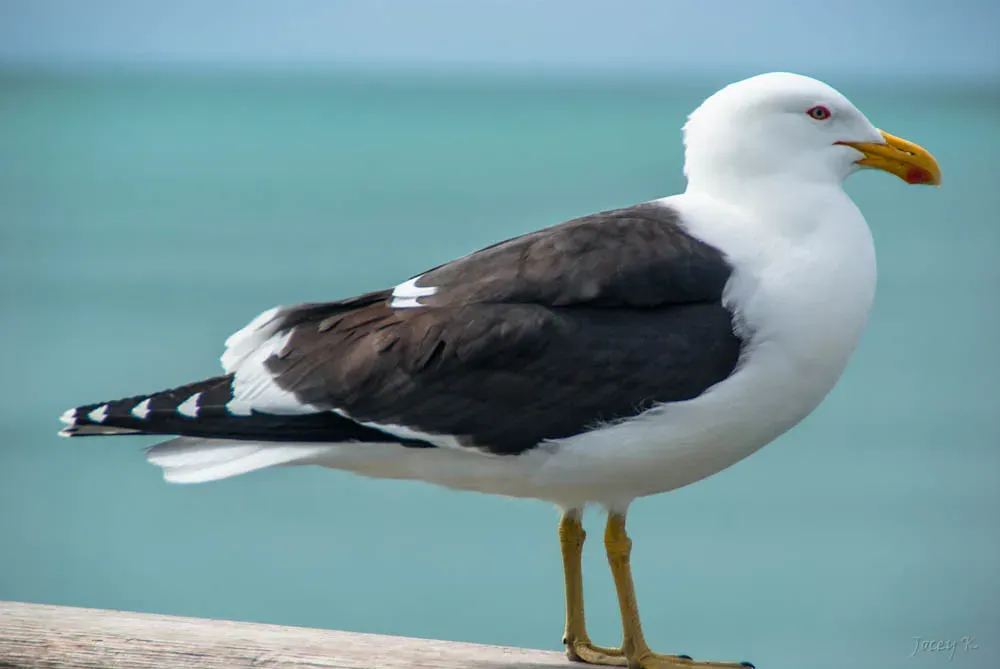
Stories about animals acting strangely before earthquakes go back through history: dogs howling, cats hiding, snakes slithering out of the ground, birds swarming in unusual patterns. For a long time, scientists largely brushed this off as myth or selective memory. But in recent years, a few careful observations and sensor data have forced a second look. In some monitored farms and wildlife areas, animals really did change their behavior hours before a quake.
One leading idea is that they’re picking up tiny signals that we ignore: faint tremors, low-frequency sounds, or even changes in groundwater and air chemistry that occur before fault lines slip. Cows might suddenly cluster together, goats may become restless, or birds might abruptly abandon an area. It’s not that animals “predict the future” in a mystical way – they simply feel the earliest, subtlest changes in their environment, long before our instruments register enough data for an official warning.
Fish That Sense Pressure and Vibration Like a Hidden Radar
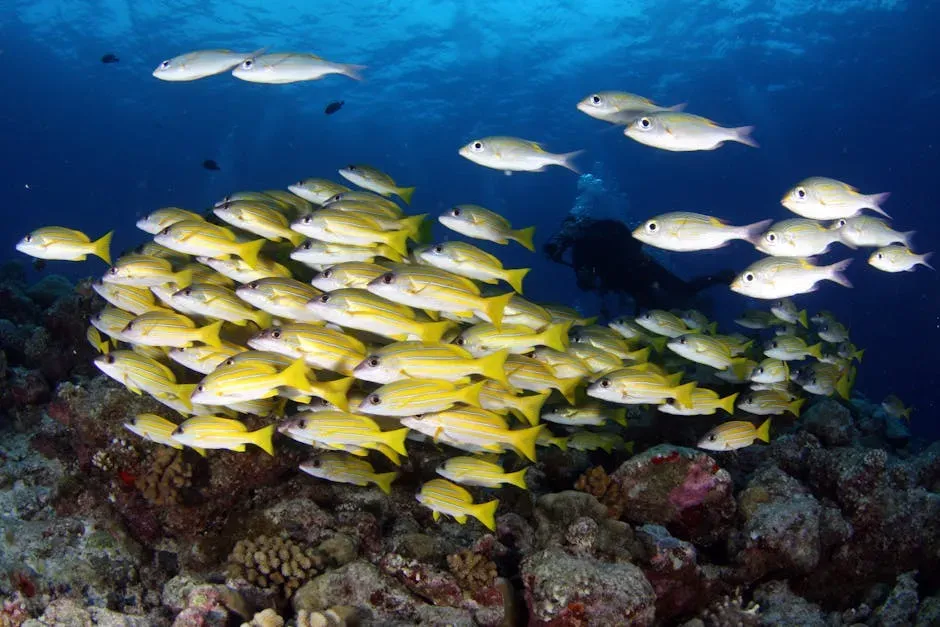
If you’ve ever watched a school of fish turn all at once, almost like a single creature, it feels uncanny. The secret tool they use is a sensory system humans don’t have: the lateral line. This is a series of tiny fluid-filled canals under the skin along the sides of many fish, packed with hair-like cells that sense movement and pressure changes in the water. It’s as if they have a built-in radar for waves and vibrations.
This extra sense lets fish detect nearby obstacles, predators, and neighbors without needing to see them. In dark or murky water, that can be the difference between life and death. Some research suggests the lateral line is so sensitive that fish can feel the tiny pressure wave of another fish flicking its tail nearby. We tend to think of the underwater world as mostly silent, but for fish, it’s a constant storm of tactile information, ripples and pulses that paint an invisible landscape around them.
Bees, Weather Warnings, and Subtle Environmental Cues
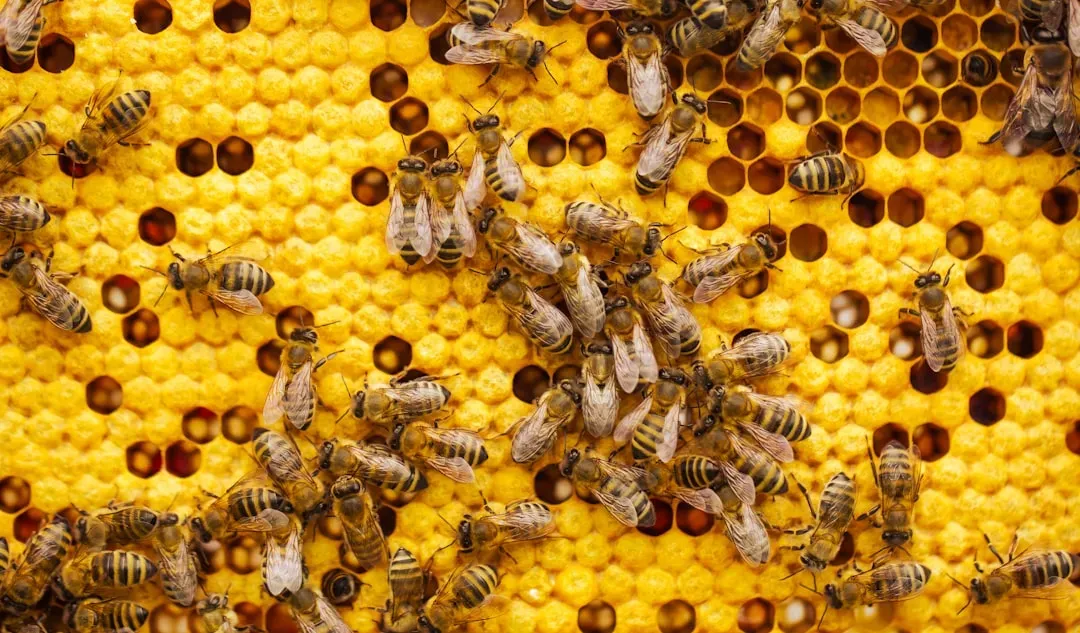
Watch a beehive closely before a sudden storm, and you’ll sometimes see something striking: bees rushing back faster, flights cutting short, entrances suddenly crowded as if the hive is slamming the door on the sky. Beekeepers have long noticed that bees change their behavior before rain and severe weather, often staying closer to home and hoarding nectar and pollen more aggressively. It looks uncannily like they’re reading a forecast we can’t see.
In reality, bees are hypersensitive to small shifts in humidity, air pressure, temperature, and even electrical fields in the atmosphere. Flowers and plants themselves can carry tiny electric charges that bees detect, helping them judge which blossoms are worth visiting. When the air changes before a storm, those delicate patterns shift. To us, the day still seems fine. To bees, the entire electrical and chemical mood of the environment has changed, and they act accordingly.
Octopus and Cuttlefish: Skin That Thinks and Sees
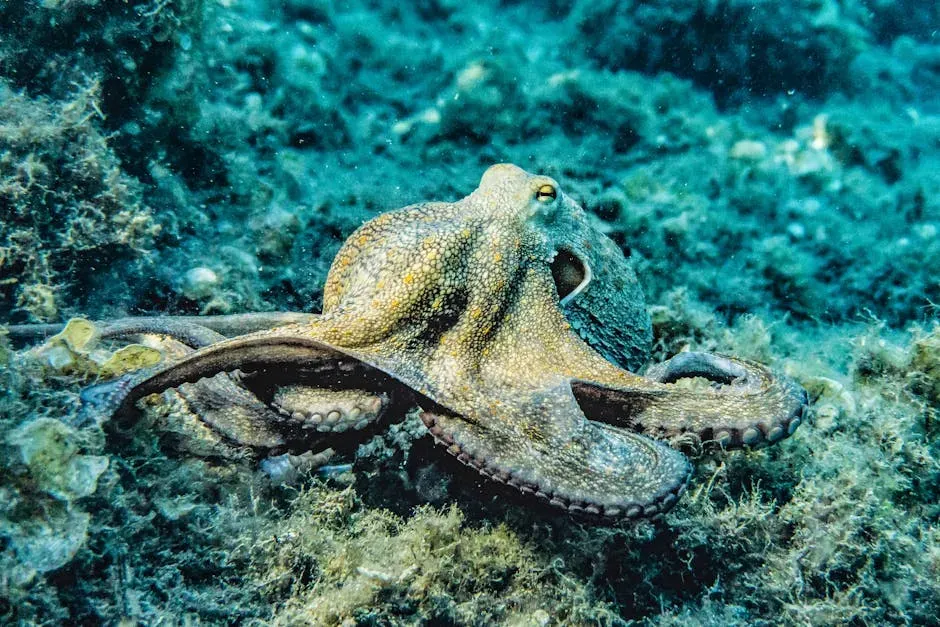
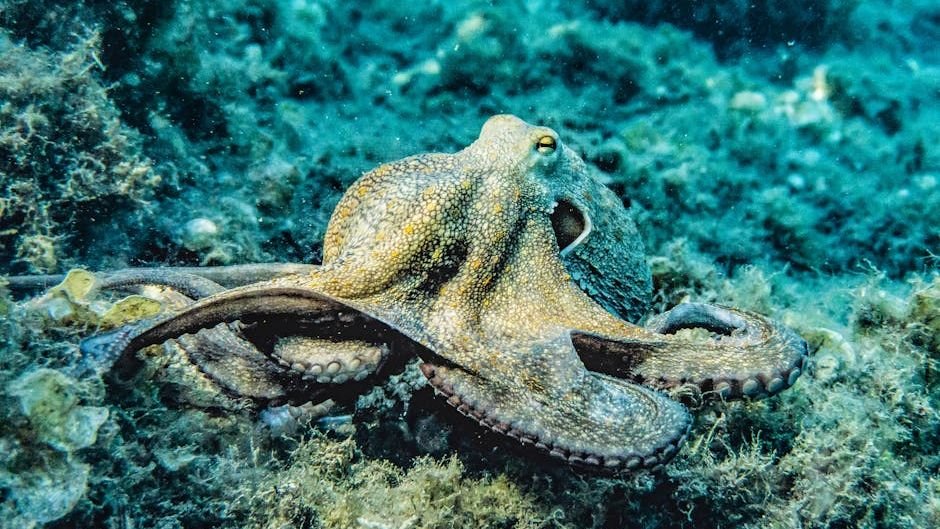
Standing in front of an octopus tank can feel like staring at an alien mind. One second it’s mottled brown, blending into a rock; the next, it explodes into shifting patterns and colors that seem to ripple with emotion. What’s truly strange is that their skin doesn’t just passively receive instructions from the brain. Evidence suggests that some pigment cells and light-sensitive molecules in their skin can respond locally, almost like the skin itself “sees” and reacts.
This gives octopus and cuttlefish a kind of distributed sixth sense: a body that’s constantly sampling light, texture, and contrast, then responding in real time. They don’t just perceive their surroundings; they dissolve into them. For predators and prey, that’s obvious camouflage. For scientists, it’s something more unsettling: a reminder that intelligence and sensing don’t have to live in one central command center the way they do in us. In these animals, the border between sensing, thinking, and acting is much blurrier than we grew up believing.
What Animal Sixth Senses Reveal About Our Own Limits
Once you start learning about animal sixth senses, it’s hard not to feel a little humbled. Our world is shaped by the limits of our own perception: what we can see, hear, smell, and touch. Yet all around us are creatures navigating electric fields, magnetic highways, pressure waves, and atmospheric shifts we never notice. They are not magical – they’re just tuned into layers of reality we’re mostly blind to.
As science slowly uncovers how these senses work, we’re also forced to admit how much we still don’t know. Some of the strangest abilities, from dogs sensing seizures to animals reacting before earthquakes, are only partially understood at best. That uncertainty is uncomfortable, but also kind of thrilling. If other species live in a richer, deeper sensory world than we do, then our view of reality isn’t wrong – it’s just incomplete.