Imagine a creature with three hearts, blue blood, and arms lined with hundreds of powerful suckers—each capable of tasting and feeling their world with an uncanny precision. Now imagine this creature squeezing through impossibly tiny spaces, opening jars from the inside, and learning by watching others. That’s not a scene from a science fiction film; it’s daily life for the octopus. Their baffling intelligence has left scientists, divers, and aquarium keepers awestruck for decades. Octopuses are not only the Houdinis of the sea, but also the closest thing we have to alien minds right here on Earth. Dive in as we unravel the astonishing story of how these extraordinary animals have mastered the art of survival, trickery, and escape in both the wild and captivity.
The Alien Brain: A Mind Like No Other
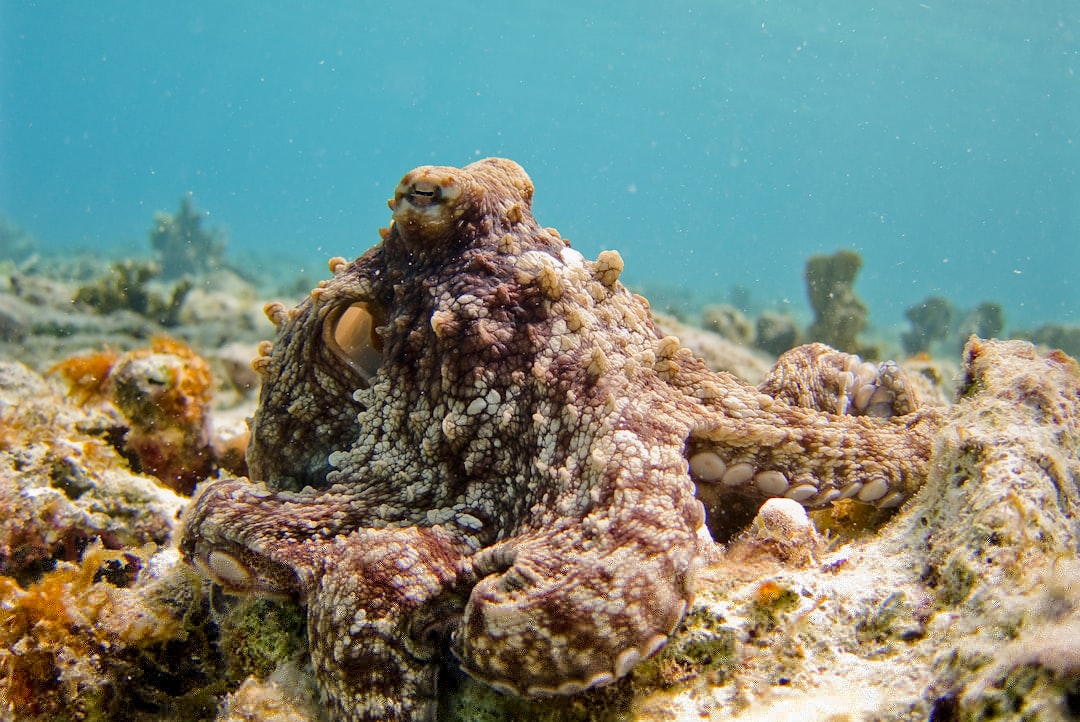
Octopuses have a nervous system that’s nothing short of mind-bending. With over 500 million neurons, two-thirds of which are spread throughout their arms, their brain structure is unlike anything found in mammals or birds. Each arm can operate semi-independently, almost as if it has a mind of its own. This decentralized intelligence lets them multitask in ways that are hard for us to even imagine. When an octopus is hunting, one arm might be poking around cracks in rocks, while another is feeling out a potential escape route. This unique setup allows them to react instantly to threats or opportunities, making them incredibly adaptable and unpredictable.
Masters of Disguise: Camouflage That Defies Belief
Perhaps nothing demonstrates octopus intelligence better than their camouflage abilities. Using specialized skin cells called chromatophores, iridophores, and leucophores, they can change color, texture, and even the shape of their bodies in the blink of an eye. Some species can mimic rocks, coral, or even other animals like lionfish or sea snakes. This quick-change artistry isn’t random—octopuses study their surroundings and make decisions about how to blend in, often fooling both predators and prey. It’s a skill that requires rapid processing, memory, and a deep understanding of their environment.
Escape Artists: Tales from Aquariums
Aquarium workers around the world have their own legendary octopus escape stories. These animals have been known to unscrew lids, slip through drainage pipes, and even cross dry floors to reach another tank for a midnight snack. One famous octopus, Inky, escaped from New Zealand’s National Aquarium by squeezing through a tiny gap at the top of his enclosure, sliding down a 20-meter drainpipe, and disappearing into the sea. Such escapades highlight not just dexterity but also problem-solving skills, curiosity, and a strong will to explore.
Problem Solvers: Outwitting Scientists and Predators
Octopuses are notorious for their puzzle-solving prowess. In laboratory studies, they’ve opened childproof pill bottles, solved mazes, and even learned to distinguish between different shapes and patterns. Their ability to remember solutions and apply them to new situations is a hallmark of true intelligence. In the wild, they use these skills to open clamshells, avoid traps, and outsmart predators like moray eels and sharks. It’s not just trial and error—they seem to plan, experiment, and adapt their techniques with remarkable efficiency.
Learning by Observation: The Social Side of Solitude
Despite being mostly solitary creatures, octopuses are surprisingly good at learning from others. In controlled experiments, they have watched fellow octopuses solve problems and then copied the solutions themselves. This kind of observational learning is rare in the animal kingdom, especially among invertebrates. It suggests that octopuses are capable of more abstract thought than many animals with much larger brains.
Tool Use: When Arms Become Swiss Army Knives
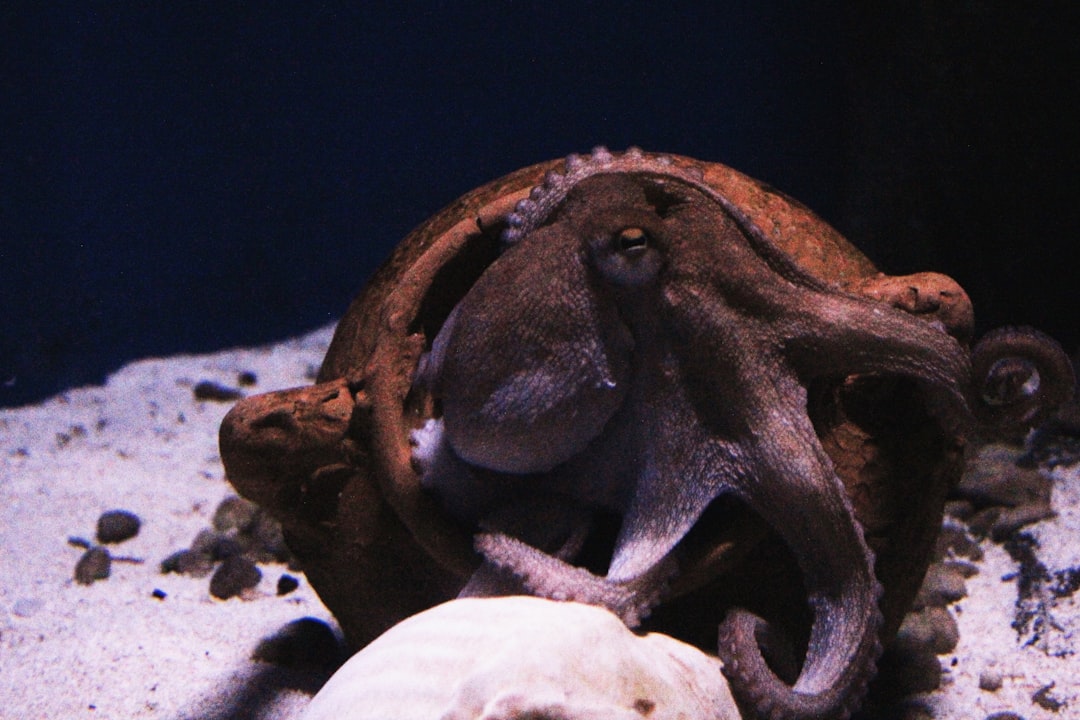
Tool use was once thought to be the domain of humans and a few clever birds and mammals. Enter the veined octopus, which has been seen collecting coconut shells and carrying them across the seafloor to use later as shelter. Some species gather rocks and arrange them to block the entrances to their dens. These behaviors show foresight and planning—a sign of higher intelligence rarely found in the animal world.
Short Lives, Long Memories
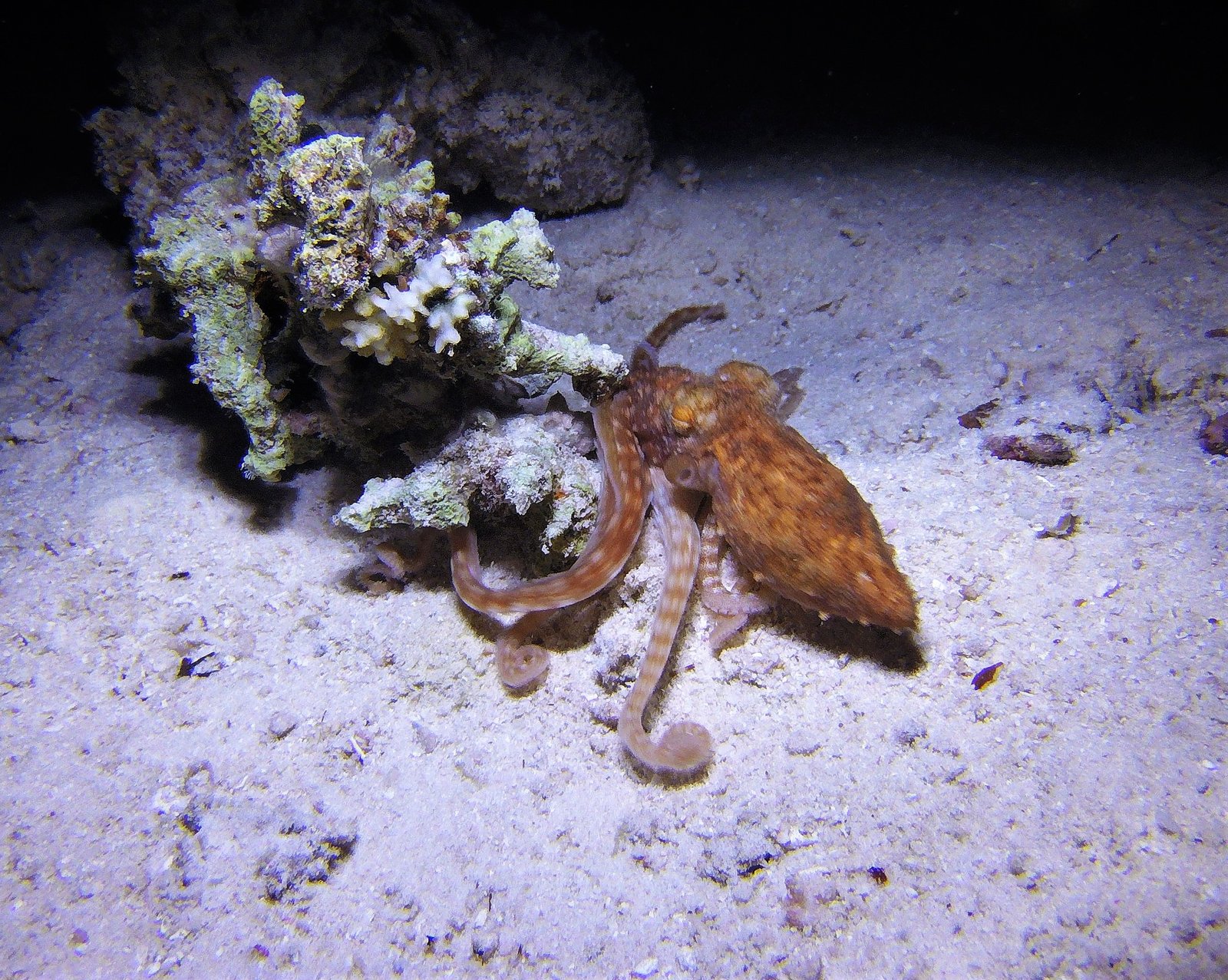
It’s hard to believe, but most octopuses live only one or two years. Yet in that short span, they accumulate a wealth of experience and display memories that seem to last a lifetime. Octopuses can remember individual humans, recognizing friendly keepers and avoiding those who have annoyed them. They can recall the locations of food sources and safe hiding spots, adjusting their routines as circumstances change.
Communication Without Words
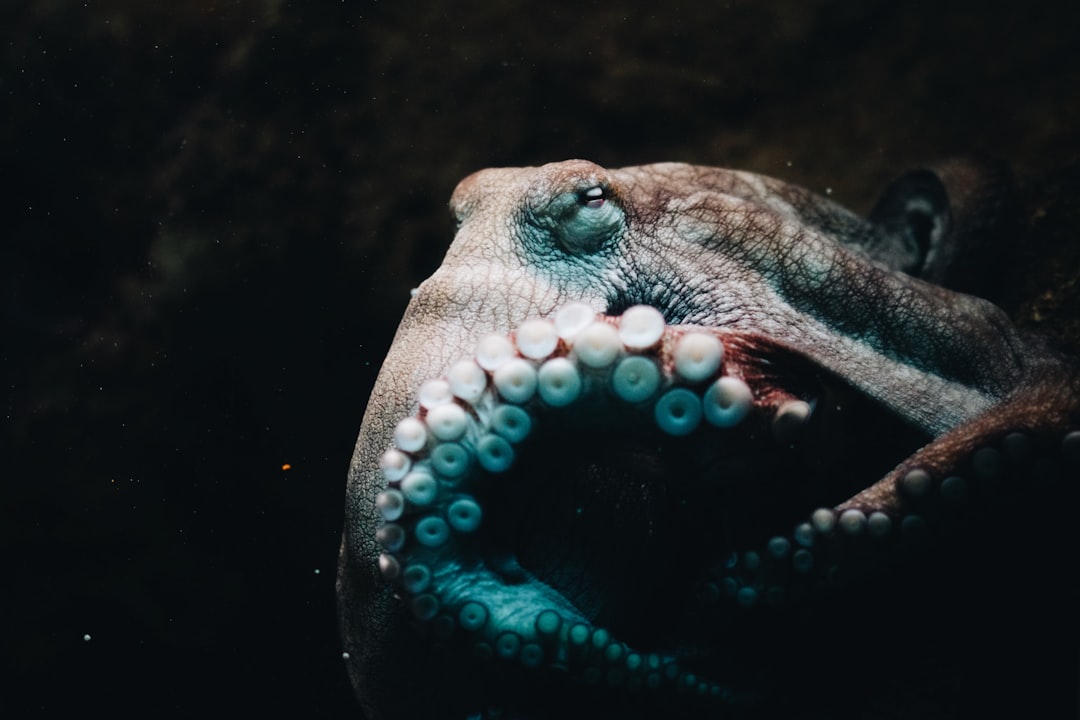
Octopuses may not chat or sing, but their bodies are brilliant communicators. They flash warning colors, ripple their skin, and change postures to express fear, curiosity, aggression, or even readiness to mate. This visual language lets them share information with other octopuses and even signal to would-be predators that they’re not to be messed with. Each display is tailored to the situation, showing an awareness of context that’s rare among animals.
Octopus Playtime: When Curiosity Takes Over
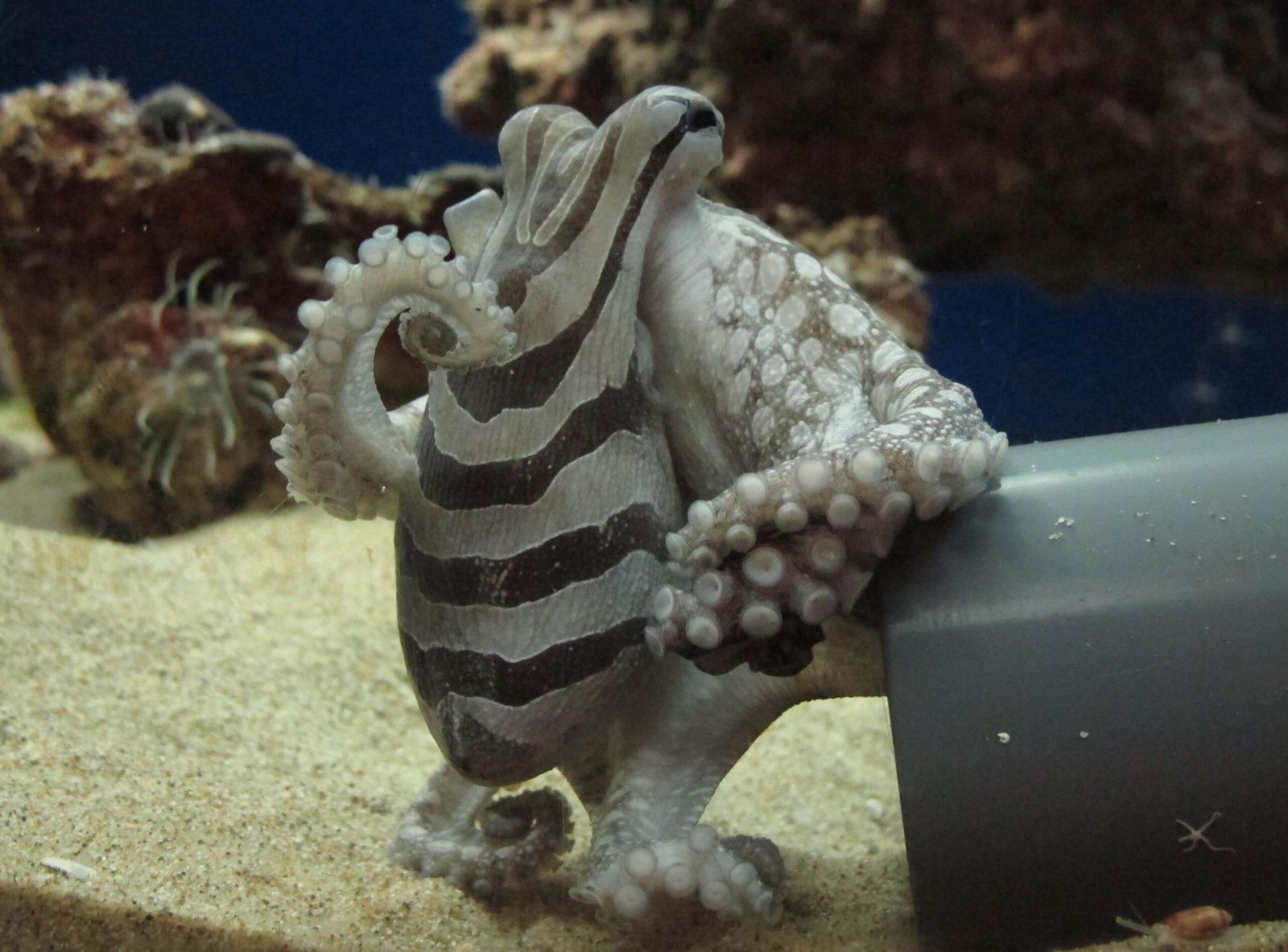
Play is often seen as a sure sign of intelligence. Octopuses have been observed playing with objects in their tanks—tossing shells, shooting jets of water at floating toys, and even playing “catch” with streams of bubbles. This kind of behavior isn’t just about finding food or escaping predators; it seems to be done for sheer enjoyment and exploration, hinting at minds that crave stimulation.
Creative Hunting Tactics
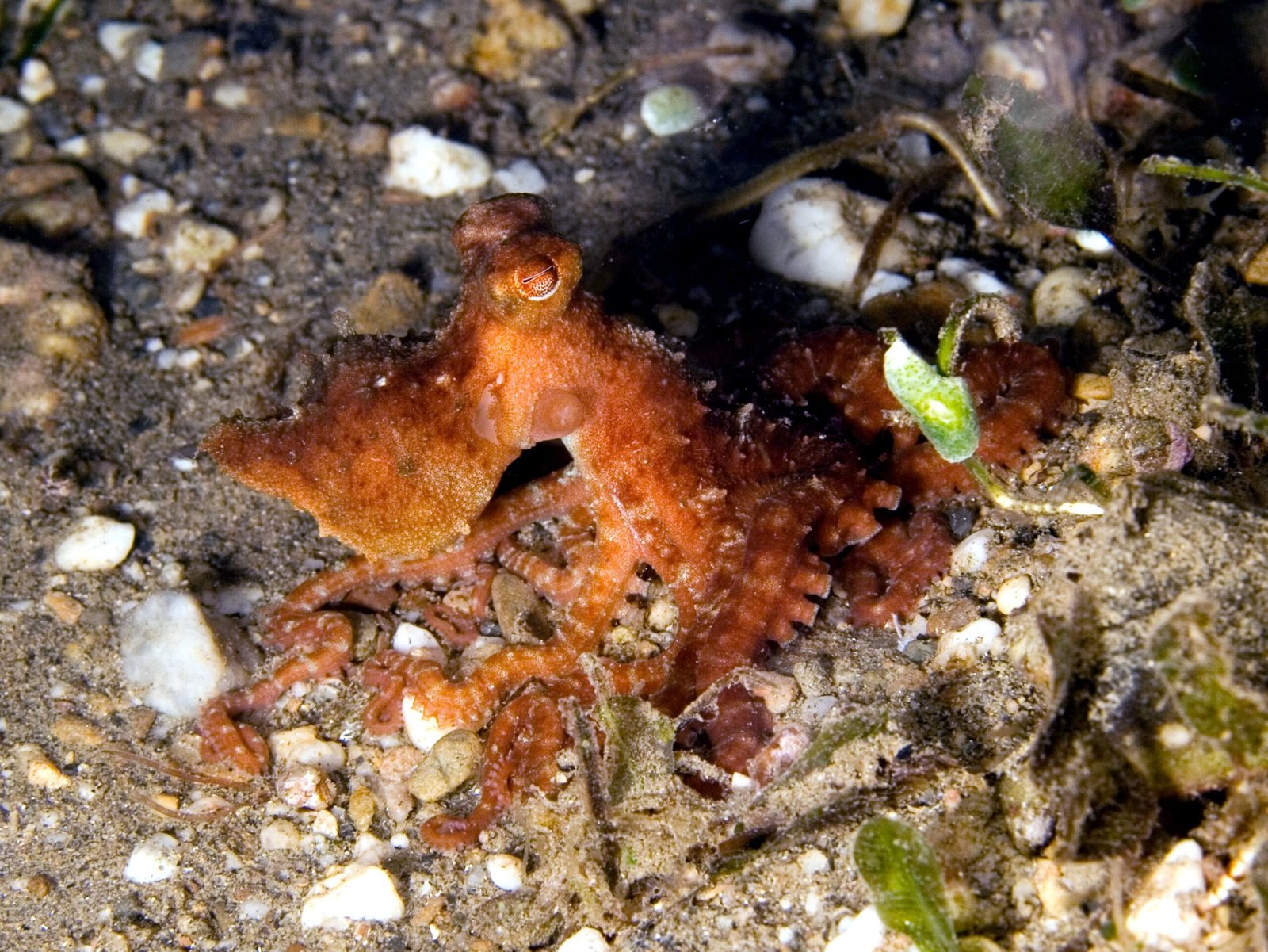
When it comes to hunting, octopuses are as inventive as they are patient. Some species ambush prey by hiding in sand and striking out with lightning speed. Others use their arms to herd fish into tight spaces or build barricades from rocks to trap crabs. Their ability to adapt their hunting strategies to different environments and prey types is a testament to their flexible intelligence.
Memory and Mapping: Navigating Complex Worlds
Octopuses live in environments that can change quickly and are full of dangers. They are able to map out their surroundings, remembering the best routes to food, shelter, and escape routes. This spatial intelligence allows them to navigate intricate coral reefs and rocky seafloors with confidence. Some have even been observed returning to favorite hunting grounds months later, showing an impressive memory for detail.
Survival in the Wild: Outsmarting Predators
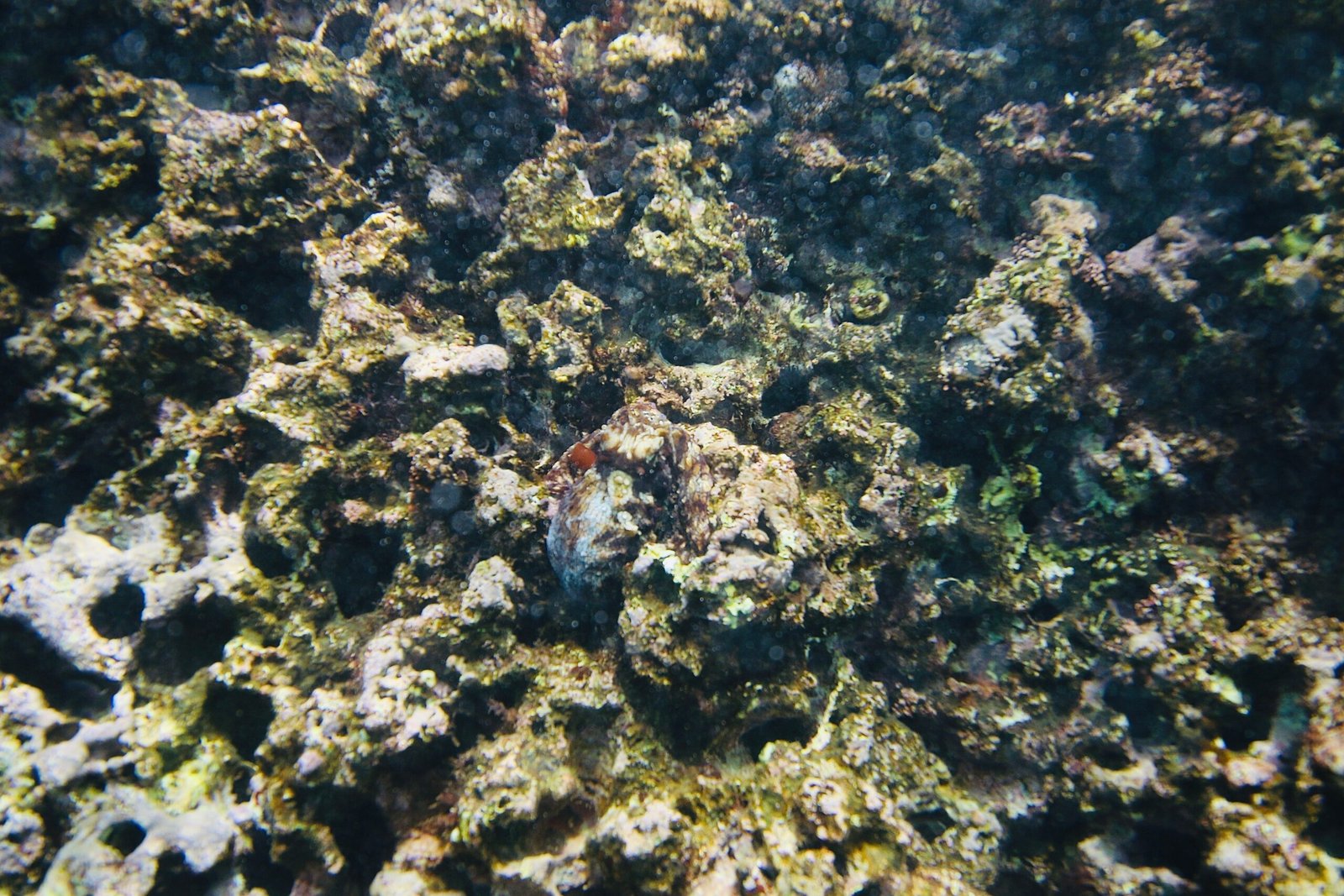
The ocean is full of threats, from sharks to seals to larger fish. Octopuses rely on their intelligence to survive—using camouflage, quick escapes, and even ink clouds to confuse enemies. Sometimes they’ll even leave behind an arm as a distraction, sacrificing a limb to live another day. Their ability to anticipate danger and respond with the right tactic on the fly is a crucial reason they’ve thrived in such a tough neighborhood.
Regeneration: A Backup Plan for Survival
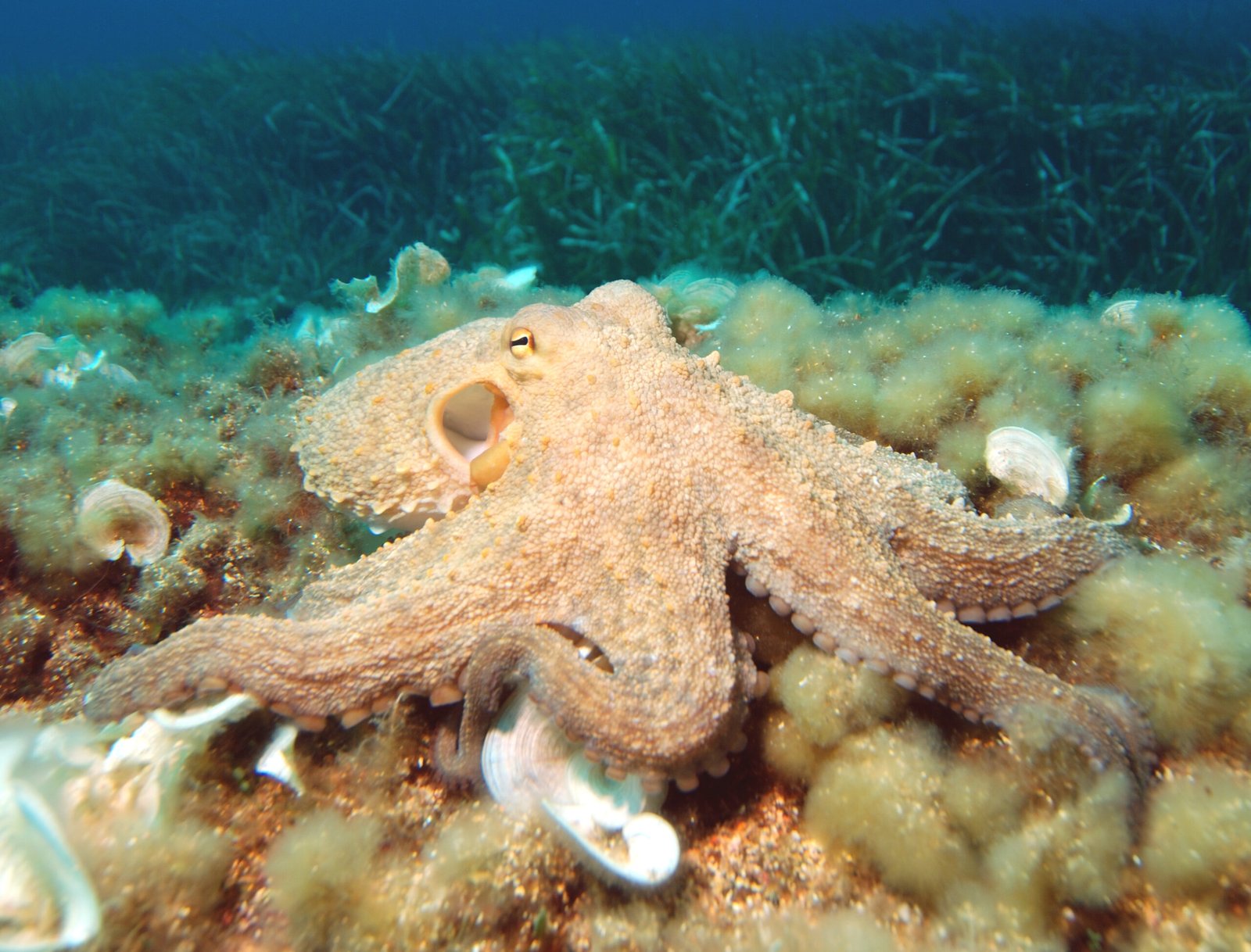
Losing an arm might sound like a tragedy, but for octopuses, it’s just another day at the office. Their arms can regenerate completely within a few months, nerves and all. This ability not only helps them escape predators but also lets them keep exploring and interacting with their environment. It’s a biological insurance policy that supports their bold, risk-taking behaviors.
Octopus Intelligence vs. Mammalian Minds
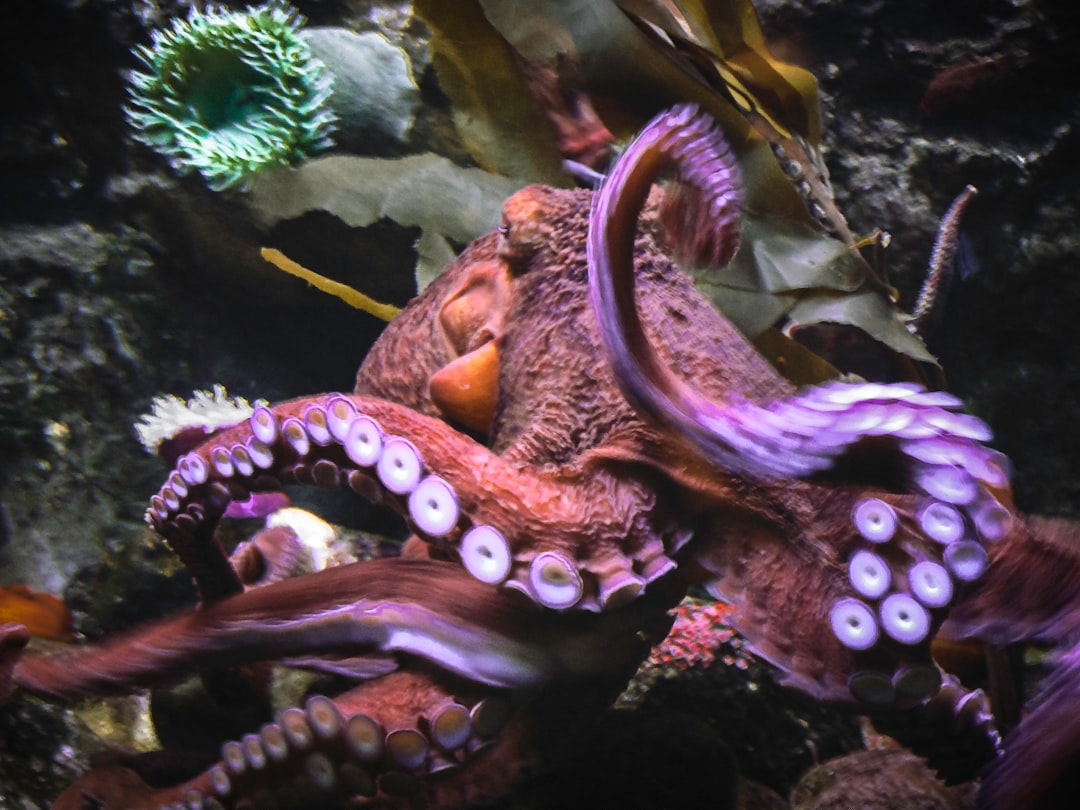
Comparing octopus intelligence to that of mammals like dolphins or dogs is both fascinating and tricky. Octopuses lack the social structures and long lifespans of many mammals, yet their problem-solving skills and adaptability often outshine those of animals with much larger brains. Their form of intelligence has evolved along an entirely different path, challenging our understanding of what it means to be “smart.”
Emotional Lives: Do Octopuses Feel?
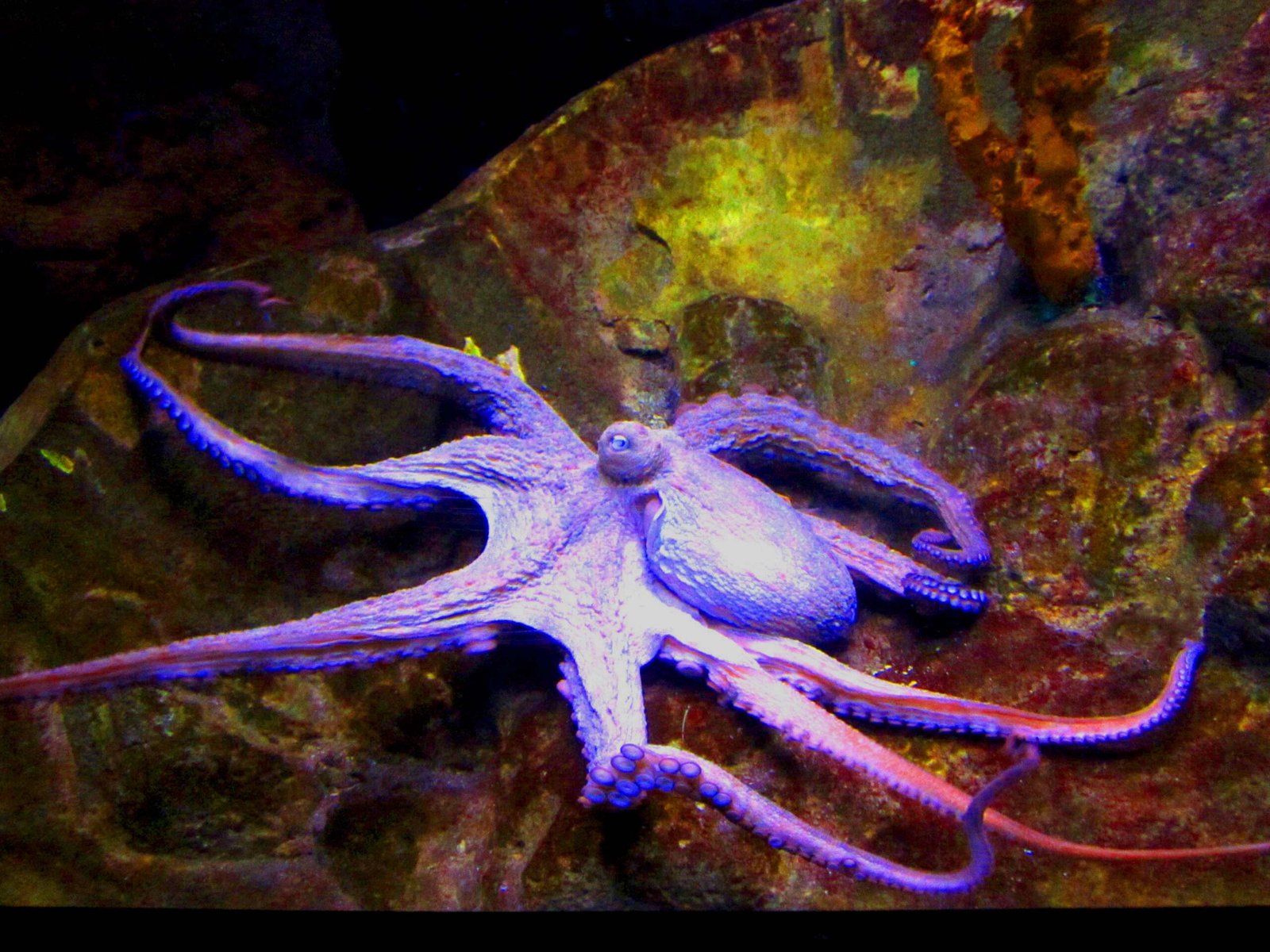
The question of whether octopuses experience emotions is hotly debated. They show clear signs of stress, excitement, and even what looks like curiosity or mischief. Some researchers believe they may experience basic emotions, driven by their complex nervous systems. While we can’t know exactly what it’s like to be an octopus, their behaviors suggest inner lives that are far richer than we once imagined.
Octopuses in Culture and Myth

For centuries, octopuses have captured the human imagination. Legends of krakens and sea monsters often have their roots in sightings of these mysterious animals. Today, they star in documentaries, children’s books, and art, symbolizing intelligence, adaptability, and the mysteries of the deep. Their real-life behaviors are often stranger and more wonderful than any myth.
Caring for Octopuses: Challenges in Captivity
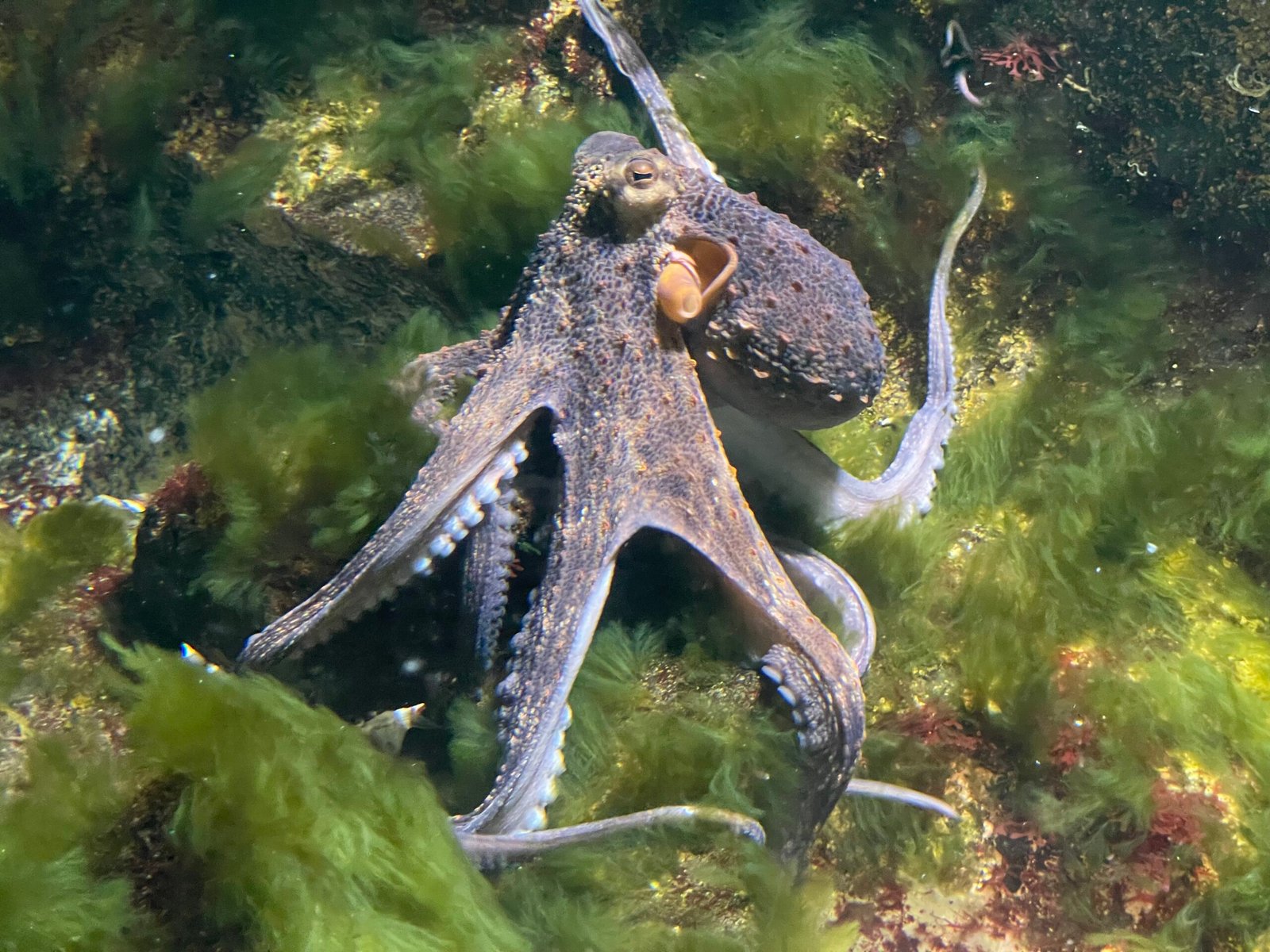
Keeping an octopus in an aquarium is a bit like trying to contain a genius escape artist. Their need for stimulation and exploration makes it difficult to keep them healthy and engaged in captivity. Many aquariums now design elaborate “octopus-proof” enclosures and provide challenging puzzles and toys to keep their residents occupied. Despite these efforts, some octopuses still manage to outwit their keepers, reminding us that their minds are always working.
Recent Scientific Discoveries
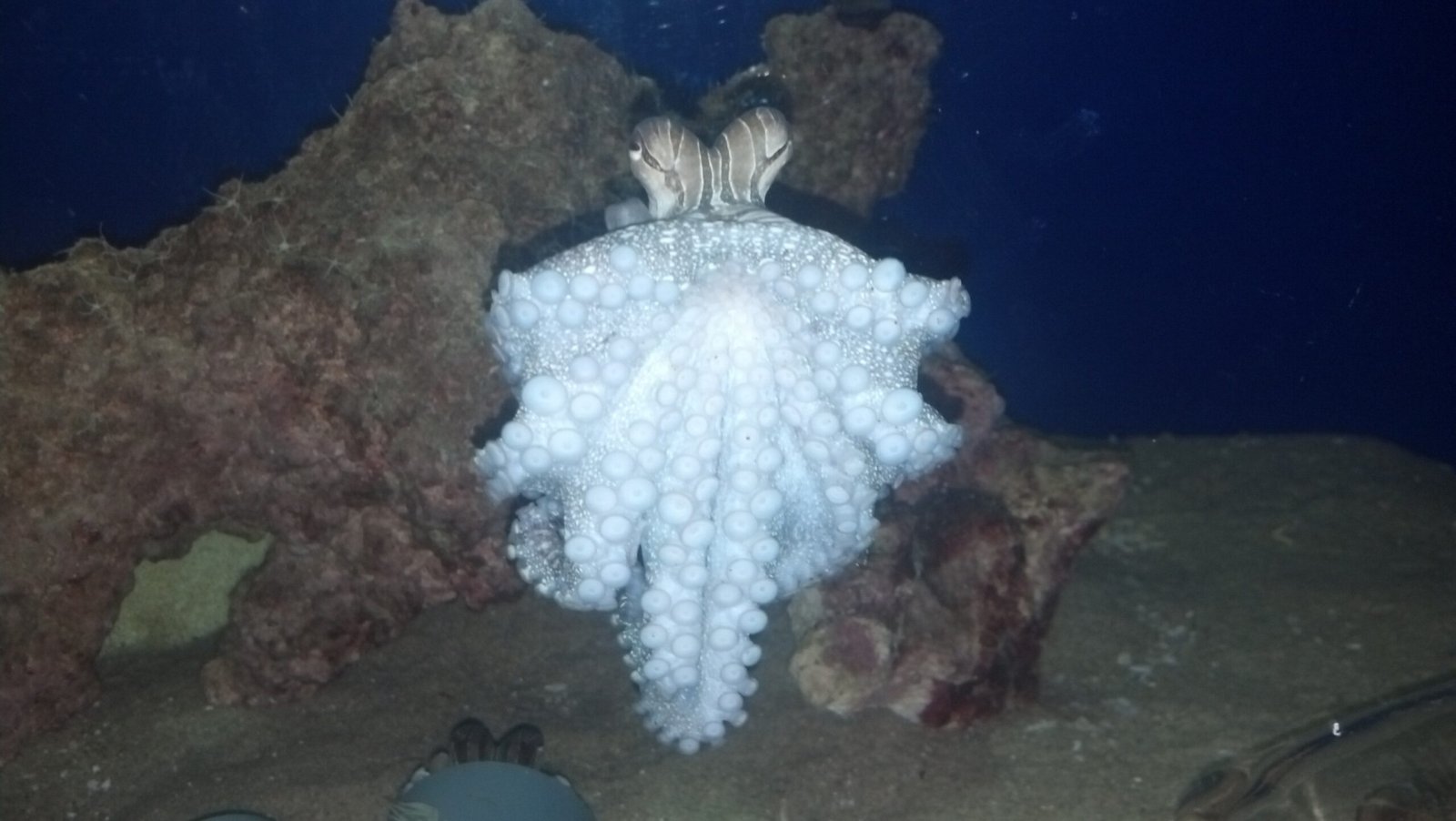
In the past decade, research into octopus intelligence has exploded. Scientists are now using advanced imaging techniques to study their brains in action, revealing patterns of activity that hint at consciousness and even dreams. Genetic studies have uncovered surprising similarities between octopus and vertebrate brains, suggesting that some aspects of intelligence may have evolved more than once on Earth. Each discovery only deepens the mystery, inspiring new questions and experiments.
The Future of Cephalopod Studies
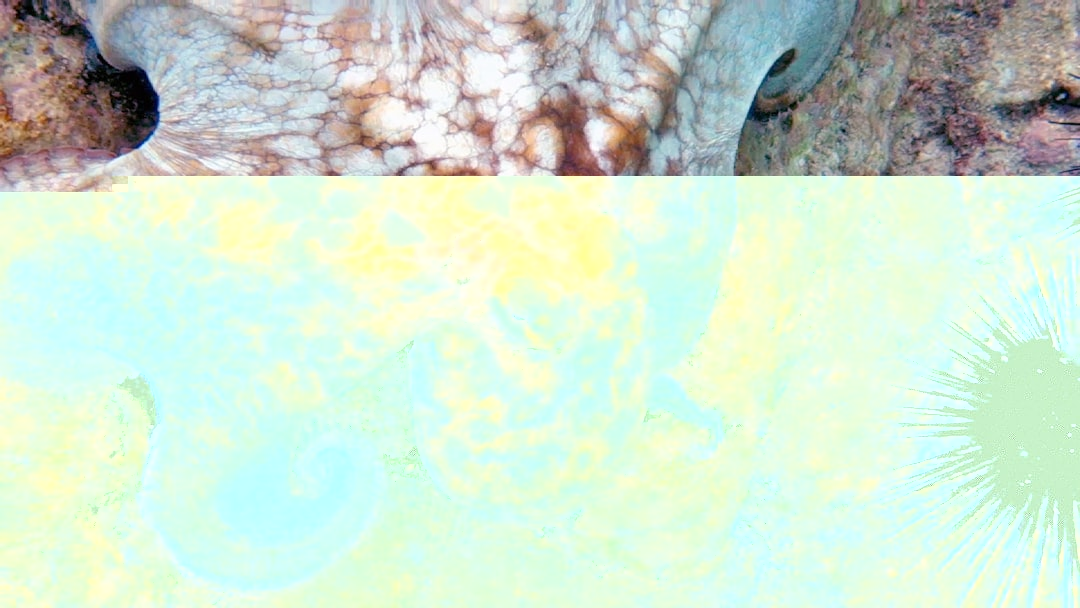
As we learn more about octopus intelligence, researchers are calling for greater protections for these animals, both in the wild and in research settings. Their complex behaviors and apparent sentience challenge us to rethink how we treat non-mammalian life. With new technologies and growing public interest, the next few years promise even more mind-blowing discoveries from the world of the octopus.
What Octopuses Can Teach Us

Octopuses remind us that intelligence can take many forms, and that the boundaries of “smart” are much wider than we once believed. Their lives are a testament to creativity, adaptability, and the power of curiosity. Watching an octopus solve a puzzle or escape a tank isn’t just fun—it’s a humbling reminder that the world is full of minds very different from our own. What else might be out there, quietly outsmarting us in ways we have yet to imagine?