
From volcanic peaks shrouded in mist to coral reefs shimmering beneath turquoise waves, the islands of Asia and the Pacific are more than just picturesque escapes—they are living treasure chests of unique wildlife found nowhere else on Earth. As we honor Asian Pacific Islander Heritage Month, it’s the perfect moment to look beyond human stories and marvel at the wild wonders that have evolved alongside centuries of indigenous cultures. Imagine a place where birds boast colors brighter than the sunset, lizards glide from tree to tree, and ancient turtles outlive empires. These islands are more than dots on a map; they are sanctuaries for creatures shaped by isolation, climate, and tradition. Their survival tells a story as vital as any legend or festival—one of resilience, adaptation, and breathtaking diversity.
The Magic of Island Endemism

Endemism is nature’s way of writing its own biological fairy tales, and islands are the perfect canvas. When a species is endemic, it means it exists nowhere else in the world. The Philippines, Indonesia, and the vast sweep of the Pacific Ocean are filled with such one-of-a-kind creatures. These animals have evolved in splendid isolation, adapting to unique habitats and often developing surprising characteristics. Think of the Komodo dragon, the world’s largest lizard, which stalks only a handful of Indonesian islands. Or the radiant Cebu flowerpecker, a tiny bird that flits through the Philippine forests, found nowhere else. Island endemism is a fragile magic, however—one easily broken when introduced species or habitat loss intrude.
Hawaiian Honeycreepers: Jewels of the Forest
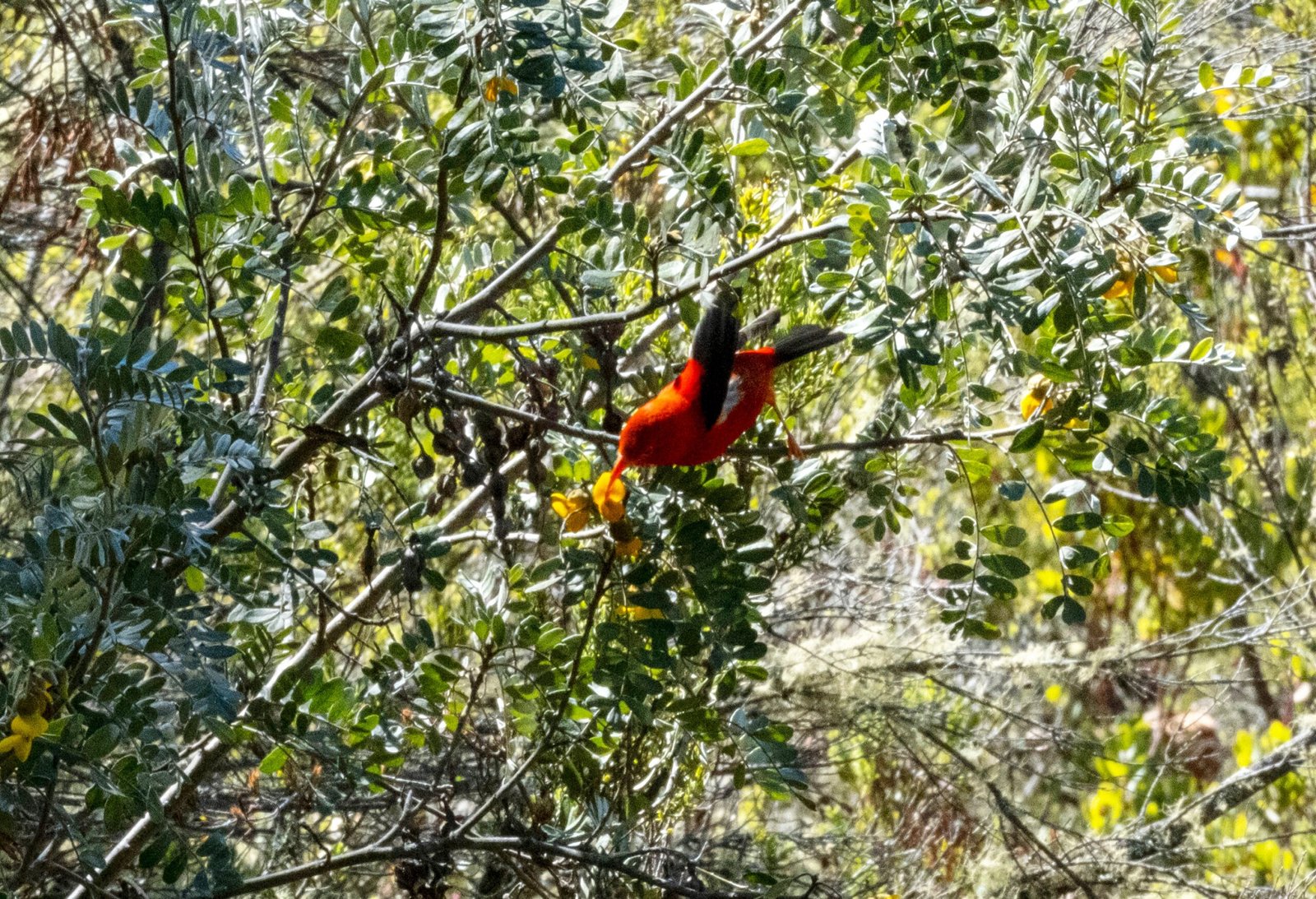
Hidden among Hawaii’s lush rainforests, the honeycreepers are a living testament to how evolution can paint with a thousand brushes. Each species has its own unique bill, adapted for sipping nectar, picking insects, or even cracking seeds. Their dazzling colors—scarlet, yellow, and emerald—seem to have jumped straight out of an artist’s palette. Yet, these birds are in crisis, with many species teetering on the brink of extinction due to habitat loss and invasive diseases. The story of the honeycreepers is both inspiring and sobering, reminding us of the delicate balance that sustains island life.
The Komodo Dragon: Island Giant and Ancient Predator
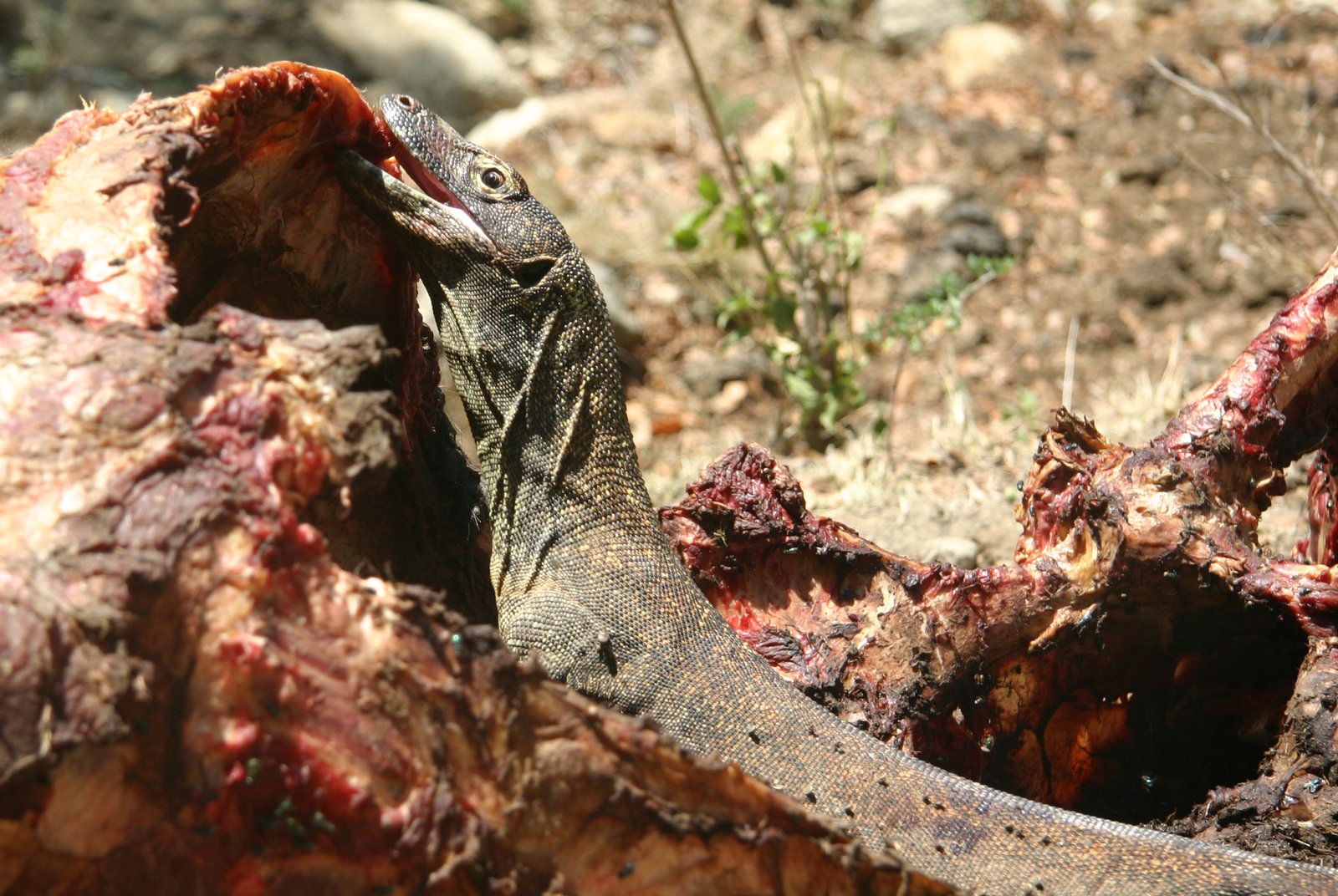
No animal captures the imagination quite like the Komodo dragon, a relic of a prehistoric past. Found only on a few Indonesian islands, these massive lizards can grow over 10 feet long and weigh more than 150 pounds. Their hunting prowess is legendary—they can bring down deer, boars, and even water buffalo with a single ambush. Scientists believe Komodo dragons have survived for millions of years thanks to their remote island homes, where they reign supreme as apex predators. Today, their survival is threatened by shrinking habitats and human encroachment, making them a symbol of both mystery and urgent conservation.
Micronesian Kingfisher: A Bird on the Brink
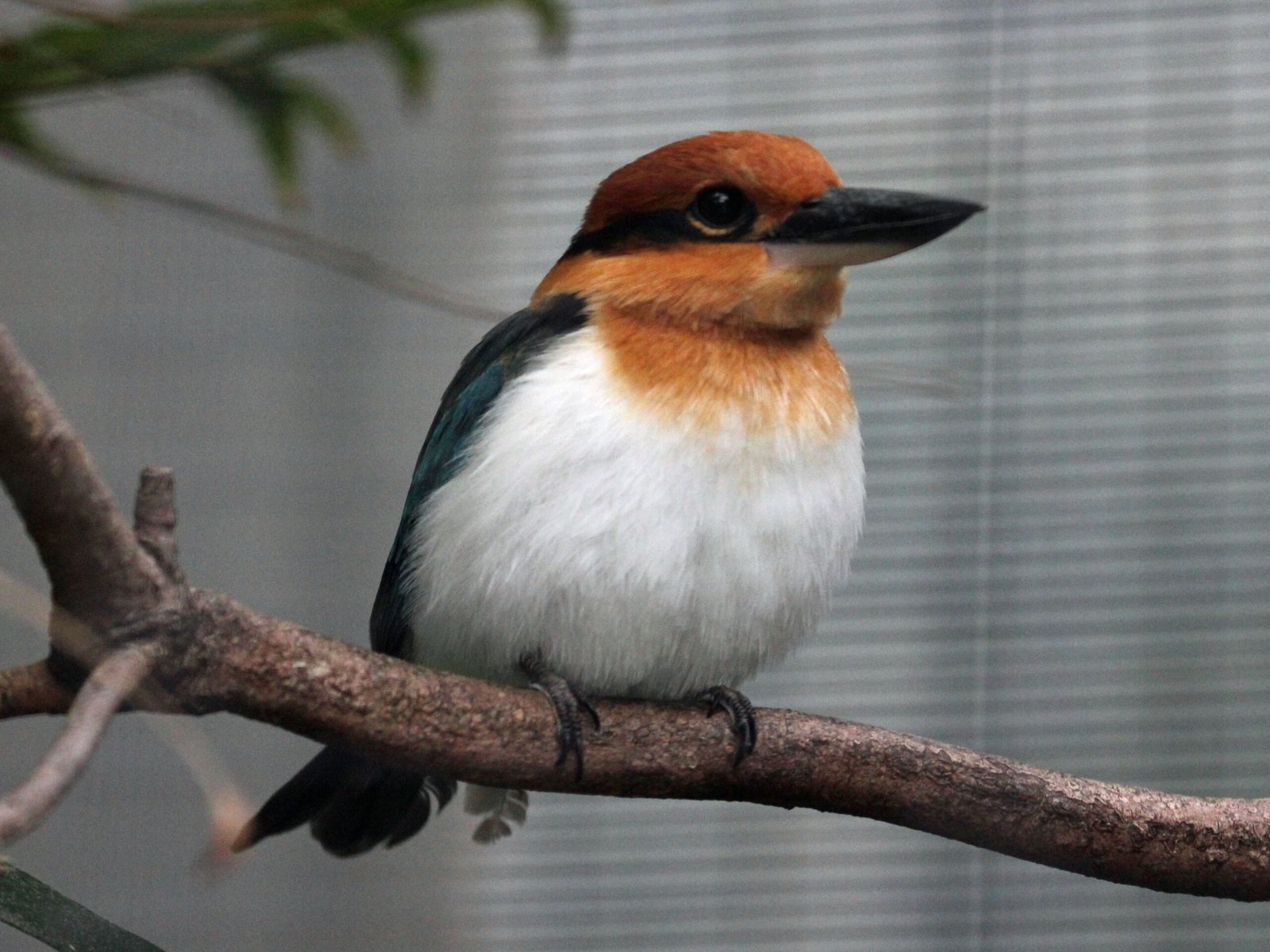
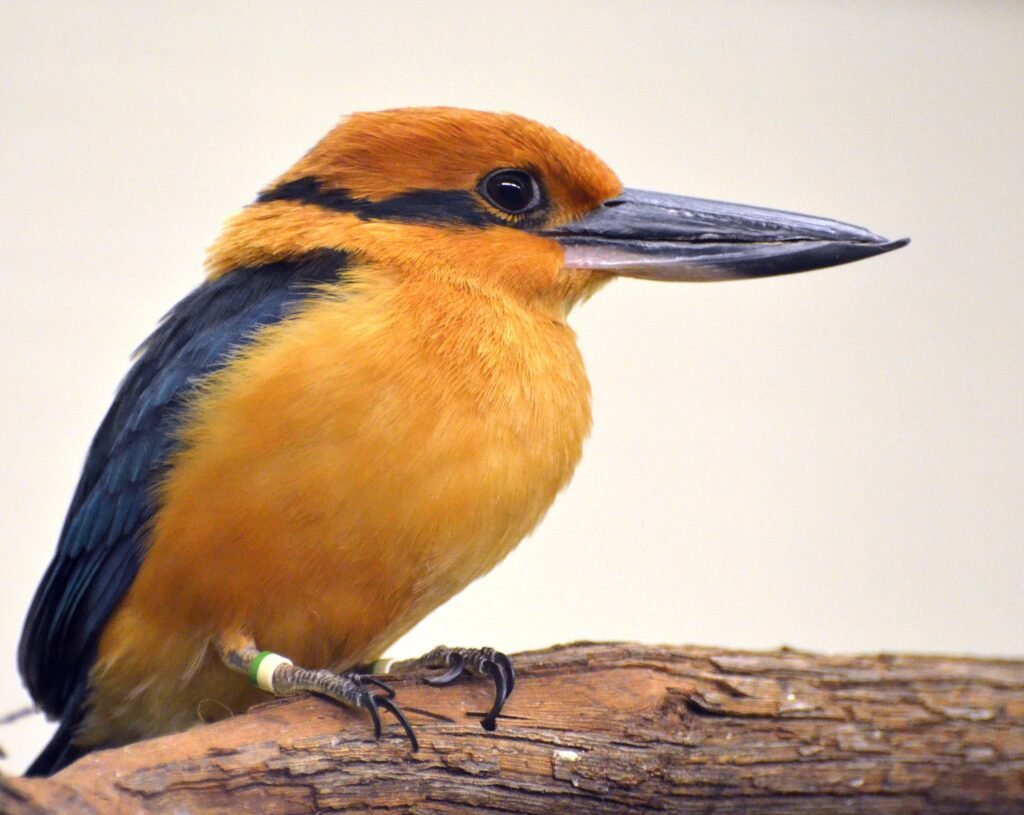
The electric blue-and-orange Micronesian kingfisher is a bird whose beauty is matched only by its rarity. Once common on Guam, it was driven to extinction in the wild by the introduction of the brown tree snake. Today, fewer than 200 individuals survive, all in captivity, with conservationists working tirelessly for their reintroduction. This kingfisher’s plight is a stark reminder of how delicate island ecosystems can be, and how quickly they can unravel when balance is lost. Still, the hope for its return remains a testament to human determination and the enduring bond between people and wildlife.
Flying Foxes: The Night Gardeners
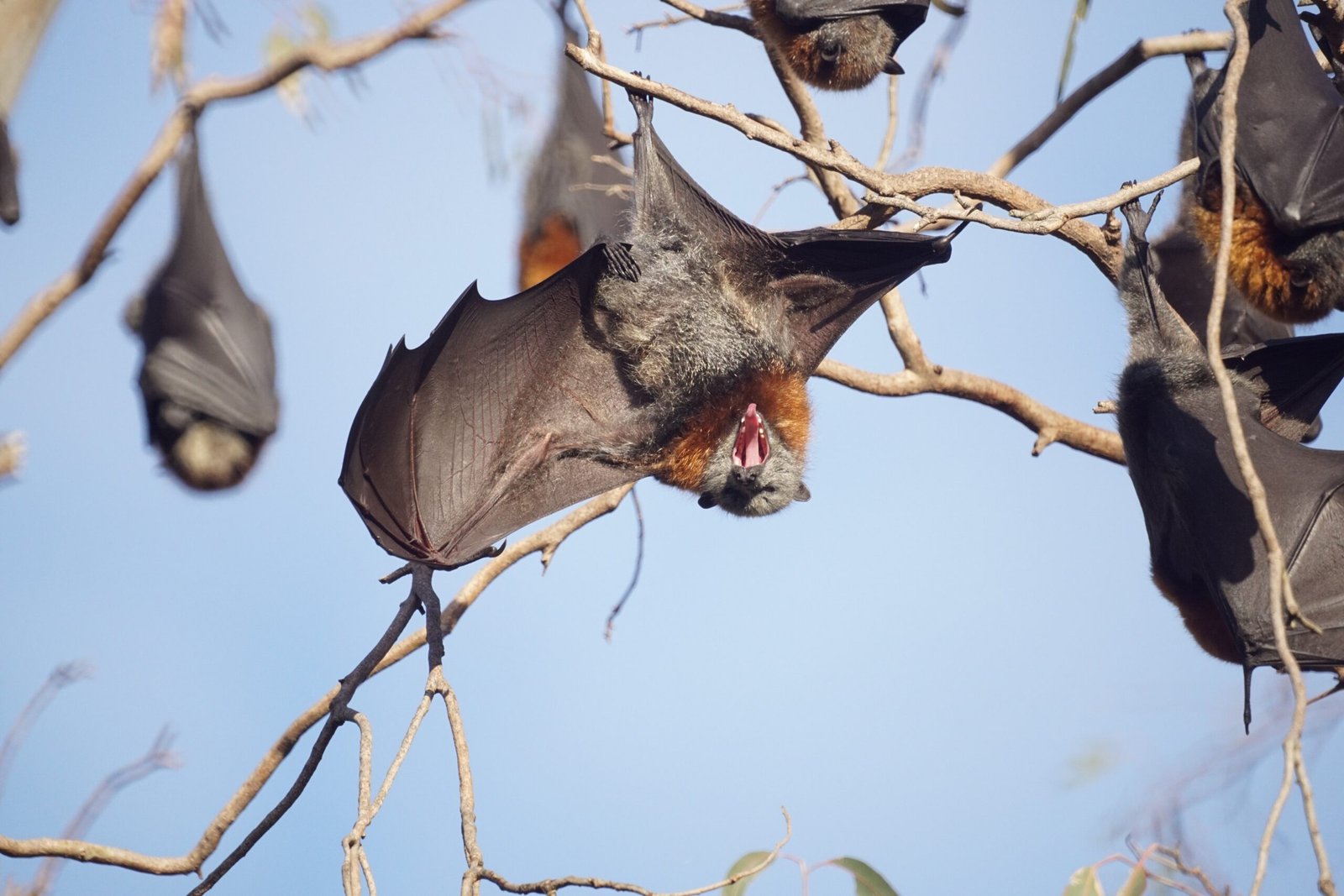
Pacific islands buzz with the nightly activity of flying foxes—large fruit bats that are essential to the health of forests. These “night gardeners” spread seeds and pollinate flowers as they flit from tree to tree, keeping ecosystems vibrant and diverse. In places like Samoa, Tonga, and Palau, flying foxes are woven into folklore and daily life. Unfortunately, hunting and habitat loss have caused their numbers to plummet. Their story is a poignant example of how cultural traditions and conservation can work together to protect the creatures that shape island landscapes.
Palawan Peacock-Pheasant: Shimmering in Secrecy
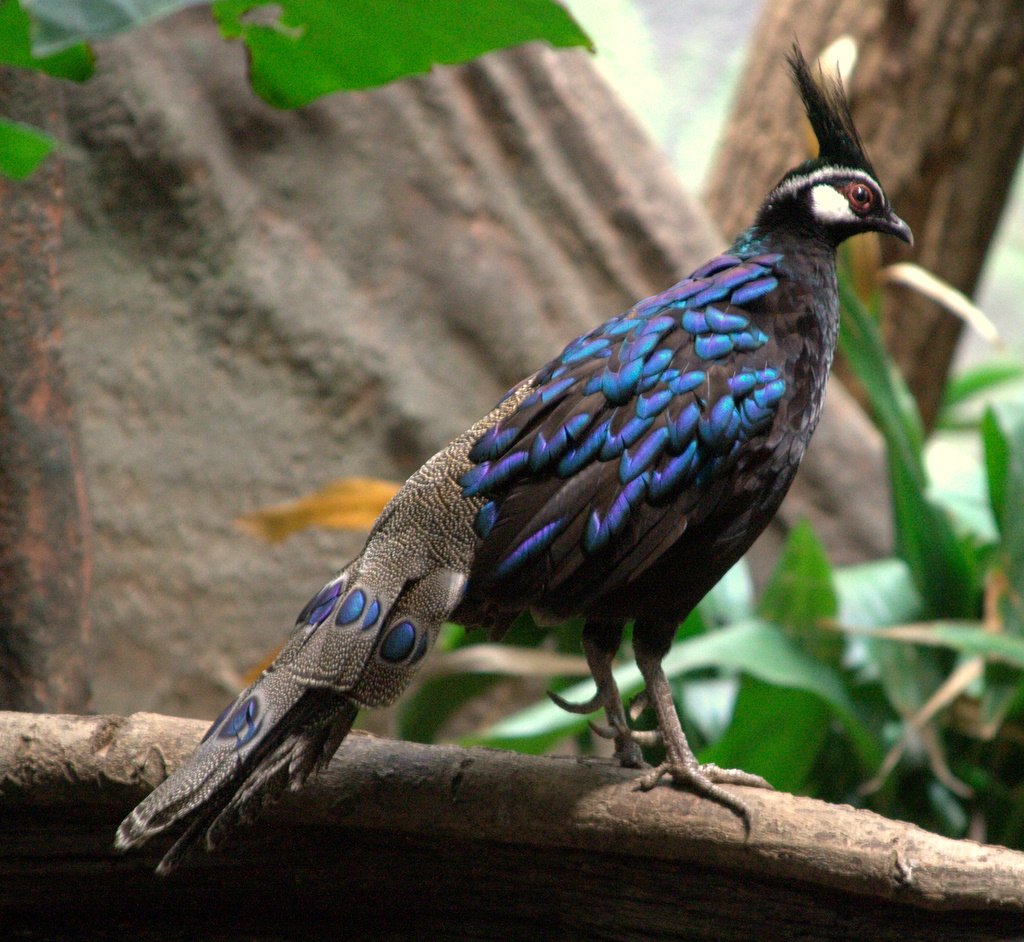
Deep in the forests of Palawan in the Philippines lives a bird so dazzling it seems almost unreal. The Palawan peacock-pheasant sports a cloak of iridescent blue and green feathers, flashing them in elaborate mating dances. This bird is deeply revered by local communities and has become an emblem of Palawan’s natural beauty. However, its restricted range and threats from deforestation place it in danger. To protect such a magnificent creature is to honor not just wildlife, but the rich cultural heritage woven around it.
Tuvalu’s Coconut Crab: The Gentle Giant of the Shore
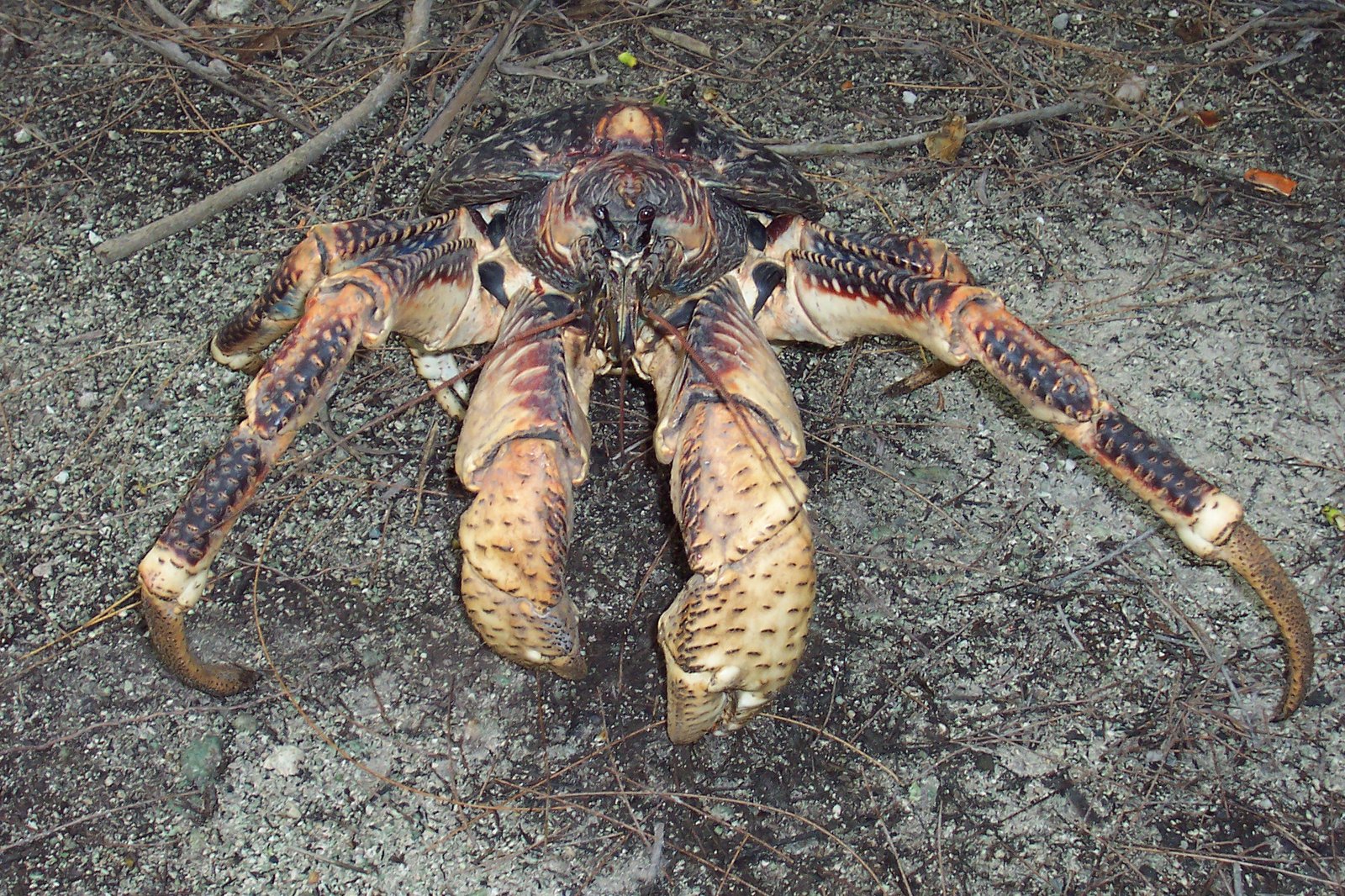
On the low-lying atolls of Tuvalu, the coconut crab rules the shoreline. These enormous land crabs can climb palm trees and crack open coconuts with powerful pincers, feats that seem almost mythical. Coconut crabs play a crucial role in nutrient cycling, cleaning up fallen fruit and organic debris. While they’re celebrated in local feasts and legends, overharvesting and habitat loss threaten their future. Their presence is a reminder of how traditional knowledge and sustainable practices are vital to keeping island wildlife thriving.
New Caledonia’s Kagu: The Ghost Bird
With its powder-gray feathers and haunting, trumpet-like calls, the kagu is New Caledonia’s most famous secret. This flightless bird stalks the forest floor, blending almost magically with the mist and shadows. The kagu’s closest relatives live thousands of miles away, making it an evolutionary oddity. It was nearly lost to introduced predators, but thanks to fierce local pride and conservation efforts, its numbers are slowly rebounding. The kagu’s story is a powerful example of how community-driven conservation can save species that seem doomed to disappear.
The Mariana Fruit Dove: A Living Symbol of Hope
The Mariana fruit dove, with its riot of green, yellow, and purple feathers, is more than just an island beauty—it is a symbol of identity for the people of Guam and the Northern Mariana Islands. This dove’s gentle cooing once filled the forests, but its numbers have dwindled dramatically due to habitat destruction and predation by invasive species. Despite these threats, local governments and organizations are working to restore its habitat and reintroduce captive-bred birds into the wild. The fruit dove’s recovery is a testament to resilience and the power of collaborative action.
Coral Reefs: Rainforests Beneath the Waves
Beneath the surface of the Pacific, coral reefs burst with color and life. Home to thousands of species—from clownfish to giant clams—these underwater cities are vital for both marine biodiversity and island communities. Reefs provide food, storm protection, and livelihoods, but they are increasingly threatened by climate change, pollution, and overfishing. Conservation efforts, such as marine protected areas and traditional fishing practices, offer hope. The health of coral reefs is inseparable from the fate of island wildlife above and below the waterline.
Guardians of the Future: A Call to Celebrate and Protect
The wildlife of Asia and the Pacific’s islands tells a story of wonder, vulnerability, and deep connection with human heritage. Each creature, from the tiniest honeycreeper to the towering coconut crab, represents centuries of adaptation and survival against the odds. As we celebrate Asian Pacific Islander Heritage Month, the call is clear: cherish these wild neighbors and the traditions that protect them. In honoring endemic island wildlife, we honor the spirit, resilience, and diversity of the islands themselves.