In the vast tapestry of Earth’s history, many plants have flourished and faded away, leaving only fossils and fleeting memories. Today, with the advent of advanced science and biotechnology, we are at a pivotal moment where the possibility of resurrecting these lost botanical wonders is within reach. The notion of bringing back extinct plants, often referred to as “botanical de-extinction,” is not just a flight of fancy but a burgeoning field of scientific inquiry. It raises tantalizing questions about the limits of human ingenuity and the moral implications of playing nature’s hand. Let’s delve into the fascinating world of botanical de-extinction and explore what science has in store for these lost green treasures.
The Concept of Botanical De-Extinction

Botanical de-extinction is a term that encapsulates the scientific efforts aimed at bringing back plant species that have vanished from our planet. This concept may sound straight out of a science fiction novel, but it is rooted in real scientific endeavors. The idea hinges on the ability to recreate or revive a species using genetic material from preserved specimens. This genetic material could be sourced from seeds, pollen, or even tissue samples that have been carefully preserved over time. By leveraging modern genetic techniques, scientists hope to reconstruct the DNA of these extinct plants, thus giving them a second chance at life. The process is complex and fraught with challenges, but it holds immense promise for biodiversity restoration.
The Role of DNA in Plant Resurrection

DNA, the blueprint of life, is at the heart of botanical de-extinction efforts. In plants, DNA can be extracted from various sources, including seeds stored in seed banks or herbarium specimens. Once extracted, the DNA is sequenced to identify the genetic makeup of the extinct species. This information serves as a guide for scientists as they attempt to recreate the plant. Advanced technologies like CRISPR and other gene-editing tools are often employed to modify existing plant species to closely resemble their extinct counterparts. While the process may sound straightforward, it is anything but. DNA degrades over time, and reconstructing a complete genome from fragmented pieces is akin to assembling a jigsaw puzzle with missing pieces.
Real-World Examples of Plant De-Extinction Efforts
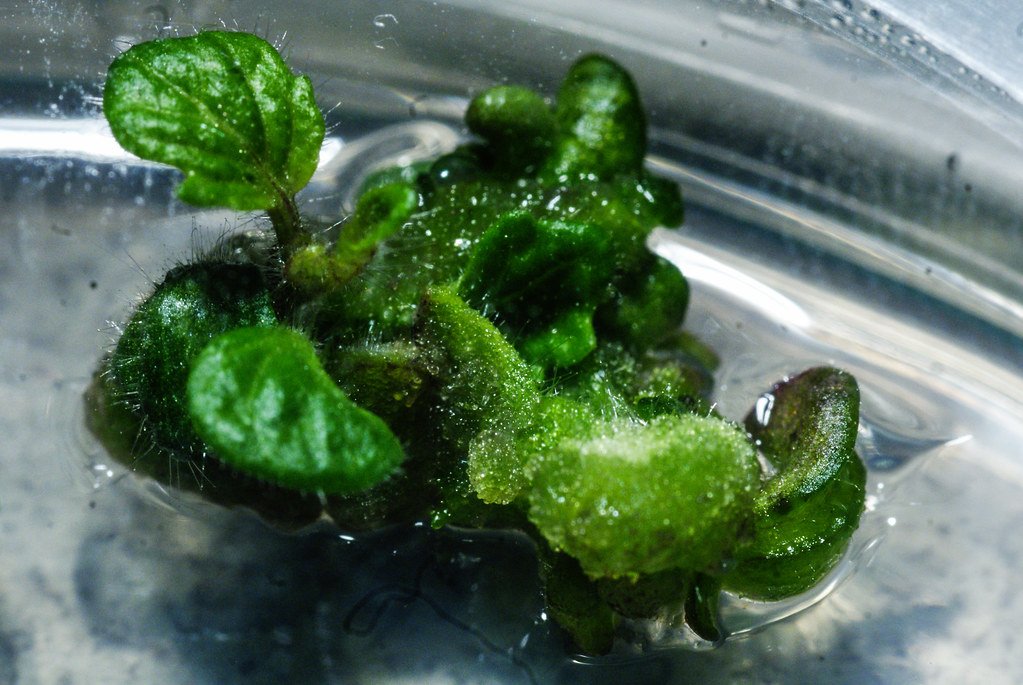
Several efforts are already underway to bring back extinct plants, demonstrating the feasibility and potential of botanical de-extinction. One notable example is the resurrection of the silphium, a plant that was once highly valued in ancient Rome for its medicinal properties. Researchers are also exploring the possibility of reviving the Franklinia alatamaha, a tree that was last seen in the wild in the early 19th century. These projects are not merely scientific experiments but also hold cultural and ecological significance. By bringing back these plants, we can potentially restore lost ecosystems and revive traditional knowledge associated with their use.
The Importance of Seed Banks

Seed banks play a crucial role in the success of plant de-extinction efforts. These facilities serve as repositories for the genetic material of countless plant species, including those that are extinct in the wild. By storing seeds under optimal conditions, seed banks preserve the genetic diversity needed for future restoration projects. The Svalbard Global Seed Vault, often referred to as the “Doomsday Vault,” is one of the most famous examples. Situated in the Arctic, it houses seeds from around the world, ensuring that they remain viable for decades, if not centuries. Seed banks are a testament to human foresight and an invaluable resource for botanical de-extinction.
Challenges and Ethical Considerations

While the science of botanical de-extinction is promising, it is not without its challenges and ethical dilemmas. One of the primary concerns is the potential impact on existing ecosystems. Introducing a resurrected species could disrupt the delicate balance of these ecosystems, leading to unforeseen consequences. There are also questions about resource allocation. Should we invest in bringing back extinct plants, or focus on conserving those that are currently endangered? The ethical debate is complex and multifaceted, requiring careful consideration and dialogue among scientists, policymakers, and the public.
The Role of Biotechnology in Plant Resurrection

Biotechnology is the driving force behind the potential resurrection of extinct plants. Techniques such as gene editing, cloning, and synthetic biology are at the forefront of these efforts. Gene editing allows scientists to precisely alter the DNA of living plants to recreate extinct species. Cloning, on the other hand, involves creating a genetically identical copy of a plant from its DNA. Synthetic biology goes a step further by assembling artificial DNA sequences to recreate an extinct species. Each of these technologies offers unique advantages and limitations, and researchers are continually refining their methods to improve success rates.
Potential Benefits of Bringing Back Extinct Plants

The potential benefits of botanical de-extinction are numerous and far-reaching. Resurrecting extinct plants could help restore ecosystems that have been degraded by human activity. These plants could also offer new sources of food, medicine, and materials, contributing to human well-being. Additionally, bringing back extinct species could enhance biodiversity and resilience in the face of climate change. By increasing the variety of plants in an ecosystem, we can create more stable and productive environments. The benefits extend beyond ecological and economic realms, offering cultural and educational opportunities as well.
Public Perception and Engagement

Public perception plays a significant role in the success of botanical de-extinction projects. Engaging the public in discussions about the science and ethics of de-extinction is crucial for garnering support and understanding. Many people are fascinated by the idea of bringing back extinct species, but there are also concerns about “playing God” and the potential risks involved. Education and transparent communication can help bridge the gap between scientific endeavors and public sentiment. By involving the public in the decision-making process, we can foster a sense of shared responsibility and appreciation for these groundbreaking efforts.
Future Prospects of Botanical De-Extinction

The future of botanical de-extinction is both exciting and uncertain. As technology continues to advance, we may see more successful attempts to bring back extinct plants. However, the field is still in its infancy, and many technical and ethical hurdles remain. Researchers are optimistic that continued collaboration and innovation will pave the way for new breakthroughs. The ultimate goal is not just to resurrect lost species but to create a more sustainable and harmonious relationship with nature. Botanical de-extinction offers a glimpse into a future where science and nature work hand in hand to heal the planet.
Conclusion: The Path Forward

The science of botanical de-extinction is a testament to human curiosity and ingenuity. It challenges us to rethink our relationship with nature and consider the possibilities of what we can achieve with modern science. While the journey is fraught with challenges, the potential rewards are immense. By bringing back extinct plants, we can restore ecosystems, preserve biodiversity, and enrich our understanding of the natural world. The path forward requires careful consideration and collaboration, but the promise of a greener and more vibrant future is within our reach.