

Every night, our brains spin private movies from scraps of memory, fear, and desire, and then erase most of the footage before morning. We wake up shaken by a nightmare, warmed by a tender reunion, or baffled by a scene that makes absolutely no sense – and yet feels oddly important. For centuries, dreams were treated as omens from gods, messages from the dead, or coded signals from the unconscious. Now, scanners, sleep labs, and powerful algorithms are turning that foggy inner cinema into measurable data. The big question is no longer whether dreams mean anything at all, but how far science can really go in decoding them – and what we might lose, or gain, if it ever succeeds.
The Hidden Clues: What Your Brain Is Really Doing While You Dream

One of the most surprising facts about dreaming is how energetically the brain behaves during sleep. In rapid eye movement (REM) sleep, when the most vivid dreams tend to occur, parts of the brain linked to emotion and memory light up as intensely as they do when we are awake. At the same time, regions tied to rational planning and self-control dial down, which helps explain why bizarre dream plots feel completely reasonable in the moment. It is as if your brain temporarily loosens the rules of logic while cranking up the volume on feelings and associations. This mix makes dreams a kind of mental playground where your experiences, worries, and hopes can collide in unexpected ways.
Researchers have found that certain recurring dream themes track surprisingly well with what is going on in daily life. People going through exam stress, grief, or big life changes often report more anxiety-laced scenarios, from missing trains to failing tests they have not studied for in years. Meanwhile, individuals recovering from trauma may replay aspects of the event at night but gradually weave in new details or endings, hinting at an emotional processing function. The dreams themselves are not simple diaries of what happened, but they carry fingerprints of our waking concerns. These hidden clues are exactly what scientists are trying to read more reliably.
From Sacred Omens to Sleep Labs: How Dream Science Grew Up

For most of human history, dreams belonged to priests, shamans, and storytellers, not scientists. Ancient civilizations kept dream lists that claimed certain images always meant certain fates, like success in war or danger at sea. Much later, psychoanalytic ideas framed dreams as disguised expressions of forbidden wishes, pushing the conversation into clinics and therapy rooms. These early approaches captured how personally meaningful dreams can feel, but they largely relied on interpretation rather than measurement. That changed in the mid-twentieth century when researchers began wiring sleepers to machines instead of simply asking them what they dreamed about.
The discovery of REM sleep – marked by darting eyes, relaxed muscles, and a distinctive brainwave pattern – gave scientists a biological handle on dreaming. Suddenly, it was possible to wake people up at precise phases of the night and compare their reports with what their brains and bodies had been doing seconds before. Over time, sleep labs collected thousands of these paired measurements, revealing patterns between sleep stages, brain activity, and different kinds of dream experiences. This shift from symbolic decoding to physiological tracking marked the moment dream studies started to look like a modern science. Today’s work builds directly on those old paper traces of brainwaves, now upgraded into high-resolution images and massive databases.
Inside the Dreaming Brain: The Neuroscience Behind the Night Show
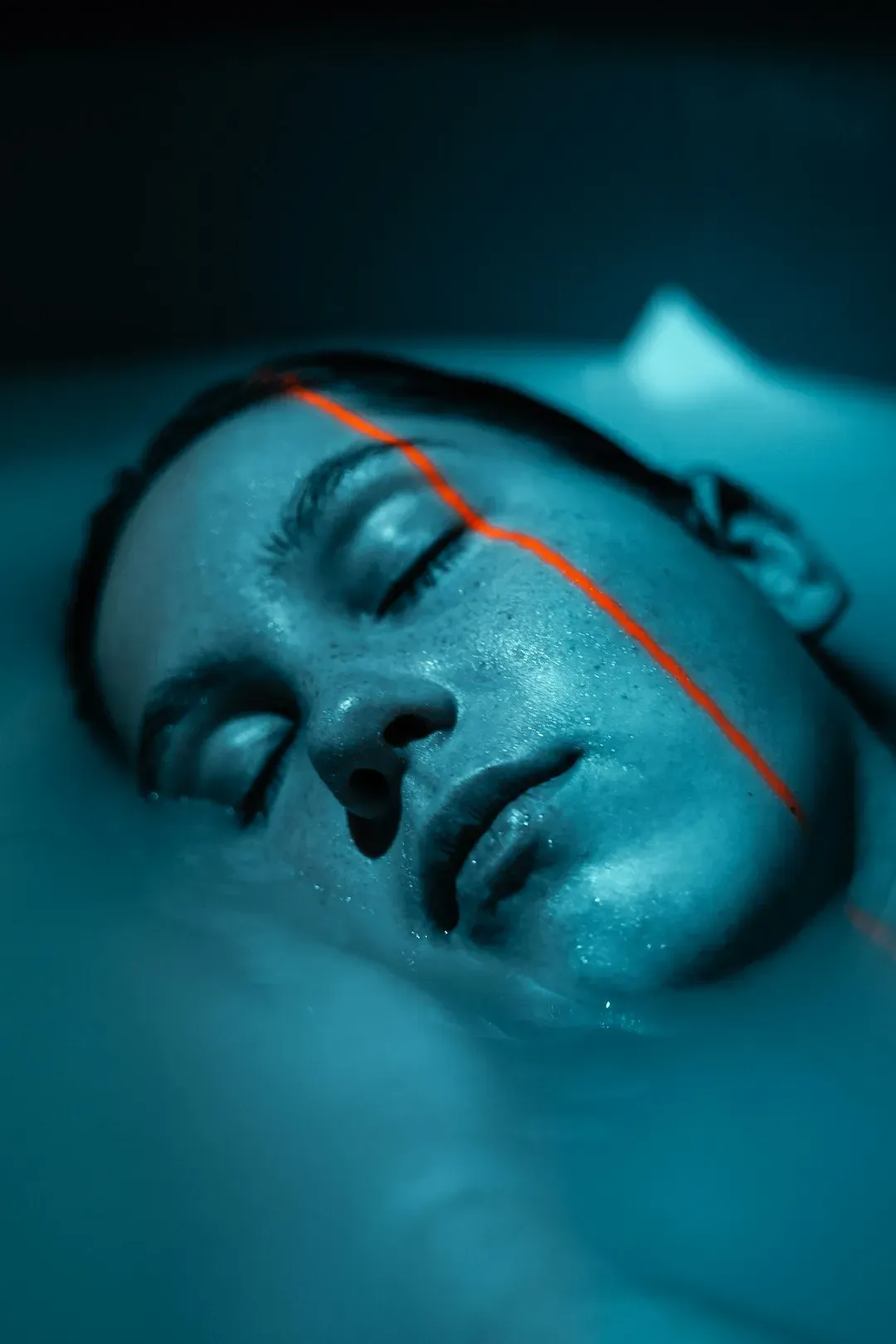
When neuroscientists look at a dreaming brain, they see a tug-of-war between old emotional circuits and newer, more deliberate systems. Structures deep in the brain that handle fear, pleasure, and threat detection fire actively during REM sleep, while areas of the frontal cortex responsible for critical thinking quiet down. This combination creates perfect conditions for intense feelings and strange, shifting narratives. Visual regions also glow with activity, even though the sleeper’s eyes are closed, which is one reason dreams can feel as richly textured as waking reality. From the brain’s point of view, the difference between imagining and perceiving blurs dramatically at night.
Some experiments have linked specific brain networks to particular dream features. Heightened activity in motor-related areas, for example, often aligns with dreams of running, flying, or being chased, even though the actual muscles stay mostly paralyzed. Enhanced communication between memory systems and emotion centers appears when dreams draw heavily on recent experiences or long-buried memories. Researchers can even track when a dream shifts from calm to threatening by watching synchronized bursts of activity in fear-processing regions. Rather than being pure chaos, the dreaming brain follows recognizable patterns that reflect how it usually handles perception, memory, and feeling – just freed from the constraints of the outside world.
Decoding Scenes in the Dark: How Close Are We to Reading Dreams?
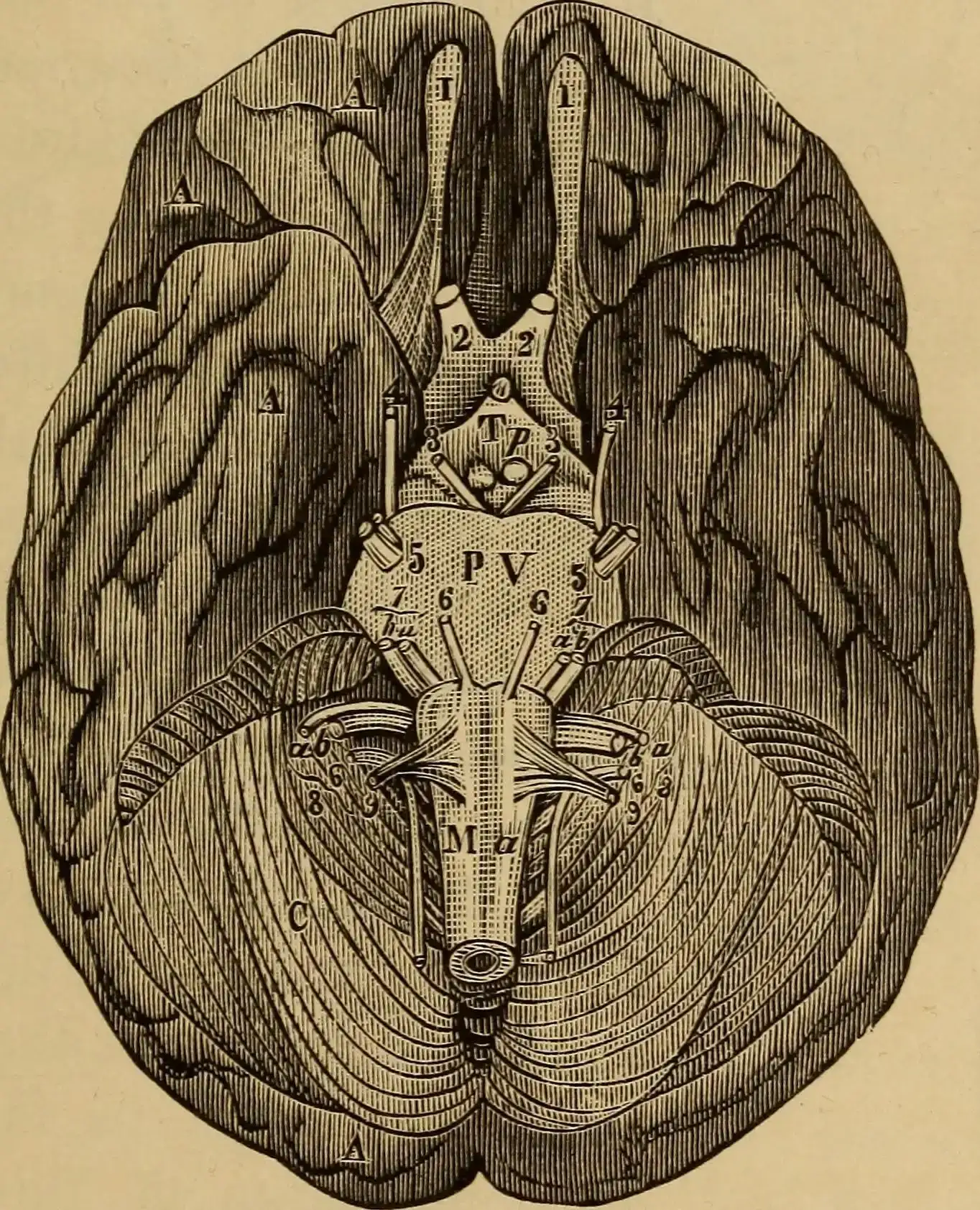
The idea of a machine that can read your dreams feels like something out of science fiction, but early versions are already being tested in labs. Using functional MRI scanners and electroencephalography, researchers record brain activity while volunteers watch images while awake, then train algorithms to match patterns of activation to visual features. When similar patterns emerge during sleep, the system can sometimes guess broad dream categories, such as whether someone is imagining faces, text, or landscapes. These reconstructions are still blurry and coarse, more like rough sketches than full-color footage. Yet the fact that any decoding is possible at all suggests that dreams are not as inaccessible as we once believed.
Several proof-of-concept studies have nudged this frontier forward with surprisingly accurate predictions. In some experiments, when participants are woken during specific brainwave signatures, their reports match what computers had already flagged as likely dream content. Early systems tend to be better at predicting broad themes than precise details, such as identifying movement or emotional tone rather than a specific person. Still, each iteration sharpens the link between neural patterns and subjective experience. It raises both fascinating and unsettling questions about privacy, consent, and the future of mental transparency if such technology ever moves beyond controlled research settings.
Why It Matters: Dreams, Mental Health, and the Stories We Tell Ourselves

It might be tempting to think of dreams as random entertainment, but the science increasingly suggests they are tied to our emotional health. People with depression, anxiety, or post-traumatic stress disorders often show distinct changes in their dream patterns, including more frequent nightmares or repetitive, distressing scenes. In some cases, shifts in dream content appear before symptoms spike during the day, hinting that the sleeping mind may act as an early warning system. Therapists working with nightmare sufferers have used techniques that involve rehearsing alternate dream endings while awake, and many patients report meaningful relief over time. These results suggest that changing the stories of our nights can reshape how we feel during our days.
On a broader level, understanding dreams pushes us to confront what makes each of us feel like a continuous self. Dreams mix past experiences, present worries, and imagined futures into a single stream, often messing with our sense of time and identity. When scientists probe that mix, they are not only collecting data; they are also testing theories about consciousness itself. Compared with traditional mental health assessments – questionnaires, brief office visits, and memory-based reports – dream tracking offers a window into experiences as they unfold. If done carefully and ethically, it could become a powerful companion tool for monitoring mental health, especially for people who find it hard to put their inner lives into words.
Beyond Culture and Myths: How Different Societies Explain the Same Nightly Mystery
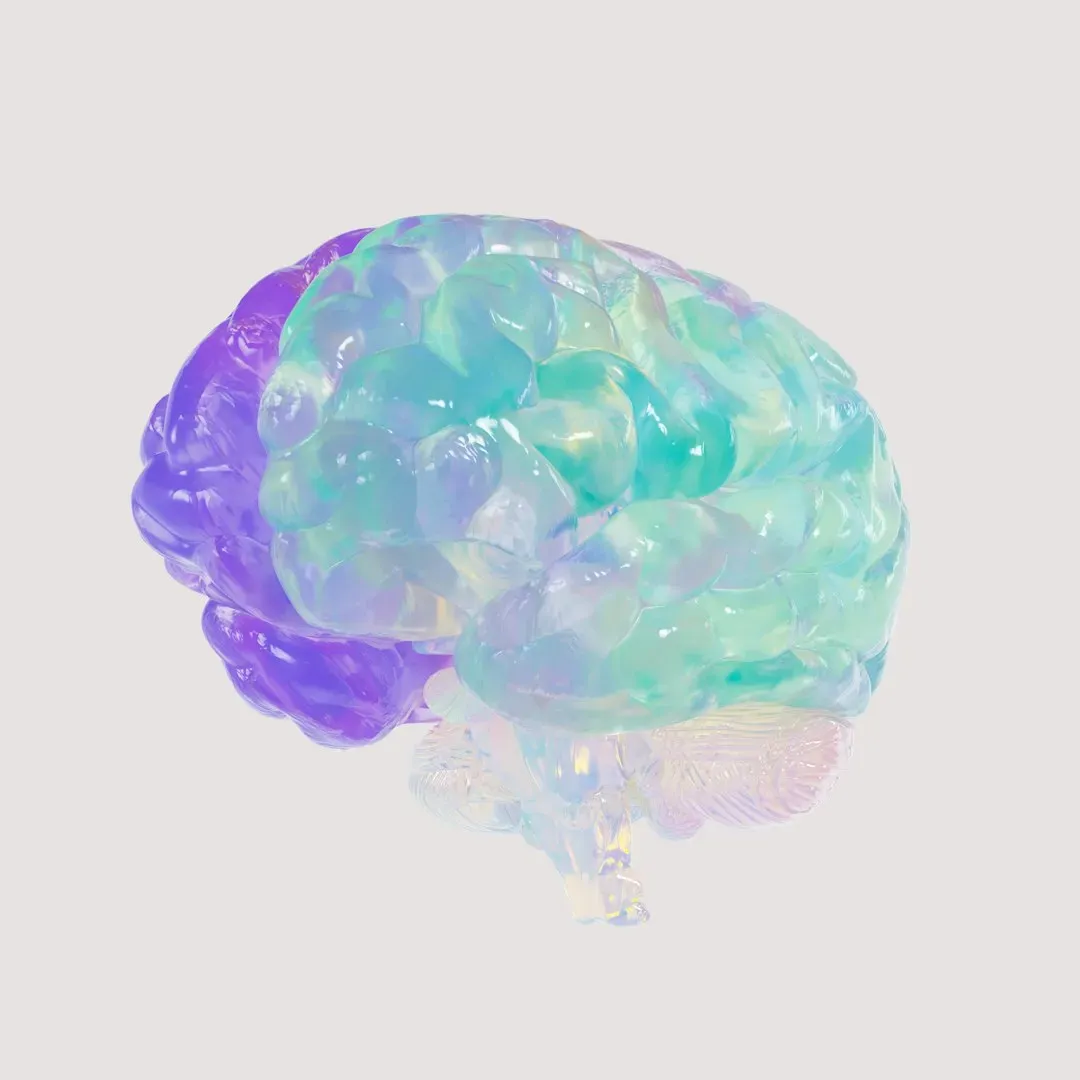
Despite the growing weight of neuroscience, cultural stories about dreams have not disappeared; they have simply taken on new layers. In some communities, dreams are still treated as messages from ancestors or as guidance for major decisions, from planting crops to planning journeys. Others see them as intimate reflections of personal struggles that should be shared only with trusted confidants. Even within highly industrialized societies, people often juggle multiple explanations at once, talking about brain chemistry in one moment and sudden signs from the universe in the next. This mix of frameworks shows how deeply dreams sit at the crossroads of science, spirituality, and everyday life.
Modern research is starting to compare dream reports across cultures to see which patterns hold up everywhere and which are shaped by local beliefs and daily experiences. Common themes like being chased, falling, or losing teeth appear in many different populations, which suggests some shared wiring in how the human brain builds threatening scenarios. Other motifs, such as visits from particular animals or specific symbolic objects, vary based on regional stories and traditions. By paying attention to both the biological similarities and the cultural differences, scientists can avoid the trap of treating one group’s interpretation as the universal default. The nightly mystery may be shared, but the meanings people draw from it are anything but uniform.
Tomorrow’s Dream Tools: Technologies, Risks, and Possibilities
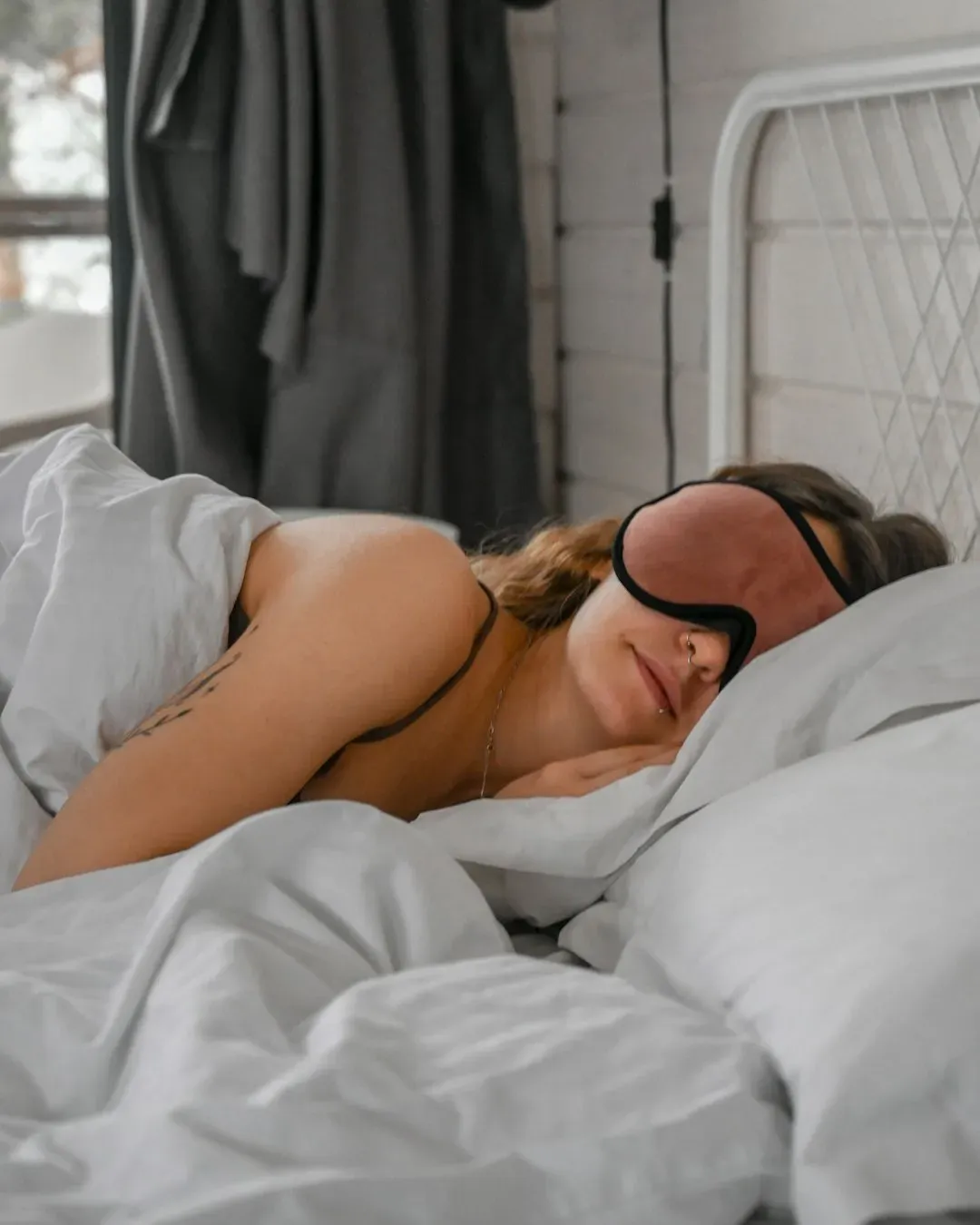
The next decade of dream science is likely to be driven by better sensors and smarter software. Wearable devices already track sleep stages in a rough way, and future versions could gather more detailed brain and body signals without bulky lab equipment. Paired with machine learning, these tools might flag when someone is stuck in harmful dream cycles and nudge their sleep patterns toward more restorative states. Some teams are experimenting with gentle cues – like soft sounds or slight temperature changes – delivered during certain sleep phases to influence the emotional tone of dreams. It is an early hint that we might not just observe dreams but also collaborate with them.
With these possibilities come serious ethical and practical questions. Who owns dream data collected over months or years, and how should it be stored or shared? Could employers, insurers, or governments ever pressure people to hand over sleep information in return for benefits or services? There are also technical hurdles, including the fact that brains differ significantly from person to person, which makes building universal decoding systems difficult. Robust safeguards, transparent oversight, and thoughtful public debate will be crucial if dream research moves closer to real-world applications. The challenge will be to harness the insights without turning the most private theater of the mind into just another stream of exploitable data.
How You Can Engage: Paying Attention to Your Own Nightly Experiments

While teams of scientists refine brain scanners and algorithms, you do not need advanced technology to start exploring your own dreams. Keeping a simple notebook or notes app by the bed and jotting down whatever you remember upon waking can reveal patterns over time. Certain themes might pop up more often when you are under stress, excited about a new project, or processing a big change. Sharing dreams cautiously with trusted friends or professionals can also provide a way to talk about feelings that are hard to name directly. In a sense, you become both the subject and investigator of your own ongoing sleep study.
If you are curious about the science, you can look for public talks, online lectures, and reputable sleep research centers that share their findings in accessible language. Supporting organizations that fund mental health and sleep research, or simply advocating for healthier sleep habits in workplaces and schools, helps create conditions in which better dream science can flourish. For anyone struggling with frequent nightmares or disrupted sleep, consulting a healthcare professional is important, since these symptoms may be linked to conditions that can be treated. Even small steps – going to bed at more regular times, reducing late-night screen use, and protecting your sleep environment – give your brain a more stable stage for its nightly experiments. In the end, dreams may never be fully decoded, but paying attention to them keeps you in conversation with one of the most mysterious, revealing parts of your own mind.
Suhail Ahmed is a passionate digital professional and nature enthusiast with over 8 years of experience in content strategy, SEO, web development, and digital operations. Alongside his freelance journey, Suhail actively contributes to nature and wildlife platforms like Discover Wildlife, where he channels his curiosity for the planet into engaging, educational storytelling.
With a strong background in managing digital ecosystems — from ecommerce stores and WordPress websites to social media and automation — Suhail merges technical precision with creative insight. His content reflects a rare balance: SEO-friendly yet deeply human, data-informed yet emotionally resonant.
Driven by a love for discovery and storytelling, Suhail believes in using digital platforms to amplify causes that matter — especially those protecting Earth’s biodiversity and inspiring sustainable living. Whether he’s managing online projects or crafting wildlife content, his goal remains the same: to inform, inspire, and leave a positive digital footprint.