
Have you ever wondered what else might be lurking in the deepest trenches of our oceans? What if, beneath the waves that cover roughly seventy percent of our planet, there exist remnants of civilizations we never knew existed? We’ve barely scratched the surface of what lies beneath our seas. Strange structures, mysterious formations, and inexplicable underwater phenomena continue to puzzle researchers. The ocean guards its secrets jealously. Yet here’s the thing: the mystery of what hides in those dark depths might not be the most perplexing puzzle we face.
There’s another enigma that’s even closer to home, residing inside your own skull. How do you explain the fact that you’re aware right now? That you can read these words and feel something about them? Science has mapped the ocean floor, split the atom, and sent robots to Mars. Still, consciousness remains stubbornly resistant to explanation. The question isn’t just academic. It cuts to the heart of what makes you, well, you.
What Makes Consciousness So Hard to Crack?
The really hard problem of consciousness is the problem of experience. You can describe how neurons fire, how electrical signals race through your brain, and how different regions light up on an MRI. There is nothing that we know more intimately than conscious experience, but there is nothing that is harder to explain.
When we think and perceive, there is a whir of information-processing, but there is also a subjective aspect, something it is like to be a conscious organism. Here’s what makes it so frustrating: you can measure brain activity all day long, but those measurements never quite capture the redness of red or the particular way sadness feels in your chest. Scientists call this the explanatory gap. At this stage, there is more controversy than agreement between the theories, pertaining to the most basic questions of what consciousness is, how to identify conscious states, and what is required from any theory of consciousness.
Let me be real with you. A challenge for an objective science of consciousness is to dissect an essentially subjective phenomenon, and investigators cannot experience another subject’s conscious states. That’s the core problem right there.
Could Your Brain Be Running Quantum Operations?
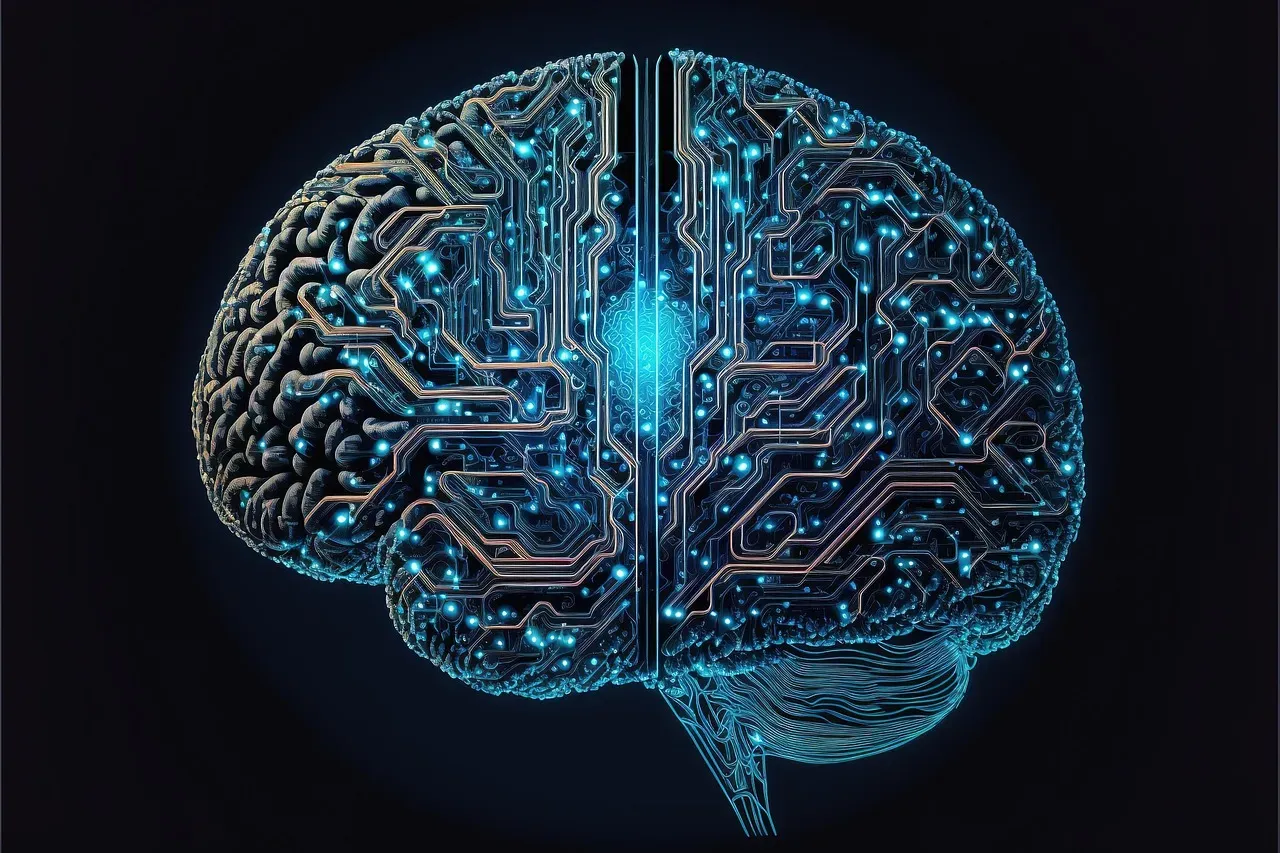
This sounds like science fiction, but stick with me. The quantum mind hypotheses propose that quantum-mechanical phenomena, such as entanglement and superposition, may play an important part in the brain’s function and could explain critical aspects of consciousness. Nobel Prize-winning physicist Roger Penrose and anesthesiologist Stuart Hameroff popularized the idea that neural microtubules enable quantum processes in our brain, giving rise to consciousness, postulating that consciousness may operate as a quantum wave passing through the brain’s microtubules.
Studies found that microtubule-binding drugs delayed unconsciousness under anesthesia in rats, supporting the quantum model of consciousness. Honestly, many scientists remain skeptical. Many disregard the theory because quantum effects have only been produced in labs under extremely cold temperatures near absolute zero, while the warm brain falls well outside those limits at about ninety to one hundred four degrees Fahrenheit in the deepest regions.
Seeing entanglement in the brain may show that the brain is not classical, as previously thought, but rather a powerful quantum system, which could begin to shed light on how our brain performs the powerful computations it does, and how it manages consciousness. Intriguing possibilities, even if the jury’s still out.
What If Consciousness Is About Information Integration?
Scientists have landed on two leading theories to explain how consciousness emerges: integrated information theory, or IIT, and global neuronal workspace theory, or GNWT. Initially proposed by Giulio Tononi in 2004, IIT claims that consciousness is identical to a certain kind of information, the realization of which requires physical, not merely functional, integration, and which can be measured mathematically according to the phi metric.
The basic idea is surprisingly intuitive. According to the theory, consciousness corresponds to the capacity of a system to integrate information, motivated by two key phenomenological properties: differentiation and integration. Think of it this way: your brain isn’t just processing separate bits of data like a simple computer. Each experience is composed of multiple phenomenological distinctions, like a book, a blue color, a blue book, the left side, a blue book on the left.
Human consciousness depends on some areas of the cerebrum, while the cerebellum contains more neurons but doesn’t directly support consciousness, and IIT gives an answer: more neurons equals more information, but not more integration, because the cerebellum’s neurons are far less interconnected than in the cerebrum. Pretty clever explanation, right?
Are There Hidden Worlds Beneath the Ocean That Mirror Our Minds?

Let’s circle back to those ocean mysteries for a moment. The University of Bradford recently received a grant worth roughly twelve million dollars to hunt for lost civilizations beneath the Baltic and North Sea, as twenty-thousand years ago the global sea level was one hundred thirty meters lower than at present, and unique landscapes home to human societies for millennia disappeared. A mysterious rectangular, stacked pyramid-like formation under the waters off the coast of Japan’s Ryukyu Islands named the Yonaguni Monument is thought to be older than ten thousand years, with some arguing the formation is natural while others claim it is a remnant of the long-lost Pacific civilization.
Beneath all that wet stuff lies the ocean floor, and that is one deeply mysterious place, with whole topographical features such as seamounts missing and intriguing relics like shipwrecks that cannot be seen. It’s hard to say for sure, but perhaps searching for consciousness is similar to exploring the ocean floor. Both involve navigating through layers of darkness to find something fundamental we know exists but can’t quite pin down.
The Earth’s mighty oceans are even more mysterious than outer space, with ninety-five percent of our oceans remaining unexplored, and we know more about Mars than we do the deep, dark sea.
Why Do Some Brain Regions Matter More Than Others?
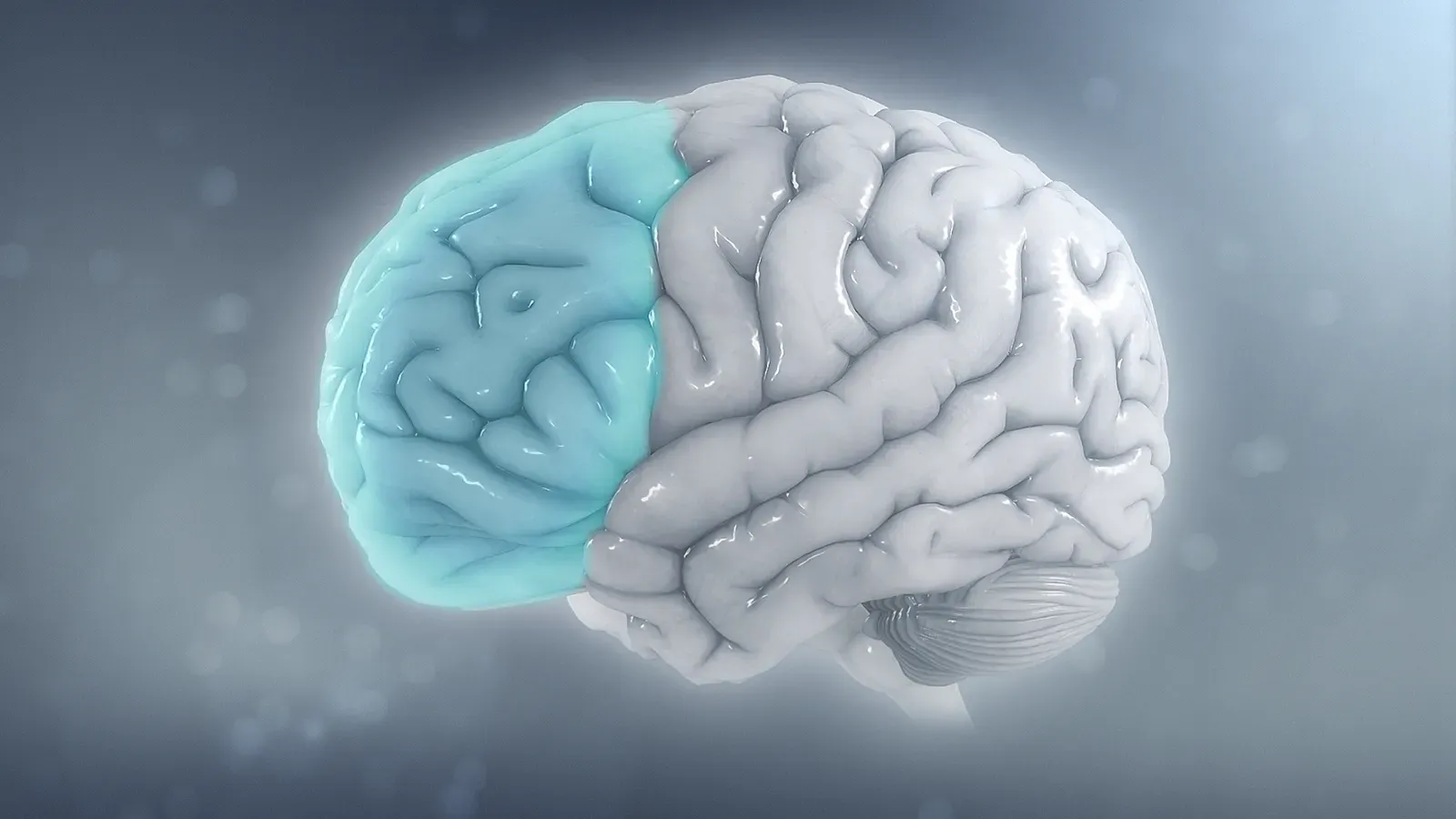
Psychology professor Iris Berent argues that the debate stems from the delusional biases in the way humans think about the separation, or lack thereof, between body and mind. The hard problem emerges from two intuitive biases that lie deep within human psychology: Essentialism and Dualism. Maybe the problem isn’t consciousness itself but how we think about it.
Consciousness is one of the most complex phenomena known to science, and understanding it requires the collaboration of scholars of different disciplines. As the field of consciousness science matures, the research agenda has expanded from an initial focus on the neural correlates of consciousness to developing and testing theories of consciousness, with several theories put forward aiming to elucidate the relationship between consciousness and brain function.
The problem of phenomenal consciousness involves a special kind of subjective qualities present in experience, and the problem of explaining how or why neurophysiological processing gives rise to phenomenal experiences has been dubbed the hard problem of consciousness. Different brain regions process different things, but consciousness seems to require something more than just isolated processing.
Can We Ever Truly Measure Awareness?
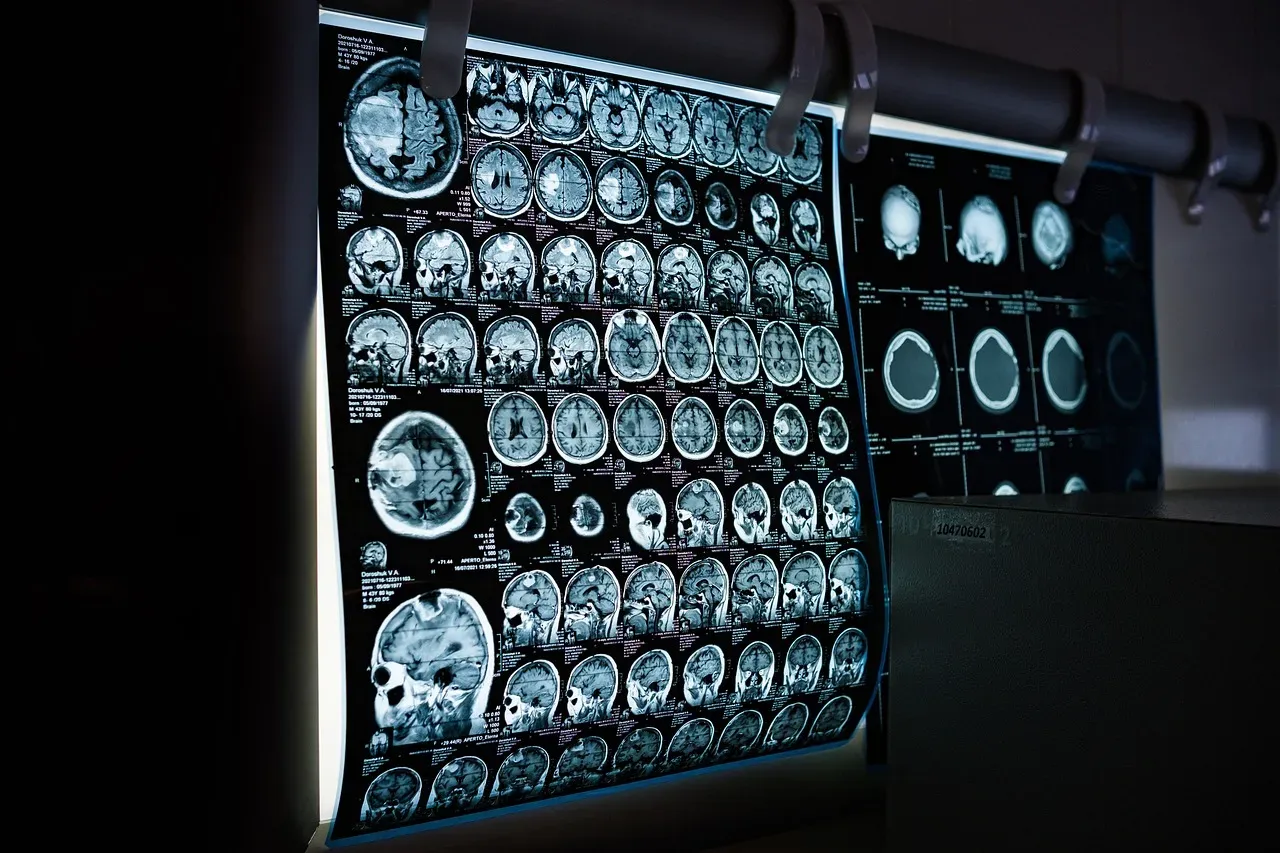
Future consciousness detectors should look for brain complexity. Researchers organized a group of twelve laboratories called the Cogitate Consortium to test theories’ predictions against each other in a large brain-imaging study, with the result published in full in April 2025 being effectively a draw and raising far more questions than it answered.
In 1998 Koch bet Chalmers that neuroscientists could determine how consciousness arises in the brain within the next twenty-five years, and Koch graciously conceded his loss at a 2023 conference. That tells you something about how difficult this problem really is. Whereas empirical progress is indisputable, philosophical progress is much less pronounced, and Chalmers’ prediction of progress on the hard problem was overly optimistic.
Priority is given to a subject’s introspective reports as these express the subject’s take on her experience, and introspection thus provides a fundamental way to track consciousness. Yet how do you scientifically validate something that only exists from a first-person perspective?
What Do Brain Waves Really Tell Us About Inner Experience?
The HEP is an electrophysiological event tied to consciousness because it depends on awareness, and the signal indicating entanglement was only present during conscious awareness, illustrated when two subjects fell asleep during the MRI and this signal faded and disappeared. Our brains are constantly buzzing with electrical activity. Measuring these patterns gives us clues, but do they actually explain consciousness?
While the beneficial impacts of meditation are increasingly acknowledged, its underlying neural mechanisms remain poorly understood, and researchers examined the electrophysiological brain signals of expert Buddhist monks during two established meditation methods. Even trained meditators who can manipulate their conscious states demonstrate that we’re dealing with something slippery and hard to capture.
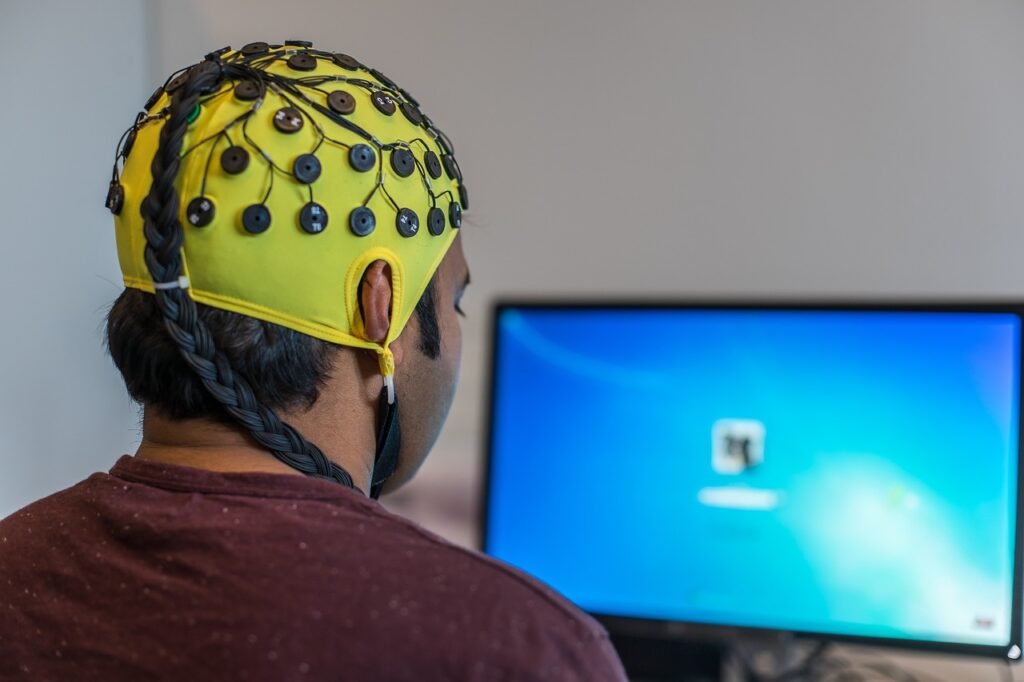
Rapid advances in neuroimaging techniques including MEG, EEG, functional MRI, diffusion tensor imaging, and optical imaging have allowed neuroscientists to investigate neurophysiological processes in ways that have not been possible until recently, beginning to transform the study of neuroscience. The tools keep getting better, but the fundamental mystery persists.
Are We Asking the Wrong Questions About Consciousness?
Most existing theories of consciousness either deny the phenomenon, explain something else, or elevate the problem to an eternal mystery, but it is possible to make progress on the problem even while taking it seriously, and the hard problem is a hard problem, but there is no reason to believe that it will remain permanently unsolved. That’s actually encouraging. The challenge reflects many factors, including the philosophical puzzles involved in characterizing how conscious experiences relate to physical processes, the empirical challenge of obtaining objective data about intrinsically subjective phenomena, and the theoretical challenge of developing a sufficiently precise and comprehensive theory.
Empirical progress and philosophical progress on consciousness are essentially uncoupled from each other, and empirical progress will not lead to philosophical progress on consciousness. Maybe we need both scientific experiments and philosophical reasoning working together, not separately. Philosopher Massimo Pigliucci argued that the hard problem is misguided, resulting from a category mistake, saying that an explanation isn’t the same as an experience because the two are completely independent categories.
Think about it this way: just because you can explain how a camera captures light doesn’t mean you’ve explained what it’s like to see a sunset. They’re different kinds of understanding. Science might tell us the “how,” but consciousness demands we also grapple with the “what it’s like.”
Conclusion: Still Diving Into the Unknown
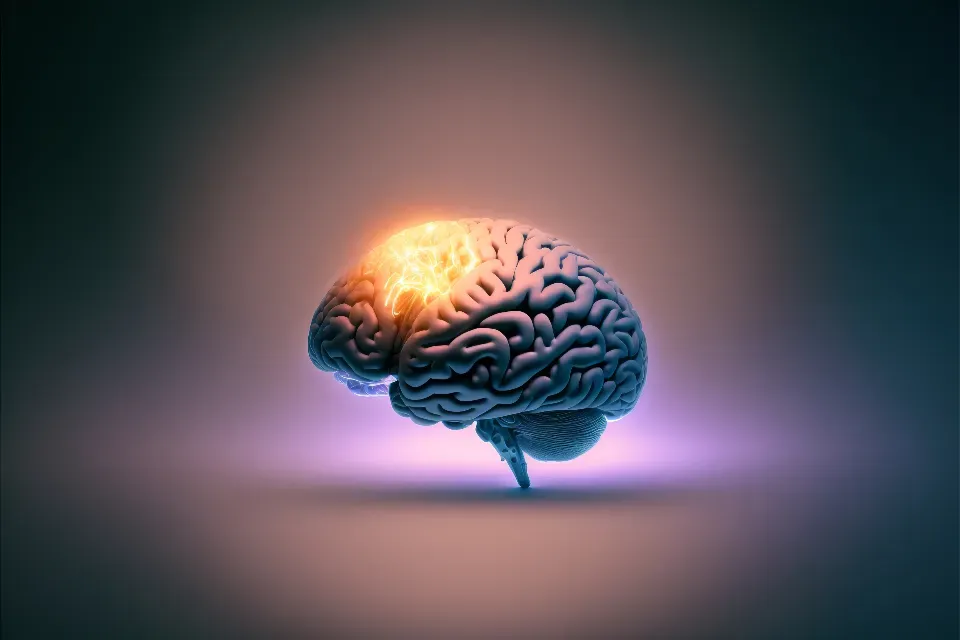
So The honest answer is: not yet, and maybe not completely. Despite ongoing research efforts, it seems like the field has so far failed to converge around any single theory and instead exhibits significant polarization. We’ve made tremendous progress mapping brain activity, developing sophisticated theories, and conducting clever experiments. Quantum theories offer tantalizing possibilities. Integrated information theory provides mathematical frameworks. Yet consciousness remains stubbornly mysterious.
To date, no scientific theory has provided a definitive explanation of psychological phenomena like consciousness. Perhaps that’s not entirely bad news. The journey to understand consciousness mirrors our exploration of the ocean depths. We keep discovering new things, revising our theories, and pushing into territories we didn’t even know existed. Both the ocean and the mind remind us that nature still holds profound secrets.
The question isn’t whether we’ll eventually crack the code of consciousness. The real question might be whether scientific explanation alone can ever fully capture what it means to be aware, to experience, to simply be. What do you think? Will we ever truly understand the subjective experience that makes you who you are? The mystery continues, and honestly, that makes it all the more fascinating.