
What if the next great masterpiece isn’t painted by a human hand, but generated by a line of code? Imagine gazing at a mesmerizing work of art, only to discover it was crafted not by an artist’s imagination, but by an artificial intelligence. In the past decade, the world has watched in awe—and sometimes disbelief—as machines have composed symphonies, penned poetry, and conjured visual wonders that blur the line between technology and creativity. But do these digital marvels hint at a deeper truth? Could they reveal something profound about the nature of consciousness itself? Or are they mere clever imitations, reflecting only the patterns they’ve learned from us? This is not just a question for scientists and philosophers—it’s a puzzle that stirs the hearts of anyone who has ever wondered what it means to truly create.
The Rise of AI-Generated Art: A Revolution in Creativity
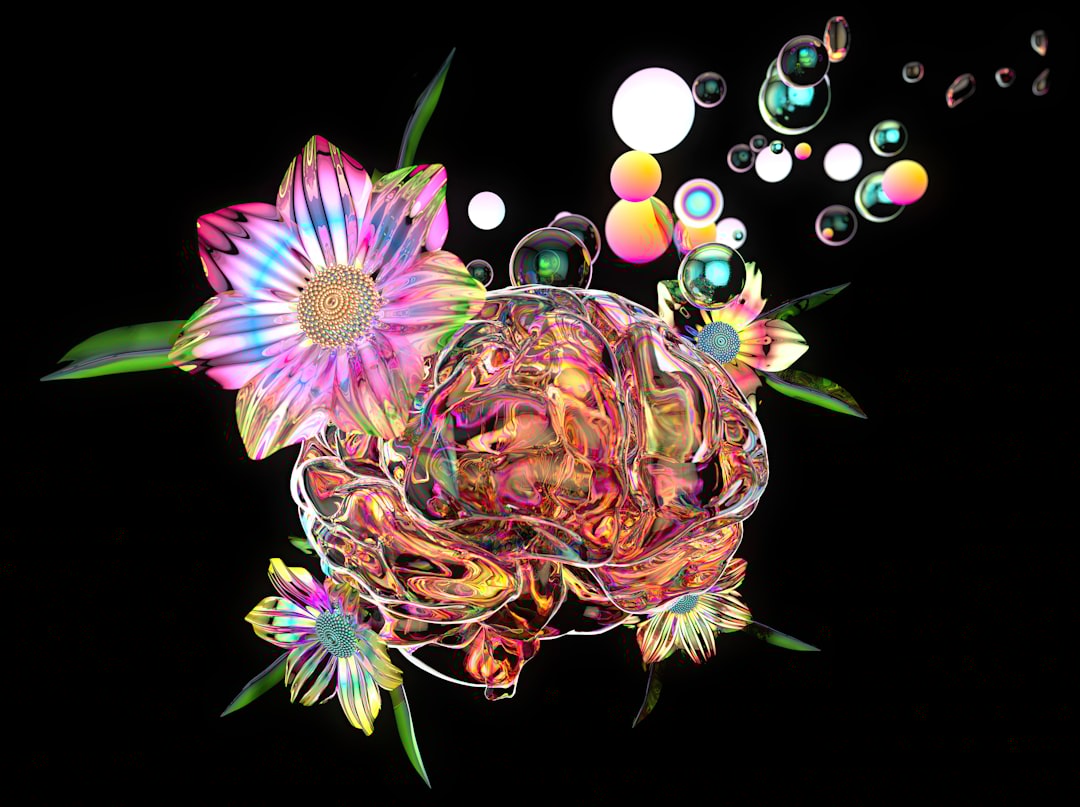
AI-generated art has taken the world by storm, shaking the foundations of what we understand as creativity. In recent years, machine learning algorithms—particularly those using deep neural networks—have produced paintings, music, and even stories that rival human efforts. One striking example is the portrait “Edmond de Belamy,” which sold at auction for over $400,000, despite being created by an algorithm. These developments are not just technical feats; they challenge our very sense of artistic identity. When machines can produce beauty, what does it mean to be an artist? The rapid progress in AI prompts us to reconsider the boundaries between human ingenuity and computational power, and whether our definition of creativity needs a radical update.
How Do Machines Create? Peeking Inside the Black Box
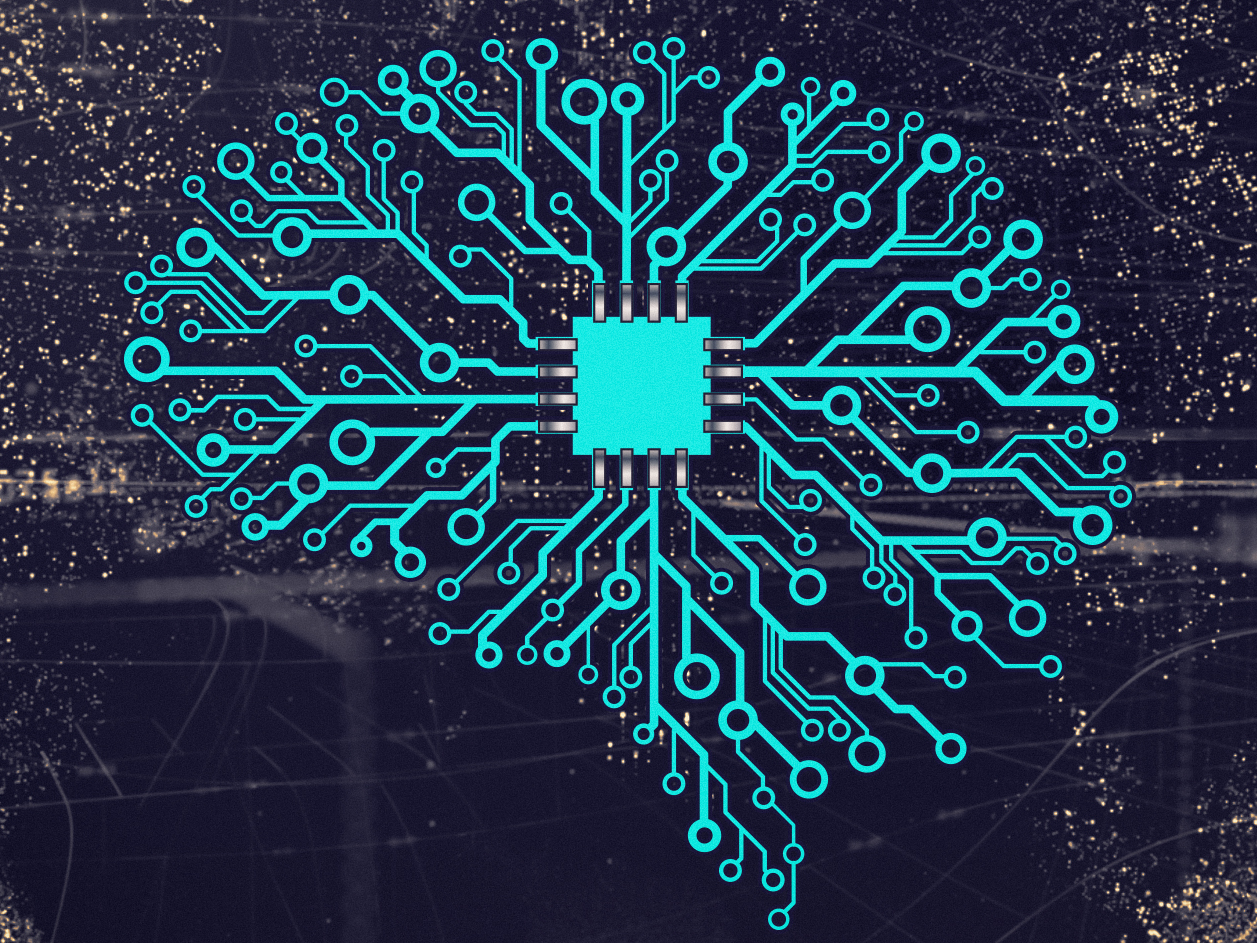
At first glance, AI-generated art may feel like magic, but under the hood, it’s a sophisticated process rooted in mathematics. Most of today’s creative machines use neural networks trained on vast datasets—millions of images, songs, or texts. These networks learn to recognize patterns, styles, and structures, and then combine them in new ways. For example, a system like DALL-E or Midjourney studies thousands of paintings and learns to generate novel visuals based on prompts. Yet, unlike human artists, these machines lack personal experiences or emotions. Instead, their creations are shaped by probabilities and hidden rules extracted from their training data. It’s like a musical prodigy learning every note and chord from sheet music, but never knowing the story behind the song.
Imitation or Innovation? The Debate Over AI’s Creative Potential
A fierce debate rages among scientists, artists, and philosophers: Can a machine truly innovate, or is it forever doomed to imitation? Critics argue that AI lacks originality because it merely recombines existing ideas from its training data. They liken AI to a parrot, mimicking what it’s heard without understanding or intent. But supporters counter that human creativity also builds upon past influences—artists learn from their predecessors, and composers borrow motifs from centuries past. Some AI-generated works have even surprised their creators, producing unexpected results that suggest a spark of innovation. The boundary between imitation and creativity grows blurrier with every breakthrough, leaving us to wonder: Could machine “inspiration” be more than just an illusion?
Emotions and Meaning: Can AI Art Move Us?
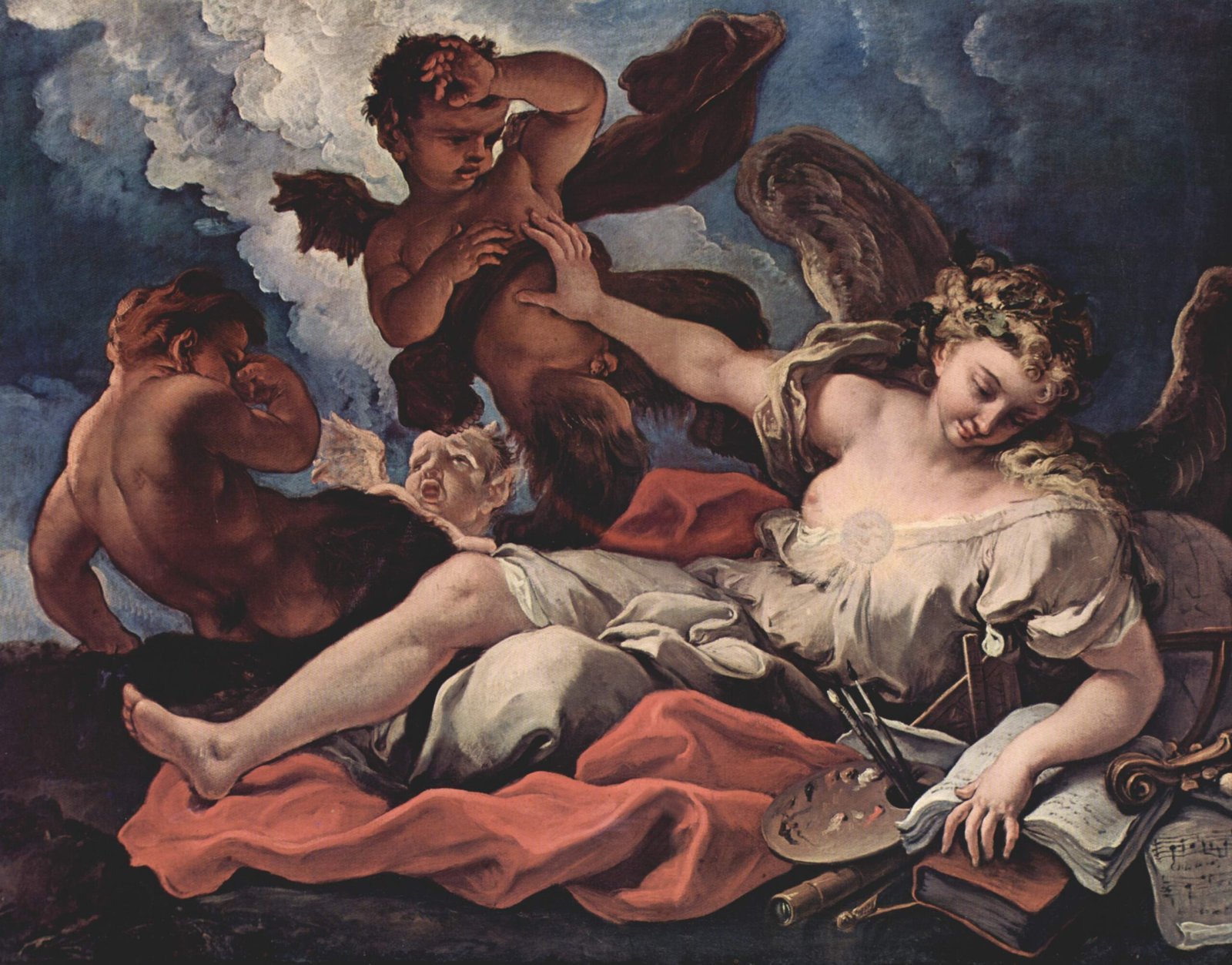
Art is often celebrated not just for its beauty, but for its ability to evoke deep feelings—joy, sorrow, awe, or wonder. Yet, when we learn that a piece was generated by an algorithm, some of that emotional impact may fade. Can a machine, devoid of feelings, truly create something that moves us? Surprisingly, many viewers report powerful emotional responses to AI-generated music or images. This raises a fascinating question: Is the meaning in the art, or in the mind of the beholder? Perhaps the real magic lies in our own ability to find significance in unexpected places, even in the outputs of a soulless machine. The emotional resonance of AI art may not come from the creator, but from the human heart interpreting it.
The Science of Consciousness: What Makes Us Creative?
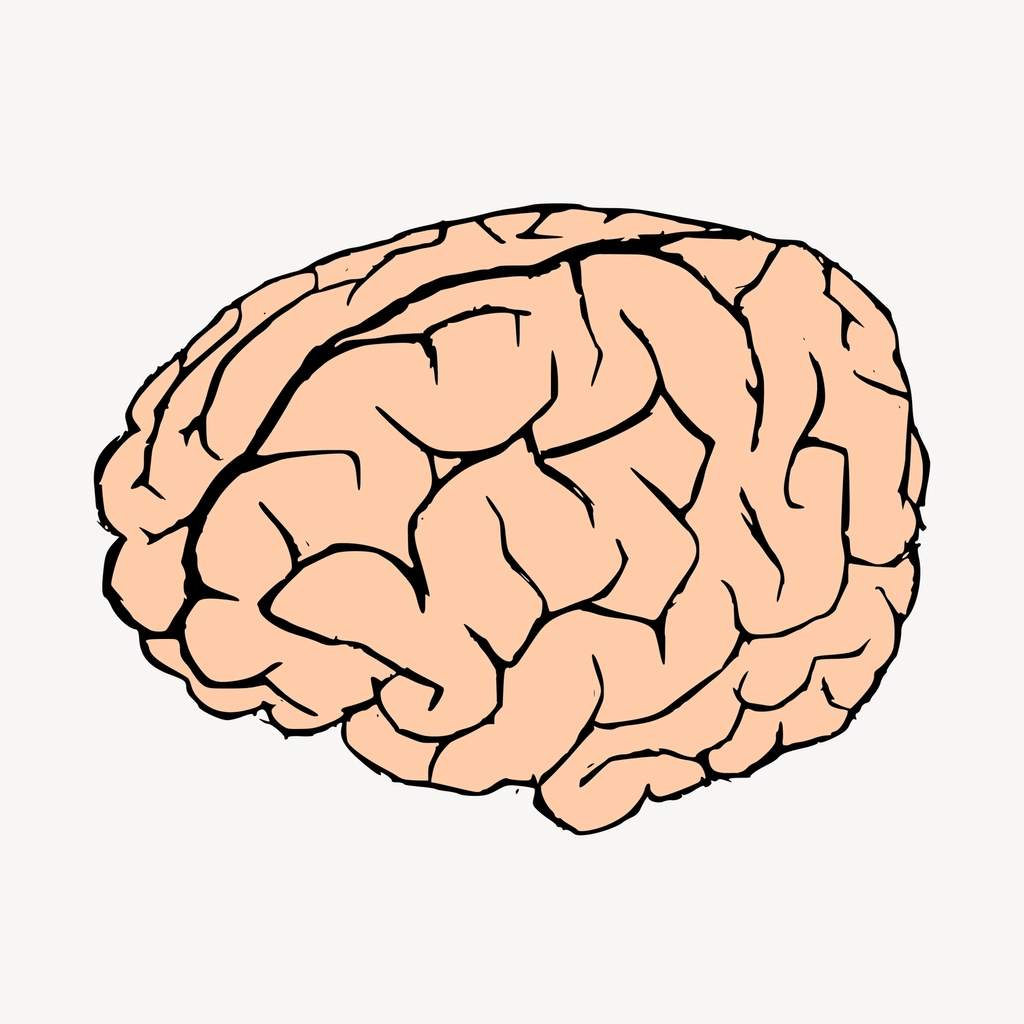
To truly grasp whether machines can be creative, we must first ask: What drives human creativity? Neuroscientists have long studied the mysteries of the creative mind, linking it to complex interactions between memory, emotion, and imagination. Creativity in humans often involves connecting distant ideas, using intuition, and drawing from personal experience. Consciousness—the awareness of self and the world—appears central to these processes. Machines, by contrast, process information but lack subjective experience, or qualia. This gap is at the heart of the “hard problem” of consciousness: Can creativity exist without self-awareness? Or is true innovation forever tied to the spark of conscious thought?
Dreams, Hallucinations, and the AI Mind
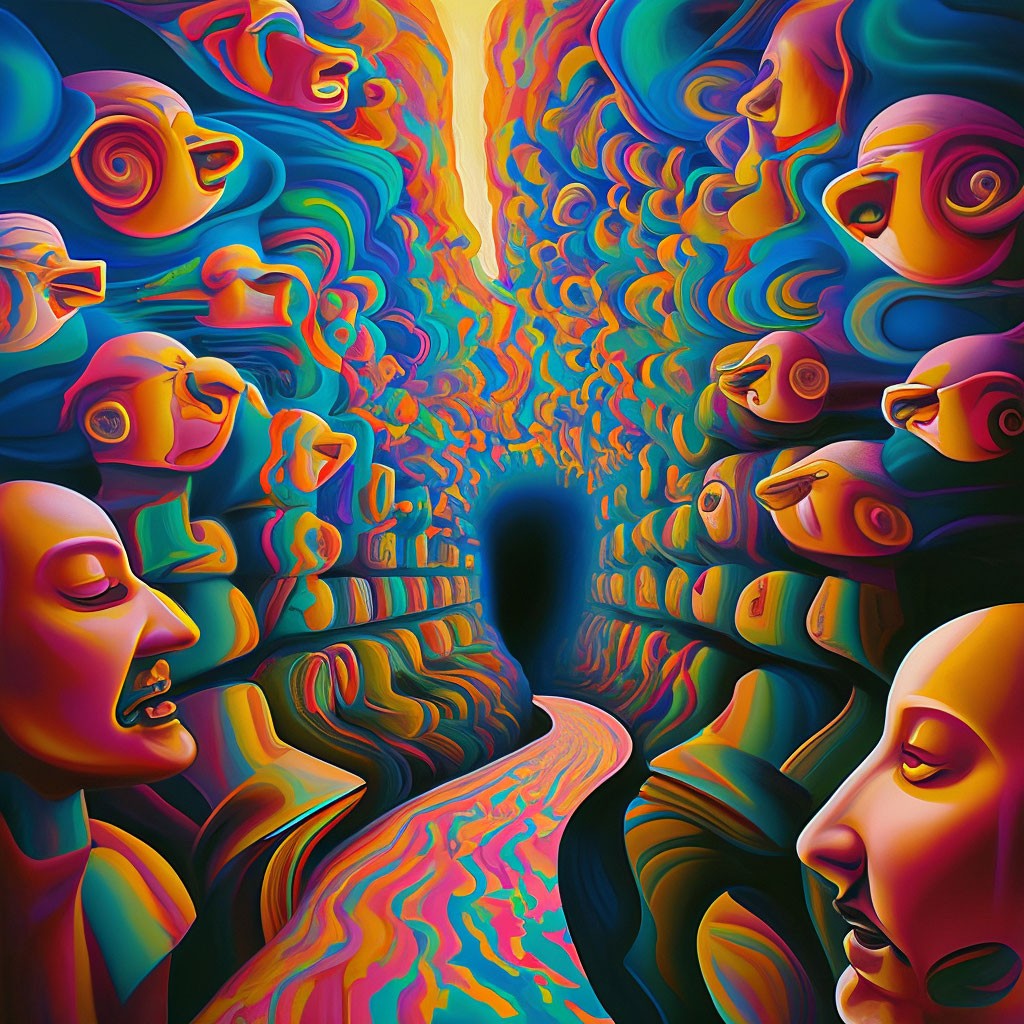
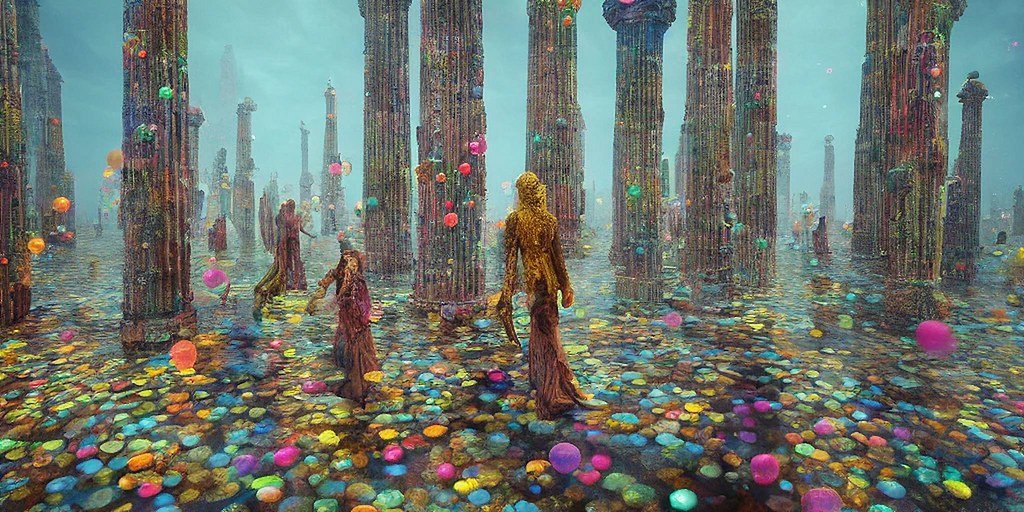
Some of the most astonishing AI art comes from so-called “dreaming” algorithms, like Google’s DeepDream, which transforms ordinary images into surreal, psychedelic landscapes. These outputs often resemble the wild visions of a dreaming mind or the bizarre hallucinations experienced in altered states. But are these merely mathematical quirks, or do they hint at something deeper? Some researchers see parallels between how neural networks “dream” and how the human brain creates during sleep or under the influence of imagination. While AI lacks awareness, its hallucinatory outputs invite us to reflect on the mysterious workings of our own minds. Could our dreams and machine visions be distant cousins, separated by the gulf of consciousness?
Collaboration Versus Competition: Humans and Machines as Artistic Partners
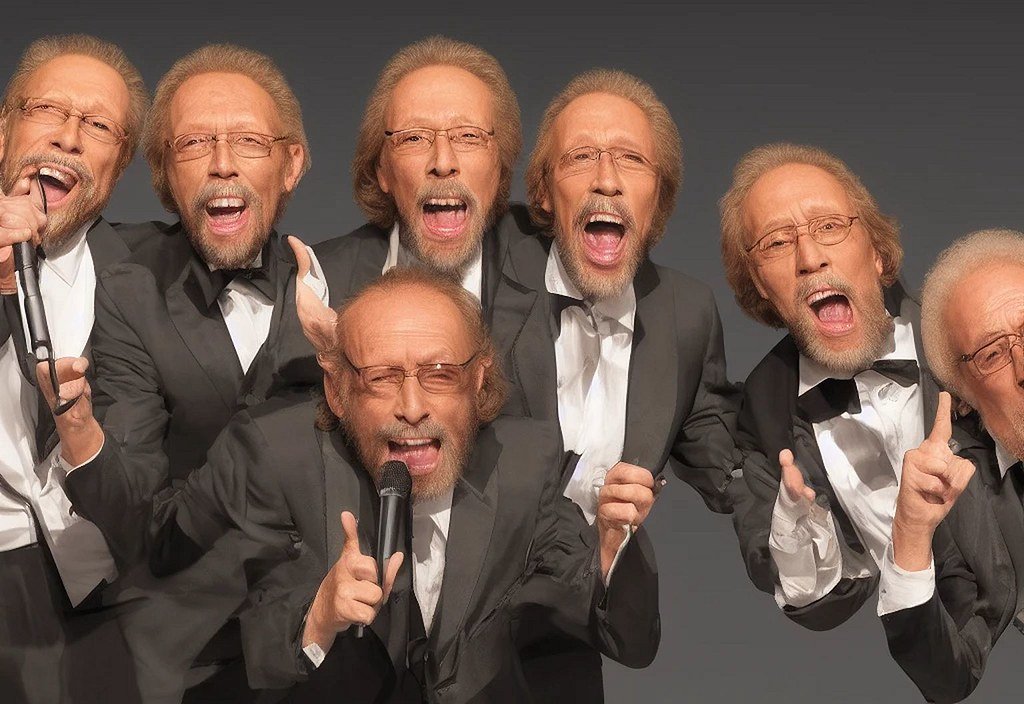
Far from replacing artists, AI is increasingly seen as a creative partner. Musicians use AI tools to generate melodies, writers employ algorithms to brainstorm ideas, and visual artists blend machine-generated imagery with their own brushstrokes. This collaboration often leads to results that neither a human nor a machine could achieve alone. For example, the artist Refik Anadol creates immersive installations by feeding AI with vast amounts of data, producing mesmerizing visuals that respond to real-time inputs. This symbiosis highlights the potential for technology to expand, rather than diminish, human creativity. Instead of fearing the rise of the machines, many artists are embracing them as sources of inspiration and exploration.
The Turing Test for Art: Can We Tell the Difference?
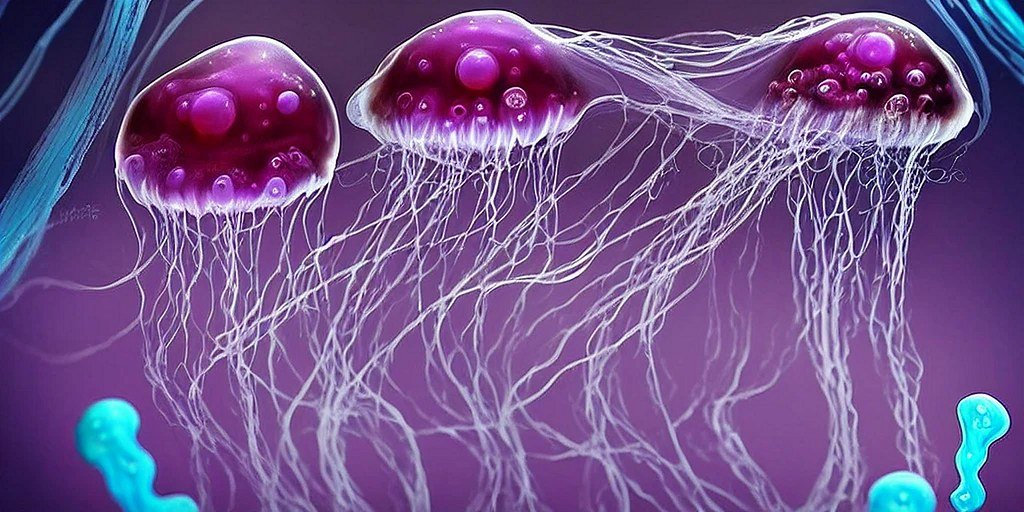
Alan Turing once proposed a famous test: If a machine can carry on a conversation indistinguishable from a human, can we say it’s intelligent? A similar question now haunts the art world: Can we reliably tell the difference between human-made and AI-generated art? In blind tests, many people struggle to distinguish between the two, often attributing machine creations to human artists. This blurring of lines challenges our assumptions about authorship and authenticity. If we can’t tell the difference, does it matter who—or what—created the work? The “Turing Test for Art” forces us to confront our biases and rethink what we value in artistic expression.
Ethics, Ownership, and the Value of AI Art
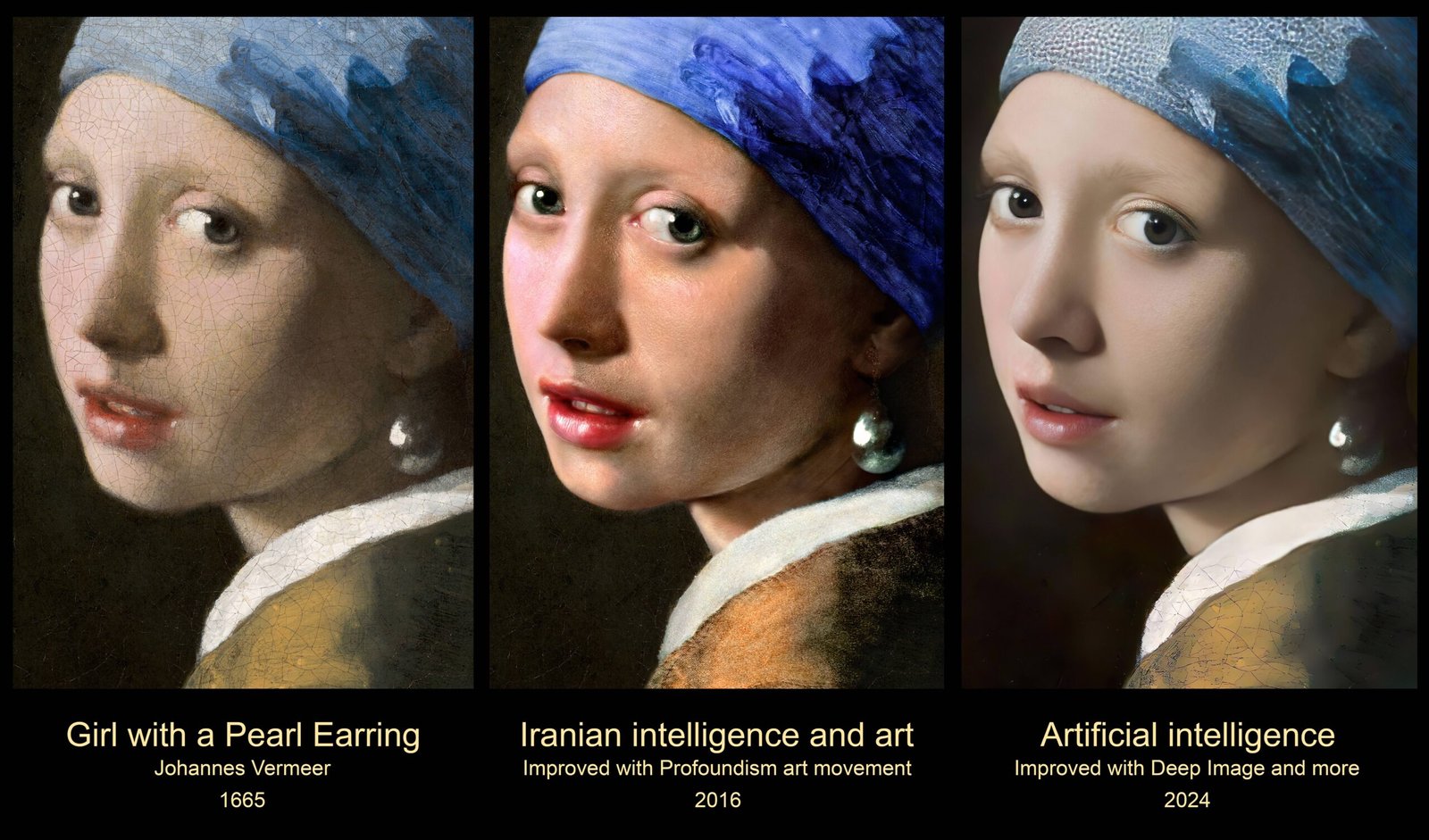
With AI-generated art flooding galleries and online marketplaces, thorny questions arise about ethics and ownership. Who owns the copyright to a painting created by a neural network—the programmer, the user, or the AI itself? What happens when machines generate works that closely resemble copyrighted material or mimic a living artist’s style? These dilemmas stretch our legal and moral frameworks to the breaking point. Some argue that AI art should be seen as a public good, while others demand new laws to protect human creators. The debate is far from settled, but it underscores the urgent need to rethink our relationship with creativity in the age of intelligent machines.
The Future of Creativity: Beyond Human Limits?
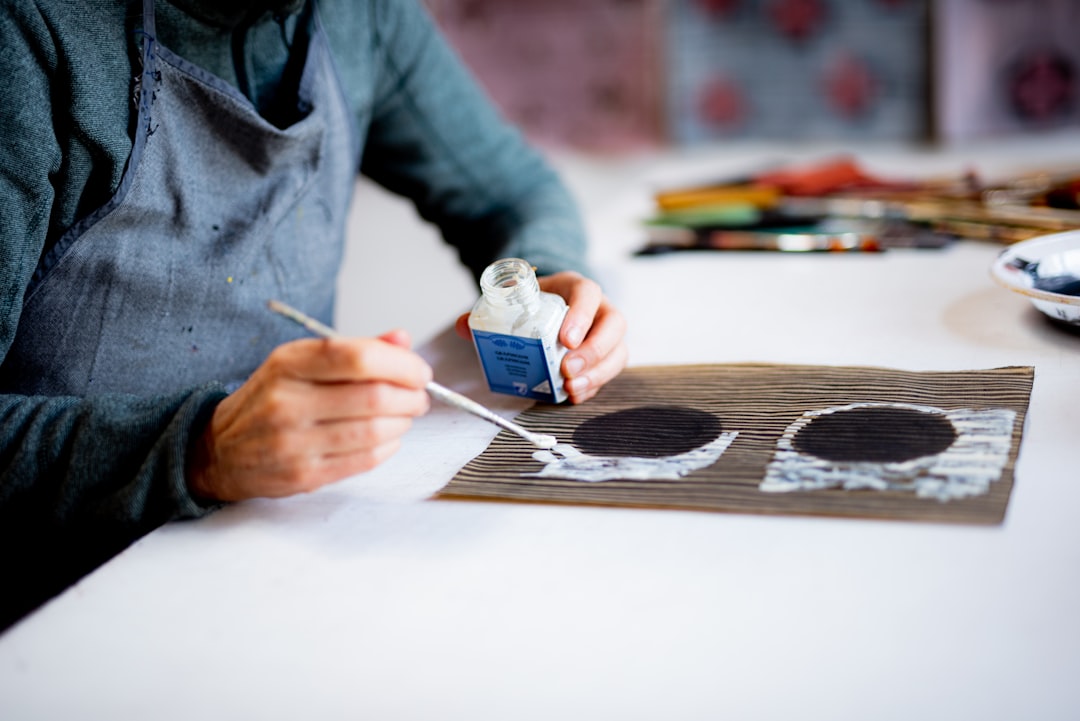
As AI continues to evolve, the boundaries of creativity may expand in ways we can only imagine. Machines can already generate artworks at a speed and scale that no human could match. Some futurists predict the rise of entirely new genres, blending human intuition with machine computation. Others warn of a world where art becomes commodified and stripped of meaning. The truth likely lies somewhere in between. By embracing the strengths of both humans and machines, we may unlock new forms of expression that transcend our current understanding. The future of creativity is not just about machines—it’s about the endless possibilities that emerge when we dare to reimagine what it means to create.
What AI Art Reveals About the Mystery of Consciousness
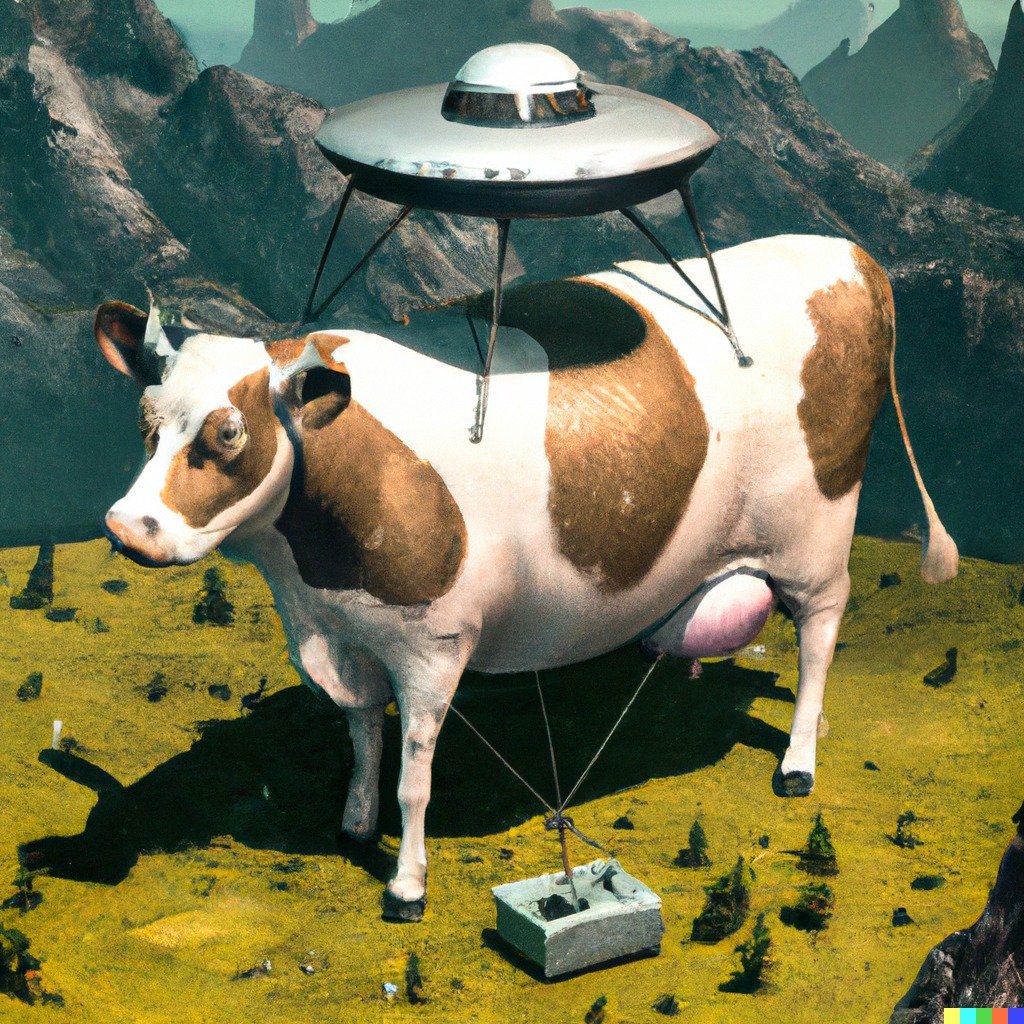
Ultimately, AI-generated art serves as a mirror, reflecting both the power and the limitations of our technology. While machines can mimic the outward forms of creativity, they remain silent on the inner experience—the sense of wonder, curiosity, and self-awareness that defines conscious beings. Yet, by pushing the boundaries of what machines can do, we are forced to confront the deepest questions about our own minds. What is the essence of creativity? Can consciousness ever be synthesized, or does it remain the exclusive domain of living beings? In exploring these questions, we not only learn about machines—we learn about ourselves, and the mysterious spark that makes us truly alive.