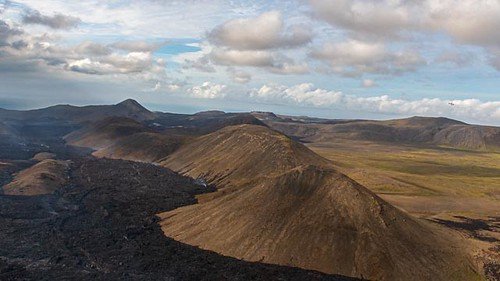

Exploring the possibility of growing crops on Mars has long fascinated scientists and space enthusiasts alike. With humanity’s ambition to colonize the Red Planet, challenges such as food production in an extraterrestrial environment need to be overcome. One surprising potential ally in this endeavor is Iceland, specifically its volcanic soil. But could this Earth’s unique geological feature hold the secret to cultivating Martian agriculture?
Introduction to Iceland’s Volcanic Soil
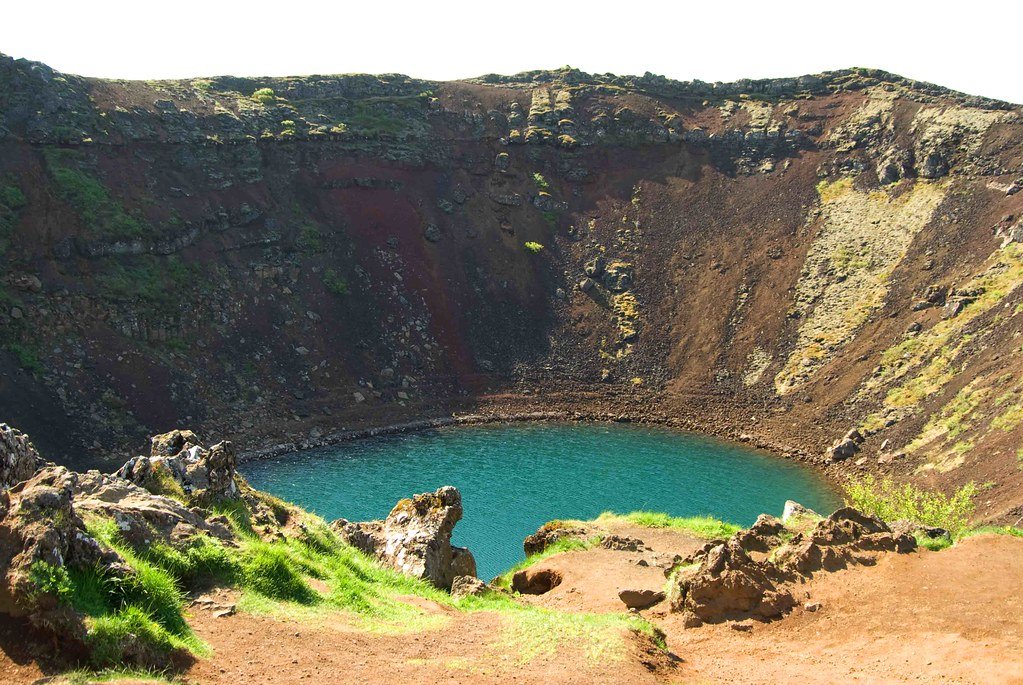
Iceland, a sparsely populated island nation, is renowned for its stunning landscapes, including geysers, hot springs, and extensive lava fields. Its soil is rich in minerals, owing to the volcanic activity that shapes the land. This unique composition makes Iceland an excellent analog for studying agricultural practices that might someday be used on Mars, where the terrain and environmental challenges are somewhat similar.
Why Volcanic Soil?
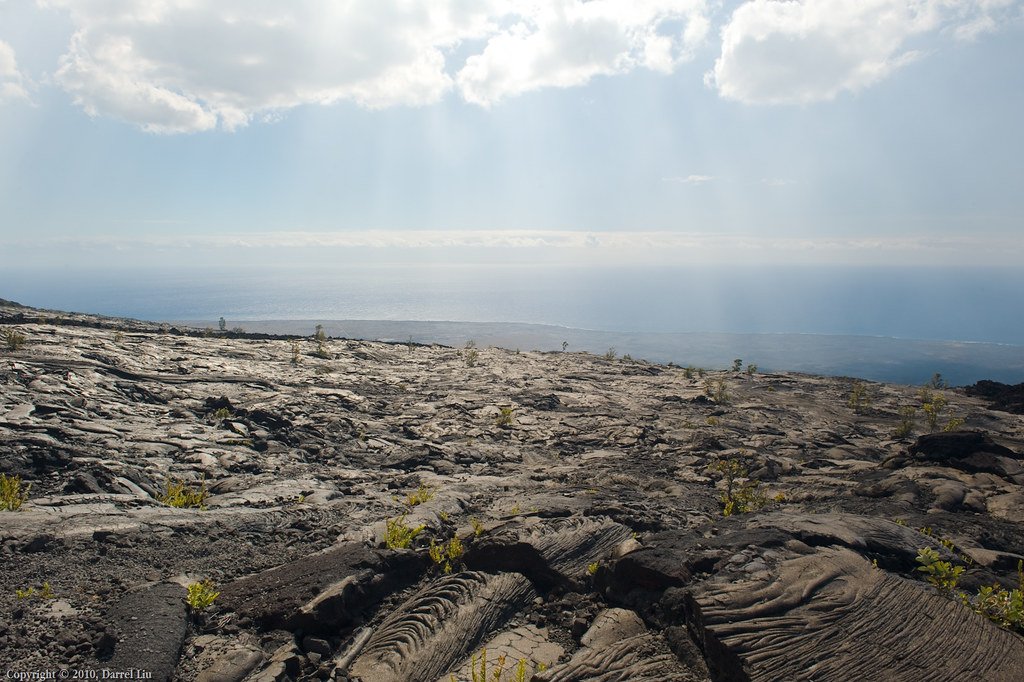
Volcanic soil, often referred to as andisol, is formed from volcanic ash and material. It is incredibly fertile due to its high content of minerals such as phosphorous and potassium that are essential for plant growth. Scientists are particularly interested in the similarities between Icelandic volcanic soil and the Martian regolith, hoping to understand how crops might be grown under such conditions.
Challenges of Martian Agriculture

The Martian environment presents numerous challenges for agriculture, including low temperatures, a thin atmosphere, and limited water availability. The soil on Mars, comprised mostly of rocky material mixed with iron oxide, lacks organic matter and is subject to intense radiation. Research into Iceland’s volcanic soil may provide insights into overcoming these hurdles.
Simulating Mars on Earth

To better understand the capacity of Iceland’s volcanic soil for Martian agriculture, scientists conduct experiments replicating Mars-like conditions. These simulate low pressure, reduced gravity, and limited sunlight. Analyzing how plants react in these settings helps researchers identify practical solutions to sustaining life on Mars through agriculture.
Implementing Hydroponics

Hydroponics, a soil-less growing technique, could be key in establishing Martian agriculture. By using Icelandic volcanic particles as a medium, plants could be cultivated without traditional soil. This method reduces dependence on Mars’ regolith and helps conserve precious water resources, making it a promising strategy for future space farming.
Learning from Icelandic Agriculture

Iceland’s harsh climate necessitates innovative agricultural practices, including greenhouses and geothermal energy usage. Such strategies could be adapted for Mars, where controlled environments are crucial. Iceland’s experience with optimizing limited resources provides valuable lessons for developing sustainable agricultural systems on Mars.
NASA’s Research and Experiments
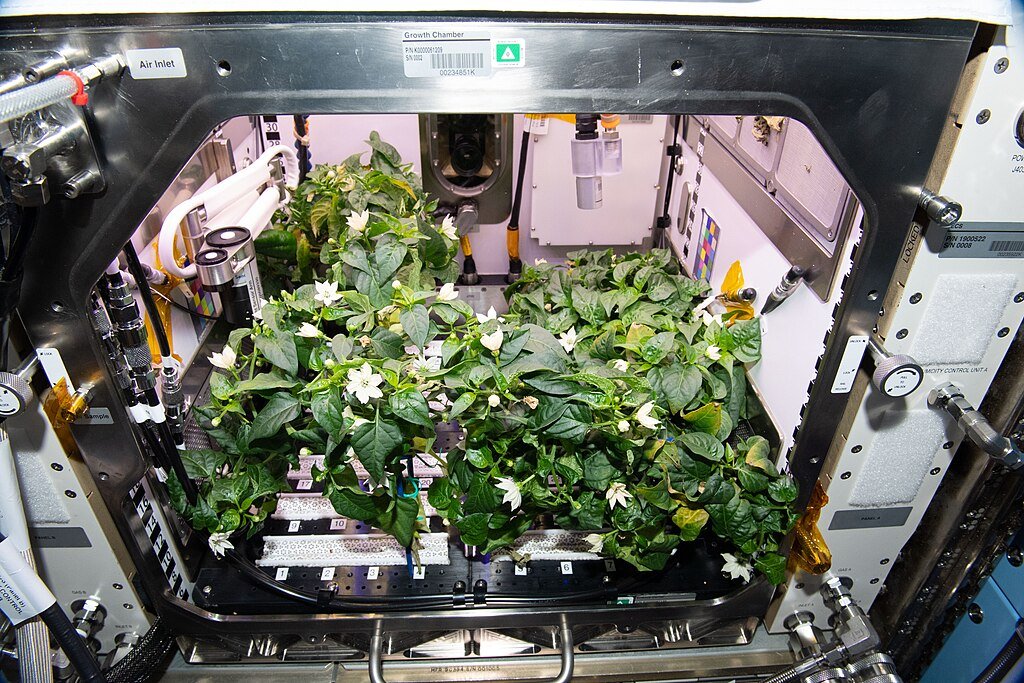
NASA has long been interested in developing Mars-ready agriculture. Collaborations with Icelandic scientists allow them to study volcanic soil extensively. These partnerships are crucial steps toward understanding how we might taste strawberries grown on another planet in the near future.
Sustaining Life on Mars
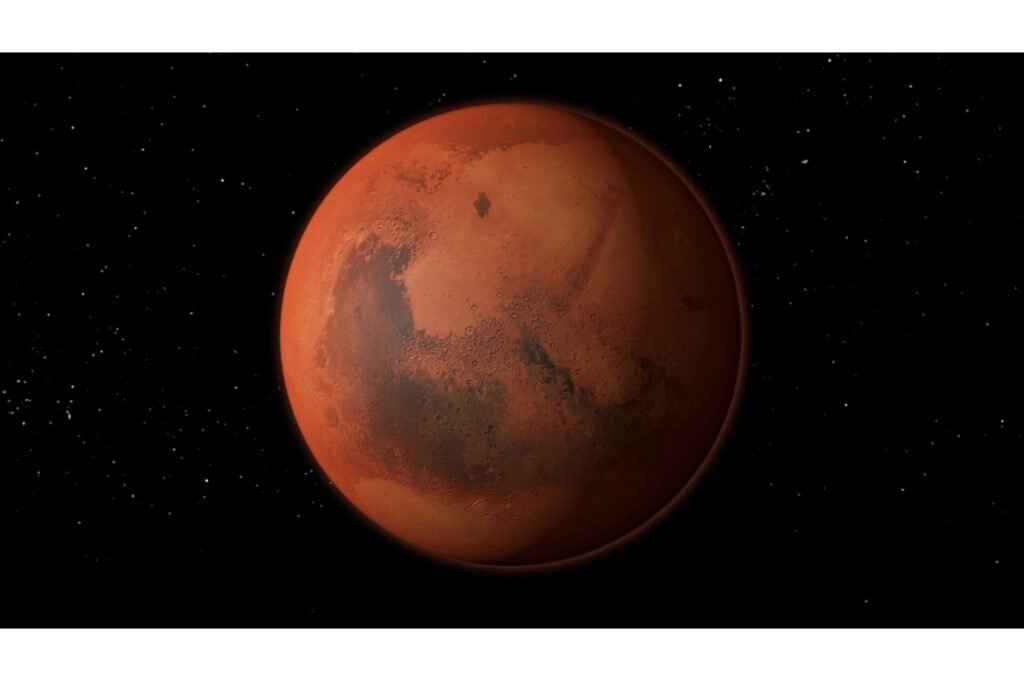
Developing the ability to grow crops on Mars is vital for long-term colonization. Mastering this skill means self-sufficiency for Martian settlers, reducing the need for constant resupply missions from Earth. Iceland’s volcanic soil research could be pivotal in achieving this sustainability.
The Outlook for Future Colonies

While many challenges remain, progress in understanding how to adapt farming techniques for Mars offers hope for future colonies. If humanity can successfully leverage Iceland’s volcanic soil insights, establishing a Martian agrarian society may soon become more than just a science fiction dream.
Conclusion
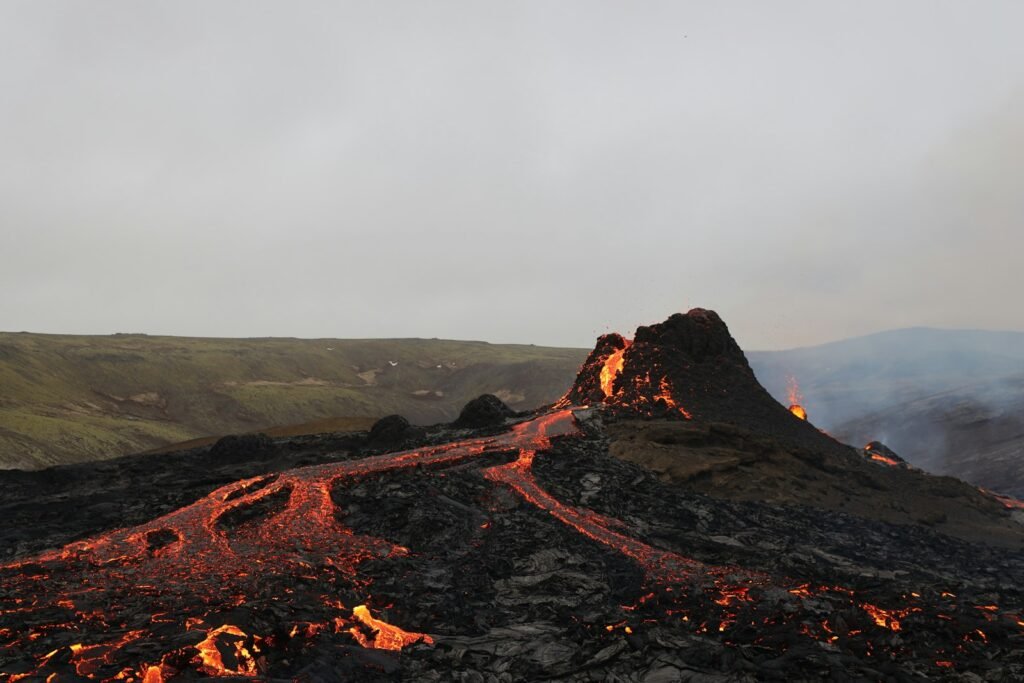
The quest to grow crops on Mars encompasses both innovative science and bold human ambition. Iceland’s volcanic soil, with its rich mineral profile and Earth’s potential representative, provides a valuable analog for research. As scientists continue to explore this avenue, they bring us one step closer to sustaining life on Mars. While challenges abound, the promise of fertile Martian landscapes fed by Earth’s volcanic wisdom offers a remarkable glimpse into the future of interstellar living and agriculture.