
Picture this: You’re walking through a suburban neighborhood when suddenly, a mountain lion steps out from behind a garbage can, just as casually as your neighbor might. It sounds like something out of a wildlife documentary, but it’s happening more often than you’d think. From coyotes roaming city streets to bears raiding backyard barbecues, the invisible boundaries between human civilization and wild predator territories are dissolving faster than ice cream on hot pavement.
The Great Urban Migration of Predators

Something fascinating is happening in cities worldwide – predators are moving in, and they’re not just passing through. Urban environments now host an astonishing variety of carnivores, from red foxes in London to leopards in Mumbai. These aren’t lost animals stumbling into concrete jungles; they’re deliberate migrants adapting to metropolitan life.
Research shows that urban predators often display remarkable behavioral flexibility. Coyotes in Los Angeles have learned to navigate traffic patterns, while raccoons in Toronto have mastered the art of opening complex garbage bin latches. The abundance of food sources, from pet food left outside to overflowing dumpsters, creates an all-you-can-eat buffet that’s hard for any predator to resist.
What’s truly remarkable is how quickly these adaptations occur. Within just a few generations, urban predators can develop entirely new hunting strategies and social behaviors. Some urban coyote packs have even shifted their activity patterns to become more nocturnal, reducing direct encounters with humans while maximizing their access to resources.
When Suburbia Meets the Wild

The suburban sprawl has created a unique ecological zone where manicured lawns meet natural habitats. This boundary zone, known as the wildland-urban interface, is expanding rapidly as human populations grow. In these areas, encounters between humans and predators aren’t just possible – they’re inevitable.
Suburban environments offer predators the perfect combination of shelter and sustenance. Dense vegetation provides cover, while domestic animals and bird feeders create reliable food sources. A single suburban neighborhood can support surprisingly large populations of predators, often without residents realizing their wild neighbors are there.
The challenge lies in the unpredictability of these encounters. Unlike rural areas where wildlife behavior follows more predictable patterns, suburban predators must constantly adapt to human schedules and activities. This creates a complex dance of avoidance and opportunism that can occasionally lead to dramatic confrontations.
The Psychology of Fear vs. Fascination
Human reactions to sharing space with predators reveal a fascinating psychological paradox. While many people express fear about living near dangerous wildlife, there’s an undeniable attraction to these encounters. Social media is flooded with videos of urban wildlife encounters, suggesting that our relationship with predators is more complex than simple fear.
This duality stems from our evolutionary history. Humans evolved alongside predators, developing both healthy fear responses and a deep fascination with these powerful creatures. In modern contexts, this translates to conflicted emotions – we’re simultaneously thrilled and terrified by the sight of a fox in our backyard.
Cultural factors also play a significant role in shaping these responses. Communities with strong wildlife conservation traditions often embrace predator coexistence more readily than those with histories of livestock predation or hunting. Understanding these psychological and cultural dimensions is crucial for developing effective coexistence strategies.
Nature’s Apartment Complex: Vertical Coexistence

Urban environments create unique opportunities for what ecologists call “vertical coexistence.” Different predator species can occupy the same area by utilizing different vertical spaces – from underground tunnels to treetop canopies. This three-dimensional approach to territory sharing maximizes space efficiency in crowded urban environments.
Raccoons excel at vertical living, using building structures, trees, and even storm drains to create extensive networks of pathways and den sites. Meanwhile, urban foxes often claim ground-level territories, establishing dens under porches, sheds, and abandoned buildings. This layered occupancy allows multiple predator species to coexist without direct competition.
The implications of vertical coexistence extend beyond simple space sharing. It creates complex ecological relationships where predators may rarely encounter each other despite living in the same neighborhood. This reduces territorial conflicts and allows for higher predator densities than would be possible in natural environments.
The Surprising Benefits of Living with Predators

Having predators as neighbors isn’t just about managing risks – it actually provides significant benefits to human communities. Urban predators serve as natural pest control agents, keeping populations of rats, mice, and other unwanted creatures in check. A single urban coyote can consume thousands of rodents per year, providing services that would otherwise require expensive pest control measures.
Predators also contribute to biodiversity conservation in urban areas. Their presence indicates healthy ecosystem functioning and can help maintain ecological balance. Urban hawks, for example, help control pigeon populations while also serving as indicators of air quality and habitat health.
The economic benefits are substantial too. Wildlife tourism, even in urban settings, generates significant revenue. Cities that successfully manage human-predator coexistence often become destinations for wildlife enthusiasts, creating new economic opportunities while fostering environmental awareness.
Technology Bridging the Gap

Modern technology is revolutionizing how we monitor and manage human-predator interactions. GPS collars and camera traps provide unprecedented insights into predator behavior in urban environments. This data helps researchers understand movement patterns, habitat preferences, and potential conflict zones.
Smartphone apps now allow citizens to report wildlife sightings in real-time, creating community-based monitoring networks. These crowdsourced data collection efforts provide valuable information about predator populations and behavior while engaging the public in conservation efforts.
Artificial intelligence is also playing an increasingly important role. Machine learning algorithms can analyze vast amounts of data to predict potential conflict situations and recommend preventive measures. Some cities are experimenting with automated alert systems that notify residents when predators are detected in their neighborhoods.
Architecture for Coexistence

Urban planners and architects are increasingly incorporating wildlife considerations into their designs. Green corridors, wildlife overpasses, and predator-friendly building features are becoming standard elements in modern urban development. These infrastructure solutions can dramatically reduce human-predator conflicts while maintaining connectivity between natural habitats.
Building design is evolving to accommodate both human needs and wildlife behavior. Predator-resistant garbage containers, wildlife-friendly fencing, and strategic landscaping choices can create environments where humans and predators can coexist with minimal conflict.
The concept of “predator-proof” design is gaining traction in architecture and urban planning. This approach involves creating spaces that naturally discourage problematic predator behavior while still allowing for their presence in the broader ecosystem. It’s about smart design rather than exclusion.
The Role of Education and Awareness
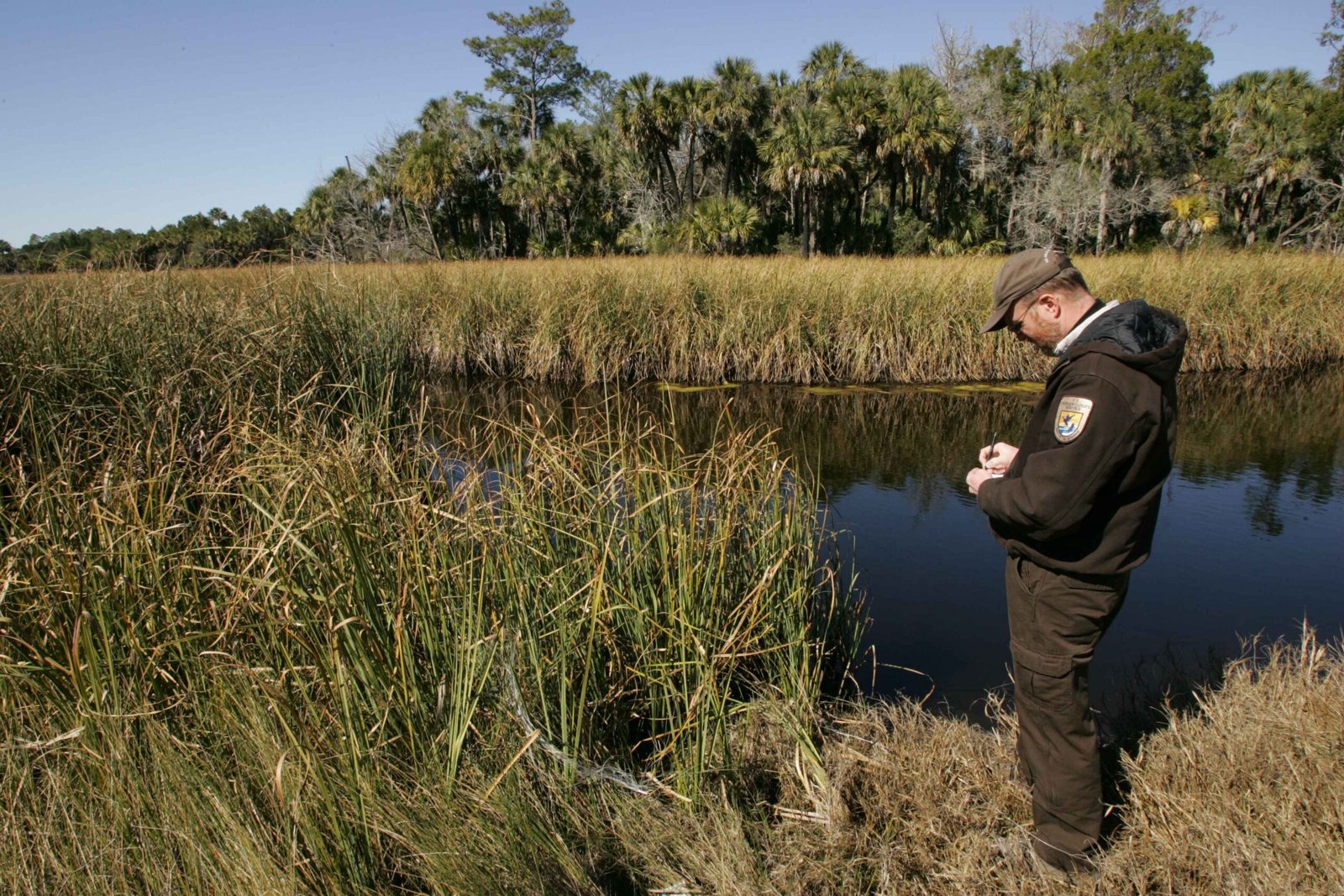
Knowledge is the most powerful tool for successful human-predator coexistence. Communities with robust wildlife education programs experience significantly fewer conflicts than those without such initiatives. Understanding predator behavior, ecology, and safety measures transforms fear into informed respect.
Children play a crucial role in these educational efforts. Young people who grow up learning about local wildlife develop more positive attitudes toward predators and are more likely to support conservation efforts as adults. School programs that include wildlife education create lasting impacts on community attitudes.
Media representation also significantly influences public perception of predators. Sensationalized coverage of rare negative encounters can create disproportionate fear, while balanced reporting that includes positive coexistence stories helps build community support for wildlife-friendly policies.
Legal Frameworks and Policy Challenges

The legal landscape surrounding human-predator coexistence is complex and constantly evolving. Traditional wildlife management laws often don’t address the unique challenges of urban environments, creating gaps in protection and management authority. New legal frameworks are needed to address these contemporary coexistence challenges.
Liability issues present particular challenges for policymakers. When predator encounters result in property damage or injury, questions of responsibility and compensation become complex. Developing fair and effective legal frameworks requires balancing wildlife conservation goals with legitimate human concerns.
International examples provide valuable insights into effective policy development. Countries like Canada and Australia have developed comprehensive urban wildlife management strategies that could serve as models for other nations facing similar challenges.
Success Stories from Around the World
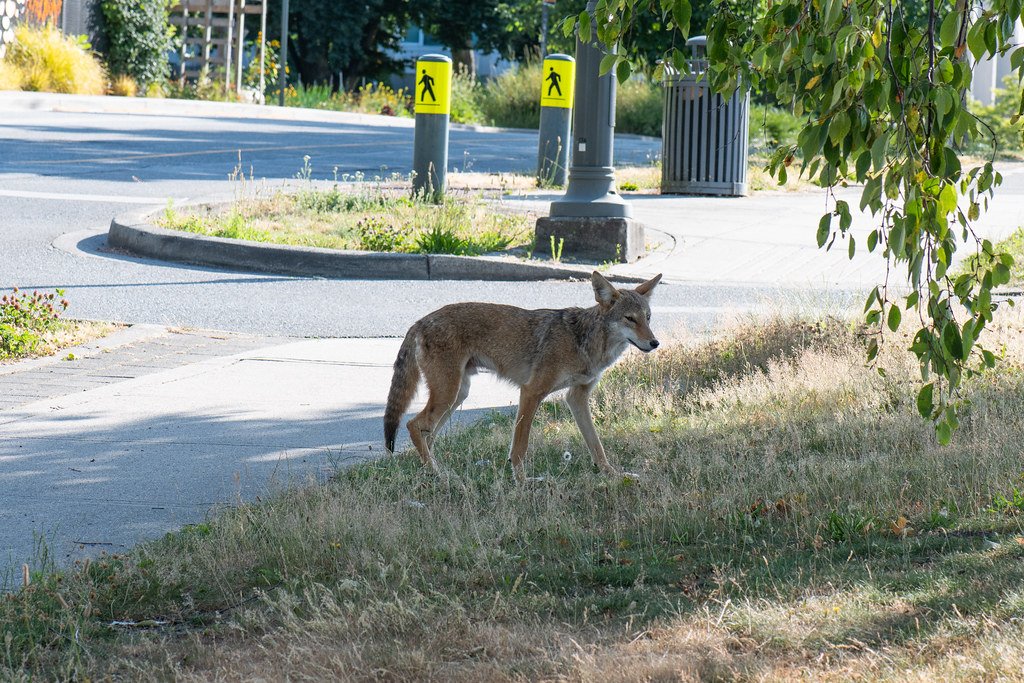
Some cities have achieved remarkable success in managing human-predator coexistence. Vancouver’s coyote management program has dramatically reduced conflicts while maintaining healthy predator populations. Their approach combines education, habitat modification, and targeted intervention to create a model for other urban areas.
In Europe, cities like Berlin have successfully integrated wild boar populations into urban life through careful management and community engagement. These success stories demonstrate that coexistence is not only possible but can be mutually beneficial for both humans and wildlife.
The key to these success stories lies in community involvement and adaptive management strategies. Programs that engage residents as partners rather than passive recipients of wildlife management services tend to be more effective and sustainable long-term.
The Economic Reality of Coexistence

Managing human-predator coexistence involves significant economic considerations. The costs of conflict prevention, response, and mitigation can be substantial, but they’re often offset by the economic benefits of healthy ecosystems and wildlife tourism. Understanding these economic dynamics is crucial for developing sustainable coexistence strategies.
Insurance companies are beginning to recognize the economic implications of human-predator interactions. Some insurers now offer coverage for wildlife-related property damage, while others provide incentives for implementing predator-resistant measures. This market-based approach to risk management is reshaping how communities approach coexistence.
The economic benefits of successful coexistence extend beyond direct tourism revenue. Properties in areas with well-managed wildlife populations often command higher real estate values, as buyers increasingly value access to nature and biodiversity.
Climate Change and Shifting Territories

Climate change is dramatically altering predator distribution patterns and behavior. As temperatures rise and weather patterns shift, many predator species are expanding their ranges into new areas, including urban environments. This climate-driven migration presents new challenges for human-predator coexistence.
Extreme weather events associated with climate change can drive predators into urban areas seeking shelter and resources. Droughts, floods, and wildfires all contribute to habitat displacement, forcing predators to adapt to new environments or face extinction.
The pace of climate change may outstrip the ability of both humans and predators to adapt gradually. This creates urgent needs for flexible, adaptive management strategies that can respond quickly to changing conditions and new coexistence challenges.
The Role of Citizen Science

Ordinary citizens are becoming increasingly important contributors to predator research and management. Citizen science projects that engage residents in data collection and monitoring provide valuable information while fostering community investment in coexistence efforts.
Wildlife tracking apps, camera trap networks, and community monitoring programs are generating unprecedented amounts of data about urban predator behavior. This information helps researchers understand predator ecology in ways that would be impossible through traditional research methods alone.
The democratization of wildlife research through citizen science also builds community capacity for coexistence. Residents who participate in monitoring programs develop deeper understanding of local wildlife and become advocates for conservation and coexistence efforts.
Future Innovations in Coexistence Technology

Emerging technologies promise to revolutionize human-predator coexistence management. Virtual reality training programs can help residents learn appropriate responses to predator encounters in safe, controlled environments. These immersive experiences provide valuable education without the risks associated with real encounters.
Biotechnology is also contributing to coexistence efforts. Genetic analysis of predator populations helps researchers understand movement patterns, population health, and breeding behaviors. This information is crucial for developing effective management strategies that maintain healthy predator populations while minimizing conflicts.
Drone technology is being used for wildlife monitoring and conflict prevention. Autonomous drones can patrol areas where conflicts are likely to occur, providing real-time information to both wildlife managers and residents. This technology offers new possibilities for proactive management rather than reactive responses.
Building Resilient Communities

Successful human-predator coexistence requires building community resilience – the ability to adapt and thrive in the face of changing conditions. Resilient communities are characterized by strong social networks, effective communication systems, and adaptive capacity.
Community-based wildlife management programs that empower residents to take active roles in coexistence efforts tend to be more successful than top-down approaches. When residents feel they have agency in managing their relationships with wildlife, they’re more likely to support and implement coexistence measures.
Social capital – the networks of relationships and trust within communities – plays a crucial role in successful coexistence. Communities with strong social bonds are better able to respond collectively to wildlife challenges and support individual members who experience conflicts.
The Psychological Benefits of Wild Neighbors
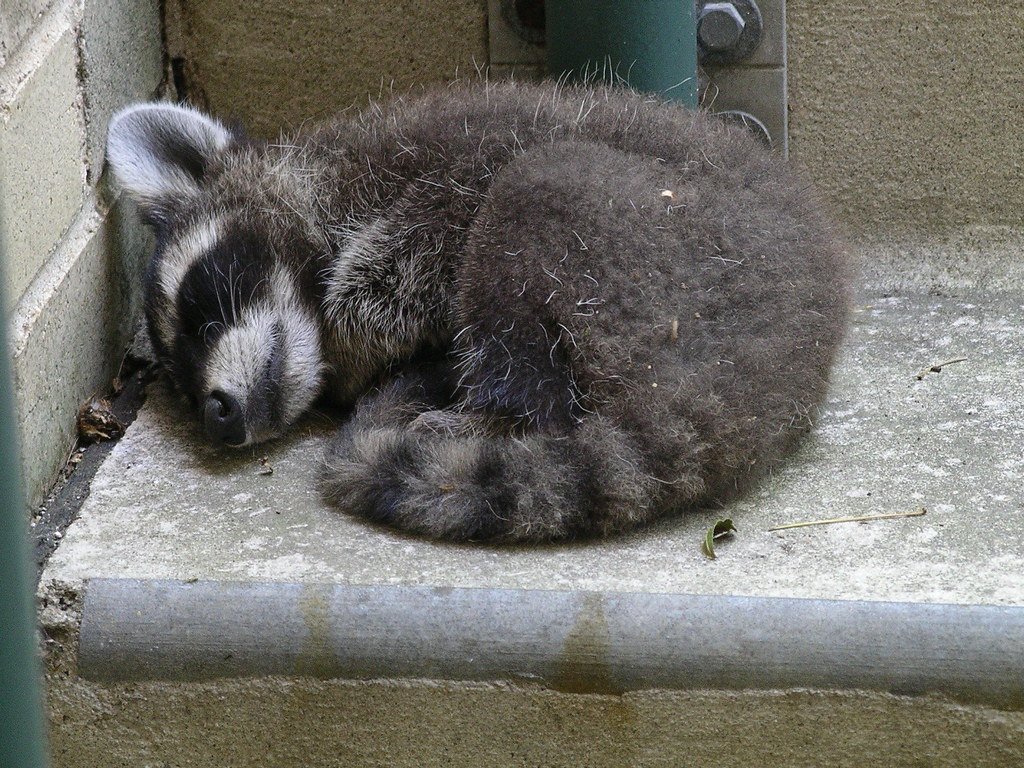
Living near predators can provide significant psychological benefits for humans. Research shows that exposure to wildlife, even potentially dangerous species, can reduce stress, improve mental health, and enhance overall well-being. The presence of wild animals in urban environments connects residents to nature in ways that purely domestic spaces cannot.
The knowledge that predators are present in the landscape can heighten awareness and mindfulness in daily activities. This increased attention to one’s environment can lead to greater appreciation for natural processes and ecological relationships.
For many people, knowing that their community successfully coexists with predators provides a sense of pride and accomplishment. It demonstrates that humans can live harmoniously with nature, even in densely populated areas.
Challenges and Realistic Expectations

Despite success stories and technological advances, human-predator coexistence faces significant challenges. Not all species are equally adaptable to urban environments, and some predators may never be suitable for close coexistence with humans. Realistic expectations are crucial for developing effective policies and programs.
Conflicts will continue to occur despite best efforts at prevention. The goal of coexistence isn’t to eliminate all negative interactions but to minimize them while maximizing the benefits of sharing space with wildlife. This requires accepting some level of risk and uncertainty as part of the coexistence equation.
Cultural and economic barriers to coexistence remain significant in many communities. Overcoming these obstacles requires sustained effort and may take generations to achieve fully. Patience and persistence are essential for long-term success.
The relationship between humans and predators is evolving rapidly as our worlds increasingly overlap. While challenges remain significant, the evidence suggests that coexistence is not only possible but can be beneficial for both species. Success depends on combining scientific knowledge with community engagement, technological innovation with traditional wisdom, and realistic expectations with ambitious goals.
The future of human-predator relationships will likely be characterized by increasing integration rather than separation. As urban environments continue to expand and climate change alters natural habitats, learning to share space with predators becomes not just desirable but necessary for maintaining healthy ecosystems and communities.
The key lies in recognizing that coexistence is an ongoing process rather than a destination. It requires continuous learning, adaptation, and commitment from all stakeholders. When we approach these relationships with respect, knowledge, and creativity, we discover that sharing our world with predators can enrich rather than diminish our lives.
Are you ready to welcome your wild neighbors, or will we continue to view them as unwelcome intruders in our carefully constructed human spaces?