You probably grew up thinking that when your heart stops, that is it: lights out, end of the story. Yet over the last few decades, doctors, neuroscientists, and survivors of cardiac arrest have been quietly forcing you to ask a far stranger question: does some form of conscious awareness hang on for a short time You are not alone if this idea feels both unsettling and weirdly hopeful at the same time. You are stepping into one of the most fascinating borderlands in modern science, where resuscitation medicine, brain research, and age‑old questions about life and death collide. You will not find simple, absolute answers here, because the evidence is still developing and often ambiguous. But you can walk through what is actually known, what is strongly suspected, and what is still very uncertain – so you can decide for yourself how far consciousness might reach beyond that final heartbeat.
What “Clinical Death” Actually Means (And Why It Is Not Final)
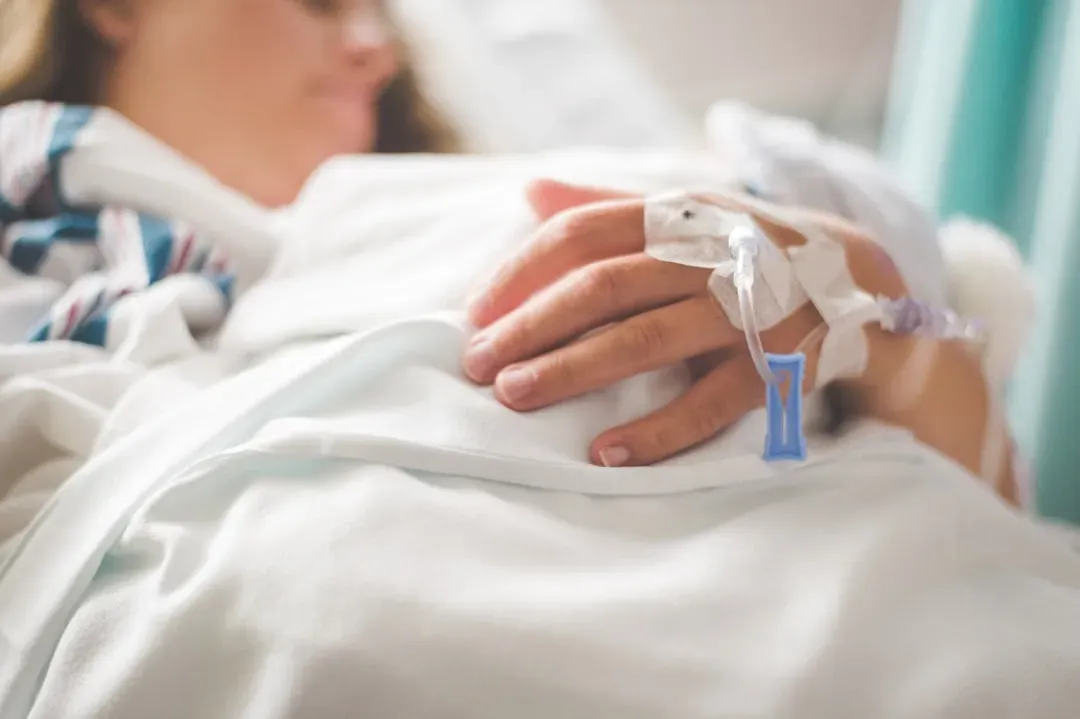
You might assume the word “death” means a single clear moment, but in modern medicine, it is more like a process with phases. Clinical death is usually defined as the point when your heart stops beating, your breathing ceases, and there is no detectable pulse or circulation; at that moment, your organs, including your brain, stop getting oxygenated blood. Without intervention, this state leads to irreversible biological death, when brain cells are so damaged that no medical technology can bring you back. What changes everything is that with CPR, defibrillation, and advanced life support, you can sometimes be pulled back from clinical death minutes later. In other words, clinical death is no longer always a one‑way door; it can be a temporary, reversible state. That gray zone between the heart stopping and the brain becoming permanently nonfunctional is exactly where the question of lingering consciousness lives, and it is wider than people used to think.
How Long Your Brain Can Survive After the Heart Stops
When your heart stops, blood flow to your brain plummets almost instantly, and within seconds you lose normal responsiveness and pass out. However, losing responsiveness does not necessarily mean that every pattern of brain activity vanishes at once. Brain cells do not all die the instant circulation stops; they begin to suffer from lack of oxygen and energy, and the damage spreads over minutes rather than milliseconds. In lab and clinical observations, certain kinds of electrical activity in the brain can still be detected for a short period after cardiac arrest. Some regions shut down very fast, while others fade more slowly, especially if your body is cool or doctors rapidly start resuscitation. That short survival window leaves open the possibility that fragments of conscious experience, or at least some kind of organized processing, may persist even after you appear completely unresponsive.
Near‑Death Experiences: Anecdotes You Cannot Just Dismiss
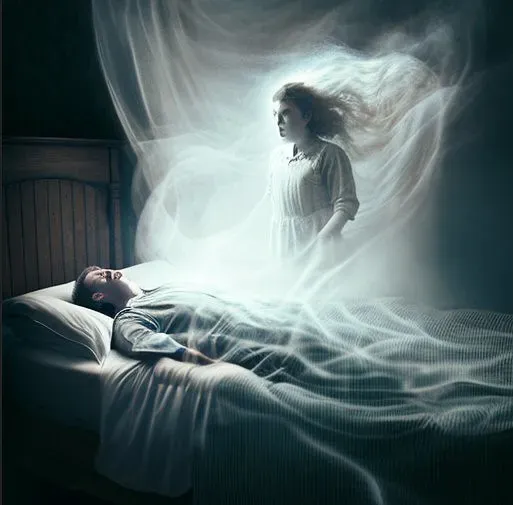
If you have ever heard someone describe an experience of moving through darkness, feeling an overwhelming sense of peace, seeing a bright light, or viewing their body from above during cardiac arrest, you have heard a classic near‑death experience. For years, these stories were brushed off as hallucinations or wishful thinking, but the sheer number and consistency of them has forced researchers to take a closer look. Many people describe similar components, even when they come from very different cultures and belief systems. You should be cautious here: personal reports are powerful, but they are also subjective and vulnerable to memory distortions, cultural expectations, and the effects of medication. Still, many accounts include specific details about resuscitation attempts, equipment, or conversations in the room that the person technically should not have been able to perceive. That does not prove consciousness continued during complete cardiac arrest, but it does raise serious questions about what your mind might be capable of in extreme conditions.
What Brain Scans and Monitors Reveal in the Final Moments
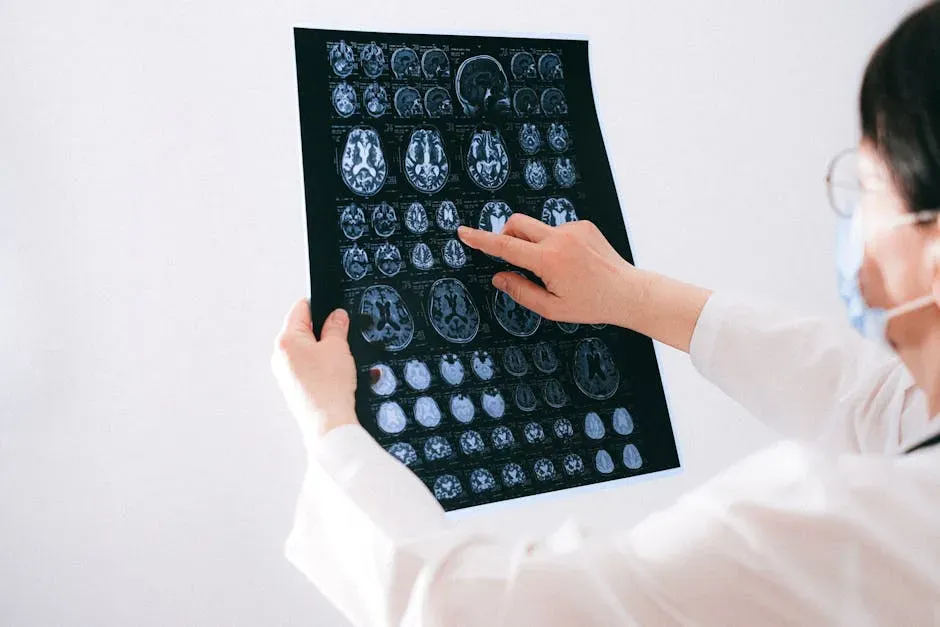
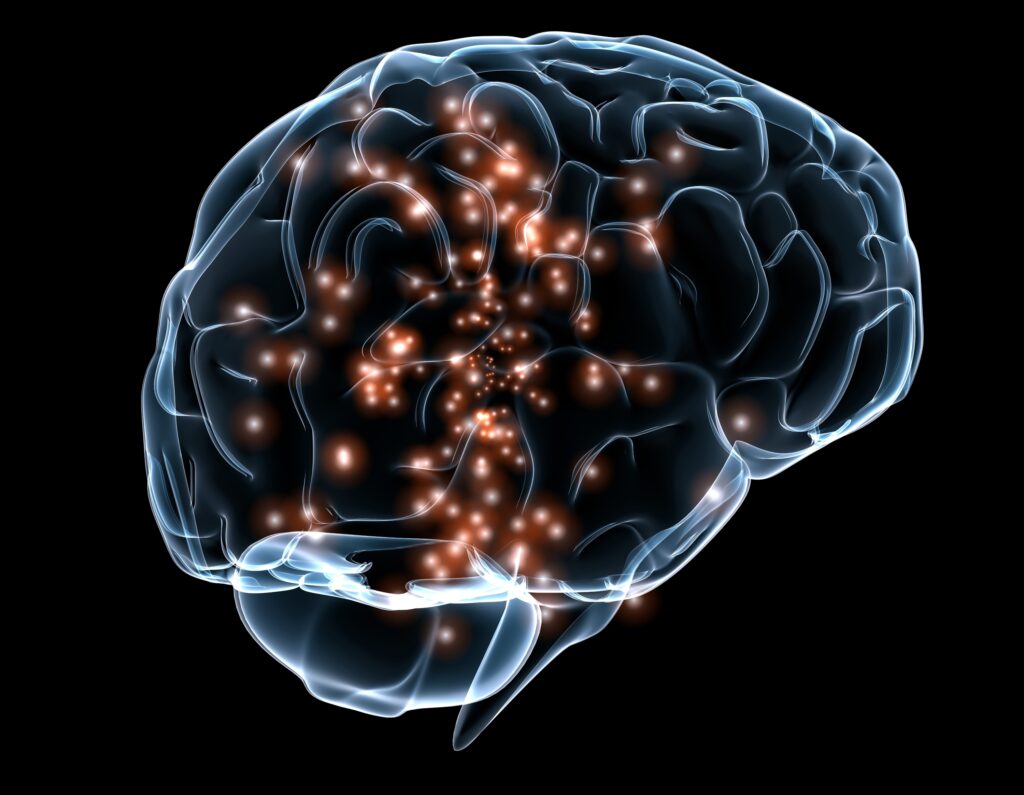
You might assume that once a person flatlines on an electrocardiogram, their brain waves instantly flatten as well, but real‑time monitoring has revealed a more complex story. In some people near death, doctors have detected brief surges of highly organized brain activity – a kind of last burst of coordinated firing – right around the time of cardiac arrest or withdrawal of life support. In animal studies, similar spikes have been recorded, suggesting that brains can briefly become more synchronized and active as oxygen levels crash. Does that mean you would be consciously aware in those moments? Not necessarily, and no one can read your exact subjective experience off an EEG or other brain recording. But when you see complex, coordinated patterns rather than random noise, it is reasonable to suspect that the brain may still be processing information in a structured way. If consciousness is tied to those structured patterns, you may have a short window of awareness even when you appear outwardly lifeless.
The Leading Scientific Theories About Post‑Death Awareness
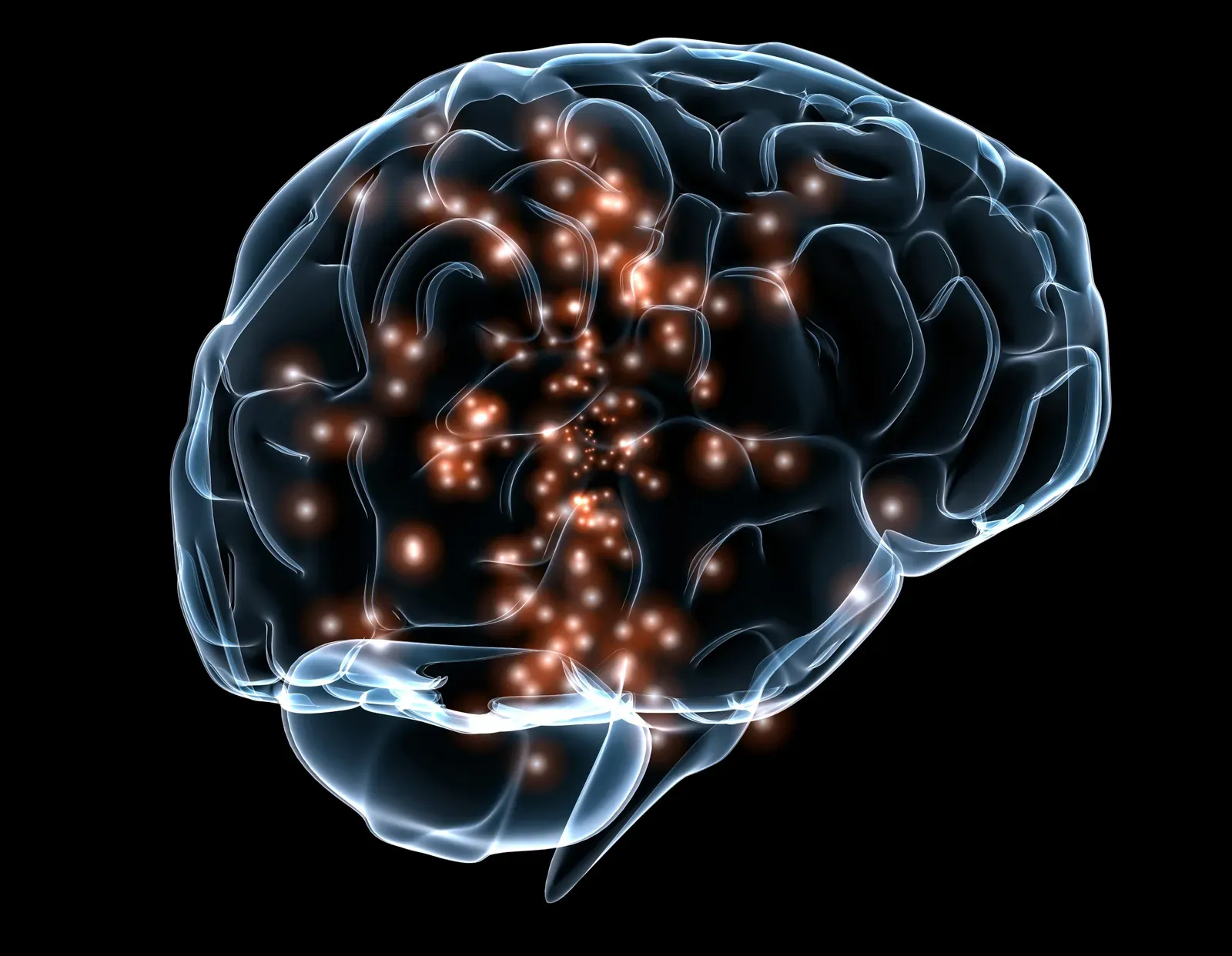
If you ask neuroscientists what consciousness is, you will not get a single simple answer, but you will hear some recurring ideas. One popular view is that consciousness depends on integrated information across different brain regions – loosely speaking, the more your brain networks share and combine information, the more aware you are. Another framework focuses on patterns of global ignition, where widespread synchronized activity binds together what you perceive, think, and feel in a given moment. From that perspective, if your brain still manages brief flashes of integrated, global activity after your heart stops, you could, in theory, still have short episodes of conscious experience. The catch is that as oxygen deprivation continues, those networks break down, and the activity becomes too fragmented to support awareness. So, if consciousness continues after clinical death, it is almost certainly short‑lived and unstable rather than some long, clear journey beyond the body.
Why Memory Makes This Even Harder to Untangle
Even if you did stay briefly aware after clinical death, you face another problem: for anyone to know about it, you would have to remember it later, once your brain is working again. But brain regions involved in forming new memories, especially parts of the hippocampus, are very sensitive to lack of oxygen. That means the period right around cardiac arrest is exactly when your ability to record reliable memories is most compromised. This could explain why some people report only scattered fragments, intense feelings, or symbolic imagery rather than a precise, time‑stamped narrative of what happened after their heart stopped. It also means some experiences might be reconstructed or reshaped later as your brain tries to make sense of a confusing and traumatic event. When you hear dramatic near‑death stories, you have to remember that what is reported afterwards is a mix of whatever was actually experienced and how the recovering brain stitched it together.
Separating Evidence from Spiritual or Cultural Beliefs
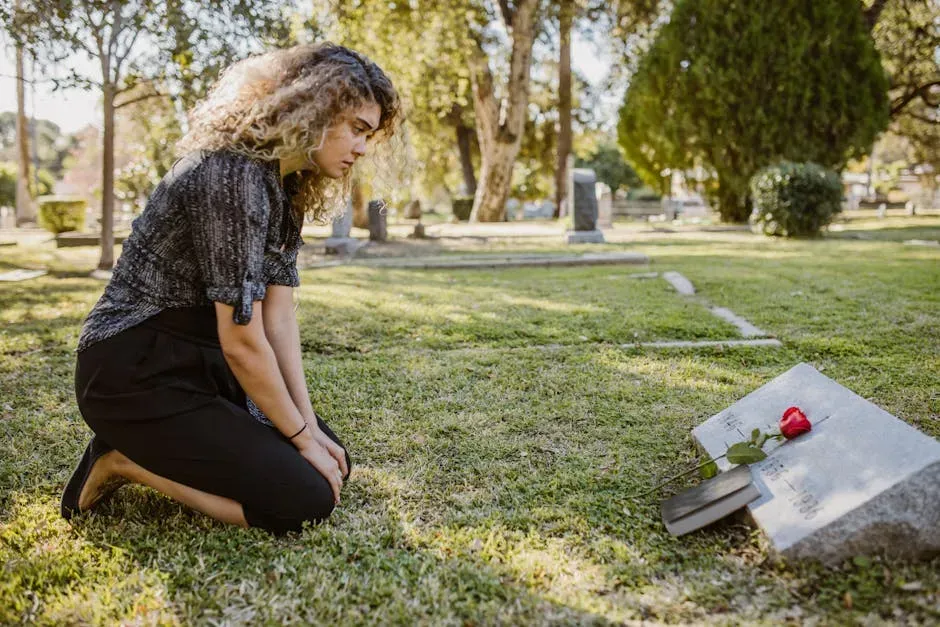
You cannot talk about consciousness after death without bumping into deeply held beliefs about souls, afterlives, and the meaning of existence. Your background, religion, and personal experiences shape how you interpret near‑death stories and scientific findings. For some people, any hint of awareness after cardiac arrest feels like confirmation of an enduring soul; for others, it is more comfortable to assume purely brain‑based explanations like hallucinations or dreamlike states. To keep a clear head, you have to separate what the evidence currently supports from what you might hope or fear is true. Right now, the data point toward a short window in which the brain can remain active and potentially support awareness after clinical death, but not toward anything like long‑term, fully conscious existence without a functioning brain. You can still hold whatever spiritual interpretations feel meaningful to you, but it helps to be honest about which parts are grounded in measured observations and which parts are personal belief.
What This Means for How You Think About Dying
Knowing that consciousness might flicker on for a short time after your heart stops can be unsettling, but it can also shift how you view dying itself. If some near‑death experiences are even partially accurate reflections of what the brain can create in those moments, then your final transition might be less about instant darkness and more about a strange, compressed, and possibly peaceful state. Many people who have gone through cardiac arrest later say they fear death less, even if they cannot fully explain what they experienced. On a practical level, this research also pushes medicine to treat the moments around clinical death with even more care and urgency. The better doctors understand how long your brain can remain viable and potentially aware, the harder they can fight to protect it – through faster resuscitation, targeted cooling, and careful management of oxygen and blood flow. In a way, every new insight into consciousness after clinical death is really about preserving the chance for you to come back and keep living, rather than drifting into speculation for its own sake.
Conclusion: A Brief Window at the Edge of Life
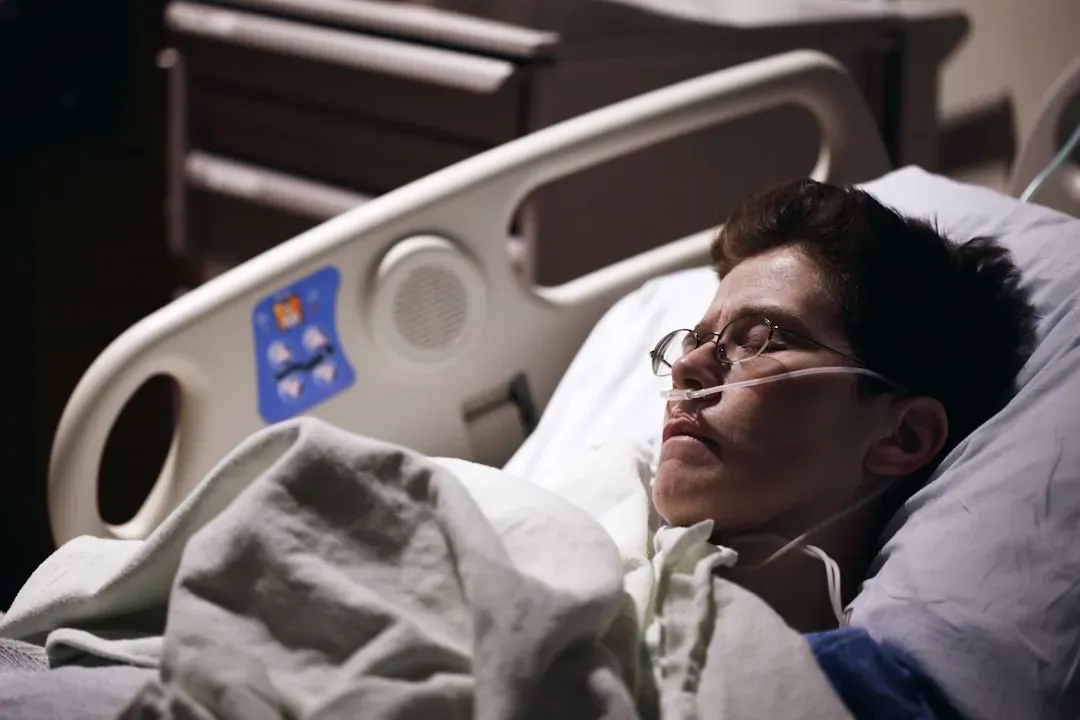
When you step back from all the data, arguments, and dramatic stories, you are left with a cautious but striking possibility: after clinical death, your brain may retain a fragile spark of organized activity and perhaps a brief flicker of awareness before it finally goes dark. That does not prove an immortal soul or a guaranteed tunnel of light, and it does not erase the reality that irreversible brain death is a real and final boundary. But it does mean the moment of death is less like a light switch and more like a dimmer sliding down over a short, critical interval. For you, the most honest answer today is that consciousness probably can continue, in some limited and unstable way, for a brief time after clinical death – and science is only beginning to understand how and why. As new studies refine brain monitoring and resuscitation, you will likely see clearer insights that either strengthen or narrow that window. Until then, you live knowing that even your final moments may hold more mystery, complexity, and maybe even peace than you once imagined. If you had to guess right now, how long do you think your mind might linger after your last heartbeat?