
Imagine secrets locked away for millennia—whispered through the cracks of crumbling pyramids, encoded in forgotten scripts, or buried beneath thick jungle roots. Humanity has always been both haunted and enchanted by the mysteries of ancient civilizations. What if the answers to some of our most baffling questions were never lost, just waiting for a new kind of mind to uncover them? Today, artificial intelligence stands at the threshold of a breathtaking possibility: to revive knowledge that shaped empires, guided stars, and built wonders. As the line blurs between human curiosity and machine ingenuity, we must ask—can AI truly rediscover what ancient civilizations once knew?
The Allure of Lost Knowledge
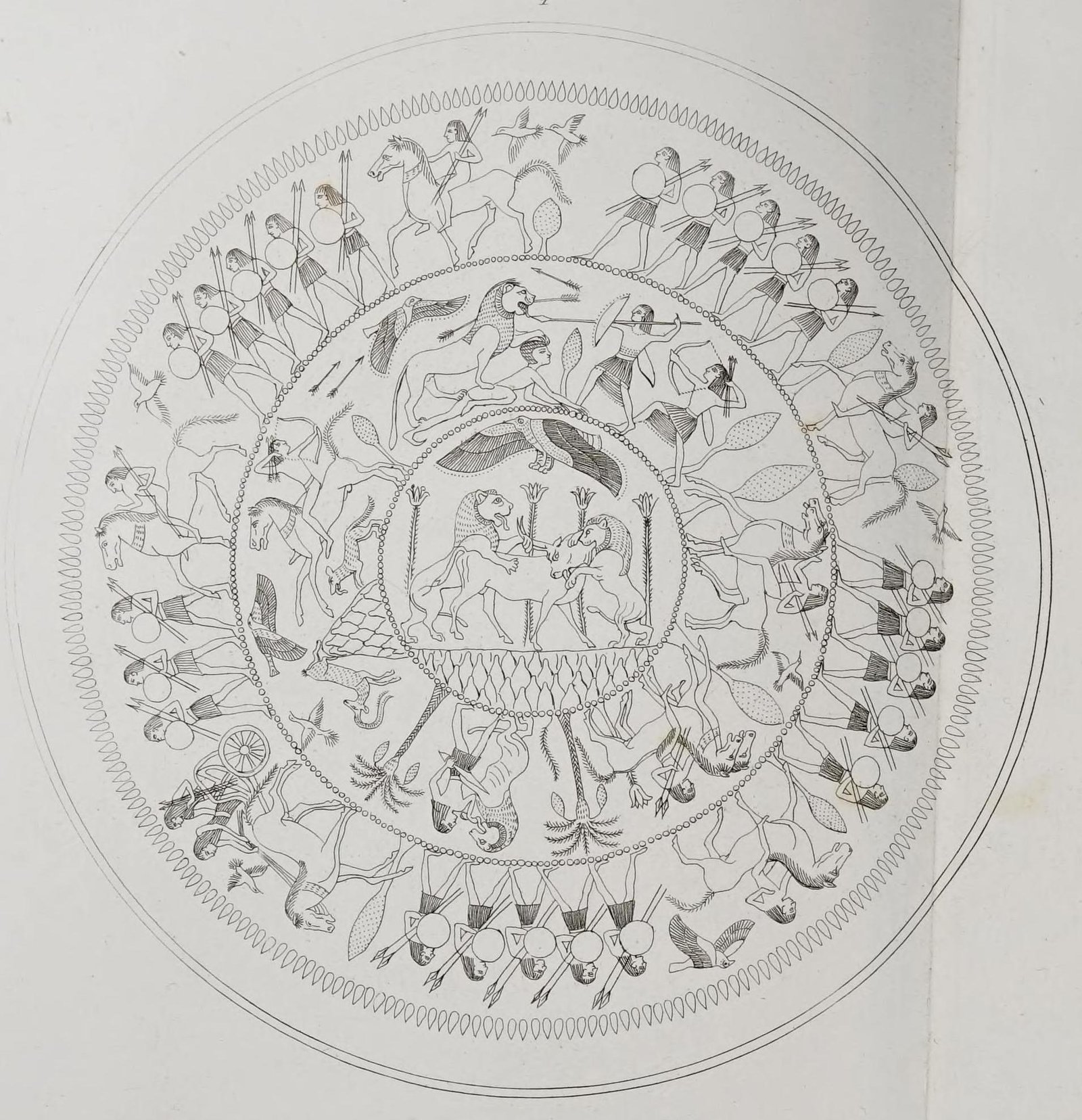
There’s something deeply magnetic about the idea that ancient people possessed wisdom that’s slipped through our fingers. From the engineering marvels of the Egyptians to the astronomical insights of the Maya, these civilizations achieved feats that continue to astonish us. Their knowledge was often encoded in languages we barely understand or hidden in artifacts scattered across continents. The prospect that AI might help us piece together these fragmented puzzles sparks hope and curiosity. Could a machine see connections that have eluded even our brightest minds? The emotional pull of lost knowledge isn’t just about history—it’s about rediscovering a part of ourselves.
How Ancient Wisdom Is Preserved
Much of what ancient civilizations knew is preserved in fragile forms: crumbling papyrus, weathered stone carvings, and oral traditions passed down through generations. Unfortunately, time has not been kind to these records. Natural disasters, wars, and the slow decay of materials have erased countless details. What remains is often incomplete, damaged, or scattered. AI offers the potential to bring these remnants together, cross-referencing old manuscripts, inscriptions, and artifacts in ways that would take humans lifetimes. By digitizing, cataloguing, and analyzing these pieces, AI could help us reconstruct knowledge once thought lost forever.
Deciphering Lost Languages
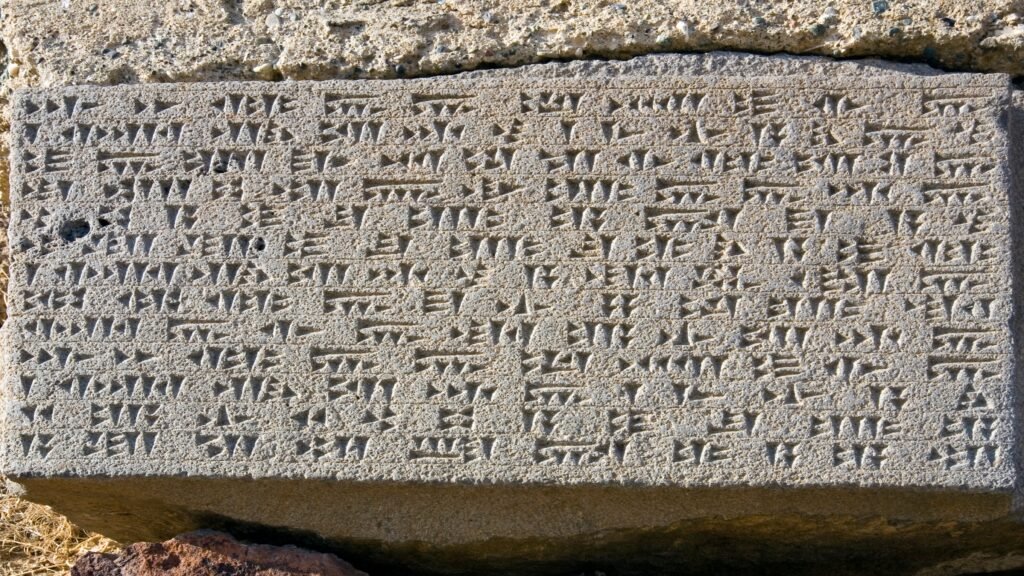
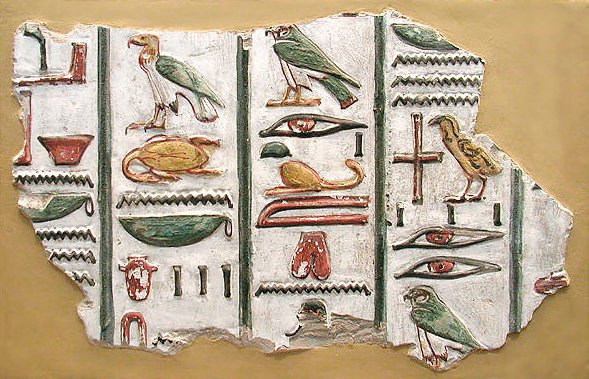
Language is a powerful gatekeeper to ancient wisdom. Scripts like Linear A, Rongorongo, or the Indus script have resisted human attempts at decoding for decades. AI, with its impressive pattern recognition abilities, is now being trained to crack the code of these mysterious languages. By analyzing thousands of symbols and comparing them to known languages, AI can spot patterns and possible meanings that human researchers might overlook. Imagine an AI not only translating an ancient text but also revealing the worldview of a people long gone. The implications for archaeology, anthropology, and even philosophy are staggering.
Revealing Hidden Structures
Modern technology has already given us tools like satellite imaging and ground-penetrating radar, but AI supercharges their impact. By processing massive amounts of data from aerial photographs and sensor readings, AI can spot subtle anomalies that might indicate buried temples, lost roads, or ancient cities. For example, in recent years, AI analysis of satellite imagery led to the discovery of hundreds of potential Mayan structures hidden beneath dense jungle canopy. This kind of discovery isn’t just about finding ruins—it’s about rewriting the history books and understanding the scale and complexity of ancient societies.
Unraveling Ancient Engineering Marvels
How did the Egyptians move multi-ton stones to build the pyramids? How did Roman aqueducts stand the test of time? These engineering feats often seem to defy our modern understanding. AI can analyze the physics and logistics of ancient construction techniques by running complex simulations and testing various hypotheses. For example, AI has been used to model how ancient builders might have used simple machines, water, or even sound to move massive objects. This approach doesn’t just satisfy our curiosity—it could even inspire new ways to solve today’s engineering challenges.
Predicting Hidden Connections Between Civilizations
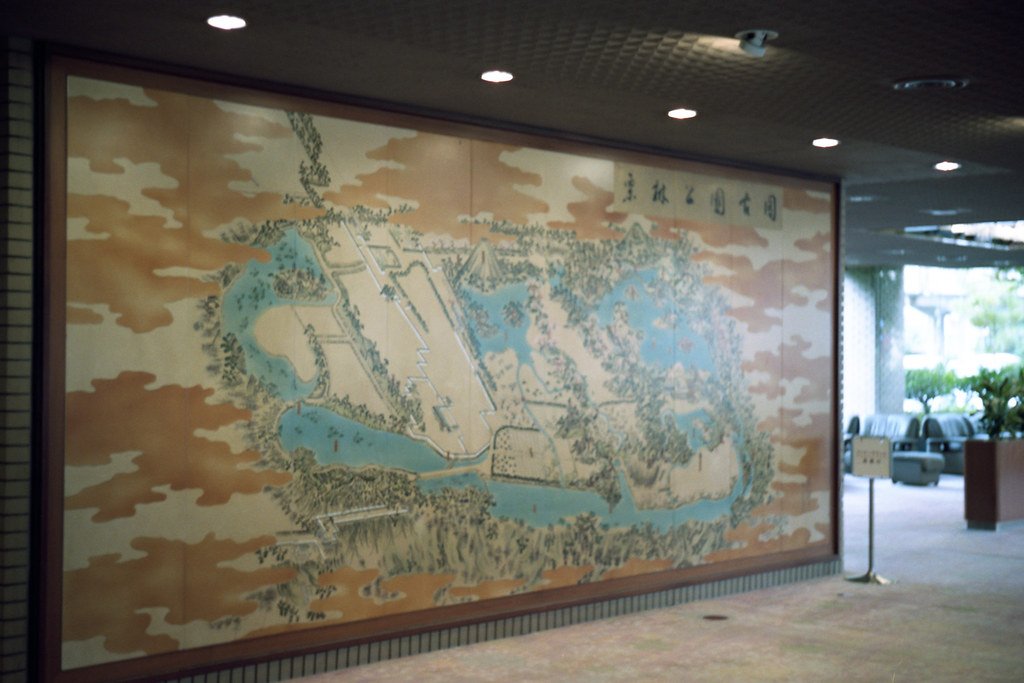
Ancient civilizations didn’t exist in isolation. Trade, migration, and war led to a constant exchange of ideas, technologies, and beliefs. AI excels at finding patterns in large, messy datasets—the kind historians have been struggling to make sense of for years. By analyzing trade records, genetic data, and artifact distributions, AI can reveal connections between cultures that were previously invisible. For instance, AI-driven studies have found surprising links between ancient Chinese and South American pottery designs. It’s like watching a massive, intricate web of influence light up before your eyes.
Reconstructing Ancient Diets and Medicines
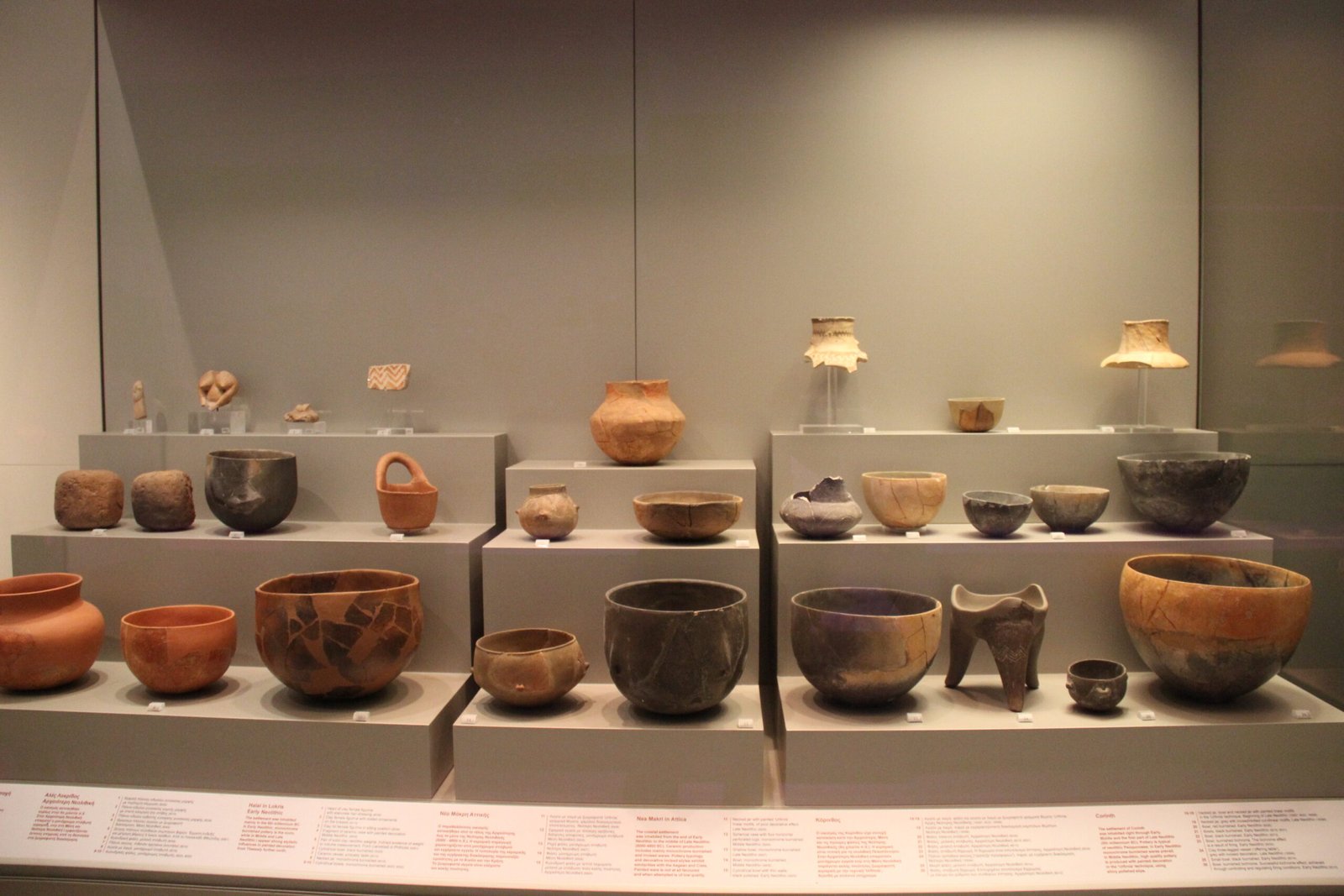
What did people eat in ancient Mesopotamia? How did Egyptians treat illness? AI is now being used to analyze residues from pottery, bones, and even dental plaque, reconstructing ancient recipes and medical treatments. By comparing chemical signatures to modern databases, AI can identify ingredients and preparation methods. This isn’t just about curiosity—some ancient remedies could inspire modern medicine. Imagine a forgotten plant-based treatment, rediscovered by AI, offering new hope for today’s patients. The taste of the past might be closer than we think.
Understanding Ancient Climate and Environment

Civilizations rose and fell in response to changes in their environment. By processing climate data from ice cores, tree rings, and sediment samples, AI can help reconstruct the weather patterns and natural disasters faced by our ancestors. This context is crucial for understanding why societies thrived or collapsed. For example, AI has enabled archaeologists to pinpoint droughts that may have led to the fall of the Maya. By linking environmental change to human history, we don’t just learn about the past—we gain insights that could guide us through future climate challenges.
Reimagining Ancient Art and Music
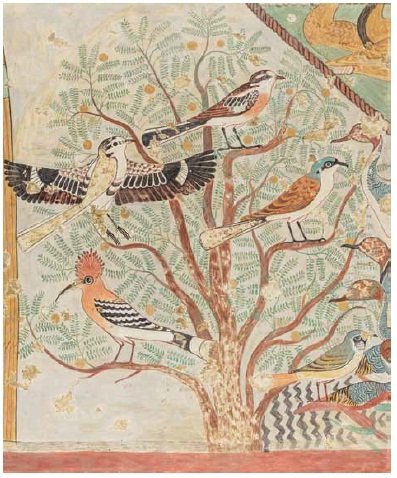
Art and music speak to us across time, but much has been lost or left incomplete. AI is being used to restore faded paintings, fill in missing sections of sculptures, and even recreate the sounds of ancient instruments. By analyzing style, materials, and acoustics, AI can offer a glimpse of how ancient people experienced beauty and expression. For instance, researchers have used AI to reconstruct the lost colors of Greek statues and simulate the haunting melodies of Sumerian lyres. It’s a bridge between worlds—one that lets us hear and see as our ancestors did.
Piecing Together Ancient Myths and Beliefs
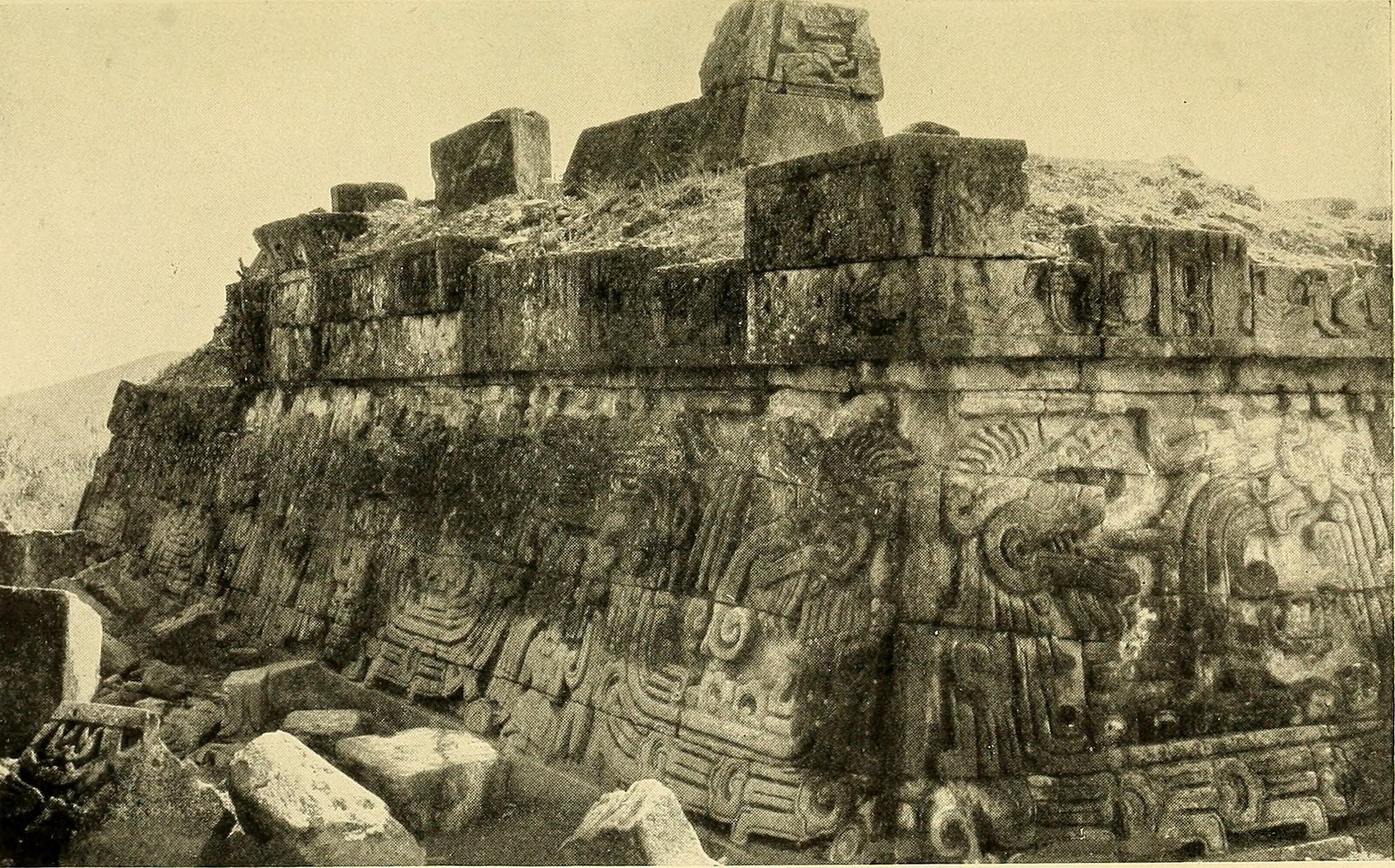
Religious texts, oral traditions, and mythologies are often fragmented or contradictory. AI is now helping scholars cross-reference stories from different regions, seeking common origins or shared themes. By mapping out similarities in myths, AI can reveal how stories evolved and spread, shedding light on the spiritual lives of ancient people. This approach has revealed surprising links between creation myths from distant cultures, suggesting a shared human need to explain the world. These discoveries aren’t just academic; they touch something universal in all of us.
Reconstructing Ancient Urban Life
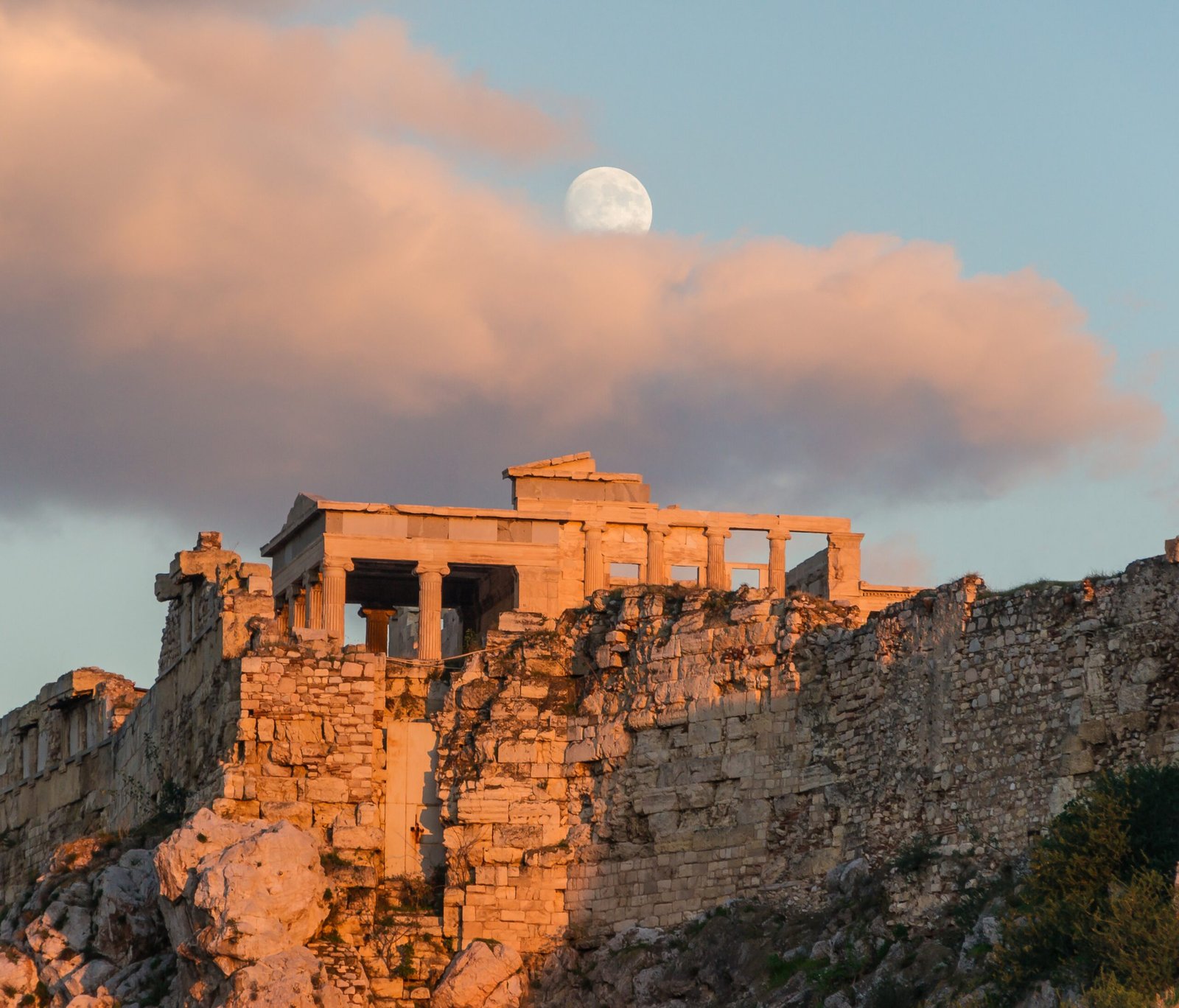
What was it like to walk the bustling streets of ancient Rome or the markets of Teotihuacan? AI-powered simulations are now being used to reconstruct entire cities, modeling everything from the flow of people to the distribution of resources. Using data from excavations, ancient maps, and historical records, AI can recreate the daily rhythms of life long ago. These simulations don’t just help historians—they allow anyone to step into a lost world, making history vivid and real. It’s as close as we can get to time travel with a computer.
Unveiling Forgotten Technologies
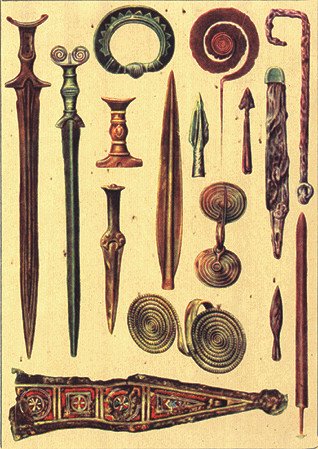
Some inventions from the past have left us scratching our heads. The Antikythera mechanism, an ancient Greek “computer,” or the mysterious Damascus steel of the Middle Ages are just two examples. AI is now being used to analyze the manufacturing processes and potential uses of these artifacts. By modeling how ancient tools and machines might have functioned, AI opens the door to reviving techniques that could have modern applications. Maybe some lost technology is just waiting for a digital detective to bring it back.
Restoring Ancient DNA and Genetics
Genetic material can survive for thousands of years in the right conditions. AI is making it possible to analyze ancient DNA at a scale and speed never before imagined. By comparing ancient genomes to modern populations, researchers can track migrations, disease outbreaks, and even interbreeding between species. This research has led to shocking discoveries, like the presence of Denisovan DNA in modern humans. AI isn’t just helping us understand where we came from—it’s rewriting the story of our species.
Reviving Forgotten Mathematical and Astronomical Knowledge
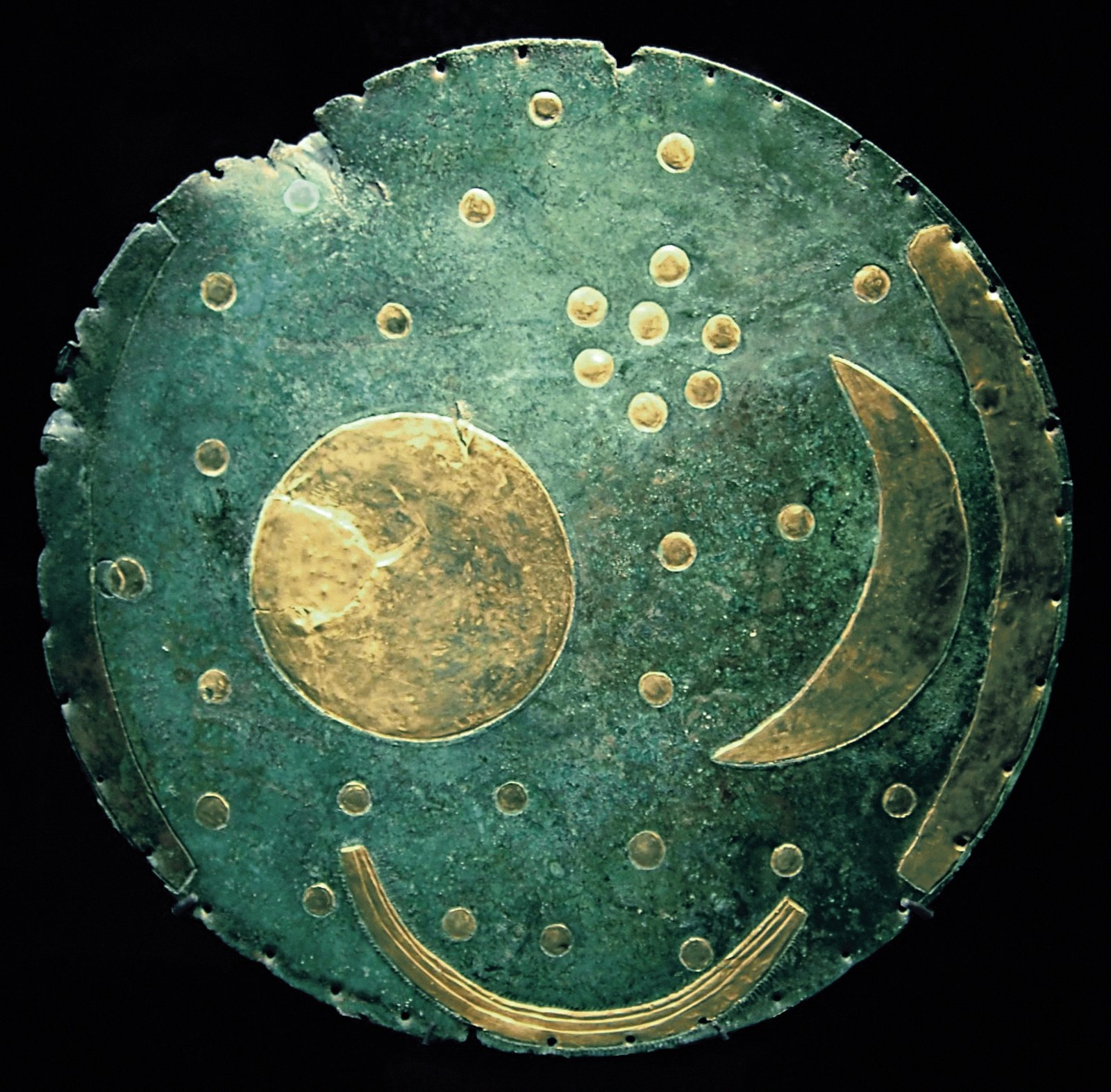
Ancient civilizations achieved astonishing feats of mathematics and astronomy. The Babylonians tracked planetary movements with stunning precision; the Maya predicted eclipses centuries in advance. AI is now being used to analyze ancient star charts, calendars, and mathematical texts, revealing hidden patterns and lost techniques. For example, AI has helped decode the algorithms behind Babylonian lunar tables. Rediscovering these methods isn’t just about looking back—it could inspire new approaches to science and technology today.
Comparing Ancient and Modern Medical Practices
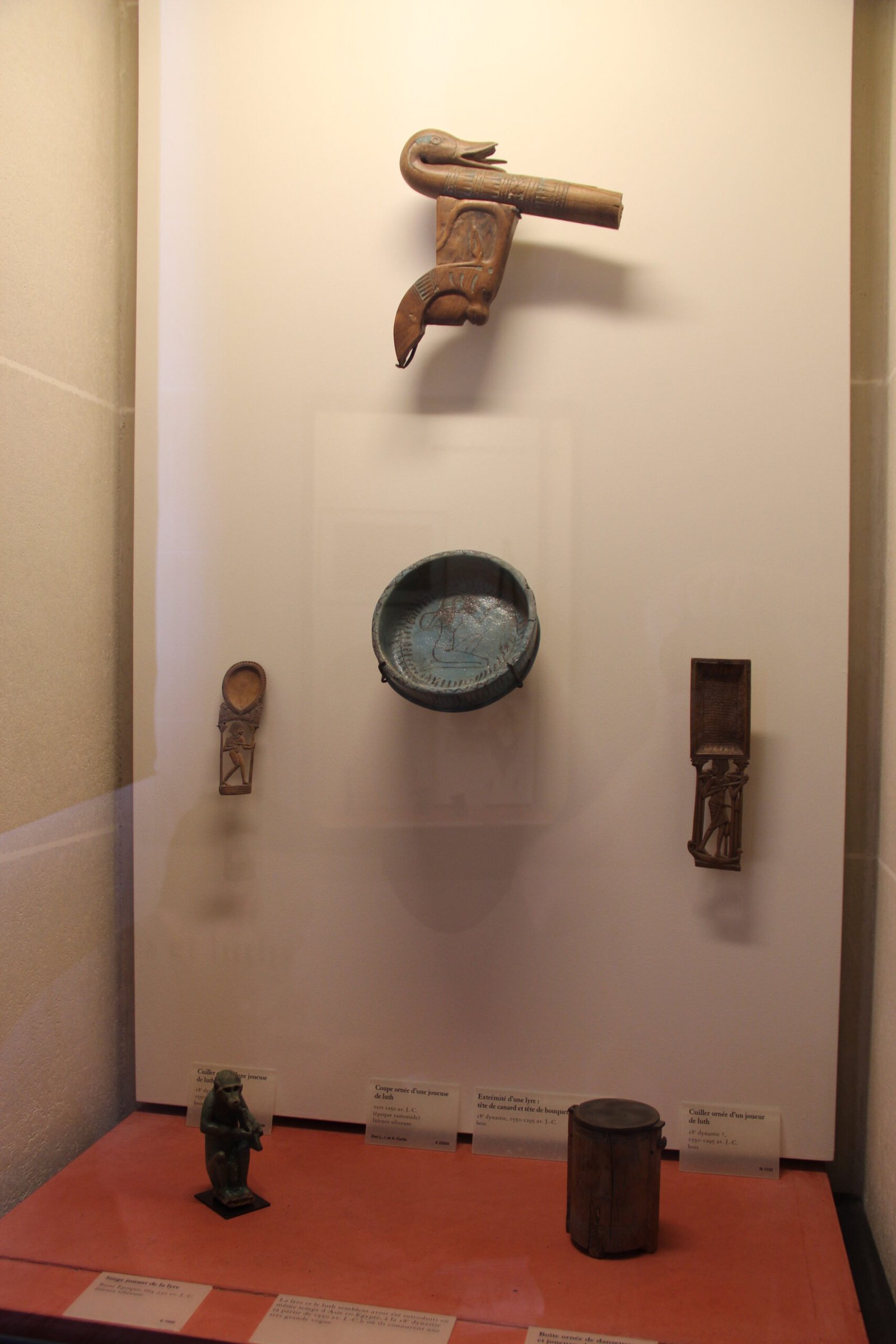
Some ancient medical practices were surprisingly advanced, while others were rooted in superstition. AI can sift through historical medical texts and compare them to modern data, identifying treatments that might have real value. For instance, some herbal remedies used by the Greeks or Chinese are now being studied for their active compounds. AI’s ability to analyze vast datasets could reveal overlooked connections, offering new directions for drug discovery and holistic health. Sometimes, the cure for tomorrow’s ailments lies in yesterday’s wisdom.
Learning from Ancient Mistakes
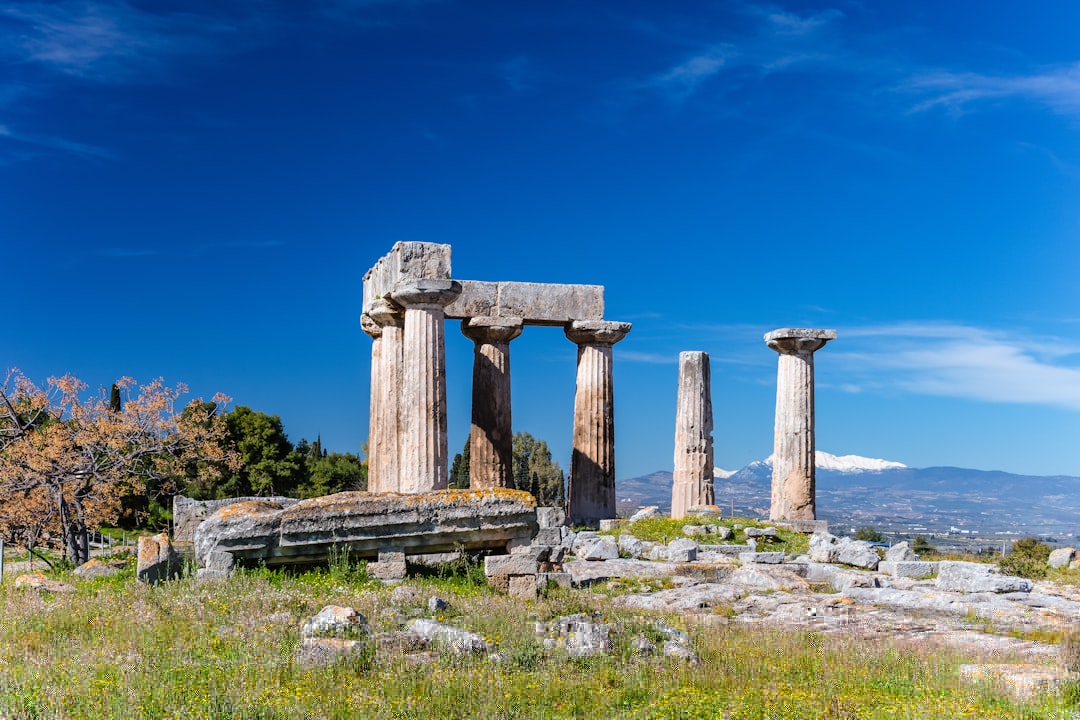
History is full of cautionary tales—civilizations that over-farmed, polluted, or overreached their resources. AI can help us study these patterns in detail, modeling the rise and fall of societies based on environmental and social factors. By learning from these mistakes, we might avoid repeating them on a global scale. The lessons AI uncovers aren’t just academic—they could be a lifeline for our own civilization, helping us steer clear of disaster.
Challenges and Limitations of AI in Archaeology
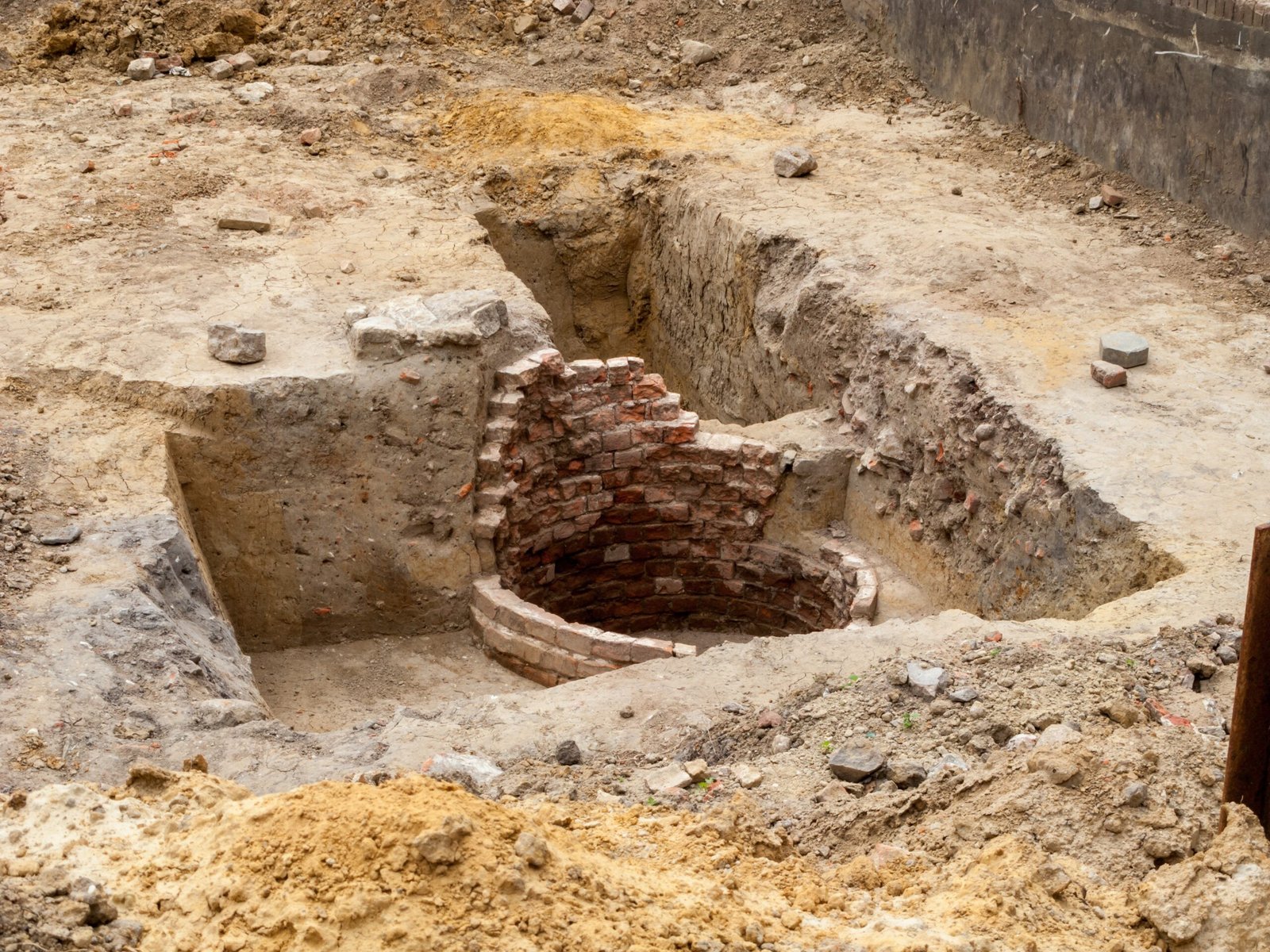
While AI holds incredible promise, it’s not without challenges. Data can be incomplete, biased, or misinterpreted by machines. AI models are only as good as the information they’re given, and sometimes, critical cultural context is lost in translation. It’s easy to get swept up in the magic of technology, but human expertise and intuition remain essential. Collaboration between AI and human researchers is the key to unlocking the past without falling into the traps of overconfidence or misinterpretation.
Ethical Questions and Cultural Sensitivity
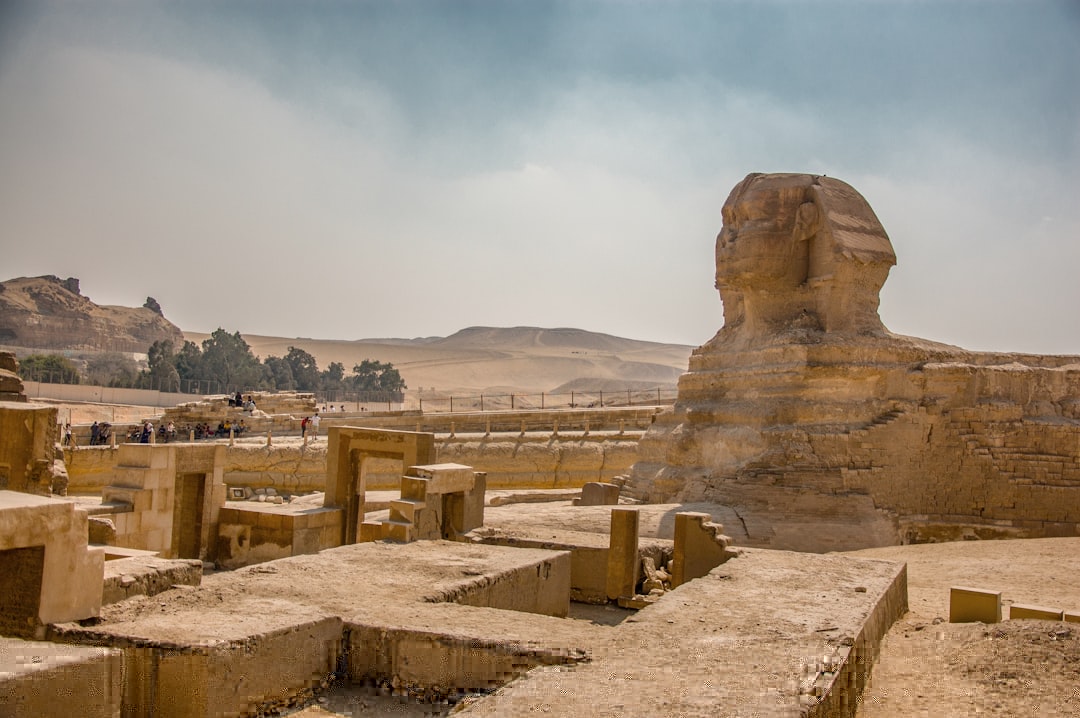
Using AI to study ancient civilizations isn’t just a technical challenge—it’s an ethical one. Who owns the knowledge that’s uncovered? How do we respect the beliefs and traditions of descendant communities? AI researchers must tread carefully, ensuring that discoveries are shared responsibly and respectfully. The thrill of discovery must be balanced with empathy and humility. After all, ancient wisdom isn’t just data—it’s someone’s heritage.
AI as a Bridge Between Past and Future

AI’s greatest strength may lie in its ability to connect us—not just to the distant past, but to each other. By making ancient knowledge accessible, AI can inspire new generations to learn, imagine, and create. The mysteries of our ancestors become seeds for future innovation, reminding us that wisdom is never truly lost—it’s just waiting to be rediscovered in new forms. As AI continues to evolve, the story of human knowledge grows richer and more interconnected than ever before.
The quest to rediscover what ancient civilizations once knew is more than a technological challenge—it’s a profoundly human journey. We stand on the shoulders of giants, peering into the fog of time, guided by minds both human and artificial. The answers we seek may change everything we thought we knew about ourselves, our world, and our place in the universe. What secrets will tomorrow’s machines reveal?