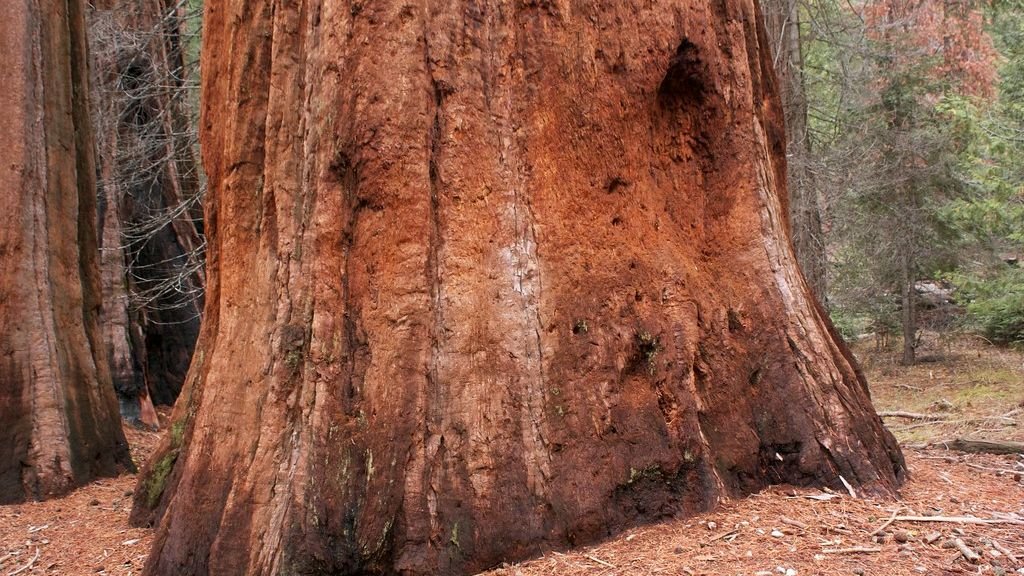

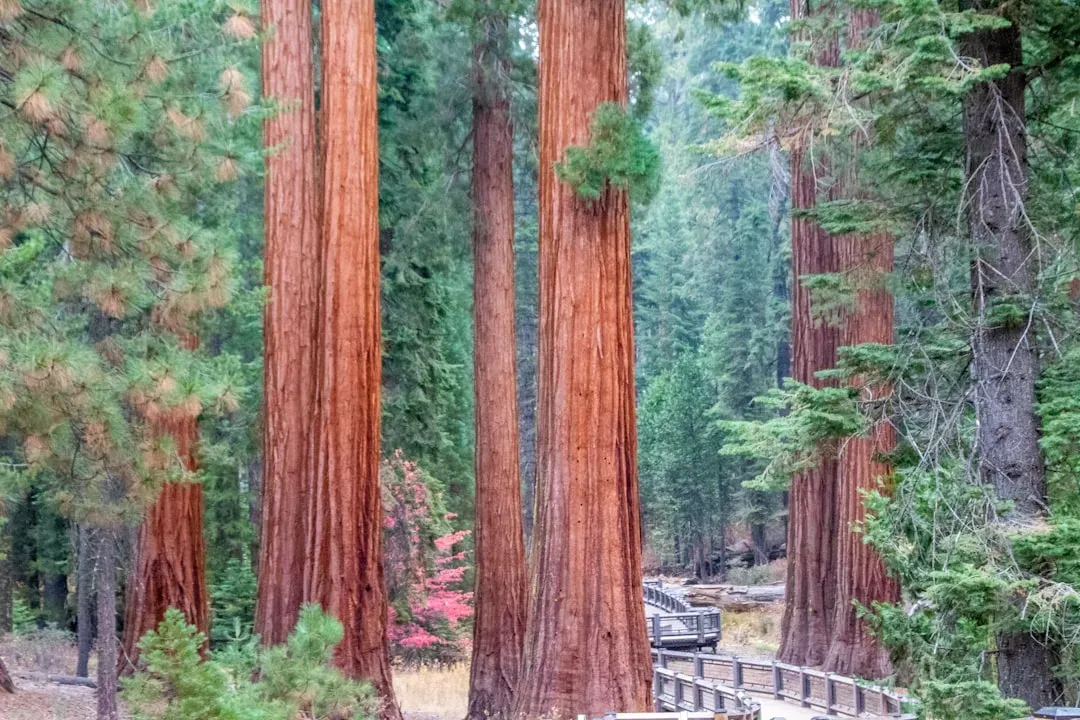
Walk into a giant sequoia grove for the first time and it almost doesn’t feel real. The air goes quiet, the light turns a deep golden green, and these enormous rust-colored trunks rise around you like ancient stone pillars that somehow learned to breathe. Some of these trees were already old when the Roman Empire was young, and they’re still standing there, shrugging off storms, fires, and even some of our mistakes.
What makes them so incredibly tough and long-lived isn’t magic, though it feels that way. It’s a mix of deep-time evolution, clever biological engineering, and a bit of luck with where they live. Once you peek under the bark – figuratively, not literally – you start to see an elegant survival strategy that keeps these trees alive for thousands of years, while most other plants barely last a century.
The Astonishing Age and Scale of Giant Sequoias
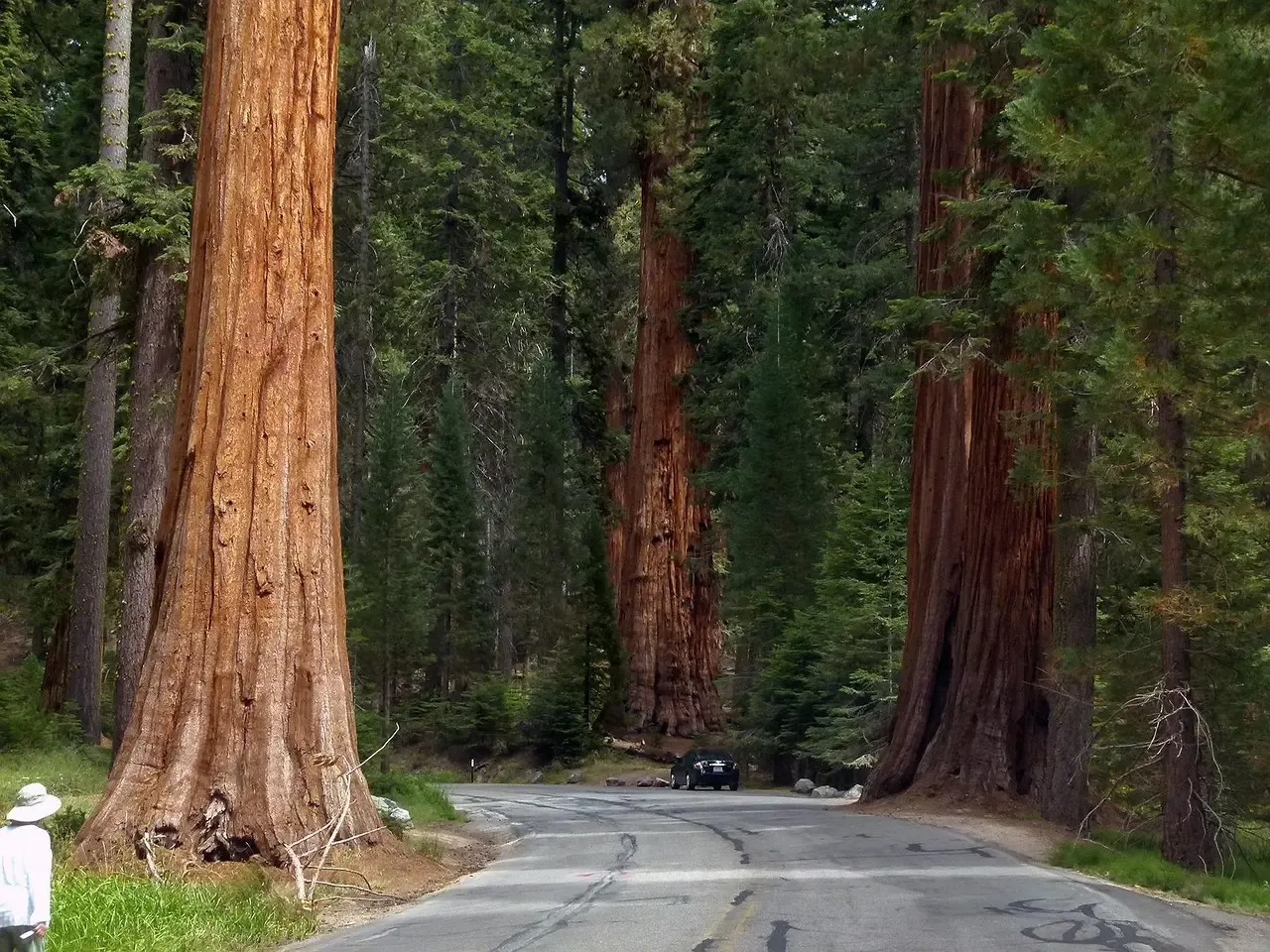
The numbers behind giant sequoias almost sound fake until you remember scientists have actually counted the rings. Some of these trees are more than two thousand years old, and a few push toward three thousand, which means they were seedlings long before modern cities even existed on this continent. Their size is equally mind-bending: the biggest can be taller than a twenty-six-story building and as heavy as tens of thousands of average cars stacked together.
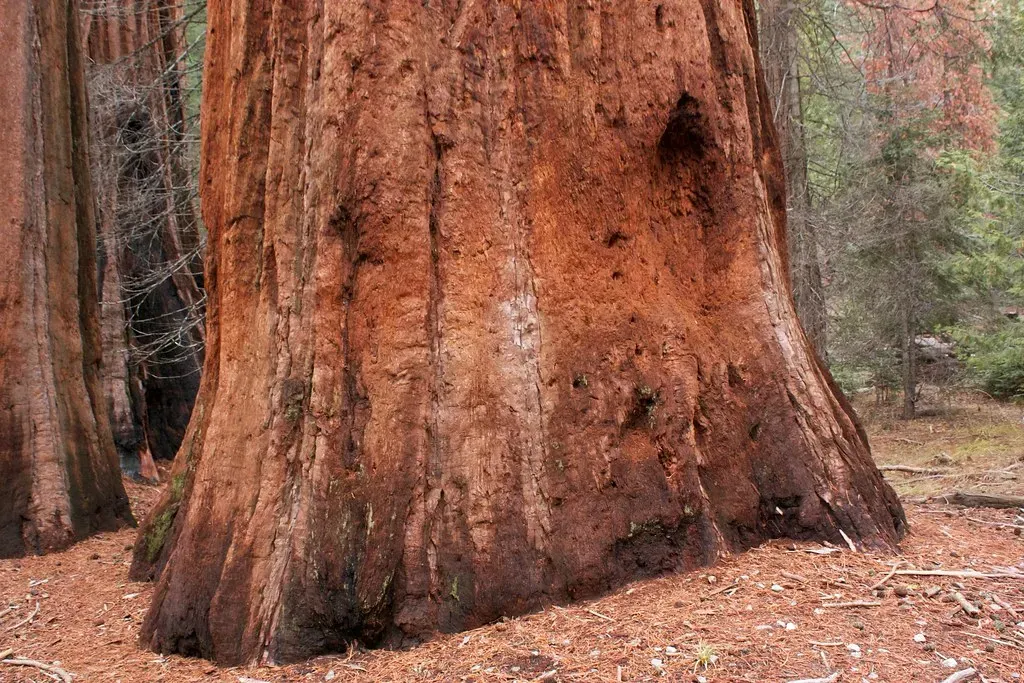
Standing at the base of one, you almost feel like your brain can’t properly scale it, the way a camera lens sometimes struggles with a massive landscape. I still remember the first time I craned my neck up at one and felt a weird mix of awe and discomfort, like I’d just walked into a cathedral built by geology. That sheer physical mass is not just for show; it’s a living fortress that helps explain how these trees stay alive for so long.
Deep Roots, But Not Too Deep: How Sequoias Drink and Stay Stable
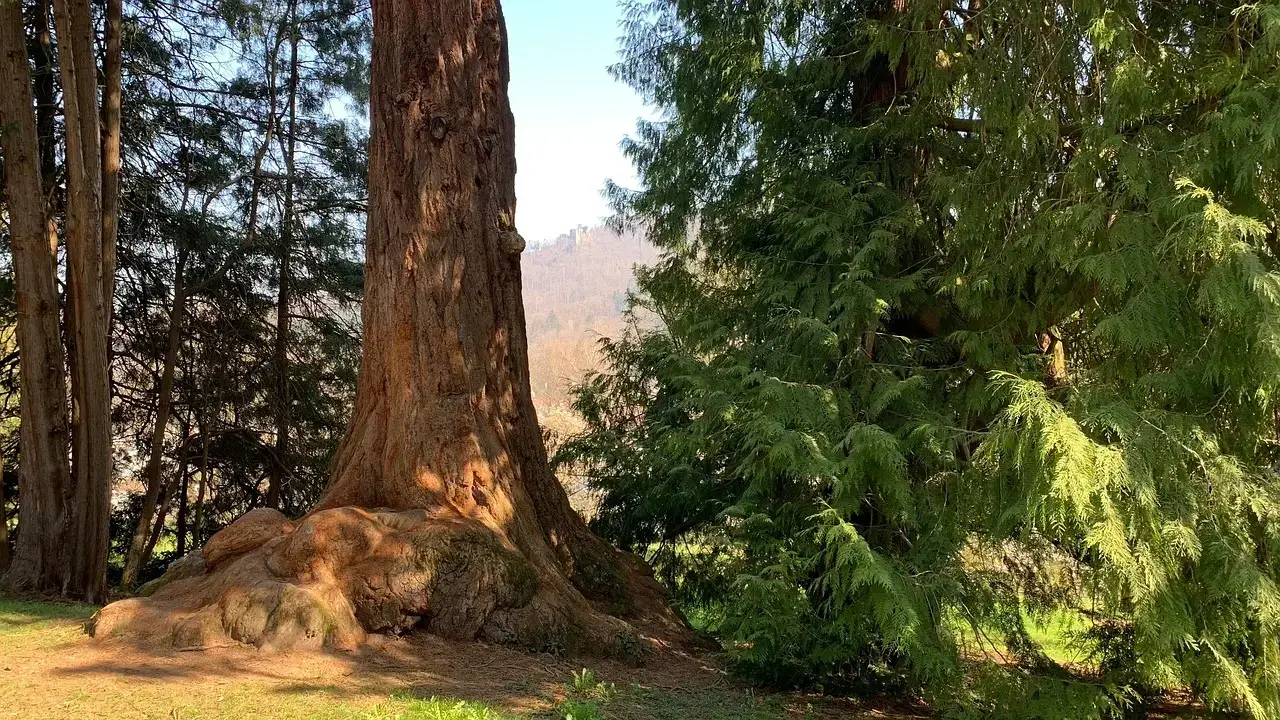
You might expect a tree that tall to send roots plunging deep into the earth, but giant sequoias play a different game. Their root systems are surprisingly shallow, usually staying in the top few meters of soil, yet they spread out incredibly wide – sometimes extending as far as their branches reach. Instead of one deep taproot, they rely on a sprawling network that anchors them like a web rather than a single peg.
This wide, shallow root system lets them soak up water efficiently from winter snowmelt and seasonal rains that mostly sit closer to the surface. The roots often intertwine with those of neighboring sequoias, which may help stabilize the grove as a whole, almost like trees holding hands underground. That combination of spread-out support and shared space helps them ride out storms and shifting soils that might topple less well-anchored giants.
Fire as an Ally: Thick Bark and a Fiery Life Cycle
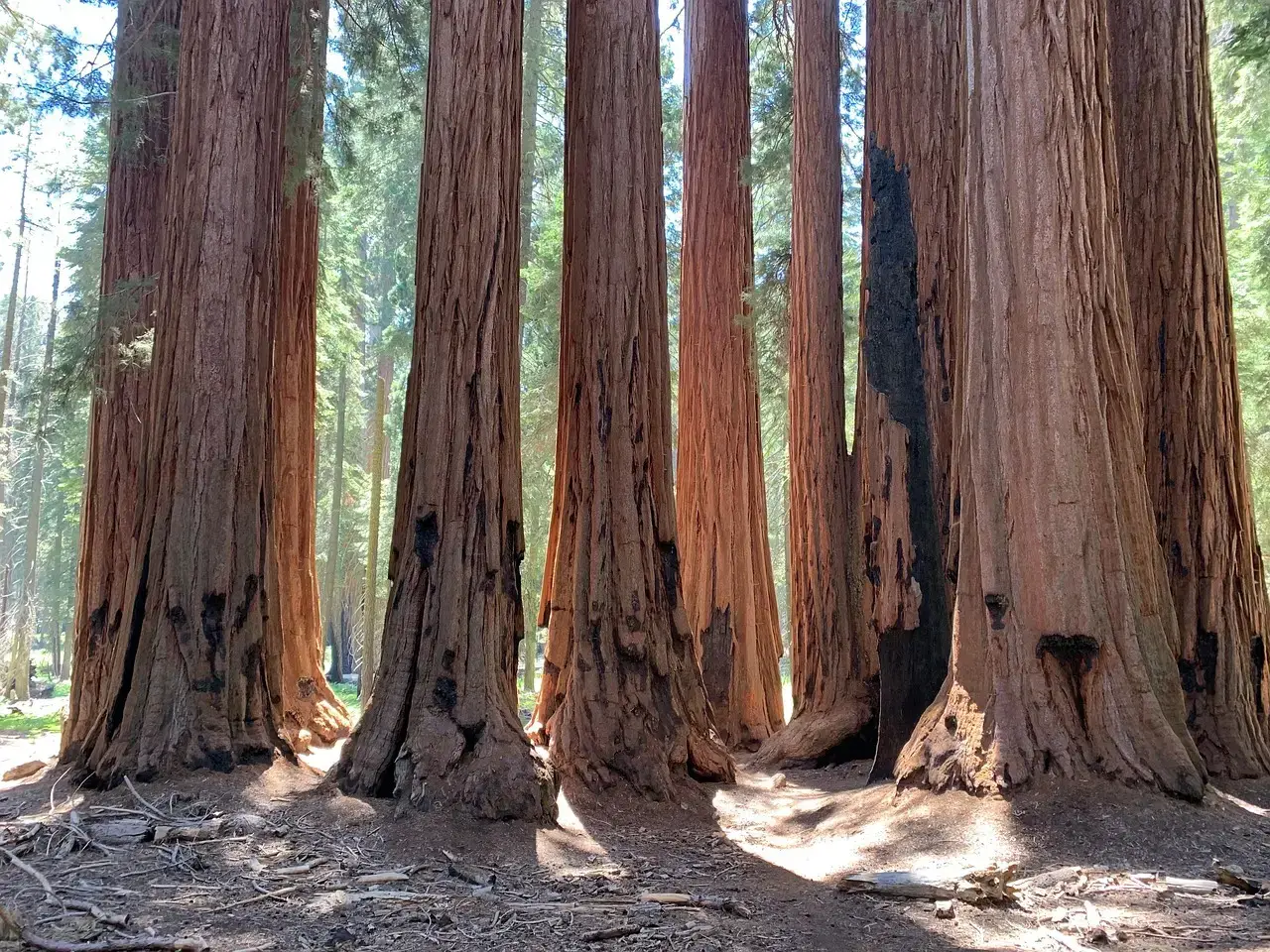
It sounds shocking, but fire is not the enemy of giant sequoias – it’s part of their survival strategy. Their bark can be incredibly thick, sometimes more than a foot, and it’s rich in compounds that resist burning. When low- to moderate-intensity fires move through the forest, the outer bark might char, but the living tissue beneath usually stays unscathed, like a person wearing a heat-resistant suit.
Even more surprising, these fires help them reproduce. Heat from flames opens the tiny sequoia cones high in the canopy, releasing thousands of seeds that fall onto newly cleared, sunlit, nutrient-rich soil. Without periodic fire, undergrowth can choke seedlings and shade the ground, making it much harder for young trees to take hold. So while intense, climate-driven megafires are dangerous, natural, frequent, lower-intensity fires have historically been a key part of why sequoias keep regenerating and enduring.
Wood Built to Last: Resistance to Rot, Disease, and Breakage
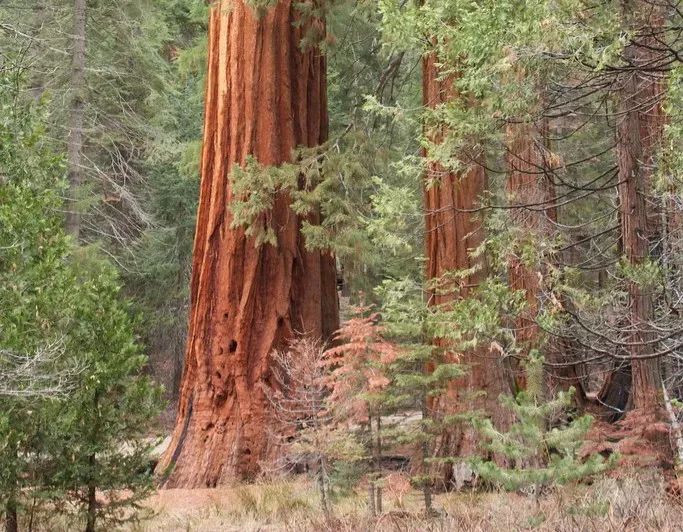
Another big piece of the longevity puzzle is the chemistry and structure of sequoia wood itself. Their heartwood contains natural compounds that slow down decay, which means fallen sequoia logs can linger on the forest floor for a very long time before really breaking down. Inside the living tree, that same resistance makes it harder for fungi and many insects to take hold and slowly eat away at the trunk from within.
On top of that, the wood is relatively strong yet not brittle, which helps sequoias flex rather than snap in heavy winds and snow. Because they grow in a somewhat conical shape – with thick trunks and gently tapering tops – their weight distributes in a way that keeps mechanical stress manageable. They do lose big limbs over time, sometimes dramatically, but the main trunk can keep going for centuries, even after storms that would doom less robust species.
Water Transport and Leaf Design: Efficient Engines in a Harsh World
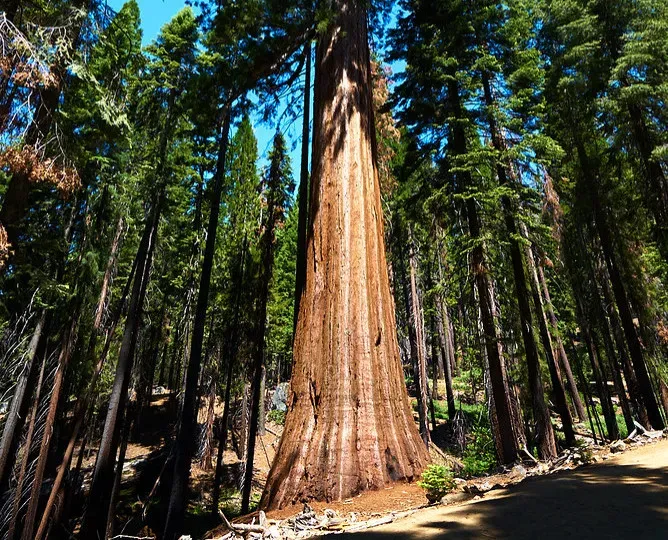
Imagine trying to pull water from the ground up the height of a skyscraper using nothing but the sun and tiny tubes. That’s basically what a giant sequoia does, day after day, year after year. Their vascular system – the network of xylem tissue that transports water – is incredibly efficient, maintaining a stable column of water that climbs from the roots to the highest leaves. The tree’s massive trunk is, in a way, a vertical highway for water and dissolved nutrients.
Their leaves, which look like tiny overlapping scales, are tough and built to reduce water loss while still allowing plenty of photosynthesis. In the high, snowy Sierra Nevada, winters are cold and summers can be dry, so holding onto moisture is critical. Sequoias keep their foliage year-round, which lets them photosynthesize whenever conditions are right, not just during a brief growing season. That steady productivity feeds the slow, persistent growth that eventually turns a small sapling into a colossal elder.
Genetic and Ecological Stability: Slow, Steady, and Highly Specialized
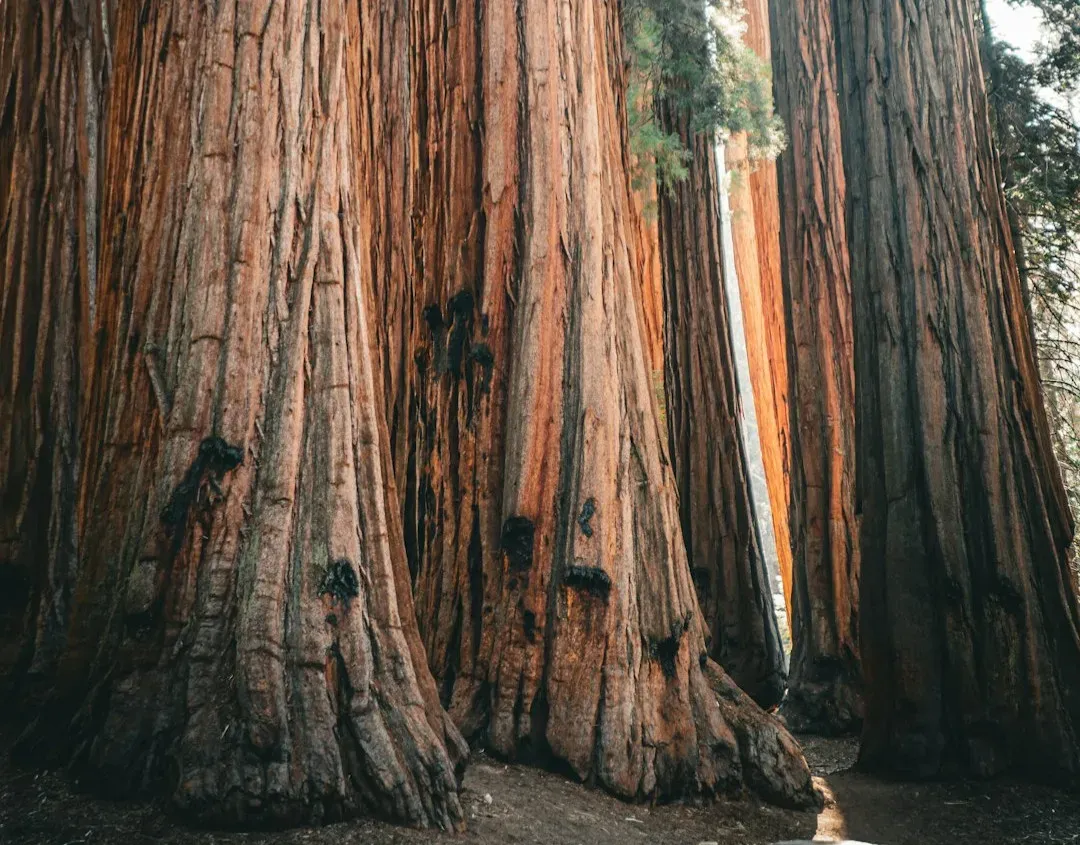
Giant sequoias occupy a very specific niche: mid-elevation groves in the western Sierra Nevada with particular snow and moisture patterns. That narrow habitat might sound like a weakness, but it also means they’ve specialized intensely for those conditions over a very long period of time. Their life strategy is the opposite of fast-growing, short-lived species; they invest heavily in long-term survival rather than racing to reproduce quickly.
From a genetic perspective, traits that favor durability – like disease resistance, bark thickness, and efficient water transport – have been tested against centuries of droughts, storms, and fires. They don’t need to outcompete everything around them in every situation; they just need to thrive in the specific environment that suits them best. That slow, steady approach has worked remarkably well, allowing some individuals to persist from ancient civilizations all the way to our modern, climate-anxious era.
Modern Threats and the Race to Protect Ancient Giants
For all their resilience, giant sequoias are not invincible, and the last decade has been a harsh reminder of that. Hotter, drier conditions and a build-up of forest fuels from decades of fire suppression have led to unprecedented, high-intensity wildfires in parts of California. Some recent fires have killed significant portions of mature sequoias in certain groves, something observers once thought was almost impossible at that scale.
Scientists, land managers, and local communities are now scrambling to adapt, using tools like prescribed burns, fuel reduction, and careful monitoring to give these trees a fighting chance. Seeing a blackened grove where giants once stood untouched can feel like losing a chapter of the planet’s memory, and it’s hard not to take that personally once you’ve stood beneath them. At the same time, there is cautious optimism that, with thoughtful action, many groves can still endure and even recover. The question now is whether our response will be as patient and deliberate as the trees themselves have always been.
What Their Longevity Teaches Us About Time and Survival
Spending time around giant sequoias messes with your sense of time in a strangely grounding way. You realize that your entire life, and your grandparents’ lives, and even many of our biggest historical events, fit into just a sliver of one tree’s existence. That kind of perspective can feel humbling, but also strangely comforting, like being reminded that the world has weathered massive changes before.
The science behind their longevity – fire adaptation, resilient wood, efficient water systems, and patient growth – shows that survival often depends on slow, steady strategies rather than constant urgency. In a culture that glorifies speed and short-term wins, these trees are a living argument for durability, balance, and playing the long game. They stand there, rust-red and silent, embodying the idea that the most powerful forms of strength are often the ones that barely move at all. What might we change if we started thinking just a little more like a tree that plans to be here for the next two thousand years?