
California’s relationship with drought is as old as the Golden State itself, but certain dry spells have fundamentally altered how this agricultural powerhouse manages its most precious resource. From devastating farm failures to revolutionary water conservation programs, these epic droughts didn’t just create headlines – they rewrote California’s future. The story of how parched earth transformed an entire state begins with understanding just how extreme nature can be when the rains refuse to fall.
The Megalithic Droughts That Dwarfed Modern Times
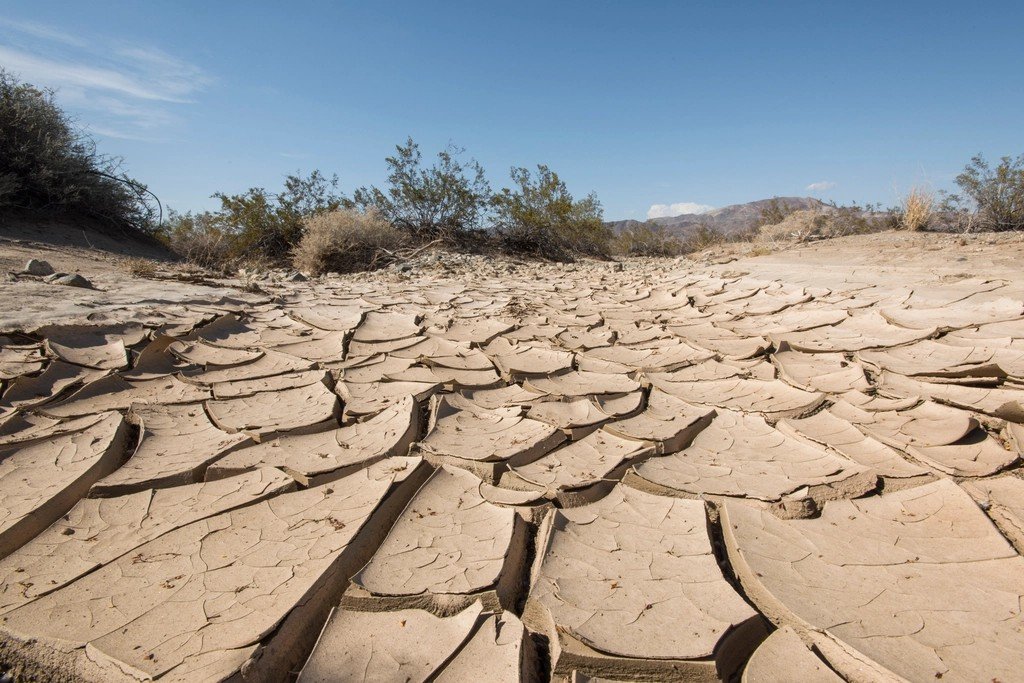
When Californians complain about today’s droughts, they might not realize how lucky they’ve actually been. Ancient data reveals two mega-droughts that endured for well over a century, one lasting 220 years and one for 140 years. These prehistoric dry spells make our worst modern droughts look like brief inconveniences.
The 20th century was fraught with numerous droughts, yet this era could be considered relatively “wet” compared against an expansive 3,500 year history. Paleoclimate records dating back more than 1,000 years show more significant dry periods compared to the latest century. These findings suggest that California’s recent “dry” decades might actually represent some of the state’s wettest periods in millennia.
The 1863-64 Drought: When Settlers Called California Unsuitable for Farming
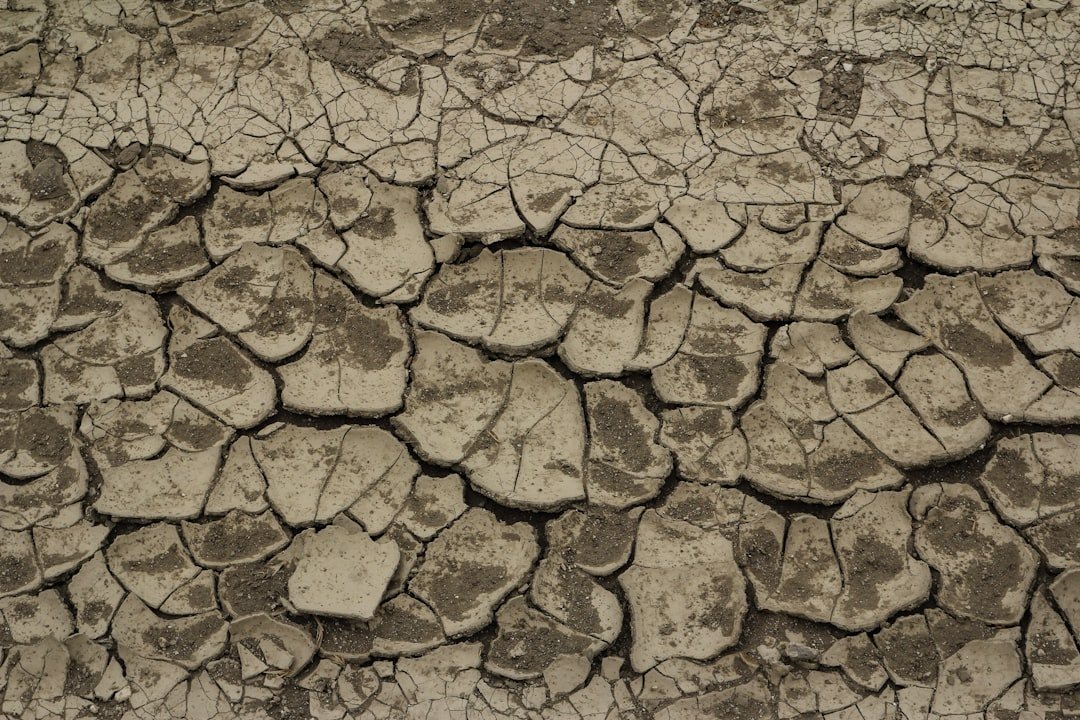
California’s first recorded major drought came just as American settlers were establishing their agricultural dreams in the new territory. The drought was sufficiently severe that a settler’s account of the time claimed that the Sonoma area was “entirely unsuitable for agriculture”. This harsh assessment would prove wildly wrong, but the drought’s impact was immediate and brutal for early farming communities.
This drought was preceded by the torrential floods of 1861–1862. This drought encouraged farmers to start using irrigation more regularly. The whiplash from flood to drought taught California’s early agricultural pioneers a crucial lesson: in this state, you couldn’t rely on natural rainfall patterns. The foundation for California’s massive irrigation infrastructure began here, born from necessity rather than choice.
The Great Depression Era Drought of 1928-1934: Seven Years That Built Modern California
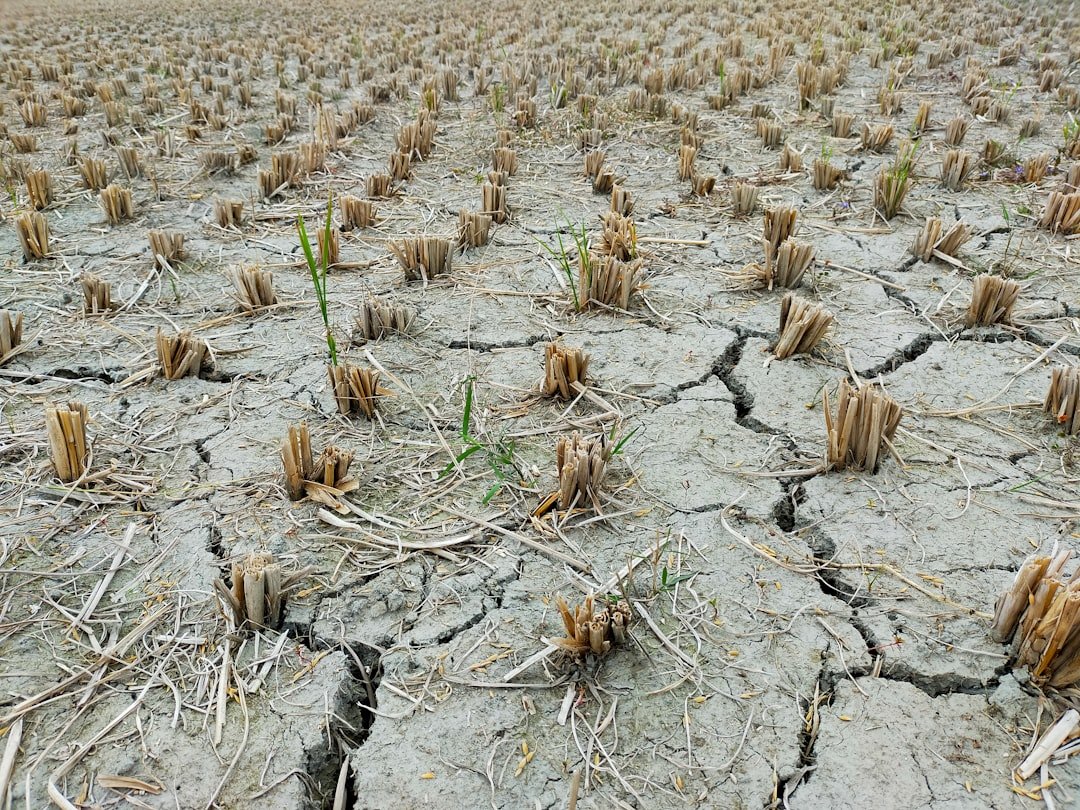
This seven-year drought predated the construction of many of the water projects in California including the Federal Central Valley Project and State Water Project. Because the 1928-34 drought constituted the first major drought on record in California, it served as the basis for early reservoir operations planning and the development of shortage criteria for water supply contracts.
This drought occurred during the historical Dust Bowl period that characterized much of the plains region of the United States in the 1920s and 1930s. The Central Valley Project was started in the 1930s in response to drought. The timing couldn’t have been worse – or better, depending on how you look at it. While the nation struggled through economic depression, California’s drought crisis prompted unprecedented federal investment in water infrastructure that would define the state for generations.
The 1950s Drought: Catalyst for the State Water Project
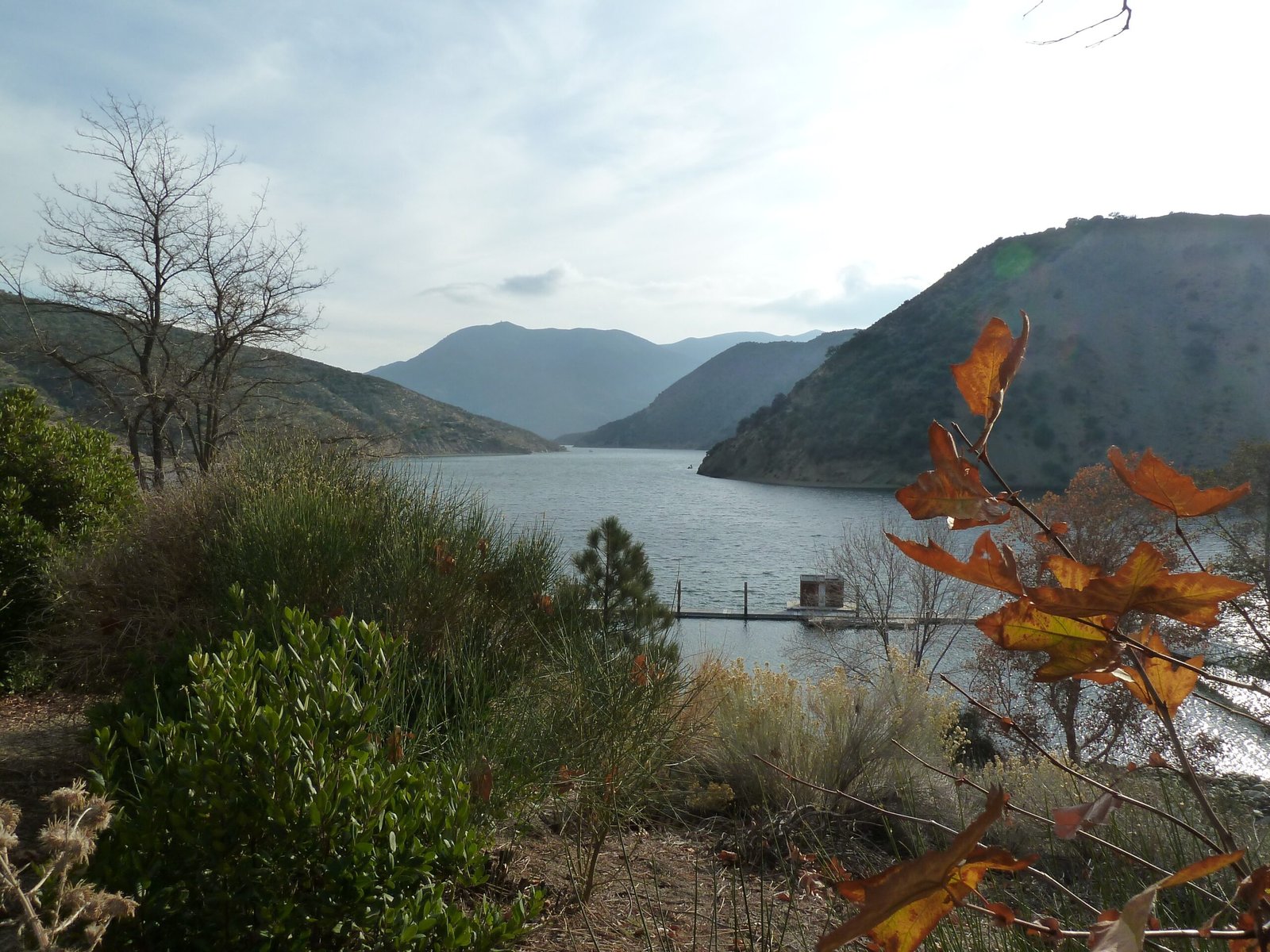
The 1950s drought contributed to the creation of the State Water Project. This massive undertaking would eventually move water from Northern California’s rivers down to the agricultural Central Valley and Southern California’s sprawling cities. The project represented a fundamental shift in thinking – instead of simply hoping for rain, California would engineer its way out of future droughts.
The State Water Project became one of the world’s largest water transfer systems, capable of moving millions of acre-feet of water across hundreds of miles. The drought that inspired it proved that California’s economy had grown too large and too valuable to remain at the mercy of natural precipitation patterns. This was the beginning of California’s transformation into a drought-fighting machine.
1976-77: The Drought That Changed Everything
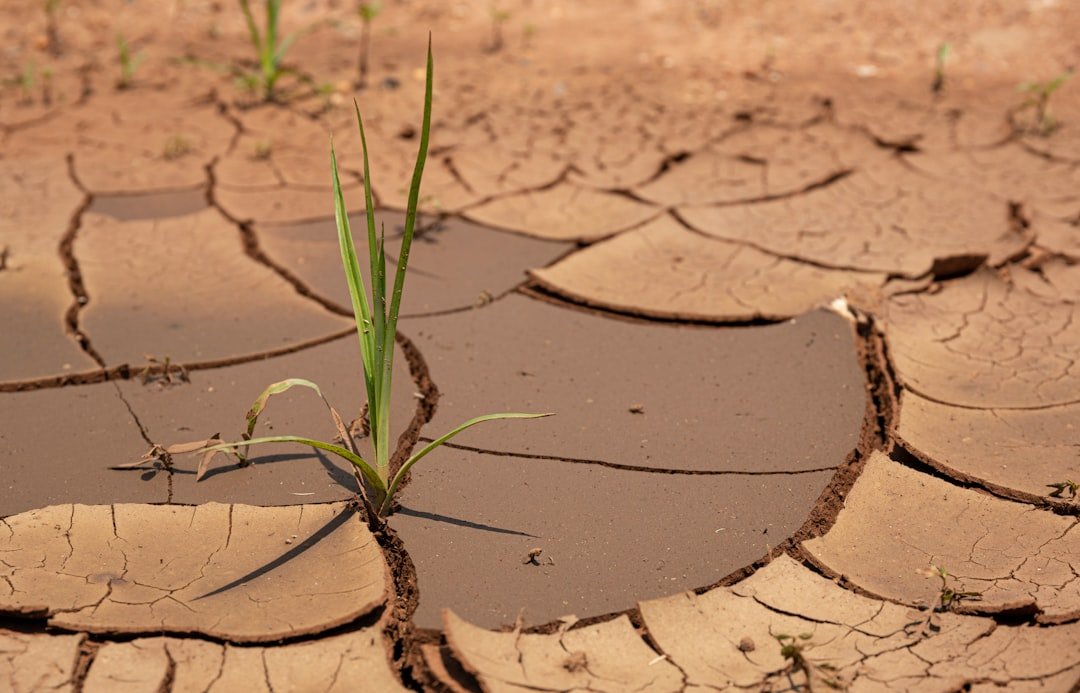
The most severe drought both in terms of precipitation and runoff was the drought of 1976-77. 1977 was one of the driest years in state history. What made this drought so historically significant wasn’t just its severity, but how it completely revolutionized California’s approach to water conservation and management.
During the 1976-77 drought, the Marin Municipal Water District was within 120 days of running out of water. The county’s savior was a 6-mile pipeline over the Richmond-San Rafael Bridge to pump in water from the East Bay. But Marin residents eventually got the message, cutting water use by 57% during the drought. “It was the first really big water shortage in the county and nobody thought customers could reduce their water use that much,” said Jay Lund, co-director of the Center for Watershed Sciences at the University of California, Davis.
Agricultural Devastation and Economic Transformation
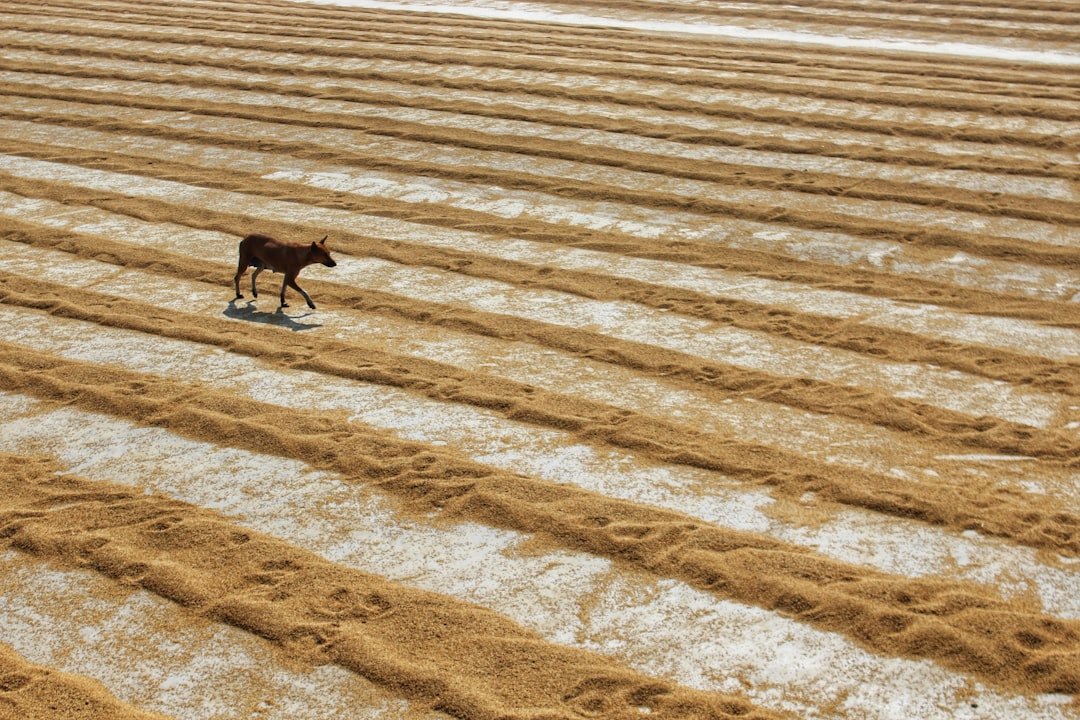
With the drought persisting through 1976 and 1977, surface water supplies in some parts of California dwindled sharply, and large quantities of groundwater were extracted to make up the shortage. The drought did the most damage to California’s agriculture, especially the livestock industry.
In modern history, it probably was the most difficult, detrimental drought ever recorded in California, hurting business and industry financially and creating difficulties for the state’s 20 million residents. Some areas of the state, such as north of San Francisco, were restricted to just 44 gal per day of water per person. Thousands of acres of farmland turned to dust due to lack of water, causing food prices to rise throughout the U.S.
The Birth of Water Conservation Science
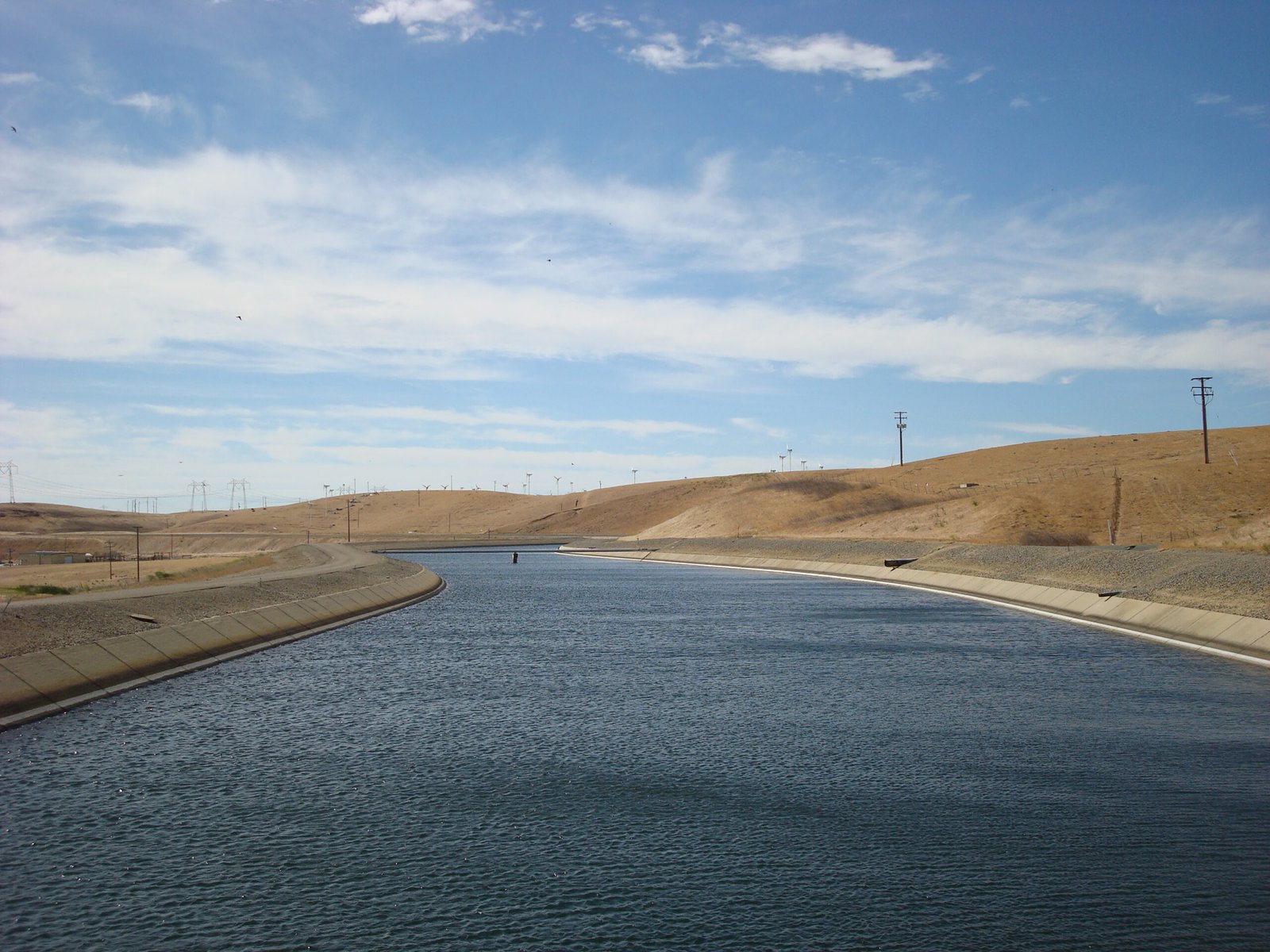
In May 1978, the California Department of Water Resources commissioned a study investigating why the 1976-77 drought was so bad, what steps the state took that helped ease the suffering, and what mistakes were made. More importantly, it included suggestions for ways the state could better handle future drought.
The 238-page report laid the groundwork for dealing with future drought. One of the suggestions in the report was to develop larger reservoirs to hold water. For instance, a Southern California reservoir that was planned in the late 1970s and built in the 1980s was enlarged by 60% 20 years later to hold more water. This systematic approach to drought preparedness became the blueprint for how California would face future water crises.
1987-1992: The Six-Year Test of New Systems
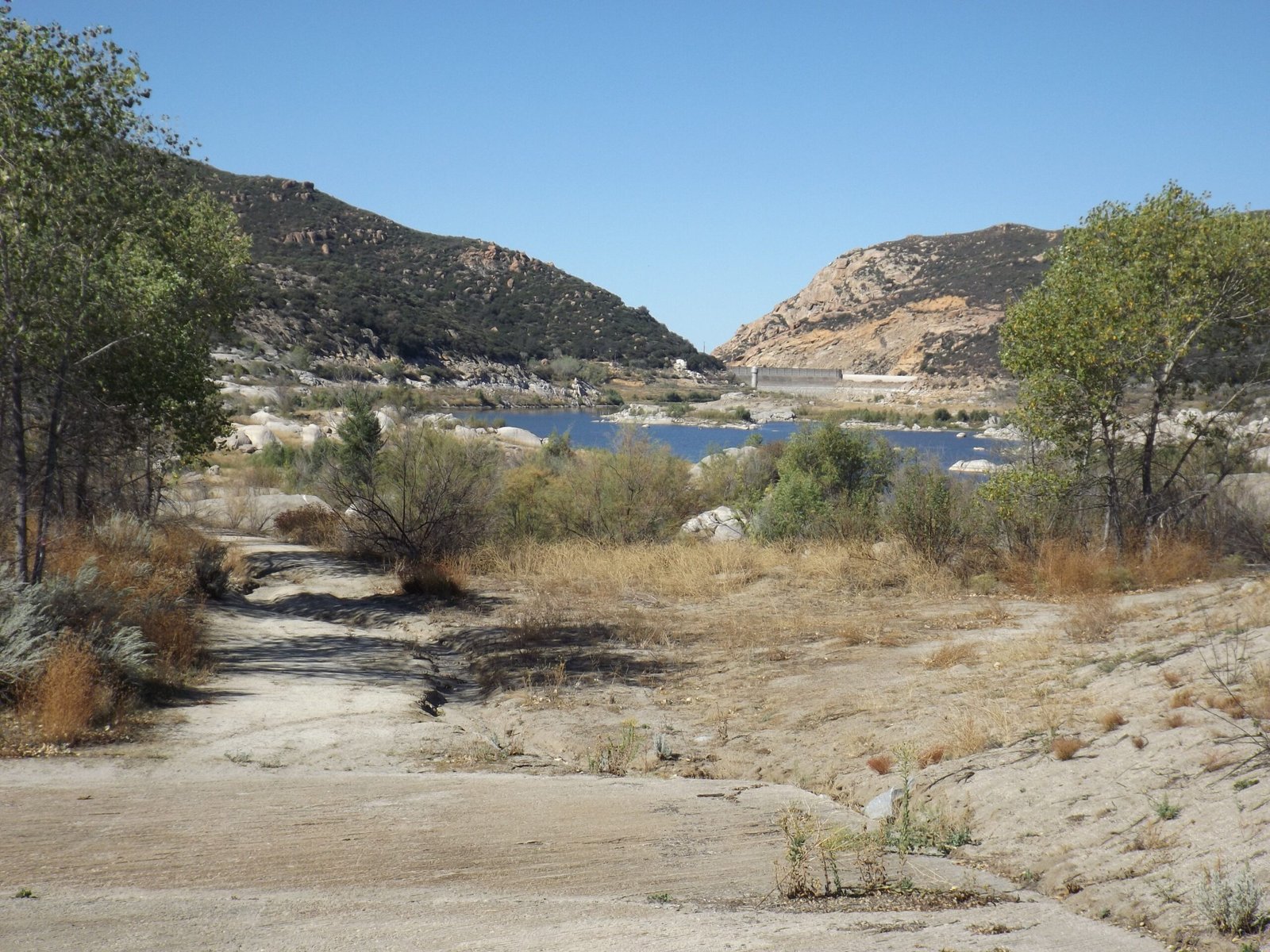
This six-year drought occurred when most major reservoirs in California had been constructed. Despite carryover storage in reservoirs to buffer drought impacts, a drought water bank was initiated in 1991 to make water available for sale to areas of extreme need.
This drought marked the first major test of California’s post-1976 infrastructure and management systems. The state’s ability to move water around, store it more effectively, and coordinate responses between different agencies proved crucial. The creation of water markets and trading systems during this period established economic mechanisms that would become essential tools for managing future droughts.
2012-2016: The Hottest Drought in Recorded History
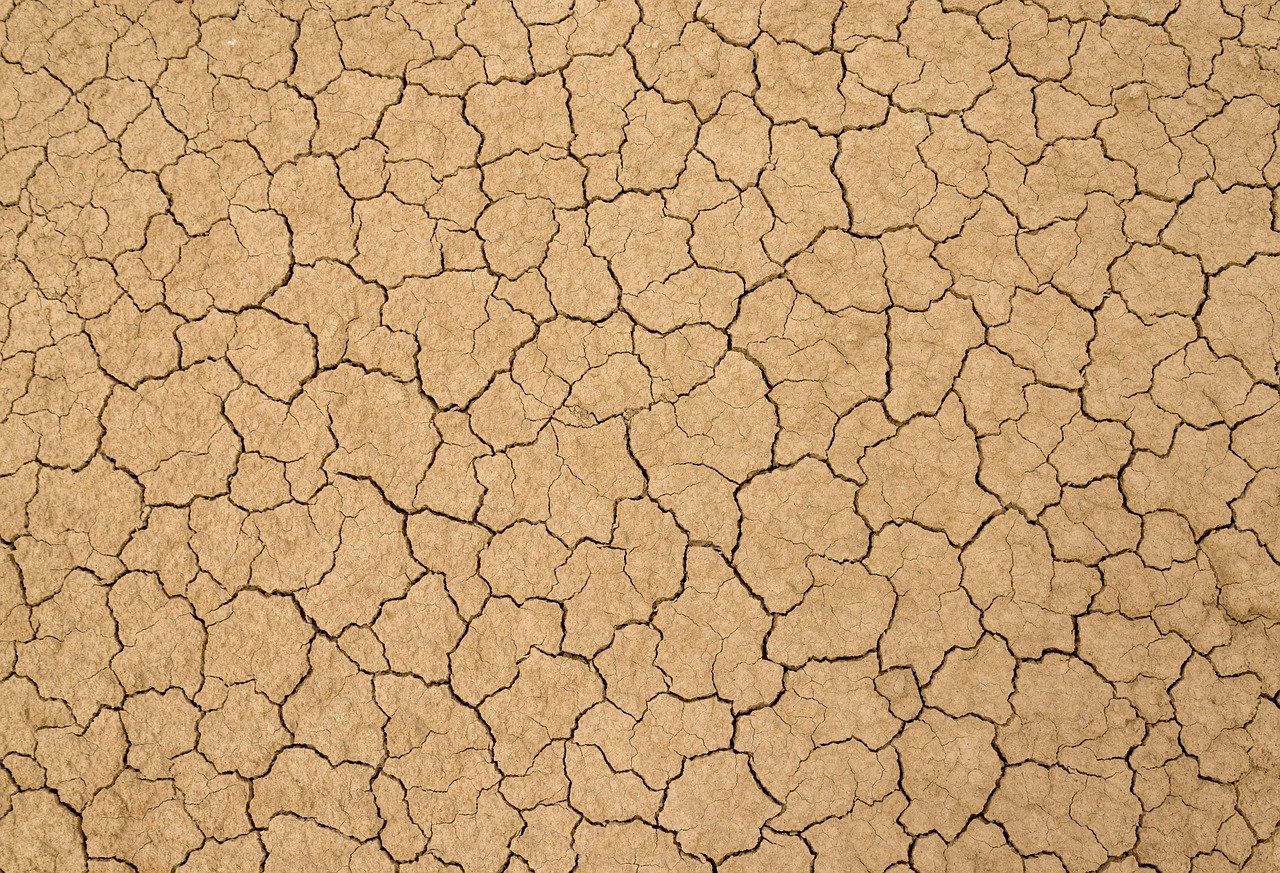
The past two decades have been exceptionally warm and dry, and included the hottest drought (2012‒16) in the state’s recorded history. The 2011–2017 California drought persisted from December 2011 to March 2017 and consisted of the driest period in California’s recorded history, late 2011 through 2014. The drought wiped out 102 million trees from 2011 to 2016, 62 million of those during 2016 alone.
The drought led to Governor Jerry Brown’s instituting mandatory 25 percent water restrictions in June 2015. This marked the first time in California history that the state government mandated water conservation across all urban areas, a precedent that fundamentally changed how California approaches drought management.
Economic Impacts That Reshaped Agricultural Strategy
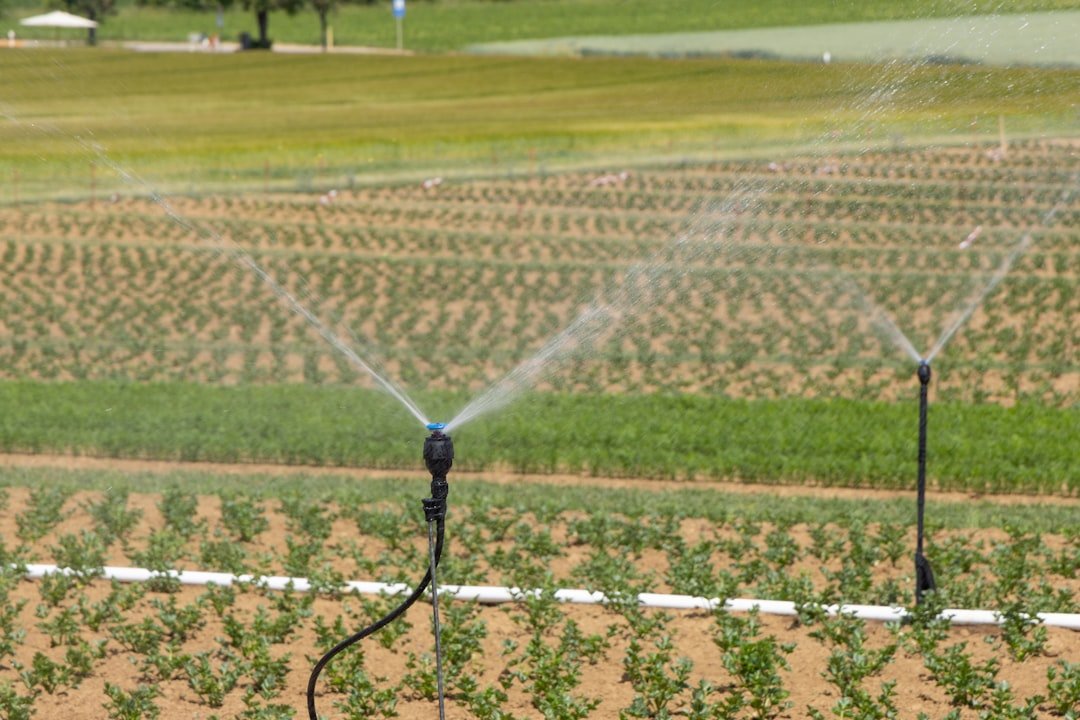
Total direct statewide economic losses to agriculture from the drought were approximately $3.8 billion for 2014–2016. In 2015, drought impacts to California’s agricultural sector resulted in $1.84 billion in direct costs, a loss of 10,100 seasonal jobs, and surface water shortages of 8.7 million acre-feet. However, the economic story was more complex than simple losses.
Although the drought idled hundreds of thousands of crop acres and markedly reduced farm revenues, the drought’s effect on the statewide agricultural economy was relatively small. During the drought, farmers reduced economic losses by allocating water to higher-valued crops, where California has a large share of national and global production. This adaptive strategy permanently changed how California farmers think about crop selection and water use efficiency.
Climate Change and the New Drought Reality
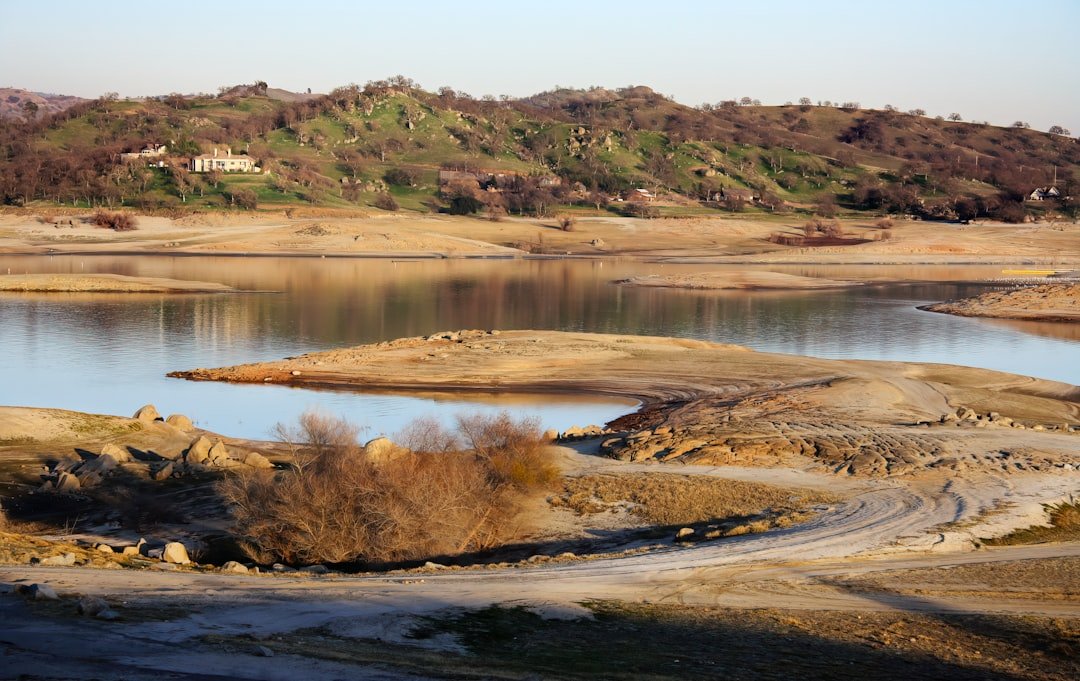
Warming is making droughts more intense. A “thirstier” atmosphere – a direct consequence of warming – increases evaporation, which reduces water availability for ecosystems and human uses. While drought is a common occurrence in California that can last for multiple years, the frequency of severe droughts has been increasing in recent years as a result of climate change.
In 2015, California experienced its lowest snowpack in at least 500 years; the 2012–15 period was the driest in at least 1200 years. However, the winter of 2016–17 was the wettest ever recorded in Northern California, surpassing the previous record set in 1982–83. These extreme swings between drought and flood represent the new normal that California must prepare for.
California’s drought history tells the story of a state that refused to surrender to nature’s extremes. Each major drought crisis became a catalyst for innovation, from the massive infrastructure projects of the 1930s to the conservation technologies and water markets of today. The droughts that once threatened to make California “unsuitable for agriculture” instead forged it into one of the world’s most productive and drought-resilient agricultural regions. As climate change promises even more extreme water challenges ahead, California’s drought-driven evolution continues – proving that sometimes the greatest threats create the most transformative solutions.