
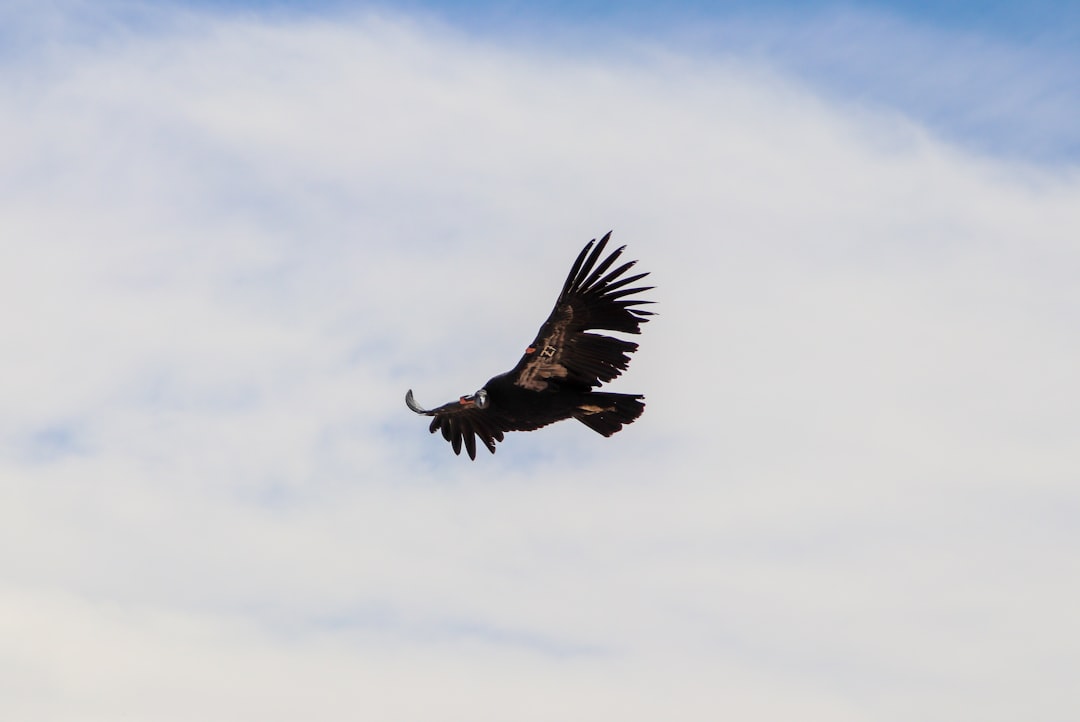
A shadow glides silently across the ancient cliffs, its vast wings barely moving as it rides the currents of the wind. For a moment, time stands still—the sight of a California condor soaring overhead is nothing short of breathtaking. Once teetering on the edge of extinction, these magnificent birds are now at the heart of one of the most ambitious and inspiring wildlife recovery efforts in history. The story of the California condor isn’t just about saving a species; it’s about rekindling hope, restoring lost wilderness, and daring to imagine a world where giants once again rule the sky.
The Majesty of the California Condor
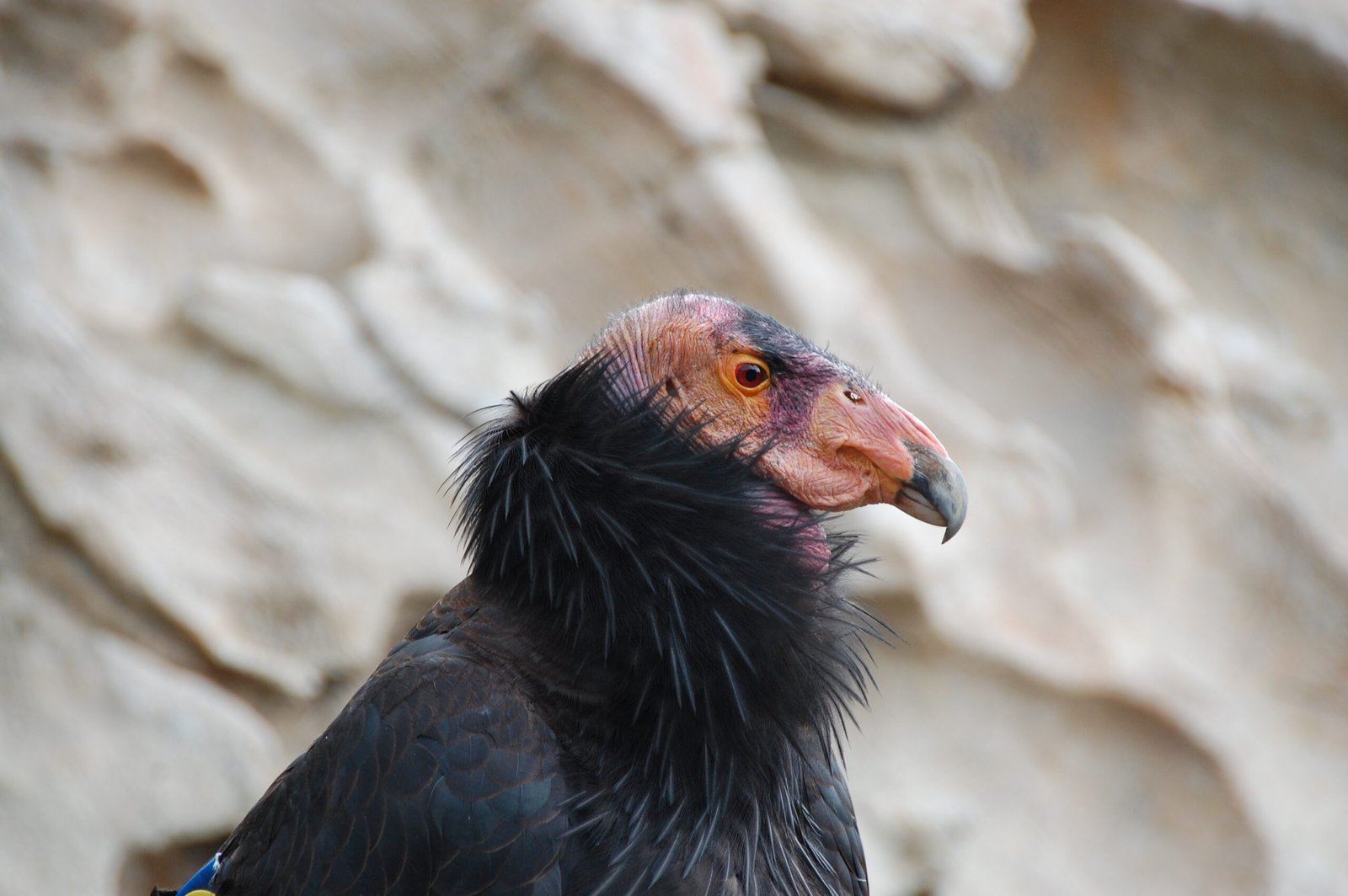
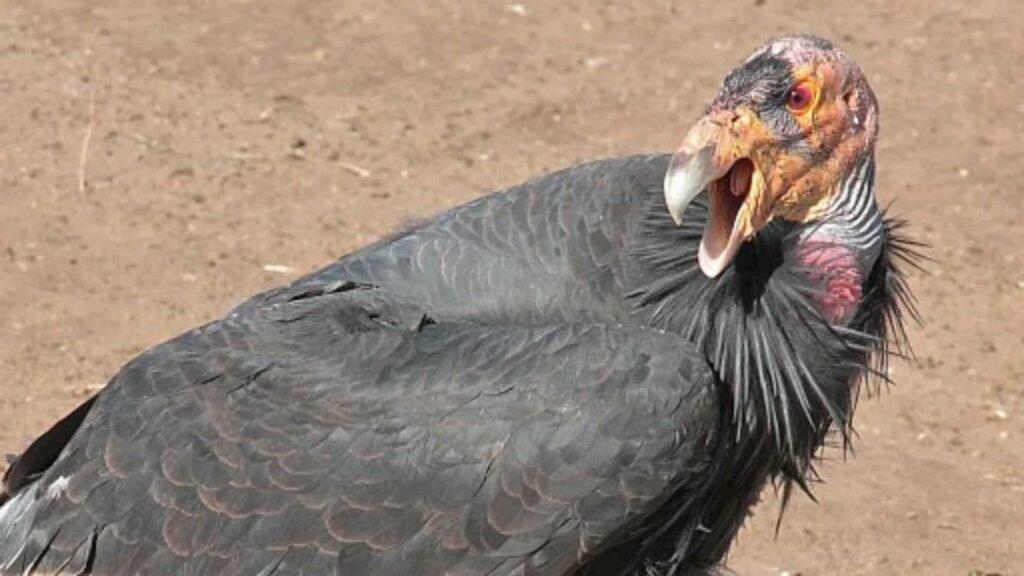
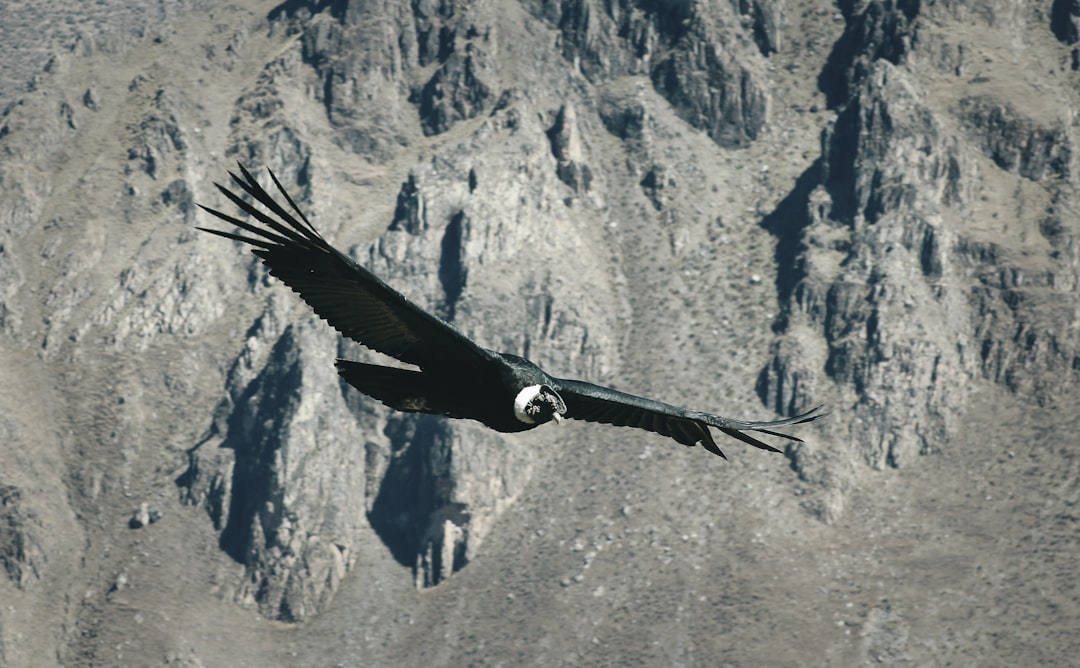
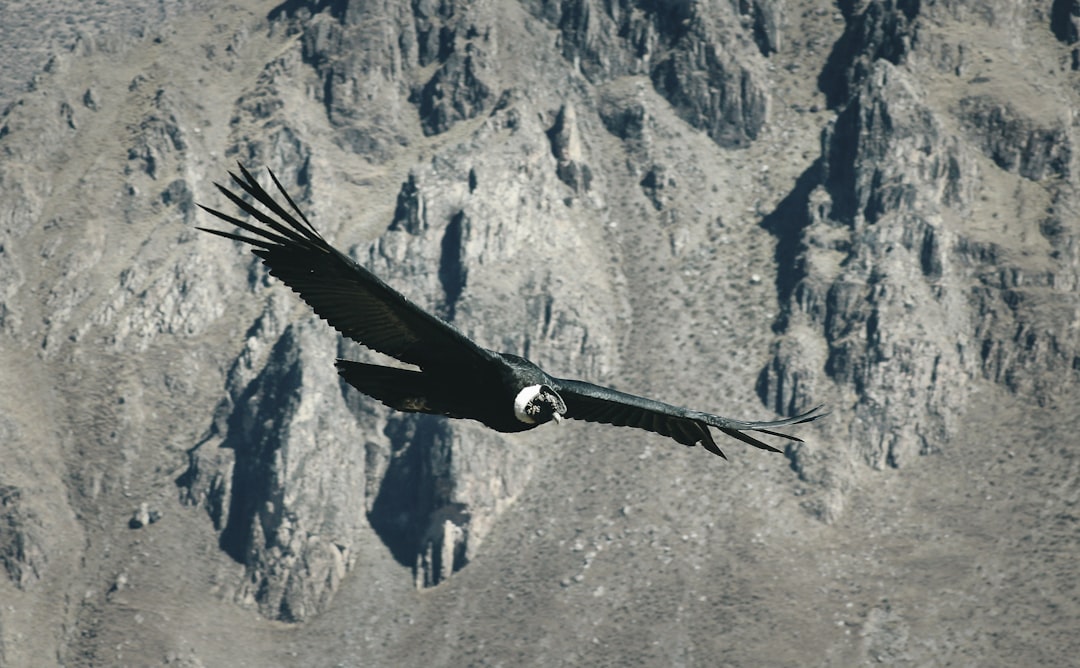
California condors are truly giants of the sky, boasting an impressive wingspan that can reach almost 10 feet—wider than the height of most basketball hoops. These birds are North America’s largest land birds, with a weight that can surpass 20 pounds. With their striking bald heads, dark plumage, and powerful beaks, condors look prehistoric, reminding us of a time when megafauna roamed the continent. Their flight is mesmerizing, as they use the sun-warmed air to soar effortlessly for miles without ever flapping their wings. It’s almost as if they are living relics, offering a glimpse into a wild world that once was.
Ancient Origins and Deep Roots
The California condor’s lineage stretches back to the Pleistocene, making them survivors of an epoch when mammoths and saber-toothed cats were neighbors. Fossils reveal that condors once soared across the entire North American continent, filling a vital ecological niche as scavengers. Their adaptation to feast on large animal carcasses helped them thrive in landscapes teeming with megafauna. Even as the world changed around them—ice ages came and went, and giant mammals disappeared—condors persisted, a testament to their resilience and adaptability.
A Grim Descent Toward Extinction
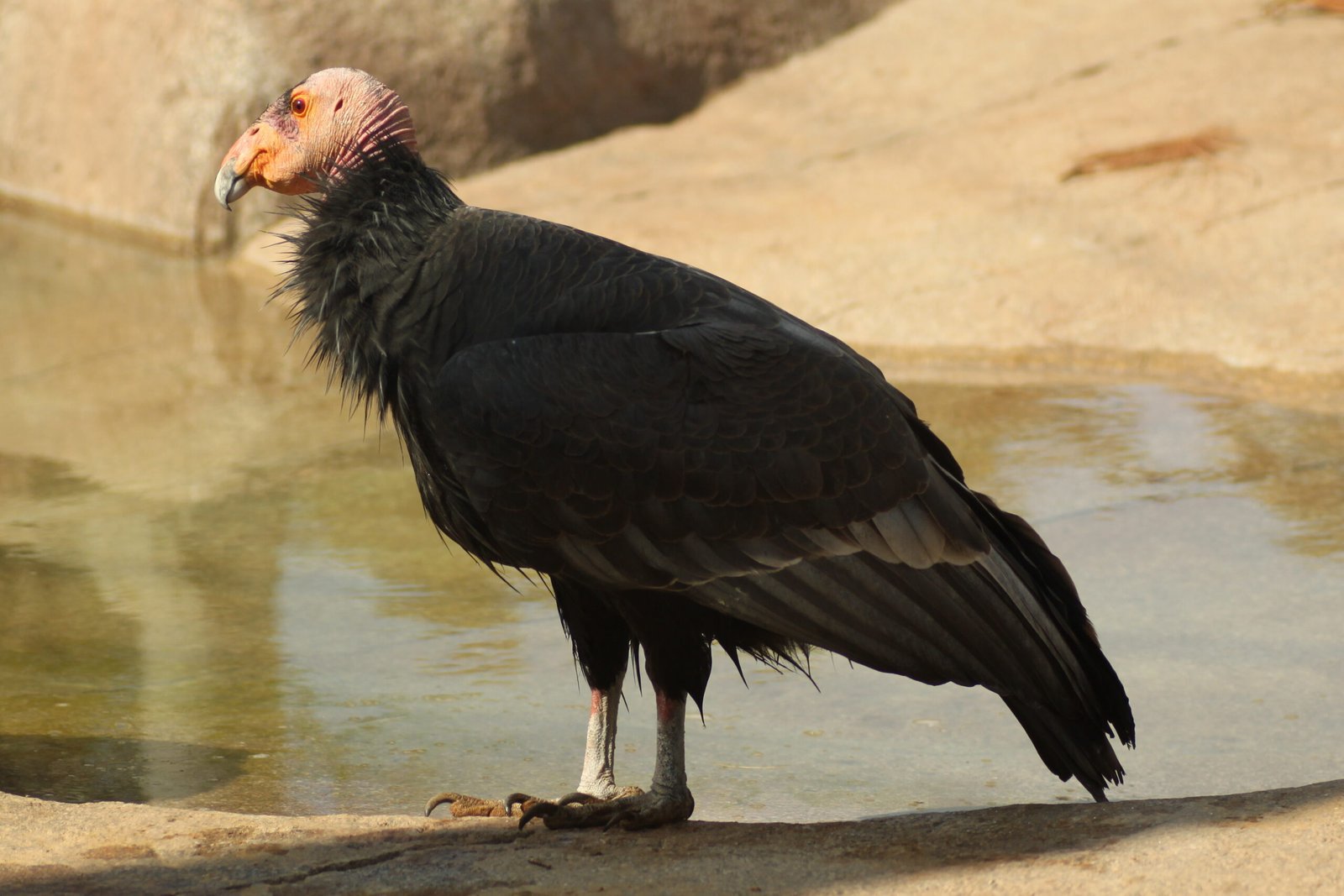
Despite their ancient resilience, the 20th century was catastrophic for California condors. Habitat loss, lead poisoning from spent ammunition, and persecution by humans sent their numbers plummeting. By 1982, only 22 individuals remained in the wild—a number so shocking it sent ripples of despair through the conservation community. The threat of total extinction hovered like a storm cloud, and the world watched as the fate of this species hung by a thread. It was a heartbreaking reminder of how quickly human actions can unravel millions of years of evolution.
The Bold Decision: Captive Breeding
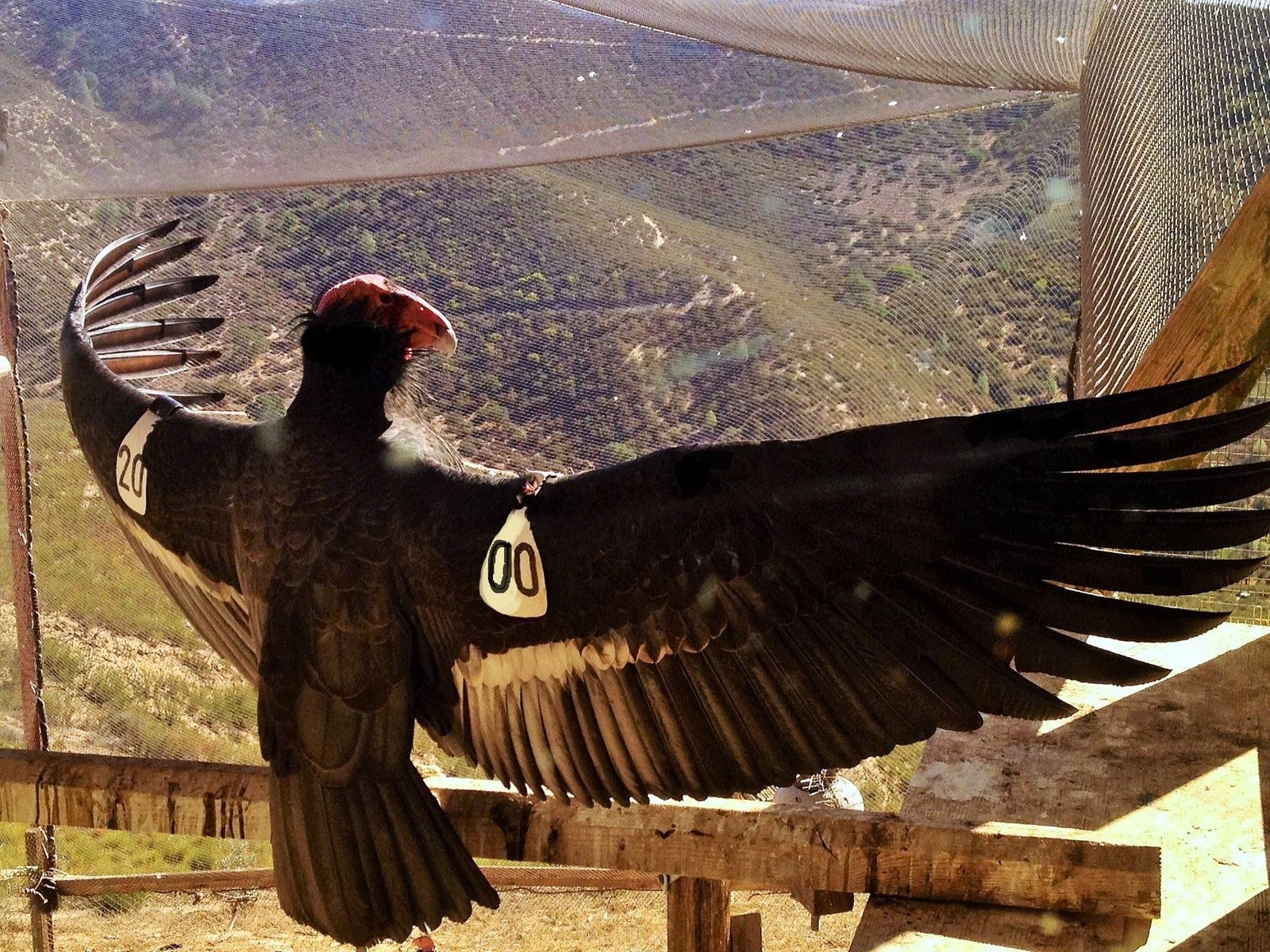
In a move that sparked controversy and hope in equal measure, conservationists made the agonizing choice to capture every last wild condor in the mid-1980s. The goal was simple but daunting: breed the species in captivity and one day return them to the wild. This decision was not made lightly—removing the last wild birds risked losing their wild instincts forever. Yet, it was a gamble that paid off. Inside carefully managed breeding centers, each egg was precious, and every chick a beacon of hope. The world’s rarest bird became the subject of cutting-edge science and round-the-clock care.
Reintroducing Giants: The Release Back to the Wild
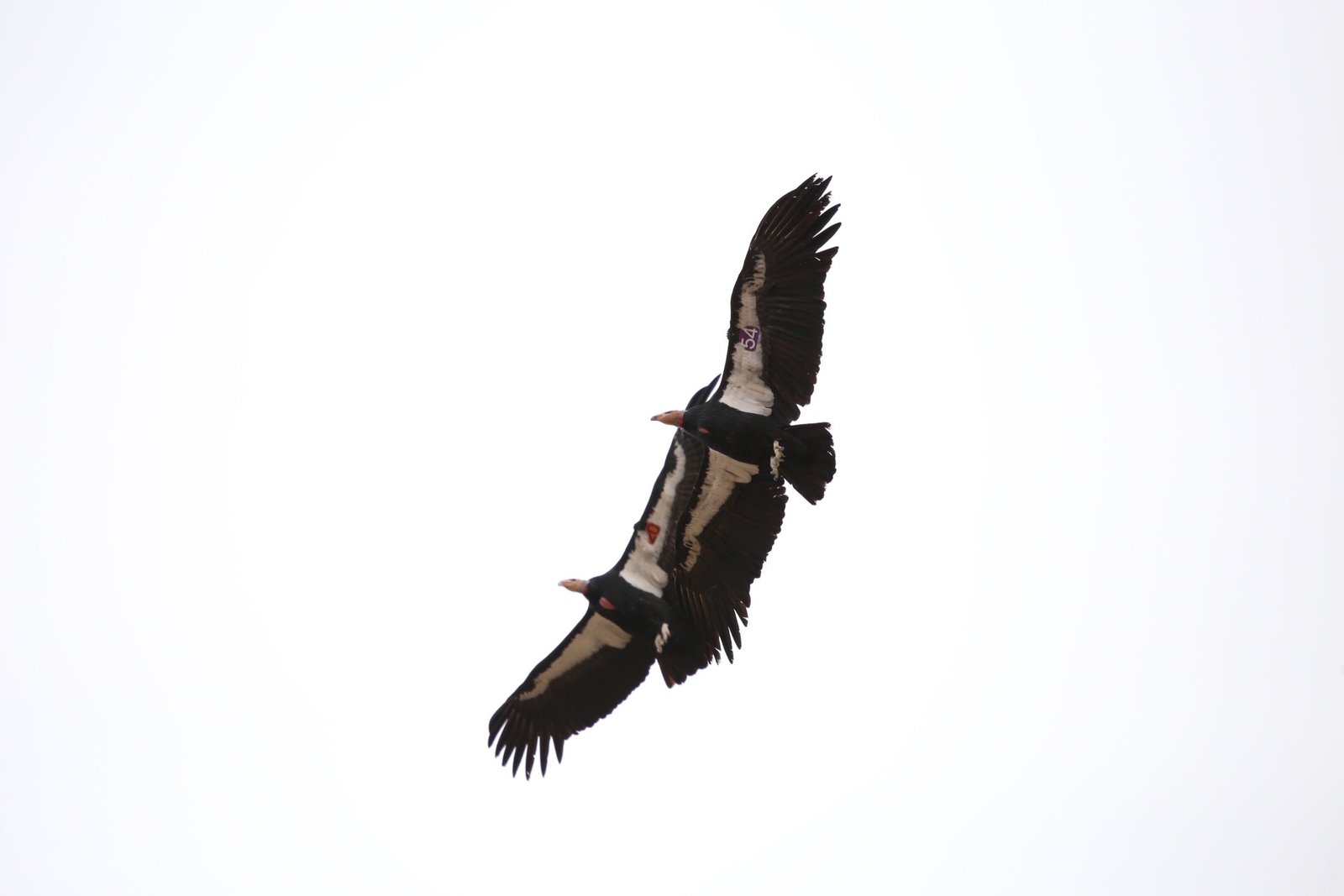
The first reintroductions of captive-bred condors to the wild began in the early 1990s, marking a new chapter in the condor saga. It was a moment filled with anxiety and excitement—would these birds remember how to soar, to find food, to avoid danger? Observers watched with bated breath as condors took tentative steps, flapped their immense wings, and finally lifted off into the sky. The releases were more than symbolic; they were proof that with determination, we could rewrite the fate of a species. Each successful flight was a small victory, a sign that the skies might one day be full of condors again.
The Role of Science in Saving a Species
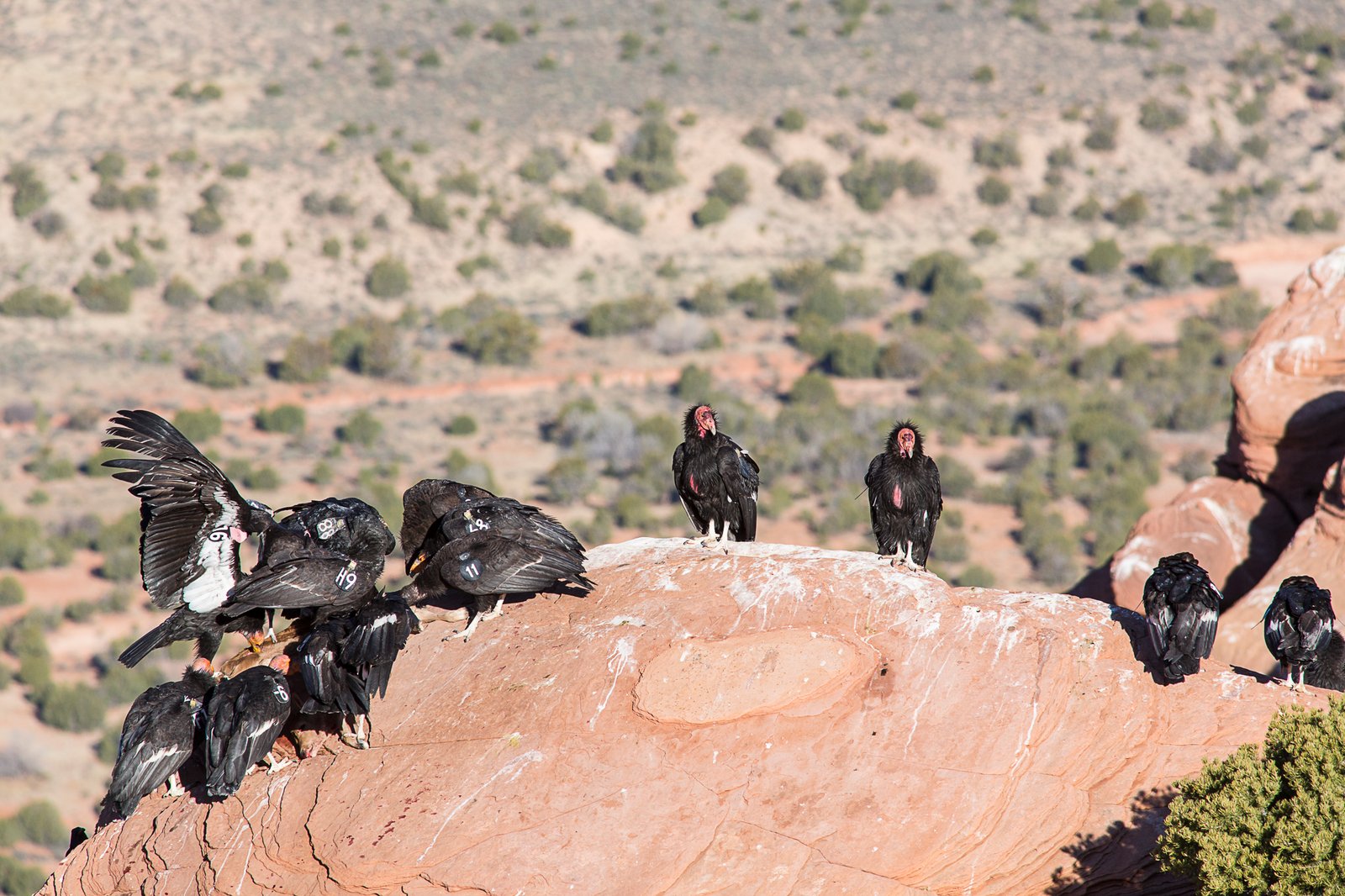
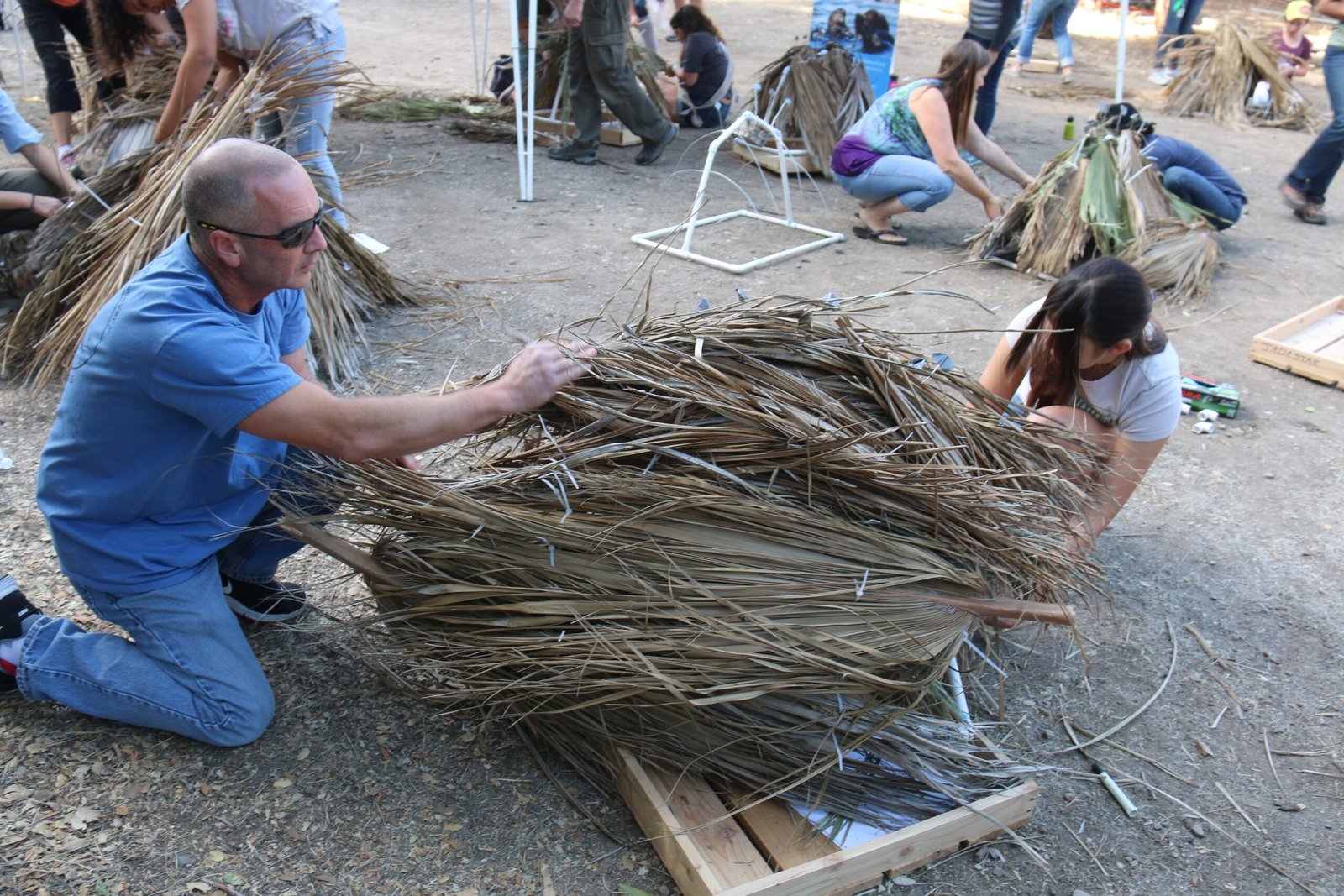
Science played a starring role in the condor’s recovery. Geneticists worked tirelessly to maximize genetic diversity, carefully matching breeding pairs to avoid inbreeding. Biologists developed innovative techniques to teach young condors essential survival skills, even using condor-shaped puppets to prevent chicks from imprinting on humans. Veterinarians monitored the health of every bird, tracking diseases, and managing nutrition. Every decision was rooted in data and observation, blending old-fashioned fieldwork with the latest technology. The condor’s survival became a testament to the power of science when fueled by passion and urgency.
The Shadow of Lead Poisoning
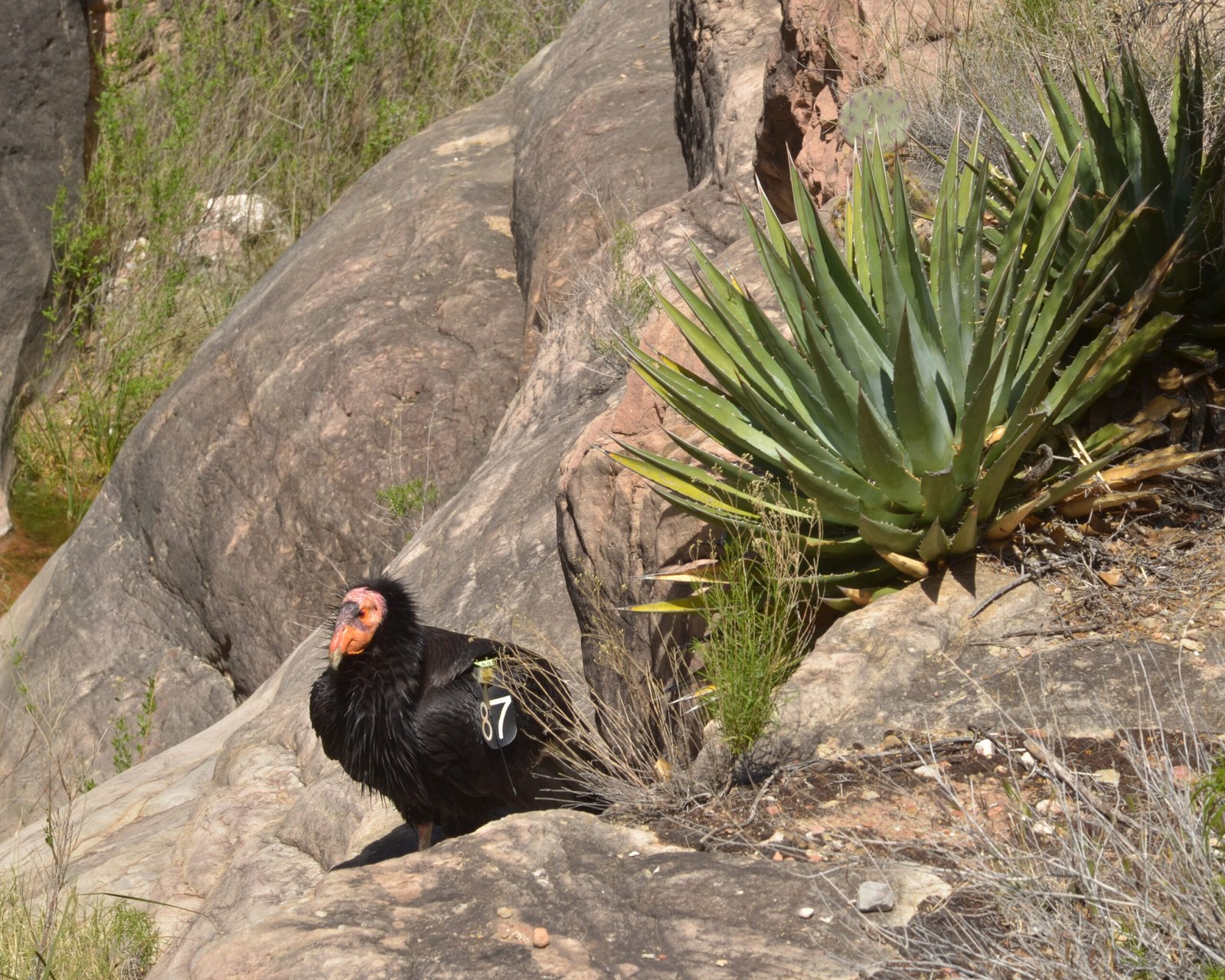
Despite all these efforts, lead poisoning continues to haunt the condor’s recovery. When hunters use lead ammunition, fragments are left behind in animal carcasses—deadly morsels for scavengers like condors. Even tiny amounts of lead can be fatal, causing slow, agonizing deaths. Conservationists have worked tirelessly to promote the use of non-lead ammunition, but change has been slow. It’s a frustrating reality: after all the progress, a single bullet can undo years of work. This ongoing battle is a stark example of how human choices continue to shape the destinies of wild creatures.
Condors and the Web of Life
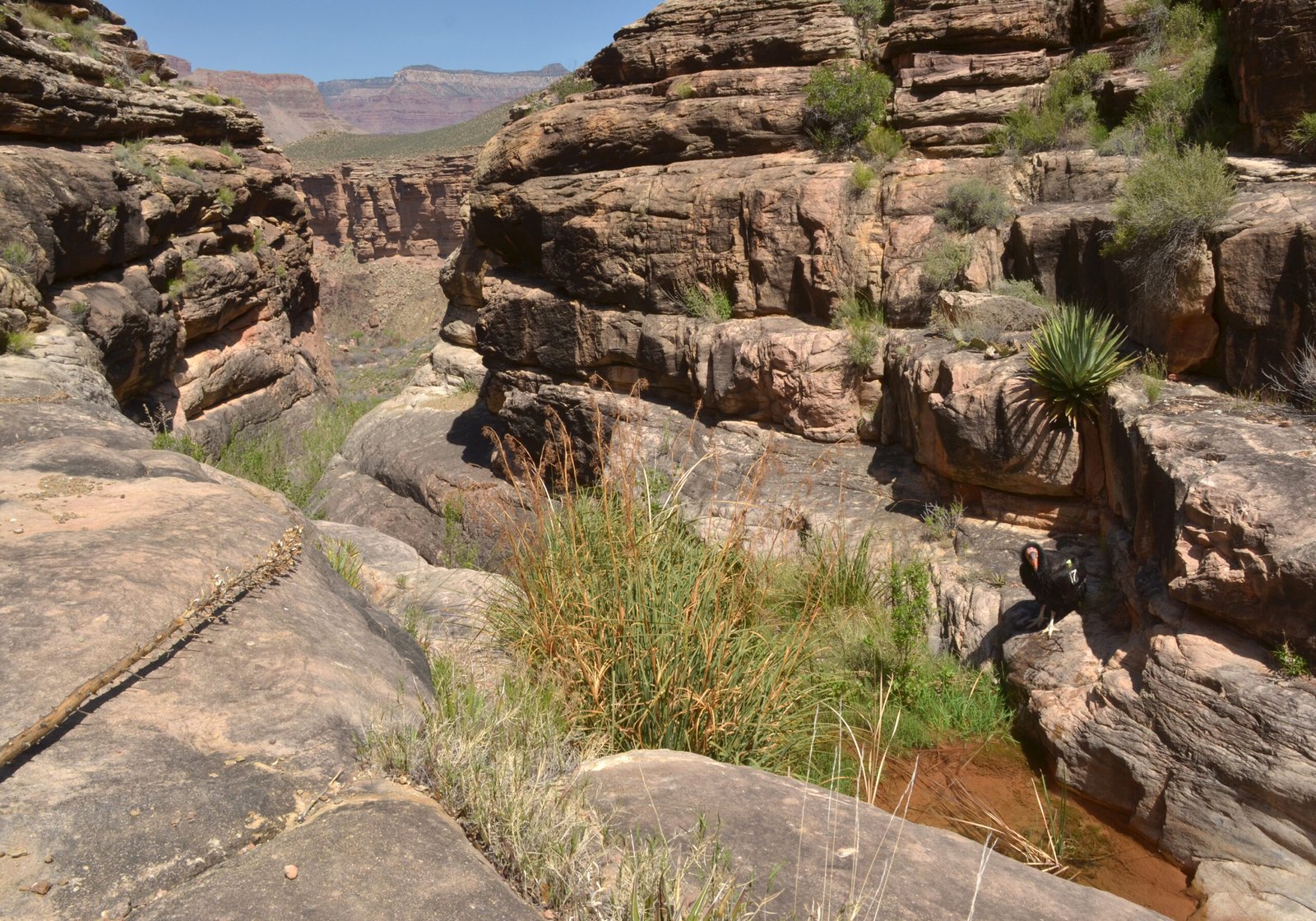
Condors are more than just survivors—they are keystone species, playing a crucial role in the ecosystems they inhabit. As nature’s cleanup crew, they consume carrion that would otherwise spread disease and attract pests. Their presence signals a healthy, functioning ecosystem, where even death is part of the cycle of renewal. When condors disappear, the balance tips, and entire food webs can unravel. Their return is a reminder that every creature, no matter how large or small, has a role to play in the grand tapestry of life.
Cultural Significance and Spiritual Connections
For many Native American communities, the California condor holds deep spiritual meaning. The Yurok, Chumash, and other tribes regard the condor as a symbol of renewal, power, and connection to the ancestors. Traditional stories speak of the condor as a bridge between worlds, a messenger traveling between earth and sky. When condors vanished from their ancestral lands, it was not just a biological loss but a cultural wound. Today, collaborations between tribes and conservationists are helping to restore both the bird and the traditions woven around it.
Modern Technology and Tracking the Wild
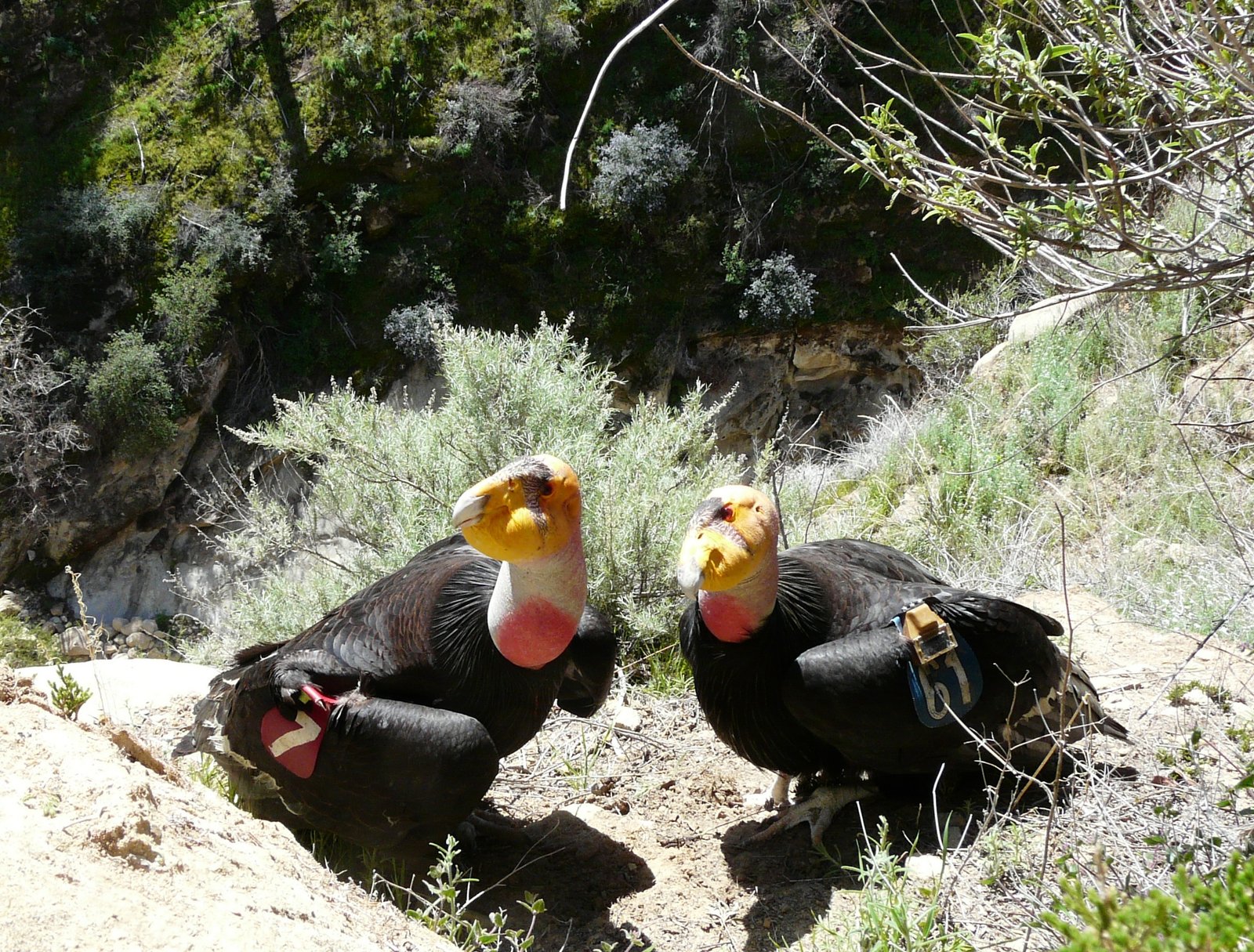
In today’s recovery efforts, technology is a powerful ally. Biologists outfit condors with lightweight GPS transmitters, allowing them to track every movement in real time. These high-tech backpacks provide a window into the secret lives of condors—where they fly, what they eat, and how they interact with the landscape. Drones and remote cameras capture footage of nests perched on dizzying cliffs. With each new tool, researchers gain insights that help refine conservation strategies. It’s a marriage of ancient wings and modern innovation.
Expanding Their Range: New Releases in the Pacific Northwest
The condor’s triumphant return is not limited to California. In recent years, conservationists have begun releasing birds in places like Arizona, Utah, and even the wild coastlines of the Pacific Northwest. These new populations are the result of years of planning, community engagement, and scientific study. Each new release brings its own challenges—different landscapes, weather patterns, and threats—but also new hope. Seeing condors soar above Oregon’s redwoods or the Grand Canyon’s cliffs is a vision that once seemed impossible.
Learning from Mistakes: The Dangers of DDT and Other Chemicals
The shadow of toxic chemicals looms large in the history of North America’s birds. While DDT is most famously linked to the decline of the bald eagle and peregrine falcon, it also affected condors by thinning their eggshells. Today, other environmental toxins, from pesticides to industrial chemicals, still threaten vulnerable species. The lesson is clear: what we put into the environment doesn’t just vanish—it echoes through food chains, sometimes with devastating consequences. The condor’s recovery depends on our willingness to learn from the past and choose a more responsible path forward.
Condor Personalities: More Than Just Numbers
Every condor is an individual, with quirks and personalities that make them unique. Some are bold and adventurous, exploring new territories and pushing the boundaries of their range. Others are cautious, sticking close to familiar cliffs and roosts. Field biologists often develop a deep bond with the condors they monitor, recognizing them by their distinctive markings and behaviors. These personal stories add a human dimension to conservation, reminding us that saving a species isn’t just about numbers—it’s about lives, relationships, and the unpredictable magic of the wild.
Community Involvement and Grassroots Support
The condor’s comeback would not be possible without the dedication of local communities, volunteers, and passionate individuals. From schoolchildren raising funds to ranchers providing safe habitats, people from all walks of life have played a role in this recovery. Educational programs spark curiosity and foster stewardship in the next generation. Citizen scientists help monitor condor movements and report sightings, weaving a network of support that stretches from remote canyons to bustling cities. It’s a powerful reminder that conservation is a team effort, and everyone has a part to play.
International Collaboration: A Global Effort
While the California condor is an American icon, its recovery is part of a larger, international movement to save endangered vultures and scavengers. Scientists and conservationists from around the world share knowledge, techniques, and resources, learning from each other’s successes and setbacks. Efforts to ban lead ammunition, restore habitats, and breed rare species span continents. In this way, the story of the condor is also a story of global cooperation, where borders fade and a shared passion for wildlife unites people from every corner of the earth.
Condors in Popular Culture and Public Imagination
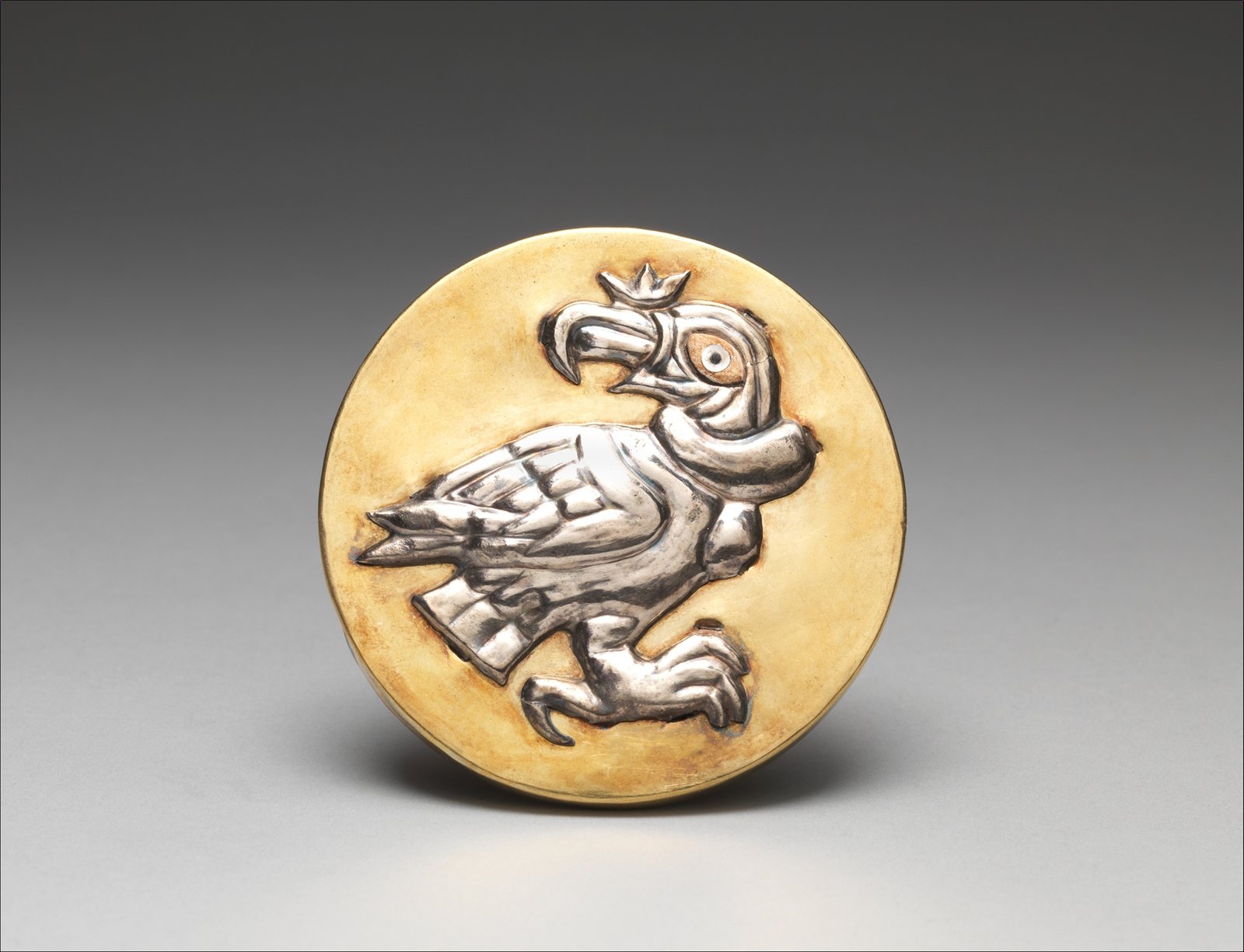
The California condor has soared into the public imagination, appearing in documentaries, children’s books, and even postage stamps. Their dramatic story of survival against the odds captivates audiences, inspiring everything from art to activism. For many people, seeing a condor in the wild is a life-changing experience—an encounter with the sublime. These cultural moments help keep the spotlight on the condor’s plight, ensuring that their story continues to resonate far beyond the scientific community.
The Next Generation: Young Condors Take Flight
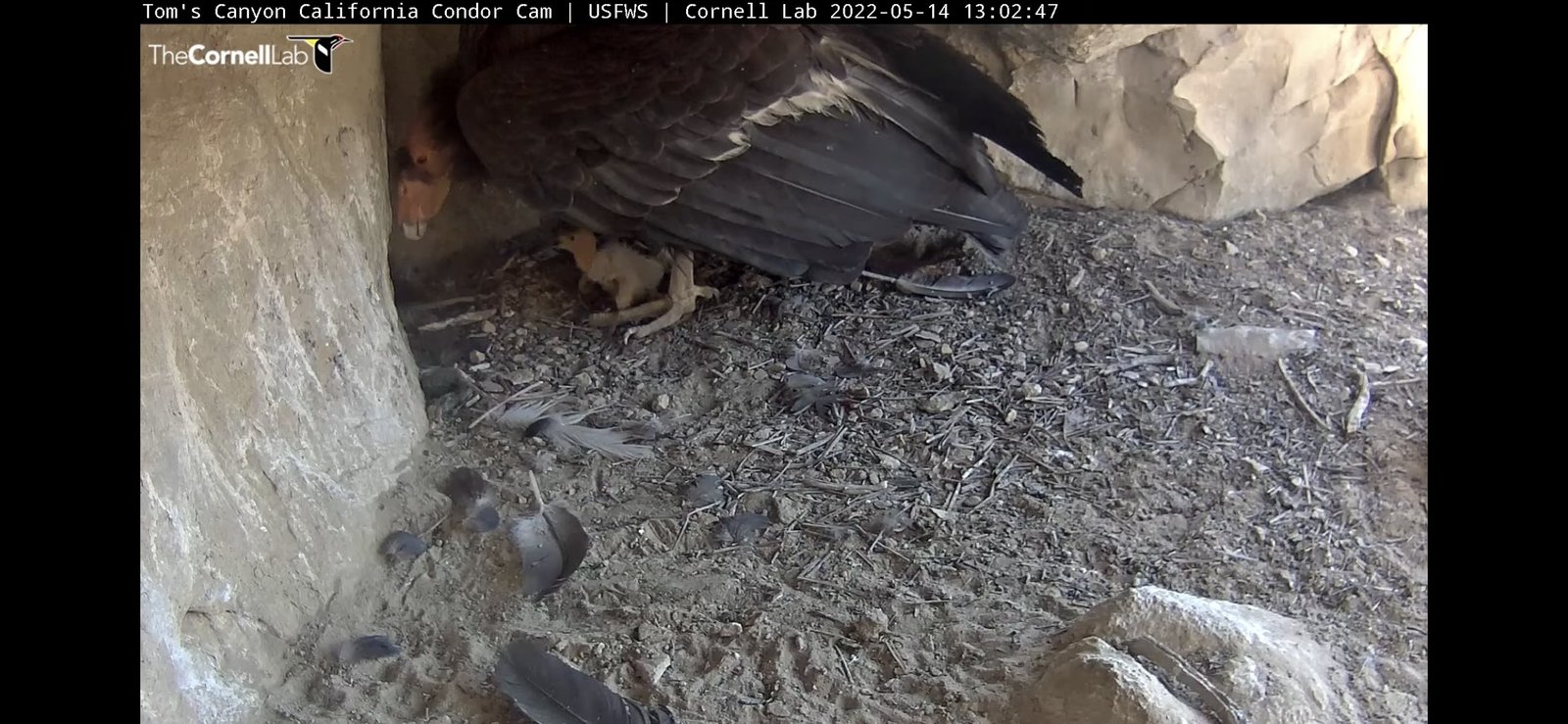
In recent years, more and more young condors have been hatching in the wild, a sign that rewilding efforts are beginning to bear fruit. Watching a fluffy, awkward chick transform into a powerful flyer is nothing short of miraculous. Each new generation faces its own challenges, but also carries the hopes of everyone who has fought for their survival. The sight of young condors testing their wings is a promise—a future where these ancient birds might one day thrive without human intervention.
Lessons for the Future of Conservation
The California condor’s journey offers powerful lessons for conservationists around the world. It shows that even when hope seems lost, bold action and collaboration can lead to recovery. It reminds us that saving a species is never easy, often requiring difficult choices and long-term commitment. But it also proves that the impossible is possible. The condor’s story challenges us to imagine a wilder, richer world—and to fight for it, one soaring wingbeat at a time.