Imagine stepping into the heart of the Florida Everglades, surrounded by shimmering sawgrass and the haunting calls of wading birds, only to realize you’re walking through a battleground. This isn’t a war of people, but of species—a silent invasion that has thrown an entire ecosystem into chaos. Burmese pythons, massive snakes native to Southeast Asia, now slither through the wetlands, rewriting the rules of survival in one of America’s most unique wild places. This is the dramatic and ongoing story of how one species has come to dominate an entire landscape, leaving scientists, locals, and wildlife in stunned disbelief.
Burmese Pythons: Unintended Invaders
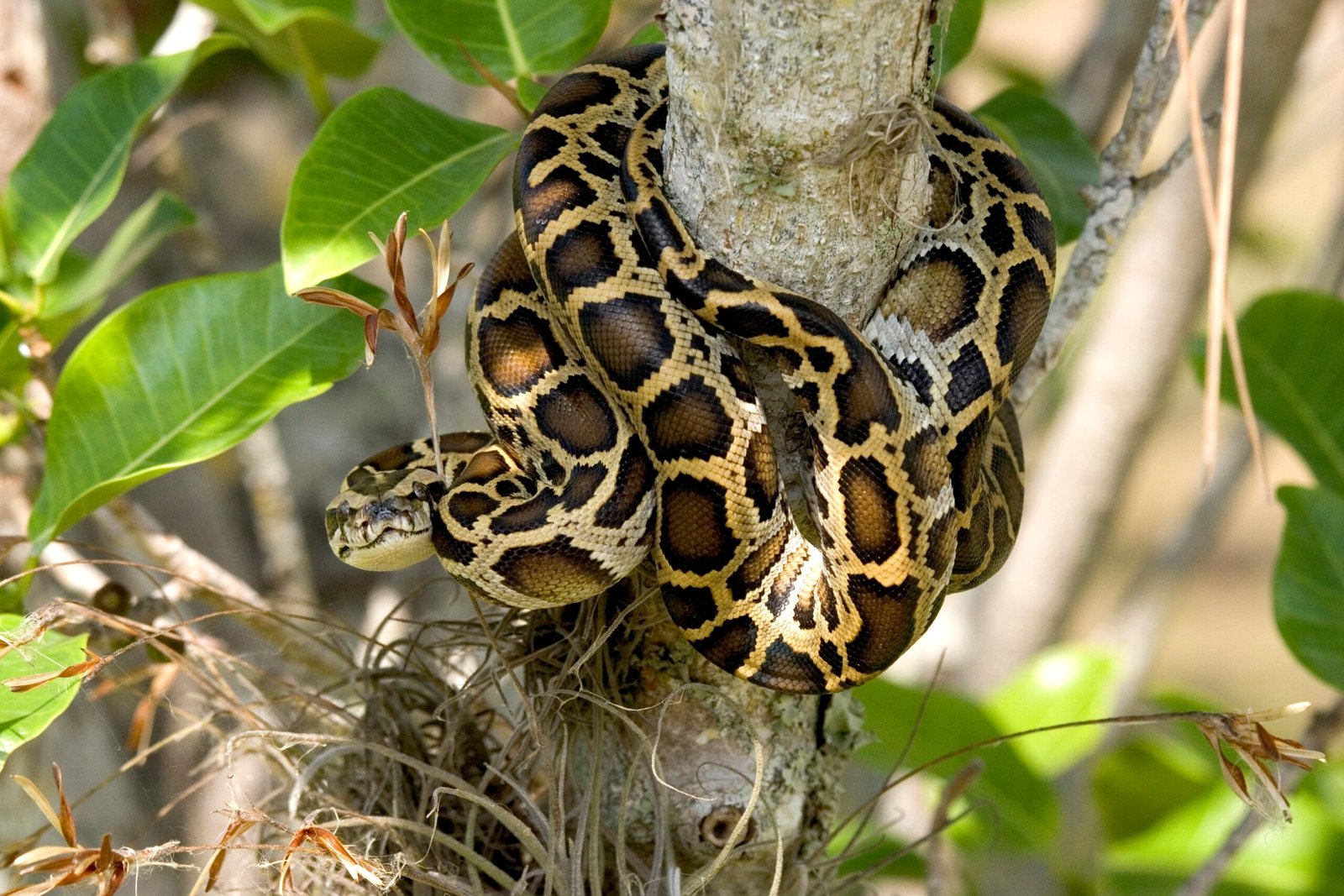
The Burmese python’s journey to the Everglades is a tale of unintended consequences. Originally brought to Florida as exotic pets, these snakes were often released into the wild when they became too large or difficult to manage. The Everglades, with its warm climate and abundant prey, became the perfect refuge for these escapees. Over time, their numbers grew, and what began as a trickle turned into a flood. Today, tens of thousands of Burmese pythons silently prowl the swamps, leaving their mark on everything they encounter. Their success here is a stark reminder of how quickly an introduced species can spiral out of control.
Why the Everglades?
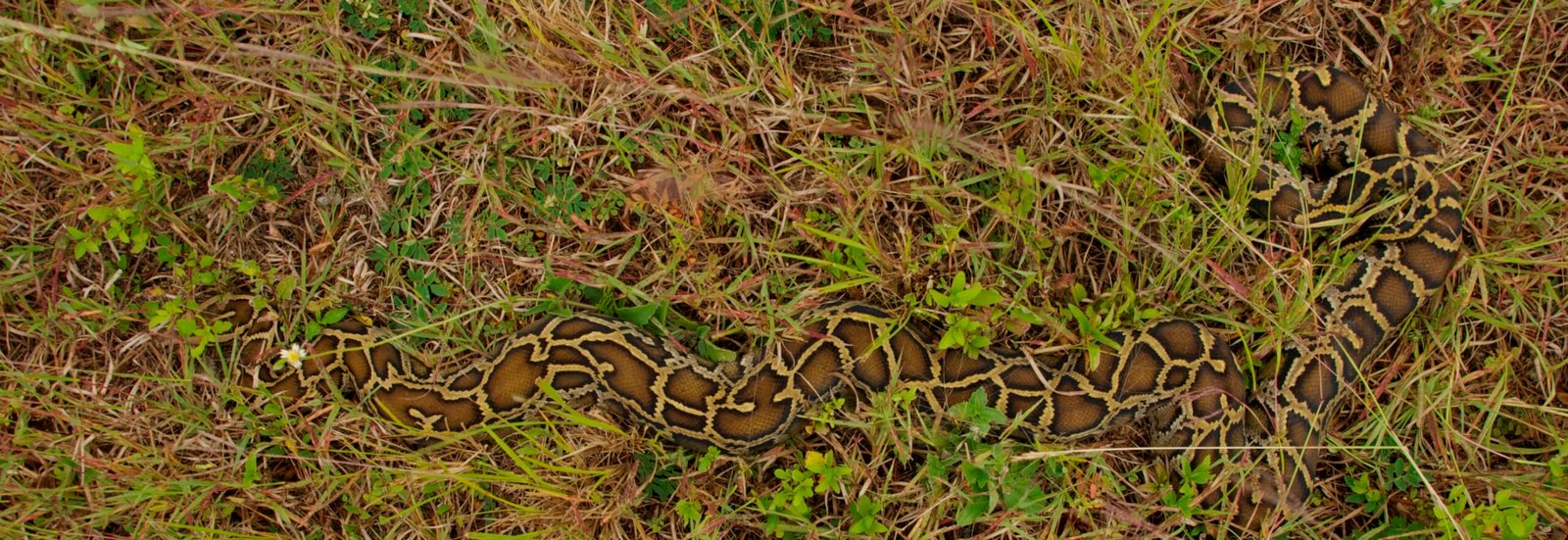
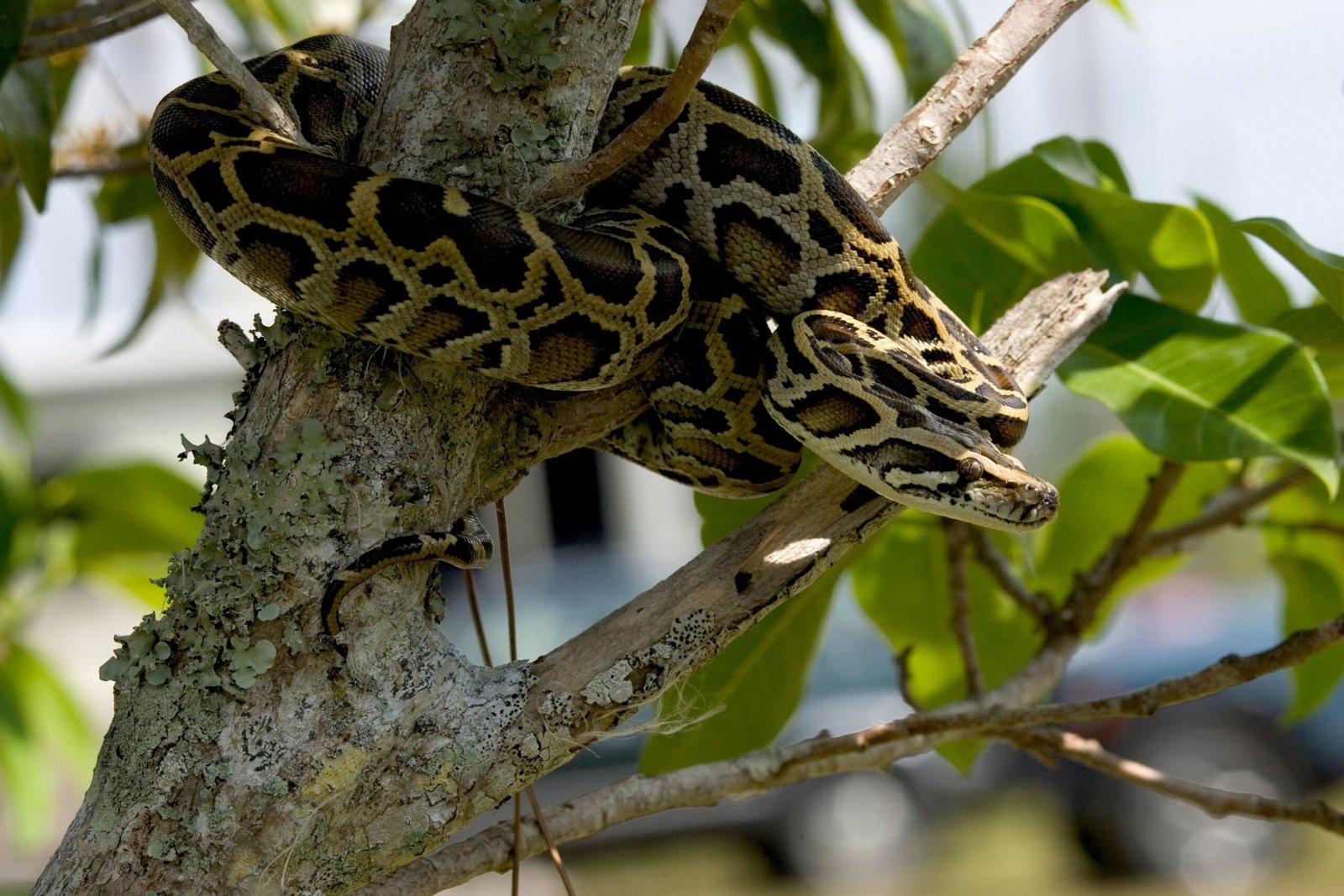
The Everglades is a unique blend of wetlands, forests, and slow-moving water, stretching across south Florida like a living tapestry. For the Burmese python, this environment offers an almost unlimited buffet—small mammals, birds, reptiles, and even the occasional alligator. The climate is nearly identical to the snake’s native range, reducing the stress of adaptation. With few natural predators and plenty of hiding places, the Everglades became not just a sanctuary, but a launching pad for their population explosion. It’s as if the landscape itself rolled out a red carpet for these invaders.
The Disappearing Wildlife
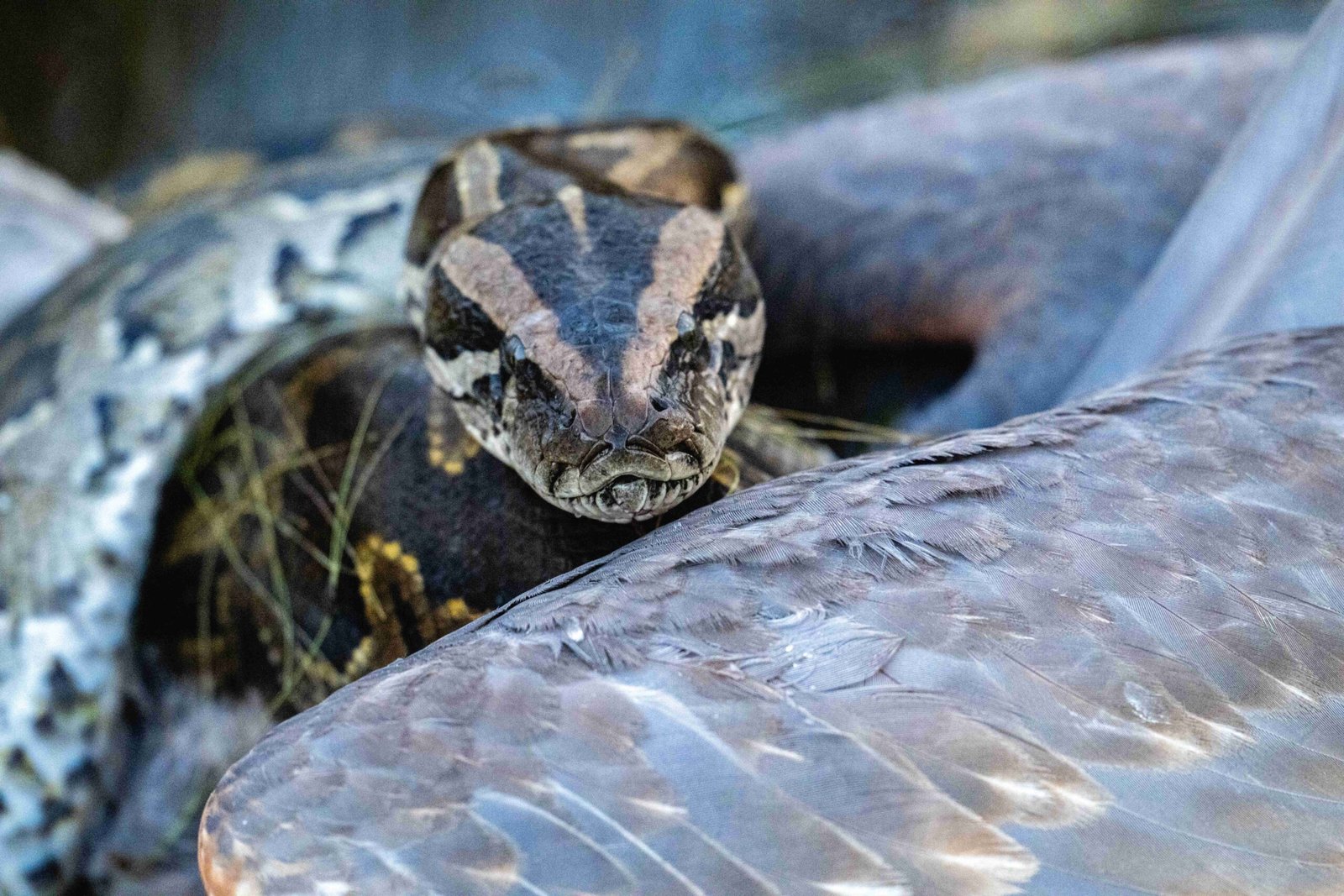
One of the most heart-wrenching effects of the Burmese python invasion is the dramatic decline in native wildlife. Studies have shown that populations of raccoons, opossums, rabbits, and even bobcats have plummeted by as much as 99% in some areas. People who grew up exploring the Everglades speak of a time when the wetlands teemed with life, only to return years later to find a haunting silence. The pythons are relentless hunters, consuming animals whole and leaving little behind. Each meal is another blow to the fragile balance of the ecosystem.
The Python’s Secret Weapons
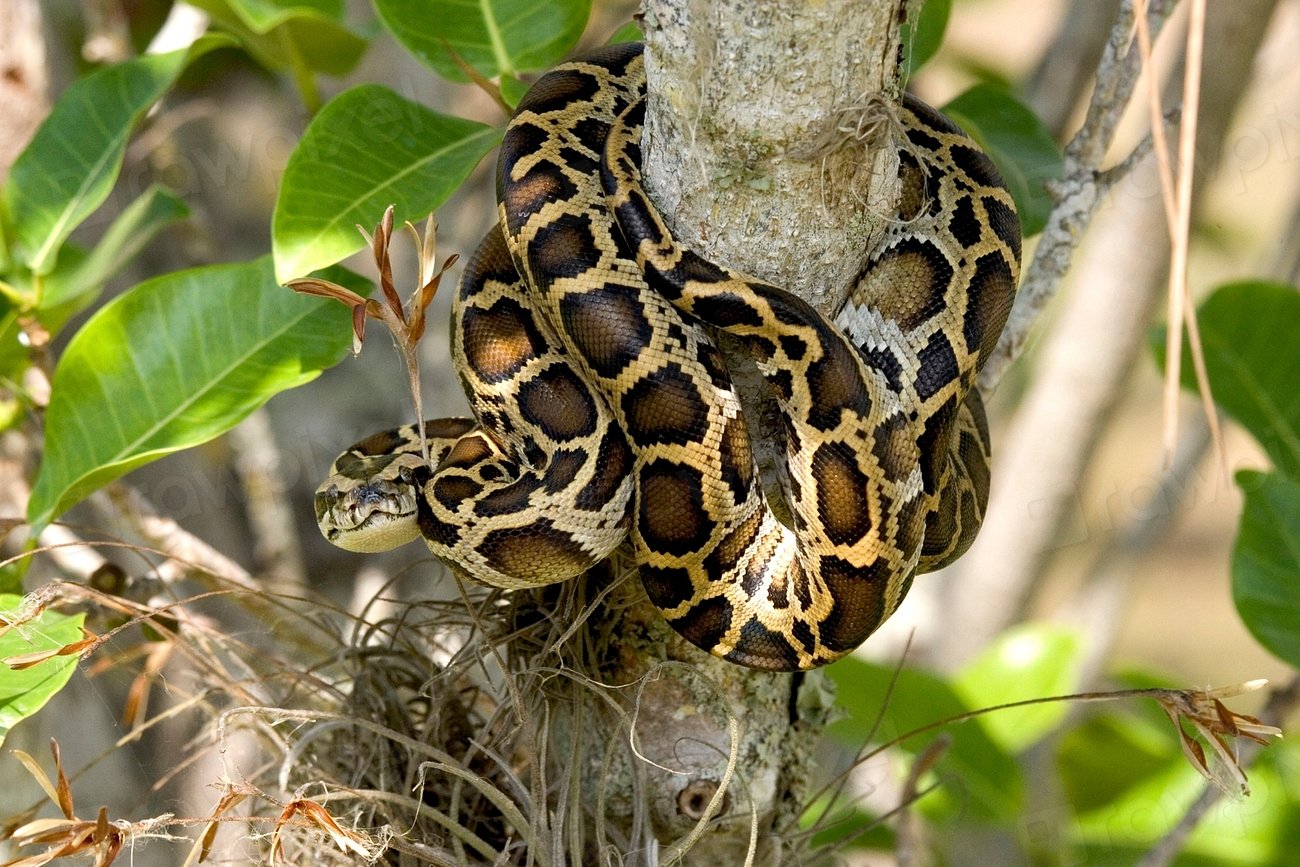
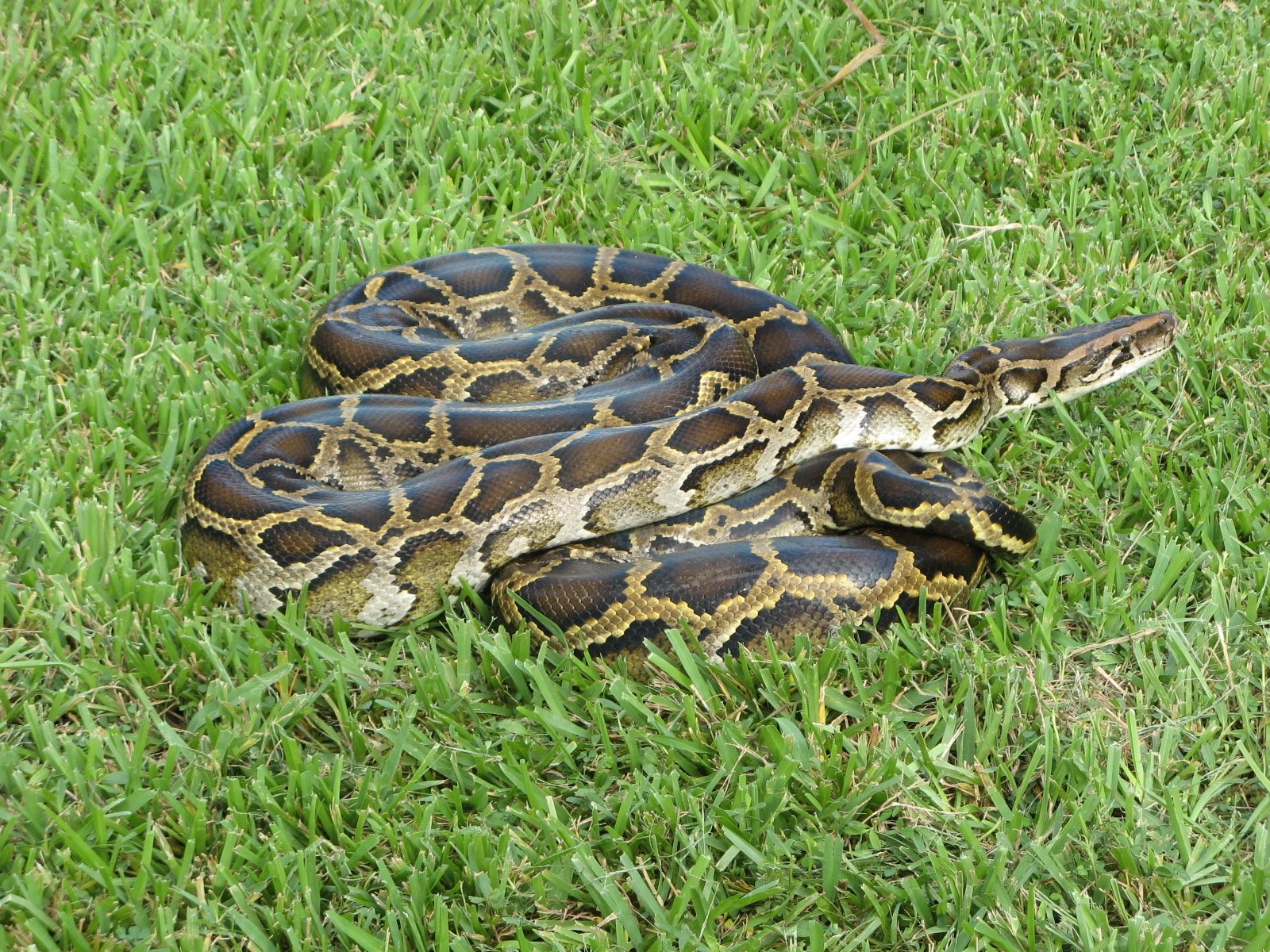
Burmese pythons are not just big—they’re brilliant survivors. Capable of growing over 18 feet long and weighing more than 200 pounds, their size alone makes them formidable. But their real advantage lies in their stealth and adaptability. They can go months without eating, blend seamlessly into their surroundings, and swim with ease through the flooded plains. Females can lay more than 50 eggs at a time, ensuring rapid population growth. It’s a combination of traits that few native species can match, making the python a near-perfect invader.
Impact on Predators and the Food Chain
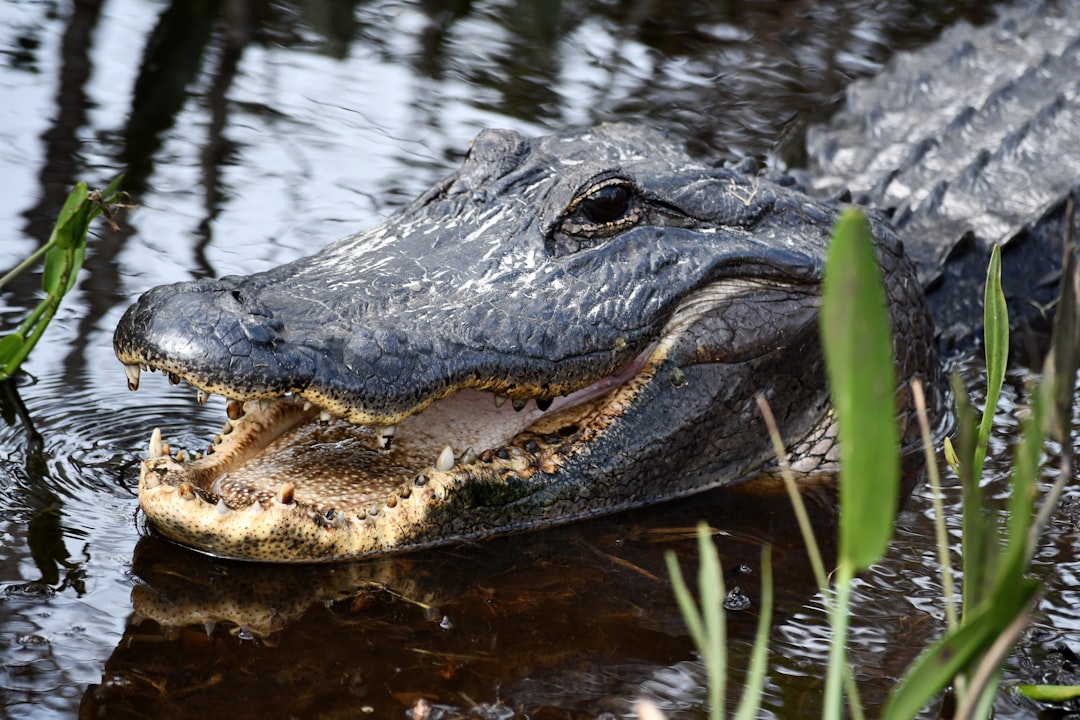
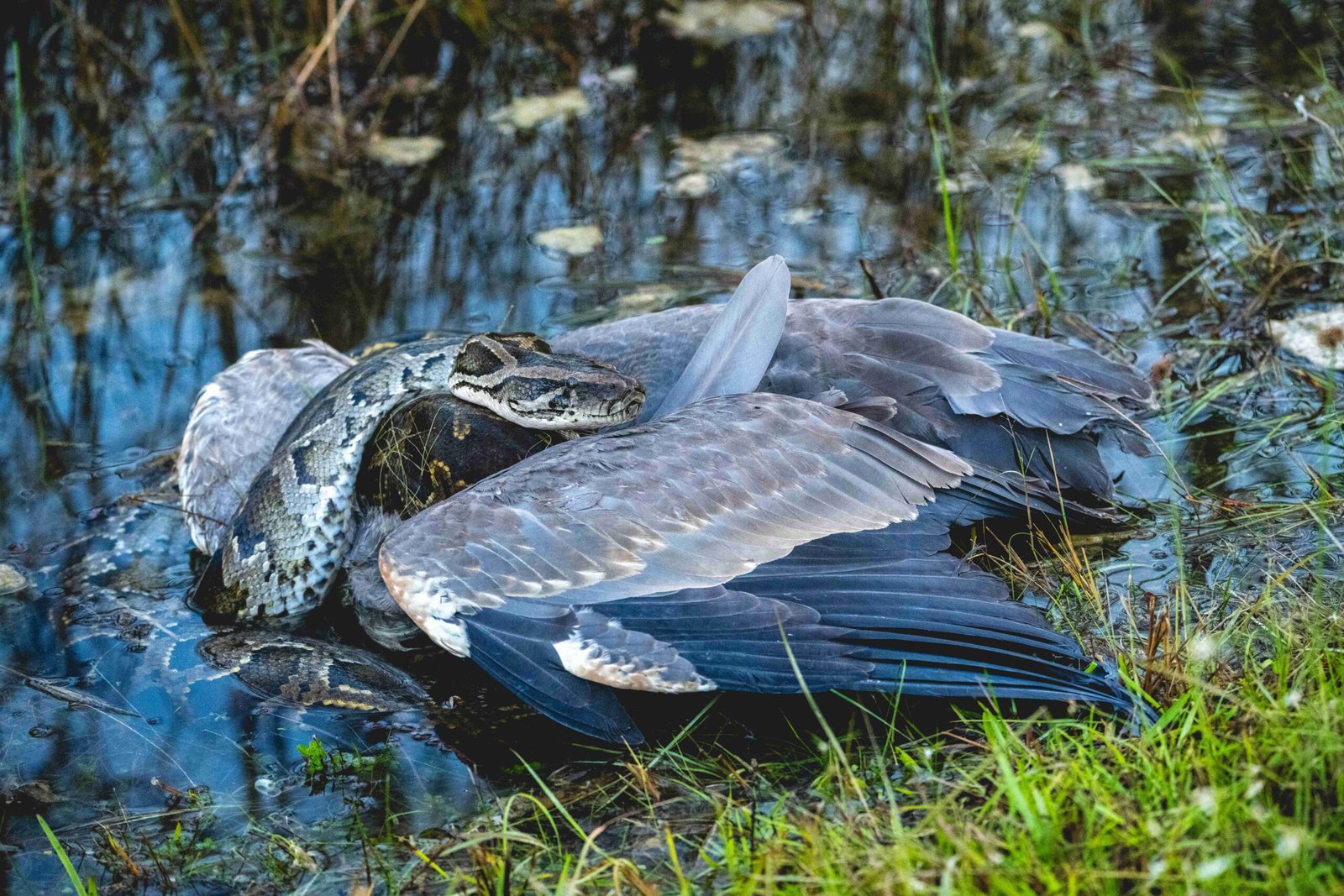
The ripple effect of the python’s presence stretches far beyond their immediate prey. As pythons devour mammals and birds, the animals that depend on those creatures—like panthers, hawks, and even alligators—find themselves competing for what little food remains. In some shocking encounters, pythons have even battled alligators for dominance, sometimes swallowing them whole or bursting in the process. These high-stakes clashes highlight just how dramatically the food web has been disrupted. The Everglades, once a carefully balanced system, is now a landscape of uncertainty.
Challenges for Scientists and Wildlife Managers
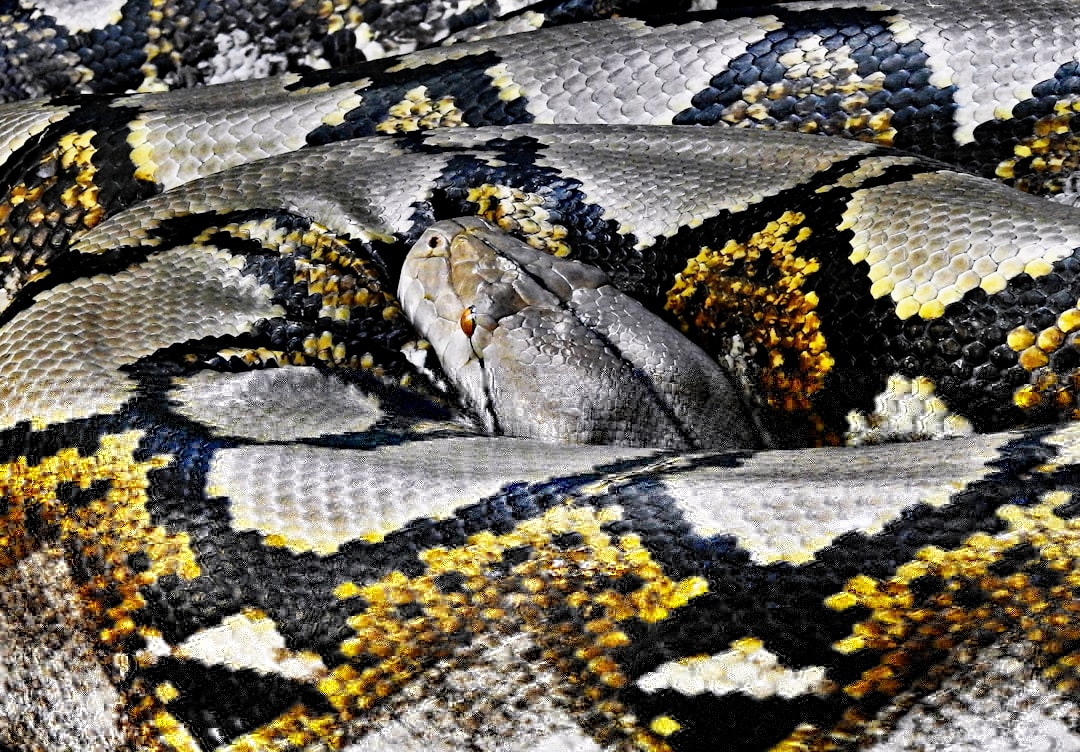
Tracking and controlling Burmese pythons has proven to be a monumental challenge. Their elusive nature makes them almost invisible in the vast, tangled wetlands. Traditional trapping methods often fail, and radio tracking is labor-intensive and expensive. Scientists are racing against time, trying out everything from trained detection dogs to using “Judas snakes”—fitted with trackers to lead experts to hidden populations. Despite these efforts, the number of pythons continues to rise, outpacing the ability to capture and remove them.
Human Stories from the Frontlines
Beyond the scientific data lies a tapestry of human experiences. Hunters have become local heroes, venturing deep into the swamp in search of these elusive giants. Some risk their safety, wading through snake-infested waters to pull pythons from burrows. For many Floridians, the python invasion is personal—family pets have disappeared, and the character of the land they love has forever changed. These stories add a deeply emotional layer to the ecological crisis, reminding us that this battle is felt in homes and hearts as much as in scientific reports.
Innovative Solutions and Surprising Allies
In the fight against the python invasion, creativity has become a necessity. Some researchers are experimenting with pheromone traps, hoping to lure snakes into capture. Others have turned to technology, using drones and thermal imaging to spot pythons from above. There’s even a growing movement to turn the problem into a resource, with python meat and leather making their way into local markets. These unconventional approaches offer hope that, with enough ingenuity, the tide may one day turn.
Lessons for the Future
The Burmese python crisis serves as a powerful lesson on the dangers of introducing non-native species. What seemed like a harmless act—releasing an unwanted pet—has snowballed into an environmental catastrophe with far-reaching consequences. It’s a reminder that nature is finely tuned, and even small disruptions can set off chains of events that are nearly impossible to reverse. The Everglades story is now studied around the world as both a warning and a call to greater responsibility.
What’s Next for the Everglades?
The future of the Everglades hangs in the balance. Scientists are working tirelessly to understand the full impact of the python invasion and to develop better control methods. At the same time, conservationists are focused on restoring habitats and supporting the species that remain. The battle is far from over, and the story is still being written with each new discovery and every captured snake. The outcome will shape not just the fate of the Everglades, but how we approach invasive species and ecosystem management everywhere.
Reflections on a State Transformed
The invasion of the Burmese python has forever altered the landscape and spirit of Florida’s wild heart. The Everglades, once a vibrant tapestry of native life, now faces an uncertain future. As we witness this reshaping of a state, the question remains: How will we respond to the challenges we’ve created? Will innovation, determination, and respect for nature guide us toward a solution, or will the python’s silent conquest become the new normal?