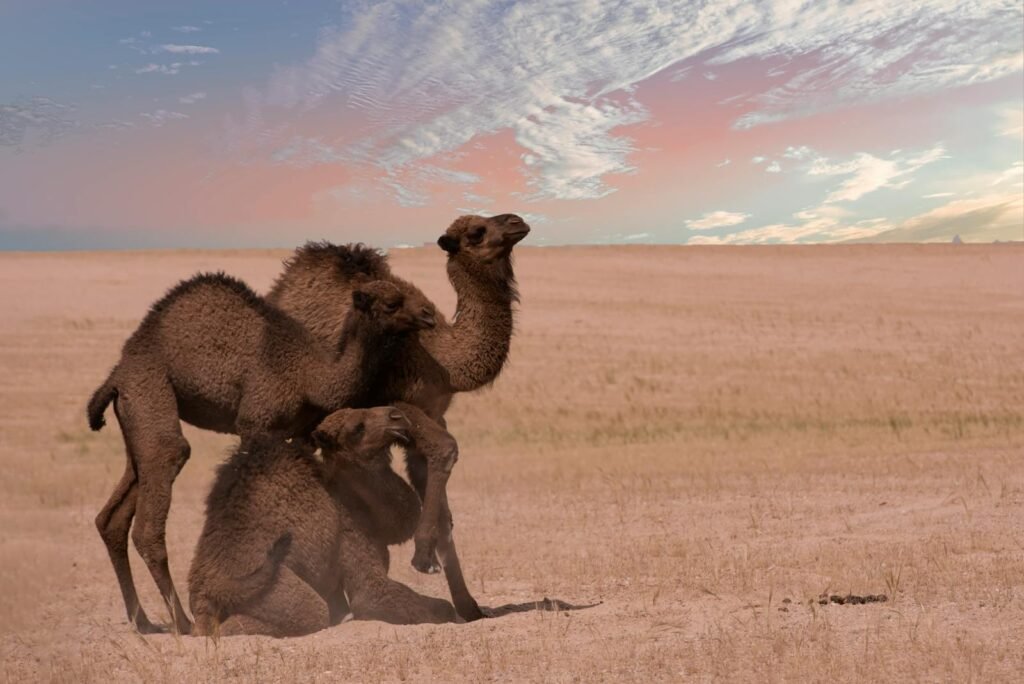

Imagine standing in the middle of the Sahara Desert, where temperatures soar above 120°F during the day and plummet to near freezing at night. The sun beats down mercilessly, there’s no water for hundreds of miles, and the only food consists of thorny, bitter plants that would make most animals sick. Yet in this hellish landscape, one creature not only survives but thrives with an almost arrogant ease. The camel has turned Earth’s most brutal environments into its personal kingdom, and the secrets behind this mastery are more incredible than you might imagine.
The Ultimate Water Conservation Machine

A camel’s relationship with water defies everything we know about survival. While humans begin to experience serious dehydration after losing just 3% of their body weight in water, camels can lose up to 40% of their body weight and still function normally. Their kidneys are so efficient that they produce urine twice as concentrated as human urine, and sometimes their urine becomes thick as syrup. When they do find water, they can drink up to 40 gallons in just 10 minutes – imagine chugging 320 water bottles without stopping. Their red blood cells are oval-shaped rather than round, allowing blood to continue flowing even when severely dehydrated and thick as honey.
Blood That Refuses to Quit

Most animals would die if their blood became as thick and viscous as a camel’s does during dehydration, but camels have evolved a circulatory system that laughs in the face of physics. Their oval red blood cells can squeeze through the smallest capillaries even when the blood is severely concentrated. Think of it like trying to push marbles through a straw versus pushing footballs – the oval shape makes all the difference. These specialized cells also last much longer than typical red blood cells, giving camels an extended buffer against the constant stress of dehydration. When other animals would be unconscious or dead, camels are still walking across sand dunes like nothing happened.
Nostrils That Work Like Air Conditioners

A camel’s nostrils aren’t just holes for breathing – they’re sophisticated climate control systems that would make engineers jealous. The internal structure is lined with mucous membranes that capture moisture from exhaled air, recycling every precious drop back into their system. During sandstorms, special muscles can seal their nostrils completely shut, creating an airtight barrier against the stinging particles. The shape and placement of their nostrils also help cool incoming air before it reaches their lungs, preventing heat damage to delicate internal tissues. It’s like having a built-in air purifier and humidifier working 24/7 in the harshest conditions on Earth.
Feet Designed for Shifting Sands

While other animals sink helplessly into desert sand, camels glide across it like they’re wearing natural snowshoes. Their feet spread wide with each step, distributing weight across a much larger surface area and preventing them from sinking. The thick, leathery pads on their feet are incredibly heat-resistant, protecting them from sand that can reach temperatures of 150°F or higher. These pads also provide incredible traction on loose surfaces, allowing camels to navigate steep sand dunes that would be impossible for other large animals. Between their toes, they have webbed skin that further increases their surface area and helps them “swim” through deep sand.
The Hump Truth That Shocked Scientists
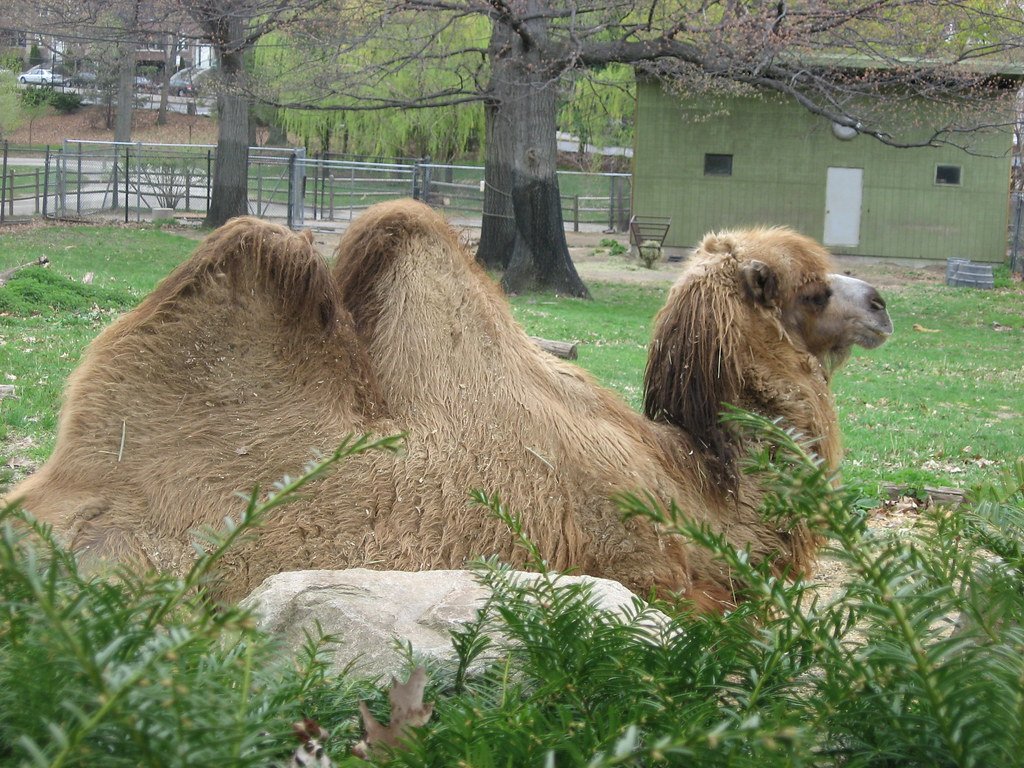
For centuries, people believed camel humps stored water, but the reality is far more ingenious and scientifically fascinating. The hump is actually a massive reservoir of fat – up to 80 pounds of it – that serves as both an emergency food source and a clever cooling system. When fat is metabolized for energy, it actually produces water as a byproduct, giving camels an internal water generation system. The placement of fat in a hump rather than distributed around the body is crucial for heat regulation, as it prevents insulation where the camel needs to lose heat most. A healthy camel’s hump stands tall and firm, but during harsh times, it gradually shrinks and may even flop to one side as the fat reserves are consumed.
Temperature Control That Defies Logic

Camels have mastered the art of temperature regulation in ways that seem to break the laws of biology. They can allow their body temperature to fluctuate by up to 11°F throughout the day, something that would kill most mammals. During cool desert nights, their body temperature drops to conserve energy, while during scorching days, it rises to prevent overheating through sweating. Their thick fur coat, surprisingly, actually helps keep them cool by creating an insulating layer that blocks heat from reaching their skin. This natural thermostat system means they rarely need to sweat, conserving precious water that other animals would lose trying to cool down.
Eyes Built for Sandstorm Warfare

Desert sandstorms can blind and disorient animals within minutes, but camels have evolved eyes that treat these natural disasters like minor inconveniences. They possess not just one but two rows of incredibly long, thick eyelashes that create an almost impenetrable barrier against flying sand and debris. Their third eyelid, called a nictitating membrane, works like a built-in windshield wiper that can clear sand while keeping the eye moist. The positioning of their eyes high on their heads gives them excellent peripheral vision, allowing them to spot predators or navigate even when visibility is nearly zero. Even their eyebrows are specially designed, forming a natural visor that shields their eyes from the intense desert sun.
Digestive System of Steel

What camels consider a delicious meal would send most animals to the emergency room or worse. They can consume plants so thorny and toxic that they draw blood from human hands just by touching them. Their mouths are lined with incredibly tough tissue that resists cuts and punctures from the sharpest thorns and spines. Their four-chambered stomach system allows them to extract maximum nutrition from even the most inedible desert vegetation, breaking down cellulose and toxins that would poison other animals. Perhaps most remarkably, they can eat cacti – spines and all – treating these armored plants like a refreshing salad while getting both food and water simultaneously.
The Art of Going Slow to Go Far

In a world obsessed with speed, camels have mastered the opposite philosophy with devastating effectiveness. Their leisurely walking pace isn’t laziness – it’s a carefully calculated energy conservation strategy that allows them to travel incredible distances without exhaustion. This slow, steady gait generates minimal body heat and uses the least amount of energy per mile of any large mammal. Their unique pacing gait, where both legs on one side move forward together, provides stability on uneven terrain while maintaining efficiency. A camel can maintain this pace for 12 hours straight, covering up to 25 miles per day while carrying hundreds of pounds of cargo, making them the ultimate long-distance champions of the animal kingdom.
Social Intelligence in Harsh Isolation

Despite living in some of the most isolated places on Earth, camels have developed sophisticated social behaviors that help ensure their survival. They form complex hierarchies within their herds, with dominant animals getting first access to food and water sources. Their memory for locations is extraordinary – they can remember water sources and favorable grazing spots across hundreds of miles and return to them years later. Camels communicate through a variety of sounds, from gentle humming to aggressive roaring, each conveying specific information about danger, food, or social status. Mother camels are incredibly protective and will teach their young the locations of water sources and safe routes across treacherous terrain, passing down survival knowledge through generations.
Masters of the Impossible Diet

While other herbivores require lush grasslands and abundant vegetation, camels have turned dietary restriction into an art form. They can survive on as little as 2 pounds of vegetation per day, compared to the 25-30 pounds required by horses or cattle. Their ability to eat virtually any plant matter, including bark, leaves, seeds, and even dried bones for calcium, makes them incredibly adaptable to changing food availability. During abundant times, they can rapidly gain weight, storing fat and building up their hump reserves for the inevitable lean periods ahead. Most impressively, they can go without food for several weeks if necessary, slowly metabolizing their stored fat while maintaining their strength and mobility.
Built-in GPS Navigation System

Long before humans invented GPS, camels had already mastered navigation across featureless desert landscapes with pinpoint accuracy. They possess an internal compass that seems to be linked to magnetic fields, sun position, and even star patterns for nighttime travel. Their ability to sense water sources from miles away is almost supernatural – they can detect underground springs or distant oases that are completely invisible to other animals and humans. Experienced camels can lead entire caravans across thousands of miles of desert, taking the most efficient routes and avoiding dangerous areas with the precision of a seasoned explorer. This navigation ability is so reliable that desert peoples have depended on it for thousands of years, trusting their lives to a camel’s sense of direction.
The Secret of Milk That Never Spoils

Camel milk isn’t just a food source – it’s a survival miracle that continues to amaze scientists studying desert adaptation. Unlike cow’s milk, camel milk doesn’t curdle or spoil quickly in extreme heat, remaining fresh and nutritious for days without refrigeration. The milk contains natural antibiotics and immune-boosting compounds that help protect both mothers and babies from diseases that thrive in harsh desert conditions. It’s also incredibly rich in vitamin C, iron, and other essential nutrients that are often scarce in desert environments. Perhaps most remarkably, lactating female camels can continue producing milk even when severely dehydrated and malnourished, prioritizing their offspring’s survival above their own immediate needs.
Lung Power That Conquers Altitude

High-altitude deserts present a double challenge – extreme temperatures combined with thin air that would leave most animals gasping for breath. Camels have adapted to this challenge with lung capacity and efficiency that rivals high-altitude specialists like mountain goats. Their red blood cells carry oxygen more efficiently than those of most other mammals, allowing them to maintain energy levels even when oxygen is scarce. Their breathing rate can adjust dramatically based on conditions, slowing to conserve energy during rest periods and increasing efficiently during activity. This respiratory flexibility allows them to thrive in environments ranging from sea-level deserts to high-altitude plateaus where the air is thin and brutal.
Pain Tolerance of Legendary Proportions

The level of discomfort that camels can endure would break the spirit of almost any other creature on Earth. They regularly walk across surfaces hot enough to cause severe burns, navigate through thorns that would shred normal skin, and endure insect bites that would drive other animals to madness. Their pain receptors seem to be calibrated differently, allowing them to function normally under conditions that would incapacitate other animals. This isn’t just toughness – it’s a complete biological adaptation to an environment where sensitivity to pain would be a fatal weakness. They can carry heavy loads across rough terrain for days without showing signs of distress, making them indispensable partners for human survival in desert regions.
Reproduction Against All Odds

Bringing new life into one of Earth’s most hostile environments requires extraordinary adaptations, and camels have evolved reproductive strategies that seem almost magical. Female camels can delay pregnancy during times of extreme hardship, waiting until conditions improve before allowing embryos to develop fully. Their gestation period is remarkably long – about 13 months – but this extended development time produces babies that are born ready to handle desert conditions immediately. Newborn camels can stand and walk within hours of birth, and they instinctively know how to find shade and conserve water. Mother camels produce rich, nutritious milk that gives their offspring the best possible start in life, even when the mother herself is struggling with harsh conditions.
The Immunity of Desert Gods

Living in environments where bacteria, viruses, and parasites are constantly trying to invade requires an immune system of extraordinary power, and camels have developed biological defenses that modern medicine is still trying to understand. They produce unique antibodies that are smaller and more effective than those found in other mammals, allowing them to fight off infections with remarkable efficiency. Their white blood cells are incredibly active and responsive, quickly identifying and eliminating threats before they can establish infections. Perhaps most impressive is their resistance to diseases that would devastate other livestock, including many parasites and bacterial infections that thrive in hot, dry climates. This natural immunity makes them incredibly valuable as livestock in regions where other animals simply cannot survive.
Chemical Warfare Defense Systems

Desert plants have evolved toxic compounds and bitter chemicals to discourage animals from eating them, but camels have turned this botanical chemical warfare into a buffet. Their liver is incredibly efficient at processing and neutralizing plant toxins that would poison or kill other animals. They can safely consume alkaloids, tannins, and other defensive compounds that plants use as their primary protection against herbivores. Their taste preferences actually favor some of these bitter, chemical-laden plants, suggesting that they’ve not only adapted to tolerate these compounds but may actually benefit from them. This ability to eat “poisonous” plants gives them access to food sources that remain untouched by other animals, providing them with exclusive dining options in a world where every calorie counts.
Engineering Marvels of Bone and Muscle
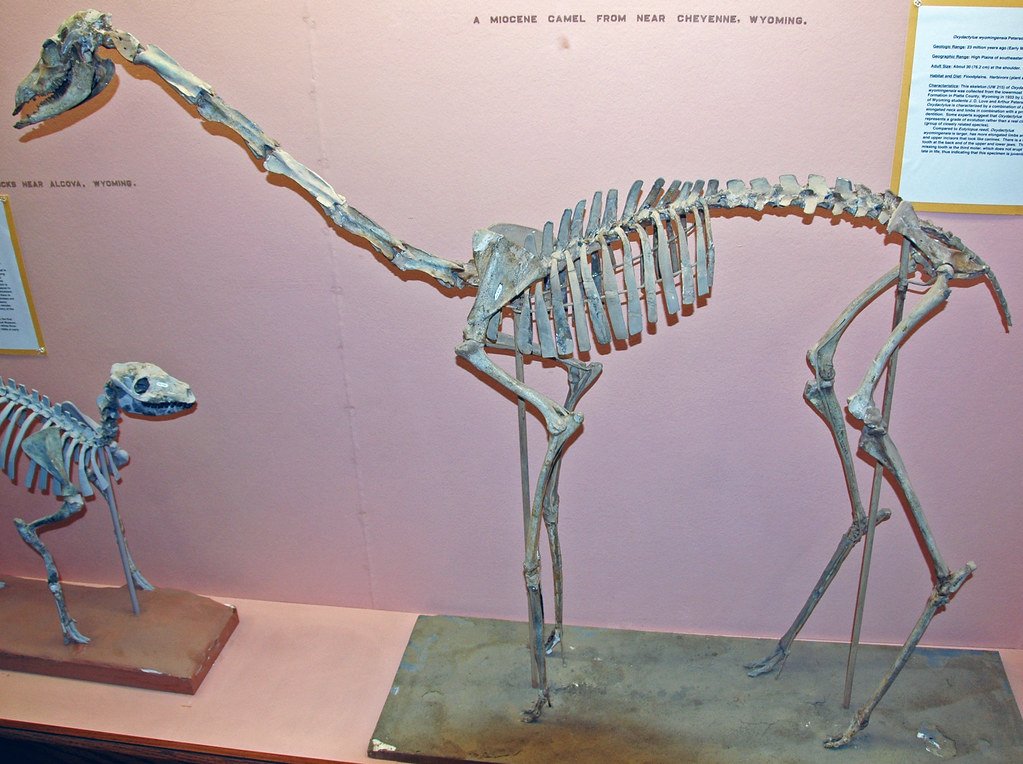
The physical structure of a camel is a masterpiece of evolutionary engineering, with every bone, muscle, and joint optimized for desert survival. Their long legs keep their bodies elevated above the hot ground, reducing heat absorption while providing excellent leverage for walking through sand. Their flexible neck allows them to reach vegetation at various heights without expending unnecessary energy moving their entire body. The structure of their spine is incredibly strong yet flexible, designed to carry heavy loads while absorbing the shock of walking across uneven terrain. Even their tail serves multiple purposes – it can swat away insects, provide balance during difficult terrain navigation, and help with communication through various positioning signals.
Whether you’re marveling at their water-recycling kidneys or their sandstorm-proof eyes, camels represent one of evolution’s most spectacular success stories. These living fortresses have conquered environments that would challenge even our most advanced technology. Their survival isn’t just about individual adaptations – it’s about a complete biological system that treats impossibility as just another day at the office. The next time you complain about a hot day or a long walk, remember that somewhere in the world, a camel is crossing a landscape that would defeat most machines while making it look effortless. What other “impossible” challenges in nature might hold the keys to our own survival and innovation?