Imagine sipping a drink that once fueled ancient rituals, inspired wild stories, and left even the sharpest minds scratching their heads. That’s the world of baffling ancient brews—potions and concoctions brewed by civilizations long vanished, their secrets locked away by time. Today, scientists can crack the genetic code of wheat and design molecules atom by atom, but some age-old recipes refuse to give up their mysteries. From intoxicating elixirs in golden goblets to shimmering drinks that defy chemistry, these brews are a delicious enigma that tug at the curiosity of anyone who loves a good puzzle. Let’s travel through time, lifting the veil on drinks that defy explanation—and maybe, just maybe, taste a bit of the magic that has outwitted modern science.
The Elusive Kykeon of Ancient Greece

Kykeon was more than a beverage; it was the centerpiece of the Eleusinian Mysteries, secret religious rites held outside Athens. Participants described vivid visions and deep spiritual revelations after drinking it, but the exact recipe remains lost to history. Some scholars think it involved barley, mint, and wine, while others suggest psychoactive fungi grew on the grains, causing hallucinations. Modern chemists have tried to recreate kykeon but can’t agree on what made it so powerful. Was it the ritual, the ingredients, or something else entirely? The truth is still shrouded in myth, leaving scientists fascinated and frustrated.
Chicha: The Spit-Brewed Surprise of the Andes

Chicha, a traditional South American beverage, is made by chewing maize and spitting it into a communal pot before fermentation. Despite its unusual process, chicha’s complex flavors and effects have never been fully replicated in a lab. Scientists know that enzymes in human saliva help break down starches, but chicha’s unique tang and mood-altering qualities remain a riddle. Some locals swear it sharpens the senses, while others say it causes strange dreams. Even with modern chemistry, the full spectrum of chicha’s effects escapes explanation, hinting at the power of tradition and community in every sip.
The Deadly Sweetness of Soma
Soma, the legendary drink of the Vedic texts from ancient India, was said to confer immortality and divine insight. Its exact ingredients are fiercely debated, with candidates ranging from ephedra and cannabis to the mysterious fly agaric mushroom. Chemical analysis of ancient residues hasn’t turned up a conclusive match. The effects described—a sense of euphoria, visions, and profound clarity—don’t neatly align with any known natural substance. Scientists wonder if lost preparation methods or now-extinct plants played a crucial role. Soma’s intoxicating allure persists, its recipe as elusive as the gods themselves.
Egypt’s Blue Lotus Elixir
The blue lotus flower appears in countless ancient Egyptian carvings, often floating in wine cups or held by revelers at grand banquets. It’s believed to have had psychoactive properties, producing relaxation and mild euphoria. Modern analysis finds traces of aporphine, a sedative compound, but not enough to explain the intense reactions described in old texts. Was the effect amplified by fermentation, or did the ancient Egyptians know a secret trick to unlock the flower’s full power? Science is still searching for the answer, and the blue lotus remains a symbol of mystery and celebration.
Mead: The Drink of Norse Legends
Mead, made from honey, water, and yeast, has been brewed for thousands of years across many cultures. Viking sagas speak of mead that inspired poets and warriors, granting both courage and prophetic visions. Today’s mead is delicious, but it rarely produces the legendary effects described in ancient tales. Some researchers think wild yeasts or local herbs added unknown properties. Others suspect fermentation in ancient wooden vessels contributed unique flavors and mind-altering qualities. Despite modern attempts to replicate these brews, the true magic of Norse mead remains just out of reach.
The Mystery of Pulque
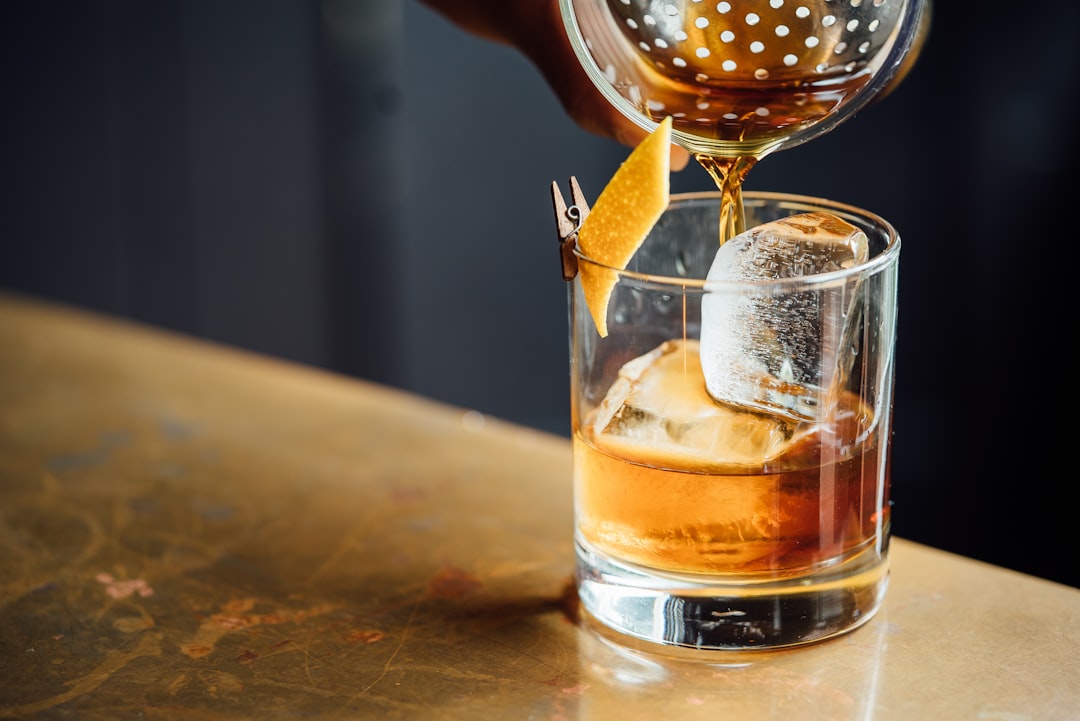
Pulque, an ancient Mexican beverage made from fermented agave sap, was beloved by the Aztecs and considered sacred. Its thick, milky texture and earthy taste are unique, but historical accounts also describe visions, spiritual experiences, and even healing powers. Scientists have identified some of pulque’s components, but none explain the dramatic effects reported by early drinkers. Perhaps rare bacteria, wild fermentation, or secret additives played a role. Today’s pulque is a shadow of its legendary past, and the original recipe continues to baffle both brewers and biochemists.
The Amazon’s Ayahuasca: Potion of the Spirits

Ayahuasca, a powerful hallucinogenic brew from the Amazon rainforest, is made by combining two plants: Banisteriopsis caapi and Psychotria viridis. Shamans claim the recipe was revealed by the jungle spirits themselves. Modern science can explain the basic chemistry—DMT and MAO inhibitors work together to produce vivid visions—but the precise methods shamans use to blend and brew the plants remain a closely guarded secret. Some batches are gentle, others overwhelming. Despite extensive study, the consistency and depth of the ayahuasca experience puzzle researchers, suggesting there’s more to this ancient brew than meets the eye.
The Forgotten Wines of Georgia
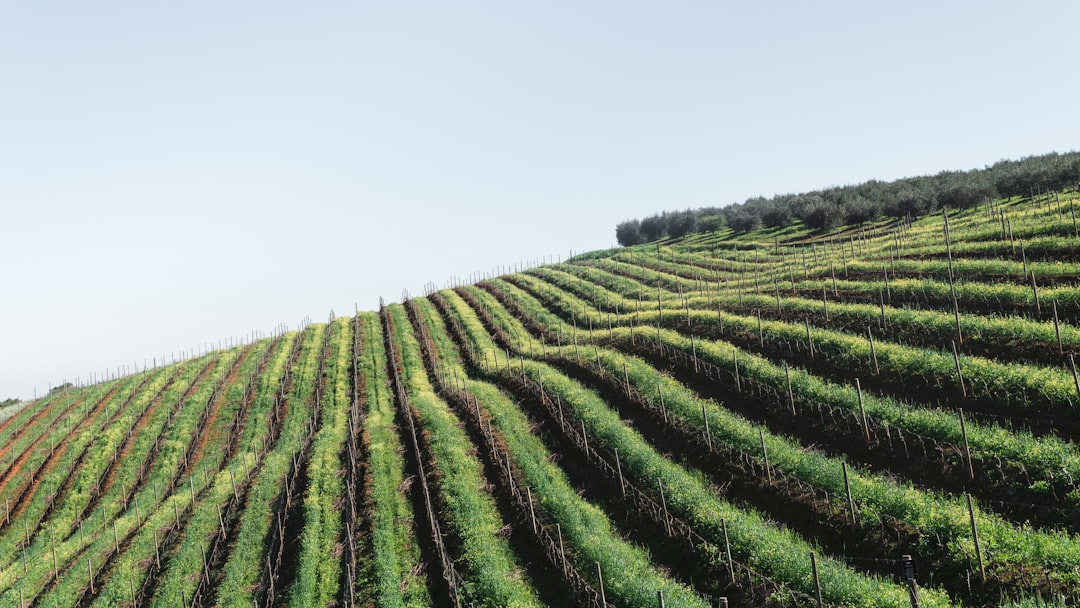
In the rolling hills of Georgia, winemakers have used clay vessels called qvevri for over 8,000 years. Ancient texts describe wines with flavors and effects that modern connoisseurs can’t quite place—some were said to glow at dusk or grant fleeting bursts of creativity. Chemical analysis of ancient Georgian wine jars reveals complex fermentation processes, but attempts to recreate these wines fall short. Was it the local grapes, the wild yeasts, or a vanished technique? The wines of ancient Georgia are a tantalizing puzzle, promising wonders that modern science still can’t fully decode.
The Sumerian Beer Riddle
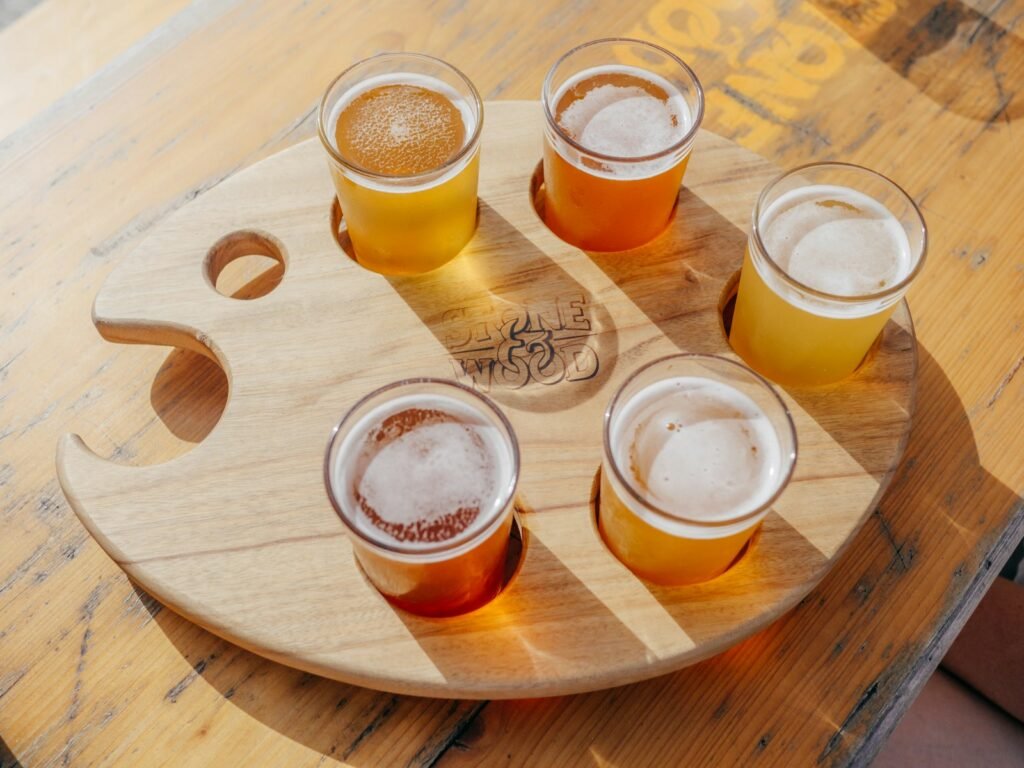
Beer is often called the world’s oldest alcoholic drink, but Sumerian beer was nothing like the lagers we know today. Brewed with bread, herbs, and possibly fruit, Sumerian beer was cloudy, thick, and sometimes consumed through a straw. Cuneiform tablets describe brews that produced “divine intoxication,” unlike anything modern beer offers. Scientists have tried to reconstruct these recipes, but the flavors and effects remain elusive. Perhaps the wild fermentation, ancient grains, or lost rituals are the missing ingredients. Sumerian beer keeps its secrets, lurking in the shadows of history.
Chinese Herbal Wines: Elixirs of Immortality
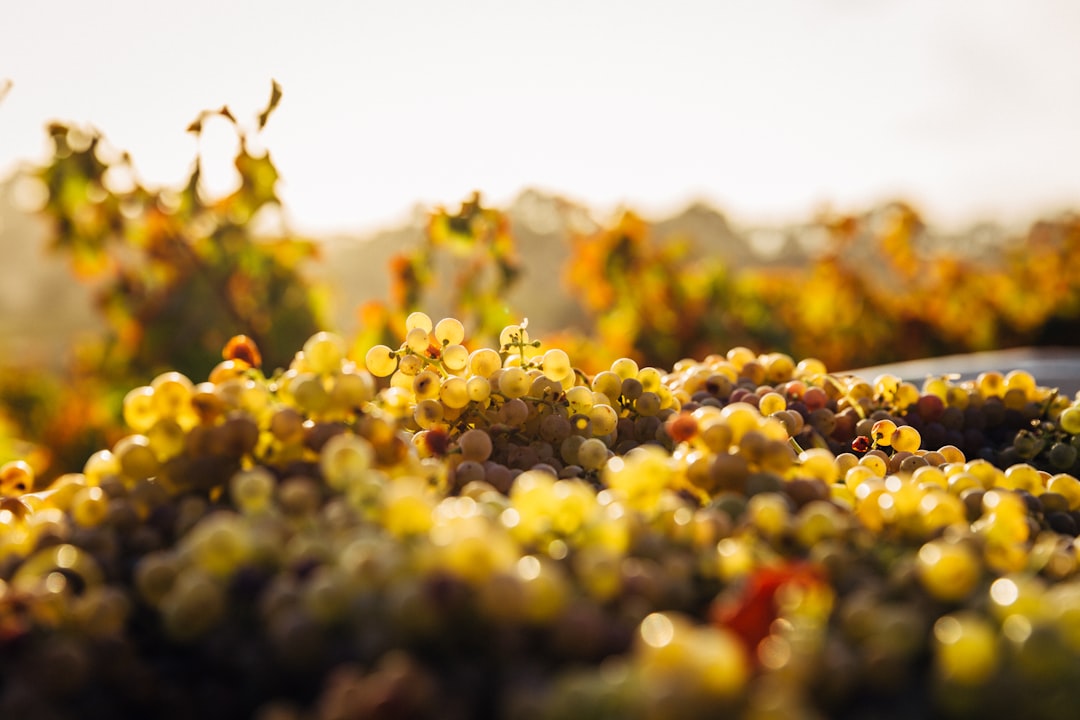
Ancient Chinese texts are filled with recipes for herbal wines promising health, longevity, and even immortality. Some ingredients, like ginseng or goji berries, are familiar. Others, like secret roots or mythical fungi, defy identification. Laboratory analysis often finds only mild medicinal effects, yet historical records speak of miraculous transformations and visions. Did ancient alchemists discover a synergy lost to time, or were the effects more psychological than chemical? The true power of these brews remains a tantalizing mystery, blending science, legend, and hope.
Persian Haoma: The Plant That Vanished
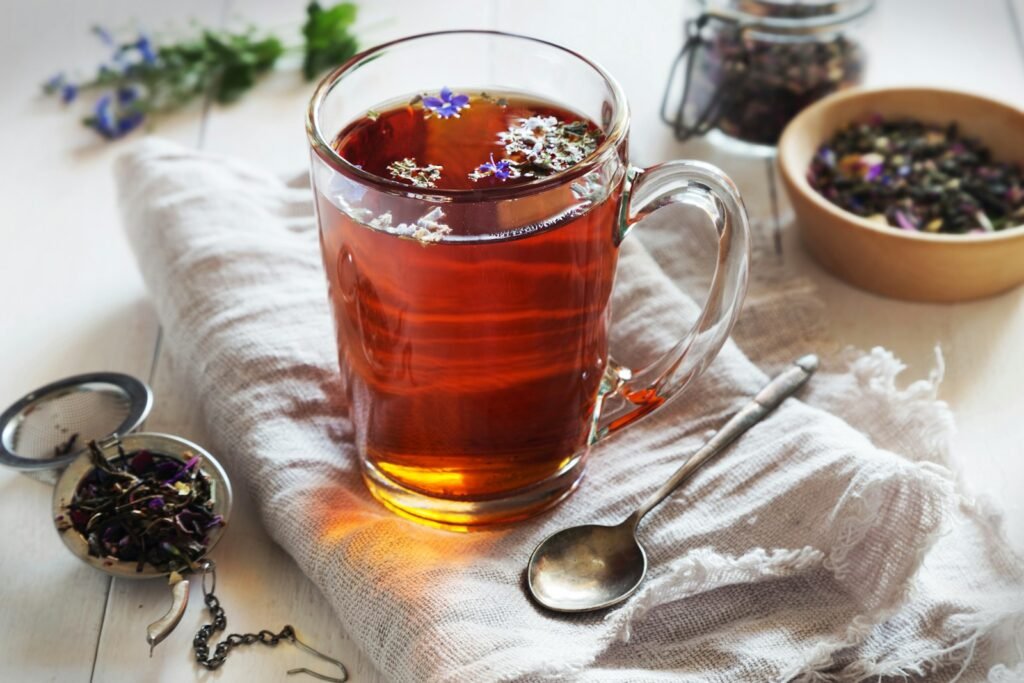
Haoma, a sacred drink of ancient Persia, was used in religious ceremonies to connect with the divine. Like soma, its recipe is lost, and the plant source remains unknown. Ancient priests described feelings of unity, strength, and prophetic insight after drinking haoma. Modern botanists have searched for clues in ancient texts and archaeological digs but have yet to find a plant that matches all the descriptions. Was haoma a rare species now extinct, or a combination of ingredients that altered the mind in ways we can’t reproduce? The enigma endures.
The Enchanted Hydromel of the Celts
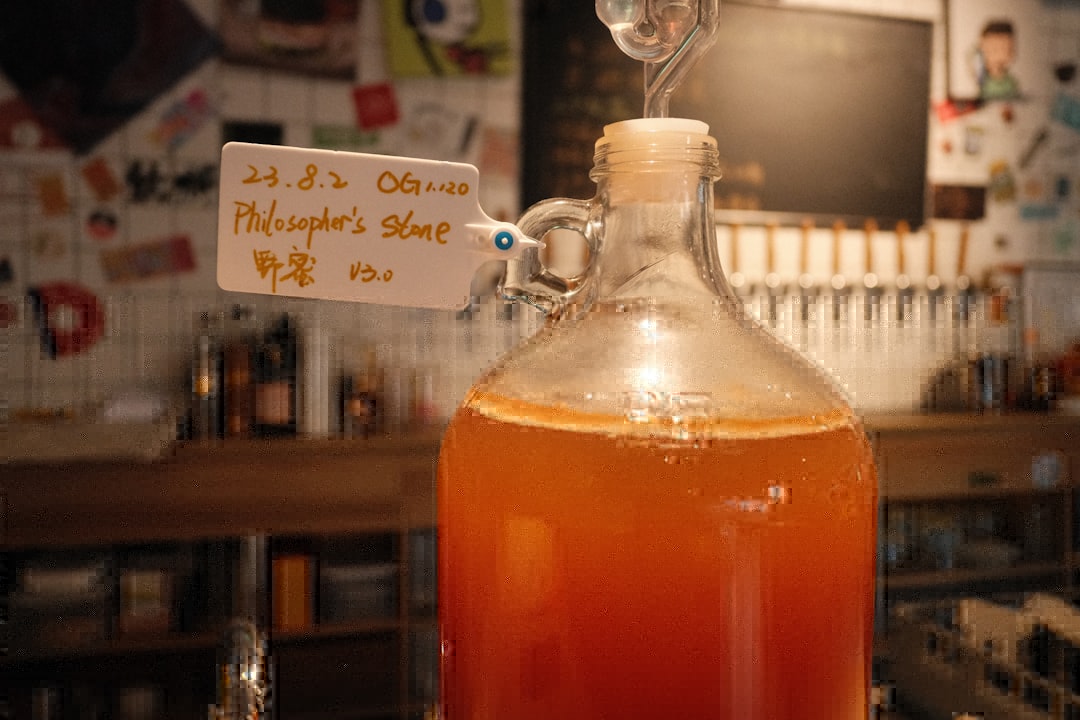
Hydromel, a honey-water brew similar to mead, held a special place in Celtic rituals. Legends say it opened the mind to the spirit world and inspired poets to greatness. Modern hydromel is simple to make, but the ancient versions were reputed to produce visions and mystical experiences. Some researchers wonder if wild herbs or fungi played a role, while others suspect fermentation methods lost to history. The true secret of Celtic hydromel is lost in the mists, a brew that teases the boundaries of science and myth.
Roman Mulsum: Sweetness Beyond Science
Mulsum, a Roman favorite, was a blend of wine and honey, sometimes infused with spices or medicinal herbs. Ancient sources describe mulsum as both invigorating and deeply relaxing, a drink that soothed the body and sharpened the mind. Modern recreations are delicious but lack the reputed effects. Could ancient honey have contained unique enzymes or wild yeasts? Was there an unknown ingredient that transformed the blend? The mystery of Roman mulsum lingers, a sweet puzzle for scientists and food historians alike.
The Spiced Mead of Ethiopia
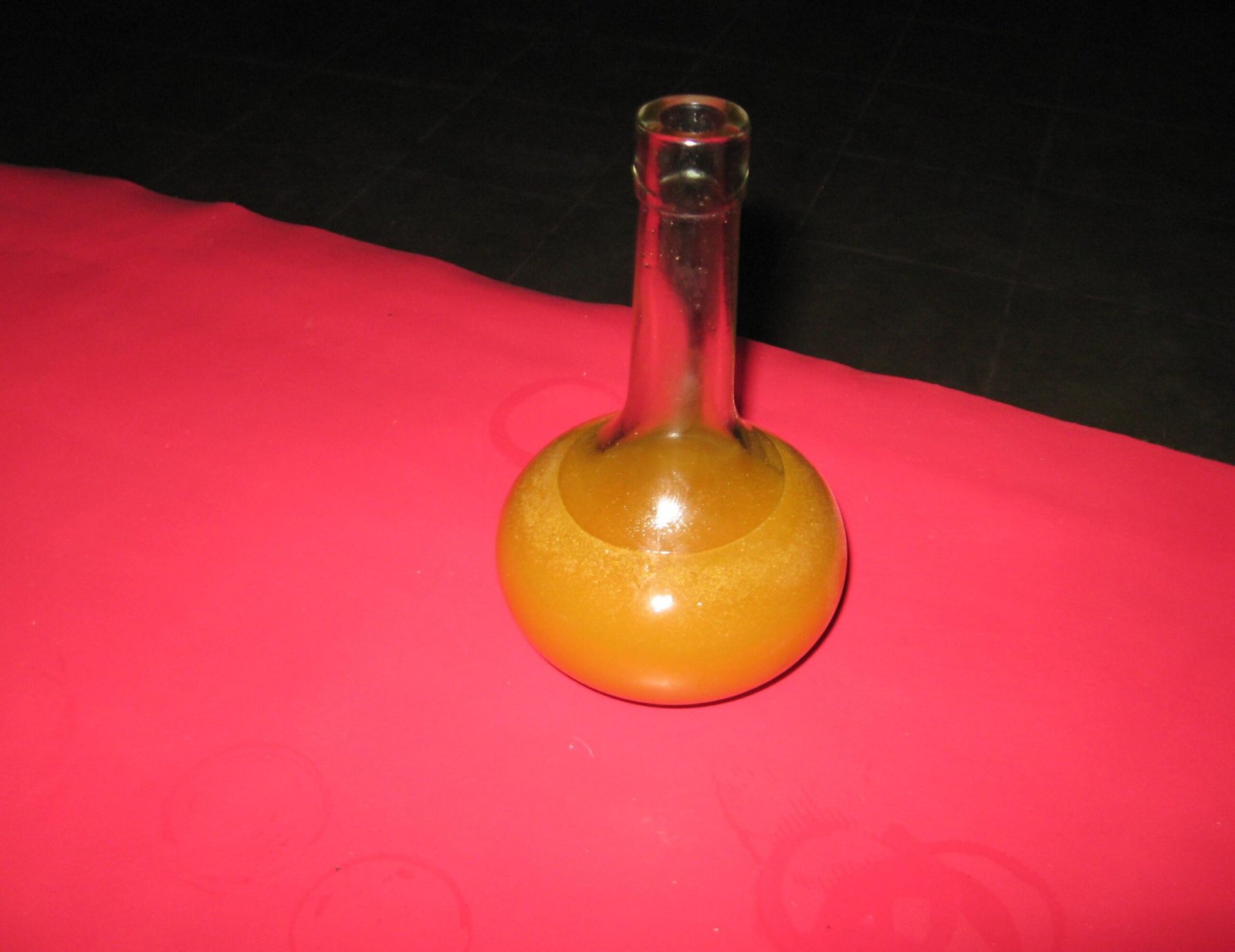
Tej, Ethiopia’s iconic honey wine, is flavored with the herb gesho, whose properties are still not fully understood. Ancient accounts describe tej as a drink of celebration and spiritual power, sometimes causing vivid dreams or sudden bursts of inspiration. Chemical analysis of gesho reveals antimicrobial compounds but nothing that explains these effects. Was the unique combination of local honey, wild yeasts, and gesho responsible for tej’s magic? Modern science hasn’t cracked the code, leaving tej’s ancient recipe cloaked in wonder.
The Alchemical Waters of Medieval Europe

Medieval alchemists brewed mysterious “aqua vitae”—water of life—using secret blends of herbs, grains, and sometimes precious metals. These early spirits were said to cure disease, prolong youth, and grant mystical insights. While some effects can be explained by alcohol content, many recipes claim results that defy scientific explanation. Did alchemists stumble upon rare chemical reactions, or was the power of belief at work? The cryptic recipes challenge modern scientists, their true potential hidden behind coded manuscripts and lost symbols.
Slavic Kvass: The Living Brew
Kvass, a lightly fermented drink popular in Eastern Europe, is made from rye bread, berries, or beets. Ancient Slavic texts describe kvass that healed the sick and strengthened warriors before battle. Its living cultures of bacteria and yeast shift in unpredictable ways, making every batch unique. Modern microbiologists are amazed by kvass’s complexity, but its legendary energizing and healing properties remain out of reach. Was it something in the air, the water, or the wild grains? Kvass’s secrets bubble just beneath the surface.
The Mysterious Ferment of Cahokian Maize Beer
In the ancient city of Cahokia, near present-day St. Louis, archaeologists found evidence of a maize-based beer consumed during festivals and ceremonies. The drink’s taste, color, and effects are largely unknown, as no written recipes survive. Chemical residues hint at unique fermentation techniques and possible additives from local flora. Attempts to recreate Cahokian beer have produced intriguing but unremarkable drinks, falling short of the awe described in oral traditions. What was the secret ingredient that made this brew so special? The answer remains buried with the city’s lost civilization.
The Sweet and Sour Riddle of Kumis
Kumis, a fermented mare’s milk beverage from Central Asia, is both nourishing and intoxicating. Ancient nomads credited kumis with health, vitality, and sometimes prophetic dreams. The fermentation process is complex, involving wild bacteria and yeasts that are tricky to replicate. Modern versions lack the wild, unpredictable edge described in old stories. Did environmental factors or lost microbial strains make ancient kumis unique? Scientists are still searching for the elusive microbes that turned simple milk into a legendary elixir.
The Shimmering Sake of the Samurai
Japanese sake, brewed from rice, water, and koji mold, was once believed to possess spiritual energy, especially when prepared for rituals. Samurai stories tell of sake that brought courage, clarity, and even mystical visions. Today’s sake is celebrated for its delicate flavors, but the effects described in ancient Japan remain unexplained. Was it the water from sacred springs, rare strains of koji, or a brewing process now forgotten? The shimmering magic of samurai sake continues to intrigue both historians and scientists.
The Enigma of Polynesian Kava
Kava, brewed from the roots of the Piper methysticum plant, is central to social and spiritual life across the South Pacific. Ancient accounts speak of kava that induced deep trances, visions, and even communication with ancestors. Modern science has isolated kavalactones, the compounds responsible for kava’s calming effects, but the full range of kava’s reported powers remains a mystery. Did ancient brewers use special strains, wild fermentation, or secret rituals? The enigma of kava’s ancient potency still challenges researchers seeking to unlock its secrets.
Summary
The world of ancient brews is a kaleidoscope of flavors, sensations, and mysteries that challenge even the brightest scientific minds today. Each drink tells a story—not just of ingredients and methods, but of culture, ritual, and human imagination. Whether it’s the mind-bending visions of soma, the sacred calm of kava, or the wild tang of chicha, these recipes connect us to a time when magic and science danced together in every cup. As researchers continue to chase the secrets locked inside these ancient potions, we’re reminded that some mysteries are worth savoring, one sip at a time. What forgotten flavors might still be hiding in the shadows, waiting for someone curious enough to taste the past?