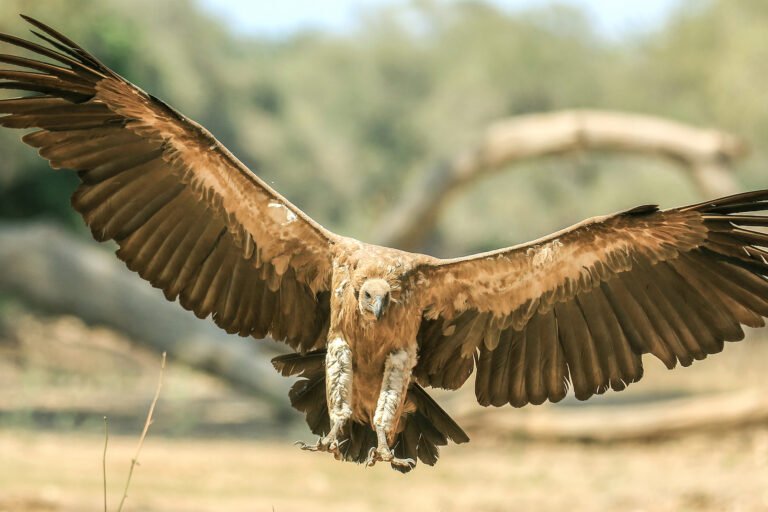
Vultures Anchor Africa’s Ecosystems (Image Credits: Imgs.mongabay.com)
Southern Africa – Conservationists confront formidable obstacles in shielding vultures, whose sweeping flights expose them to poisons and infrastructure sprawl across expansive terrains.[1][2]
Vultures Anchor Africa’s Ecosystems
These birds serve as nature’s essential scavengers, rapidly consuming carrion to curb disease spread and recycle nutrients into the soil. Without their efficiency, carcasses linger longer, fostering pathogen buildup that once triggered tens of thousands of human deaths in Asia during similar crises.[3]
Populations of African vultures plummeted by over 90 percent in three generations, placing nearly all 11 species on the brink of extinction. Three Gyps species – African white-backed, Cape, and Rüppell’s vultures – now carry critically endangered or vulnerable statuses, demanding urgent intervention.[2][4]
Threats That Span Landscapes
Poisoning accounts for up to 90 percent of vulture deaths, often from baits set by poachers to conceal kills or by farmers targeting predators. Superstitions drive further killings for body parts believed to bring luck, while accidental exposure comes from livestock drugs and pesticides.[4][1]
Power lines pose electrocution and collision risks, especially as electrification expands. Other dangers include lead ammunition in carcasses, drowning in reservoirs, and shrinking food from habitat loss. Immature birds, foraging farther, face heightened vulnerabilities outside protected zones.[5]
- Intentional poisoning via poacher baits
- Accidental intake from veterinary drugs
- Electrocution on unmitigated power poles
- Persecution rooted in cultural beliefs
- Reduced carrion from land-use changes
Defining Vulture Safe Zones
These designated areas eliminate key threats through poison bans, safe power infrastructure, and protected breeding sites. Certification follows rigorous audits under the Multi-species Action Plan for African-Eurasian Vultures, ensuring long-term management.[3][5]
Tswalu Kalahari Reserve earned Africa’s first VSZ status in 2019, fostering breeding among white-backed and lappet-faced vultures. In December 2025, Mokala National Park in South Africa’s Northern Cape became the first national park certified, spanning 27,500 hectares and safeguarding over 1,100 ringed white-backed vulture chicks since 2008. Endangered Wildlife Trust CEO Yolan Friedmann noted, “The certification is a further step in a working relationship between the Endangered Wildlife Trust and SANParks to conserve threatened species.”[3][4]
The Scale Challenge: Ranges Outpace Protections
Telemetry data from 163 tagged vultures across eight countries revealed home ranges rivaling the largest for non-migratory land species. Adult white-backed vultures roam 24,000 to 31,500 square kilometers, Cape vultures 36,000, and Rüppell’s up to 75,000, with immatures exceeding 100,000 and peaks near 300,000 square kilometers.[2][1]
Protected areas overlap these ranges by just 16 to 40 percent, proving insufficient against external poisons. Researcher Adam Kane emphasized, “Very large areas incorporating vultures’ home ranges must be protected from poison and other threats.” Southern Africa’s VSZ network now covers two million hectares via 350 farmers and 20 parks, yet expansion remains essential.[5]
| Species | Avg. Adult Range (km²) | Immature Max (km²) |
|---|---|---|
| White-backed | 24,000–31,500 | ~100,000 |
| Cape | 36,000 | Near 300,000 |
| Rüppell’s | 75,000 | 175,000+ |
Momentum Builds Amid Hurdles
Efforts like supplementary feeding during scarce seasons and cross-border telemetry guide priorities. Collaborations with utilities like Eskom mitigate infrastructure risks, while education combats poisoning. These steps stabilize local populations, paving recovery paths.[3]
Success hinges on scaling VSZs to match vultures’ wanderings, blending private lands with parks.
Key Takeaways
- VSZs slash mortality by targeting poisons and power lines in threat-free zones.
- Home ranges demand zones larger than most parks, up to 300,000 km².
- Recent certifications signal progress, but continent-wide networks are vital.
Vulture safe zones offer hope, but their success tests commitments across Africa’s boundless skies. How can communities contribute to these efforts? Tell us in the comments.