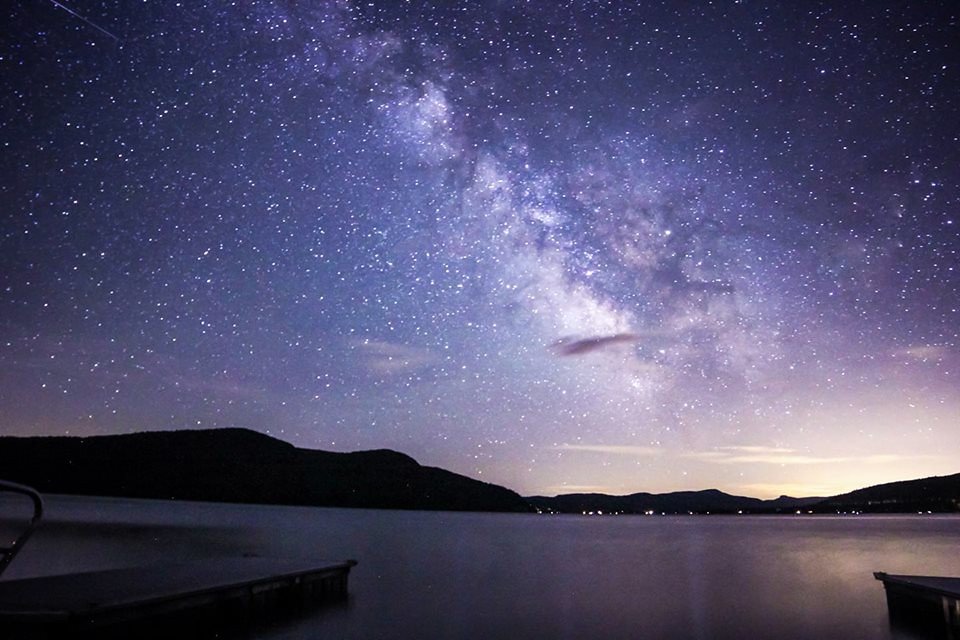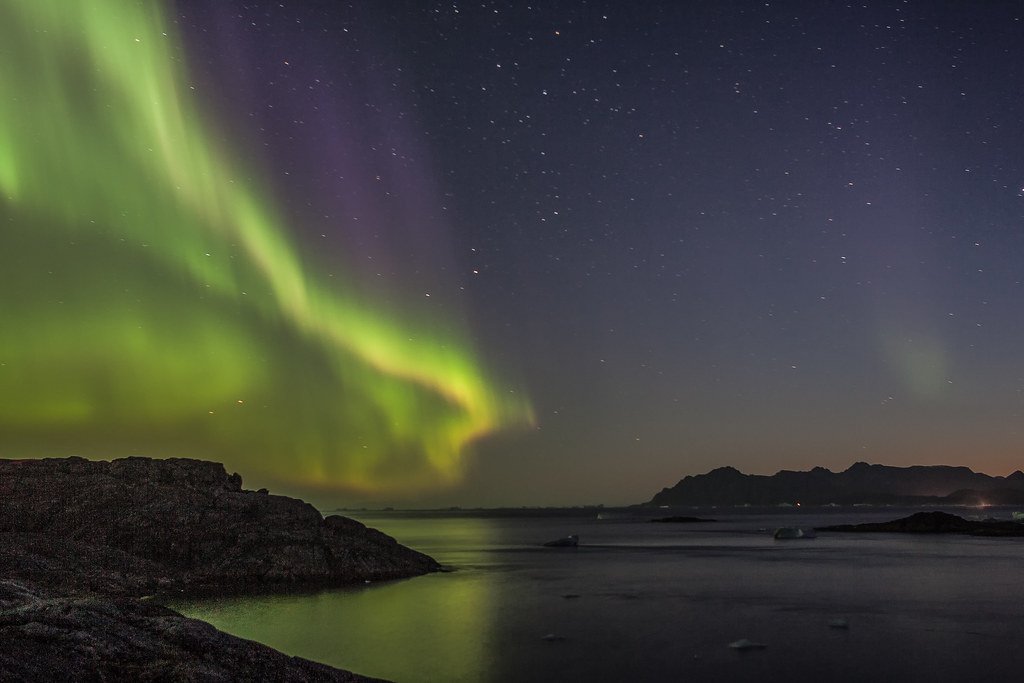

In the vast wilderness of Canada’s Yukon Territory, where ancient glaciers carved endless valleys and towering peaks scrape the belly of heaven itself, something magical happens when darkness falls. Here, beneath the dance of the aurora borealis, black bears roam through landscapes that seem pulled straight from a fairy tale. This isn’t just another wildlife destination – it’s a place where two of nature’s most spectacular phenomena converge in ways that will leave you questioning everything you thought you knew about the natural world.
When Aurora Meets Fur: Nature’s Ultimate Light Show

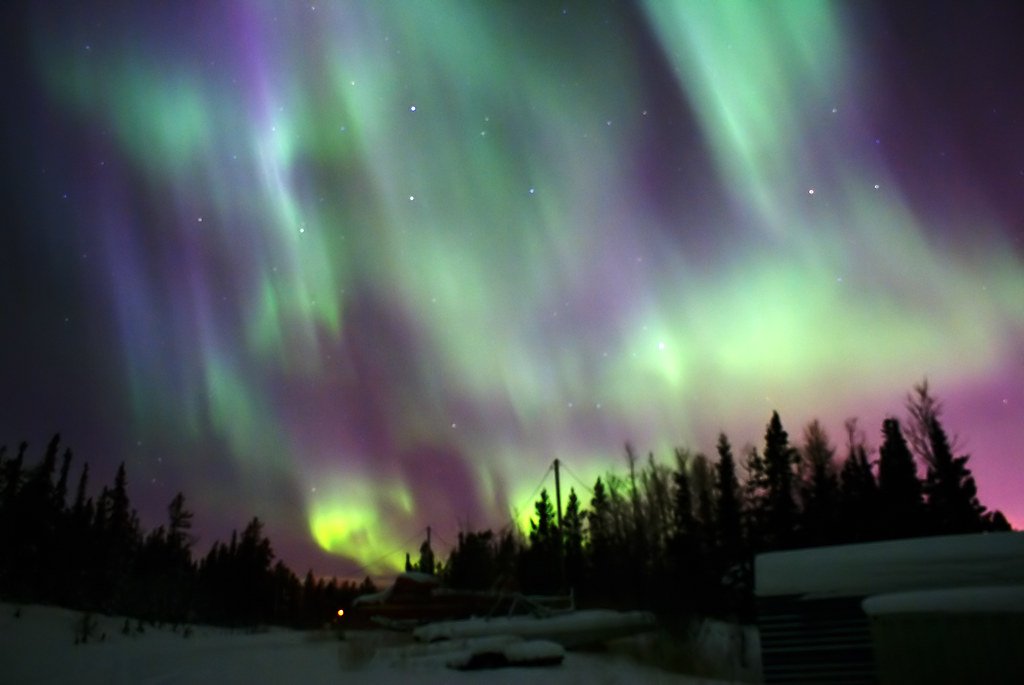
Imagine standing in complete silence while ribbons of green and purple light shimmer across the star-studded sky, and somewhere in the darkness, you hear the soft padding of massive paws on forest floor. The Yukon’s black bear population has adapted to life under one of Earth’s most dramatic celestial displays, creating interactions between wildlife and atmospheric phenomena that scientists are only beginning to understand. These bears have developed unique behavioral patterns that seem almost choreographed with the northern lights themselves. During peak aurora season, which runs from late August through early April, black bears adjust their nocturnal activities in fascinating ways. Some researchers believe the electromagnetic activity that creates the lights may actually influence bear behavior patterns. It’s like watching nature’s own symphony, where every creature plays their part under the cosmic conductor’s baton.
The Yukon’s Black Bear Population: Masters of the Northern Frontier

The Yukon Territory hosts one of North America’s most robust black bear populations, with an estimated 10,000 to 12,000 individuals roaming across 482,443 square kilometers of wilderness. These aren’t your average forest dwellers – they’re evolutionary masterpieces adapted to extreme northern conditions that would challenge even the hardiest wildlife. Yukon black bears grow significantly larger than their southern cousins, with adult males averaging 180-200 kilograms and some specimens reaching an impressive 250 kilograms. Their dense, almost luxurious coats help them survive temperatures that plummet to -40°C during winter months. What makes them truly special is their remarkable intelligence and adaptability, traits that have allowed them to thrive in one of the planet’s most demanding environments for thousands of years.
Aurora Borealis: The Science Behind Yukon’s Celestial Theater
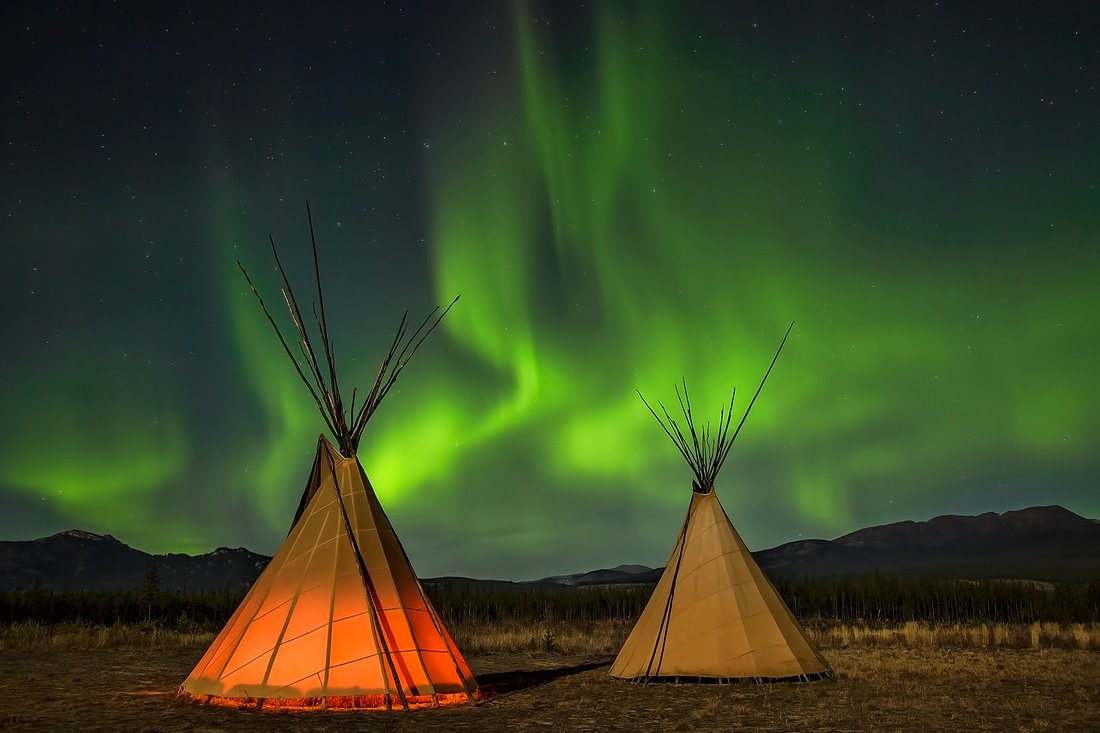
The northern lights that paint Yukon’s skies aren’t just pretty colors – they’re the result of a cosmic collision between solar particles and Earth’s magnetic field that creates one of nature’s most stunning displays. When charged particles from the sun crash into our planet’s magnetosphere at speeds exceeding 1,000 kilometers per second, they interact with gases in the upper atmosphere to produce those mesmerizing curtains of light. Oxygen atoms create the famous green glow at altitudes of 100-300 kilometers, while rare red auroras occur when oxygen gets excited at even higher elevations. The Yukon’s position at approximately 64°N latitude places it squarely in the auroral oval, making it one of the world’s premier viewing locations. During solar maximum periods, the lights can be so intense they actually cast shadows on the snow-covered landscape, creating an otherworldly environment where reality seems suspended.
Seasonal Rhythms: How Bears Navigate Long Northern Nights

Living at such northern latitudes means Yukon’s black bears experience some of the most extreme seasonal variations on Earth, with summer days stretching nearly 24 hours and winter bringing weeks of perpetual twilight. During the peak of summer, when the sun barely sets, bears maximize their foraging time to build the fat reserves crucial for surviving the harsh winter ahead. As autumn approaches and aurora season begins, these intelligent animals seem to sense the changing electromagnetic conditions that herald the lights’ return. Their circadian rhythms, already adapted to extreme seasonal light variations, may be further influenced by the geomagnetic activity that creates the northern lights. This creates a unique behavioral pattern where bears appear more active during periods of high aurora activity, almost as if they’re energized by the cosmic light show above them.
Hibernation Under the Aurora: A Winter Wonderland Transformation

When winter’s grip tightens on the Yukon and temperatures drop to bone-chilling lows, black bears enter their dens for a hibernation period that can last up to seven months. But here’s where things get fascinating – their winter dens often become viewing points for some of the most spectacular aurora displays of the year. The bears’ reduced metabolic state during hibernation coincides perfectly with peak northern lights season, when clear, cold nights create ideal conditions for aurora viewing. Some dens, located on elevated ridges or south-facing slopes, offer unobstructed views of the northern sky where the lights perform their nightly dance. While the bears sleep deeply below, the electromagnetic storms that create the aurora continue to pulse through the earth and atmosphere around them. It’s nature’s own version of sleeping under a cosmic nightlight, though the bears remain blissfully unaware of the spectacular show happening just outside their cozy winter quarters.
Bear Behavior During Aurora Peak Season
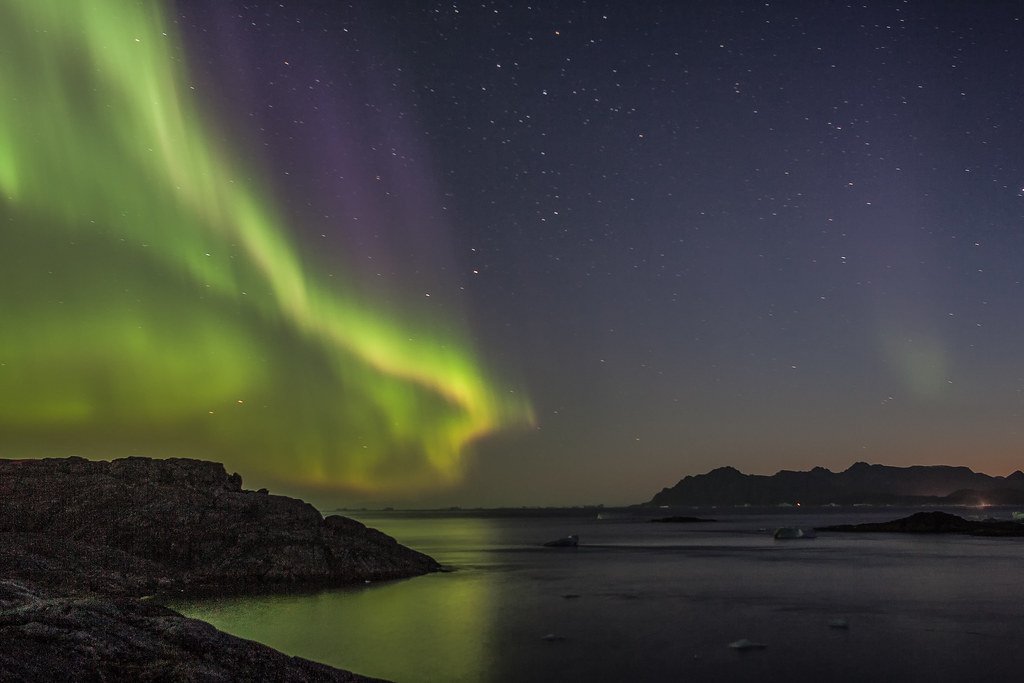
Wildlife researchers have documented intriguing behavioral changes in Yukon’s black bear population during periods of intense aurora activity, suggesting these animals may be more sensitive to geomagnetic fluctuations than previously understood. During nights when the northern lights blaze across the sky with unusual intensity, bears often exhibit increased restlessness and altered movement patterns. Some individuals have been observed standing on their hind legs for extended periods, as if trying to get a better view of the light display above – though scientists debate whether this is coincidental or represents genuine awareness of the phenomenon. Camera traps positioned throughout traditional bear habitat have captured footage of bears being more active during peak aurora nights compared to periods when the lights are absent. This correlation between geomagnetic activity and bear behavior opens up entirely new questions about how wildlife perceives and responds to electromagnetic phenomena that humans can only see as beautiful lights dancing across the sky.
The Electromagnetic Connection: How Geomagnetic Activity Affects Wildlife
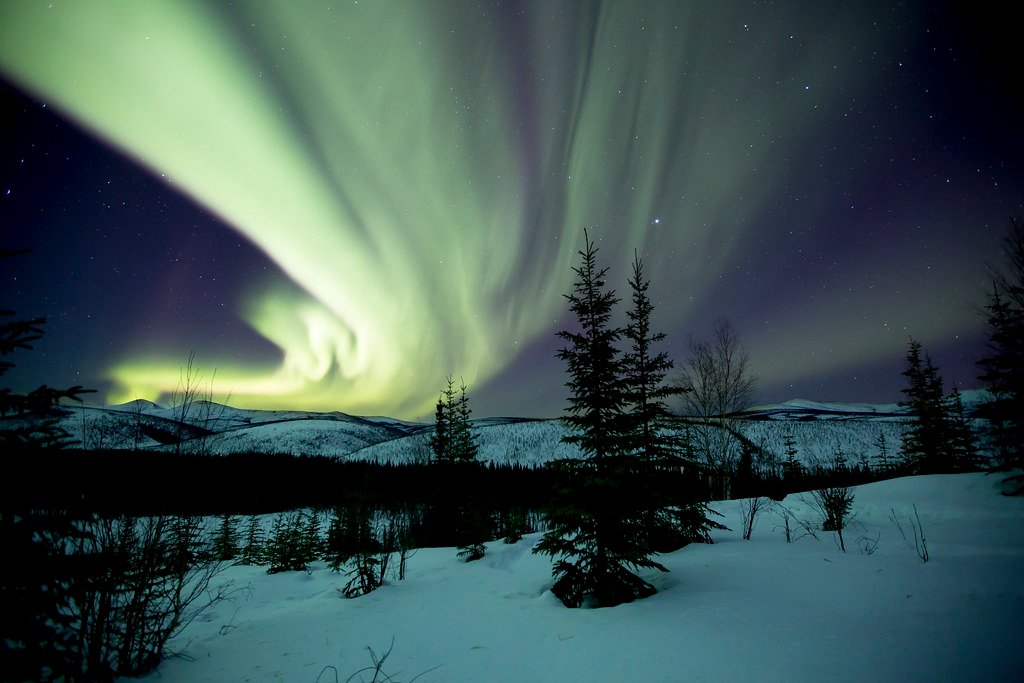
Recent scientific research has begun to uncover surprising connections between geomagnetic storms that create the northern lights and wildlife behavior patterns, with implications that extend far beyond what we can observe with the naked eye. Many animals, including bears, possess magnetoreceptors – specialized cells that can detect changes in Earth’s magnetic field, which they use for navigation and possibly other sensory functions. During periods of intense aurora activity, when geomagnetic storms are at their peak, these magnetic field fluctuations become significantly more pronounced and chaotic. Some researchers theorize that bears and other large mammals may actually feel these electromagnetic disturbances in ways humans cannot, potentially experiencing them as a form of sensory input we don’t fully comprehend. This could explain the increased activity levels and behavioral changes observed in wildlife during major aurora events, suggesting that what we see as a beautiful light show may be perceived by animals as something entirely different – perhaps even as a form of natural communication or environmental signal.
Photography Challenges: Capturing Bears Under the Northern Lights

Photographing black bears under the aurora borealis represents one of wildlife photography’s ultimate challenges, requiring technical expertise, patience, and more than a little luck to capture the perfect shot. The technical difficulties are staggering – you need fast lenses capable of gathering light in near-total darkness, cameras that can handle extreme cold without battery failure, and the ability to focus on moving subjects while brilliant lights dance unpredictably overhead. Professional wildlife photographers often spend weeks in the field waiting for the perfect alignment of clear skies, active auroras, and cooperative bears. The contrast between the bears’ dark fur and the bright aurora creates exposure challenges that push camera equipment to its absolute limits. Even when everything aligns perfectly, the resulting images often look almost too fantastical to be real, like something created by digital artists rather than captured in nature. Yet for those persistent enough to master these challenges, the rewards include some of the most breathtaking wildlife photographs ever captured.
Indigenous Perspectives: Traditional Knowledge of Bears and Sky Spirits

For thousands of years, the indigenous peoples of the Yukon have observed the intricate relationships between wildlife and the northern lights, developing rich traditions and stories that recognize connections between earthbound creatures and celestial phenomena. The Gwich’in, Champagne and Aishihik First Nations, and other indigenous groups have long understood that the aurora – which they often call “sky spirits” or “dancing ancestors” – influences the behavior of animals in ways that western science is only beginning to acknowledge. Traditional knowledge keepers speak of bears that become more restless during strong aurora displays, and hunting practices that take into account the relationship between geomagnetic activity and animal behavior. These oral traditions, passed down through generations, contain observations about wildlife behavior that complement and often anticipate modern scientific discoveries. The indigenous understanding of these connections runs much deeper than simple observation – it recognizes the northern lights and bear behavior as part of an interconnected web of natural relationships that encompasses everything from weather patterns to spiritual beliefs.
Conservation Efforts: Protecting the Aurora Bear Habitat
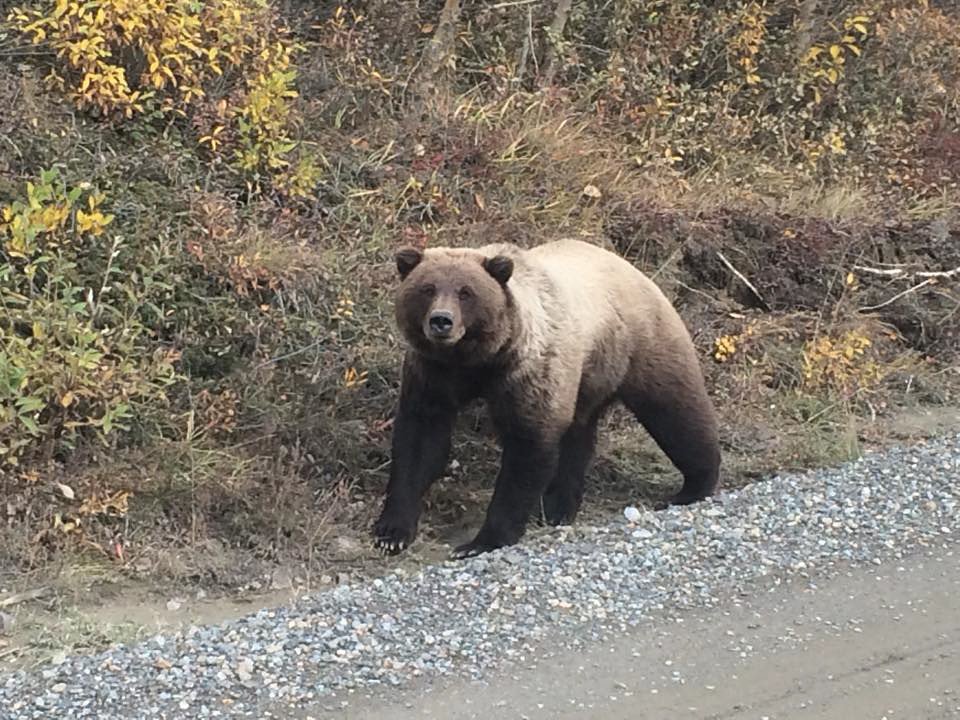
Protecting the unique ecosystem where black bears and northern lights coexist requires conservation strategies that consider both terrestrial wildlife needs and the preservation of dark skies necessary for aurora viewing. The Yukon government has established several protected areas that specifically recognize the importance of maintaining wilderness corridors where bears can roam freely while preserving the pristine conditions necessary for optimal aurora viewing. Light pollution, even from small communities, can significantly diminish both aurora visibility and wildlife behavior patterns, making dark sky preservation a critical component of bear habitat conservation. Climate change poses additional challenges, as warming temperatures alter traditional denning sites and food sources while potentially affecting the atmospheric conditions that create the most spectacular aurora displays. Conservation efforts must now consider the complex relationships between electromagnetic phenomena, wildlife behavior, and ecosystem health – a challenge that requires collaboration between traditional knowledge holders, scientists, and conservation organizations. The goal is ensuring future generations can witness the same magical encounters between bears and northern lights that make the Yukon such an extraordinary place.
Best Viewing Locations: Where Bears and Lights Converge
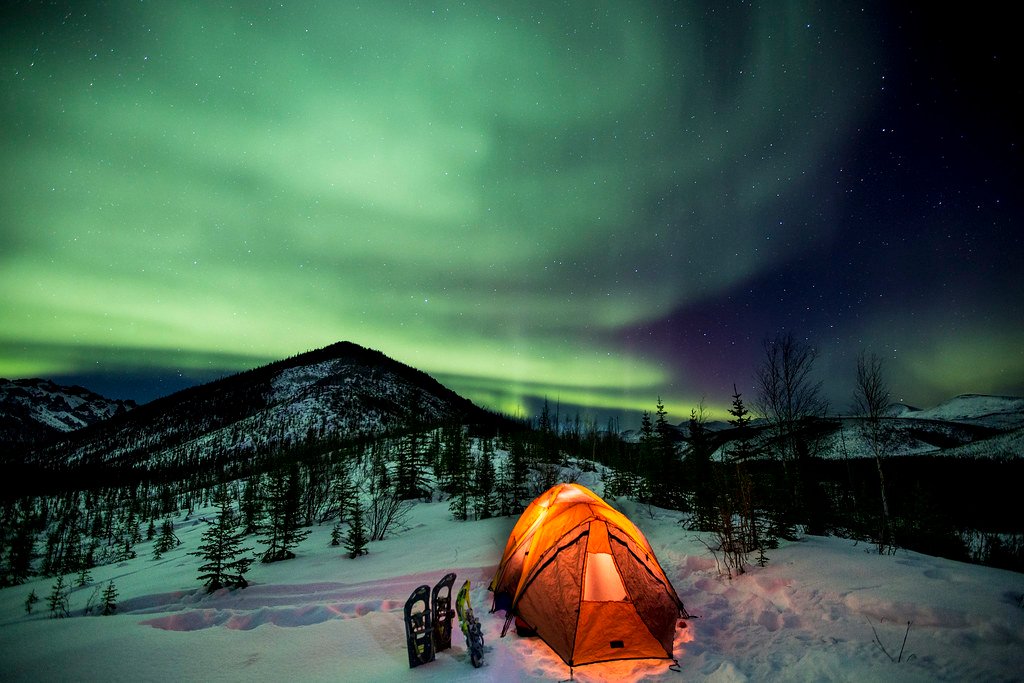
Several locations throughout the Yukon offer exceptional opportunities to observe both black bears and northern lights, though timing and conditions must align perfectly for the ultimate experience of seeing both simultaneously. The Tombstone Territorial Park, located along the Dempster Highway, provides some of the best aurora viewing in North America while supporting healthy bear populations in its valleys and alpine areas. Ivvavik National Park offers pristine wilderness where bears roam freely under some of the darkest skies on the continent, though its remote location requires serious planning and preparation to reach. The areas around Dawson City and Whitehorse provide more accessible viewing opportunities, with established aurora viewing tours that occasionally encounter bears during their nocturnal expeditions. For the most dedicated enthusiasts, fly-in wilderness lodges offer the chance to spend extended periods in prime bear habitat during peak aurora season. The key is finding locations that combine three essential elements: healthy bear populations, minimal light pollution, and clear sight lines to the northern horizon where the aurora typically appears most dramatically.
Climate Change Impacts: A Shifting Northern Ecosystem
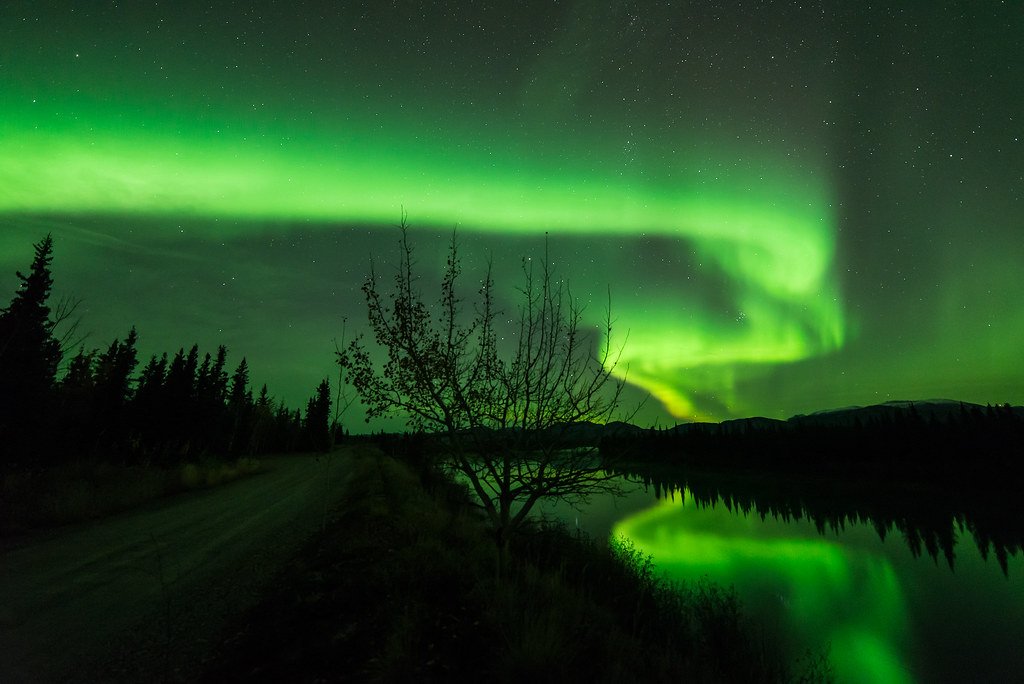
Rising temperatures in the Arctic are fundamentally altering the delicate balance between black bear populations and the atmospheric conditions that create spectacular northern light displays, with consequences that ripple throughout the entire northern ecosystem. Warmer winters are causing bears to emerge from hibernation earlier, potentially disrupting the traditional timing that allowed them to avoid the harshest winter conditions while the aurora season peaks. Changes in precipitation patterns affect berry production and other food sources that bears depend on for building fat reserves before hibernation, while shifting weather patterns can increase cloud cover during traditional aurora viewing seasons. The permafrost that underlies much of the Yukon is beginning to thaw, altering drainage patterns and forest composition in ways that affect both bear habitat and the local atmospheric conditions that influence aurora intensity. Perhaps most significantly, changes in solar activity cycles and Earth’s magnetic field interactions may be altering the frequency and intensity of northern light displays themselves. These interconnected changes create a complex web of environmental shifts that scientists are still working to understand, but early indicators suggest the magical relationship between bears and northern lights may face unprecedented challenges in the coming decades.
Research and Scientific Studies: Unlocking Nature’s Mysteries

Cutting-edge research programs in the Yukon are employing sophisticated technology to study the previously unknown connections between geomagnetic activity and black bear behavior, revealing insights that challenge traditional understanding of wildlife ecology. Scientists are using GPS collars equipped with activity sensors to track bear movements in real-time while simultaneously monitoring aurora intensity and geomagnetic field fluctuations. Initial data suggests correlations between high geomagnetic activity and increased bear movement patterns that go beyond simple coincidence. Researchers are also investigating whether bears’ magnetic navigation abilities are disrupted during intense aurora events, potentially explaining observed changes in their movement patterns during geomagnetic storms. Sleep pattern studies using implanted sensors have revealed that bears in hibernation show subtle changes in their rest cycles during major aurora events, even though they remain in deep hibernation. These groundbreaking studies are opening entirely new fields of research into how electromagnetic phenomena influence wildlife behavior, with implications that extend far beyond the relationship between bears and northern lights. The research is still in its early stages, but preliminary findings suggest the connections between cosmic events and terrestrial wildlife behavior are far more complex and significant than anyone previously imagined.
Tourism and Eco-Adventures: Witnessing the Magic Responsibly

The growing popularity of aurora tourism in the Yukon has created unique opportunities for visitors to potentially witness bears and northern lights together, but this increased interest requires careful management to protect both wildlife and the pristine environments that make such experiences possible. Specialized tour operators now offer multi-day expeditions that combine bear viewing opportunities with prime aurora photography locations, though these tours require extensive planning and strict safety protocols. The unpredictable nature of both wildlife encounters and aurora activity means visitors must be prepared for the possibility that they might see spectacular northern lights but no bears, amazing bear behavior but cloudy skies, or in rare, magical moments, both phenomena together in perfect harmony. Responsible tourism practices include maintaining safe distances from bears, using red-filtered lights that don’t interfere with night vision or aurora photography, and following Leave No Trace principles that preserve the wilderness character essential to both bear habitat and optimal aurora viewing conditions. The challenge for tour operators and visitors alike is balancing the desire to witness these incredible natural phenomena with the need to minimize human impact on the delicate ecosystems that make such experiences possible. When done responsibly, aurora and bear viewing can create profound connections between visitors and the natural world while supporting conservation efforts and local communities.
Survival Adaptations: How Bears Thrive in Aurora Country
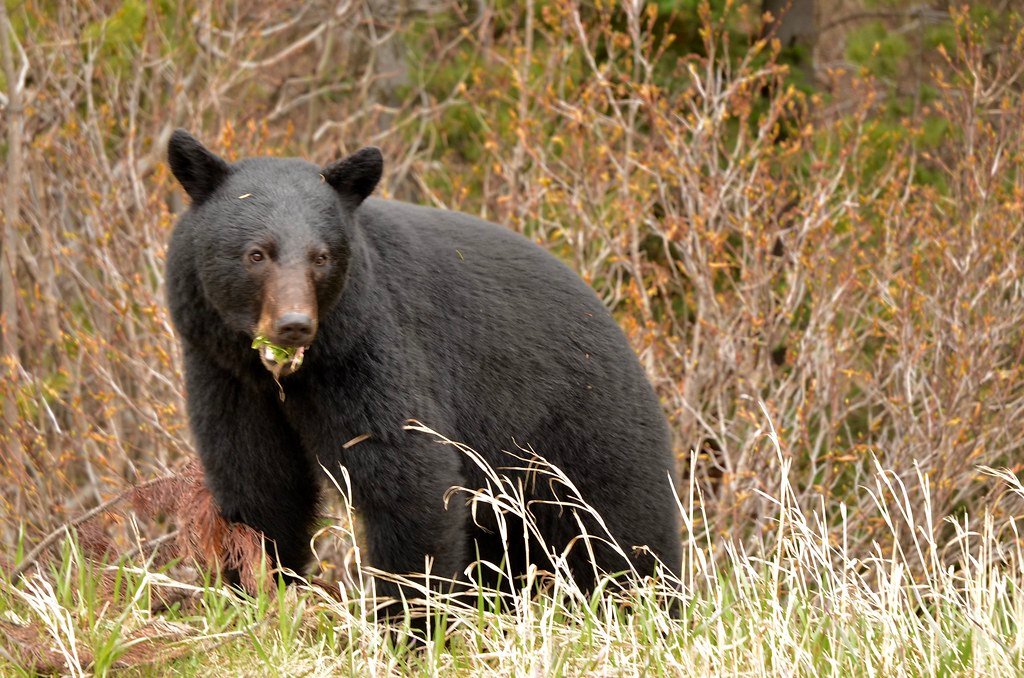
Black bears in the Yukon have evolved remarkable physiological and behavioral adaptations that allow them to not only survive but thrive in the extreme conditions where northern lights regularly illuminate the sky. Their incredibly dense fur coat, which can contain up to 100,000 hairs per square inch, provides insulation that allows them to remain active at temperatures that would quickly kill humans. During the long winter months when aurora activity peaks, these bears enter a state of torpor that’s more complex than simple hibernation – their body temperature drops only slightly, allowing them to remain semi-alert to environmental changes while conserving energy. Their enhanced night vision, approximately seven times better than human vision, means they can navigate effectively even during the darkest winter months when aurora light provides the only illumination. Perhaps most remarkably, Yukon black bears have developed an internal compass system that may actually be sensitive to the geomagnetic fluctuations that create the northern lights, giving them navigation abilities that function even when traditional landmarks are obscured by snow and darkness. These adaptations represent thousands of years of evolutionary fine-tuning to life in one of Earth’s most challenging environments.
The Food Chain Under Northern Lights: Ecosystem Dynamics

The ecosystem that supports both black bears and optimal aurora viewing represents a complex web of relationships where every species plays a crucial role in maintaining the delicate balance that makes this northern wilderness so extraordinary. Bears serve as apex predators and seed dispersers, their movements through the landscape helping to maintain forest diversity while their feeding habits influence everything from berry patch locations to salmon run dynamics. The pristine air quality necessary for clear aurora viewing also supports healthy populations of the insects, small mammals, and fish that form the base of the food web bears depend on. During berry season, which often coincides with early aurora activity, bears can consume up to 20,000 berries per day, spreading seeds across vast territories and helping maintain the plant diversity that supports countless other species. The absence of significant light pollution that makes aurora viewing so spectacular also means nocturnal animals can maintain their natural behavior patterns without the disruption common in more developed areas. This creates a self-reinforcing system where the conditions that make aurora viewing optimal also support the healthy ecosystems that sustain robust bear populations, demonstrating how conservation efforts that protect one aspect of this environment benefit the entire interconnected web of life.
Myths and Folklore: Cultural Stories of Bears and Sky Lights

Throughout human history, the combination of bears and northern lights has inspired some of the most compelling myths and folklore stories from cultures around the Arctic Circle, reflecting the deep spiritual significance these phenomena hold for people who live under the aurora. Many indigenous cultures tell stories of great bear spirits that dance across the sky, their fur creating the shimmering lights that we see as the aurora borealis. Norse mythology describes the bridge Bifrost, often associated with the northern lights, as a pathway that bears and other powerful spirits use to travel between the earthly and divine realms. Inuit legends speak of bears that transform into lights in the sky, continuing to protect their cubs and territories from their celestial home. These stories often contain sophisticated observations about bear behavior and aurora patterns that demonstrate generations of careful attention to the relationships between these phenomena. Modern folklore has evolved to include tales of photographers and researchers who claim bears become more active and almost playful during intense aurora displays, as if they’re responding to some form of cosmic music only they can hear. Whether rooted in ancient wisdom or contemporary observation, these stories reflect humanity’s enduring fascination with the mysterious connections between earthbound creatures and celestial wonders.
Future Research Directions: Expanding Our Understanding
The frontier of research into relationships between geomagnetic phenomena and wildlife behavior is expanding rapidly, with new technologies and methodologies opening possibilities for discoveries that could revolutionize our understanding of how cosmic events influence life on Earth. Advanced satellite monitoring systems are being developed to track both aurora activity and wildlife movements with unprecedented precision, potentially revealing patterns that have never been detected before. Genetic research is beginning to explore whether animals living in high-aurora regions have evolved specific adaptations to geomagnetic sensitivity that differ from their southern relatives. Scientists are investigating whether the electromagnetic fields generated during aurora events might actually influence hibernation patterns, mating behaviors, or migration timing in ways that could have significant ecological implications. Emerging research into animal magnetoreception is revealing that many species possess sensory capabilities we’re only beginning to understand, suggesting that bears and other wildlife might experience aurora events in ways completely foreign to human perception. International collaboration between researchers in Alaska, northern Canada, Scandinavia, and Siberia is creating comprehensive datasets that could reveal global patterns in how arctic wildlife responds to geomagnetic activity. These research directions promise to uncover connections between space weather and terrestrial biology that could fundamentally change how we understand the relationships between cosmic phenomena and life on Earth.
Conservation Success Stories: Protecting Northern Wilderness

Several remarkable conservation success stories in the Yukon demonstrate how protecting habitat for bears and preserving conditions for aurora viewing can work together to create thriving ecosystems that benefit multiple species and interests. The establishment of Tombstone Territorial Park created a protected area that now supports healthy bear populations while offering some of North America’s best aurora viewing opportunities. Collaborative efforts between indigenous communities, government agencies, and conservation organizations have resulted in habitat corridors that allow bears to move freely between protected areas while maintaining the dark skies essential for both aurora viewing and natural wildlife behavior patterns. Recovery programs for salmon runs have improved food availability for bears while simultaneously reducing the need for artificial lighting that can interfere with aurora visibility. Community-based conservation initiatives have engaged local residents in monitoring both bear populations and aurora activity, creating citizen science programs that contribute valuable data while building support for continued protection efforts. International cooperation between Canada and the United States has led to the creation of transboundary protected areas that recognize the need for large-scale conservation efforts to protect species that don’t respect political boundaries. These success stories demonstrate that with proper planning and commitment, it’s possible to protect the unique conditions that allow both bears and northern lights to thrive in their northern sanctuary.
The intersection of black bears and northern lights in Canada’s Yukon Territory represents one of nature’s most extraordinary convergences, where cosmic phenomena and terrestrial wildlife create experiences that challenge our understanding of the natural world. From the electromagnetic connections that may influence bear behavior to the conservation efforts protecting this unique ecosystem, every aspect of this relationship reveals new layers of complexity and wonder. The indigenous wisdom that has long recognized these connections, combined with cutting-edge scientific research, is revealing truths about our planet that seemed like fantasy just decades ago. As climate change and human development continue to pressure northern ecosystems, the importance of preserving these magical places becomes ever more critical. What secrets might we still discover about the relationship between Earth’s creatures and the cosmos dancing overhead?