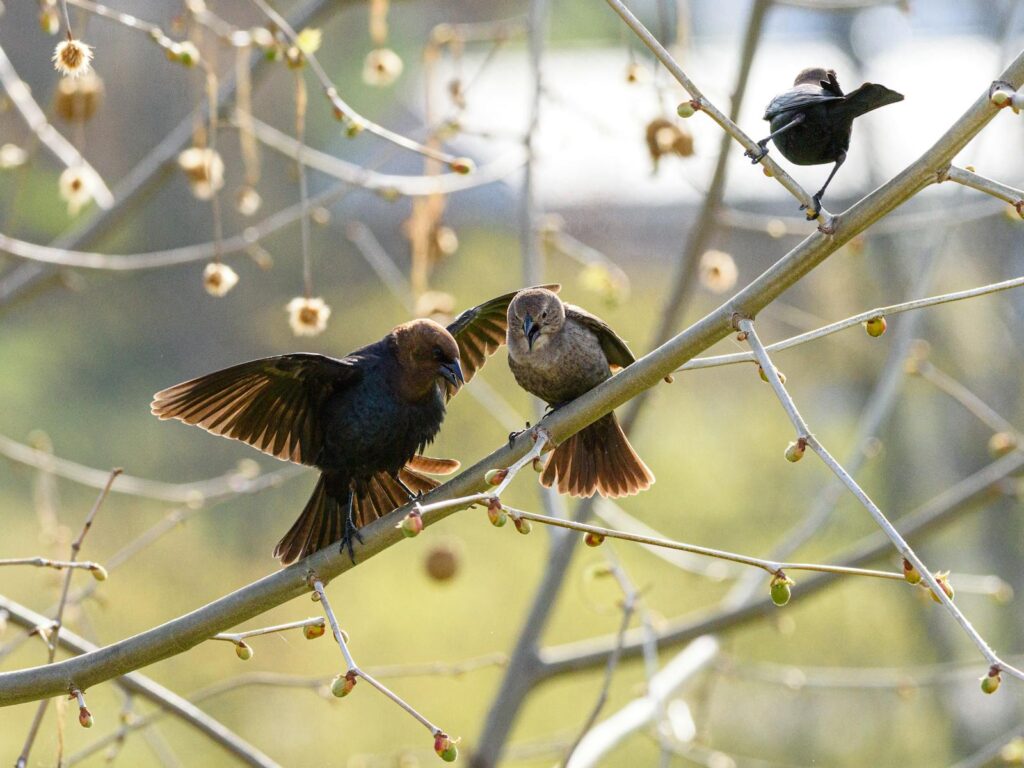
In the high-stakes battle against respiratory infections from avian flu to COVID-19 scientists have uncovered an unlikely ally: birds. A groundbreaking study published in Philosophical Transactions of the Royal Society B reveals that avian lungs harbor ancient immune proteins that could revolutionize how we combat deadly respiratory diseases in humans.
Led by Professor Sandra Orgeig (University of South Australia) and Dr. Albert van Dijk (Utrecht University), the research identifies two key proteins Collection-10 (CL-10) and Collectin-11 (CL-11) that birds use to fend off pathogens. These proteins appear to compensate for the evolutionary loss of Surfactant Protein-D (SP-D), a critical immune component in mammals.
“Birds have a completely different lung structure than humans, rigid, unidirectional, and optimized for flight yet they resist infections remarkably well,” says Orgeig. “Their secret lies in these ancient defense molecules.”
The Missing Link: Why Birds Lack SP-D And How They Compensate
The Evolutionary Trade-Off
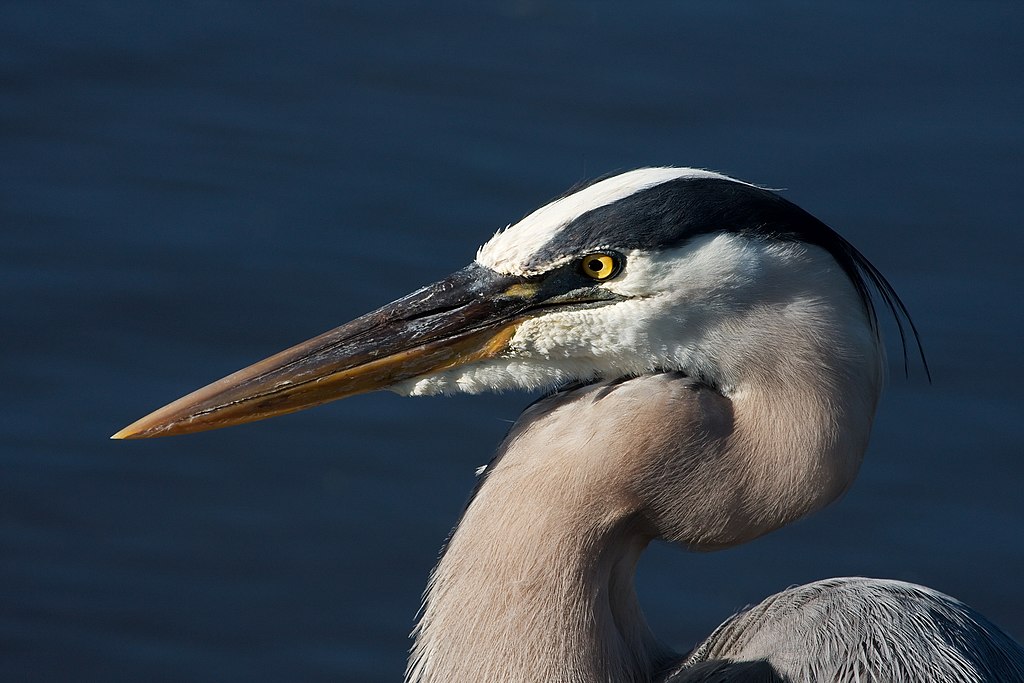
Unlike mammals, whose lungs expand and contract, birds use a fixed, flow-through respiratory system to provide the oxygen requirements of flight. This special anatomy has a price:
- No SP-D: Birds lost this critical immune protein through evolution.
- No Alveolar Macrophages: Fewer resident immune cells patrol their lungs.
- Higher Pathogen Exposure: Their one-way ventilation improves exposure to air-borne viruses.
But birds rarely get bad respiratory infections. Why? CL-10 and CL-11.
The Superpowered Collection
These proteins, part of the C-type lectin family, act as molecular sentinels:
– Recognize and bind to pathogens (bacteria, viruses, fungi).
– Trigger immune responses by marking invaders for destruction.
– Neutralize threats before they penetrate lung tissue.
“CL-11, in particular, has a structure that mimics some functions of SP-D,” explains van Dijk. “It’s nature’s workaround for a missing defense system.”
From Zebra Finches to Humans: A Blueprint for Better Immunity
The Research Breakthrough
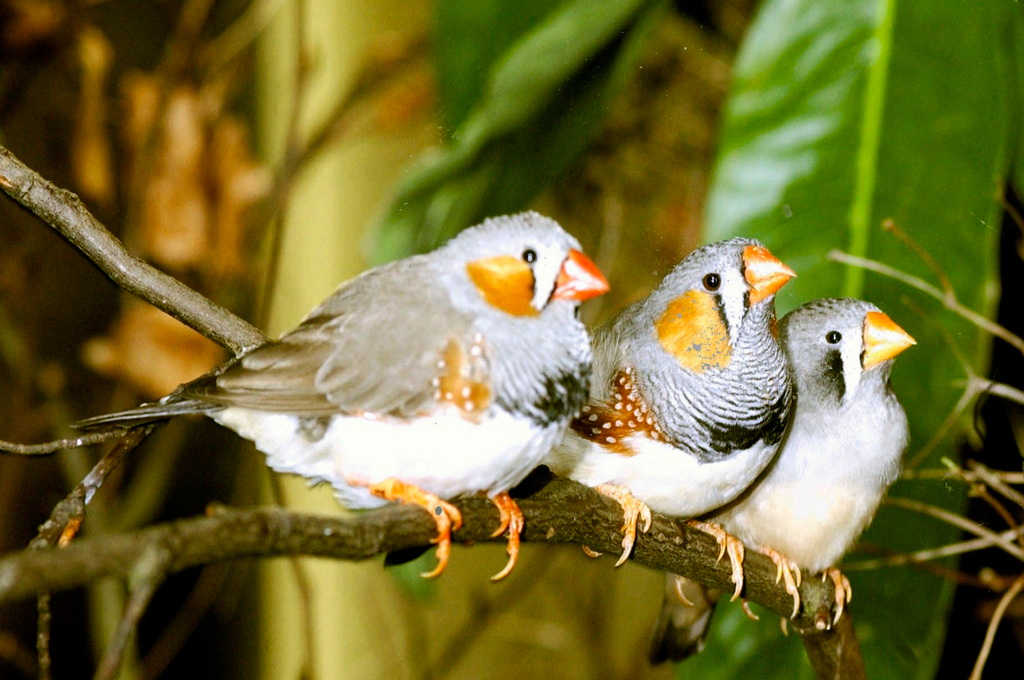
The researchers carefully examined lung tissue from zebra finches and turkeys two bird species that are quite distantly related and confirmed the following:
- CL-10 and CL-11 are highly conserved suggesting a non-negotiable role in survival.
- They activate even without SP-D, providing robust frontline immunity.
- Their structure includes EPN motifs, which enhance pathogen binding.
“These proteins aren’t just extras, they’re specially adapted for bird lungs, but they actually trace back to molecules found in the human immune system,” Orgeig explains.
Implications for Human Medicine
The discovery opens doors to:
- Novel Antiviral Therapies: Engineering synthetic CL-11 to combat flu or COVID-19.
- Enhanced Vaccines: Mimicking avian immune triggers for stronger protection.
- TB and Pneumonia Treatments: Leveraging collections to boost lung defenses.
“If we can harness these mechanisms, we might finally outsmart respiratory viruses,” says van Dijk.
Birds as Viral Reservoirs And Why That Matters
The Zoonotic Threat
Birds are natural hosts for avian influenza (H5N1), coronaviruses, and other zoonotic diseases. Understanding their immunity could:
- Predict spillover risks by identifying which viruses evade avian defenses.
- Develop animal-specific vaccines to reduce human outbreaks.
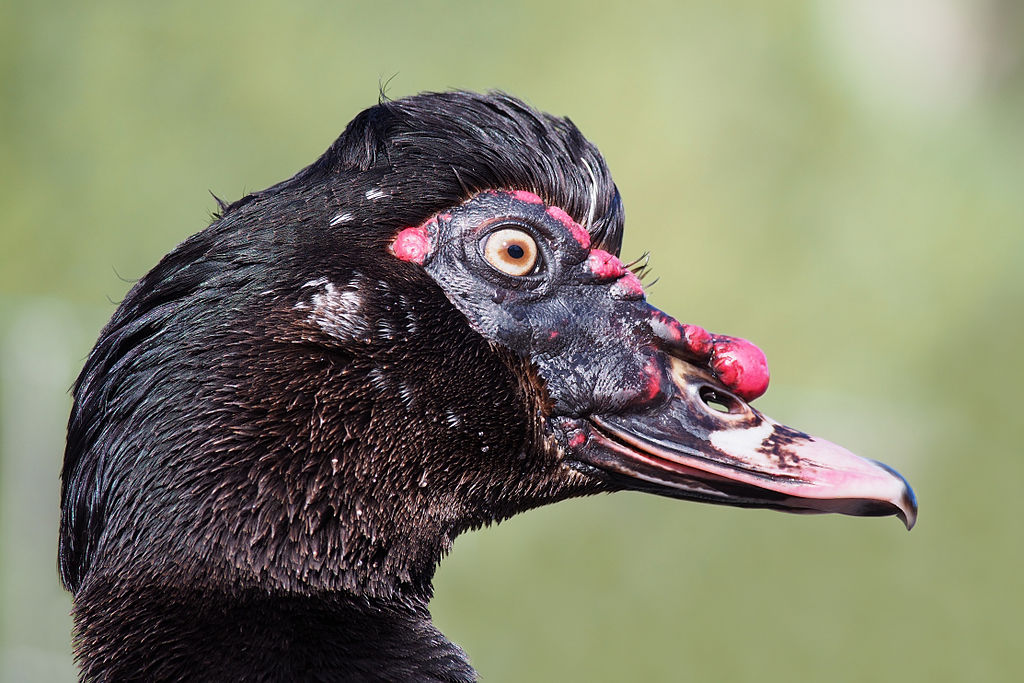
- Uncover why some birds (like ducks) rarely get sick despite carrying deadly viruses.
“Birds are both the problem and the solution,” notes Orgeig. “They spread disease, but their biology holds the keys to stopping it.”
The Next Frontier: From Lab to Clinic
Ongoing Research
Scientists are now:
- Mapping CL-10/11 interactions with human pathogens.
- Testing synthetic collections in mammalian cell cultures.
- Exploring gene therapy to express avian-like proteins in human lungs.
Challenges Ahead
- Delivery: How to introduce these proteins into human airways effectively.
- Safety: Ensuring they don’t trigger harmful immune overreactions.
- Evolutionary Mismatch: Human lungs work differently will these molecules adapt?
“This is just the beginning,” says van Dijk. “But the potential is staggering.”
Conclusion: A Feathered Key to Unlocking Respiratory Resilience
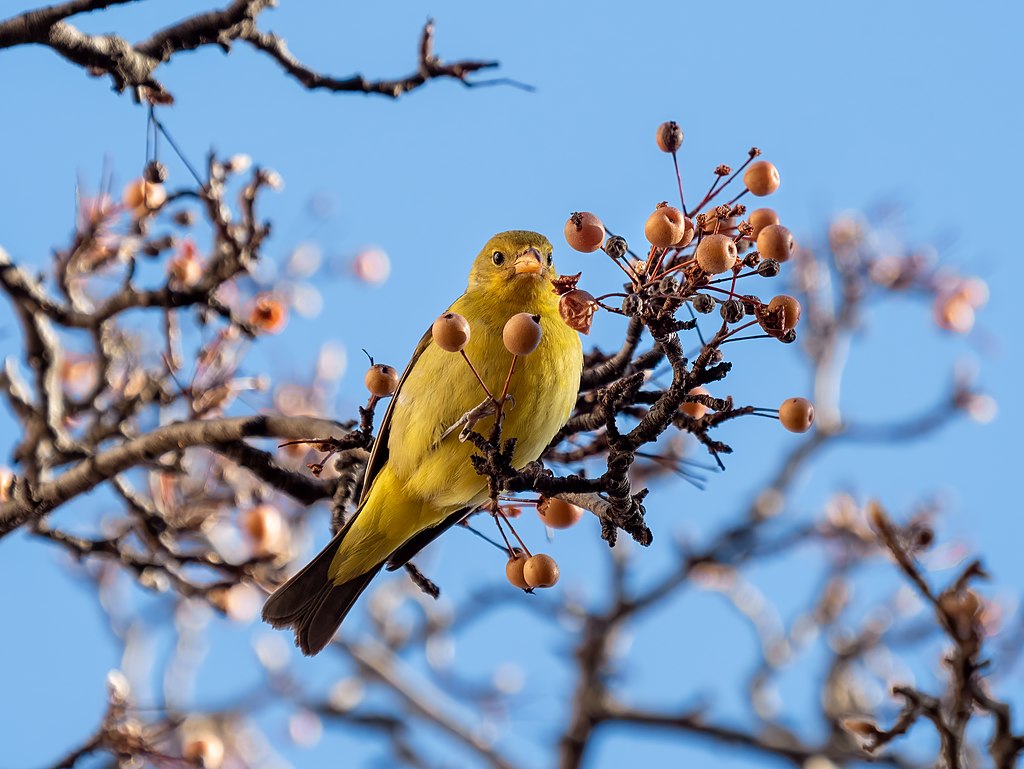
Birds, long studied for flight and song, now offer something far more valuable, a blueprint for defeating respiratory diseases. As research advances, CL-10 and CL-11 could become the foundation of next-generation antivirals, transforming how we fight infections from the ICU to the next pandemic.
“Evolution spent 300 million years refining these defenses,” says Orgeig. “Now, it’s our turn to learn from them.”
Final Thought:
“In the race against viruses, birds might have already won. The question is: Can we catch up?”
Sources & Further Reading: