
Across cultures, people have looked to the sky for signs, stories, and patterns, and birds have always been the messengers in that vast theater. Today, scientists track those same birds with GPS tags, bioacoustic sensors, and machine-learning tools, revealing astonishing details about how they move, choose mates, and survive. Here’s the twist: elemental zodiac energies – fire, earth, air, water – offer a surprisingly useful storytelling lens for those complex behaviors, not as destiny, but as an intuitive bridge to biology. Think of it as a translation layer that turns dizzying data into relatable narratives without sacrificing scientific substance. When done carefully, it can pull more people into evidence-based conservation at a time when birds need every ally they can get.
From Ancient Tools to Modern Science
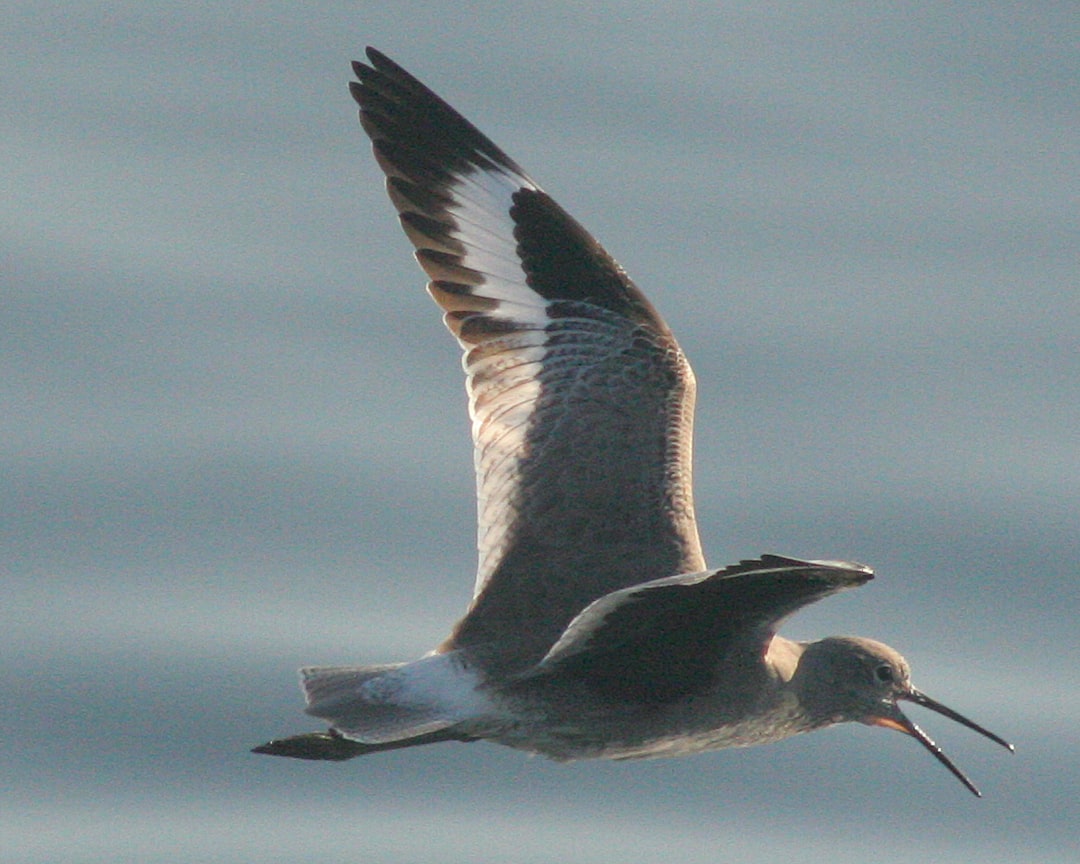
What if your birth element could nudge you toward a bird whose biology mirrors your mood and drive? Long before databases and satellite tags, navigators read the sky by the flight of birds, while philosophers mapped personality onto the elements; neither was scientific by modern standards, yet both recognized that wingbeats can teach us something about ourselves. Today, ornithology adds hard numbers to the wonder, from accelerometers measuring wingstroke frequency to stable isotopes inside feathers that trace food webs across continents.
We now know many species perceive Earth’s magnetic field through light-sensitive proteins, likely aiding navigation on epic migrations that connect hemispheres. High-aspect-ratio wings let albatrosses harvest wind over open oceans, while swifts may remain airborne for months, sleeping on the wing as they chase aerial plankton. By layering cultural metaphors on top of this evidence – carefully, transparently – we can make the science stick without pretending the stars are running the show.
Fire in Feathers
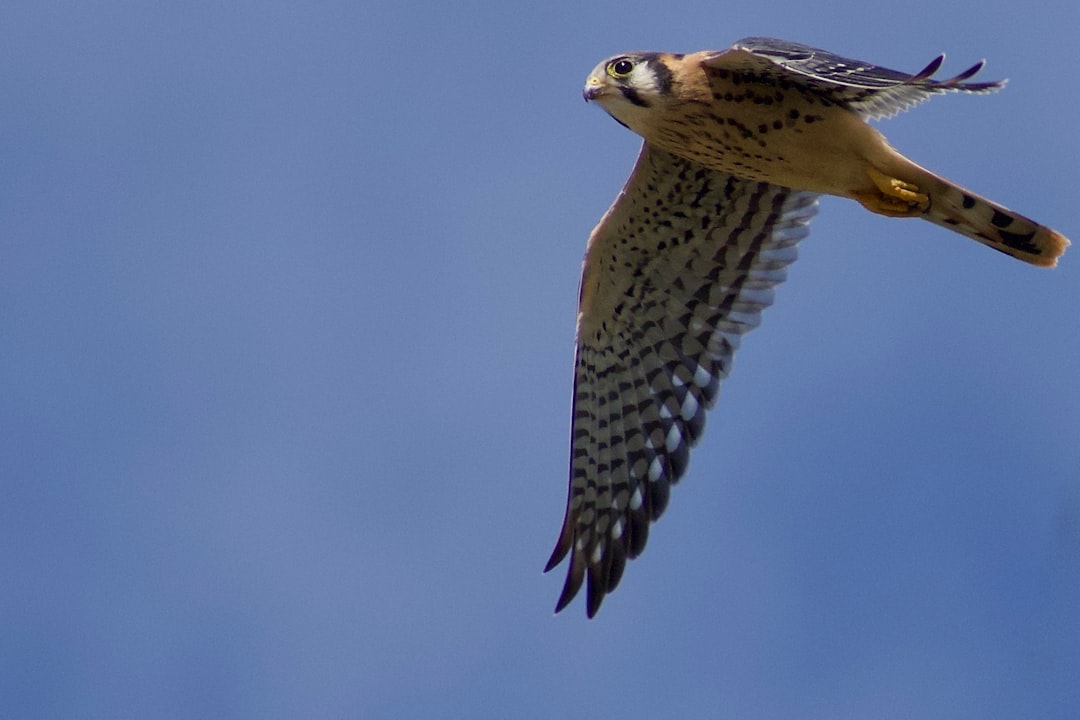
Fire burns hot and fast, and certain raptors embody that pulse with breathtaking precision. Peregrine falcons stoop at highway-crushing speeds, built for bursts of power with keel-heavy chests and stiff, tapered wings that slice the air clean. Caracaras raid opportunistically, pivoting from scavenging to stealthy ambush as easily as a spark jumps a gap.
I once watched an American kestrel hover above a winter field, tail flared like a tiny solar panel, then drop in a blur onto a vole – swift, decisive, unmistakably fiery. If fire signs speak to courage and momentum, these birds channel that through muscle, microturbulence, and a metabolism that runs like a furnace.
Earth on the Wing
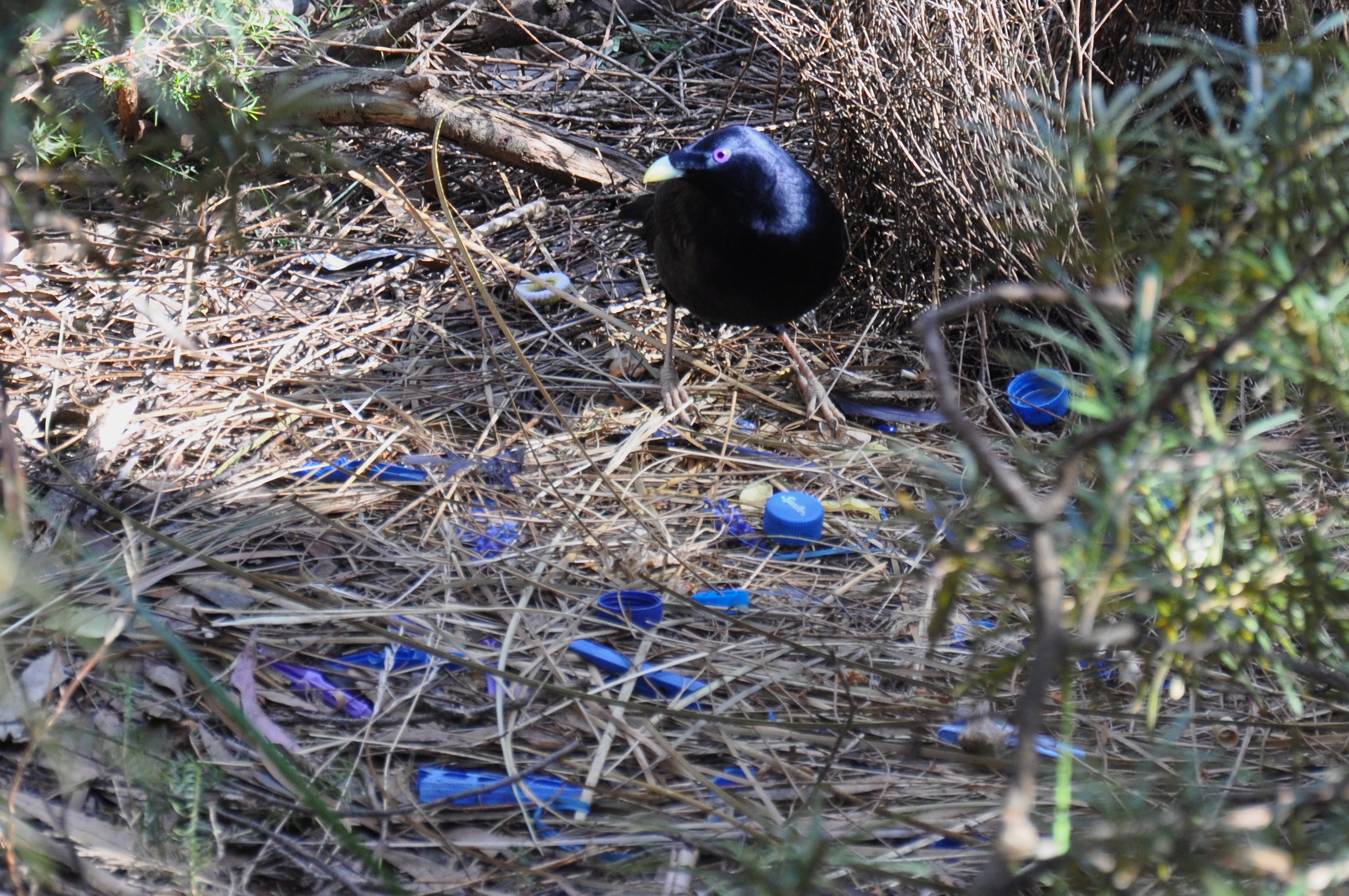
Earth is about structure, patience, and engineering, and birds that sculpt the landscape wear that badge proudly. Bowerbirds clear runways and raise ornate arcs of sticks, proving that mate choice can be a design competition judged in millimeters. Burrowing owls carve homes into soil, their low, bobbing stance matched to ground-hunting strategies that prize steadiness over spectacle.
Weaverbirds stitch grass into spheres that withstand wind shear and weather, each knot a lesson in tensile strength. Even the quiet foraging of thrushes speaks to earth’s rhythm – methodical, head-cocked listening for beetles under leaf litter – an operating system grounded in careful steps and reliable routines.
Air , Light and Quick
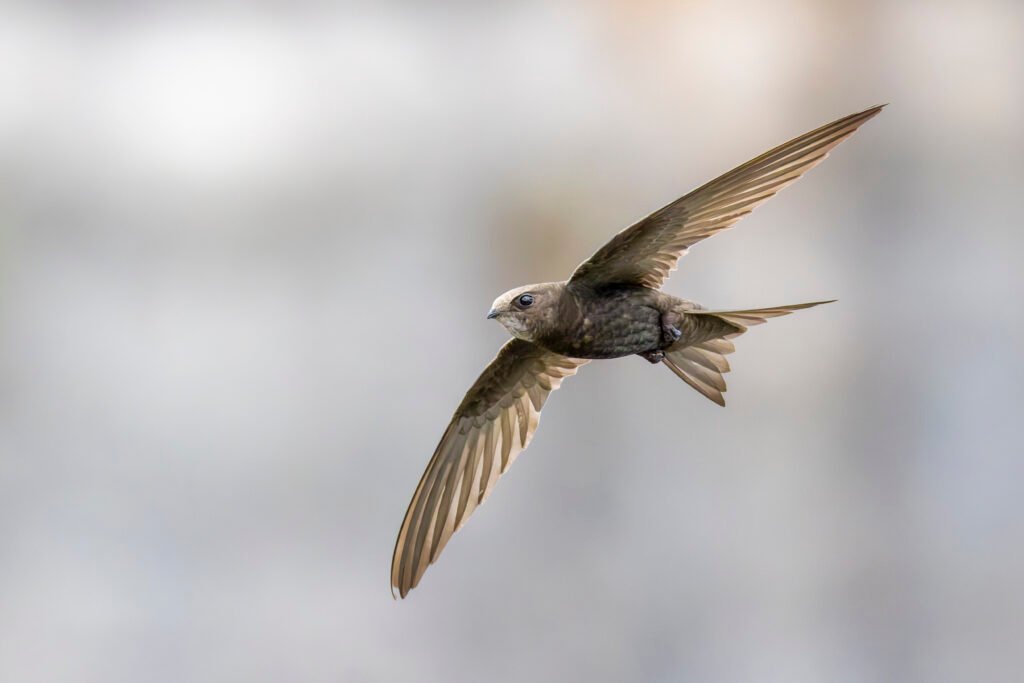
Air , Light and Quick (Image Credits: Wikimedia)
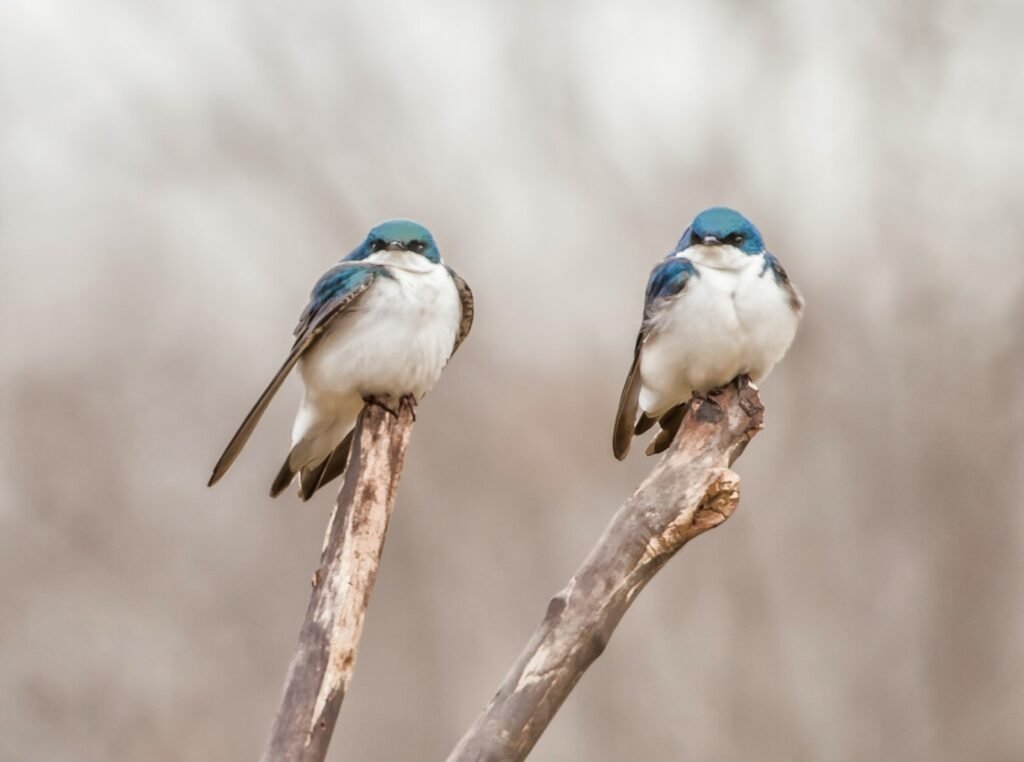
Air is quicksilver – ideas and bodies in constant motion – and swifts and swallows are its tireless ambassadors. Swifts possess scythe-like wings optimized for sustained flight, harvesting tiny insects from turbulent air columns with remarkable efficiency. Skylarks spiral upward on fluttering songs that double as acoustic maps, broadcasting fitness while riding thermals like elevator shafts.
Songbirds in general are neural prodigies, wiring seasonal song circuits that grow and prune with daylight changes, a kind of brain-side software update. If you resonate with air’s curiosity and communication, you’ll find it echoed in the chatter, improvisation, and aerodynamic finesse of these sky scribes.
Water in Motion
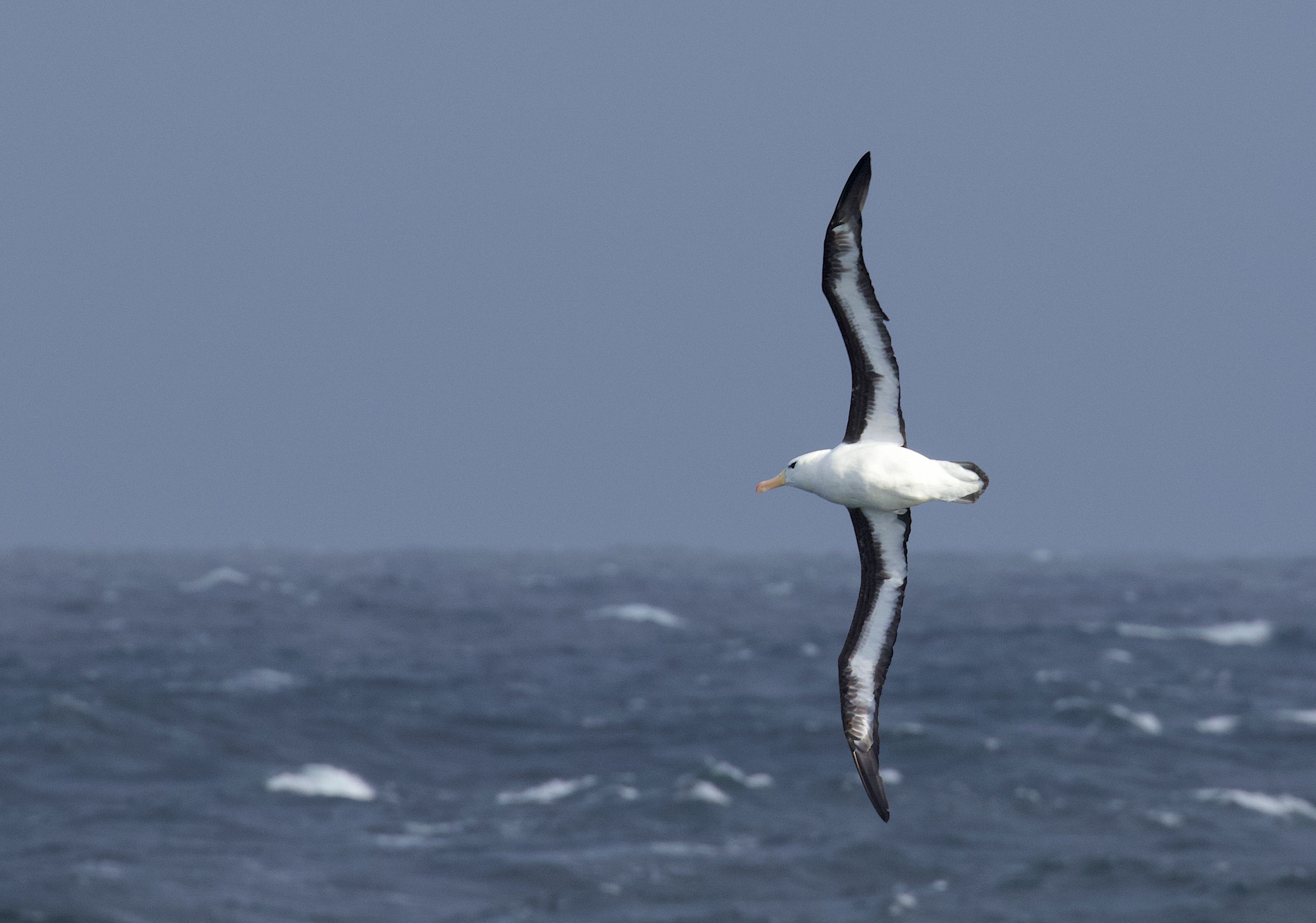
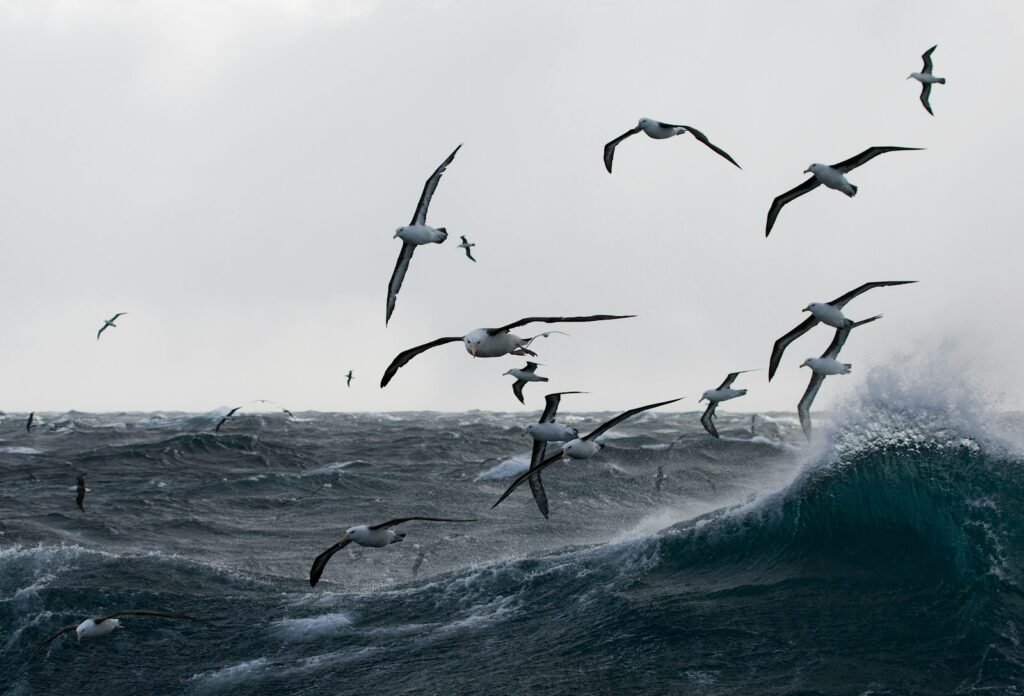
Water ebbs and flows, and seabirds render that rhythm in the most unforgiving arenas on Earth. Albatrosses lock wing joints to soar for hours with barely a flick, skimming boundary layers where wind meets wave to conserve precious calories. Puffins become torpedoes underwater, beating stubby wings against liquid drag with the same precision falcons use in air.
Herons wait like statues before striking in a blur, their S-shaped necks storing kinetic potential the way a tide stores lunar pull. Procellariiform seabirds carry salt glands and keen senses that help them detect oceanic scent trails, turning invisible gradients into navigational maps. If water signs prize depth, intuition, and endurance, these birds live it in every swell and storm.
Why It Matters
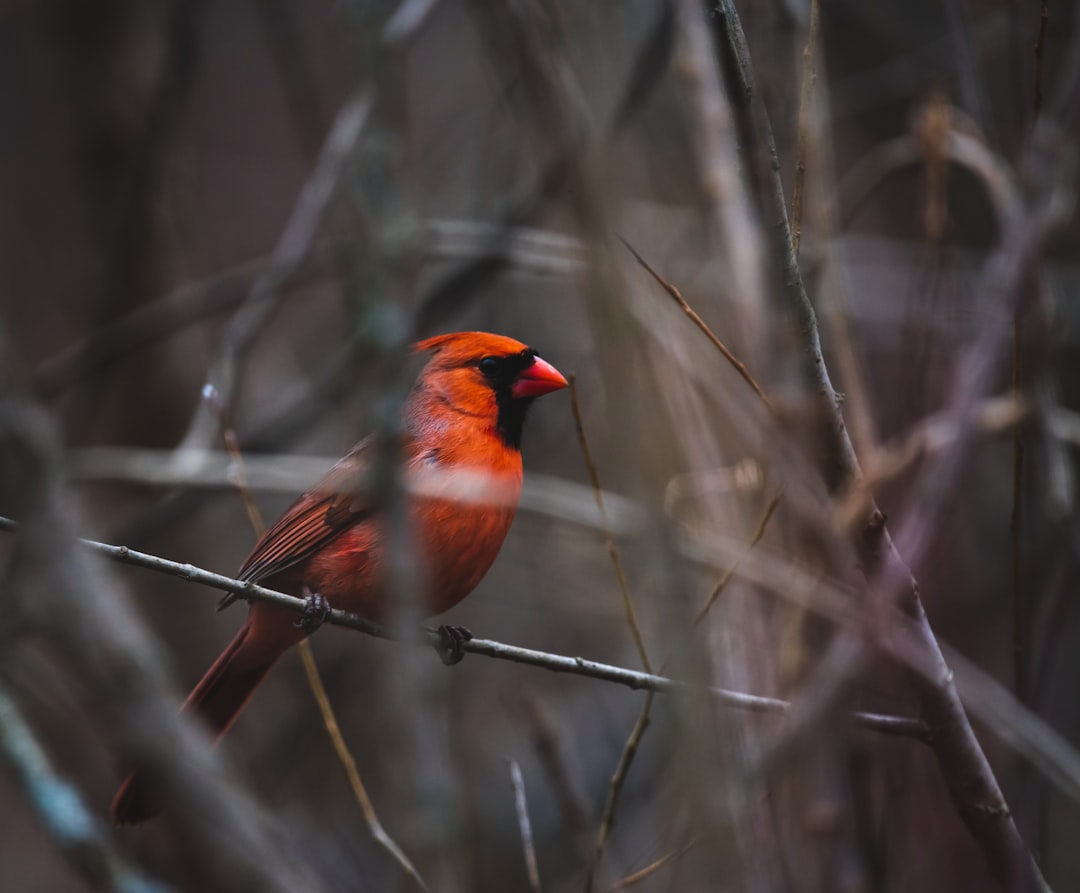
Framing avian behavior through elemental energies isn’t astrology – it’s outreach with training wheels that point toward real mechanisms. Traditional field guides cram pages with IDs and ranges, which are essential, but they can feel like learning tax codes; narrative frames open the door by tapping emotion first, then funneling readers to verifiable facts. Behavioral ecology, biomechanics, and sensory biology all benefit when more people care enough to ask better questions.
Research in environmental communication suggests personal relevance boosts attention and recall, and even small nudges can shift choices like turning off lights during migration or planting native shrubs. As biodiversity indicators, birds warn us when ecosystems fray; if a playful elemental match gets someone to join a local count or log sightings, the data become stronger and the science, sharper.
The Future Landscape
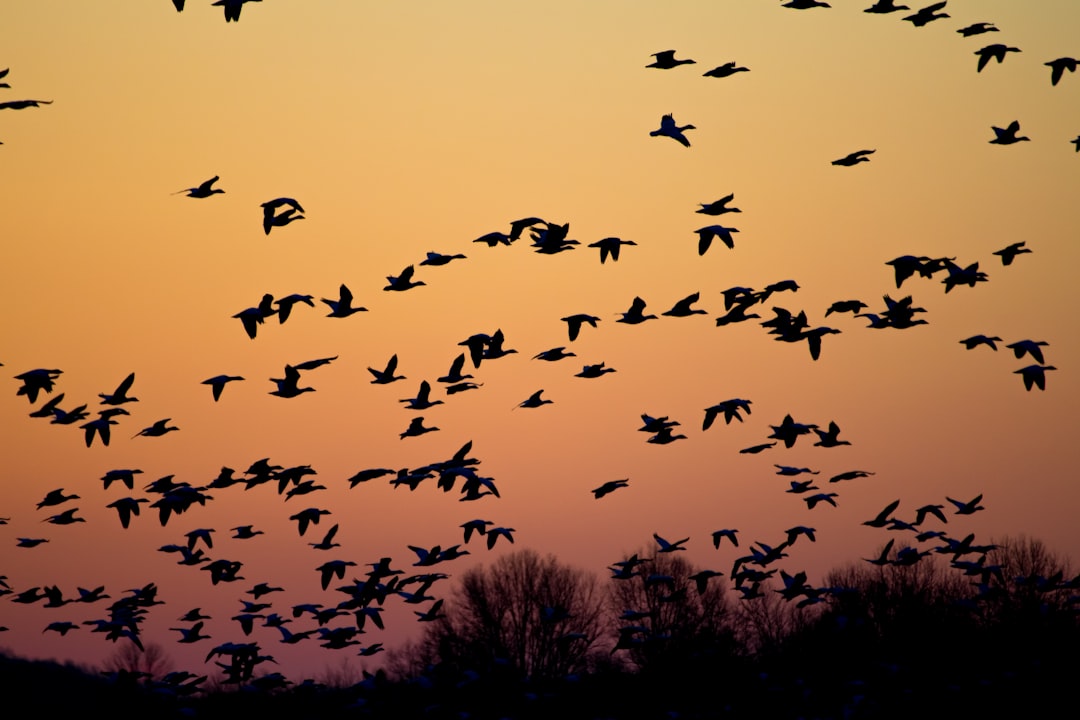
Biologging is shrinking fast, letting researchers tag small songbirds with sensors that record location, altitude, and wingbeats without grounding them. Machine-learning models parse months of soundscapes to flag species by call, building acoustic maps that reveal when and where birds move through cities, farms, and forests. Satellite data on vegetation and wind patterns now plug directly into migration forecasts, turning meteorology into a conservation tool.
The challenges are equally large: climate shifts are scrambling food timing, light pollution is disorienting nocturnal migrants, and habitat loss is squeezing both nest sites and stopovers. The next leap will fuse personal devices with open science, where citizen observations, AI classifications, and professional surveys meet in near-real time. If elemental storytelling gets more eyes and ears on the problem, those merging streams could form a river strong enough to shift policy.
Conclusion
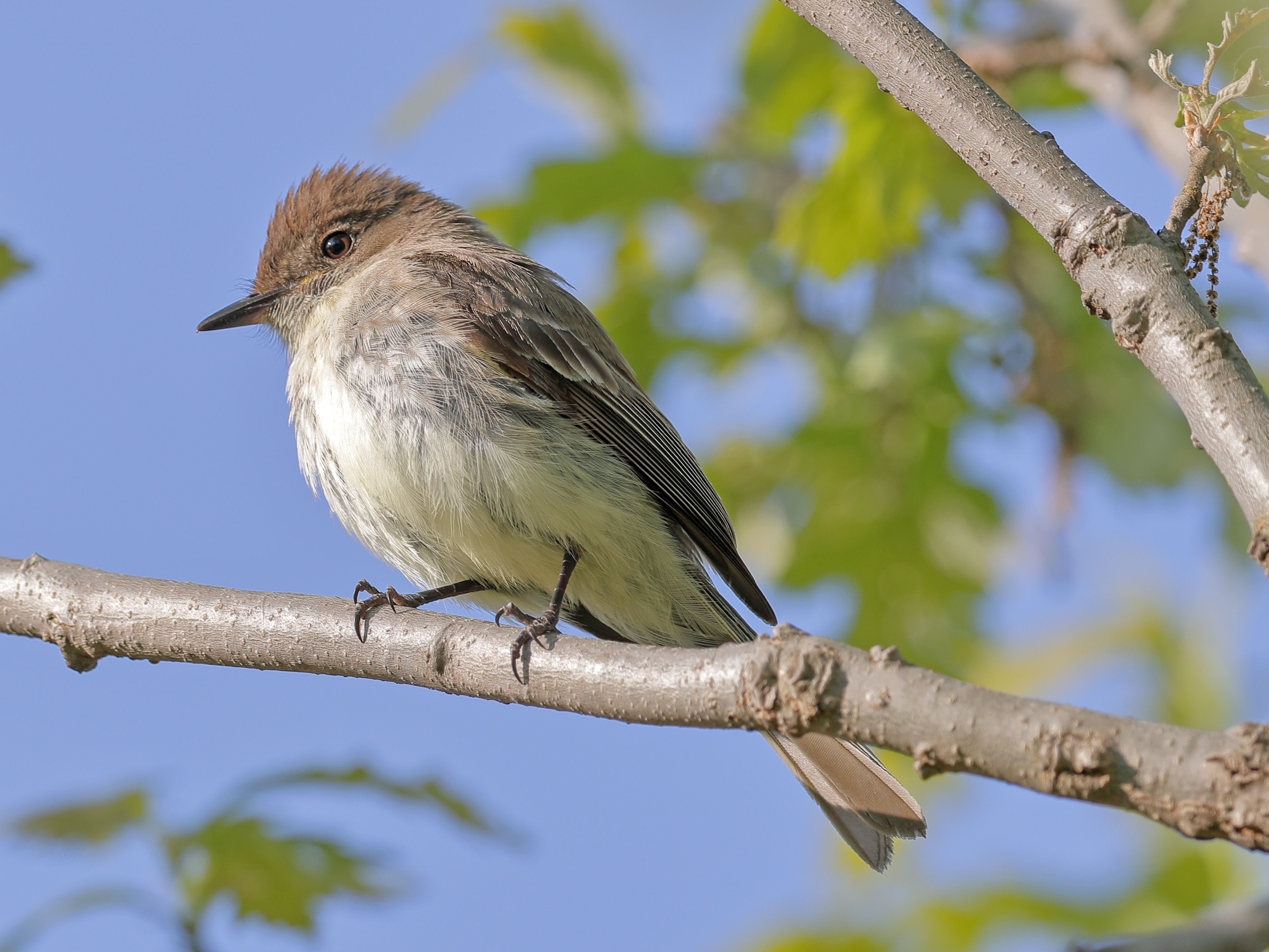
Choose your elemental match as a guide and then take one concrete step that helps the real bird behind the metaphor. Nighttime lights draw migrants off course, so close your blinds and dim outdoor fixtures during peak spring and fall flights, especially around tall buildings. Replace a patch of lawn with native plants to feed caterpillars and pollinators, which in turn feed nestlings, and keep feeders clean to prevent disease.
Log what you see and hear with a birding app, because your notes become data points scientists can actually use. Support organizations protecting wetlands, grasslands, and coastal rookeries, and when you can, take a friend outside to meet the birds who carry your favorite element on their wings. If matching to ecology gets them hooked, the science will do the rest.
Suhail Ahmed is a passionate digital professional and nature enthusiast with over 8 years of experience in content strategy, SEO, web development, and digital operations. Alongside his freelance journey, Suhail actively contributes to nature and wildlife platforms like Discover Wildlife, where he channels his curiosity for the planet into engaging, educational storytelling.
With a strong background in managing digital ecosystems — from ecommerce stores and WordPress websites to social media and automation — Suhail merges technical precision with creative insight. His content reflects a rare balance: SEO-friendly yet deeply human, data-informed yet emotionally resonant.
Driven by a love for discovery and storytelling, Suhail believes in using digital platforms to amplify causes that matter — especially those protecting Earth’s biodiversity and inspiring sustainable living. Whether he’s managing online projects or crafting wildlife content, his goal remains the same: to inform, inspire, and leave a positive digital footprint.