
Think about the last time you looked up at the night sky. What you saw, those pinpoints of light scattered across the dark, represents only a tiny sliver of what the universe is actually saying. Most of the cosmos speaks in a language your eyes simply cannot hear.
Until the 20th century, astronomers learned virtually all they knew about sources in the sky from only the tiny fraction of electromagnetic radiation that is visible to the eye. That invisible majority, stretching from radio waves far longer than a football field to gamma rays shorter than an atom, has since become the richest scientific territory humans have ever explored. The universe is far louder, stranger, and more luminous than it appears when you simply look up.
The Electromagnetic Spectrum: More Than Meets the Eye
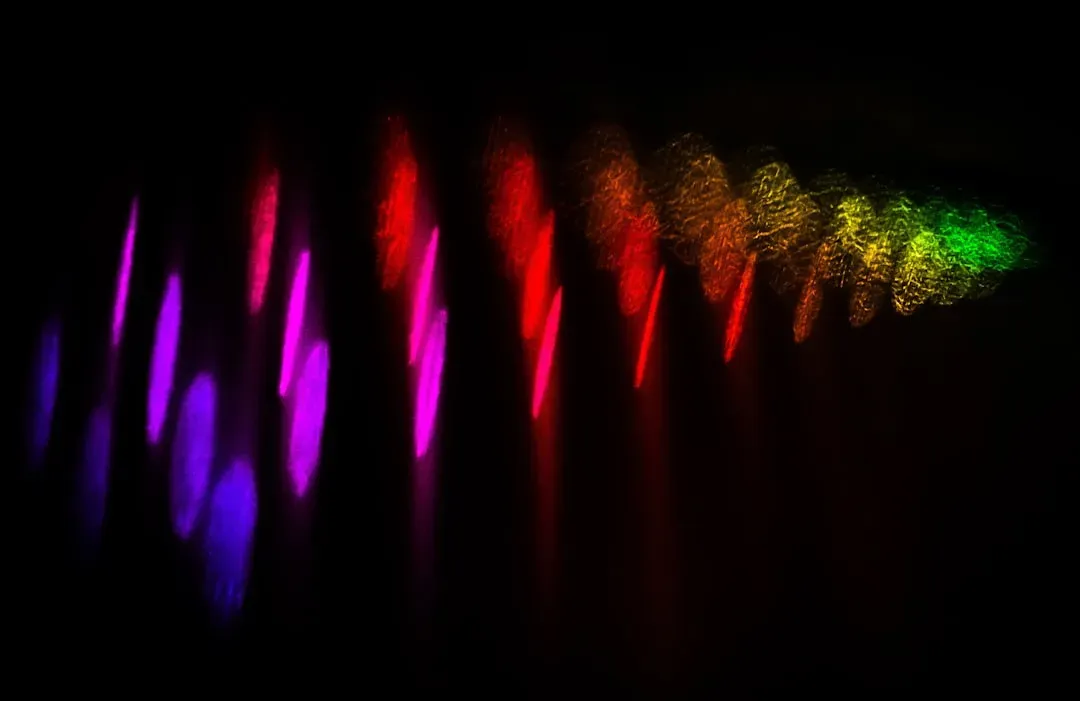
What you see with the human eye is only a fraction of the electromagnetic spectrum. Beyond visible light lies a vast range of non-visible light, from ultraviolet and infrared to radio waves, X-rays, and gamma rays, that powers modern science and technology. Each of these forms of light occupies a different portion of the spectrum, defined by its wavelength, frequency, and energy.
Visible light, called the visible spectrum, is that portion of the electromagnetic radiation having wavelengths from about 380 nm to 780 nm. Anything shorter or longer than that range is invisible to you. The range that corresponds to the visible light we see with our eyes is a very small part of the entire spectrum. That is not a limitation of the universe; it is a limitation of human biology.
Spectroscopy can be used to study interactions between matter and any form of light, from short-wavelength, high-energy gamma rays to long-wavelength low-energy radio waves. Each band unlocks a completely different set of cosmic secrets, and together they form a picture of the universe that no single wavelength could ever reveal on its own.
Radio Waves: Listening to the Deepest Whispers of Space
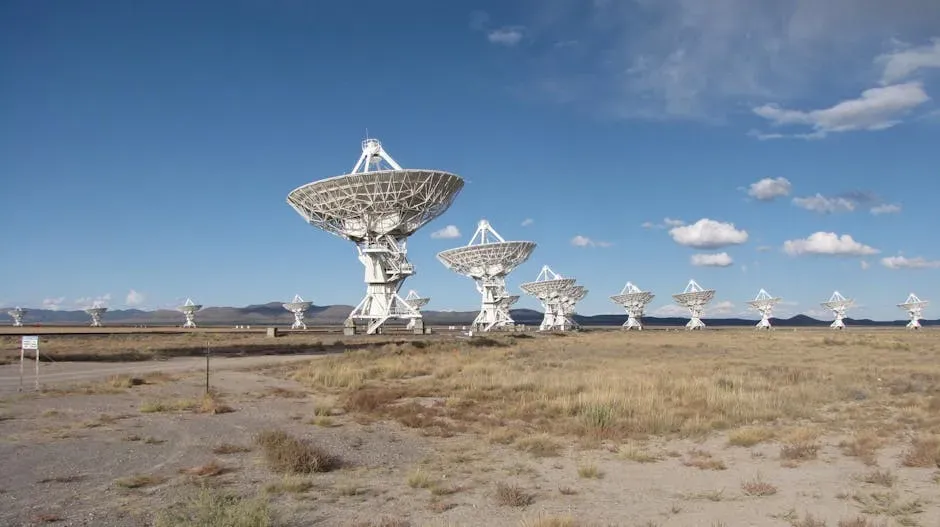
Radio waves are the lowest-energy radiation in the universe. Radio light is commonly produced by phenomena such as synchrotron radiation, due to the gyration of charged particles around magnetic field lines, and free-free radiation, due to the deceleration of charged particles in an electric field. These cosmic processes generate signals that travel enormous distances and pass through dust clouds that would block ordinary light entirely.
Fortunately for Earth-based astronomers, most radio waves can easily penetrate through the Earth’s atmosphere, even through clouds. This makes radio astronomy one of the few disciplines you can practice right from the ground. It was the discovery of radio emission from the Milky Way by Jansky in 1932 that marks the beginning of the systematic search for electromagnetic radiation from space other than optical.
Researchers at Tel Aviv University have predicted what might be discovered by detecting radio waves that originated in the early universe. Their results suggest that during the “cosmic dark ages,” dark matter gathered into dense clumps across space, pulling in hydrogen gas that emitted intense radio waves. That means radio astronomy may one day hand you a direct window into dark matter itself.
Infrared Light: Seeing Through Cosmic Dust

To study the cosmos in its entirety, scientists must peer beyond visible light using specialized instruments, including radio telescopes and X-ray telescopes. The James Webb Space Telescope senses infrared radiation, piercing through dusty veils that block visible light. Infrared is particularly powerful precisely because so much of the universe is wrapped in dust.
Observing in infrared light, Hubble pierced through the obscuring gas and dust of M16’s Pillars of Creation. This ethereal image reveals the young stars that are being formed within the pillars. It also uncovers a myriad of background stars that were hidden at visible wavelengths. What looks like a wall of darkness to your eyes is, in infrared, a nursery full of infant stars.
Infrared astronomy has revolutionized our understanding of star formation, planetary systems, and galactic evolution. You can also thank infrared telescopes for some of the most transformative discoveries in recent years. Some of the universe’s most extreme objects may be hiding in plain sight, detectable only when tuning instruments to detect infrared wavelengths, which is a light spectrum invisible to the human eye.
Ultraviolet Light: Revealing the Young and the Violent
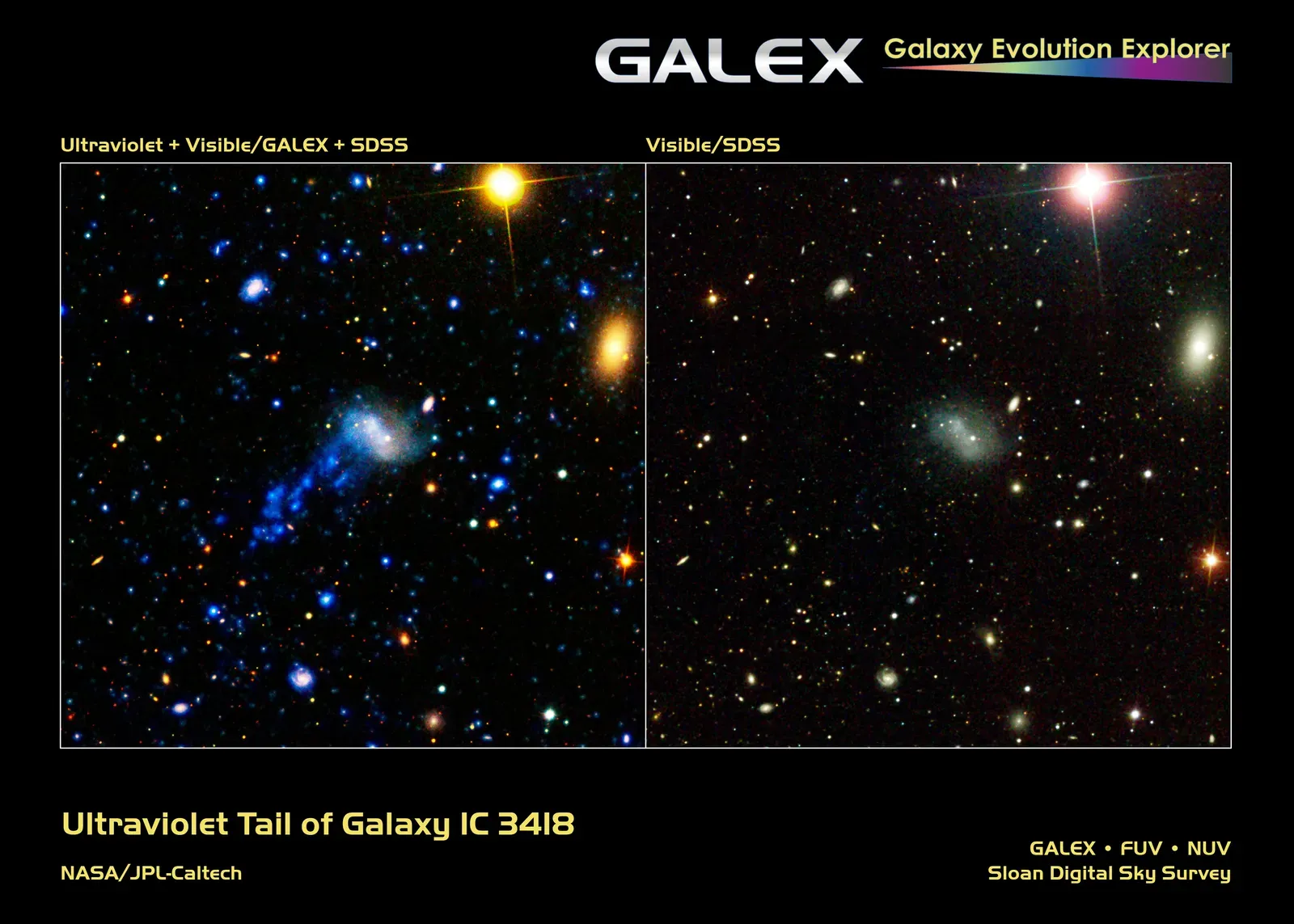
Scientists can study the formation of stars in ultraviolet since young stars shine most of their light at these wavelengths. When you want to understand where and how new generations of stars are born, ultraviolet becomes an indispensable tool. It highlights the most recently formed, hottest, and most energetic stellar objects in a way that visible light simply cannot match.
Ultraviolet images of galaxies show mainly clouds of gas containing newly formed stars that are many times more massive than the Sun and glow strongly in ultraviolet light. In contrast, visible light images of galaxies show mostly the yellow and red light of older stars. By comparing these types of data, astronomers can learn about the structure and evolution of galaxies.
Since the Earth’s atmosphere absorbs much of the high-energy ultraviolet radiation, scientists use data from satellites positioned above the atmosphere, in orbit around the Earth, to sense UV radiation coming from our Sun and other astronomical objects. So if you want a true ultraviolet portrait of the cosmos, you have to send your telescope to space first.
X-Ray Astronomy: The Universe at Its Most Extreme
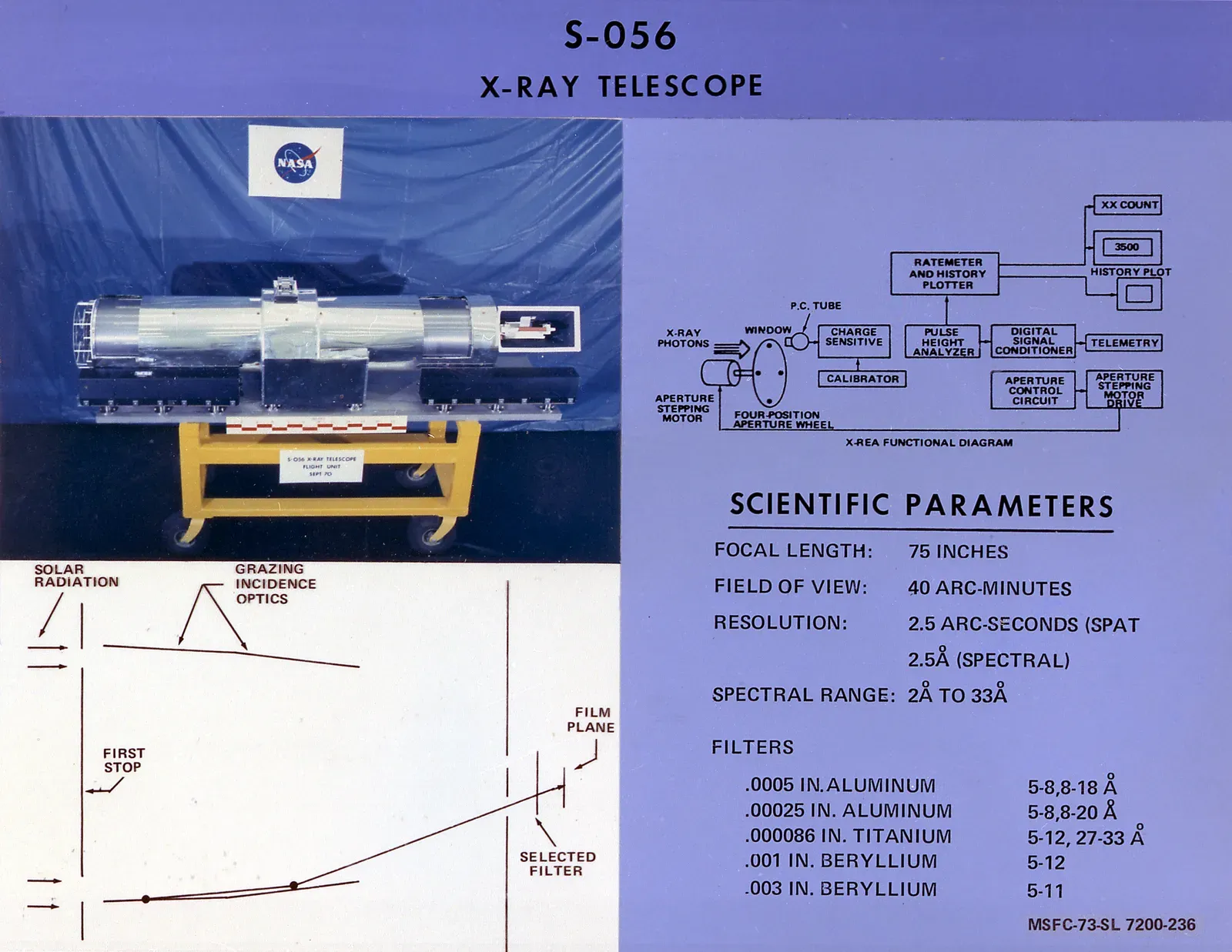
While infrared light allows you to peer through cosmic dust and study the cooler regions of space, X-rays offer a completely different view of the universe. X-rays are produced by the hottest, most energetic objects in space, such as black holes, neutron stars, and the remnants of supernovae. These are the places where physics operates at its absolute limits.
Because of X-rays’ short wavelength, they are almost completely filtered out by the atmosphere, and most cosmic X-rays could not pass through a layer of atmosphere even one-millionth the thickness of our own. This means that if you want to do X-ray astronomy, you have to go above the atmosphere entirely. X-ray astronomy began in the 1960s with the launch of the Uhuru satellite, the first X-ray observatory in space. Uhuru’s mission was groundbreaking, providing the first detailed maps of the X-ray sky and discovering numerous X-ray sources, including binary star systems and supernova remnants.
Observations of neutron stars’ X-ray emissions provide an opportunity to investigate some of the most extreme conditions in the universe. Every X-ray flash from a distant object tells you something about the physics of matter pushed to its breaking point. That kind of information simply does not exist anywhere in the visible spectrum.
Gamma Rays: The Universe at Its Most Violent
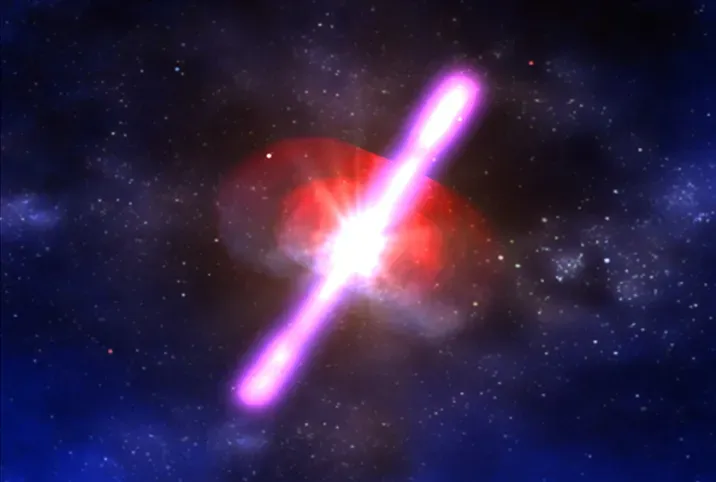
Gamma rays are produced by spectacular events in the universe such as stars exploding, matter falling into black holes, and celestial objects colliding. By collecting gamma rays, astronomers are able to see these violent events and can judge exactly how they shape the universe. No other form of light takes you closer to the raw, catastrophic energy that drives cosmic evolution.
While the light you see with your eyes has an energy of around 1 electronvolt, the gamma rays detected by next-generation observatories have energies of billions to many trillions of electronvolts. By detecting energies up to 300 Teraelectronvolts, future instruments will push our view of the universe to the edge of the known electromagnetic spectrum.
Gamma-ray bursts are among the most luminous explosions in the universe. These brief, blinding flares, lasting anywhere from a fraction of a second to several minutes, likely represent the most energetic events since the Big Bang itself. Some chemical elements are created during explosions in which individual stars blow themselves to pieces. The new chemicals leave gamma-ray fingerprints in the fireball for astronomers to find.
Microwave Astronomy and the Cosmic Microwave Background
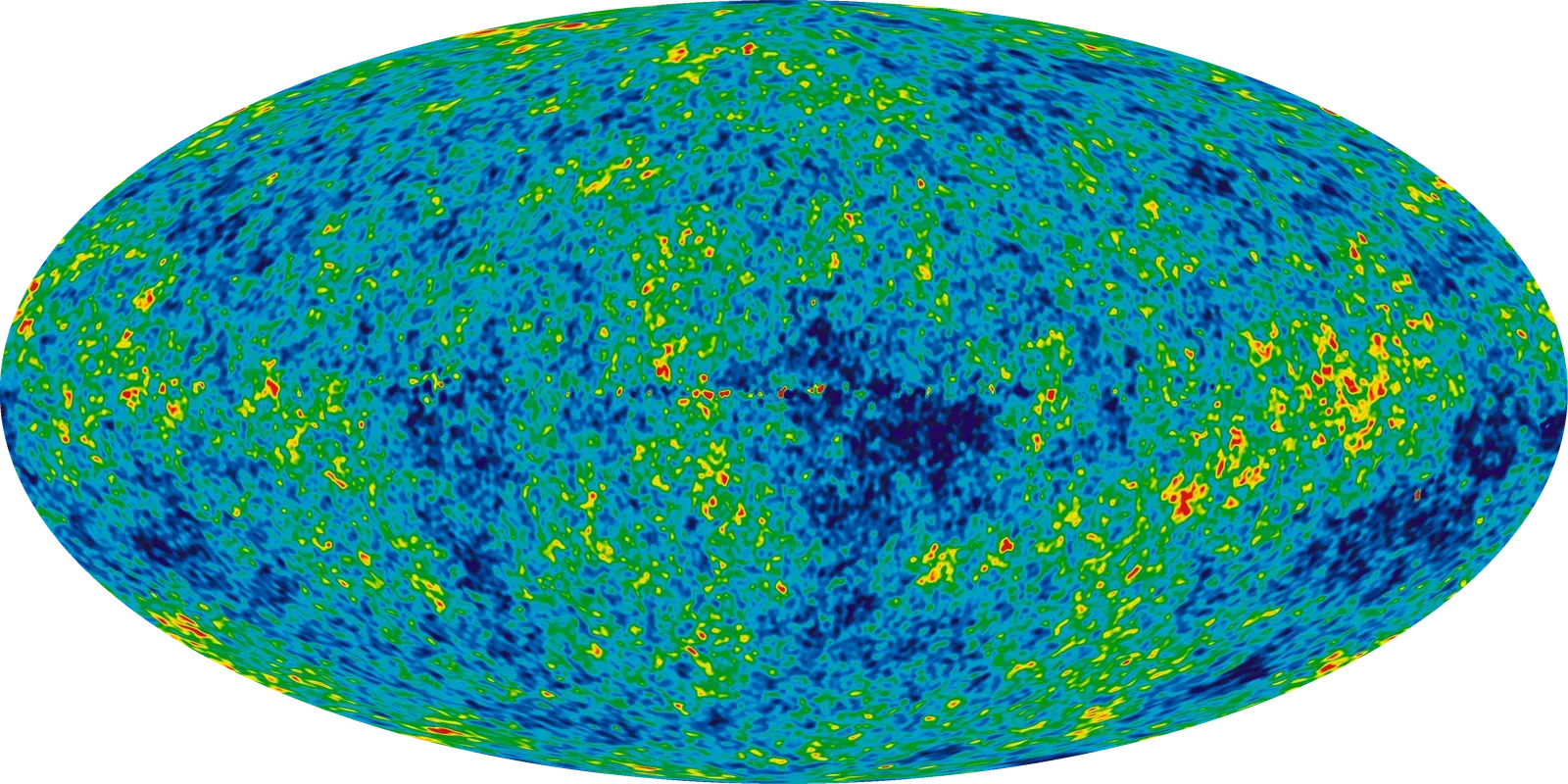
The cosmic microwave background is the radiation signature left over from the birth of the universe about 13.8 billion years ago. It is, in a very literal sense, the oldest light you can possibly observe. It is invisible to the naked eye but can be observed by human-made instruments as a faint and constant glow of radiation across the sky from all directions.
The accidental discovery of the CMB in 1964 by American radio astronomers Arno Penzias and Robert Wilson was the culmination of work initiated in the 1940s. The CMB is the key experimental evidence of the Big Bang theory for the origin of the universe. They were not even looking for it, which makes the discovery one of the most remarkable accidents in the history of science.
In the last decades, astronomers have discovered that the CMB radiation has faint ripples and bumps in it at a level of brightness of only a part in one hundred thousand, which are the seeds for future structures, like galaxies. Those tiny fluctuations explain why the universe today looks the way it does, with matter gathered into galaxies rather than spread uniformly across space. The microwave sky is not just a relic; it is a map of everything that followed.
Multiwavelength Astronomy: Combining Every Color of the Cosmos
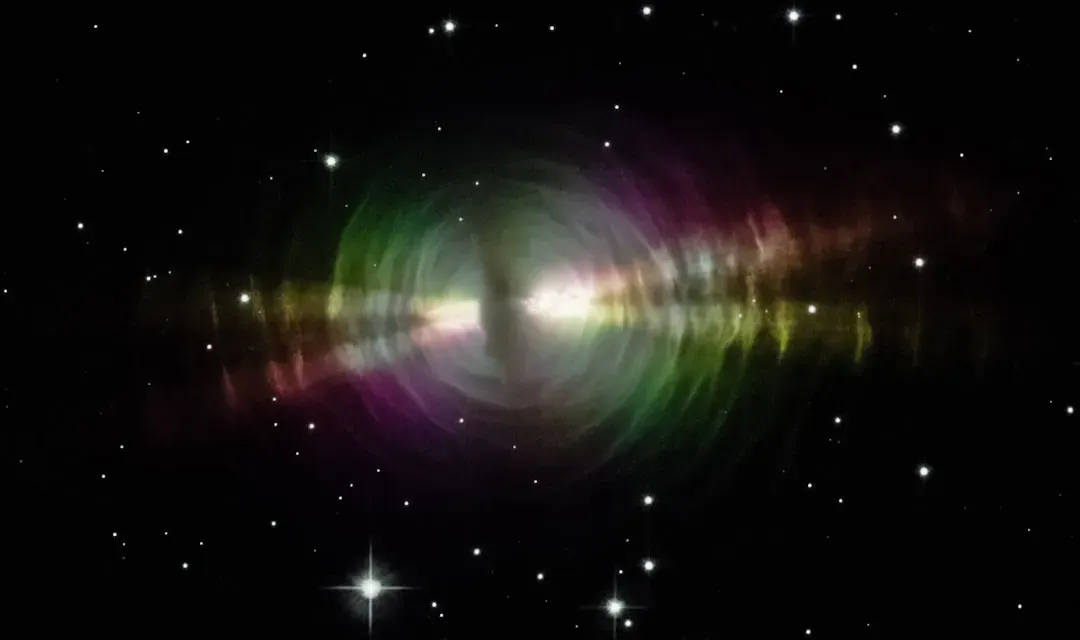
Many objects reveal different aspects of their composition and behavior at different wavelengths. Other objects are completely invisible at one wavelength, yet are clearly visible at another. No single telescope, no matter how powerful, can give you the full picture on its own. Science now requires the entire orchestra playing at once.
Hubble has worked in concert with other telescopes to create images of cosmic objects that incorporate a wide range of wavelengths, each image a piece of a puzzle that eventually reveals a complete view of the object and conveys unique information about the processes taking place. The famous composite image of the Crab Nebula, for instance, required data from five separate telescopes spanning nearly the entire electromagnetic spectrum.
Modern astronomy employs the entire range of the electromagnetic spectrum from radio waves to gamma rays. Each spectral range provides information which is unique and cannot be obtained by other means. The future of this field lies in combining all those windows simultaneously, cross-referencing signals to build a richer, more truthful portrait of the universe than any generation before us has ever seen.
Conclusion
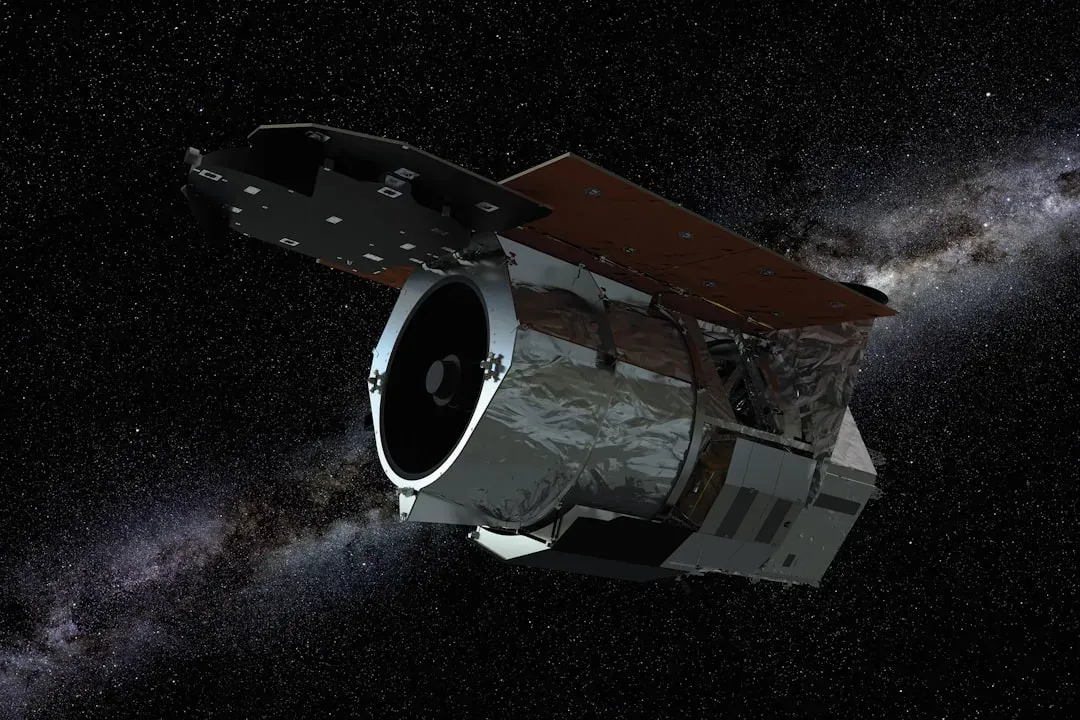
What science has learned by reaching beyond the visible is humbling in the best possible way. The universe you see with your own eyes, beautiful as it is, represents only the faintest outline of what is actually out there. Infrared reveals hidden stars, radio waves echo from the cosmic dark ages, X-rays map the most extreme objects in existence, and microwaves carry the oldest light ever detected.
The real universe is not darker than you imagined. It is far brighter. You just need the right instruments to see it. As telescopes grow more sensitive and technology continues to advance, every new wavelength opened to observation has historically brought discoveries no one predicted. There is every reason to believe the pattern will continue, and the next revelation may already be traveling toward us right now, invisible and patient, waiting to be heard.