
There is something about ancient Egypt that refuses to let go of the human imagination. Thousands of years of history, layers upon layers of forgotten rituals, vanished rulers, and stone-carved secrets still buried under golden desert sands. It is the kind of civilization that keeps giving – and confusing – even the smartest minds on the planet.
You might think we’ve figured most of it out by now. After all, we’ve had centuries of excavations, modern imaging technology, and entire universities dedicated to Egyptology. Yet somehow, Egypt keeps its secrets better than almost any ancient culture in human history. So let’s take a deep dive into the mysteries that lie beyond the pyramids, because honestly, the real rabbit holes go much, much deeper. Let’s dive in.
The Great Sphinx: A Monument Without a Story
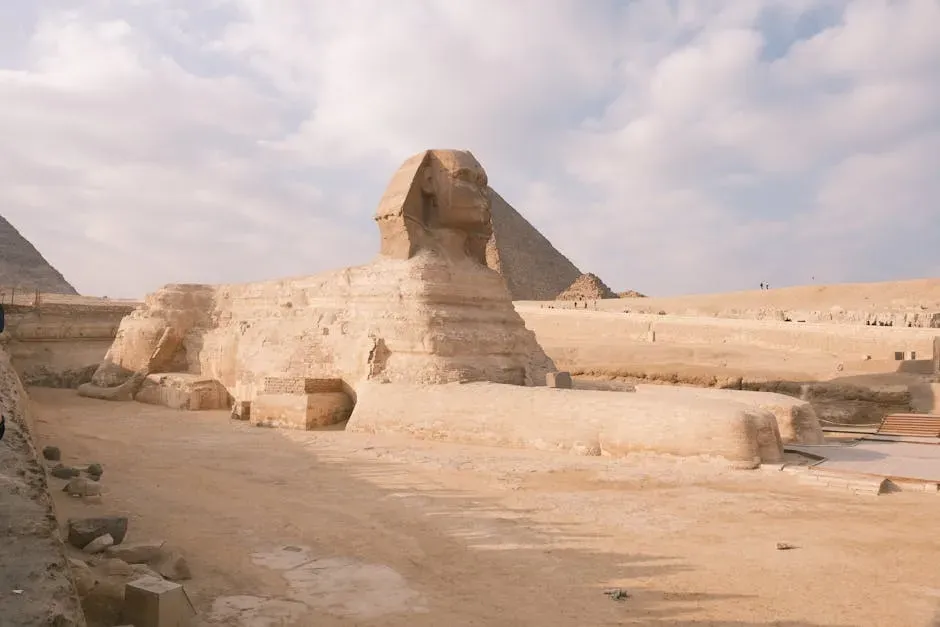
Imagine carving the world’s largest monolith and leaving absolutely no record of doing it. That is essentially what happened with the Great Sphinx. No ancient inscriptions from the Old Kingdom, the very era when Egyptologists say the Sphinx was built, ever mention its construction. This “thundering silence” is the source of all the debate. There is no confirmed builder, no official name, and no contemporary texts explaining its purpose.
The Sphinx is one of the world’s oldest works of monumental sculpture and one of the largest. It measures more than 65 feet tall, from the base to the top of its head, and 240 feet long, from forepaws to tail. Much of it was carved directly from the limestone rock of Giza. The debates around its age get even wilder. Some researchers, such as geologist Robert Schoch, argue that the weathering patterns suggest prolonged exposure to heavy rainfall, potentially pushing its origins back to 7000 BCE or earlier. This theory aligns with the idea that an advanced civilization predated the ancient Egyptians.
The Disappearing Queen: Where Is Nefertiti?
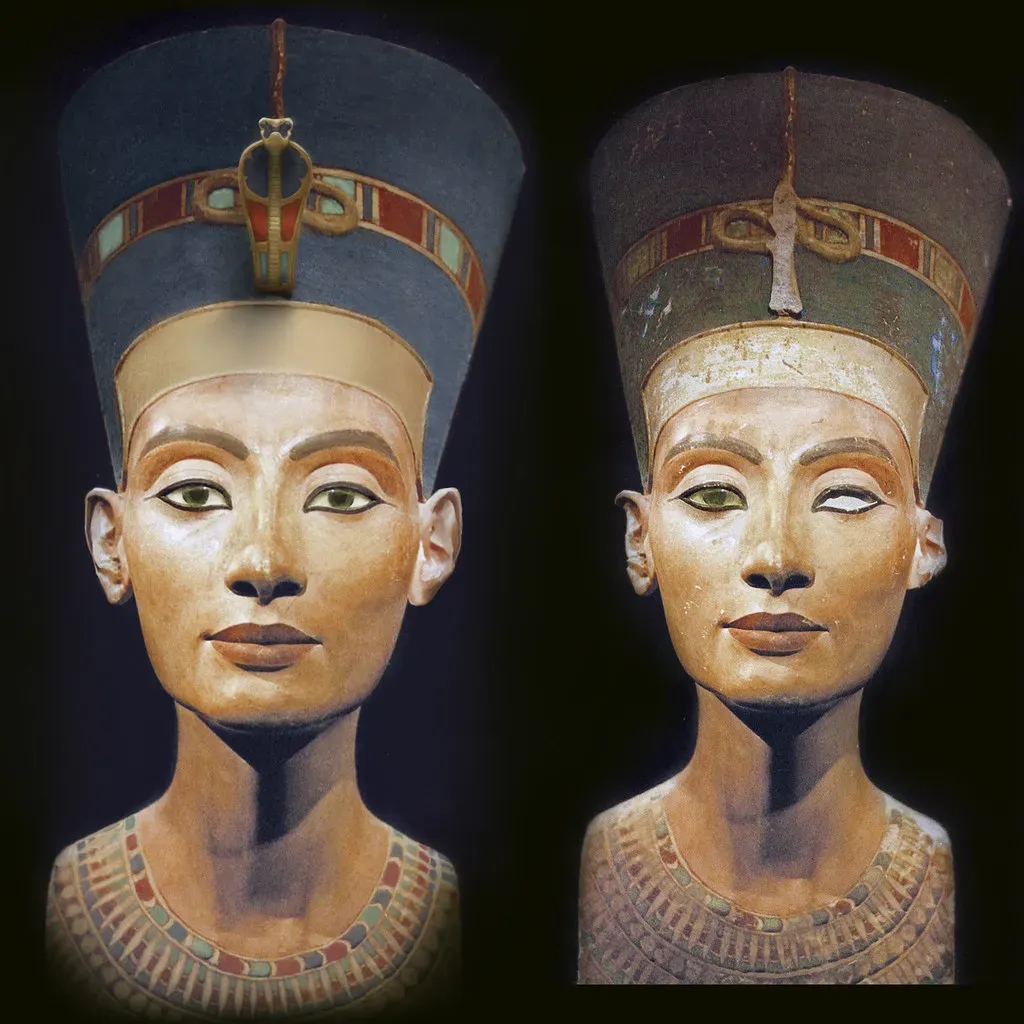
Few mysteries in ancient Egypt are as dramatic as the vanishing act of Queen Nefertiti. Queen Nefertiti, one of the most powerful and beautiful women in ancient history, vanished without a trace around 1330 BC. Despite her influence, her tomb has never been discovered. What happened to this legendary queen remains one of the most perplexing mysteries of ancient Egypt. That is a staggering thing to consider. A queen that powerful, that famous, simply gone.
Nefertiti was the wife of Akhenaten, a pharaoh who reigned from 1353 to 1336 BC and unleashed a religious revolution aimed at focusing Egypt’s polytheistic religion around the worship of the Aten, the sun disk. At times, Nefertiti was displayed in ways that normally only a pharaoh would be shown, such as smiting an enemy. Some Egyptologists believe she ruled as a pharaoh for a time after Akhenaten’s death, taking on the new name Neferneferuaten. As of 2026, her tomb still has not been confirmed. Egyptologist Dr. Zahi Hawass has been leading excavations in the Valley of the Monkeys, and expressed confidence as recently as 2022 that he is close to identifying her mummy, possibly among two unidentified female mummies found in another tomb in the Valley of the Kings, but this is yet to be confirmed.
The Death of King Tut: Murder, Accident, or Disease?
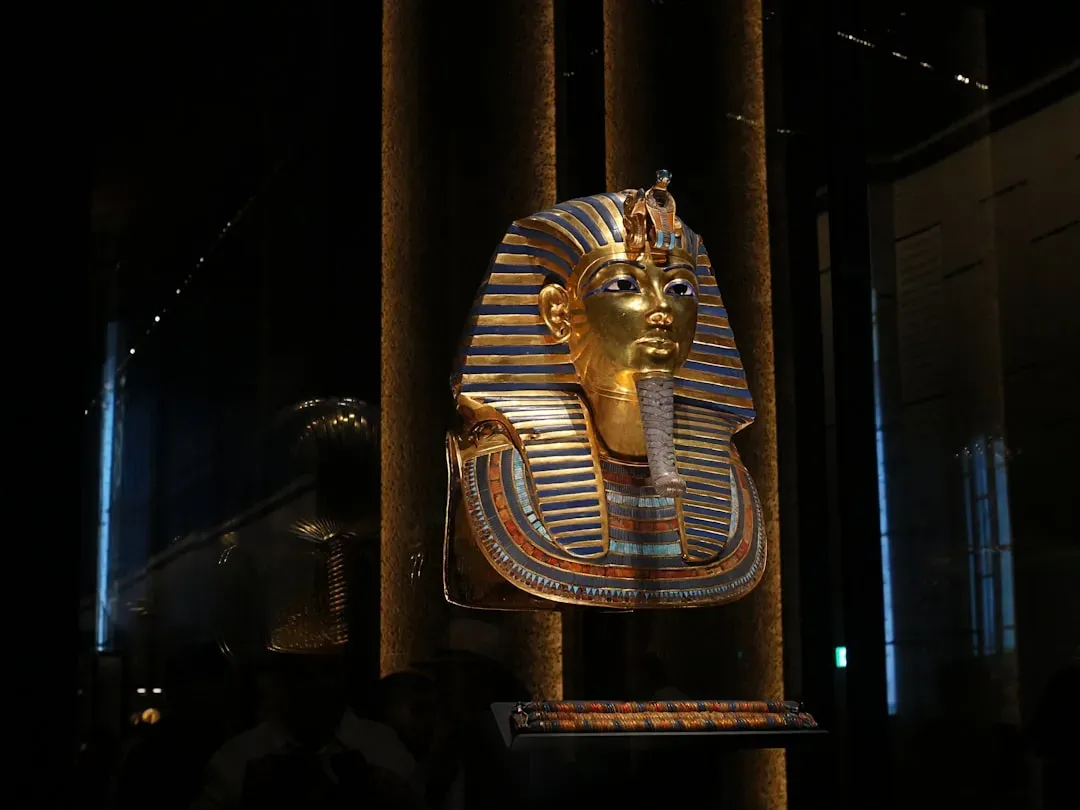
King Tutankhamun is perhaps the most globally recognized name in all of Egyptology, and yet the way he died remains a genuinely unresolved puzzle. King Tut reigned during the 18th Dynasty and ascended the throne at just nine years old. His tomb, discovered in 1922 by Howard Carter, was a treasure trove of artifacts, but his sudden death at around 19 remains a mystery. Initial theories suggested foul play, given the tumultuous political environment of his reign.
Recent studies using advanced imaging techniques suggest he may have suffered from malaria or genetic disorders due to inbreeding, a common practice in Egyptian royalty. Despite these theories, the precise cause of his untimely demise remains speculative. King Tut’s death continues to intrigue, partly because it coincided with shifts in religious and political power that shaped Egypt’s history. I think this one is particularly haunting because the boy was barely an adult, and yet the world has spent a century arguing over what took him. In 2023, Egyptologist Sofia Aziz even posited a different cause of death, pointing to a fracture in Tut’s leg caused by something like a high-speed chariot crash.
The Lost Labyrinth of Egypt: 3,000 Rooms Buried in Sand
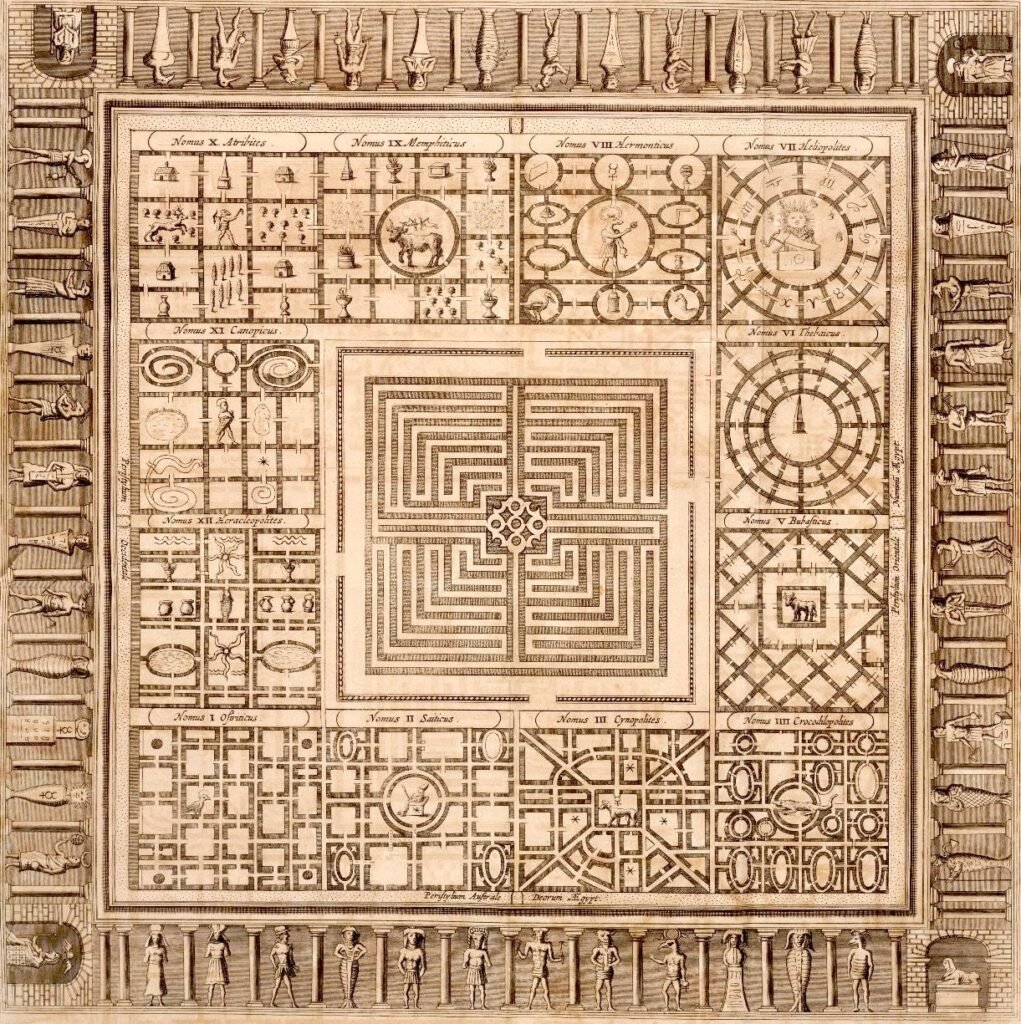
Here is the thing most people have never heard about: there may be a structure buried beneath Egypt that makes even the pyramids look modest. The Greek historian and geographer Herodotus mentioned a massive labyrinth by the pyramids in the 4th century BCE when he visited Egypt. In modern times, no such labyrinth is visible, and many believe his writings to be either a lie or done out of confusion. However, in 2008, a structure buried under mountains of sand near the Great Pyramids was detected by geo-radar scans, and they discovered a massive stone foundation that measured nearly 1,000 feet across.
This was described as a massive building, two stories tall. Inside, there were an unbelievable 3,000 different rooms, all connected through a winding maze of passages so complex that nobody could find their way out without a guide. At the bottom, there was an underground level that served as a tomb for kings, and at the top was a massive roof made out of a single gigantic stone. What is maddening is that a team of geo-radar specialists scanned the plateau and found what appears to be an underground labyrinth just like the one ancient writers described, yet no one has ever excavated it or stepped inside. That is incredible to think about.
The Dendera Light: Ancient Electricity or Sacred Mythology?
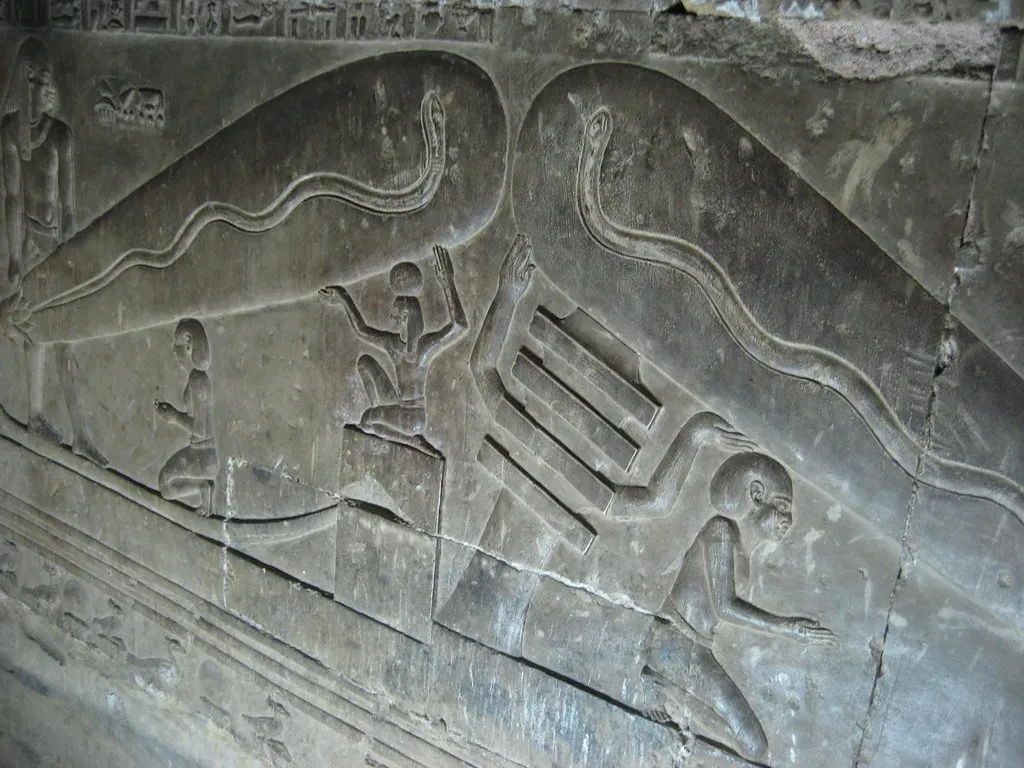
Tucked deep inside the Temple of Hathor at Dendera lies one of the most debated carvings in all of Egyptian archaeology. The Dendera Light is a modern interpretation of reliefs found in the Hathor Temple at Dendera, depicting scenes that some believe resemble large light bulbs with filaments. Proponents suggest these images are evidence of ancient electrical technology. However, mainstream archaeological interpretation identifies the reliefs as symbolic representations of Egyptian creation mythology, specifically the lotus flower birthing a snake within a protective bubble.
The debate gets even more specific when you look at the tomb lighting angle. If Egyptians had used torches or lamps, the emitted smoke would have left marks on the walls or ceilings, yet none of the Egyptian constructions have any traces of soot. Some say they used special oils that did not emit smoke, while others suggest they used the reflection of mirrors. However, the latter is very difficult to understand in many of the deep tombs, like those in the Valley of the Kings and the Dendera temple itself. Honestly, the absence of historical texts discussing the use of electricity in ancient Egypt is a major point against the Dendera light hypothesis. Archaeologists have not found any unambiguous electrical artifacts in thousands of ancient sites throughout Egypt. There is no concrete proof available yet to suggest that ancient Egyptians had harnessed the power of electrical lighting.
The Unknown Queen: A Royal Identity Erased by Time
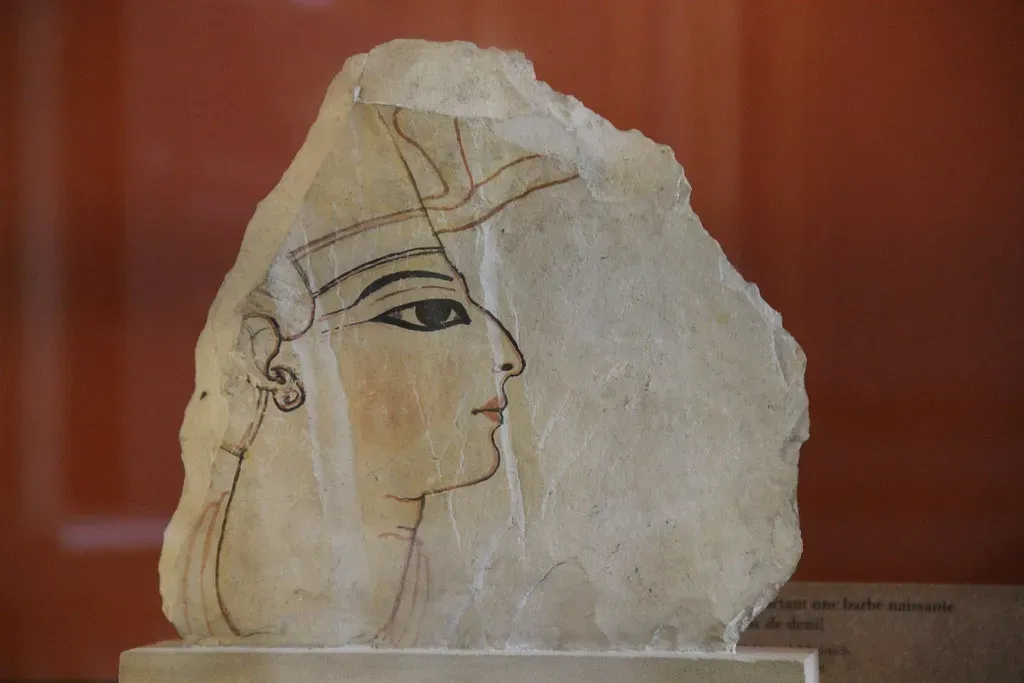
This one genuinely gives you chills. In 2015, archaeologists made a discovery that should have been earthshaking, yet it only deepened the mystery. Archaeologists were able to uncover a tomb of an unknown woman laid to rest sometime during the Old Kingdom, some 4,500 years ago. The hieroglyphics on her sarcophagus describe her as both the “mother” and “wife” of the king. A deeper look reveals that she might have been one of the most important female figures of ancient Egypt, but outside of the discovery of the tomb, it is a total mystery.
Some historians have dubbed her “Khentakawess III” under the belief that she was the daughter of Queen Khentakawess II. Some think she may have been the wife of King Neferefre and the mother of King Menkauhor. If her name was indeed Khentakawess III, there are no references to her in anything we’ve found. Her identity and her existence remain an enigma. Think about that as a metaphor for life itself: she was once arguably the most powerful woman on the planet, and today we cannot even say her name with certainty.
The Curse of the Pharaohs: Superstition or Something Stranger?
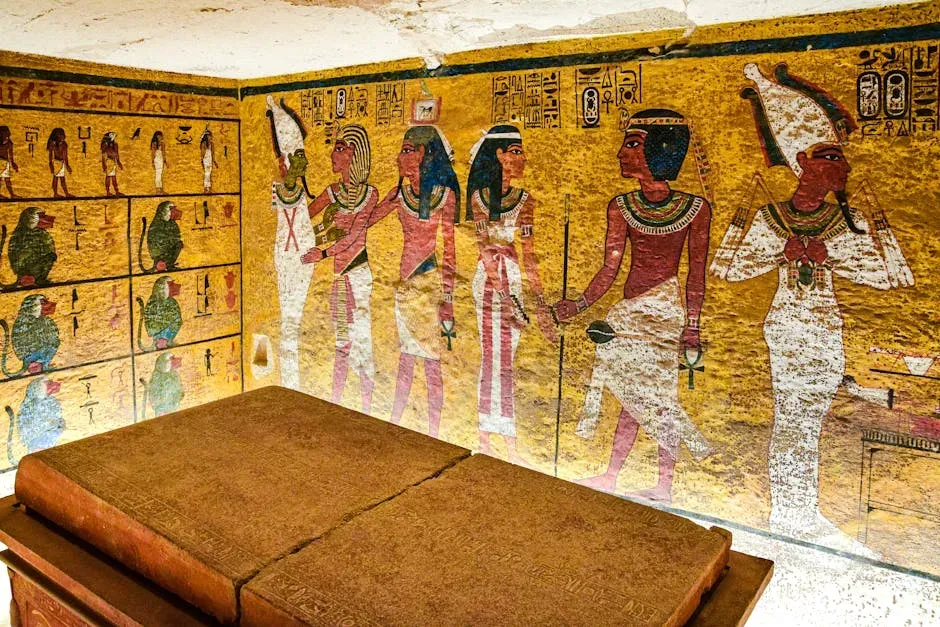
Let’s be real – the curse narrative is partly a media creation. Still, the details surrounding King Tut’s tomb are difficult to completely dismiss without at least a raised eyebrow. The “Curse of the Pharaohs” is one of ancient Egypt’s most chilling mysteries, captivating imaginations since the discovery of King Tutankhamun’s tomb in 1922. The idea of a curse gained traction when several individuals associated with the tomb’s excavation met untimely or unusual deaths. The most famous case is that of Lord Carnarvon, the expedition’s financial backer, who died shortly after the tomb was opened. Reports of his death were shrouded in eerie details, including a power outage in Cairo at the moment of his passing, and the death of his dog back in England.
Over the years, stories of other deaths, illnesses, and misfortunes among the excavation team and their families perpetuated the idea of a deadly curse. Skeptics argue that the supposed curse is a product of sensationalized media and coincidences. Scientific explanations, such as exposure to toxic mold or bacteria in the sealed tomb, have been proposed. It is hard to say for sure which explanation wins out here. The scientific angle makes sense, but the timing of so many strange events piled on top of one another is the kind of thing that keeps you thinking at 2 a.m.
The Kingdom of Punt: Egypt’s Mysterious Trading Partner
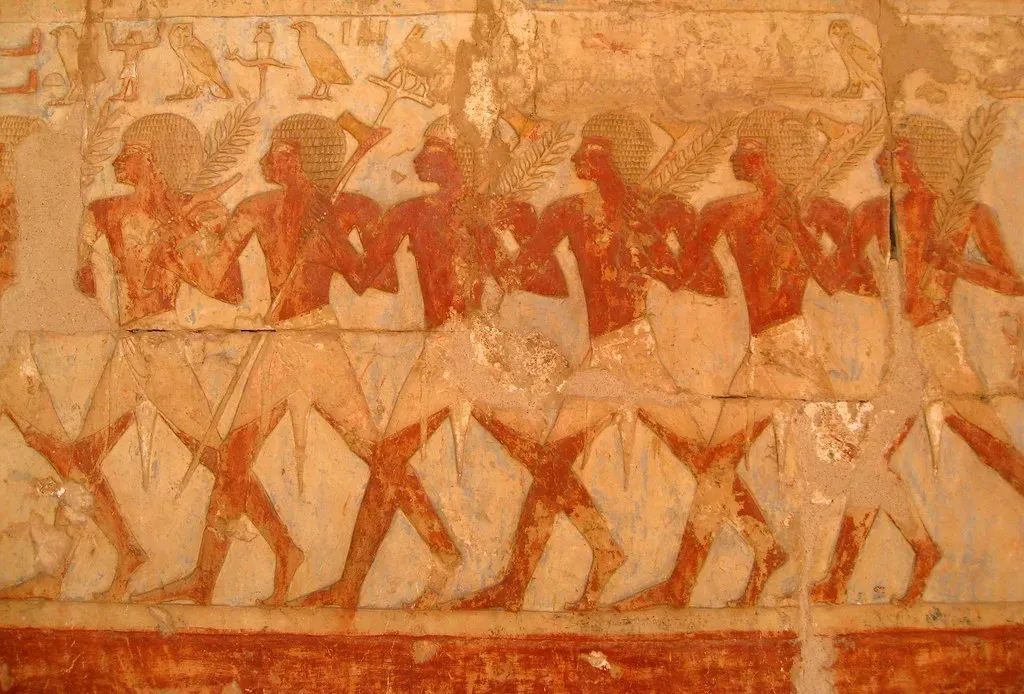
Ancient Egypt had a trade partner so important, so revered, that they called it “God’s Land.” Yet today, we cannot even locate it on a map. The ancient Egyptians came into contact with many foreign cultural groups throughout their history, but none remain as mysterious and shadowy as the people of Punt. There are dozens of written records about the area they call Punt, but few clear details on where it might have been. Punt is often depicted as a powerful African kingdom that existed alongside the Egyptians somewhere in the south. The Egyptians clearly respected and even venerated this kingdom, so far as to call it “God’s Land.”
The people who lived in Punt did not keep any known records of themselves. All that is known about Punt comes from the Egyptians themselves. The best evidence available that might reveal the true location of Punt is a few mummified baboons found in an ancient tomb in Egypt. Scientists have traced the origins of these baboons to what is modern-day Ethiopia. So we are essentially hunting a powerful, sophisticated civilization using baboon DNA as our primary geographic clue. The more you think about that, the more surreal it becomes.
Hidden Chambers in the Great Pyramid: What Lies Beneath?
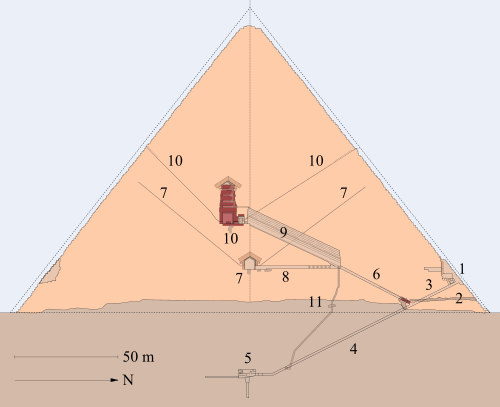
You might assume that after thousands of years of study, we would know every inch of the Great Pyramid by now. You would be wrong. The Great Pyramid of Khufu has stood as a marvel for 4,500 years. In 2017, scans revealed a large hidden chamber above the Grand Gallery, potentially the size of the largest known room in the pyramid. This discovery deepens the mystery of the pyramid’s interior. Think of it like this: it is as if someone lived in your house for decades, and then one day a radar scan reveals there is a secret room the size of your living room that nobody knew about.
The strange thing is that the Egyptians deliberately built at least one hidden chamber to be completely inaccessible. There are no corridors or pathways connected to it. The only way they could have put anything inside is if they filled the chamber while they were building the pyramid, then sealed it up afterward. We still haven’t seen the inside of this hidden chamber. Whatever is in there, Pharaoh Khufu apparently didn’t want it to ever see the light of day. That final point alone is enough to send the imagination running in a hundred different directions.
Conclusion: Egypt’s Secrets Are Still Talking to Us
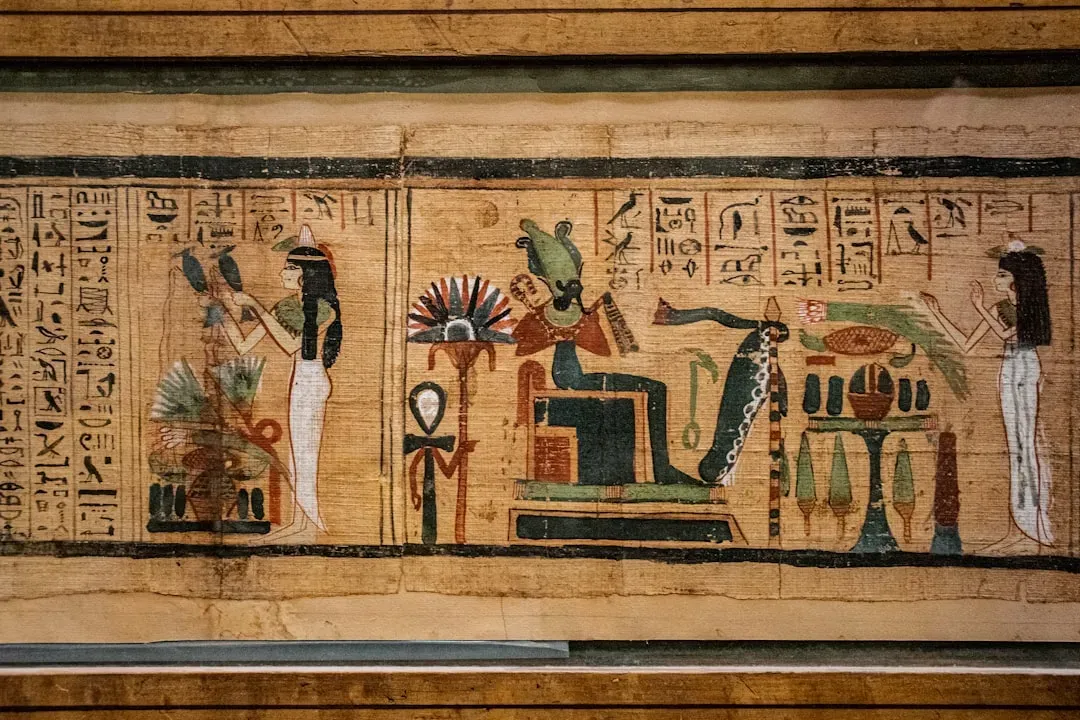
The ancient Egyptian civilization can only be defined as a place where the mind and the soul are trapped in a work of science fiction or an enchanting fairytale filled with immortal puzzles and heavenly wonders. Under the mythological sands of Egypt lie some of history’s most unsolved mysteries that keep challenging the concepts of reason and reality to this very day. From a queen whose name we cannot confirm, to a labyrinth nobody has entered, to a royal death with more theories than answers, every mystery in Egypt seems to spawn three more in its place.
What makes these puzzles so deeply compelling is not just the history involved. It is the humbling reminder that an ancient civilization operating thousands of years before our modern technology managed to engineer, organize, and document a world so complex that even we, with all our satellites and AI and ground-penetrating radar, are still standing at the door wondering what is on the other side. The secrets of Egypt go beyond its iconic monuments, and there are still many more unsolved mysteries that historians are getting closer to solving with the evolution of technology. Perhaps that is the real gift Egypt keeps giving us: not the answers, but the questions worth asking. So tell me, which of these mysteries do you find most impossible to shake? Drop your thoughts in the comments below.