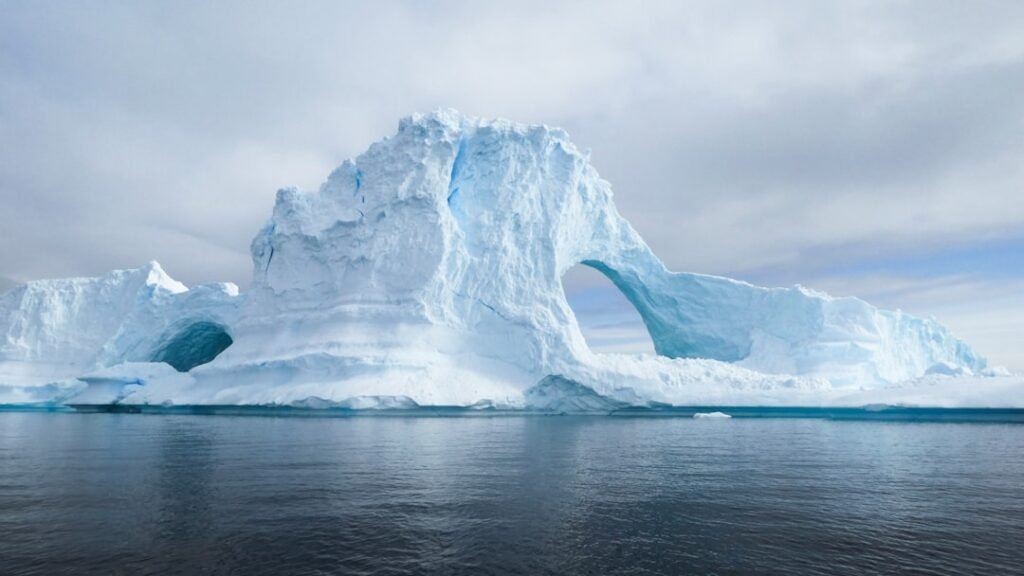

Buried beneath Antarctica’s seemingly endless white desert lies a secret world of dark water, long-buried valleys, and possible ancient life. This is not the frozen, lifeless wasteland many of us learned about in school. Under ice that is thicker than some mountain ranges are whole networks of lakes and rivers, sealed off from sunlight for millions of years and yet somehow still moving, flowing, and changing.
Scientists have only recently begun to drill through the ice to touch these hidden waters, and what they’re finding is quietly rewriting what we thought we knew about life on Earth. Strange microbes, alien-like landscapes, and hints of long-lost climates are turning Antarctica into one of the most exciting – and mysterious – places in modern science. The deeper researchers go, the more it feels like exploring another planet, without ever leaving our own.
The Secret Landscape Beneath Three Kilometers of Ice
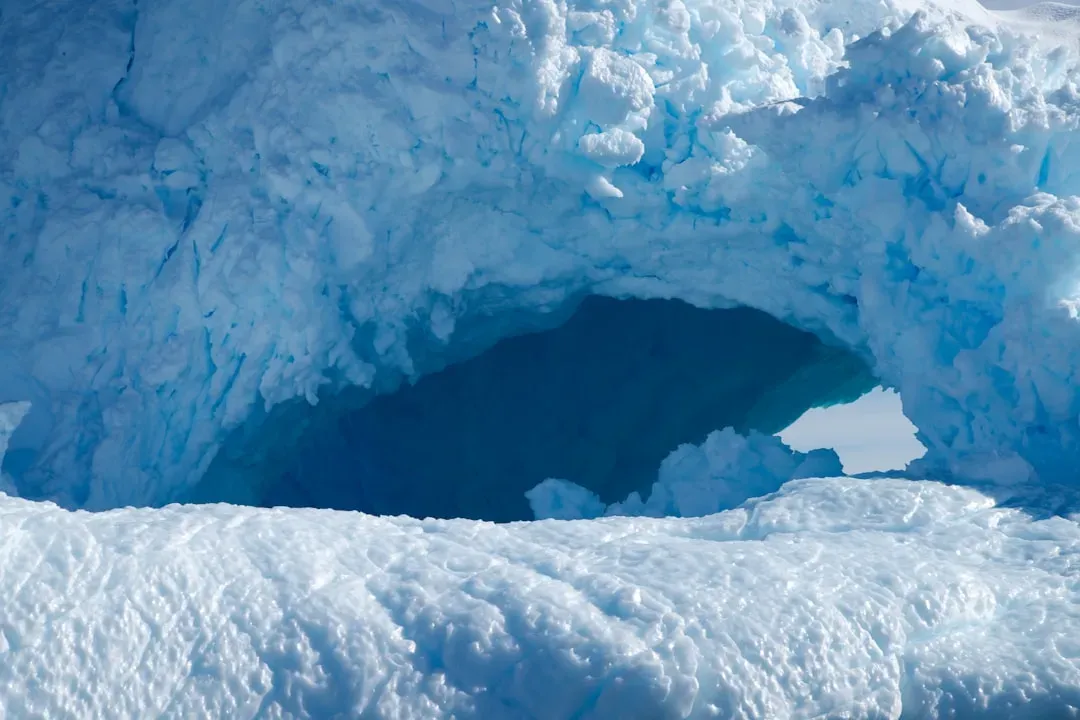
Imagine flying over Antarctica and realizing that, beneath the smooth white sheet, there are mountains as tall as the Alps and valleys deeper than the Grand Canyon. That is exactly what radar and satellite mapping have revealed over the last few decades. Instead of a flat, frozen slab, the continent hides basins, ridges, and vast lowlands that trap and channel water like a buried watershed.
These hidden shapes matter, because they dictate where subglacial lakes form and how water flows under the ice. In some places, pressure from the enormous ice above melts the bottom into thin films of water, which then pool into lakes and squeeze through channels like underground plumbing. I still remember the first time I saw a shaded-relief image of Antarctica’s bed: it felt less like looking at Earth and more like seeing a secret level of a video game that had been locked away for ages.
Subglacial Lakes: Antarctica’s Dark, Hidden Oceans
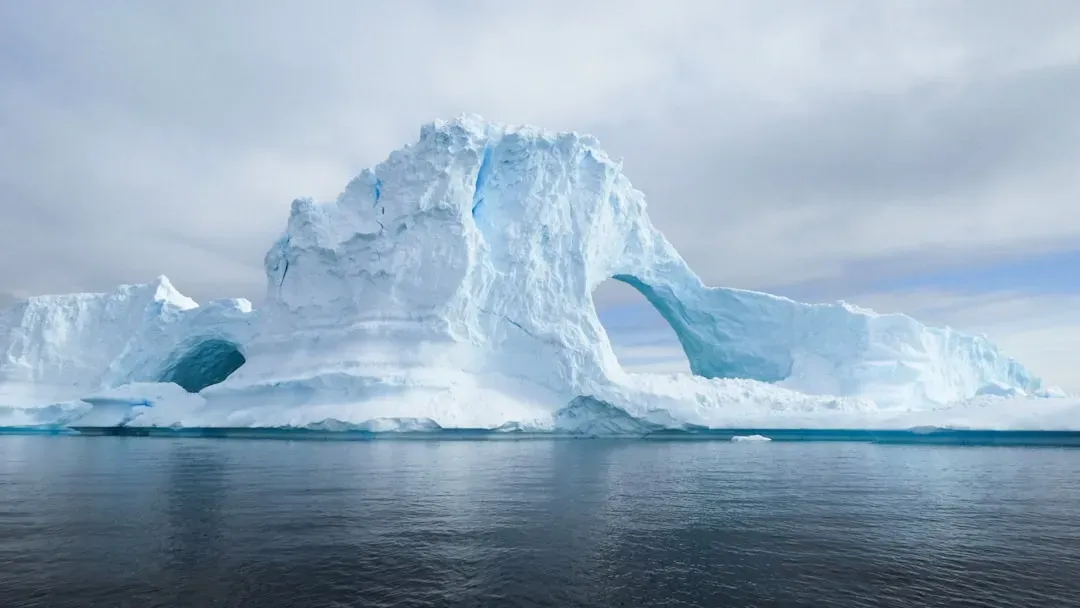
One of the most surprising discoveries is just how many lakes are lurking under the ice. Scientists have identified several hundred subglacial lakes scattered across the continent, ranging from small pockets of water to enormous bodies stretching for tens of kilometers. These lakes are sealed by thick ice, permanently dark, and often sit under pressure so intense it would crush most submarines.
Far from being static, many of these lakes appear to fill and drain over years or decades. Satellites watching the ice surface have seen it subtly rise and fall as water pulses from one lake to another deep below. It’s like an invisible heartbeat in the continent, a slow, hidden rhythm that reminds us that Antarctica is not simply frozen solid, but alive with motion we’re only beginning to trace.
Lake Vostok and Its Mysterious, Ancient Waters
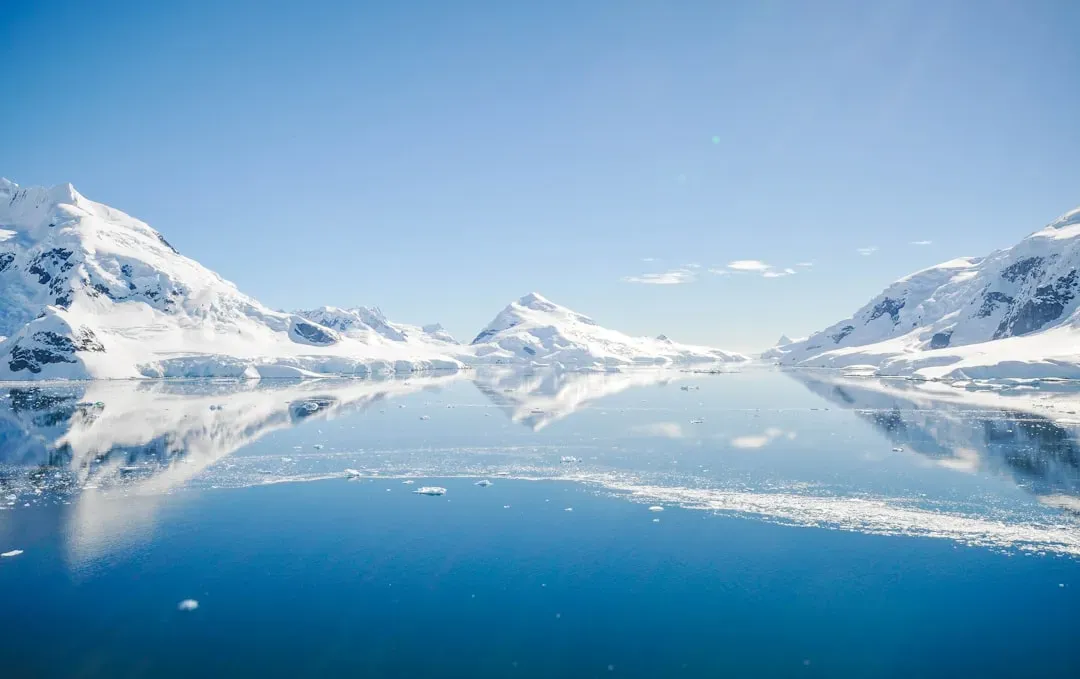
Among all of Antarctica’s hidden lakes, Lake Vostok is the celebrity. It lies beneath roughly four kilometers of ice in East Antarctica and is about the size of a small country, one of the largest lakes on Earth by volume. Its waters have likely been sealed off from the surface atmosphere for hundreds of thousands, possibly even millions, of years, turning it into a natural time capsule.
Because it’s so deep and so isolated, Lake Vostok is an almost irresistible target in the search for ancient life. Early attempts to access it were controversial, partly because of worries about contaminating a pristine ecosystem with modern microbes and drilling fluids. Even so, hints of microbial DNA have been reported from samples of lake ice, suggesting that something might be living – or at least surviving – in those dark, cold depths, feeding on minerals instead of sunlight.
Microbes in the Dark: Life Without Sunlight
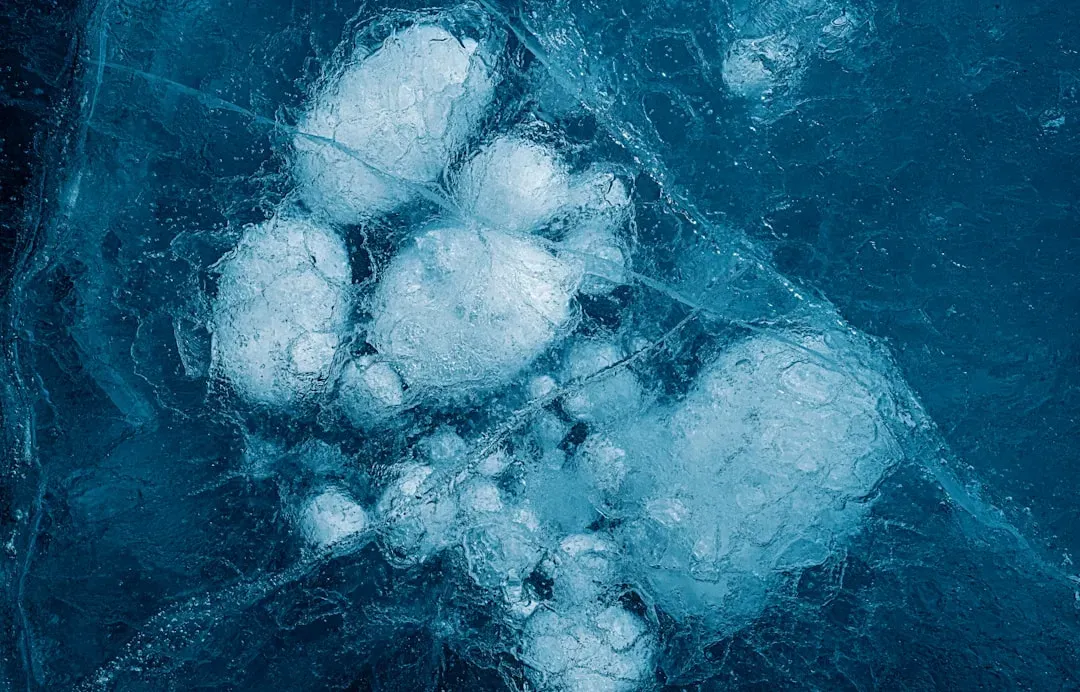
When people think about life, they usually picture green plants soaking up sunlight, but the subglacial world runs on a different energy economy. Under Antarctic ice, microbes are believed to survive by using chemical reactions instead of photosynthesis, feeding off minerals in the rock, tiny amounts of organic material, and oxidants created when ice and rock grind together. It’s like an underground battery, one that can run for a very long time with only a trickle of input.
Direct evidence of such life has come from places like Lake Whillans and other shallower subglacial systems, where carefully sterilized drilling projects have recovered living microbial communities from water and sediment. These organisms are incredibly small and slow-growing, but astonishingly tough. For me, the most mind-bending part is that this hidden biosphere could have been active through multiple ice ages and warm periods, persisting quietly while the surface of the planet changed again and again.
Drilling Through the Ice: How We Explore a Hidden World
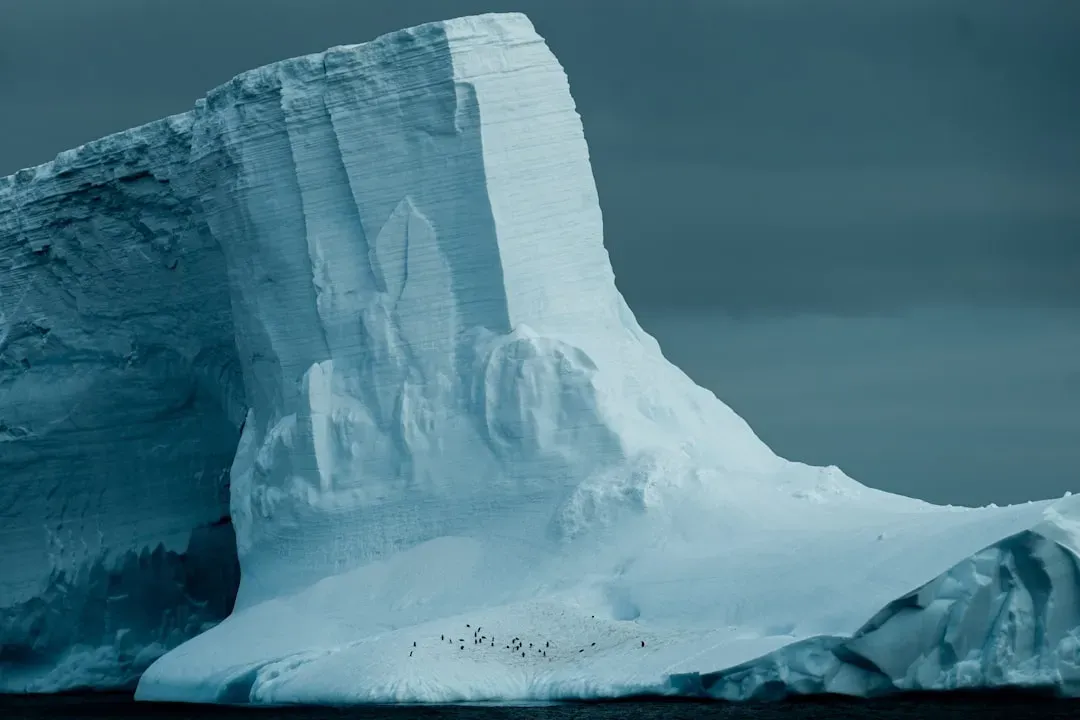
Reaching a lake that lies several kilometers below the surface without ruining the very thing you want to study is a delicate balancing act. Researchers use hot-water drilling systems and clean rooms on the ice to keep equipment as sterile as possible, trying to avoid bringing modern microbes or chemical contamination into ancient waters. Every step is slow, expensive, and vulnerable to bad weather, mechanical failures, and the brutal cold.
Projects like the exploration of Lake Whillans and Lake Mercer have shown that clean access is possible, but it takes years of planning and international cooperation. There’s a constant tension between scientific curiosity and ethical caution: how far should we go in probing these untouched environments? In a way, working on Antarctic lakes has forced scientists to practice for planetary protection rules that might one day govern missions to Europa or Enceladus, where we face similar dilemmas on a much grander stage.
Antarctica as a Blueprint for Life Beyond Earth
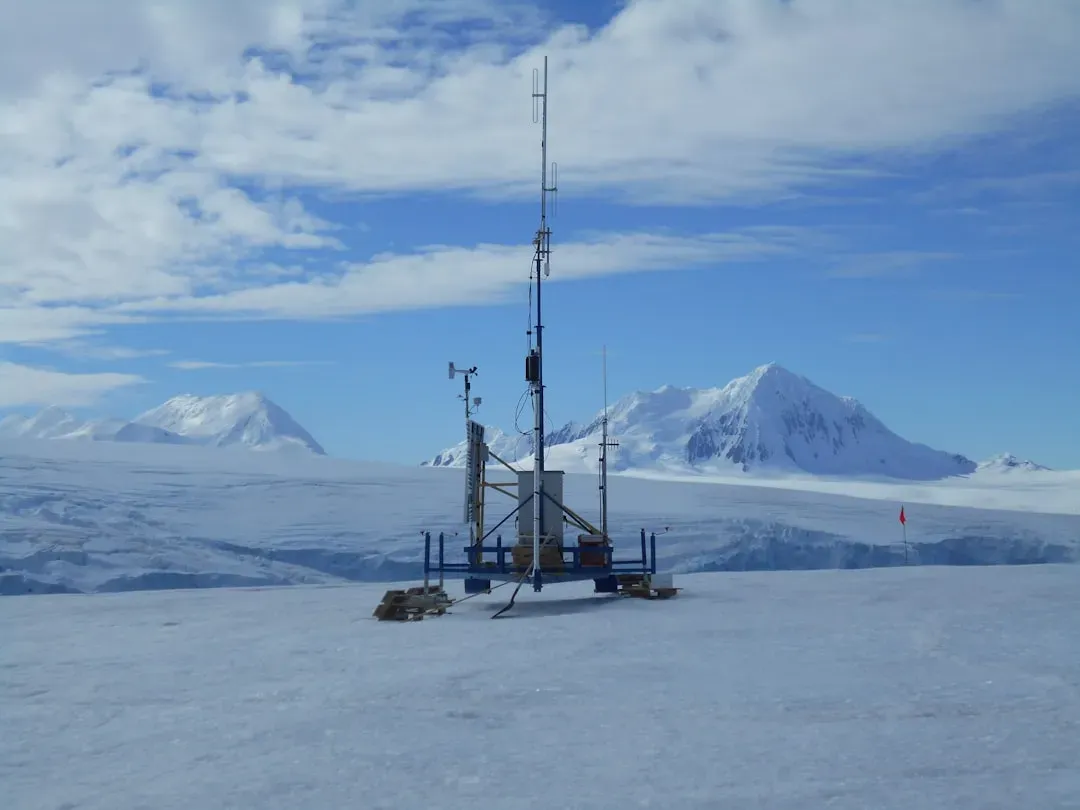
The strangest twist in this story is that Antarctica, our coldest continent, has become a kind of training ground for exploring icy worlds in the outer solar system. Moons like Jupiter’s Europa and Saturn’s Enceladus are believed to hide deep oceans beneath ice crusts, warmed not by sunlight but by internal heat and tidal forces. If microbes can make a living in Antarctica’s trapped, dark lakes, then similar life might be possible in those distant oceans too.
Space agencies have already used Antarctic field sites as analogs for future missions, testing drilling tools, remote sensors, and contamination controls. The logic is simple: if your technology can’t handle the brutal, unpredictable realities of Antarctica, it probably won’t survive a mission several hundred million kilometers away. So every sample of subglacial water here on Earth does double duty, telling us about our own planet’s resilience while sharpening our questions for the day we finally drill into alien ice.
Clues to Past Climates and Our Future Seas
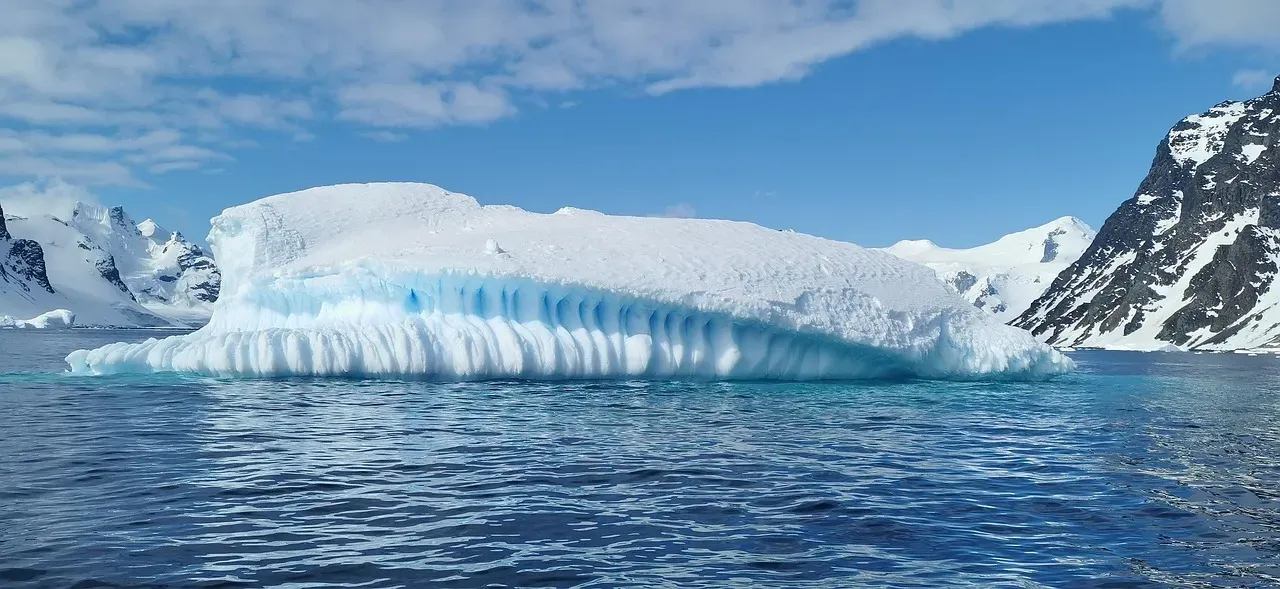
Hidden lakes and buried sediments in Antarctica are more than just exotic habitats; they are archives of Earth’s climate story. Layers of mud and mineral grains at the bottom of these lakes can record when ice sheets advanced or retreated, what the atmosphere was like, and how warm the oceans grew. By reading this buried history, scientists can piece together how the Antarctic ice sheet responded to past periods of warming.
That matters urgently now, as global temperatures continue to rise and ice loss from Antarctica accelerates. Understanding how water moves under the ice helps predict how quickly glaciers might slide toward the ocean and raise sea levels. In a strange twist, the same hidden lakes that feel like time capsules from a lost world are also warning lights on the dashboard of our future, flashing signals we’d be foolish to ignore.
What Antarctica’s Hidden Lakes Teach Us About Life Itself
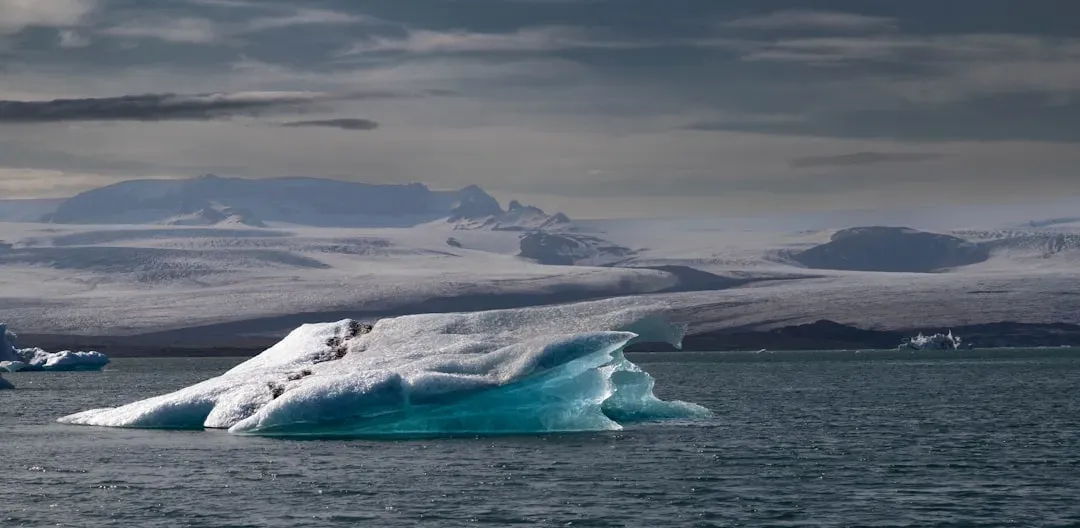
Beyond the data, there’s something quietly humbling about the idea that vast ecosystems could exist in total darkness, locked away under crushing ice for ages. It challenges the comforting notion that life is mostly about sunshine, warmth, and pleasant conditions. Instead, Antarctica whispers a different story: that life is stubborn, inventive, and willing to carve out an existence in places that look utterly hopeless from the outside.
For me, that might be the most powerful message buried beneath the Antarctic ice. These lakes remind us that the universe could be teeming with life in forms and places we’re not yet ready to recognize, from subglacial worlds on Earth to oceans under alien ice. They also nudge us to look differently at our own planet, to see the hidden networks and quiet survivors we usually overlook. Who knows what else is still sleeping in the dark, just waiting for us to finally look beneath the surface?