
Imagine something alive right now that was already ancient when woolly mammoths still roamed the Earth. Something that spent tens of thousands of years locked in darkness, frozen solid, neither dead nor truly living. A quiet passenger in the ice, waiting. When scientists finally thawed it out in the lab, it stirred. Slowly, then explosively. That is not fiction.
You are standing at the edge of one of the most extraordinary frontiers in modern science. Earth’s frozen landscapes, the sweeping permafrost of Alaska, the deep Antarctic ice sheets, the sub-zero brine channels of polar sea ice, are turning out to be biological time capsules of staggering complexity. What researchers are finding inside them is reshaping how you think about life, survival, and even the possibility of organisms on other worlds. Let’s dive in.
A World Frozen in Time: What Permafrost Actually Is
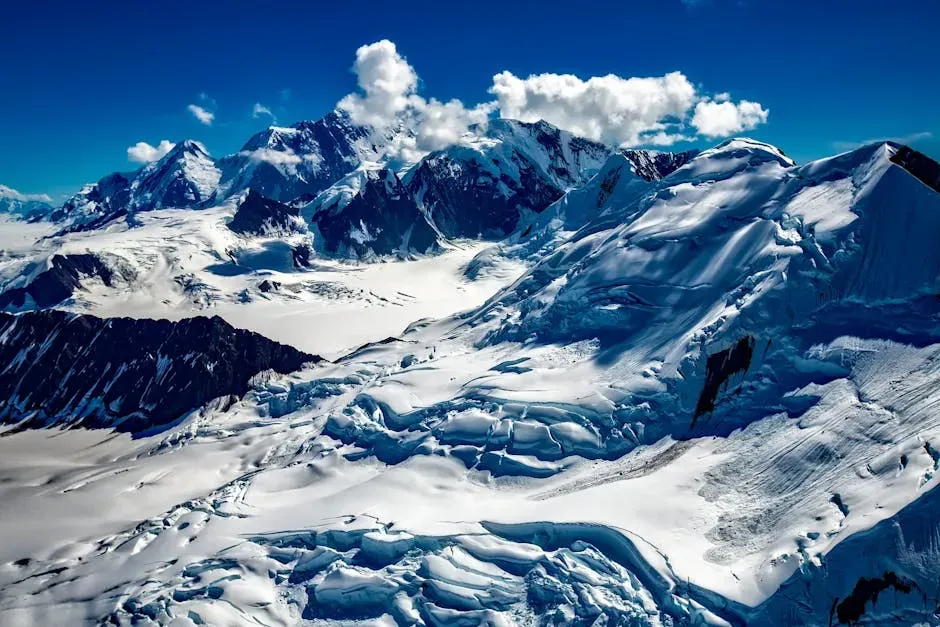
You might picture permafrost as just frozen dirt. It’s so much more than that. Permafrost is soil, rock, or sediment that remains at or below 0°C for at least two consecutive years. It’s not just ice – it’s frozen earth, often containing organic matter and minerals. Think of it like a massive deep freezer built into the planet itself, one that has been running for millennia without interruption.
There is a huge amount of carbon stored in permafrost, an estimated 1,500 gigatons, roughly twice as much as the entire atmosphere currently contains. This carbon is the remnant of plants and other organic matter that didn’t fully decompose in the frozen soils over thousands of years, with the oldest known permafrost being around 700,000 years old. That is not just geology. That is a biological archive sitting quietly underfoot.
The Alaskan Tunnel That Changed Everything
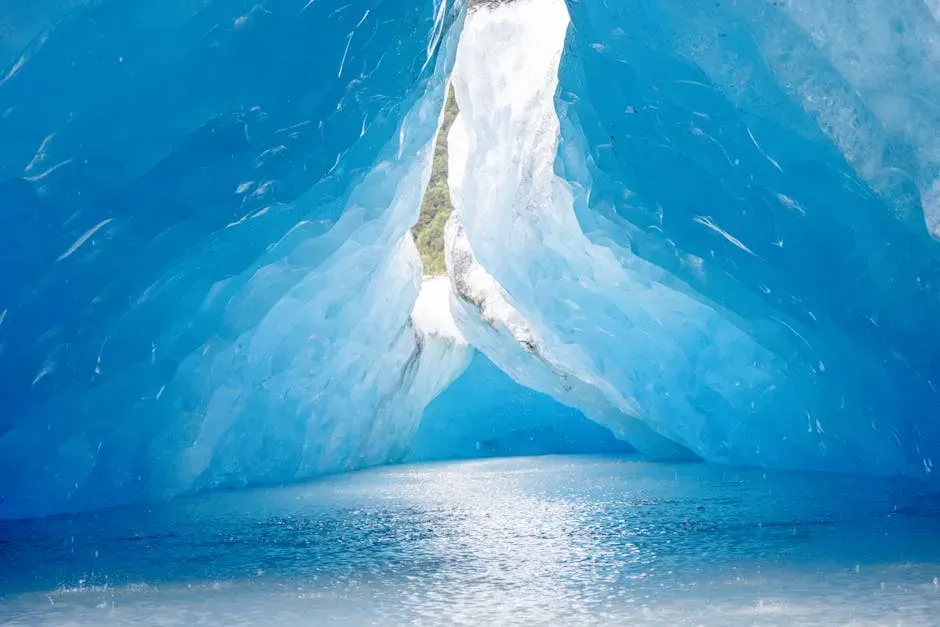
Resurrecting organisms trapped in Arctic ice for thousands of years may sound like something from a science-fiction novel, but that’s exactly what a team of biologists and geologists has done in central Alaska. The life forms in question are ancient microbes, some as old as 40,000 years, extracted from the walls of the Permafrost Tunnel Research Facility, a permafrost study site near the city of Fairbanks that extends more than 100 metres into the frozen ground beneath Alaska.
The team collected permafrost samples from a tunnel in central Alaska, where the U.S. Army Corps of Engineers has been digging into frozen ground for research. The tunnel is about 350 feet long and wide enough to walk through. You can see bison bones and even mammoth remains sticking out of the walls. It smells really bad, like a damp basement that’s been closed off for decades. Honestly, walking through time has never sounded more unsettling or more fascinating.
26 Species Science Had Never Seen Before
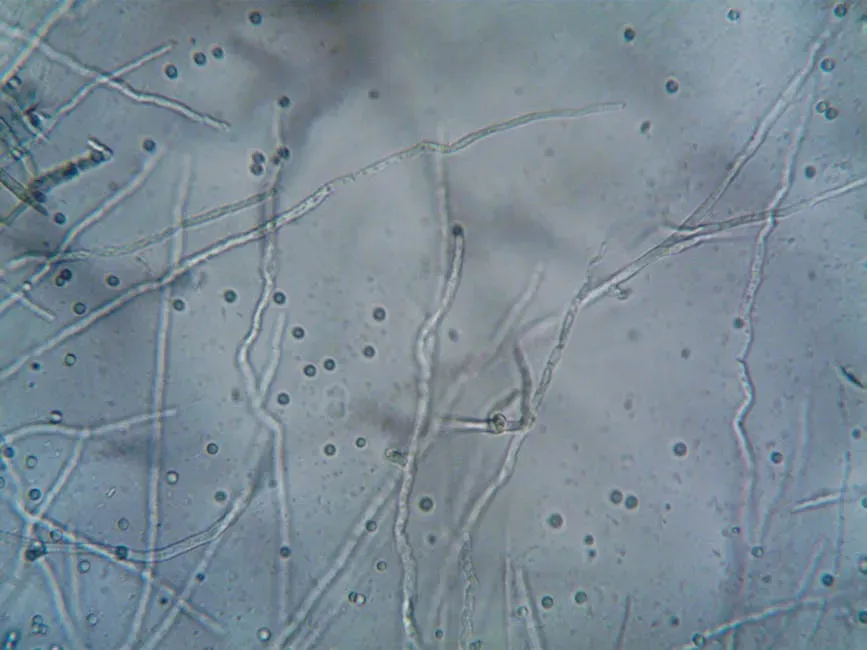
Scientists from the U.S. Army Corps of Engineers’ Cold Regions Research and Engineering Laboratory have discovered 26 new species of microorganisms preserved in ancient permafrost in Alaska. That number suggests the ancient permafrost is less like a graveyard and more like an untouched biological frontier, teeming with life forms that have been hidden from science for tens of thousands of years. Let that sink in for a moment.
Fifty-two percent of the bacteria discovered in the CRREL permafrost tunnel in Alaska have been new species, the Army Corps of Engineers said. The newly discovered species are classified as extremophiles, a term scientists use for organisms that can survive in harsh conditions such as extreme cold, low nutrients, and limited oxygen. These microbes didn’t just endure being frozen. They remained viable after extremely long periods in a frozen, dormant state. Forty thousand years of dormancy, and they could still be coaxed back to life.
The Slow and Stunning Awakening
Carefully thawing these frozen microbes, researchers from the University of Colorado Boulder noticed that, after a few months, they reawakened and formed active colonies. The process was nowhere near instant, though. It was more like watching a very, very slow sunrise after a 40,000-year night.
Bacteria usually replace entire colony cells within a matter of hours, but the permafrost samples began this process extremely slowly, sometimes replacing around one cell per 100,000 each day. Around six months later, however, their populations exploded. Some of the colonies grew so large that they created a viscous substance called biofilm that could be seen without a microscope. At the same time, temperature appeared to play a smaller role in cellular growth than the researchers anticipated. Exposure to sudden, hotter temperatures didn’t speed up microbial reproduction all that much. That detail alone rewrites some assumptions.
The Hidden World of Sea Ice and Antarctic Extremes
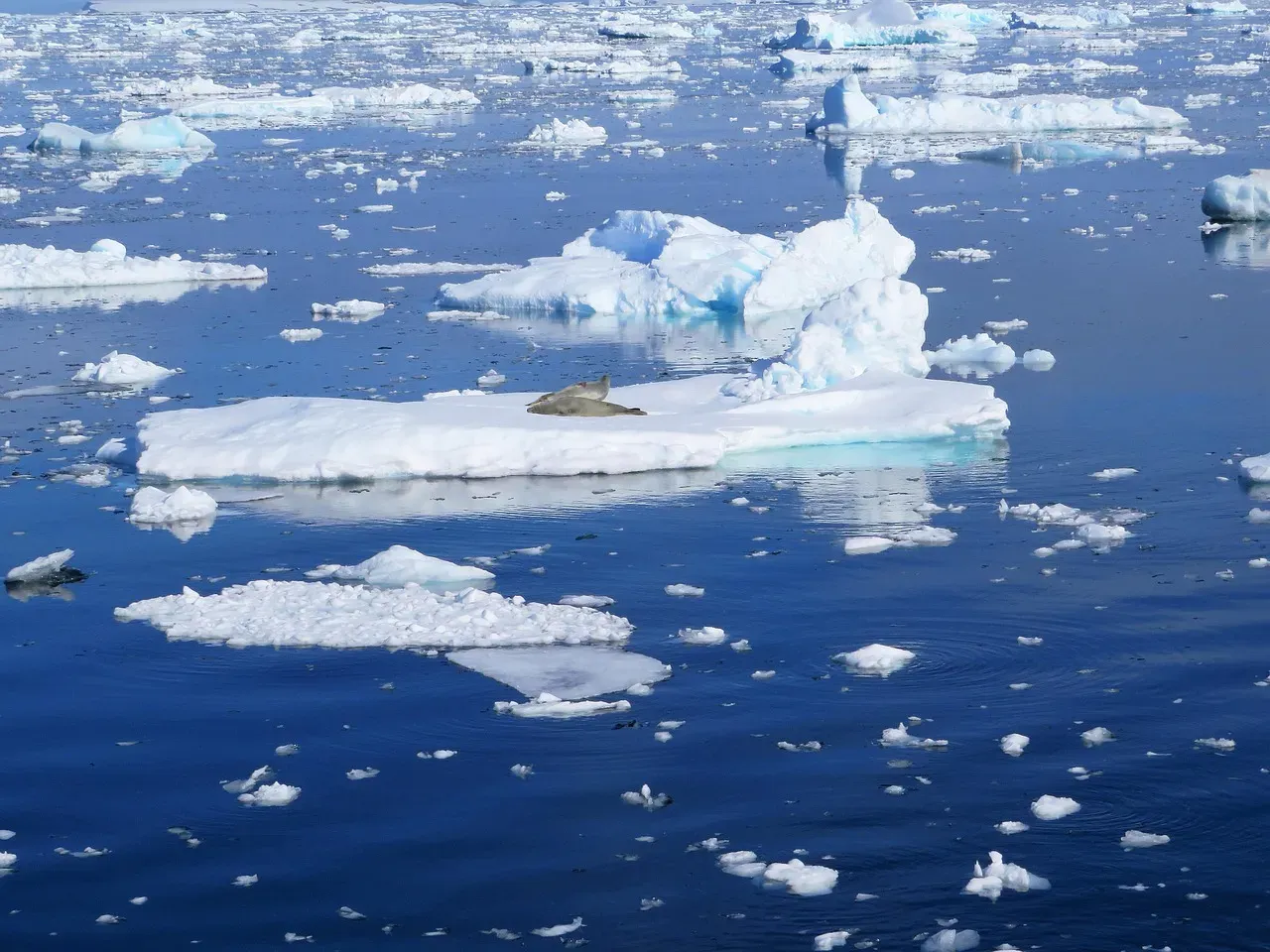
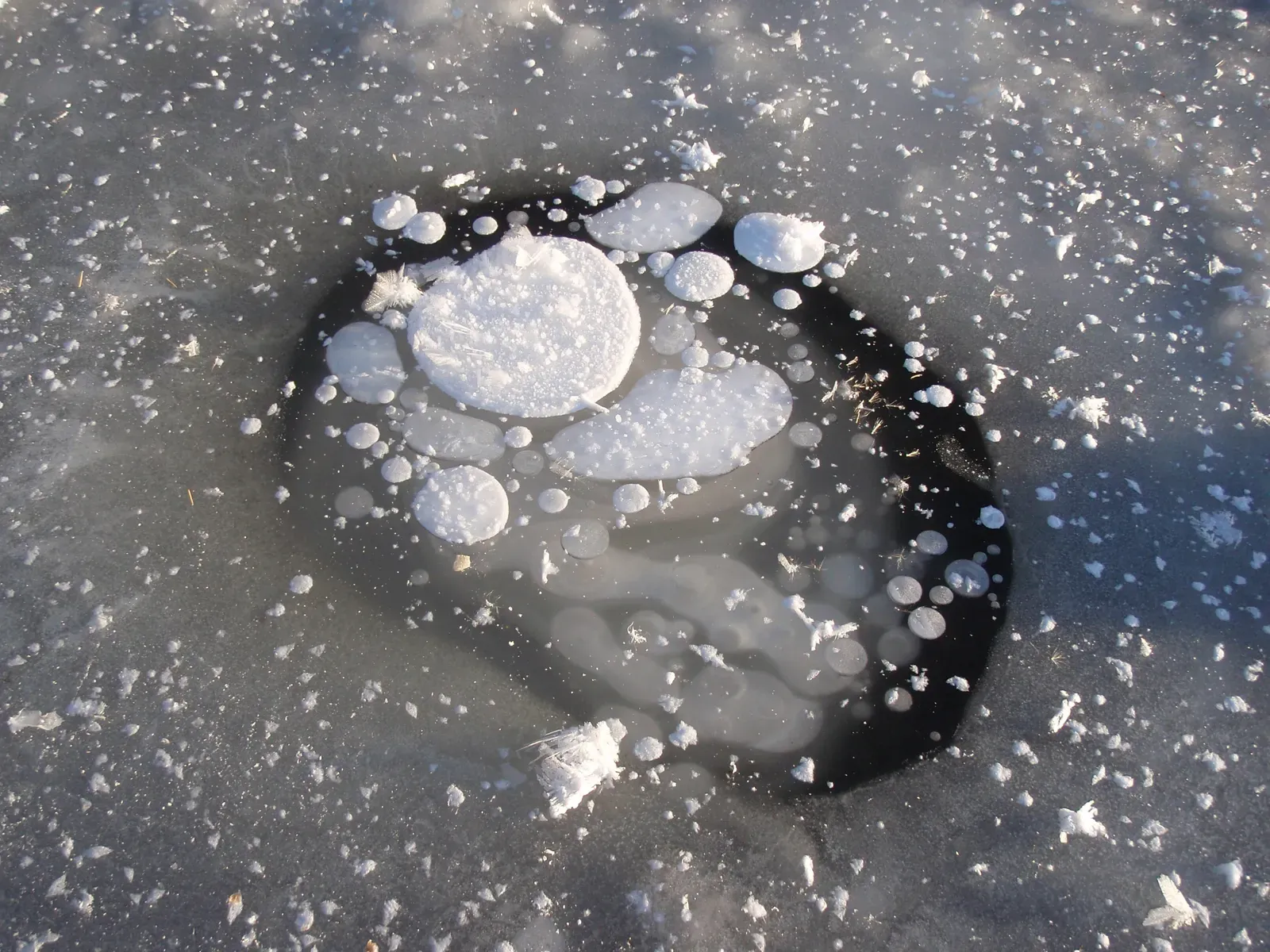
The pack ice of Earth’s polar oceans appears to be frozen white desert, devoid of life. However, beneath the snow lies a unique habitat for a group of bacteria and microscopic plants and animals that are encased in an ice matrix at low temperatures and light levels, with the only liquid being pockets of concentrated brines. Survival in these conditions requires a complex suite of physiological and metabolic adaptations, but sea-ice organisms thrive in the ice, and their prolific growth ensures they play a fundamental role in polar ecosystems.
Living in isolation for millions of years, cut off from sunlight and oxygen, surviving by breathing iron beneath an Antarctic glacier – such are the conditions of microbes living under Taylor Glacier in Antarctica’s desert-waste, the McMurdo Dry Valleys. These extremophiles, so-called because of their ability to live in conditions lacking warmth, light, and oxygen, survive in a briny liquid not dissimilar from seawater, where no one would have expected life. They had many similarities to microbes found in marine environments, leading researchers to a novel hypothesis: these extremophiles are adapted remnants of a once larger population of ocean-dwelling microbes. That is almost poetic, if you think about it.
The Climate Feedback Nightmare Nobody Wants to Ignore
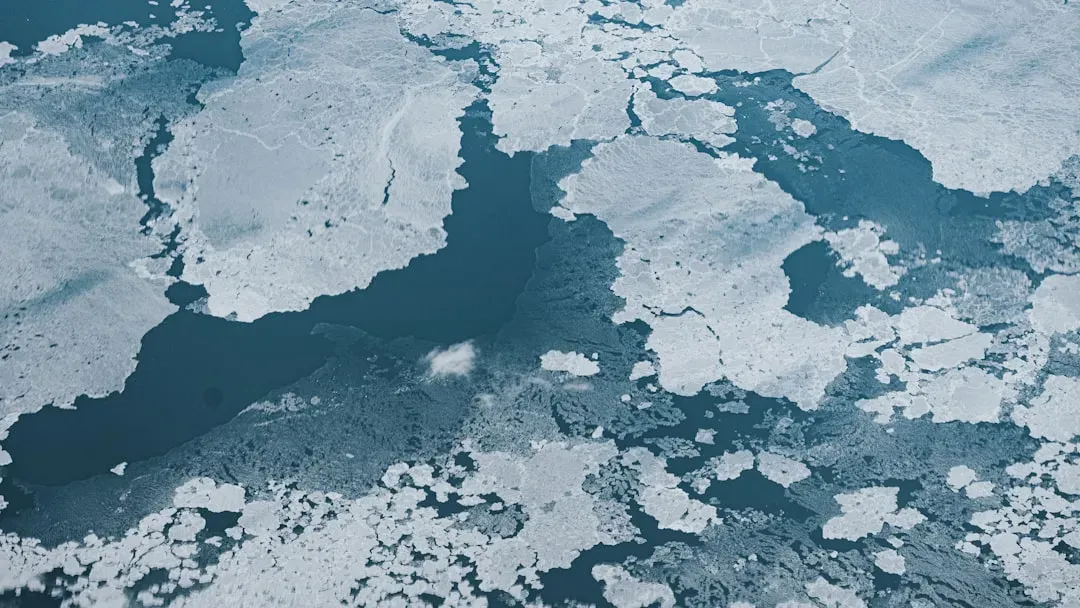
The Arctic warms, the permafrost thaws, permafrost contains CO2 and methane and will produce more CO2 and methane by the activity of microorganisms, which will cause the Arctic to continue to warm. That is really a concern, this kind of self-amplifying cycle, and scientists are starting to see it occur. Here is the thing: this is not a distant problem. It is already in motion.
Microbes that have been suspended in permafrost for up to 40,000 years could “reawaken” and start churning out greenhouse gases if Arctic summers grow much longer. Under future climate conditions, microbes that have been dormant since the last ice age may only need a few months to reactivate. If they do so for even a part of the year, scientists warn this could trigger a feedback loop that would accelerate permafrost thaw. Exposure to sunlight can quickly convert ancient organic carbon to carbon dioxide, a phenomenon not yet reflected in many climate models. As a result, current projections of greenhouse gas release by thawing permafrost and the feedback loops of further thaw may be underestimated.
Ancient Ice Microbes and the Search for Life Beyond Earth
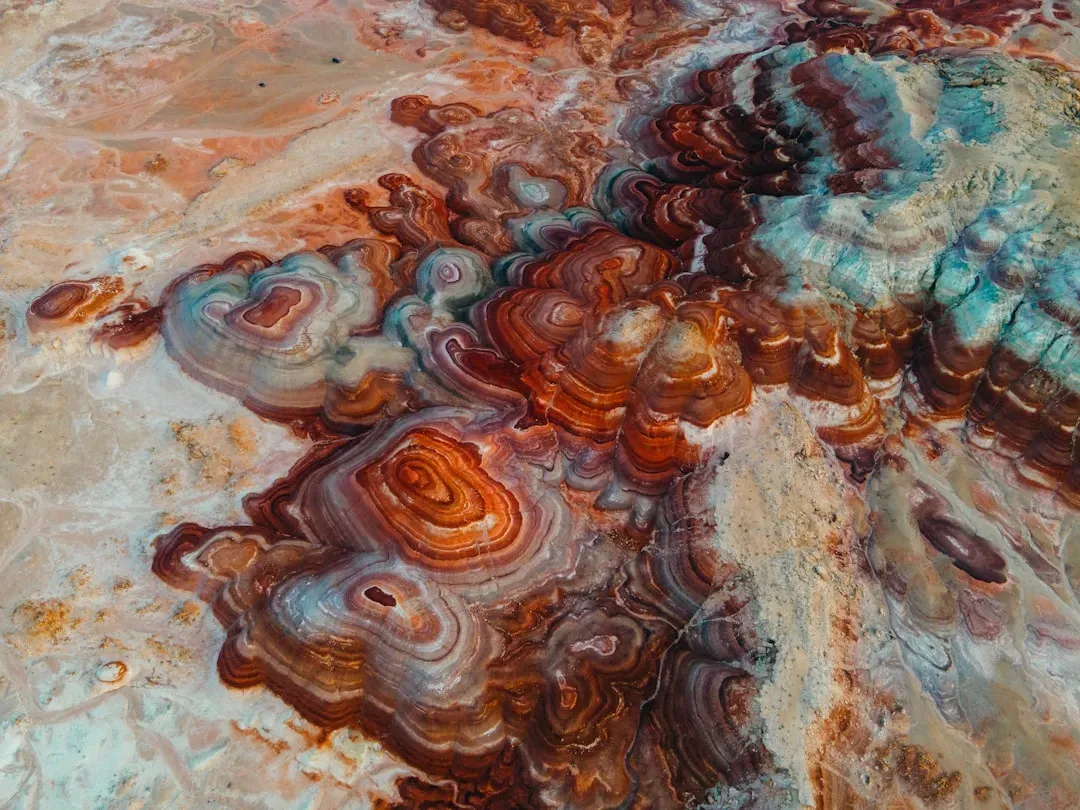
Frozen in time, ancient microbes or their remains could be found in Martian ice deposits during future missions to the red planet. By recreating Mars-like conditions in the lab, a team of researchers from NASA Goddard Space Flight Center and Penn State demonstrated that fragments of the molecules that make up proteins in E. coli bacteria, if present in Mars’ permafrost and ice caps, could remain intact for over 50 million years, despite harsh and continuous exposure to cosmic radiation. In the study, the researchers encouraged future missions searching for life on Mars to target locations with pure ice or ice-dominated permafrost for exploration.
Those results are encouraging to NASA’s Europa Clipper mission, which will explore the ice shell and ocean of Europa, the fourth largest of Jupiter’s 95 moons. Europa Clipper launched in 2024 and is traveling 1.8 billion miles to reach Jupiter in 2030. It will conduct 49 close flybys of Europa to assess whether there are places below the surface that could support life. The geographic structure of Antarctica, with its ice sheets, towering glaciers, frozen lakes, and dry valleys, is actually analogous to the extraterrestrial environment of Mars and Europa, providing an opportunity to understand the environmental constraints that limit life. Studying Earth’s ice is, in a very real sense, practice for exploring other worlds.
Ancient Microbes and a Surprising Fight Against Superbugs
You might not expect a 40,000-year-old frozen bacterium to have anything to do with modern medicine. Here is where it gets genuinely surprising. Scientists studying ancient microbes once entombed in cave ice say a bacterial strain they thawed and analyzed is resistant to 10 modern antibiotics used to treat diseases such as urinary tract infections and tuberculosis. It sounds alarming at first glance, but the picture is more nuanced.
The bacterial strain identified in recent research also offers hope in the fight against superbugs. Analysis of the Psychrobacter SC65A.3 genome revealed 11 genes that are potentially able to kill or stop the growth of other bacteria, fungi, and viruses. Ancient bacteria can resist modern antibiotics because antibiotic resistance is an ancient evolutionary characteristic shaped over millions of years by competition between microbes. As they mix with one another over millions of years, bacteria can share useful traits by exchanging small pieces of DNA, even between unrelated species, in an evolutionary arms race. The ice was not preserving a threat. It was preserving a pharmacy.
Conclusion: The Ice Was Never Empty
What all of this tells you is something profound and a little humbling. Scientists have estimated that the glaciers and ice sheets around the globe could contain as many as 10²⁹ cells. That is not a barren white landscape you are looking at when you see a glacier. That is an archive, a climate regulator, a medical library, and a window into the very nature of life itself.
The frozen frontiers of Earth are thawing faster than you have time to fully study them. Each year of melt takes with it ecosystems that took tens of thousands of years to develop. Glaciers aren’t sterile – they’re packed with life. Scientists are racing to document and bank the cryosphere’s hidden microbes before melting wipes out entire ice-bound ecosystems. The urgency is real. The science is extraordinary. The question that lingers, though, is this: what else is still sleeping out there in the ice, waiting to be found before it is gone forever? What do you think science will uncover next? Tell us in the comments.