
Step into almost any checkout line or open nearly any lifestyle app and you will find it: a daily horoscope promising insight into love, money, and destiny based on your zodiac sign. For some, it is a playful distraction; for others, a trusted guide. But behind those sun-sign blurbs lies a bigger and far more interesting story about why zodiac symbols endure, what they reveal about human psychology, and how science actually studies belief in astrology. Rather than asking whether the stars control our fate, researchers are asking a deeper question: what does our fascination with zodiac signs say about us? That shift in focus is quietly transforming astrology from a simple fortune-telling trope into a surprisingly useful window on the human mind.
The Hidden Clues: What Your Sign Really Reflects

Here is the first twist: when you tell someone you are a Leo or a Virgo, you are not revealing a cosmic code so much as signaling identity, expectation, and a story you are willing to inhabit. Psychologists who study personality and belief systems have found that many people selectively notice and remember horoscope statements that feel flattering or meaningful, a pattern known as the Barnum or Forer effect. In experiments, participants often rate identical, generic personality descriptions as “highly accurate” when told they were individually tailored using astrology. This does not prove that zodiac signs are secretly accurate; it shows how eager our brains are to find ourselves in any narrative that feels even roughly right. Your sign, in practice, often becomes a script you help write, not a destiny handed down from the sky.
At the same time, zodiac language can act like a mirror, giving people a vocabulary to talk about traits they already sense in themselves. Saying you are an impulsive Aries or a cautious Taurus sometimes gives social permission to explore those tendencies more openly. In that way, the sign is less a cause and more a container, collecting half-formed intuitions about who you might be. For friends sharing memes or comparing charts, it can become a shorthand for emotional compatibility, conflict, or humor. Whether or not the stars are involved, those conversations do real psychological work.
From Ancient Tools to Modern Science
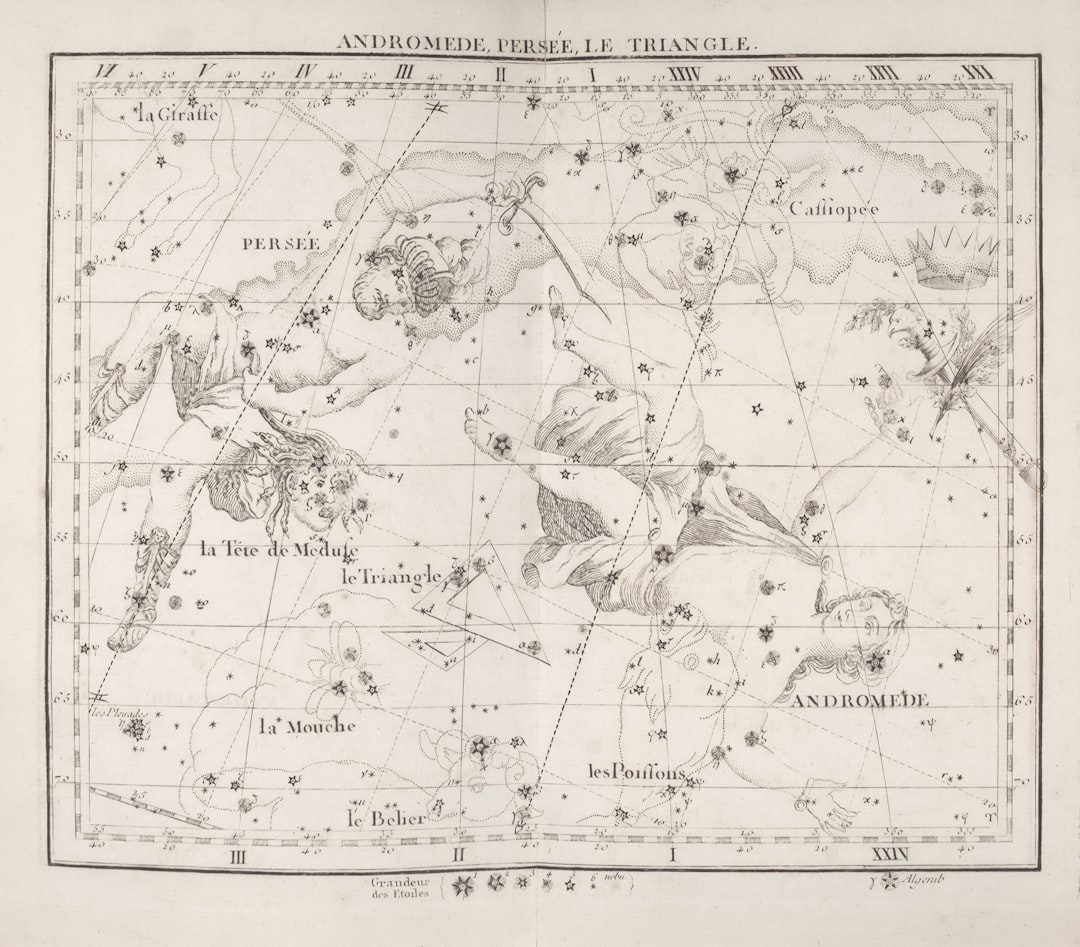
From Ancient Tools to Modern Science (Image Credits: Unsplash)
Long before zodiac memes on social media, the zodiac was a serious observational tool linking sky and season. Ancient astronomers in Mesopotamia and later in Greece mapped the Sun’s path through the constellations as a kind of celestial calendar, helping predict seasonal changes crucial for agriculture. Over time, those star patterns became linked to myths and character traits, evolving into the zodiac system familiar today. In pre-scientific societies, it made intuitive sense to assume that the same heavens that controlled tides and seasons might shape human lives as well.
Modern science, however, has tested those old assumptions with far more precise tools. Large-scale statistical studies comparing birth dates with personality traits, intelligence, or life outcomes have repeatedly failed to find robust links that match astrological claims. Astronomers point out that due to the precession of Earth’s axis, the Sun is no longer in the same constellation on a given date as it was when the zodiac was first defined, further undercutting strict astrological mappings. Where ancient sky-watchers saw divine messages, today’s researchers see physical processes governed by gravity, nuclear fusion, and orbital mechanics. Yet the cultural framework those early astrologers built still shapes how millions of people talk about themselves.
Personality, Placebo, and the Psychology of Belief
Personality, Placebo, and the Psychology of Belief (Image Credits: Unsplash)
When scientists look at astrology today, they are often less interested in star charts and more interested in belief itself. Studies suggest that people attracted to astrology tend to score higher on measures of openness to experience and intuition-based thinking, and lower on preference for strict analytical reasoning as the only way to understand the world. Belief in astrology is also correlated with belief in other so-called paranormal phenomena, not because believers are less intelligent, but because they are more comfortable with ambiguity and unseen forces. For many, zodiac signs do not need to be literally true to feel emotionally useful.
There is also a kind of placebo effect at play. If you read a prediction that your week will be full of opportunity and you walk into Monday with more confidence, that mindset alone can change how you behave, who you talk to, and what chances you notice. In this sense, the horoscope functions more like a motivational nudge than a forecast. Some therapists and counselors even encounter clients who use zodiac language as an accessible entry point to discuss relationships or self-worth. The danger arises when people treat astrological claims as fixed verdicts rather than stories they can revise.
Star Signs vs. Star Science: What the Data Actually Says
Star Signs vs. Star Science: What the Data Actually Says (Image Credits: Unsplash)
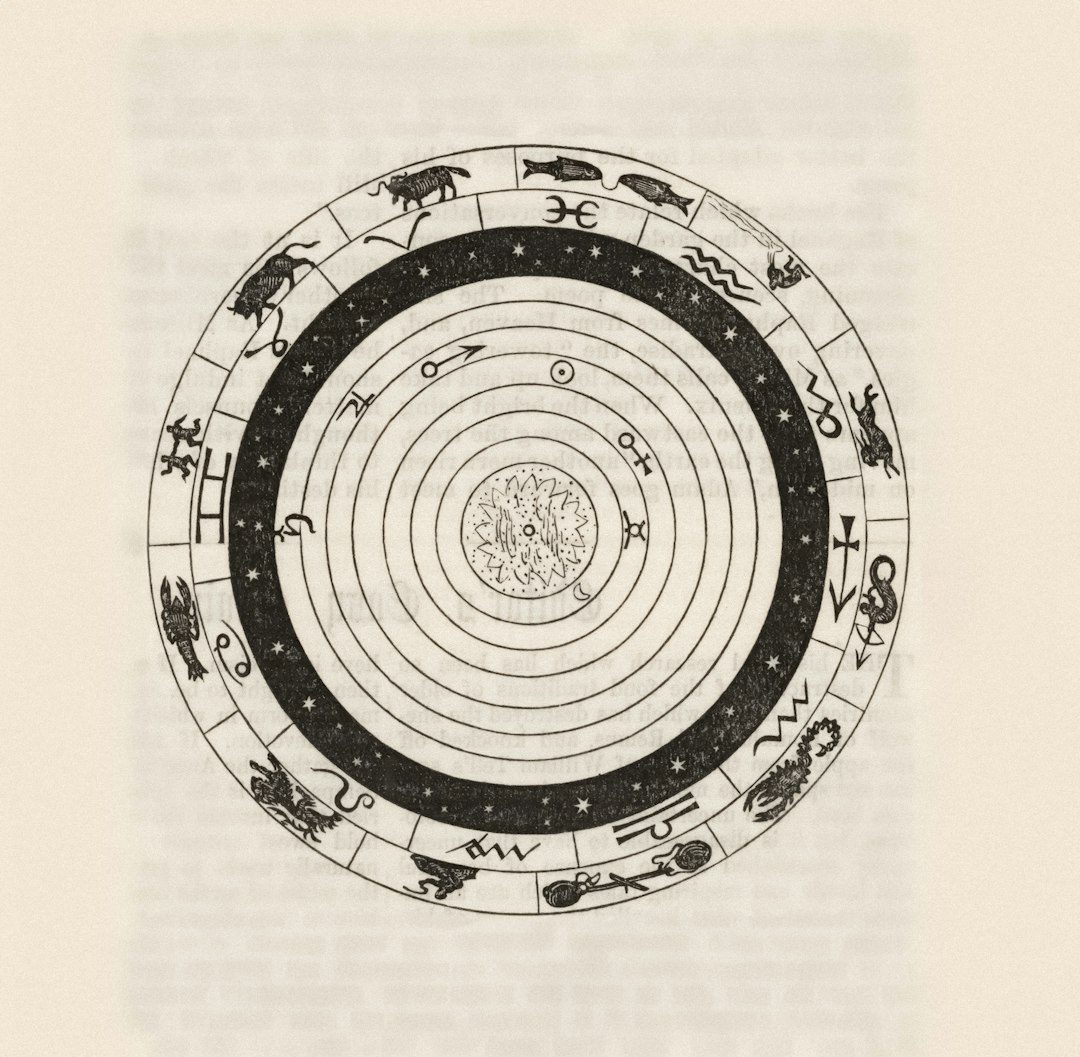
Astronomers and astrophysicists tend to be blunt on one key point: there is no known physical mechanism by which distant constellations could shape your personality at birth. The gravitational pull of the doctor delivering you has more measurable impact than Mars or Jupiter, and the photons arriving from those stars have traveled for years or centuries before brushing past Earth. In controlled tests, professional astrologers have struggled to match charts with personality profiles or real-life histories at rates better than chance. When statistical signal appears, it usually vanishes on replication, a red flag for real scientific effects.
That does not mean birth timing is always meaningless. Research in fields like epidemiology and developmental psychology has found that the month you are born can affect things like early disease exposure, daylight patterns, and even school-age relative maturity. Those factors can subtly influence life trajectories, but they operate through earthly mechanisms like viruses, school cutoff dates, and vitamin D levels, not planetary alignments. When scientists talk about “seasonality effects,” they are careful to separate them from astrological claims, even if both use birth dates as raw material. The overlap can be confusing, but the underlying logic is very different.
Why It Matters: A Lens on How We Seek Meaning
Why It Matters: A Lens on How We Seek Meaning (Image Credits: Unsplash)
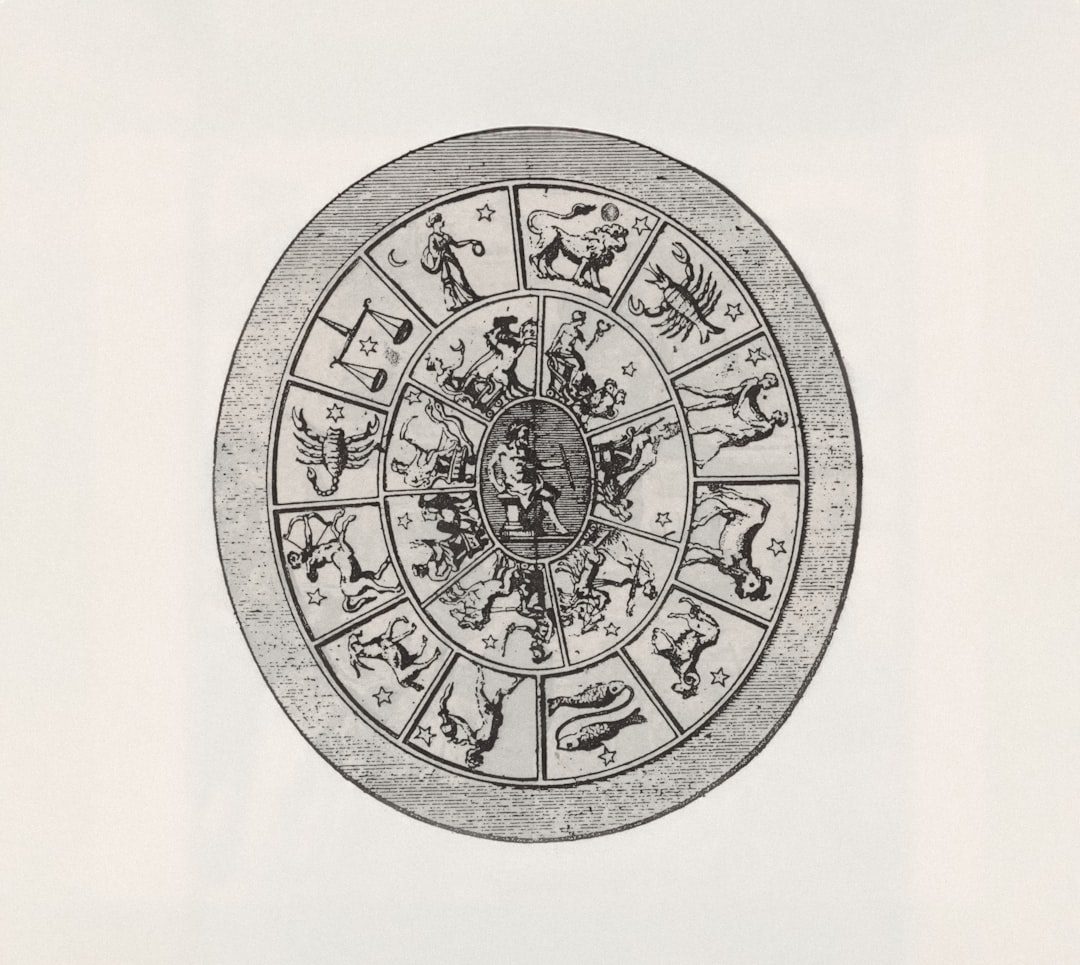
It might be tempting to dismiss zodiac signs as harmless entertainment and move on, but that would miss a deeper story about how humans reach for meaning in a noisy world. The popularity of astrology in a data-saturated age exposes a tension between two ways of knowing: the comfort of narrative and the rigor of evidence. When life feels unpredictable, a story that maps you neatly into a cosmic pattern can feel safer than a chart of error bars and probabilities. Ignoring that emotional appeal risks widening the gap between scientific institutions and the people they hope to serve.
Understanding why people care about zodiac signs can also make science communication more humane. Instead of simply labeling astrology as wrong, some researchers argue that we should acknowledge the needs it meets: identity, community, and a sense of belonging in a vast universe. Compared with the cold impersonality many people feel when they encounter equations and statistics, a zodiac chart can feel personal and warm. If science wants to compete for trust, it may need to tell better stories about what it can genuinely offer: tools to understand reality, reduce suffering, and expand possibility, even without cosmic scripts.
Global Perspectives: Zodiac Cultures Around the World
Global Perspectives: Zodiac Cultures Around the World (Image Credits: Wikimedia)
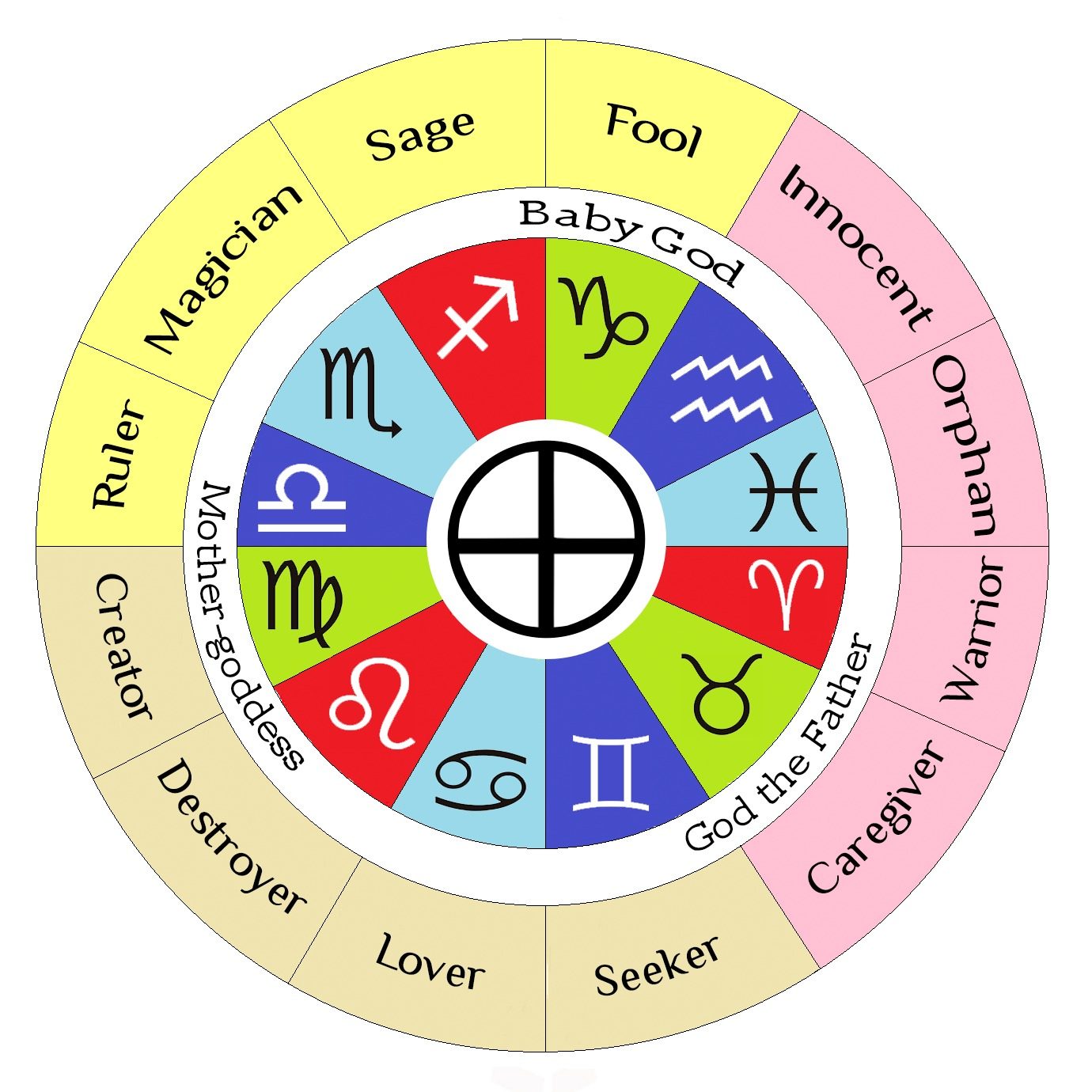
Western horoscopes are only one piece of a global tapestry of zodiac traditions. In East Asia, for example, the Chinese zodiac uses a twelve-year cycle of animal signs, such as Dragon or Rabbit, tied to lunar calendars and folk beliefs about luck and destiny. In India, Jyotish, or Vedic astrology, is deeply woven into religious and social life, often consulted for marriage compatibility or naming ceremonies. Across the Middle East and Latin America, variations on zodiac practices have blended with local myths, colonial histories, and religious influences.
Interestingly, as astrology globalizes through social media, these different systems sometimes blur and hybridize. A young person in São Paulo or Seoul might casually reference being both a Scorpio in Western astrology and a Tiger in the Chinese zodiac, picking and choosing what resonates. Sociologists see this as a kind of spiritual remix culture, where people curate meaning from multiple traditions rather than inheriting a single fixed system. For science observers, it underscores that zodiac beliefs are as much about culture and community as they are about the sky. The constellations above may be universal, but the stories we attach to them are anything but.
Beyond the Meme: How Astrology Is Evolving in the Digital Age
Beyond the Meme: How Astrology Is Evolving in the Digital Age (Image Credits: Unsplash)
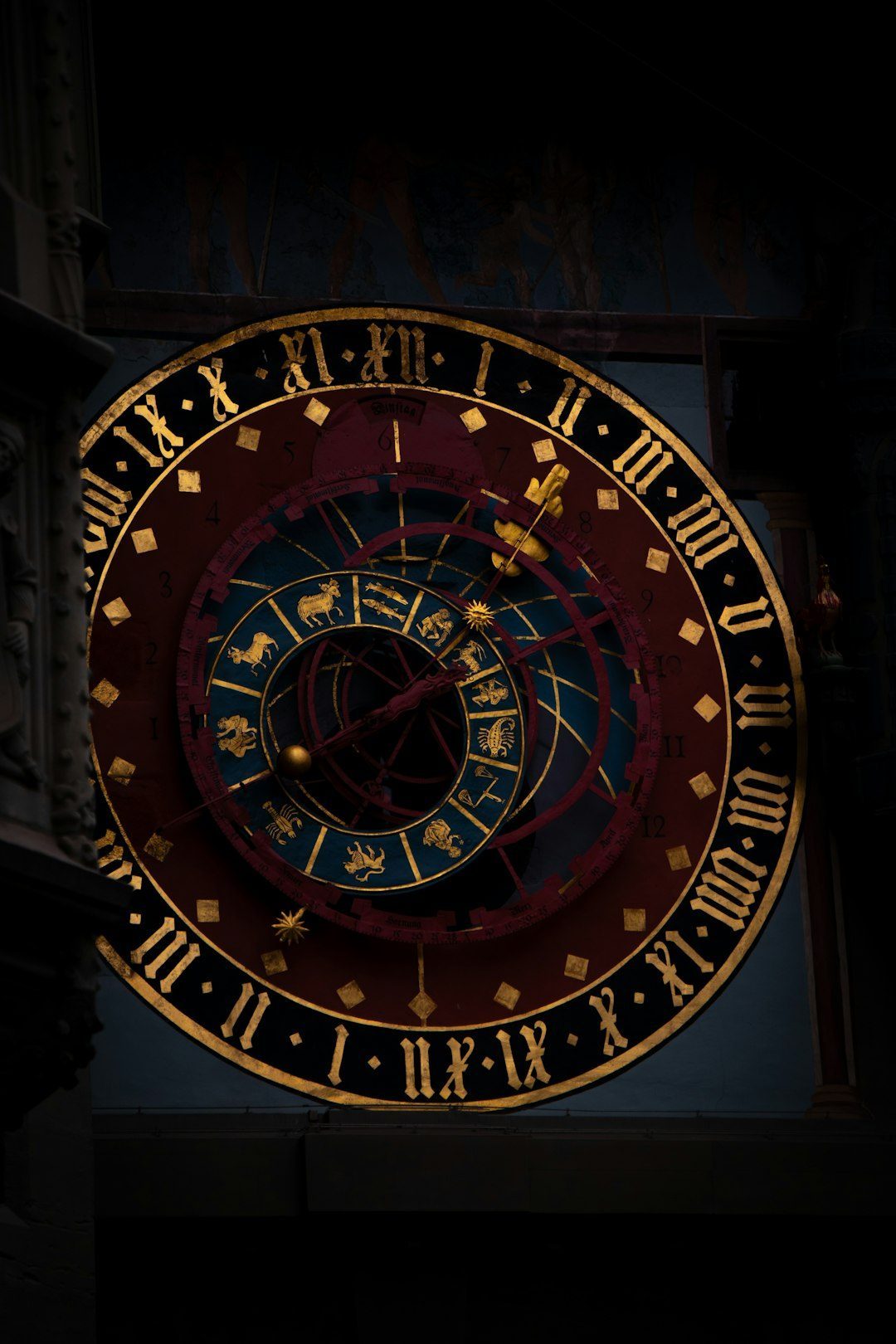
The recent surge in zodiac content is not just a nostalgic revival; it is a digital reinvention. Astrology apps now push personalized daily insights, invite users to compare charts with friends, and use sleek design language borrowed from wellness and mindfulness industries. On platforms like TikTok and Instagram, short, emotionally charged clips tie star signs to everything from attachment styles to texting habits. This constant stream of bite-sized guidance slots neatly into a world already shaped by push notifications and algorithmic feeds.
At the same time, some creators openly acknowledge astrology as symbolic rather than literal, treating charts as tools for reflection rather than predictions. This softer framing can draw in people who might reject more dogmatic versions but still crave structured self-exploration. Critics worry that wrapping astrology in therapeutic language can blur boundaries between evidence-based mental health care and untested advice. Yet the underlying demand is clear: people want frameworks to talk about feelings, patterns, and choices. If science and mental health services do not fully meet that need, astrology and similar systems are ready to step in.
The Future Landscape: Data, Algorithms, and the New Cosmic Interfaces
The Future Landscape: Data, Algorithms, and the New Cosmic Interfaces (Image Credits: Unsplash)
Looking ahead, the most striking shift may not be in the zodiac itself, but in how technology personalizes belief. Imagine apps that combine astrological profiles with vast amounts of behavioral data from phones and wearables, quietly refining which “readings” people find most persuasive or comforting. Even without any real link to the stars, such systems could learn to predict what you want to hear on a stressful Tuesday afternoon and present it as celestial wisdom. The risk is not that the planets gain new powers, but that algorithms wrap old cognitive biases in a fresh, data-driven sheen.
At the same time, astronomy and planetary science are on the cusp of discoveries that genuinely reshape our cosmic perspective, from characterizing exoplanet atmospheres to mapping dark matter more precisely. There is an almost poetic contrast between scientifically studying real planets in distant systems and attributing personality traits to Mars or Venus in a birth chart. As telescopes grow more powerful, scientists can tell richer, truer stories about what worlds beyond our own are actually like. Whether those stories will capture the public imagination as strongly as zodiac memes remains an open question, and one that will shape how we think of our place in the universe.
How to Engage Thoughtfully: A Practical Call to Action
How to Engage Thoughtfully: A Practical Call to Action (Image Credits: Unsplash)
For readers who enjoy zodiac content but also care about scientific thinking, the goal does not have to be to abandon one for the other. A simple first step is to practice labeling astrology as metaphor rather than mechanism, using it as a prompt for reflection while recognizing its limits. When you see a horoscope that resonates, ask yourself which parts reflect qualities you already knew about and which parts could apply to almost anyone. This small act of questioning keeps curiosity alive without draining all the fun from the ritual.
You can also support the kind of science that deepens our real understanding of the cosmos and human behavior. That might mean visiting a local planetarium, backing research-focused nonprofits, or encouraging schools to pair sky-watching with clear explanations of astronomy. In everyday conversations, be the person who can enjoy a zodiac joke and still explain why the night sky is even more awe-inspiring when you know what is physically happening up there. By holding both wonder and skepticism together, you help build a culture where meaning is something we create responsibly, not something we surrender to the stars.
Suhail Ahmed is a passionate digital professional and nature enthusiast with over 8 years of experience in content strategy, SEO, web development, and digital operations. Alongside his freelance journey, Suhail actively contributes to nature and wildlife platforms like Discover Wildlife, where he channels his curiosity for the planet into engaging, educational storytelling.
With a strong background in managing digital ecosystems — from ecommerce stores and WordPress websites to social media and automation — Suhail merges technical precision with creative insight. His content reflects a rare balance: SEO-friendly yet deeply human, data-informed yet emotionally resonant.
Driven by a love for discovery and storytelling, Suhail believes in using digital platforms to amplify causes that matter — especially those protecting Earth’s biodiversity and inspiring sustainable living. Whether he’s managing online projects or crafting wildlife content, his goal remains the same: to inform, inspire, and leave a positive digital footprint.